






Roof flashings for metal sheets: which parts and how many?
Metal roofing
A flashing schedule follows the shape of the roof. Even a simple roof needs its eaves, verges and ridge checked; valleys, chimneys and wall junctions add further components. Measure the relevant lines in linear metres, then convert them into stock lengths allowing for laps and end details. Roof area alone cannot establish the order quantity. Two roofs of equal area may have very different edge lengths. This guide explains how to mark the details on a drawing, calculate overlapping lengths and specify folds and coating faces so the delivered components fit the actual roof construction.
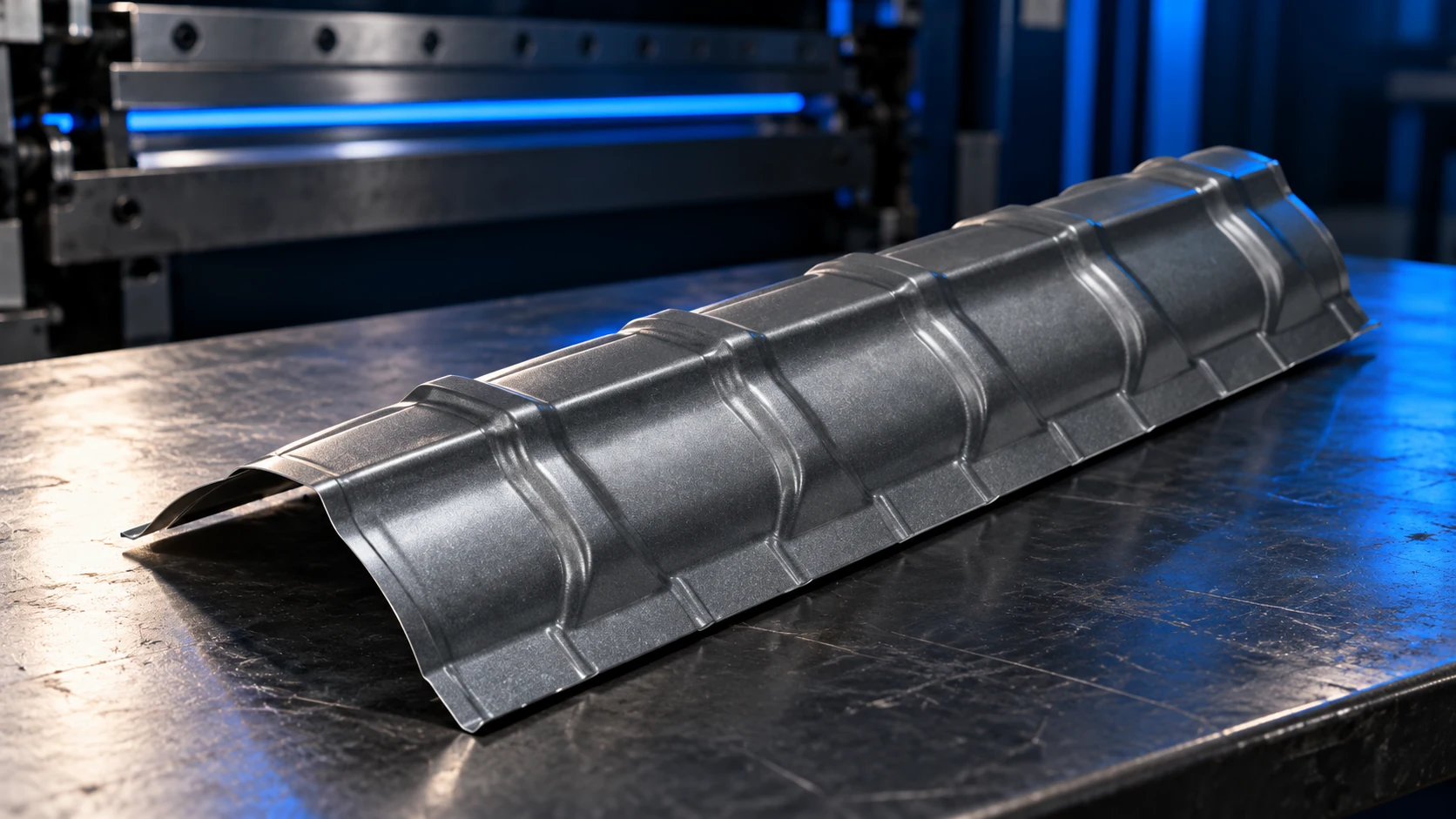
Start with the edges, not the roof area
Mark every line that needs closing or draining. An eaves flashing directs water into the gutter, while a separate fascia flashing protects the eaves face. Verge flashing protects the gable edge and a ridge cap covers the junction between slopes. Each has a different purpose even when made from similar sheet metal.
A valley occurs where two slopes meet inwardly. Wall flashing is needed where a roof meets a taller wall, and a chimney requires its own set of components. There is therefore no universal flashing pack for a 100 m² roof. Equal roof areas can have completely different edge lengths.
Distinguish straight and corner components in the schedule. A verge beside a gable differs from an abutment against a taller building, even if both are loosely called side flashing. Include a labelled sketch so the supplier can assign each item to a specific line.
A simple gable-roof example
Assume two rectangular slopes, each 10 m along the eaves and 5 m down the pitch. The roof totals 100 m², with two 10 m eaves, one 10 m ridge and four 5 m verge edges. The preliminary schedule therefore contains 20 linear metres of eaves, 20 of verges and 10 of ridge.
This is a geometry example without chimneys, valleys or wall junctions. It does not specify flashing widths or the full ventilation detail. If the eaves need two different strips, calculate each separately; do not order only one because both are informally described as gutter-edge flashing.
Overlapping lengths cover less than their nominal length
For calculation only, assume 2 m flashings and a 0.10 m lap. The first piece covers 2 m; each further piece adds 1.90 m. Five pieces therefore cover 9.60 m, not 10 m, so six are needed for a 10 m line. The lap here is an assumption: the real detail must follow the instructions and roof geometry.
Then check end details, corners and possible reuse of offcuts. A cut piece will not always fit the opposite verge: fold direction and left- or right-hand versions matter. A useful schedule lists both the line length and the number of ordered sections.
Calculate lap allowances from the number of joints. Ten components in one continuous line normally create nine joints. Do not automatically subtract a lap from every piece, including the first. Allow separately for end formations and any returns.
Fold dimensions must fit the covering
Profile height affects flashing position, as do board thickness, gap width and fixing method. A ready-made component for one system may not fit another. Both simple general-purpose shapes and system-specific flashings are available. Judge suitability against the actual roof cross-section.
Bespoke flashings need a section drawing showing leg lengths, angles, coated side and section length. “Anthracite verge flashing” is insufficient. For an unusual detail, a short trial piece can confirm fit before the whole batch is made.
Flashings must not block ventilation
A watertight roof also needs the designed airflow paths to remain open. Blocking the ridge with unsuitable foam can hinder drying. Protection from rain and insects must work with ventilation. The roofing instructions explain how these functions are combined.
The same applies at the eaves: a water-directing strip must not unintentionally close the air inlet. Select flashings together with the eaves batten, membrane and gutter. Changing one component on site may require changes to the others. Discuss this cross-section with the contractor before delivery.
Price reflects more than flat-sheet consumption
Developed sheet width, number of folds, length, coating and order size affect cost. Flashings are priced separately from the main covering, either per piece or per linear metre of finished component. Calculating only the square metres of flat sheet does not give the price of fabricated flashing.
Include fasteners and required tapes in the order. Request labels on the bundles. At delivery, compare leg dimensions and coated sides with the drawing. Errors are easier to correct before the crew starts on the roof. Do not simply conceal coating damage beneath a lap without assessing whether repair is permitted.
Frequently asked questions
Are flashing quantities calculated from roof area?
No. Use edge lengths and the number of details. Area does not reveal the number of valleys, chimneys or dormers.
Can I buy exactly the same length as the roof edge?
Not always. Allow for laps, end details and the available component lengths.

Free quote
What to include in your enquiry
Tell us how you plan to use the material, the dimensions and the quantity you need. Include the thickness, grade or variant name, along with the delivery town or your preferred collection branch. For a specific product, add its name or a link to the product page. We will reply to the email address you provide to discuss availability and the terms of your order.
More from the building guide
Steel roof tiles or trapezoidal sheets can protect an energy-efficient home, but they do not by themselves limit heat loss. Insulation layers,…
At an assumed PLN 36.34 excluding VAT per square metre of T18 cover, material for 200 m² totals PLN 7,268 excluding VAT.…
Plan a roof-covering replacement as a sequence: assess the existing structure, define the work, protect the interior, remove old materials and then…
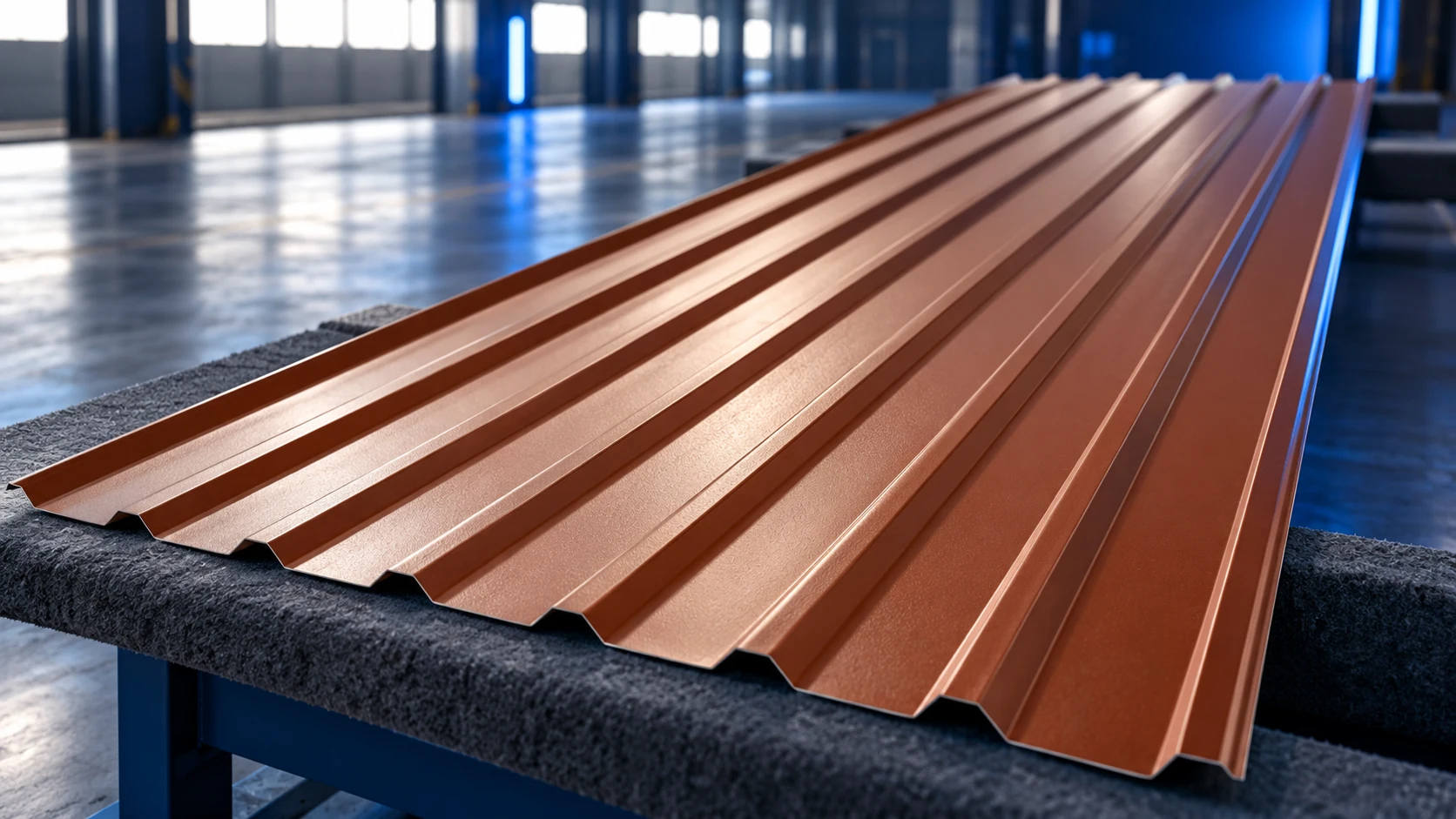
The cost of 100 m² of roofing sheet cannot be compared with a quotation for 100 linear metres until the sheet's cover…
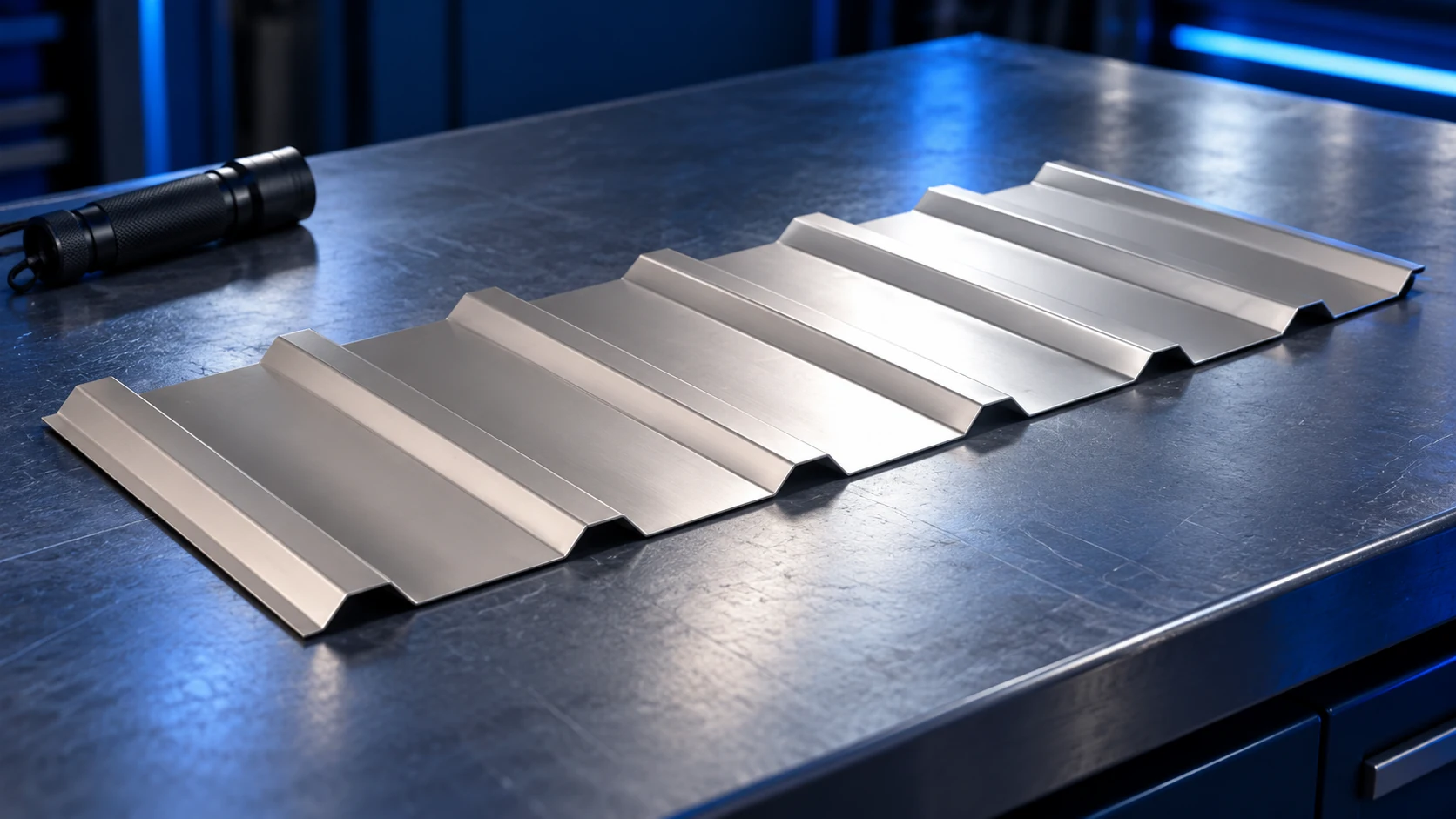
A useful trapezoidal steel sheet quotation lets you verify the product, quantity and complete price. The name T18 and a colour alone…
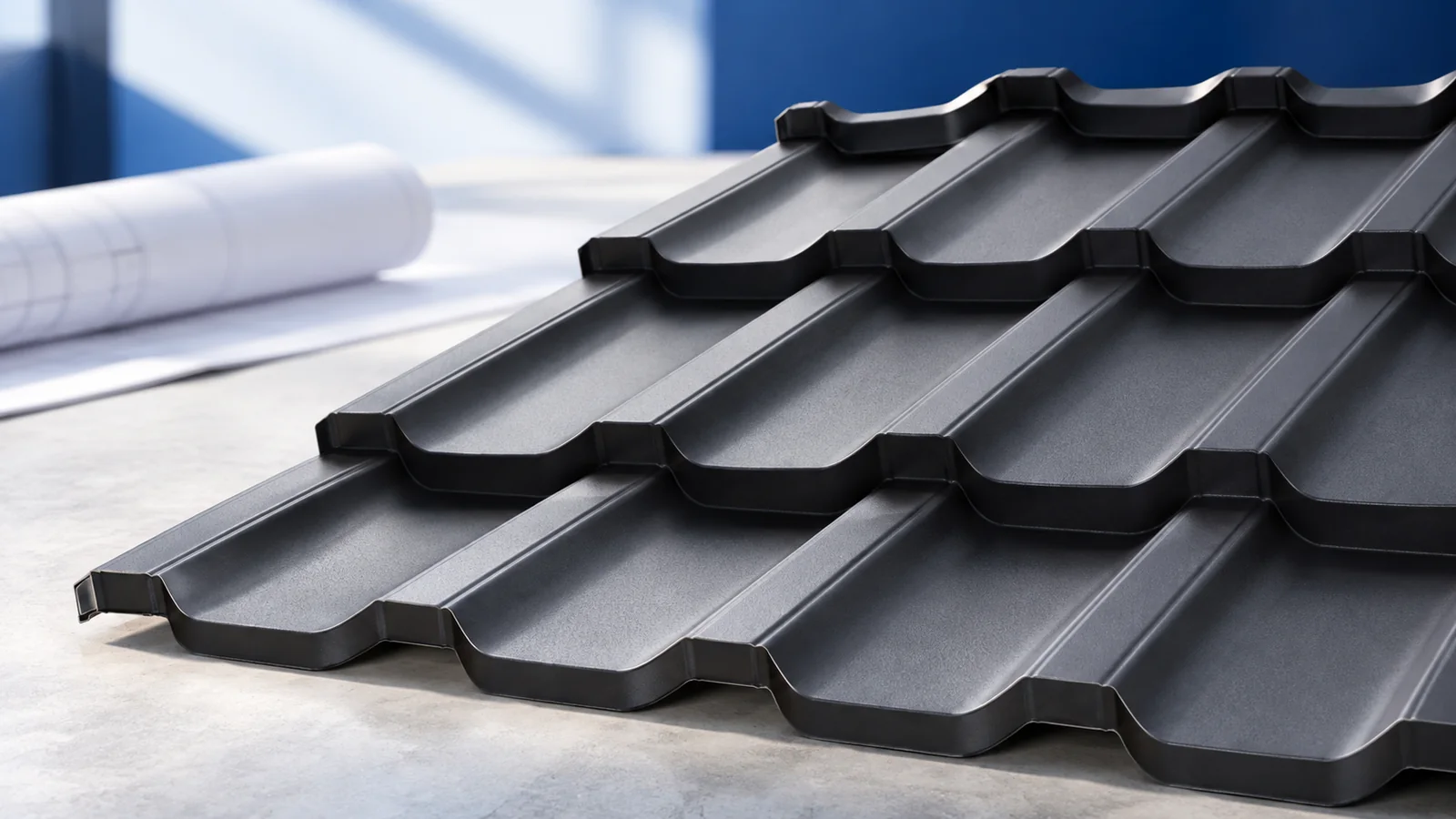
Choose a house roof covering in two stages. First rule out materials incompatible with the structure, pitch and layer arrangement; then compare…
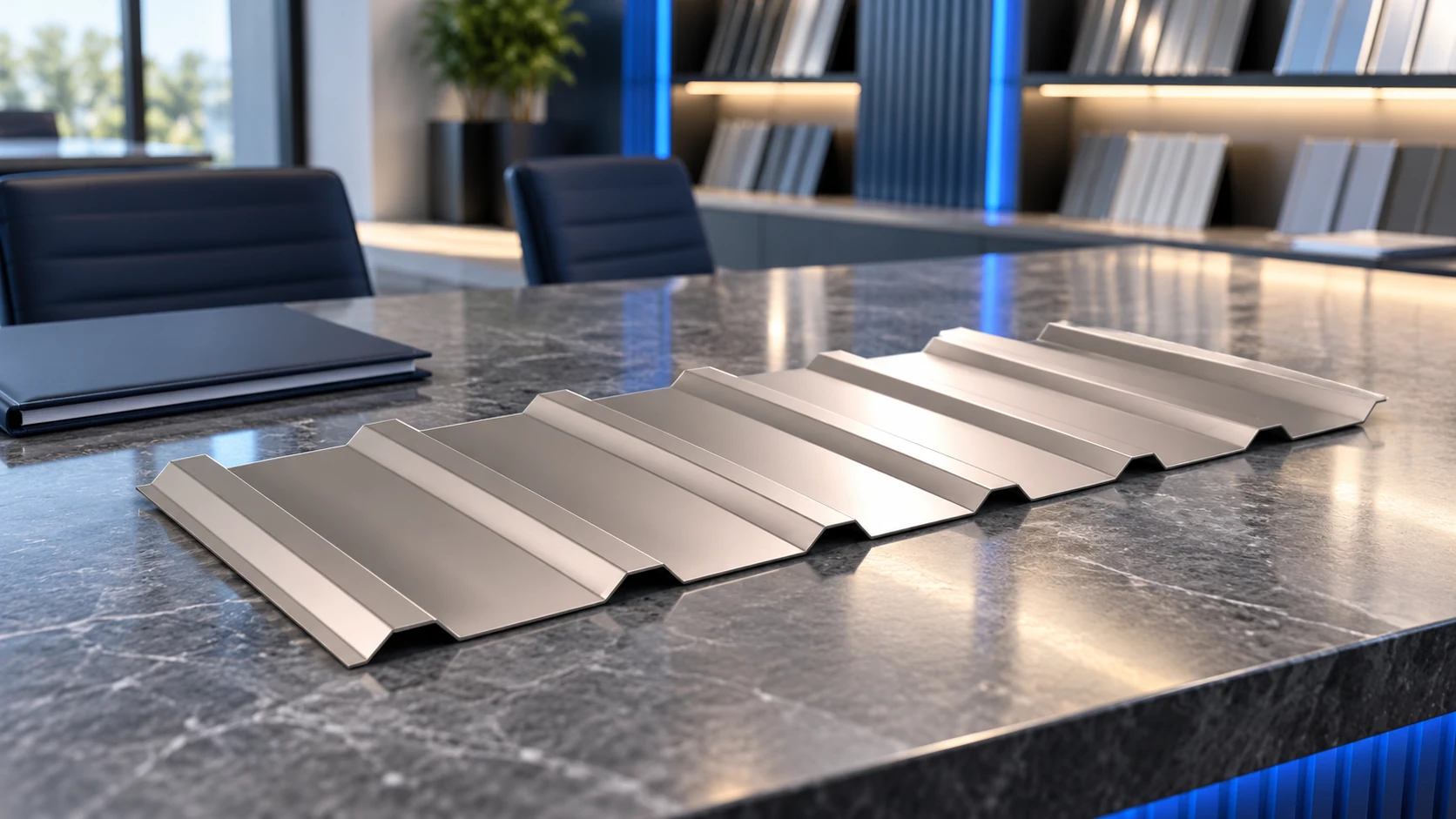
Supplier reviews can help assess service, but they do not replace checking the material being purchased. Separate product quality from transport, advice…
A multi-pitched roof can bring different parts of a house together, but each slope and junction needs assessment. Covering selection depends on…