






Single-lock, double-lock and snap-lock roofing: how the seams differ
Metal roofing
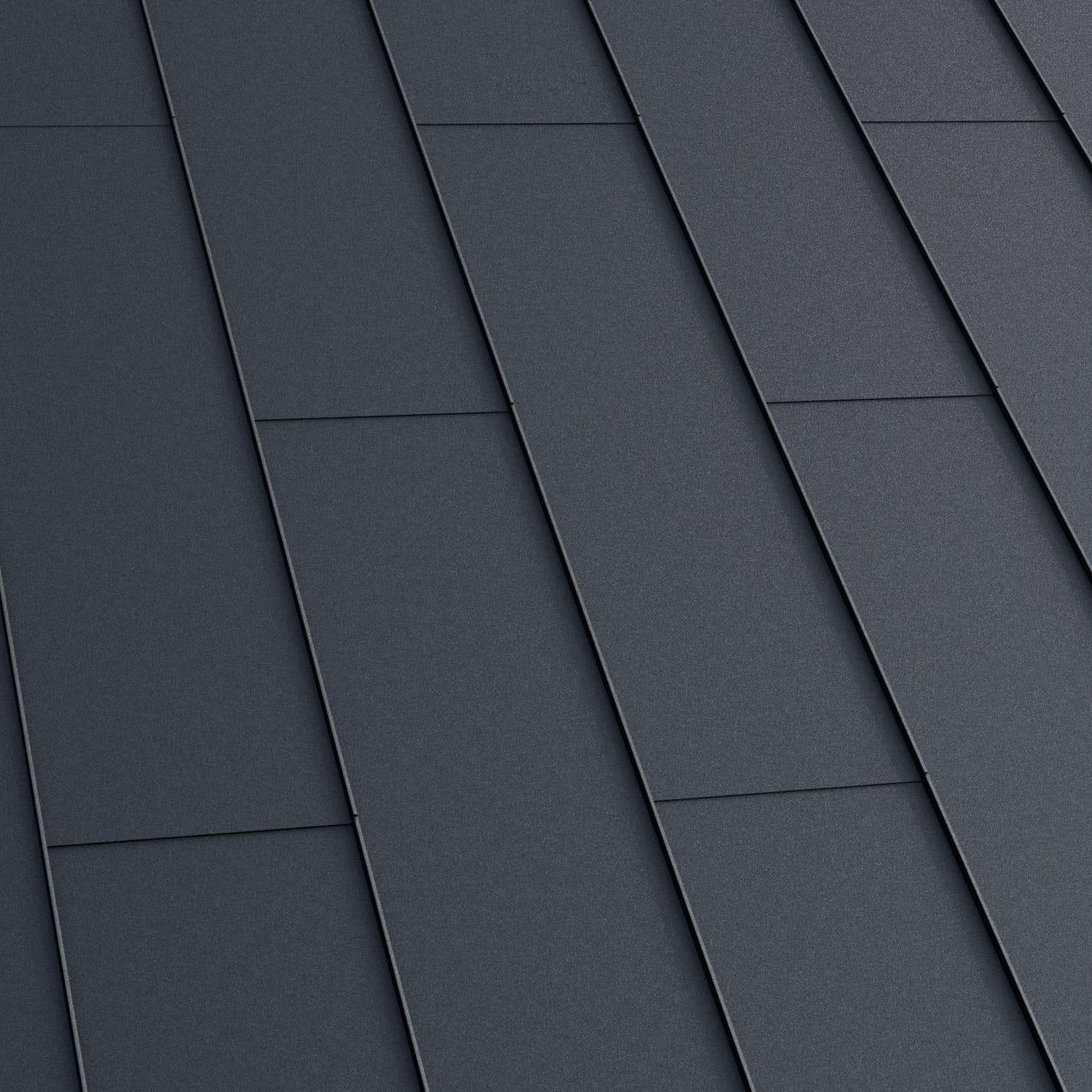
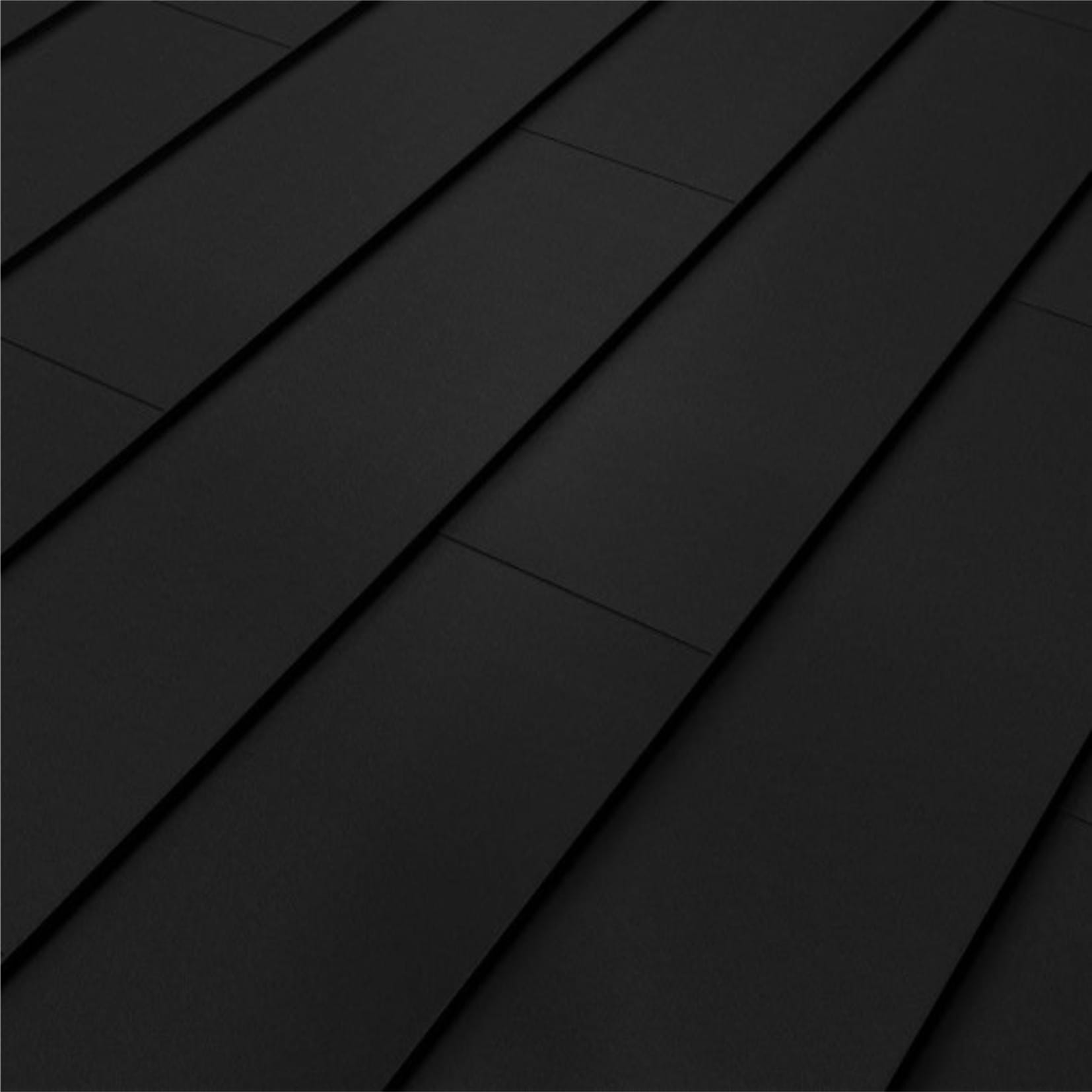
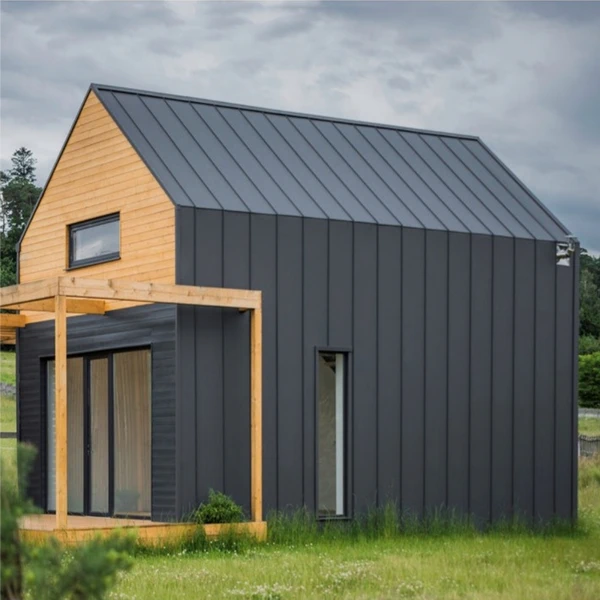
Single- and double-lock seams are formed by folding sheet edges, while snap-lock panels arrive with a factory-made interlocking joint. Similar roof lines do not imply identical installation rules. Seams, fixings and minimum pitch requirements differ between systems. Before buying, identify a specific product rather than relying on the general label “standing seam”. Check the substrate, panel length, roof penetrations and allowance for thermal movement as part of that choice. This guide explains why a traditional folded seam and a click-fit panel cannot be treated as interchangeable simply because they look similar from the ground.
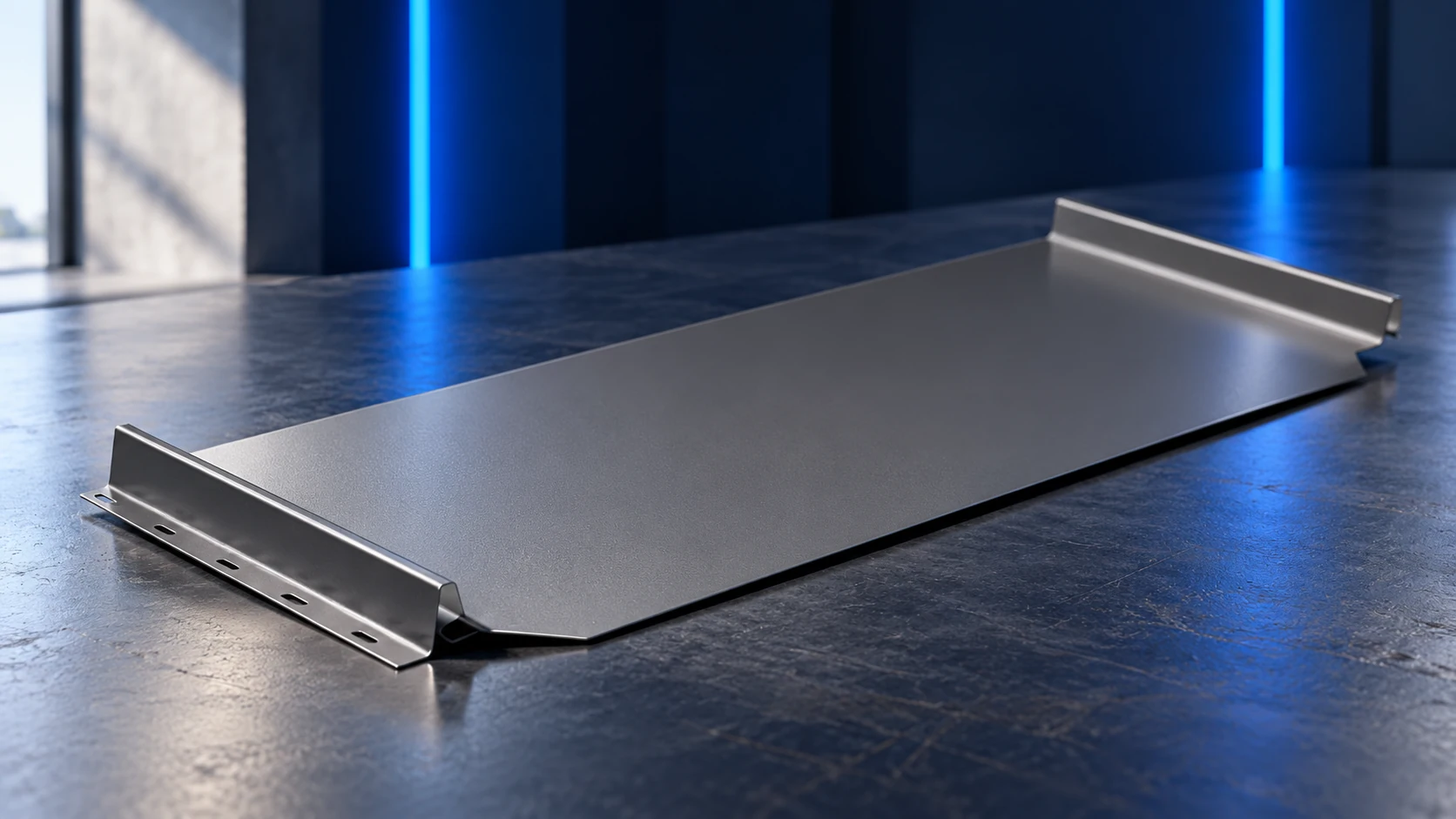
Traditional seams are formed during sheet-metal working
In traditional work, prepared sheet strips are joined by folding their edges. Single- and double-lock seams differ in how the joint is closed. A second fold produces a different detail from a single fold. Suitable tools and a contractor experienced in the particular technique are required.
A double fold is not automatically watertight under all conditions. Material, substrate, strip length and penetration details matter. Read the permitted pitch in the chosen system’s documentation. A general guide value is not permission to use any sheet metal on an almost flat roof.
Snap-lock panels arrive with preformed edges
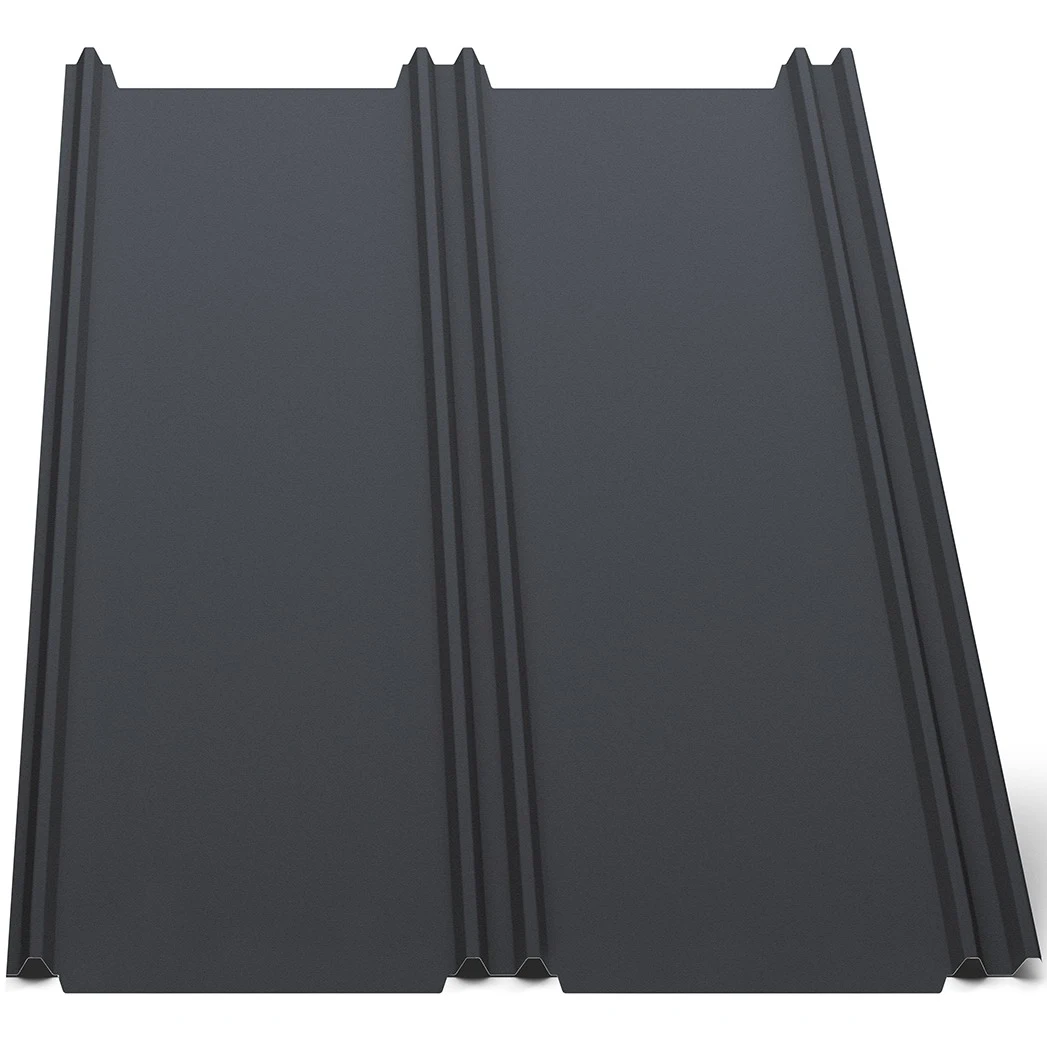
Snap-lock edges are formed at the factory. The installer lays the panels and closes the joint as instructed. One example panel has 510 mm effective cover, a 25 mm edge height and 0.6 mm sheet. That particular version may require at least 8° pitch, approximately 14%. This is not a universal limit for all snap-lock panels.
Another panel may also cover 510 mm and have a 25 mm edge, without being interchangeable. Check the joint edges, sheet start and fixing arrangement separately. Ordering “510 mm click panels” without comparing the cross-section may result in a mismatch. Matching width does not guarantee matching joints.
Effective width is the area covered once panels are joined. Overall width includes the edges and is 542 mm in this example. Both dimensions are useful for flashings and cutting plans, but neither replaces the joint drawing or the fixing instructions for that version.
Fixings must accommodate thermal movement
Metal changes length with temperature. On snap-lock panels, screw position within the designated holes and correct tightening are important. Overtightening can lock the panel in place; excessive looseness is also wrong. Follow the system’s fixing method rather than tightening as hard as possible.
Traditional systems may use appropriately selected clips, while a snap-lock panel may have an integral fixing flange. Do not transfer one fixing method to the other. “Concealed screw” does not mean there are no holes: it describes the fixing position and its protection beneath the next panel.
Low-pitch roofs need particular attention
As pitch decreases, joint detailing becomes more important. Check not only the longitudinal seam but also end joints, ridge and penetrations. Choosing a double-lock seam does not remove the need to design the remaining details.
A panel approved from 8° does not meet the requirement on a 7° roof simply because the difference seems small. Change the solution or obtain a confirmed system design. Degrees cannot be converted to percentages by changing the symbol: 8° is approximately 14%, not 8%. This matters when measuring an existing roof.
Discuss the finished surface appearance too
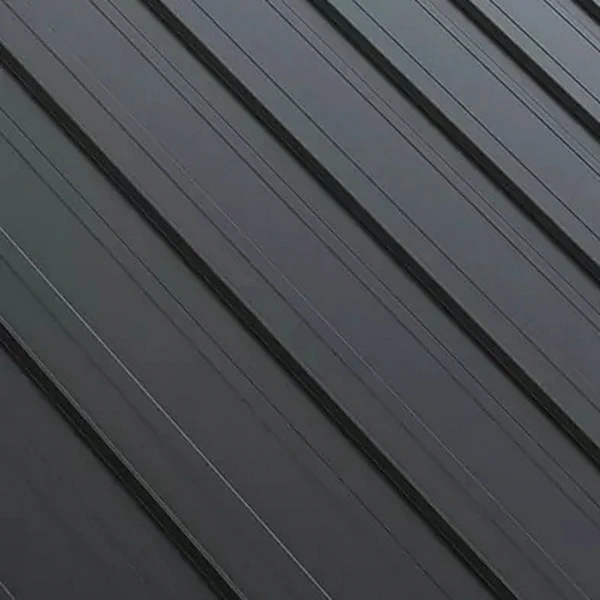
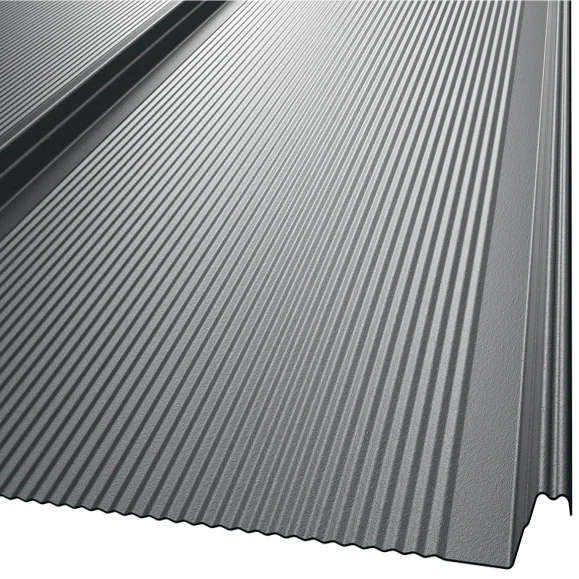
Smooth panels may show waviness, often called oil canning. Its visibility depends on surface profiling, substrate evenness, fixings and lighting, and may vary throughout the day. Visible waves do not always mean loss of watertightness, but not every deformation should automatically be accepted as normal.
Inspect a completed roof in side lighting before ordering. A small sample on a table cannot show the entire effect. Agree surface profiling and expected appearance with the contractor. Switching from smooth panels to micro-profiled ones later would require replacing the covering, so decide before production.
Choose a system, not just a name
Record roof pitch, slope length, substrate and penetrations. Compare the requirements of two or three specific systems, including contractor availability, labour and the full flashing package. Check starter components too. Buying a square metre of “standing seam” does not describe a complete system or installation cost.
Obtain a quotation naming the version and coating, with instructions for that exact product. If the installer proposes a different detail, agree it before work starts. A drawn and agreed solution is easier to check than a repair after the first rain.
Check whether “standing seam” in each quotation means factory-made panels or flat sheet formed on site. The labour and tools differ. The system must be specified so supplier and installer price the same solution.
Frequently asked questions
Is snap-lock the same as double-lock standing seam?
No. They join sheet edges differently. A similar line on the roof does not mean the joint has the same construction.
Can all standing-seam coverings be installed from 8°?
No. The 8° requirement applies to particular products. Other systems have their own conditions.

Free quote
What to include in your enquiry
Tell us how you plan to use the material, the dimensions and the quantity you need. Include the thickness, grade or variant name, along with the delivery town or your preferred collection branch. For a specific product, add its name or a link to the product page. We will reply to the email address you provide to discuss availability and the terms of your order.

More from the building guide
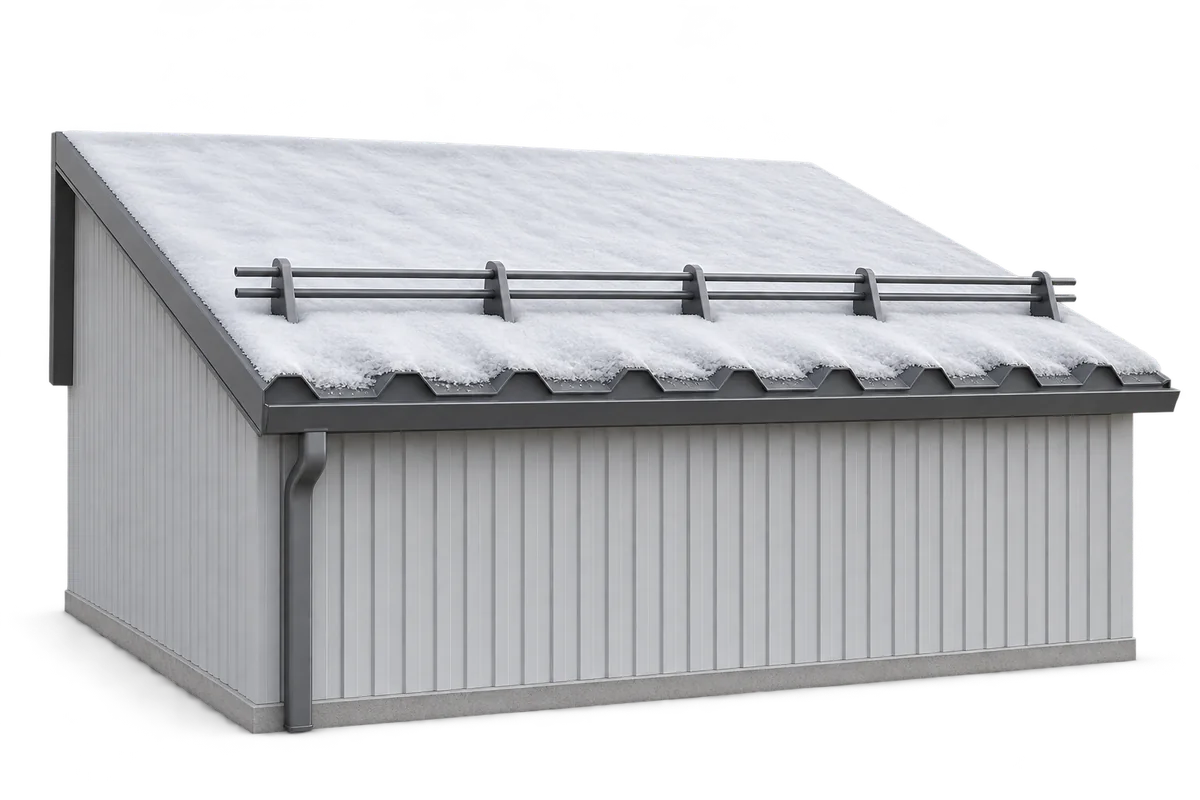
Snow depth alone does not tell you when a roof needs clearing. What matters is the weight and distribution of the snow…
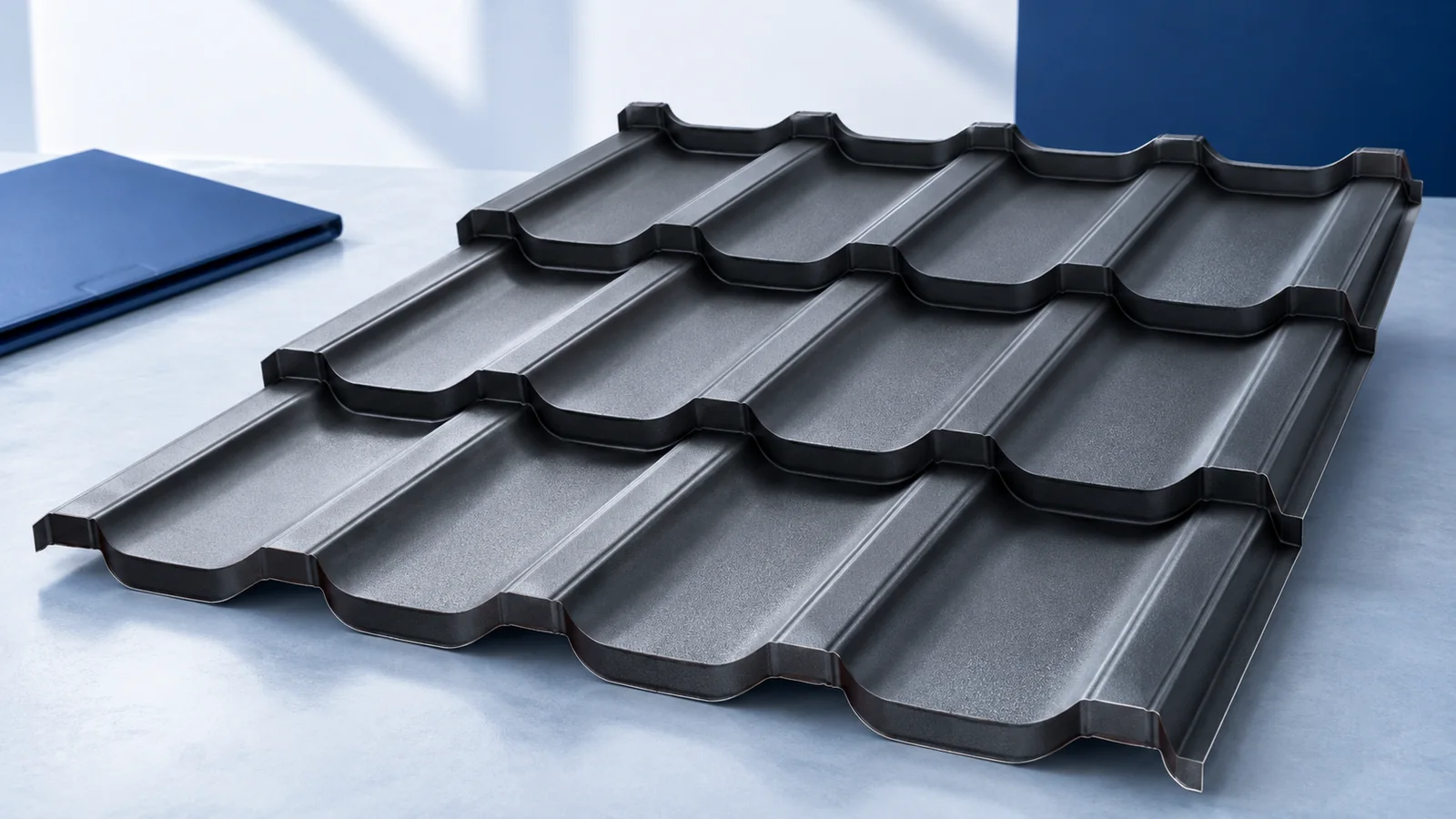
Compare steel roof tiles and concrete tiles by starting with the structure and roof layout. Their weight, installation and local repair options…
Organise documents for building in Poland around the decisions they support. Plot information establishes development possibilities; the design specifies structure and materials;…
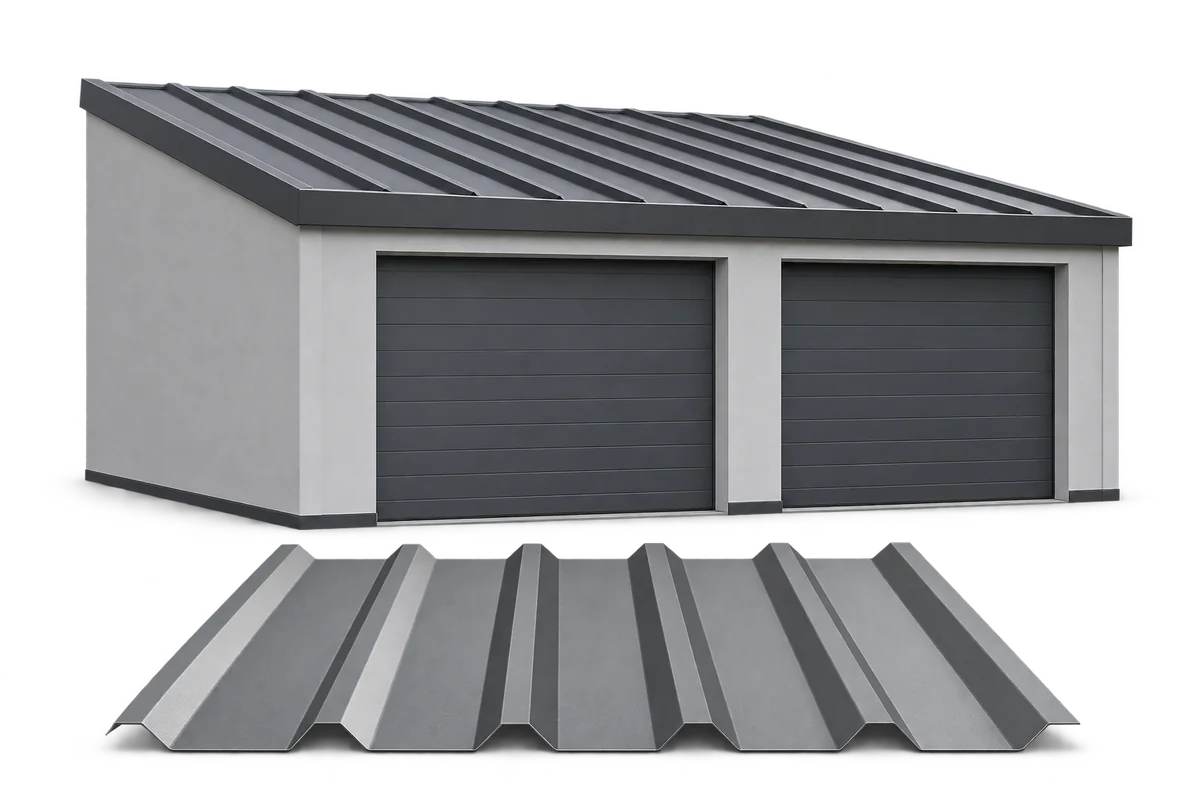
Trapezoidal steel sheets can cover a garage roof, clad its walls or screen the side of a carport. Choose the coating and…
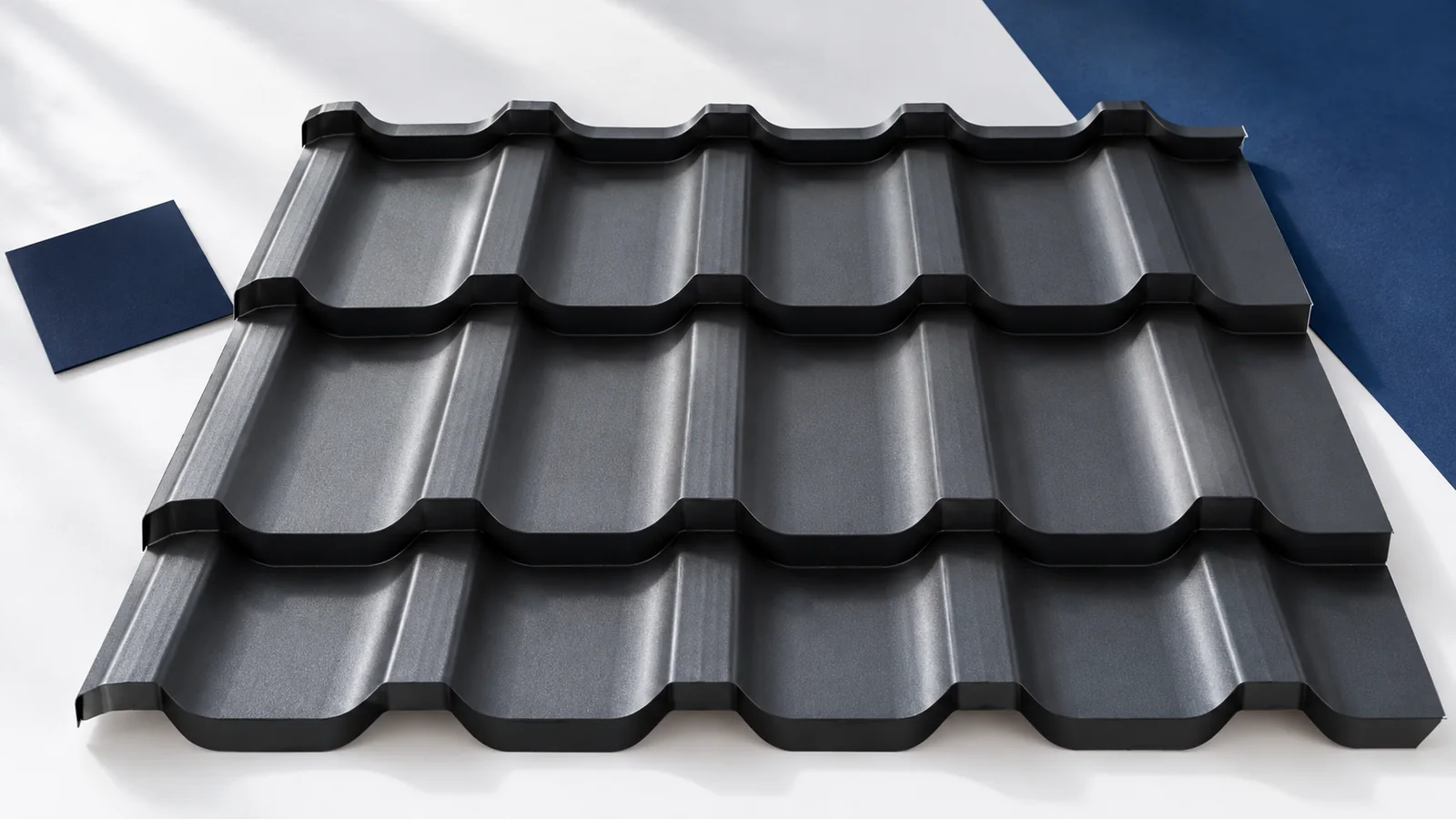
Correct installation of steel roof tiles depends on agreement between roof geometry, the prepared substructure and the specific profile's instructions. Cut-to-length sheets…
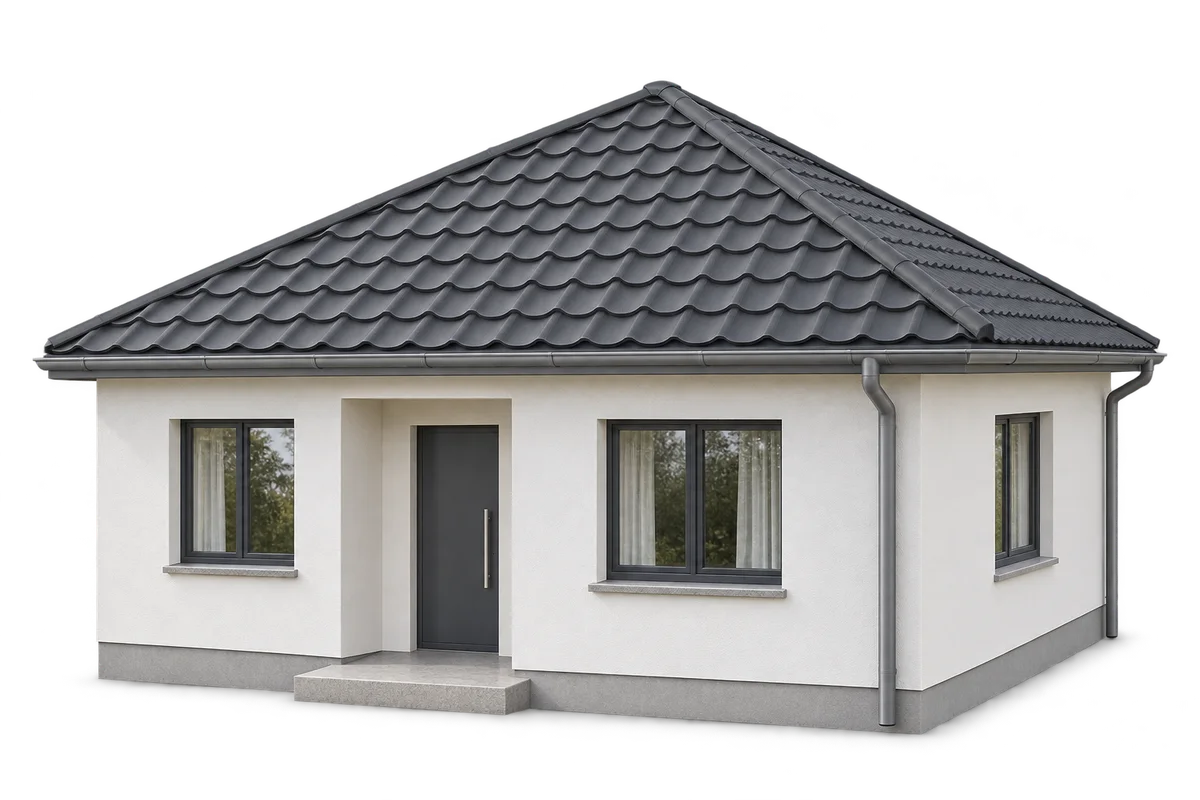
A hipped roof suits a compact house and allows the eaves to run around the building. Compared with a simple gable roof,…
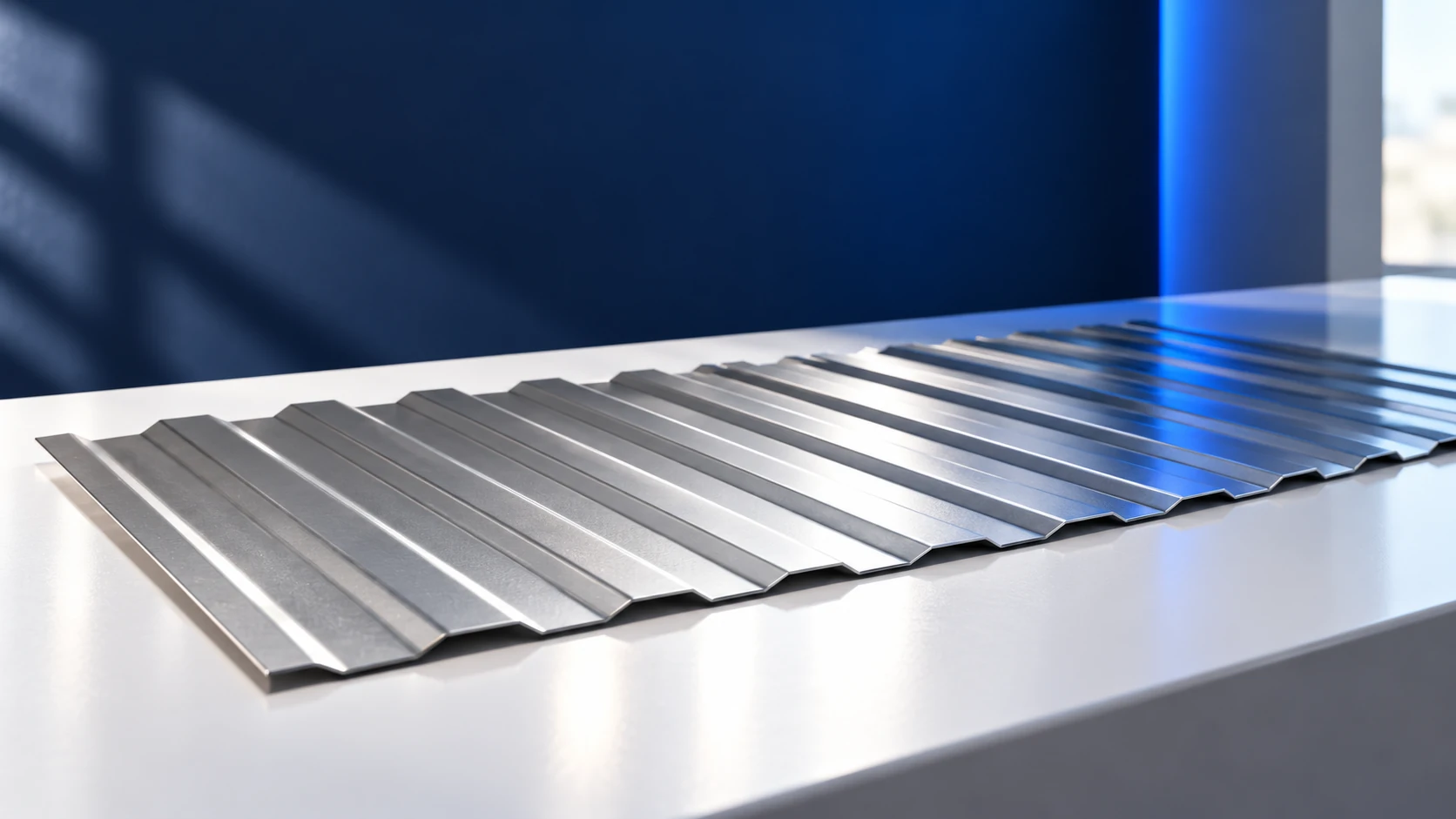
T8 identifies a low-profile sheet family rather than one standard sheet size. Effective cover widths can be 1156 or 1170 mm, for…
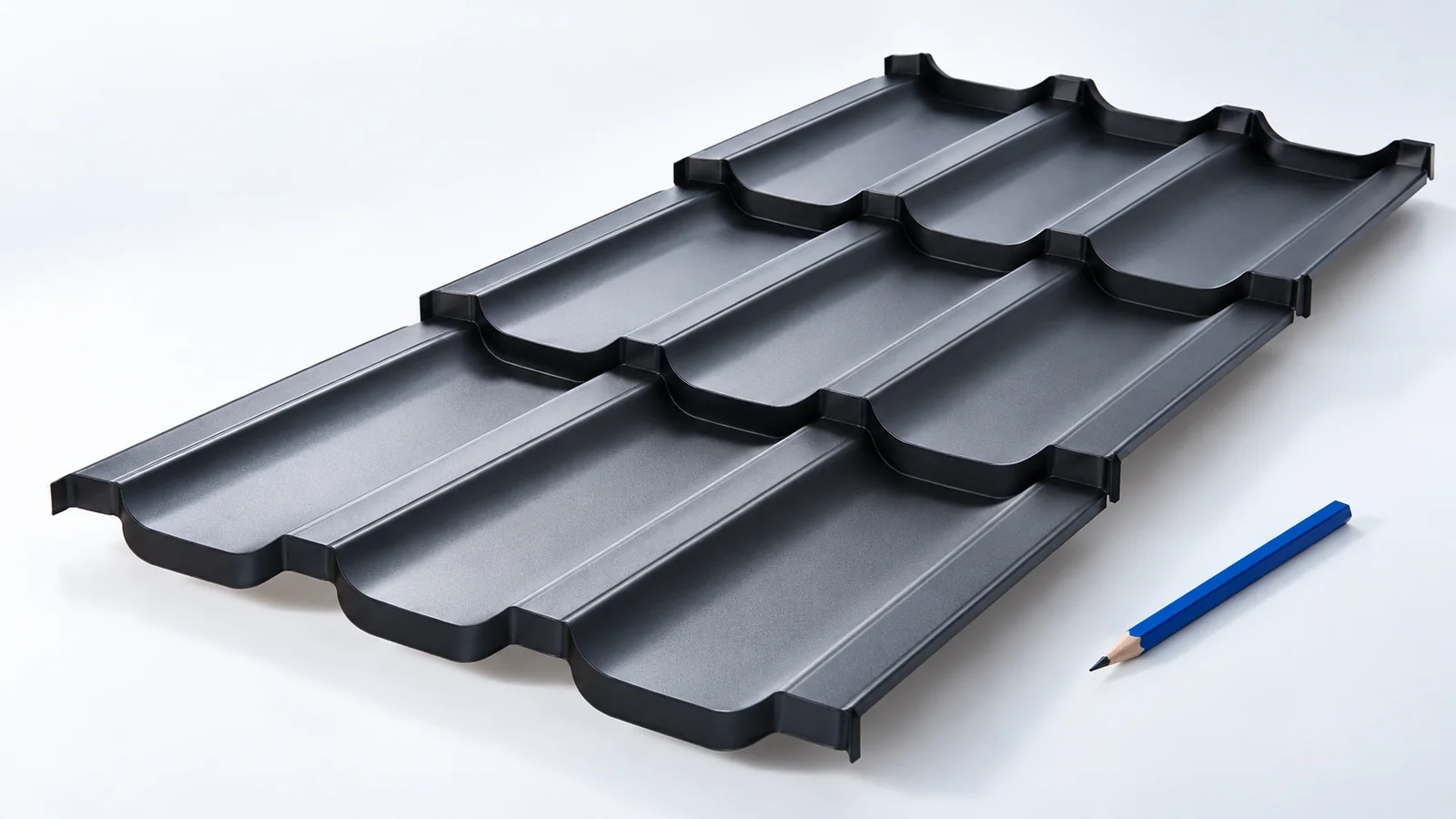
Recyclability alone cannot establish the environmental impact of a metal roof. Production, material quantities, transport, installation waste, service life and treatment of…