






Which adhesive for XPS? Check the board, substrate and waterproofing
XPS insulation
Choose an XPS adhesive for the specific joint. The same board may need a different product or application pattern on concrete than on bituminous waterproofing. Look for confirmation that the adhesive suits both surfaces and the expected water exposure. Also establish what will support the bottom row until the adhesive sets. The following checks cover substrate condition, the difference between adjustment and setting time, and inspection before a basement wall is backfilled, while both layers are still accessible.
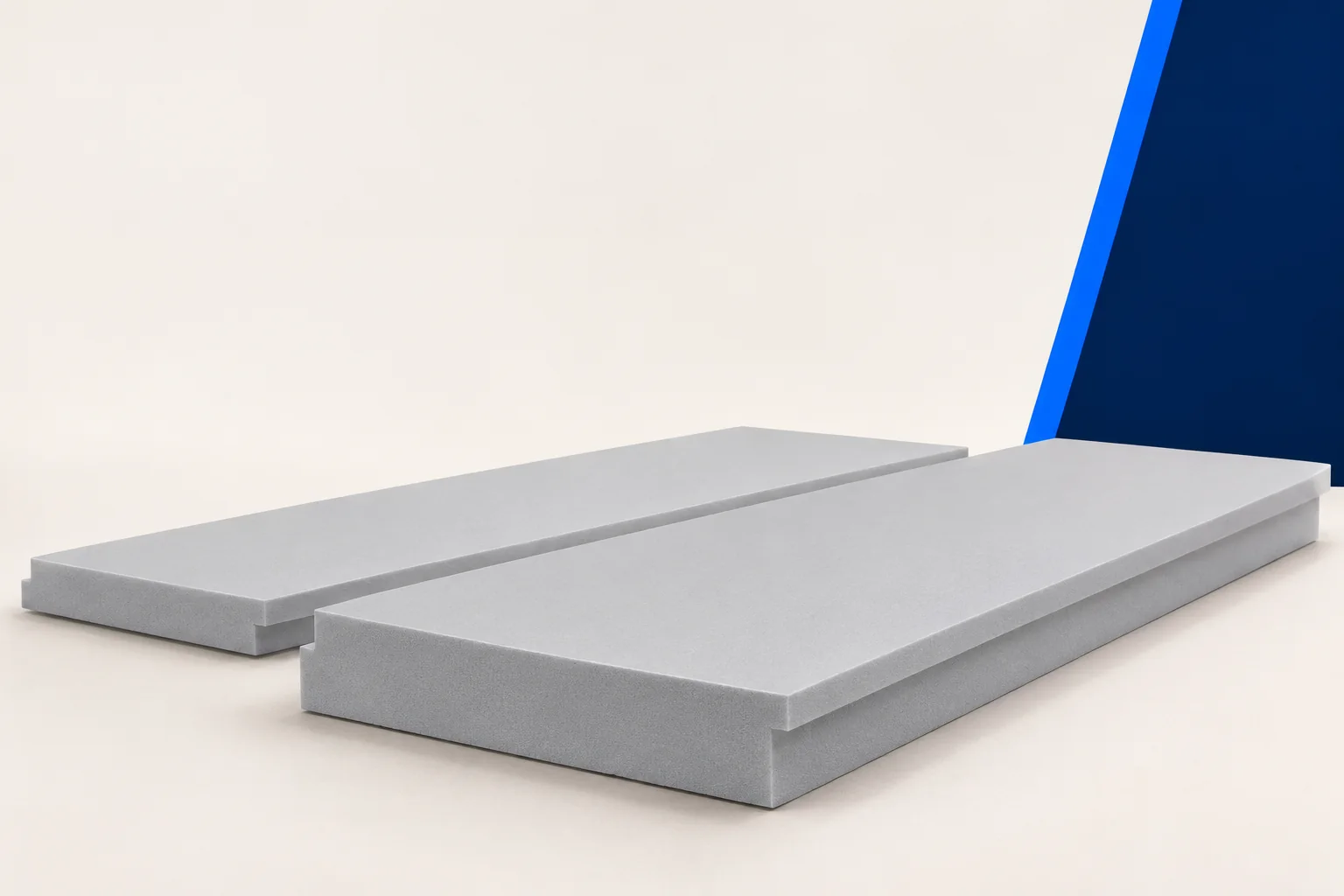
Identify the face you are bonding to
The drawing may show a concrete wall, but once it is waterproofed the adhesive touches the coating, not the concrete. Record the coating name before selecting the adhesive.
XPS boards are light, but the substrate still has to take the forces in the assembly. Loose render or a peeling coating remains the weak point however strong the adhesive is. Check that the surface is sound, clean and even before deciding how to prepare it.
Check the formulation for compatibility
Unsuitable solvents can soften, shrink or dissolve XPS. The words “construction adhesive” tell you little: read the intended use and the manufacturer’s instructions for polystyrene and the adjoining material.
Solvent-free products can be suitable, but solvent content is not the only criterion. Moisture, temperature and substrate type matter too. A trial bond helps assess workmanship; for a critical junction obtain confirmation for the exact combination of materials.
Select the application pattern for the exposure
Beads, dabs and full-surface bonding provide different support, transfer forces differently and leave different paths for water behind the board. Instructions for ground moisture can differ from those for water under pressure. Do not copy a pattern from another site without checking the exposure.
XPS can protect basement waterproofing as well as reduce heat loss. Follow the specified fixing detail, including bearing for the first course and restraint until the bond sets. Otherwise boards can slide or move during subsequent work.
Smooth and textured faces
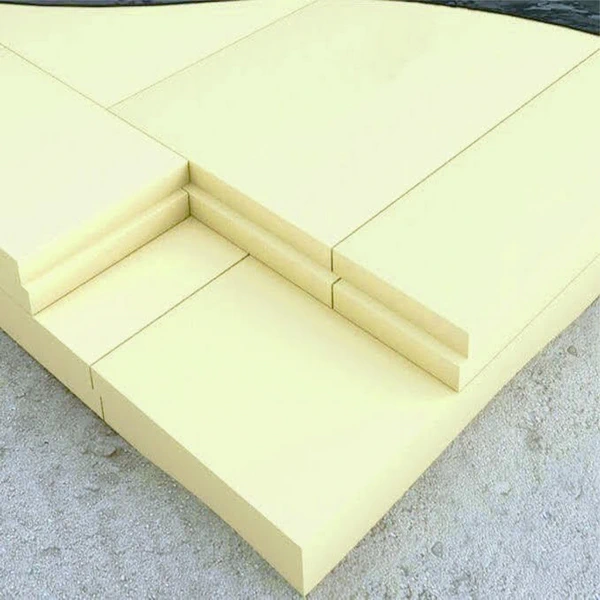
State the board finish when choosing an adhesive. Textured boards may be intended for mortar or a bonded finish; a texture alone does not establish suitability for every system. Check the requirements of the complete build-up.
The informal term “Styrodur” does not identify the finish. Manufacturers such as swisspor, Austrotherm and Ravago distinguish faces, edge profiles and applications in their documentation. Ordering the correct finish avoids extra work to make a board suit an adhesive already bought.
Respect the application and adjustment window
Check the specified conditions for the surface, adhesive and air, including moisture and temperature. Low water absorption of XPS will not create a reliable bond to a frozen or unprepared surface.
Plan access and laying order beforehand. XPS is easy to position, so check alignment and joints as you go. Shifting a whole row after the permitted adjustment time can break the developing bond.
Keep bonding, fixing and sealing distinct
Adhesive holds the boards in position and transfers the specified forces. It is not automatically continuous waterproofing. Foam between the boards does not waterproof the wall either. Identify which layer provides each function.
Any supplementary fixing must be part of the specified detail. Never drill through finished waterproofing merely to hold a loose board; the XPS cannot repair the puncture. Some horizontal XPS layers are laid loose where the design provides for restraint.
Inspect the bond before backfilling
Once the specified time has elapsed, check board position and stability at joints, corners and penetrations. Inspect the waterproofing for damage. If a board comes away with the coating attached, applying more adhesive to the same weak coating will not solve the problem.
A suitable fixing arrangement keeps the insulation continuous during the remaining work. Base selection on the substrate, loading and water conditions, and record the products installed so that later repairs can be specified for the actual materials.

Free quote
What to include in your enquiry
Tell us how you plan to use the material, the dimensions and the quantity you need. Include the thickness, grade or variant name, along with the delivery town or your preferred collection branch. For a specific product, add its name or a link to the product page. We will reply to the email address you provide to discuss availability and the terms of your order.
More from the building guide
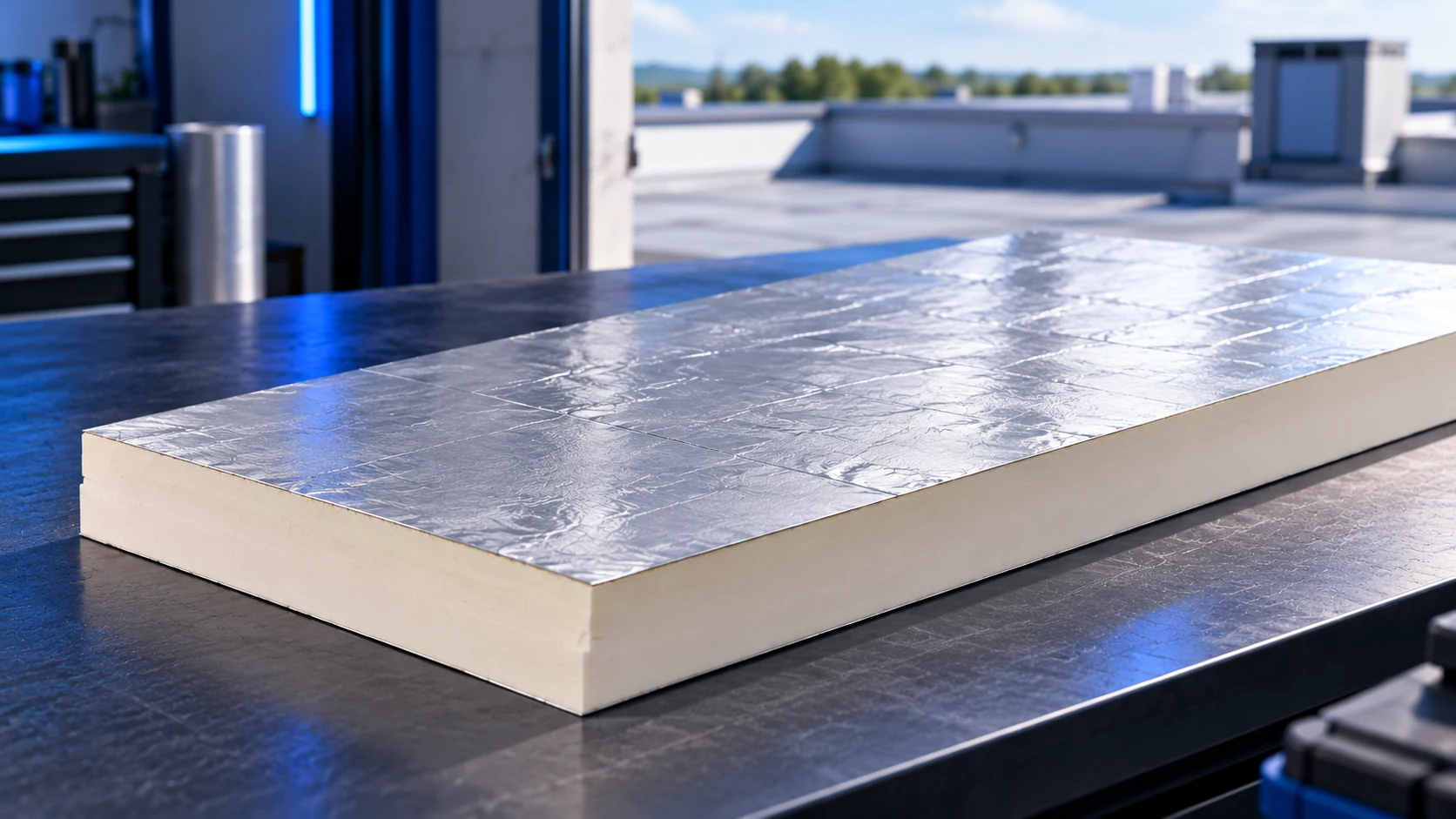
PIR and XPS can both be used in suitable flat-roof constructions, but they do not necessarily occupy the same position. Establish where…
Most waste can be avoided before the first saw cut. Draw the row using cover dimensions, mark the side to keep and…
To calculate an XPS order, separate the area to insulate, the number of layers and the coverage of one pack. Two layers…
The XPS pack label identifies the boards delivered to site. The declaration of performance lets you check whether that exact product meets…
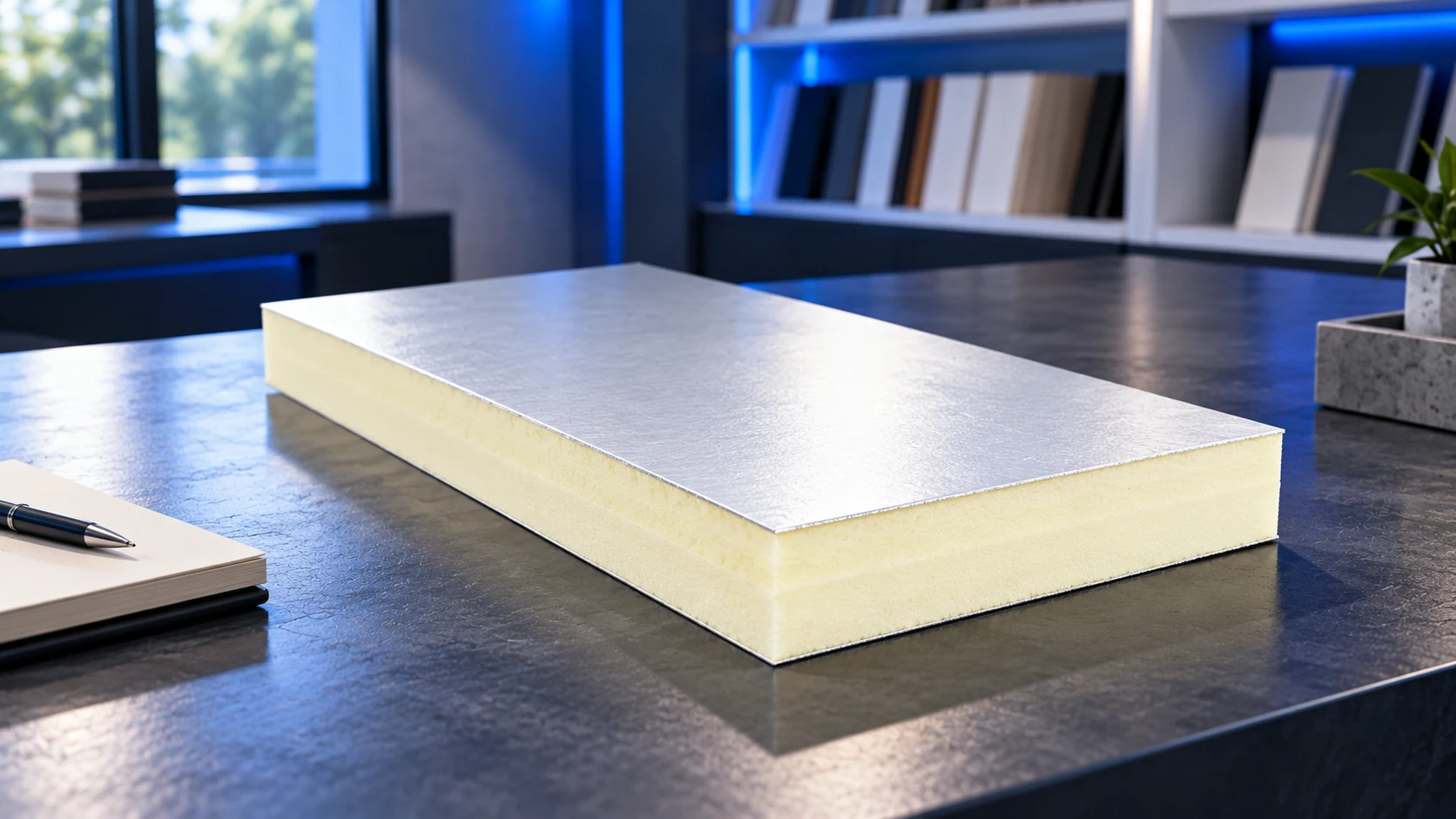
Insulation selection starts with its position in the building. A rendered wall, a roof and a continuously loaded floor impose different requirements.…
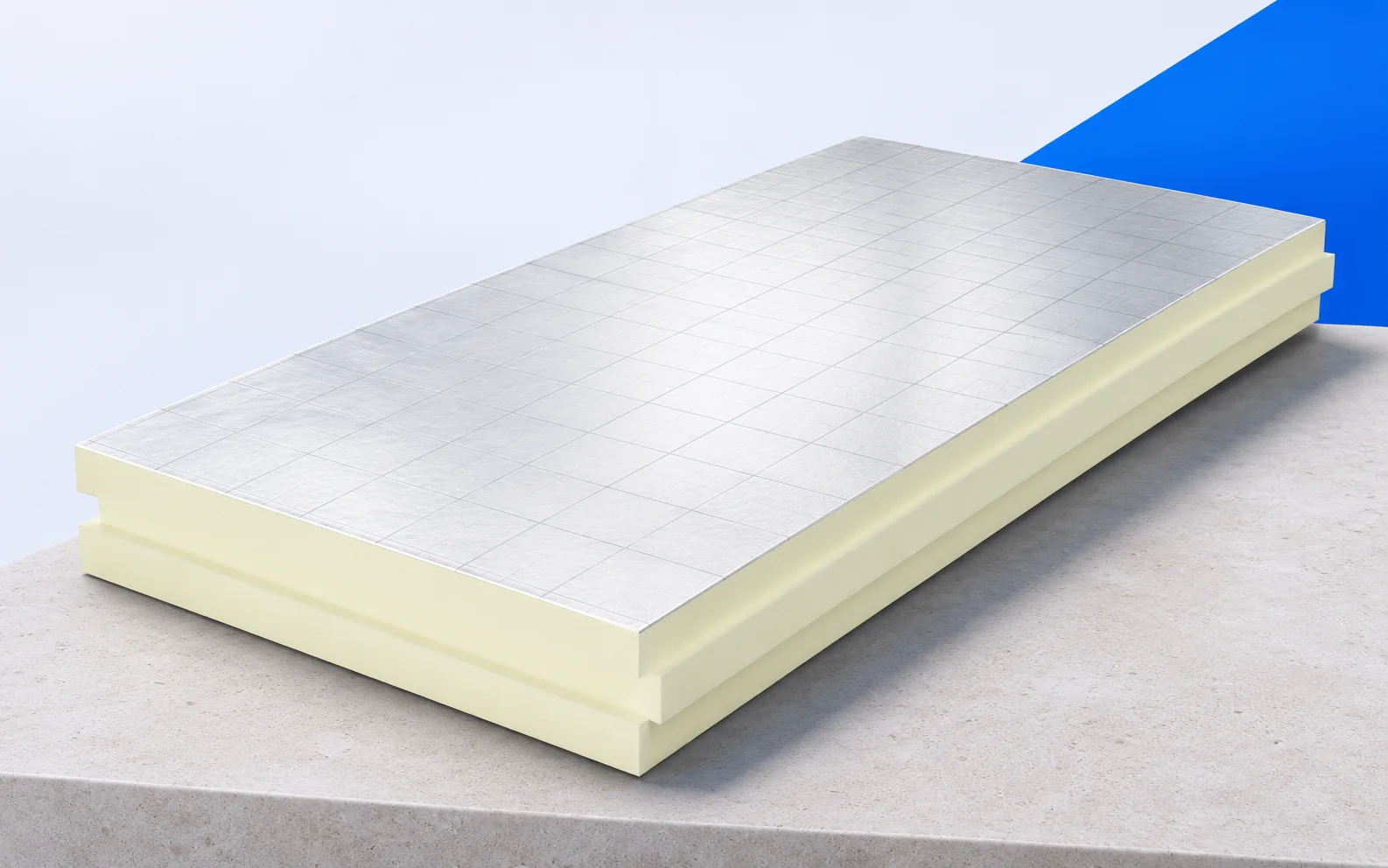
“PIR saves space” and “XPS resists water” are starting points, not specifications. Describe where the insulation will sit, what supports it and…
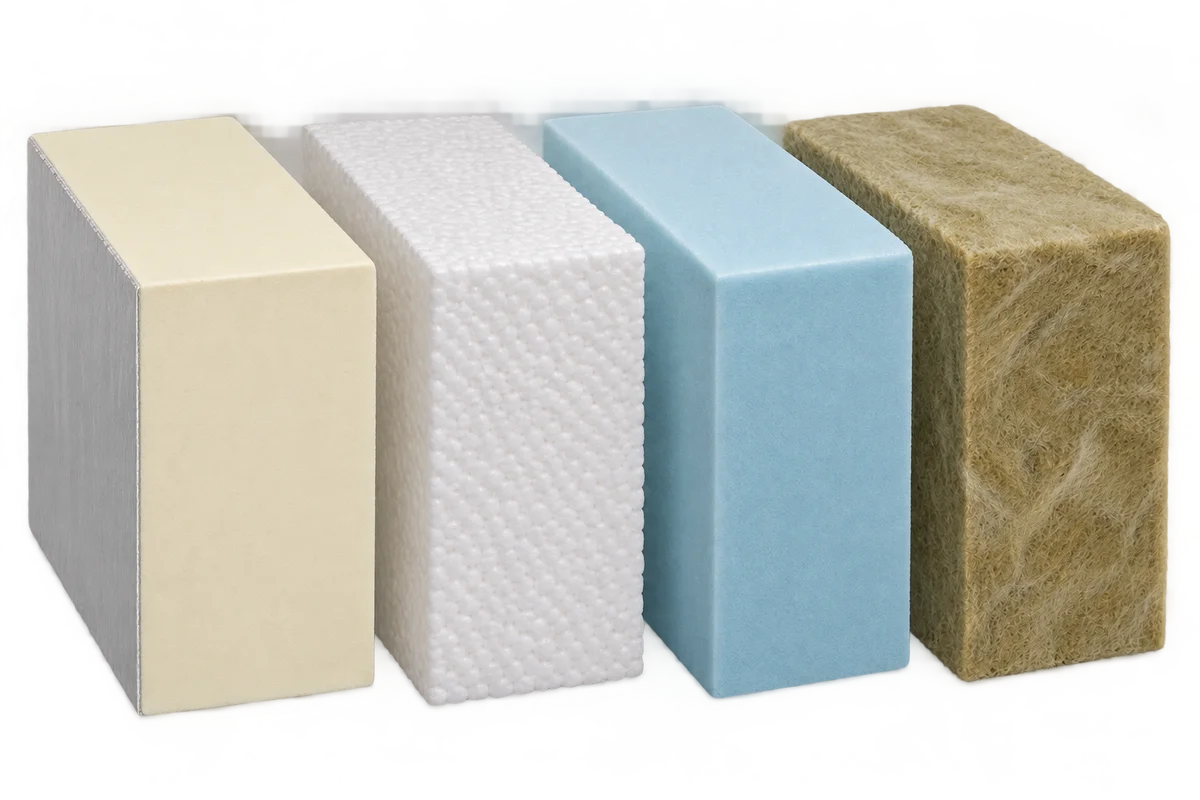
The combination of PIR with mineral wool, EPS or XPS should be assessed on the basis of the entire cross-section of the…
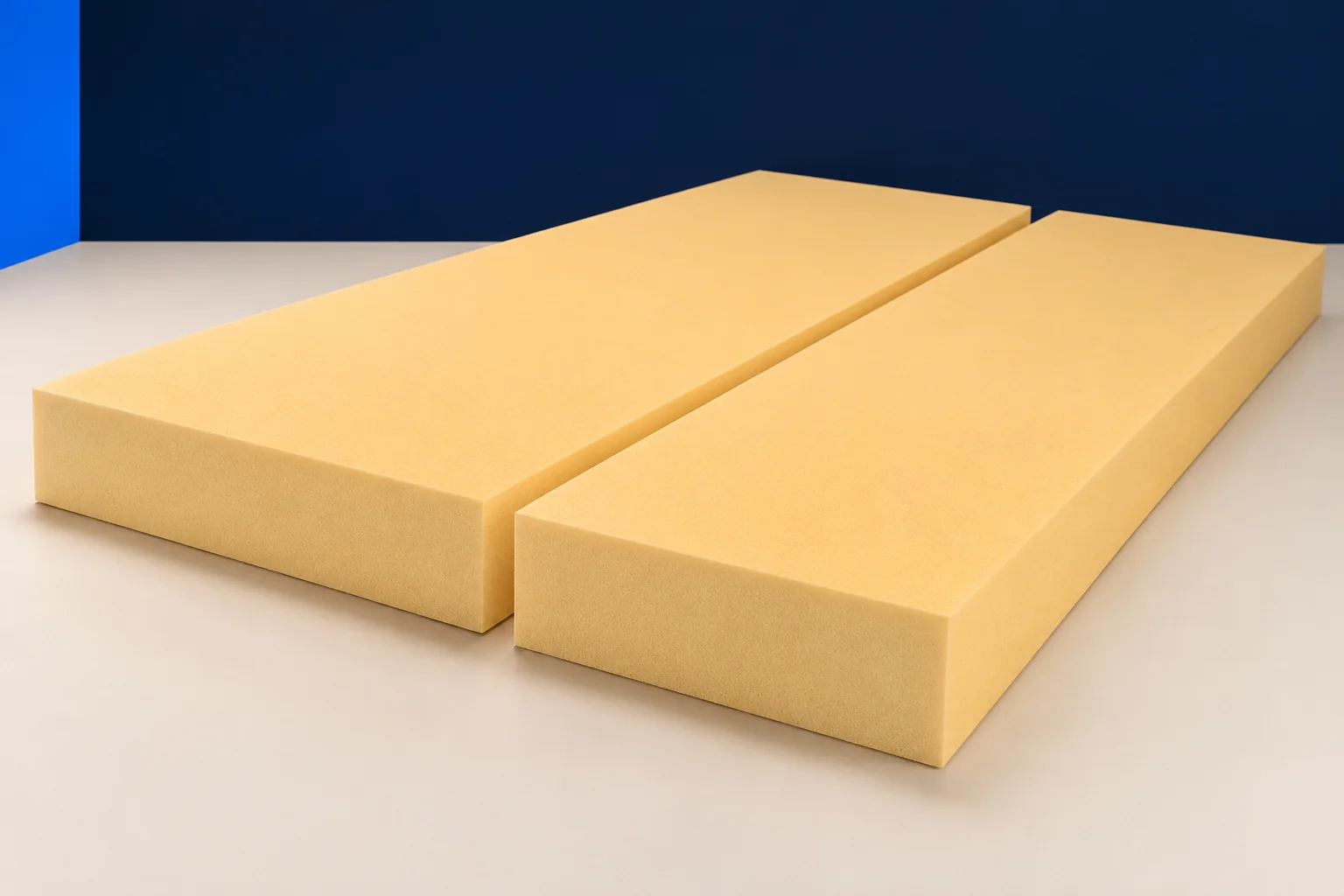
XPS beneath a raft foundation provides insulation and forms part of the load path from the house into the ground. To specify…