






Taking delivery of XPS and keeping the boards in good condition
XPS insulation
XPS is light, but packs take up space and shaped edges can be damaged in handling. Before delivery, choose a level, sheltered storage area away from traffic. During unloading, check labels against the order and separate suspect packs from sound stock. Floor and plinth boards may look alike despite having different properties. Keeping batch labels legible and inspecting the boards again after storage helps prevent a mix-up that would be difficult to trace once the insulation is covered.
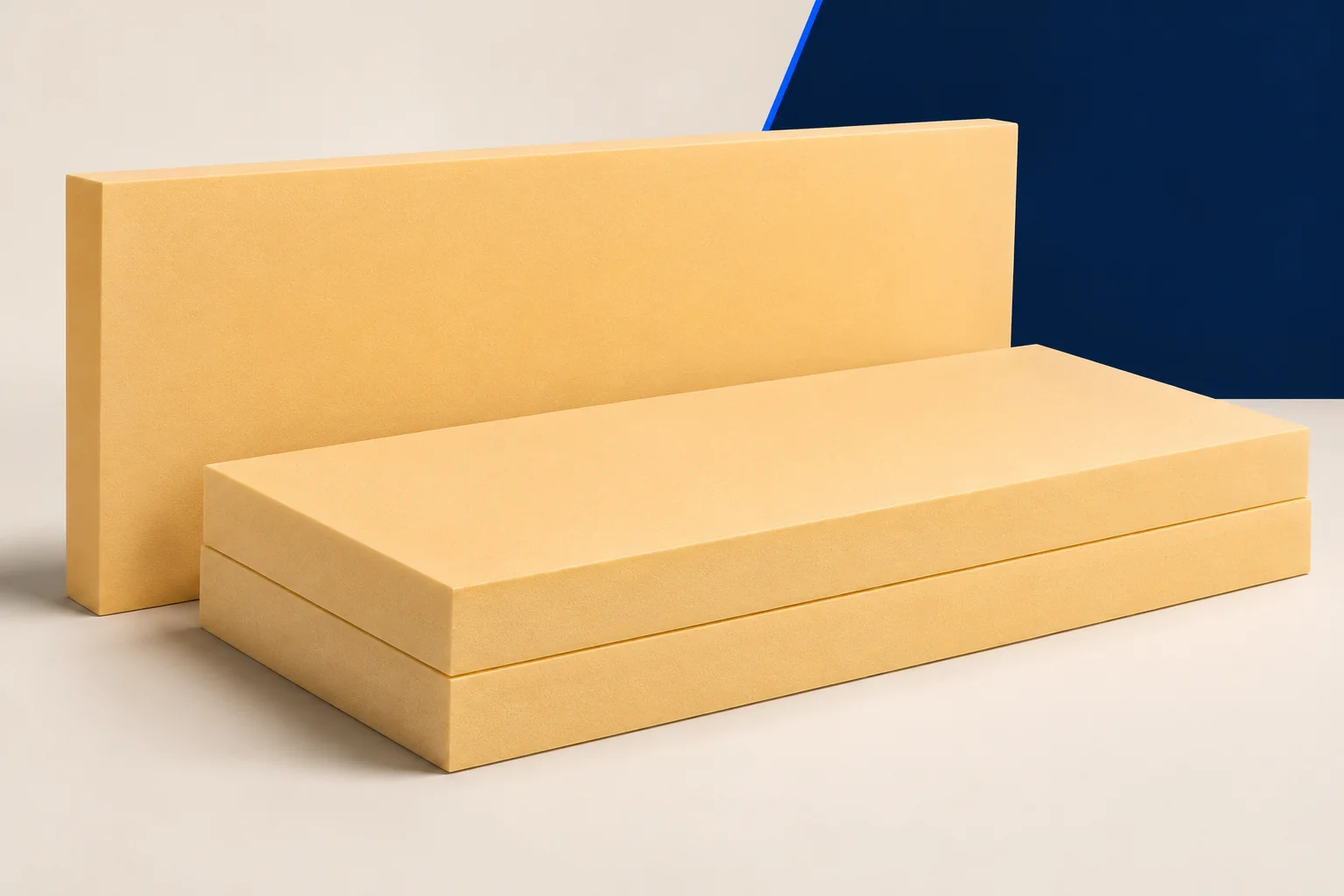
Set out the storage area before the lorry arrives
Leave access to each grade and a space for removing wrapping without blocking the unloading route. Turn pack labels towards the aisle.
Group boards by thickness and use; keep floor stock separate from boards for the plinth. On a phased build, arrange deliveries to match the programme. A smaller stock is easier to protect than packs waiting months for installation.
Match the label to the specification
Check the full product designation, thickness, edge type and coverage per pack against the approved specification. Colour is not a performance class; very similar boards may be different variants.
Obtain documents for the grade delivered. Resolve proposed substitutions before installation. “Styrodur” alone is ambiguous: with products from Austrotherm, swisspor or URSA, for example, the manufacturer, precise designation and thickness identify the applicable declaration.
Inspect torn packs and record damage
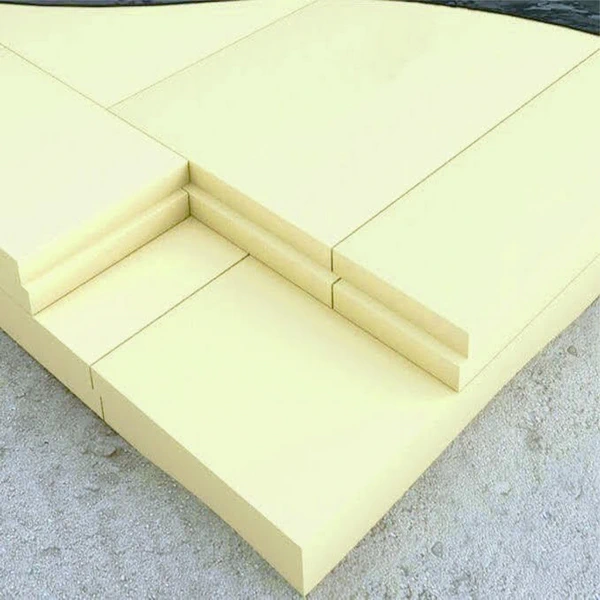
Torn wrapping does not necessarily condemn the pack. Inspect boards for distortion, broken corners and damaged rebates. A broken lip may prevent a close joint; assess deep dents before another layer hides them.
Photograph any damage before more packs obscure it. Record the extent and agree with the supplier how to proceed. Although XPS can be trimmed, a damaged board may no longer yield the full size required. Early notice gives time to arrange replacements.
Limit exposure to sunlight
Intense sunlight can damage the board surface. Follow the manufacturer’s storage instructions for wrapping and shelter, especially once packs have been opened. Low water absorption does not mean resistance to all weathering.
Choose a sheltered location and a cover that does not trap excessive heat. During long breaks inspect the wrapping and its ties. A weathered surface may need assessment before bonding or finishing; preventing damage is easier.
Keep ignition sources and solvents away
Keep combustible XPS away from torch work, welding and other ignition sources. Temperatures encountered in hot work are not normal service conditions. Include the packaging and small offcuts when clearing the area.
Solvents can attack boards even in storage. Keep fuel, cleaners and spillages away from stock, and never rest open containers on packs. A separate chemicals area protects both the boards and their identifying labels.
Carry boards without breaking their edges
XPS is easy to carry by hand, but do not lift a board by the thin lip of a rebate. Avoid resting long boards on sharp projections and clear the landing surface of objects that could leave dents.
Stack securely against toppling and wind. Packs are not work platforms or stands for heavy equipment. Take only the boards needed for the current stage to the workface, leaving the rest protected.
Reinspect before installation
After prolonged storage check the edges, surface and flatness. Match thickness to the installation zone, give installers access to the specification and labels, and retain a legible identification record for every batch used.
Sound, straight boards fit faster and avoid unplanned trimming. Careful handling from delivery onwards preserves the advantage of XPS: pieces can be cut to size and laid in a uniform layer without having to work around damaged edges.

Free quote
What to include in your enquiry
Tell us how you plan to use the material, the dimensions and the quantity you need. Include the thickness, grade or variant name, along with the delivery town or your preferred collection branch. For a specific product, add its name or a link to the product page. We will reply to the email address you provide to discuss availability and the terms of your order.
More from the building guide
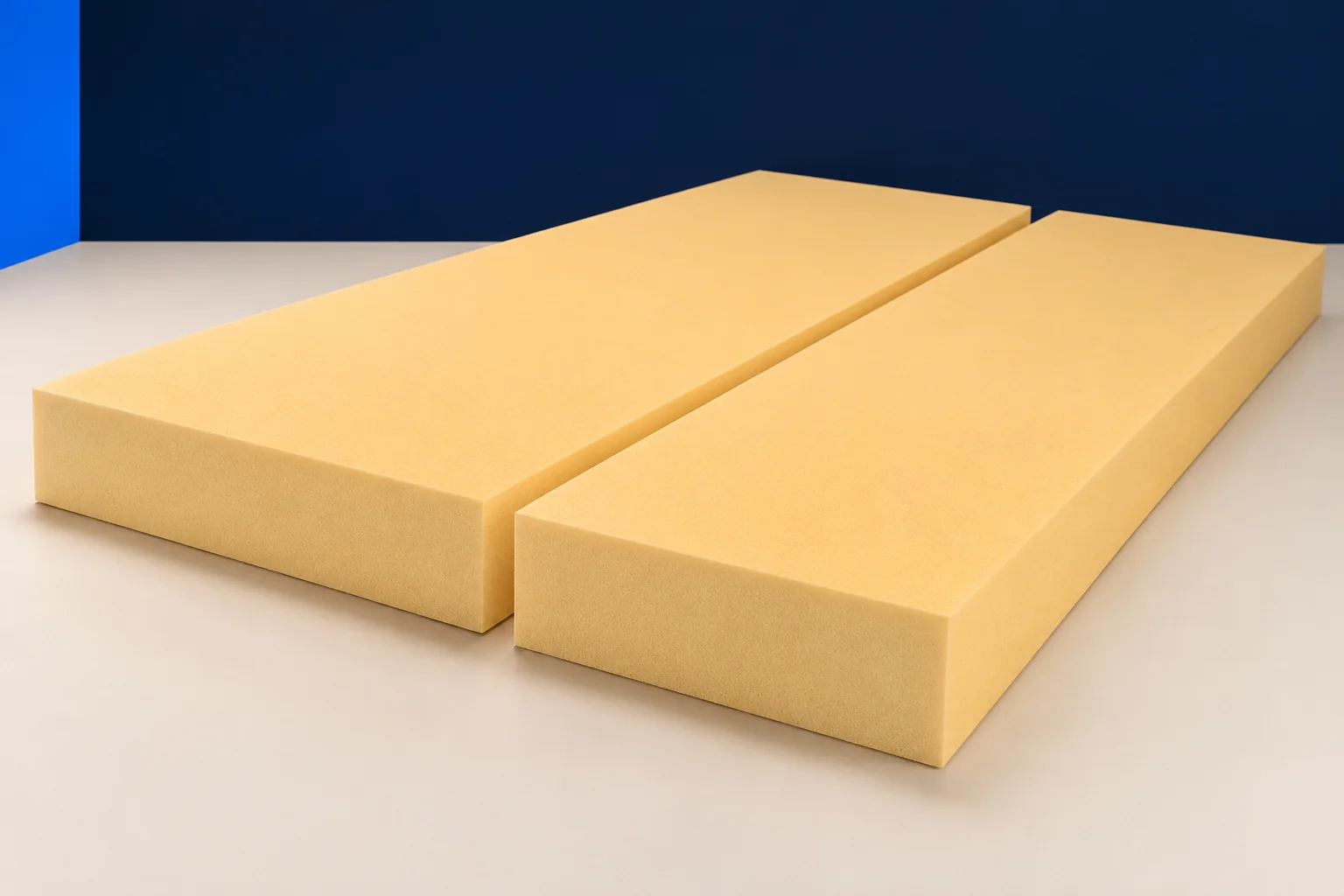
XPS beneath a raft foundation provides insulation and forms part of the load path from the house into the ground. To specify…
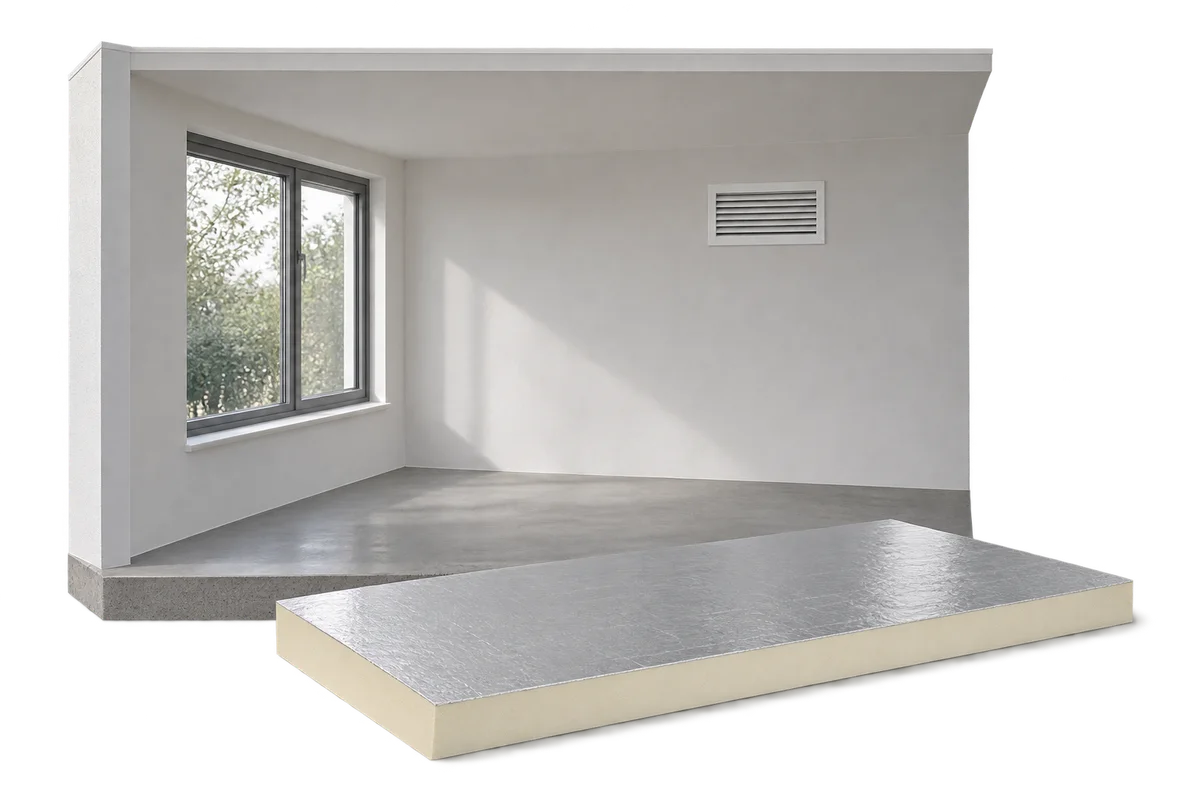
When damp repeatedly appears at home, gather organised observations before choosing a repair. A mark beside a window, a wet corner and…
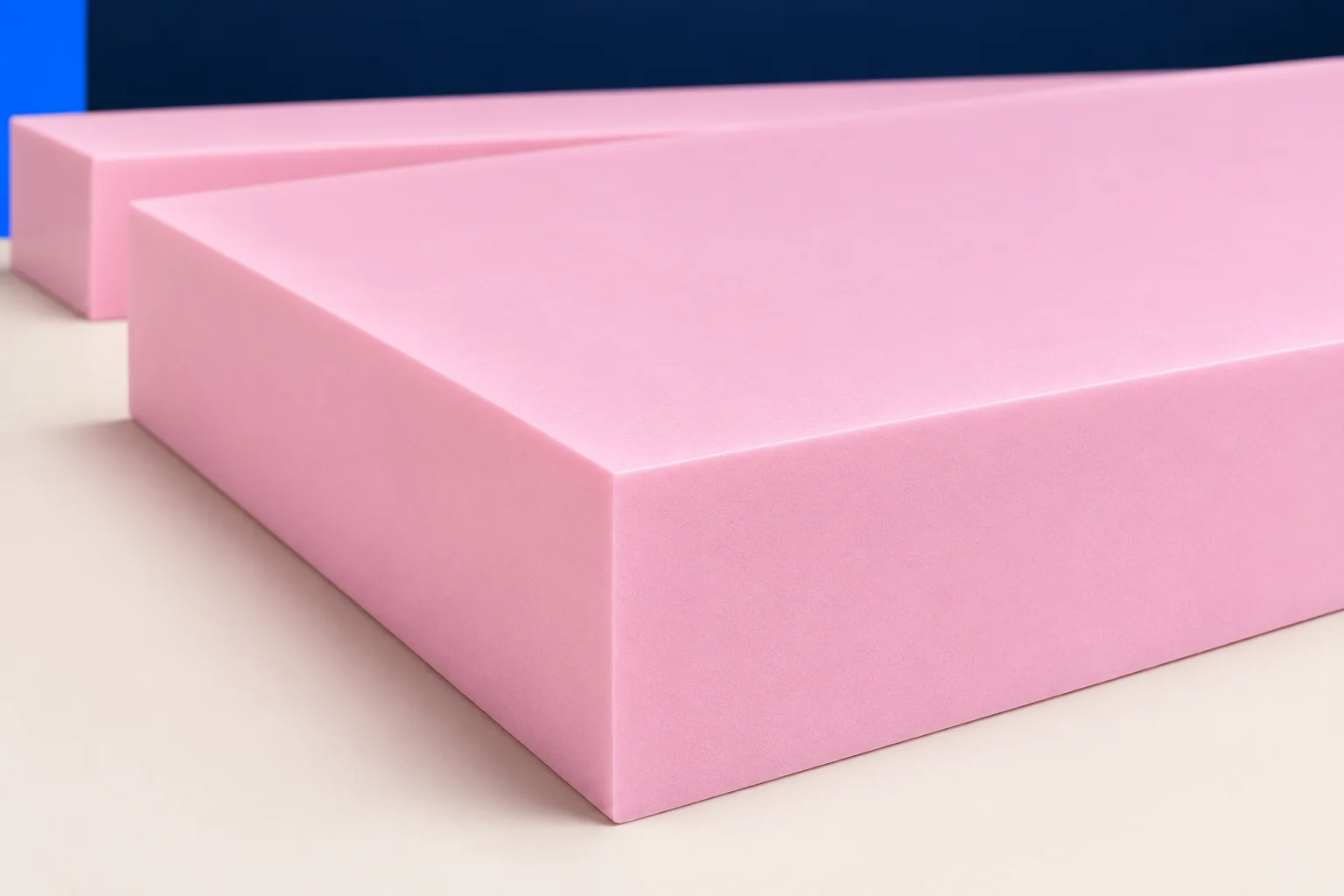
Choose XPS below a garage floor by starting with the intended use. A parking bay, a jacking position and heavy shelving along…
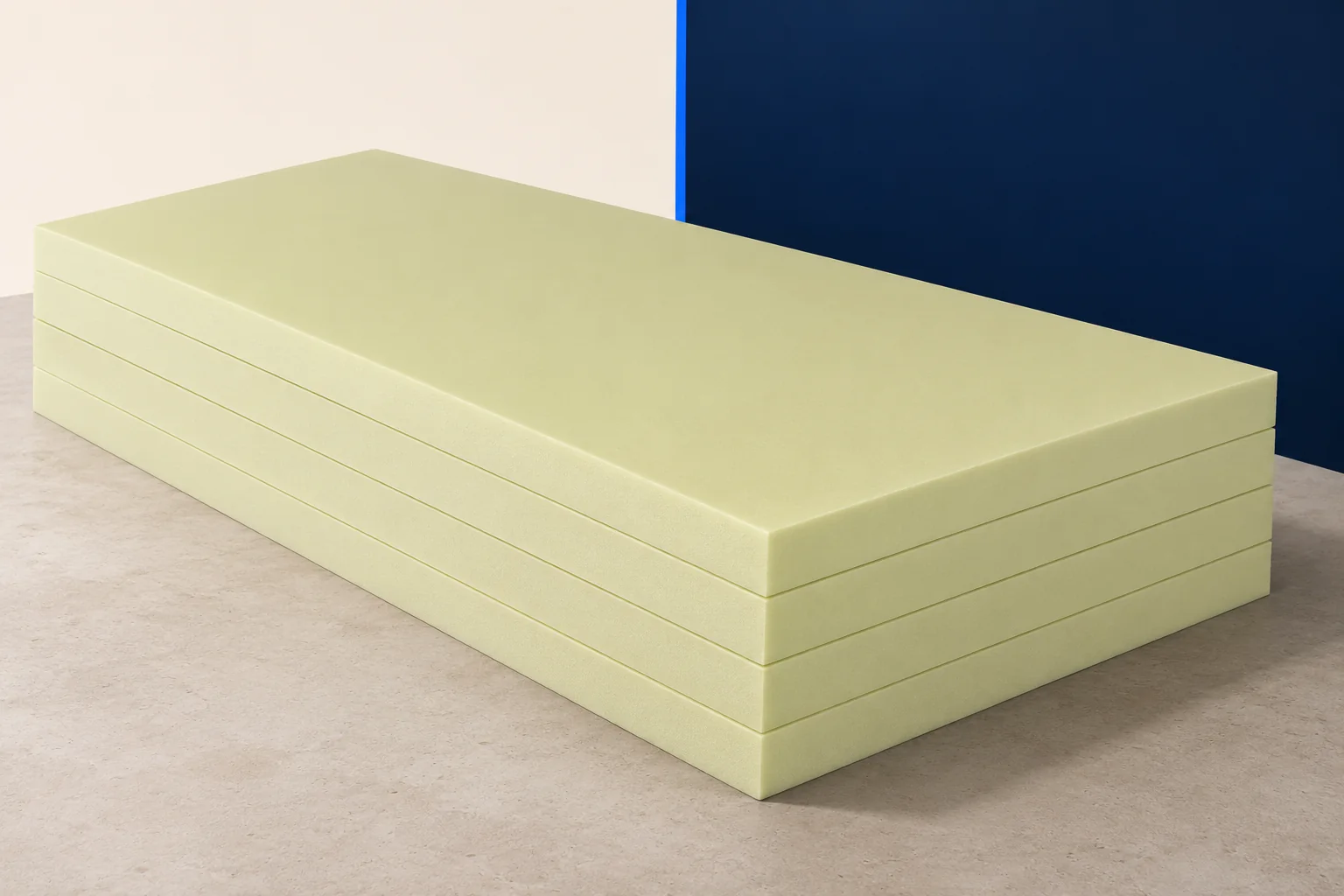
Most waste can be avoided before the first saw cut. Draw the row using cover dimensions, mark the side to keep and…

To calculate an XPS order, separate the area to insulate, the number of layers and the coverage of one pack. Two layers…
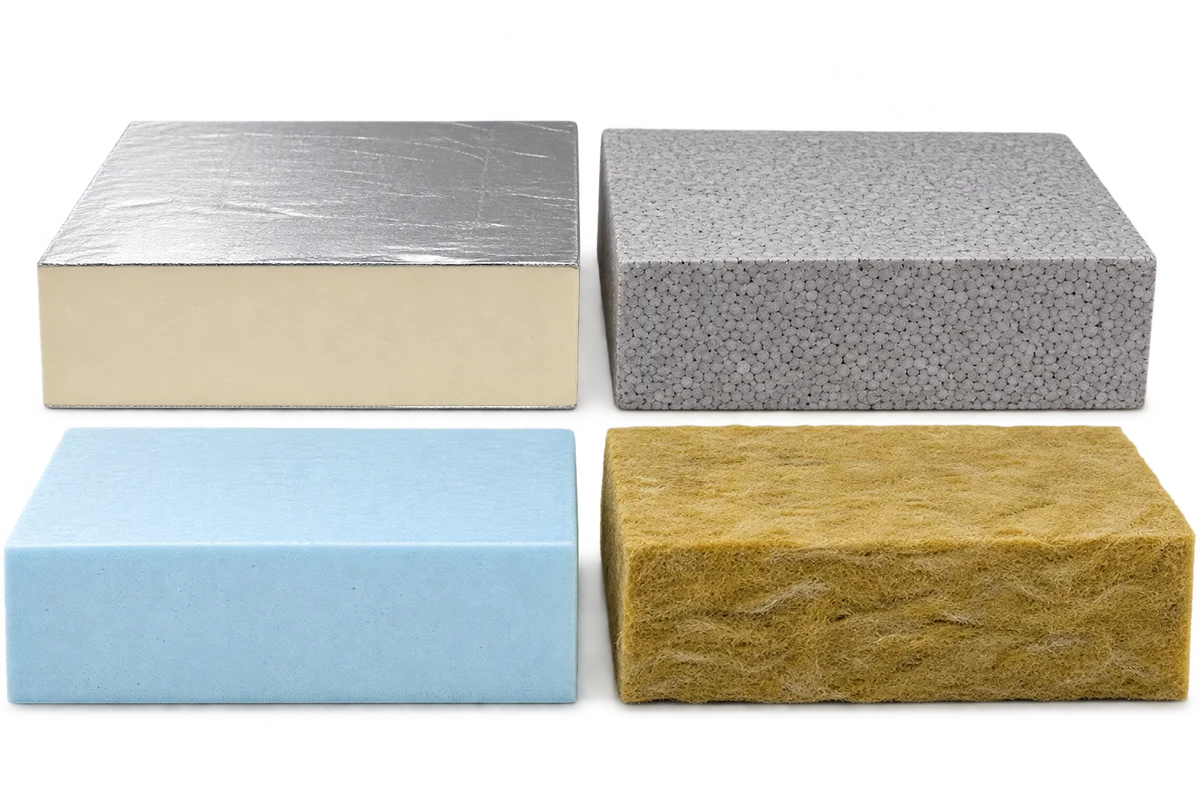
Two insulation quotations may cover the same part of a house while including different quantities and delivery arrangements. When comparing PIR, EPS,…
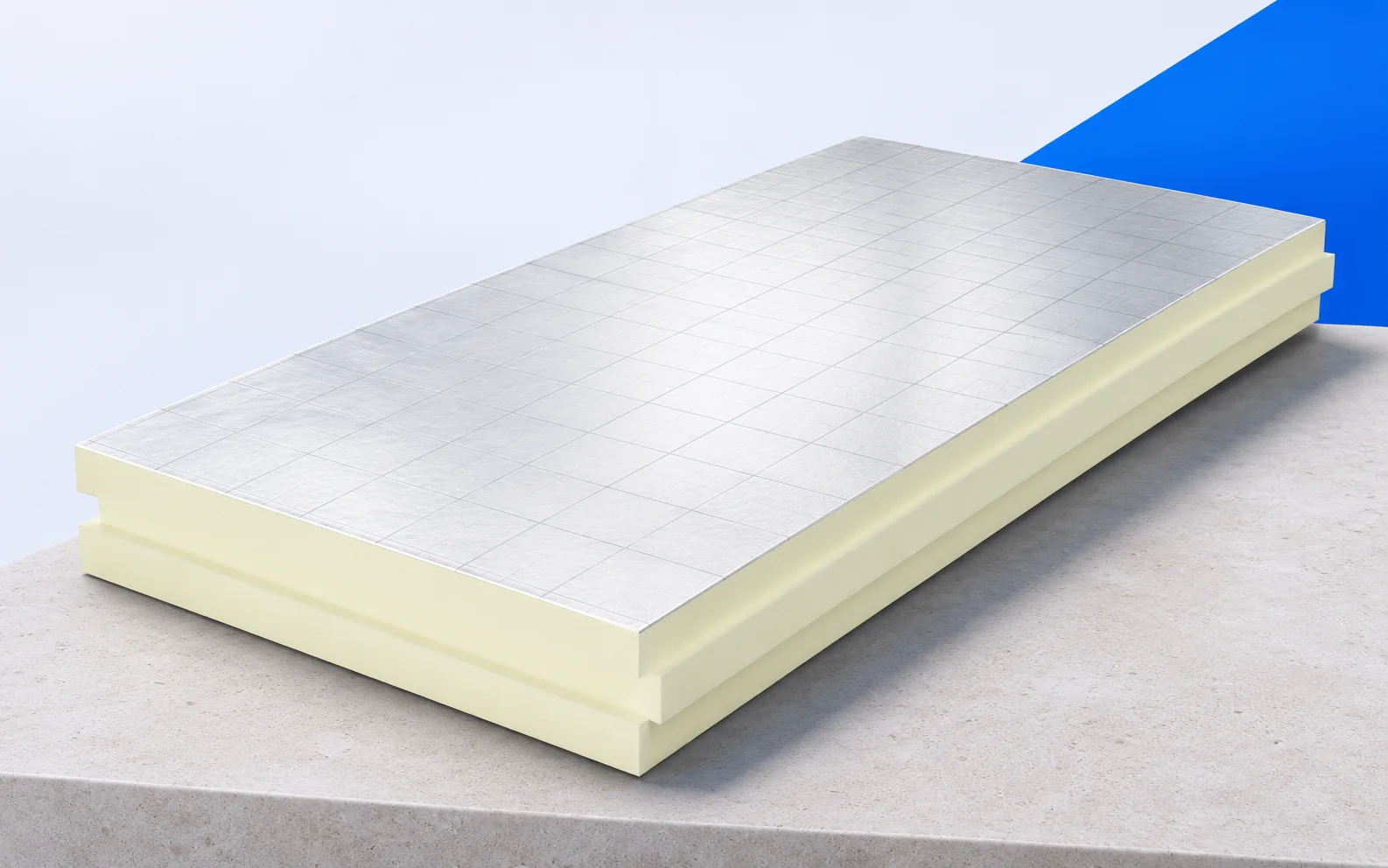
“PIR saves space” and “XPS resists water” are starting points, not specifications. Describe where the insulation will sit, what supports it and…
Insulation selection starts with its position in the building. A rendered wall, a roof and a continuously loaded floor impose different requirements.…