






Building a house: decisions to make before ordering materials
Roofs and roofing
Planning a house build involves knowing which decisions are approved and which could still change an order. A decision register helps connect the design, budget and delivery dates. For each item, record the selected material, the confirmation needed, the person responsible and the point by which a decision is required. This is particularly useful for made-to-measure components, roof coverings, insulation and connection accessories. This guide explains how to prepare that register and use it in discussions with the designer, contractor and supplier. It follows decisions from the household brief through to the documents handed over after installation. It does not prescribe universal house specifications: technical solutions must follow the documentation for the particular project.
Separate requirements from product choices
Write down the requirement before naming a solution. “We want to store bicycles without taking them through the living room” describes a household need; a particular door size or wall construction is a design outcome. Note who should confirm each requirement. A change of catalogue product will then be less likely to obscure the original purpose, and cost discussions can focus on how the space needs to work.
Record what the budget actually covers
Organise the budget into items that can later be checked against an order: materials, accessories, labour, transport and unloading. Mark each amount as an estimate, a received quotation or a confirmed commitment. Do not add together figures covering different scopes without explaining the difference. Keep net and gross amounts distinct, and separate money already spent from expenditure that is still being planned.
For a roof, prepare a scope sheet covering the roof covering, flashings, fasteners and agreed work. Identify items supplied by another company and anything excluded from the quotation. This exposes missing components before purchasing. You do not have to resolve every detail yourself: assign unanswered questions to the appropriate person and give each one a response date.
Give each decision a status and an owner
Use simple register statuses: clarification needed, measurement needed, awaiting approval and approved. “Sheet metal selected” is incomplete if sheet lengths, the coating or required flashings remain undecided. Record the approval date and the reference of the document supporting the decision. An attachment sent later in a message should not silently replace what was previously agreed.
One person can collect purchasing decisions without becoming responsible for every design solution. Distinguish the person placing an order from the person confirming its technical basis. If a contractor proposes a substitute, record its exact name and how it differs from the accepted material. Update the schedule sent to the supplier only after the proposed change has been appropriately reviewed.
Link orders to site readiness
For each delivery, record a readiness condition as well as a date. It might be a completed measurement, a prepared storage area or the contractor’s acceptance of the substrate. Agree who confirms that condition and who must be told about a delay. This keeps the purchasing schedule connected to actual progress rather than turning it into a separate calendar unrelated to the work on site.
Before releasing made-to-measure items for production, compare the order schedule with the approved information. Check units, quantities, lengths and the finish description. Label dimensions from an early estimate as provisional if they still need measuring. Do not present that schedule to the supplier as final merely because it already includes a price and a delivery date.
When a date changes, explicitly replace the previous arrangement. Record the new date, the supplier’s confirmation and the effect on the booked crew or unloading equipment. Moving an entry in a personal calendar does not mean everyone else has accepted the change. Keep a short record of these revisions so that an outdated message is not used when the delivery arrives.
Resolve the roof and insulation details
Resolve the roof covering and its connections together. For metal roof tiles or trapezoidal steel sheets, choosing a colour does not determine the supports, fixings or flashings. The register should identify the current design and the instructions for the selected product that the installer is using. An unconfirmed detail remains an open decision even if the main material has already been purchased.
For insulation, record where a board will be used and the relevant design detail as well as its name and thickness. A PIR board specified for one assembly is not automatically a substitute for every similarly thick product. Decisions about junctions and adjoining layers must reach the people installing them. The register communicates that information; it is not a method for designing the entire building element yourself.
Review decisions after the work is completed
After delivery, record whether the supplied product matches the order and retain its identification. After installation, link the decision to the relevant inspection record and photographs. Where a change was accepted on site, enter what was actually built and the document confirming the agreement. Without this final step, the register describes intentions rather than the materials and solutions used in the house.
Before handing over the next package of work, review entries that are still marked open. Separate unfinished tasks from information needed later for servicing, such as identification of the roof covering and accessories. Give the person taking over the house an organised set of documents reflecting what was installed. The working decision register can become an index to those records, but it does not replace the necessary instructions or inspection reports.

Free quote
What to include in your enquiry
Tell us how you plan to use the material, the dimensions and the quantity you need. Include the thickness, grade or variant name, along with the delivery town or your preferred collection branch. For a specific product, add its name or a link to the product page. We will reply to the email address you provide to discuss availability and the terms of your order.
More from the building guide
The financial return on rooftop solar depends on how much electricity you use on site, when you use it and how your…
Whether insulation work qualifies for a grant depends on the scheme, the building, the work proposed and the thermal performance required of…
In Poland, the procedure for work on a roof depends on what will actually change. Are you restoring the roof, altering its…

Clear gutters carry rainwater from the roof to the intended outlet. Leaves, twigs and silt can slow the flow even in a…
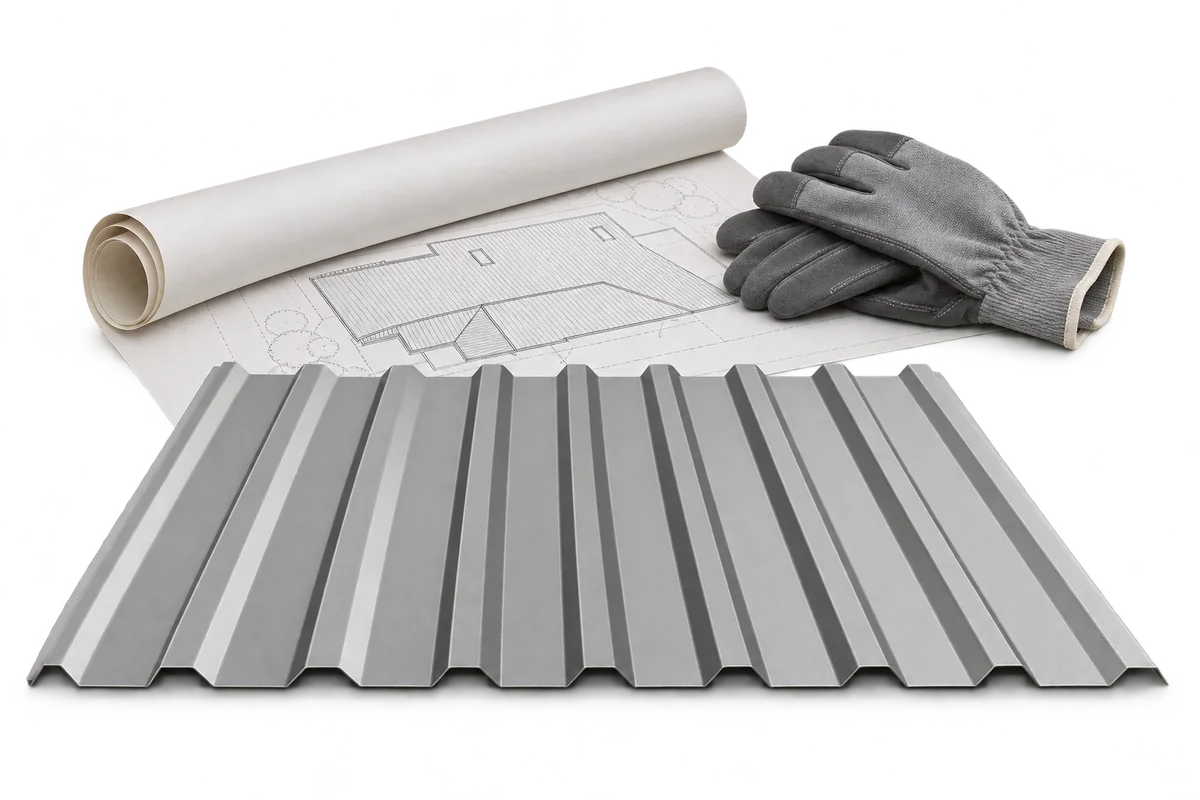
Removing an old asbestos roof and buying its replacement are separate expenses. A grant may cover only one of them. Before ordering…

Metal roofing can suit both a traditional house and a simple contemporary building. The pattern of the profile, the proportions of each…
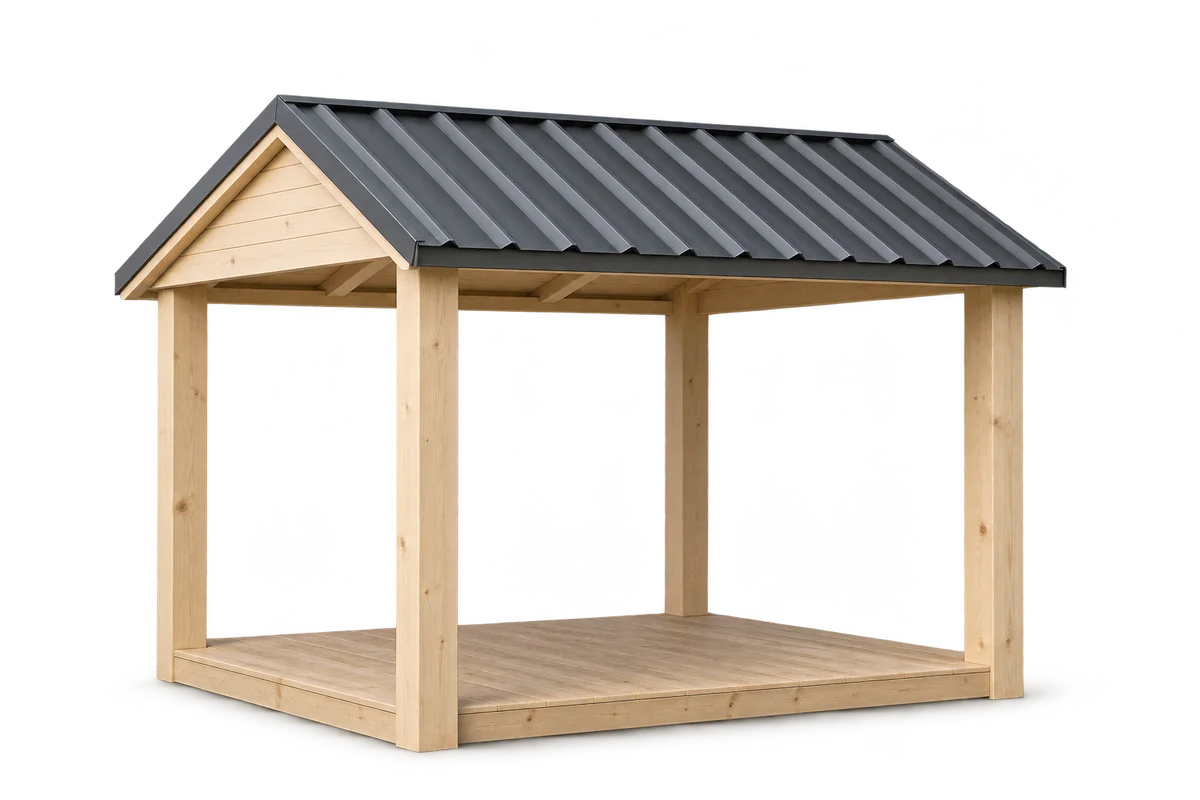
Start by deciding what the gazebo is for, how large it needs to be and where it will stand. Then choose the…
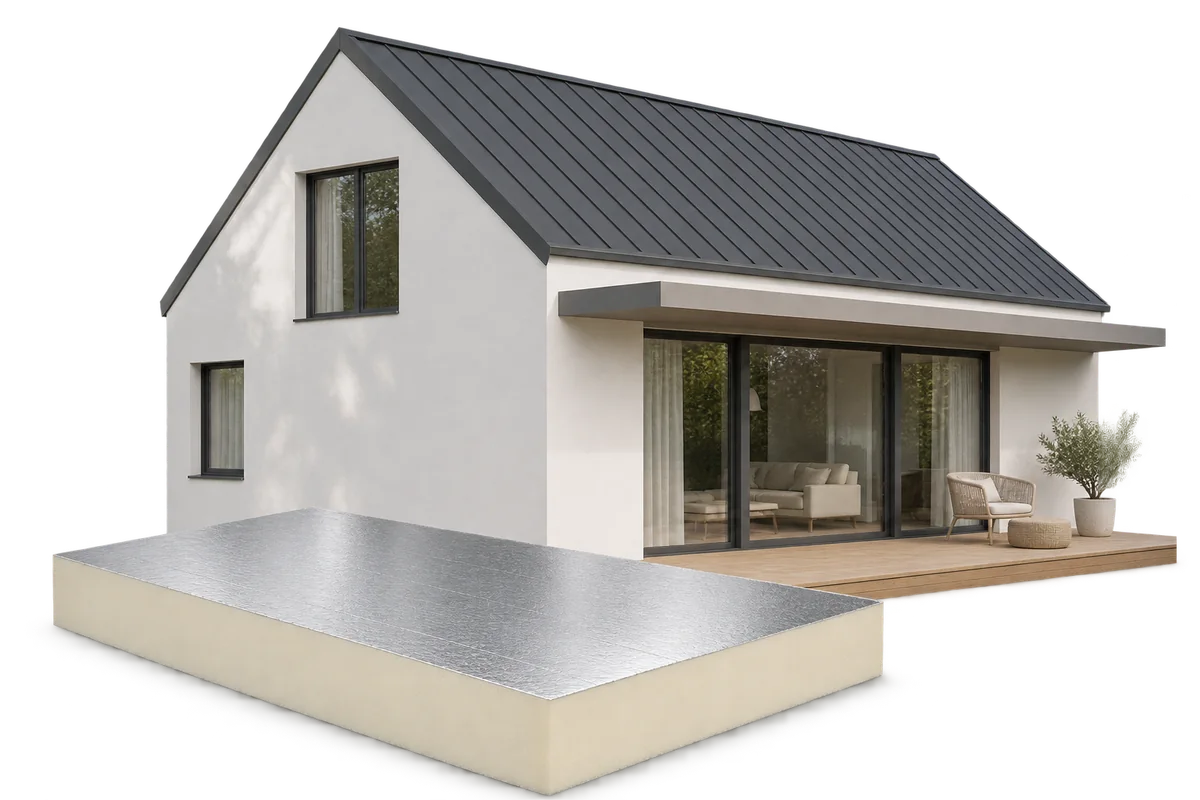
In a passive house, comfort depends partly on everyday habits. Insulation limits heat loss and a well-adjusted ventilation system replaces stale air.…