






Commissioning a roof repair? Prepare the contractor’s briefing
Roofs and roof coverings
Before comparing roof repair quotations, gather information about the building and the proposed task. The contractor needs a defined scope, available records and details of access restrictions and building use. Roof area alone does not describe how work can be undertaken safely. This guide helps an owner organise the briefing: describe the fault without climbing onto the roof, pass on known hazards and record questions requiring specialist assessment. It also covers comparing quotation scopes and agreeing responsibilities. It prepares cooperation with a competent contractor rather than providing instructions for work at height. Protective arrangements must follow assessment of the specific task, site conditions and rules applicable where the work takes place.
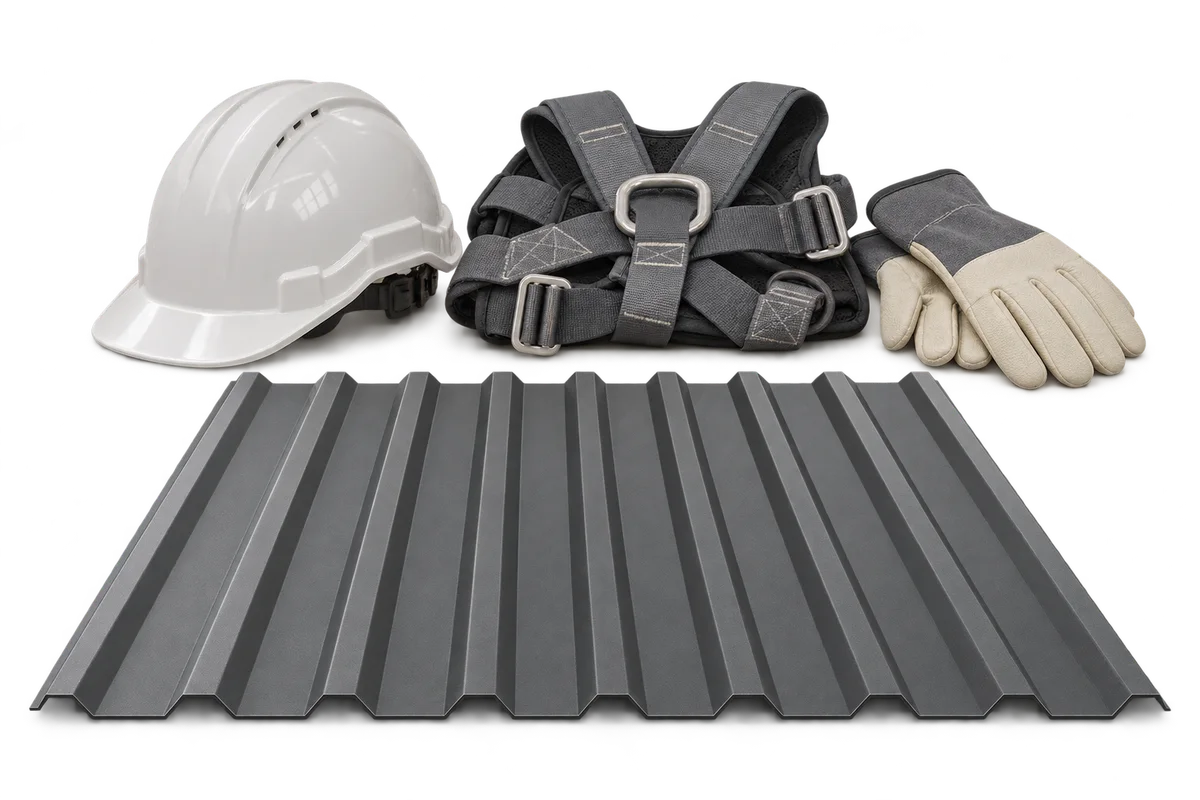
Describe the problem from a safe position
A useful enquiry does not need to prescribe the repair method. It should clearly distinguish symptoms observed by the owner from the diagnosis still to be made by a specialist.
Record where and under what circumstances the problem appears: a leak, noise or visible change. Take photographs only from positions accessible without exposure to a fall. Do not climb onto the covering to obtain a better quotation photograph. If the cause is unknown, describe the symptom rather than naming an arbitrary component for replacement.
Collect information the contractor does not have
Provide dates of previous repairs and any drawings held. Identify whether each item comes from records, observations from a safe position or someone else’s account. Do not present an assumption about roof condition as confirmed load-bearing capacity. Missing records matter when planning the investigation; they should not be filled in from guesswork.
Pass on known rooflights, openings, roof services and access restrictions. Do not assume a team will identify them from the street. Mark areas whose condition is unknown too. Determining whether a surface can be accessed and how people will be protected belongs to competent work planning before the job starts.
Compare scope rather than price alone
Ask bidders what investigation and access arrangements are included. One proposal may include them while another excludes them. Compare inspection, site preparation, repair and clearing up in separate fields. The table should reveal scope differences, not replace expert assessment of proposed protective measures.
When selecting a team, establish its experience with comparable work and how the job will be supervised. Ask how identified risks will affect the work plan. “We always do it this way” does not explain arrangements for your building. Do not reduce the safety discussion to whether workers have harnesses.
Agree who organises the preparations
Record who provides site access, hands over keys and informs building users. Separate these owner tasks from technical work preparation. Appointing a contractor does not make all parties’ responsibilities disappear or automatically transfer them to one business. Allocate responsibilities according to the project arrangements and applicable requirements.
Before agreeing a date, explain when the building is occupied and which entrances cannot simply be closed. The contractor needs this for planning, and the owner for preparing users. If safe arrangements require part of the premises to be taken out of use, plan that beforehand. Do not leave the conflict for the team to resolve on arrival.
Allow time for assessment and changes
The programme should allow work to stop following assessment of weather and site conditions. Avoid an agreement demanding same-day completion at any cost. Ask the contractor how changes will be communicated and the building protected during a break. Responsible people determine technical criteria for the particular task and equipment.
If investigation reveals different damage, separate the revised proposal from the original order. Record the changed task, organisational implications and approving person. Additional work is not automatically covered by the same safety plan. Changed conditions may require reassessment before proceeding.
Keep the agreements after completion
Before work begins, ask about the agreed emergency arrangements and the person directing the job. The owner should provide information needed to reach the premises, rather than invent a roof rescue technique. Rescue must form part of preparation; assuming someone will call for help does not resolve how a casualty can be reached safely.
After repair, retain the work record, contractor photographs and any restrictions on subsequent use. Note matters left for separate investigation. Provide this package at the next commission rather than only the date of the previous visit. Records preserve knowledge of the building but do not themselves authorise roof access.

Free quote
What to include in your enquiry
Tell us how you plan to use the material, the dimensions and the quantity you need. Include the thickness, grade or variant name, along with the delivery town or your preferred collection branch. For a specific product, add its name or a link to the product page. We will reply to the email address you provide to discuss availability and the terms of your order.
More from the building guide
In Poland, the term “building inspector” can refer to two distinct roles. The inspector appointed by the client (inspektor nadzoru inwestorskiego) represents…
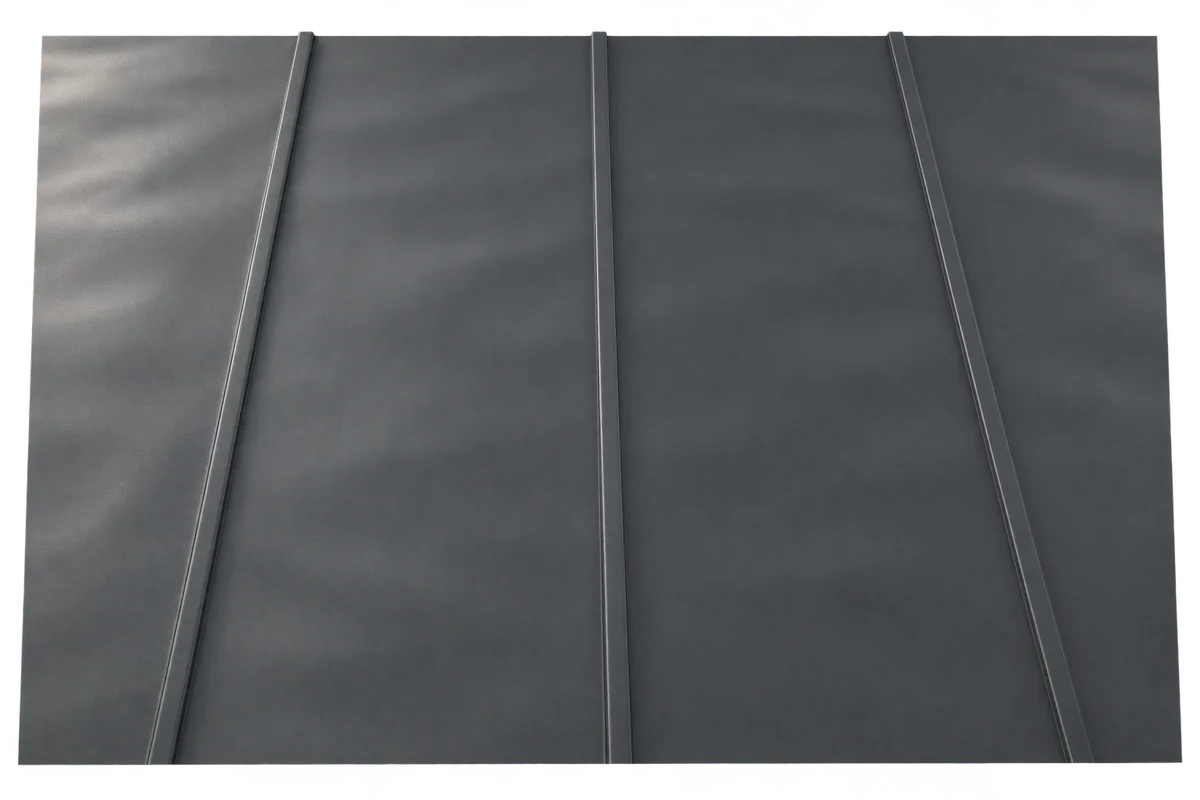
Slight ripples in the flat part of a metal roof panel may only show up in strong sunlight. Residual stress in the…

Start with the shape of the house, the façade materials and the setting. Charcoal, grey, brown and red can all work well…
Planning a house build involves knowing which decisions are approved and which could still change an order. A decision register helps connect…
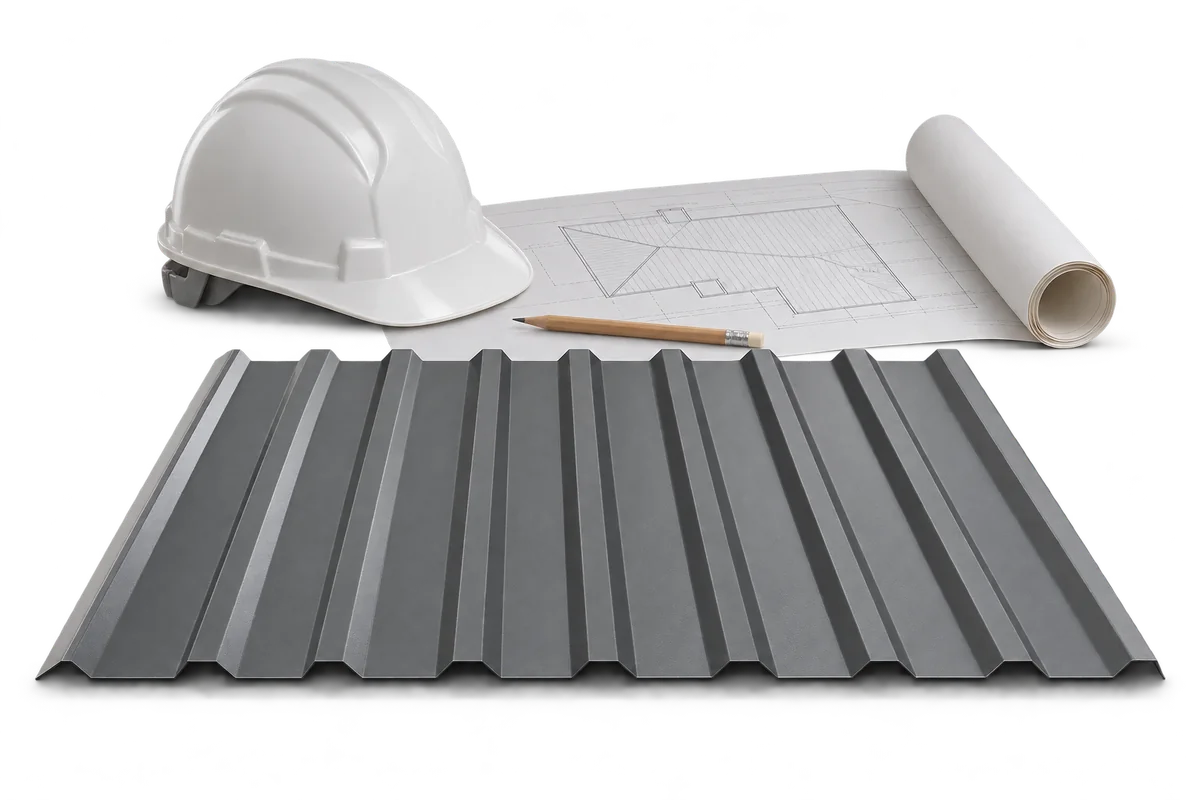
In Poland the construction site manager (kierownik budowy) organises and directs the work in accordance with the design, applicable rules and safety…
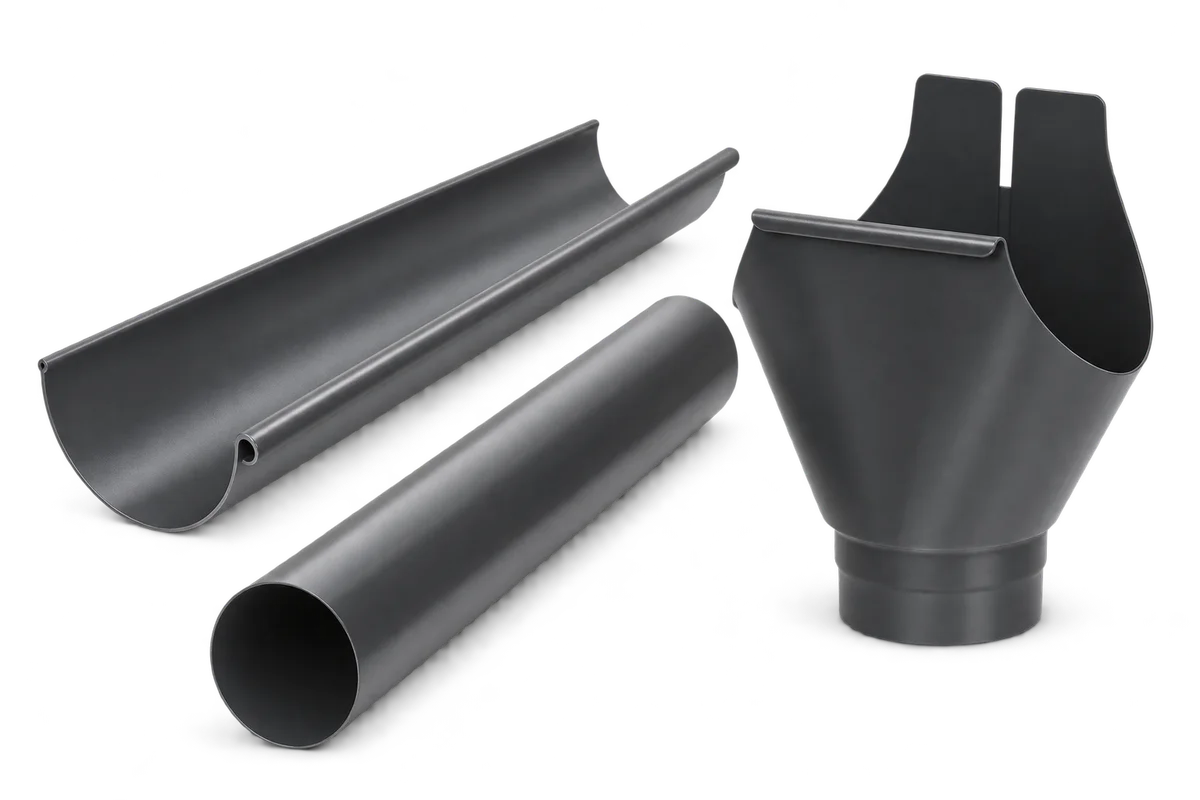
Connecting a rainwater tank to a downpipe does not complete the drainage plan. Establish where water goes when the tank is full,…
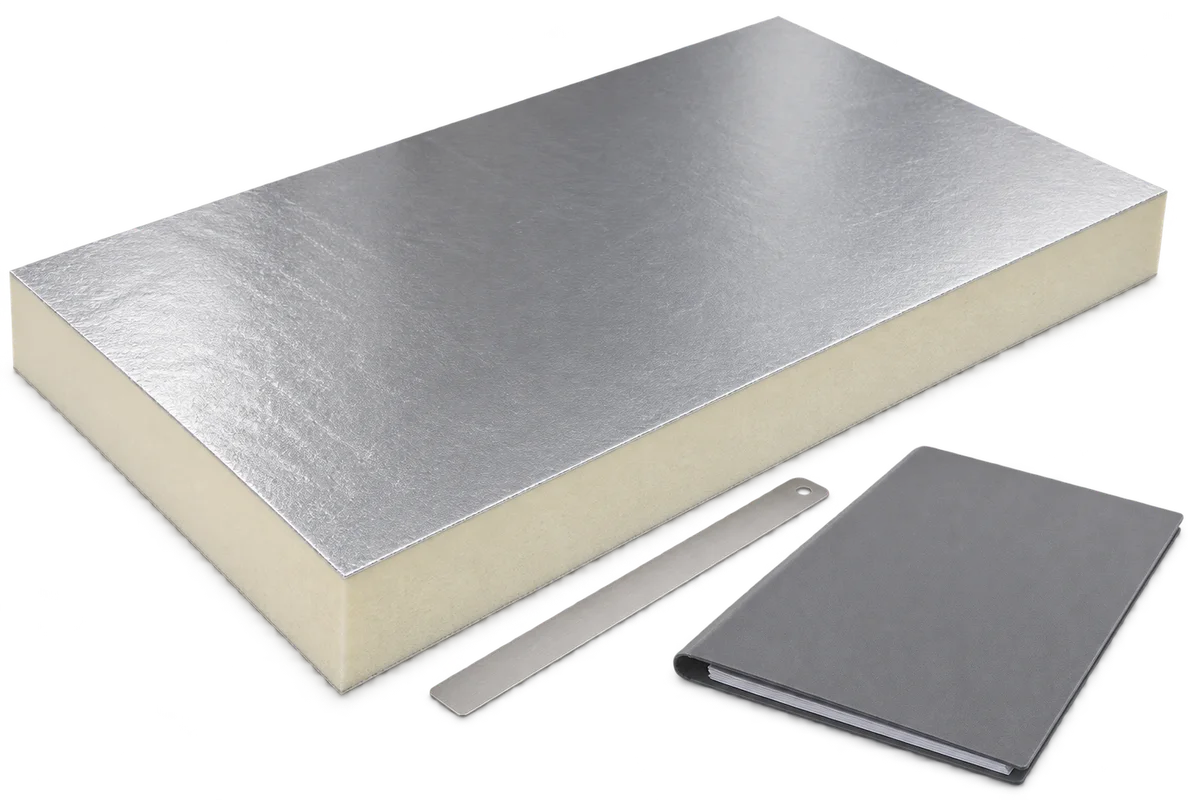
The first quote offers a thinner PIR board with a lower declared thermal conductivity. The second offers a thicker board with a…
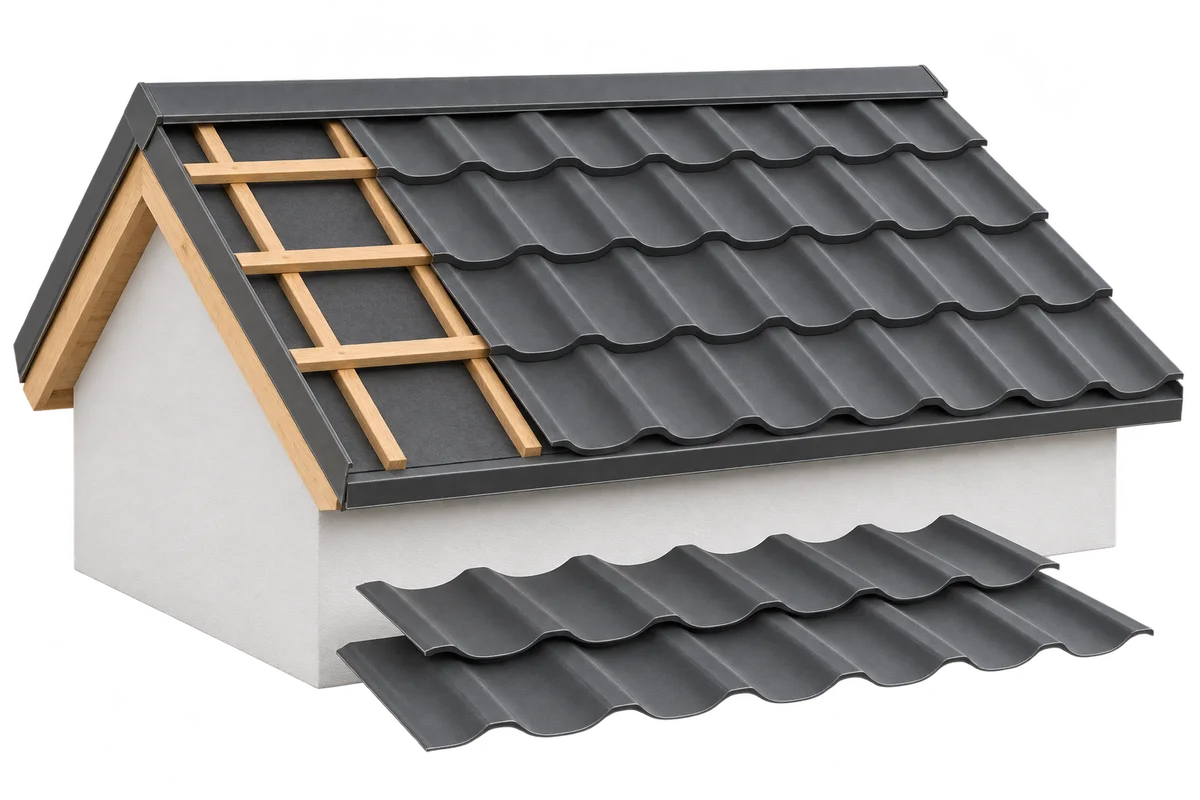
Roof construction starts with accurate measurements and a design that specifies the geometry, supports, loads and sequence of layers. Each stage prepares…