






What does a 40 mm wall sandwich panel cost, and when is it suitable?
Sandwich panels
The cost of a 40 mm wall sandwich panel depends on its model, facings, coating, dimensions and batch. A single market-wide price would hide those differences. Before comparing quotations, establish whether the panel’s insulation and load capacity meet the requirements of the proposed wall. This guide explains possible uses for thin panels, the distinction between example calculation rates and live offers, and the effect of cutting waste, accessories and delivery on the budget. Second-grade material also needs a documented condition assessment. A lower purchase price is useful only when the specified panels can form the wall required by the project.
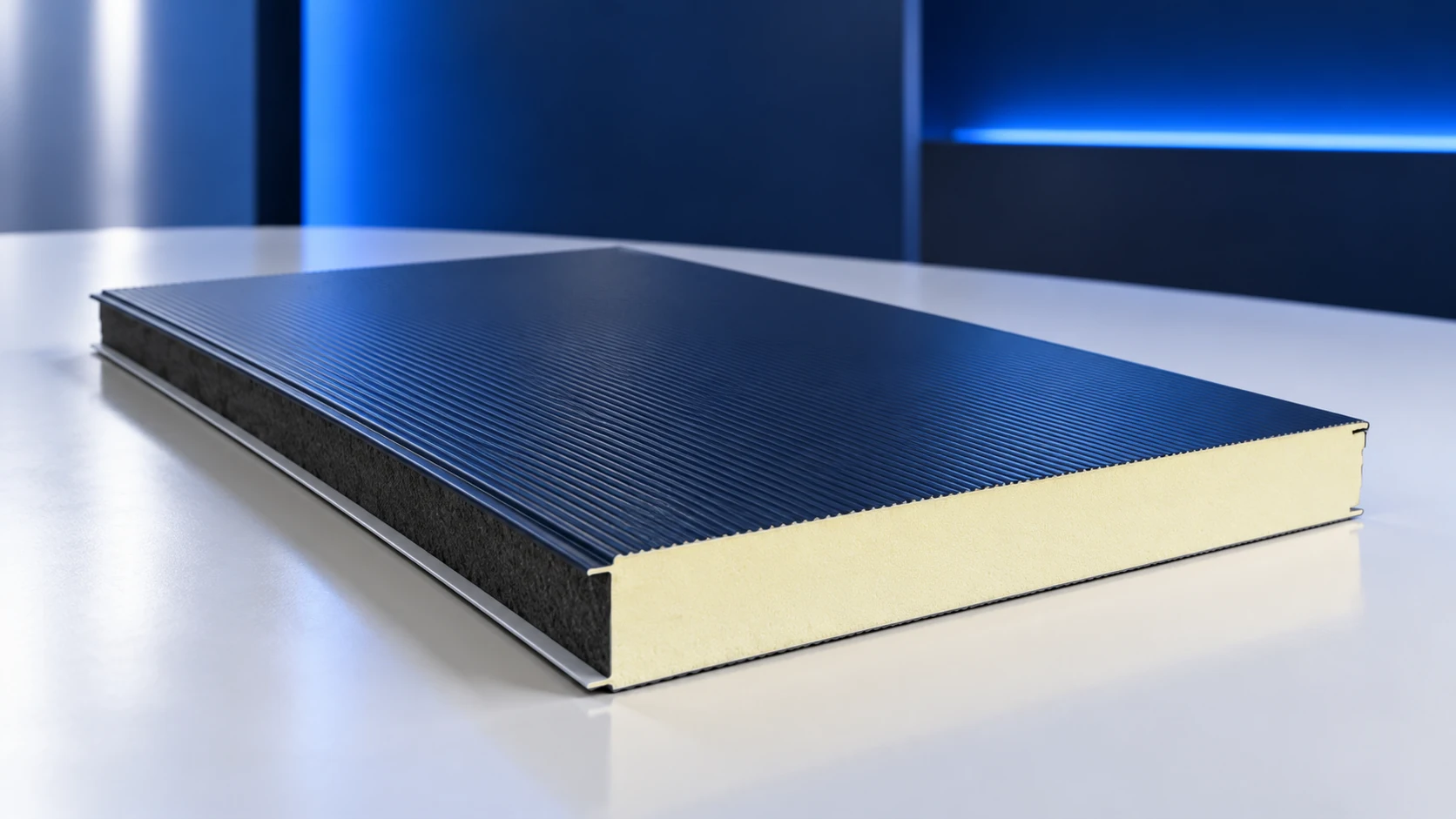
Where can a thin wall panel be used?
A 40 mm panel may be considered for partitions and enclosures with lower thermal requirements, including some unheated spaces. This does not remove the need to check wind loading, support arrangement, moisture and fire requirements.
The manufacturer’s 2026 catalogue gives Uc = 0.58 W/(m²·K) for the PWPIR-S 40 mm wall panel and 0.22 W/(m²·K) for the 100 mm version in the same family. These values apply to selected configurations, not all panels with that core. Sharing a foam type is not enough to establish suitability. Select thickness for the building conditions and the required insulation of the complete wall.
Why is there no single “from” price for every panel?
An advertised price may concern a short remaining batch, second-grade material or one facing configuration. Without those details it cannot fairly be compared with newly manufactured, made-to-length material. Transport and unloading may also be excluded.
A calculation can use any clearly stated assumption, for example PLN 200 excluding VAT per m². This is an illustrative calculation rate, not a current offer for a 40 mm wall panel. Replace it before ordering with a quotation for the actual material, quantity and date. Check that the facings and grade match: otherwise even accurate arithmetic produces the wrong budget.
What has the greatest effect on the order cost?
Facings are important: their thickness, surface protection and profiling affect product properties. Colour, lengths and batch size also matter. List these features separately in an enquiry instead of reducing them to “standard panel”. A cheaper option may differ precisely in a feature omitted from that brief description.
Have material and delivery costs itemised. Establish whether the supplier can provide suitable lengths. Building a short wall from long stock panels can produce considerable waste. An additional discount per square metre helps little if the purchased area greatly exceeds the area used after installation.
How do you turn a quotation into a wall cost?
Suppose ten panels are each 3 m long with 1 m effective cover width. They form 30 m² before openings are considered. At a quoted rate of P PLN excluding VAT per m², the panels cost 30 × P. Flashings, fixings, seals and delivery are added afterwards.
If 4 m panels must be purchased and each shortened, the purchased area becomes 40 m². At the same rate, another 10 m² must be paid for. This is our own worked example, not a sales offer. It often reveals more than comparing “promotion” or “lowest price” slogans. Check whether the offcuts can safely be reused.
What should be checked with second-grade panels?
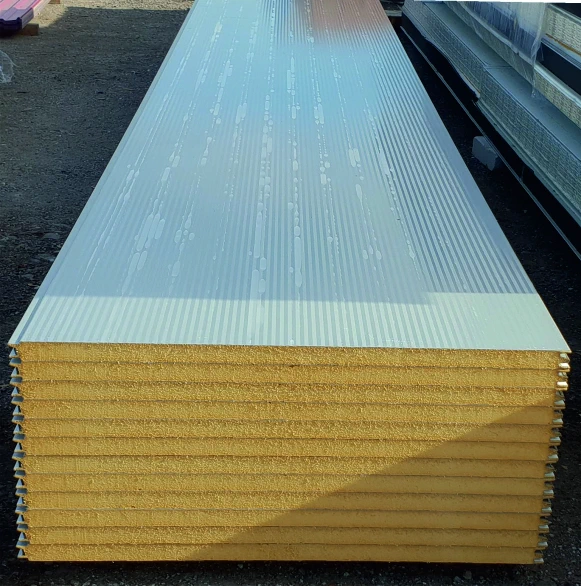
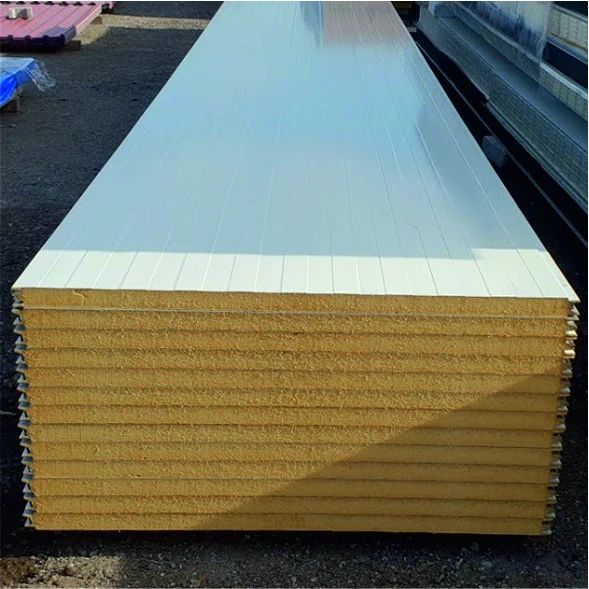
Obtain the reason for downgrading and the batch documentation. Inspect joints, surfaces and the bond between facings and core. A cosmetic defect can have different implications from delamination: a sandwich panel relies on both sheets working with its insulating core.
Do not assume a 40 mm version is inherently less demanding to install. Overtightening can damage a facing, while an unsuitable screw may not secure the panel correctly to its support. Screw type, length and quantity must follow the system and design, not the material’s purchase price.
When is paying more for a thicker panel worthwhile?
Consider it if the building will be heated or its use may change. Assess how thickness affects heat loss and the complete wall. Do not assume insulation can be added at no cost years later: alterations may need new details and a moisture assessment.
Decide before ordering flashings and fixing lengths, since a thickness change affects both. Compare two complete quotations. Sometimes a higher panel price represents only a modest increase in the overall construction budget. Establish this using actual offers rather than assumed rates.
How should samples and the final specification be compared?
A sample helps assess profiling and colour. It does not confirm the lengths, facing thicknesses or condition of a future delivery. Record the full configuration in the order, including both coating designations, and check that the price covers every required length. Compare delivery labels with this schedule so an advertised thin-panel price is not confused with the cost of another configuration.
Frequently asked questions
Is 40 mm sufficient for a heated workshop wall?
Thickness alone cannot establish that. A heat balance, the design requirements and an assessment of the complete building element are needed.
Is the price in an old advertisement still valid?
Not necessarily. A quotation should state its date, validity period, product specification and delivery terms.

Free quote
What to include in your enquiry
Tell us how you plan to use the material, the dimensions and the quantity you need. Include the thickness, grade or variant name, along with the delivery town or your preferred collection branch. For a specific product, add its name or a link to the product page. We will reply to the email address you provide to discuss availability and the terms of your order.

More from the building guide
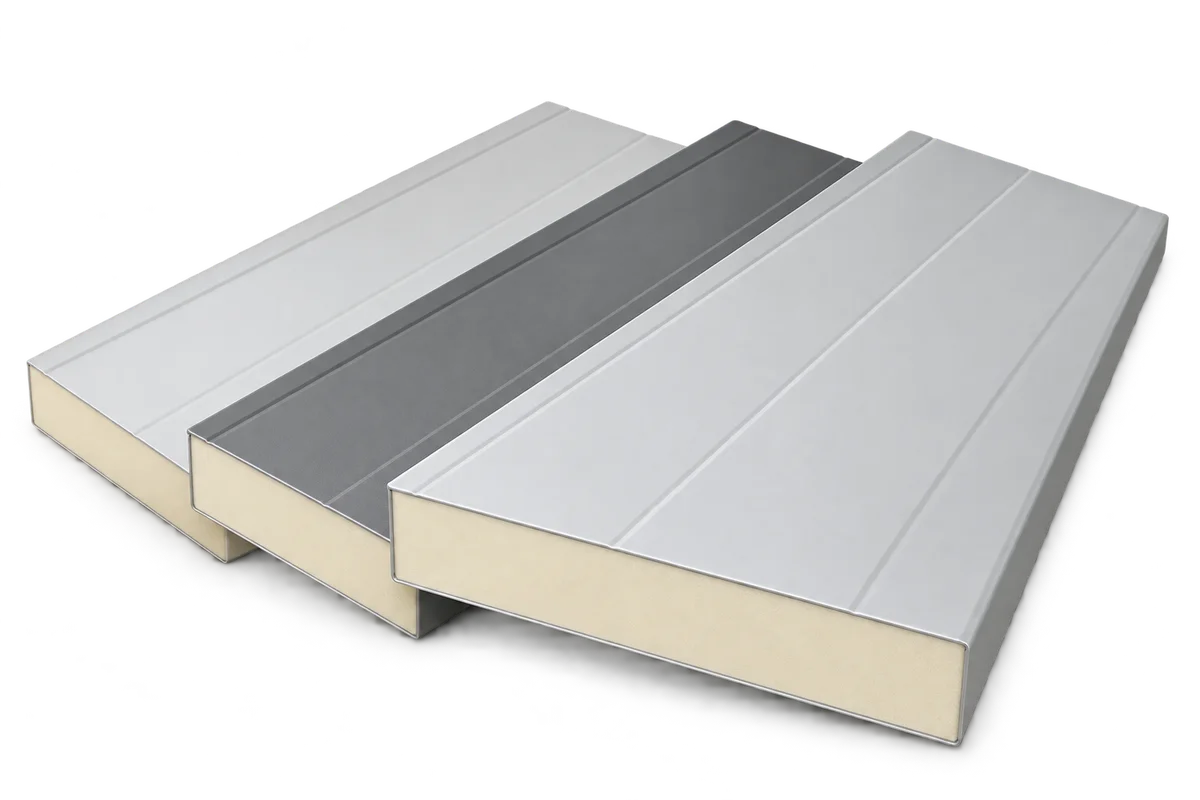
The delivery date for a large machine helps determine the sequence for installing sandwich panels. The machine must get inside, turn and…
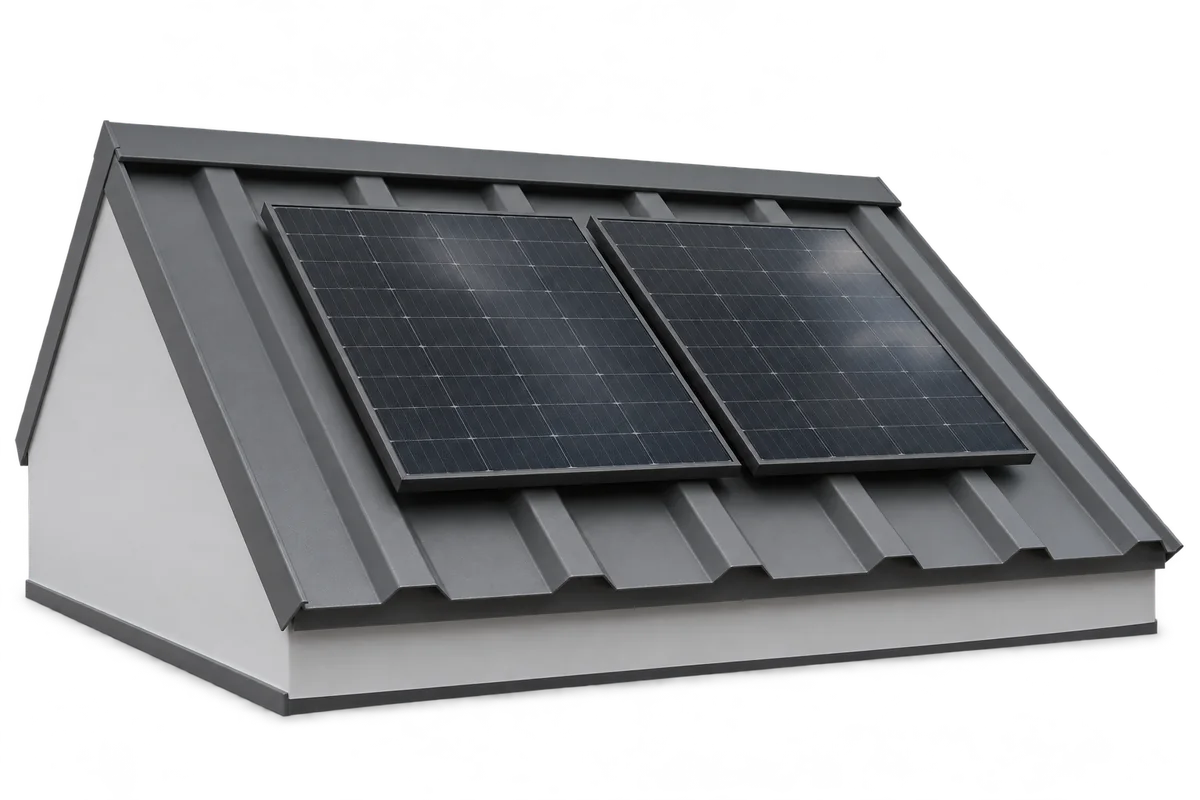
The fixings for a photovoltaic array must suit the specific roof and the loads it will carry. Metal tile roofing, trapezoidal sheets…
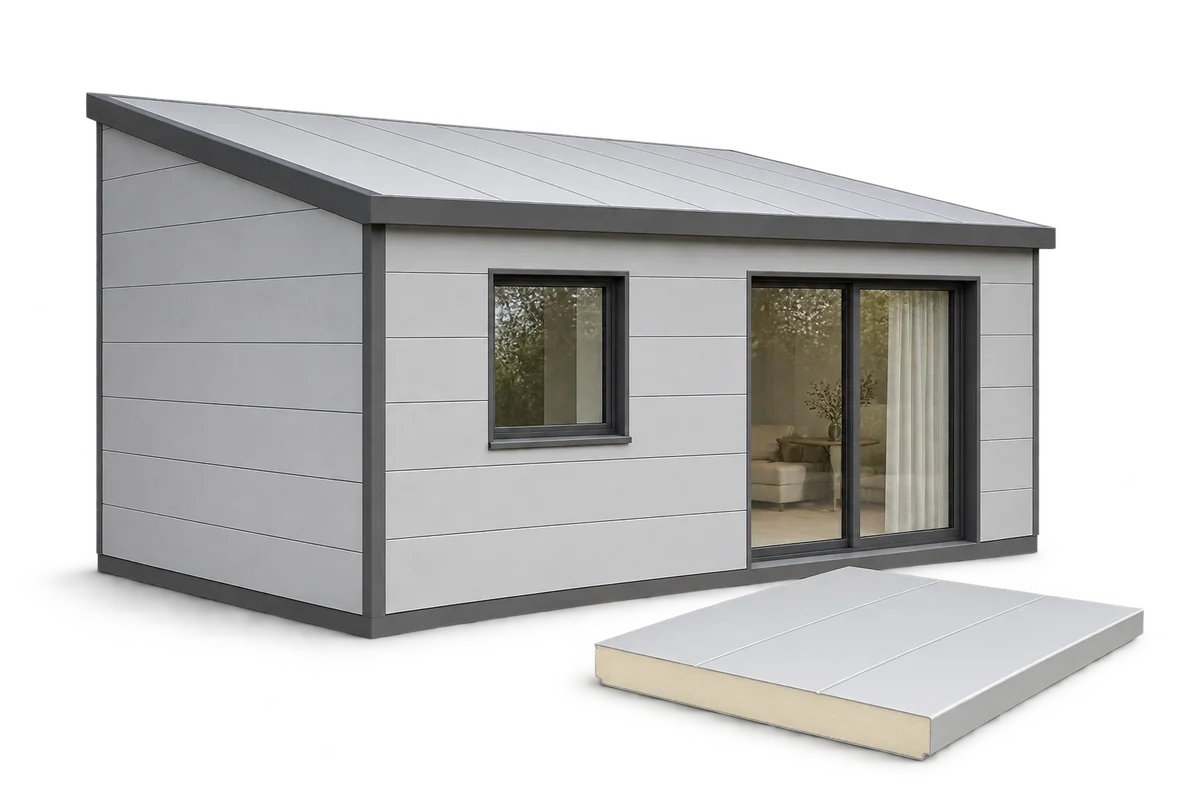
Sandwich panels can form the walls and roof of a home, but the panels alone do not make a complete building system.…
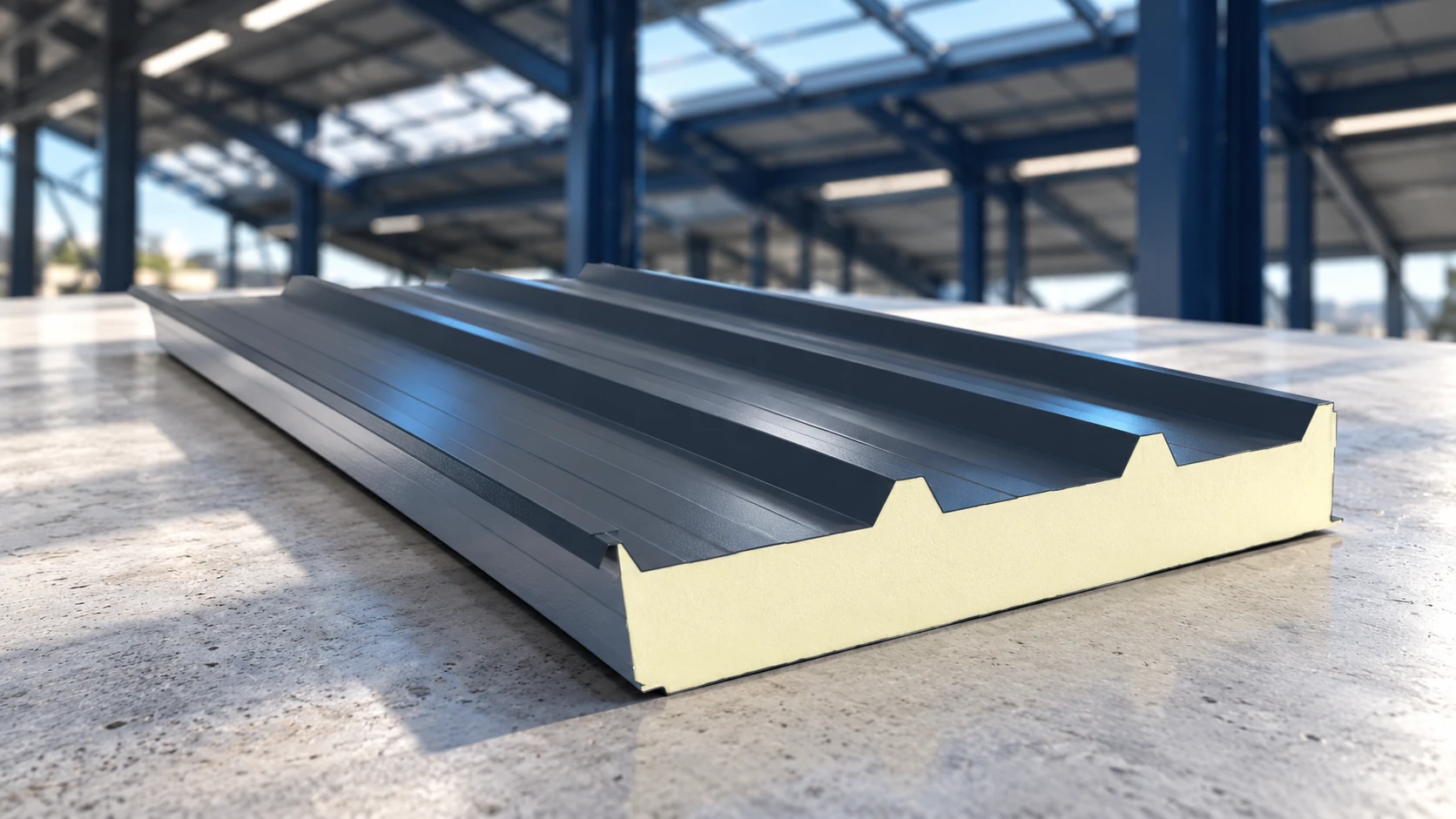
A sandwich-panel roof costs more than the panels alone. Flashings, fasteners, seals, transport and installation must be included, while the supporting structure…
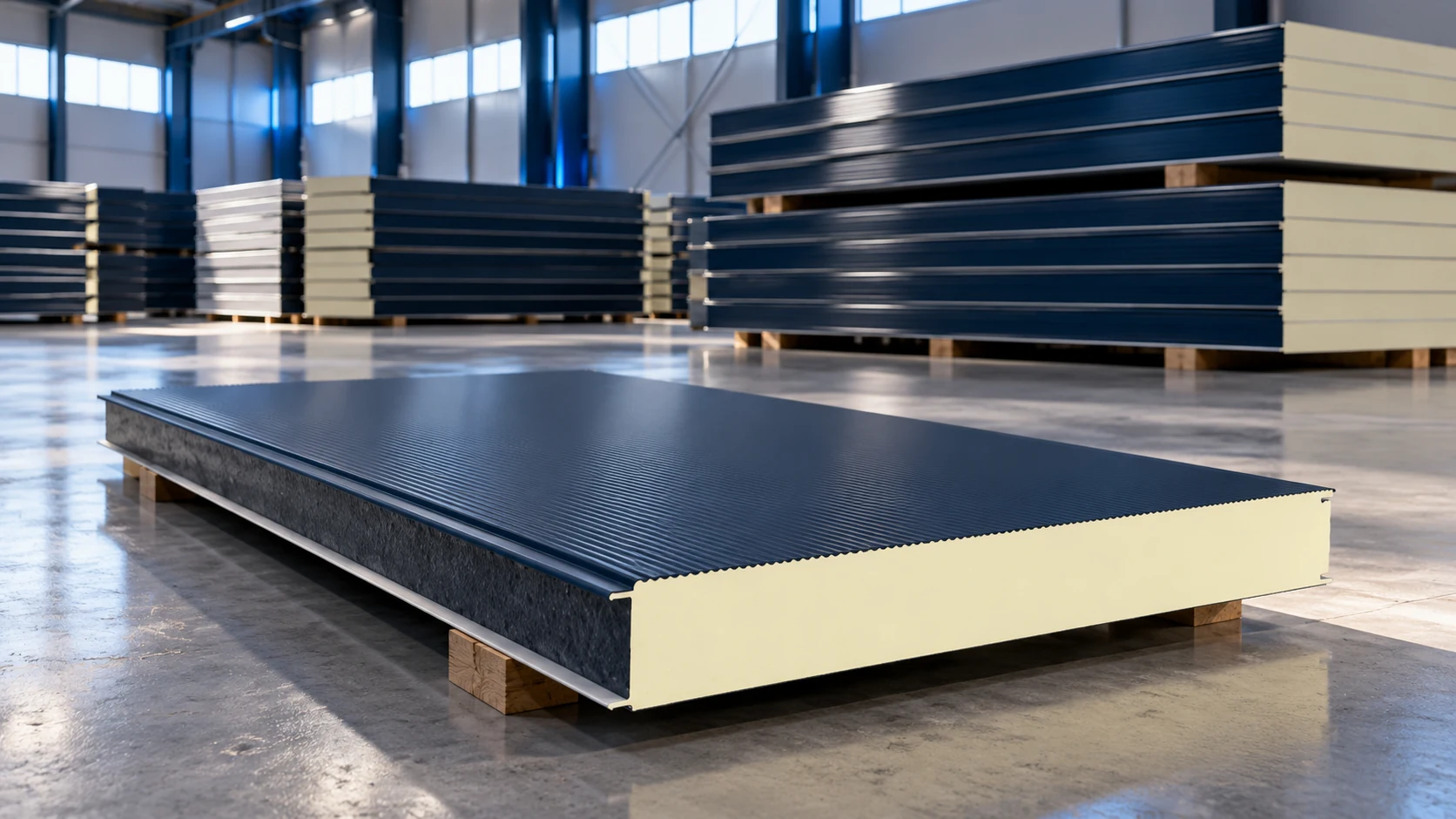
When buying sandwich panels or roofing sheets in Wrocław and the surrounding area, compare a defined material schedule and complete delivery cost.…
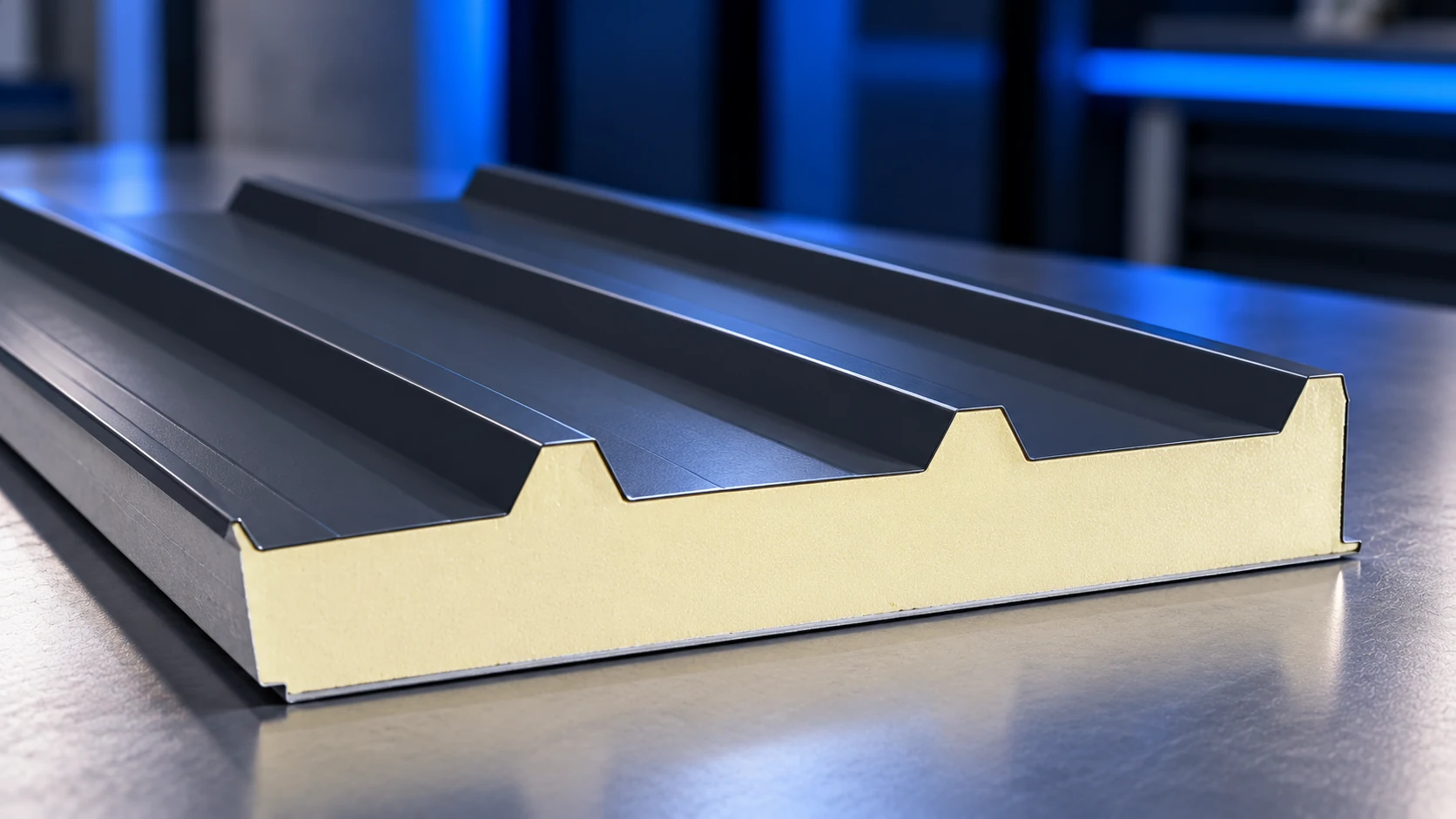
A correctly specified roof sandwich panel can provide the required thermal insulation without an extra layer, provided the complete roof meets the…
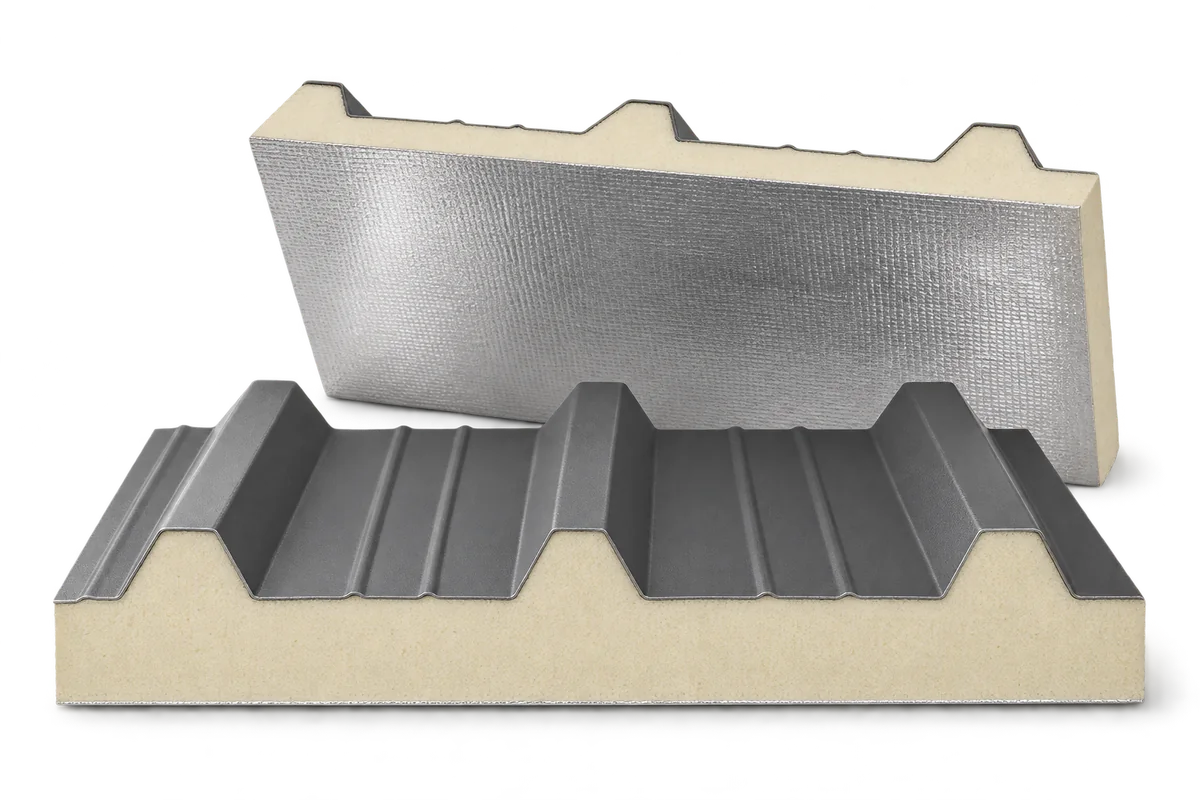
Renovating an old industrial building need not mean replacing it. Sandwich panels can provide a new outer skin and insulate the walls…
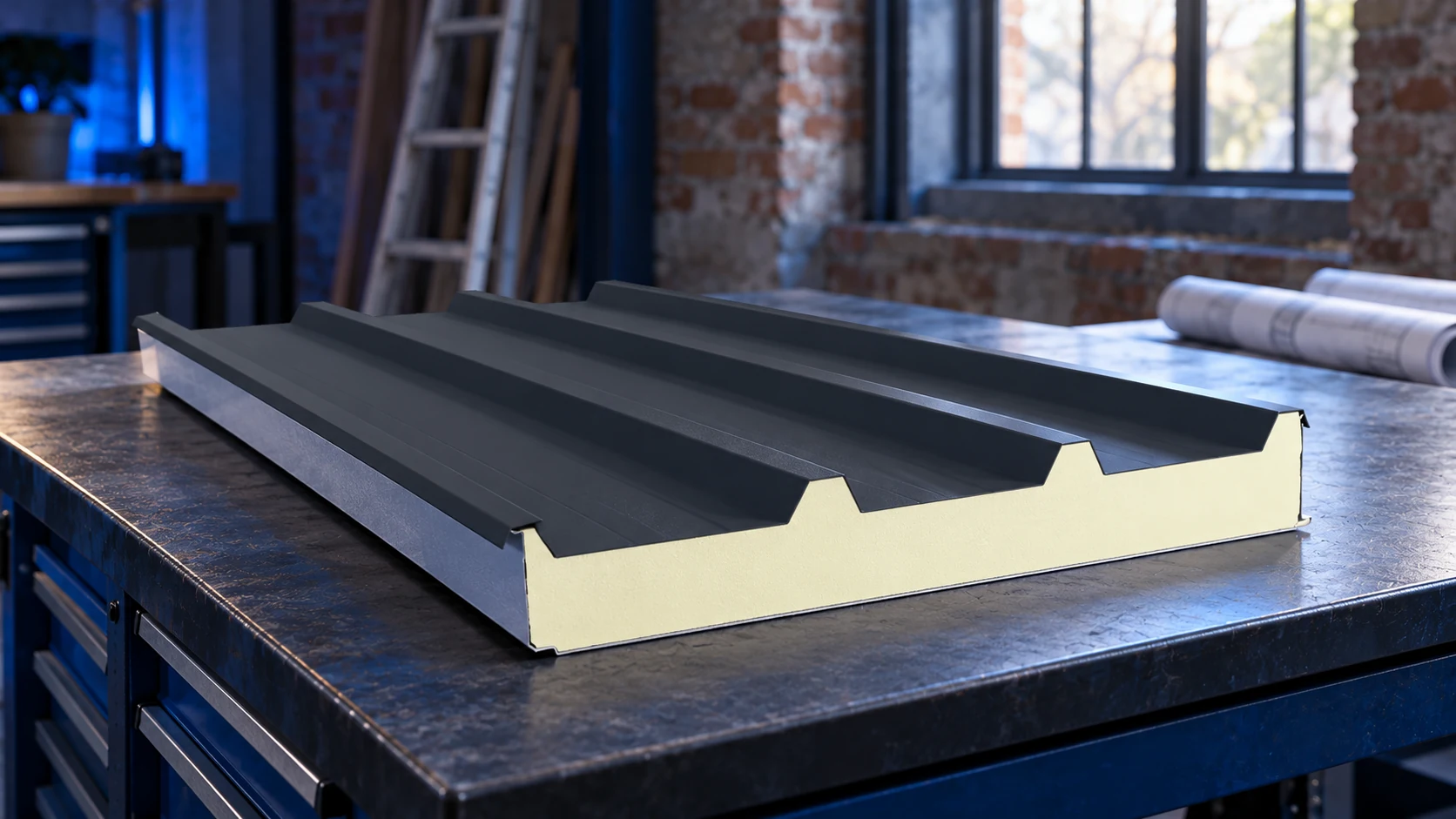
Roof sandwich panels can be used in an extension where the existing structure and new design permit them. Their relatively low weight…