






How long can trapezoidal roofing last, and what determines its service life?
Renovation and maintenance
A trapezoidal sheet’s T18 or T35 designation does not tell you its service life. Steel protection, the building’s surroundings, joint quality and subsequent maintenance all matter. When buying, compare warranty conditions and storage and care requirements as well as the coating. This guide follows the stages at which material can be protected or prematurely damaged: delivery, cutting, fixing and inspections after installation. It also explains why surface deposits, loss of gloss and perforation are different findings. Rather than promise a universal lifespan, it identifies the information needed to assess a particular roof and plan its maintenance.
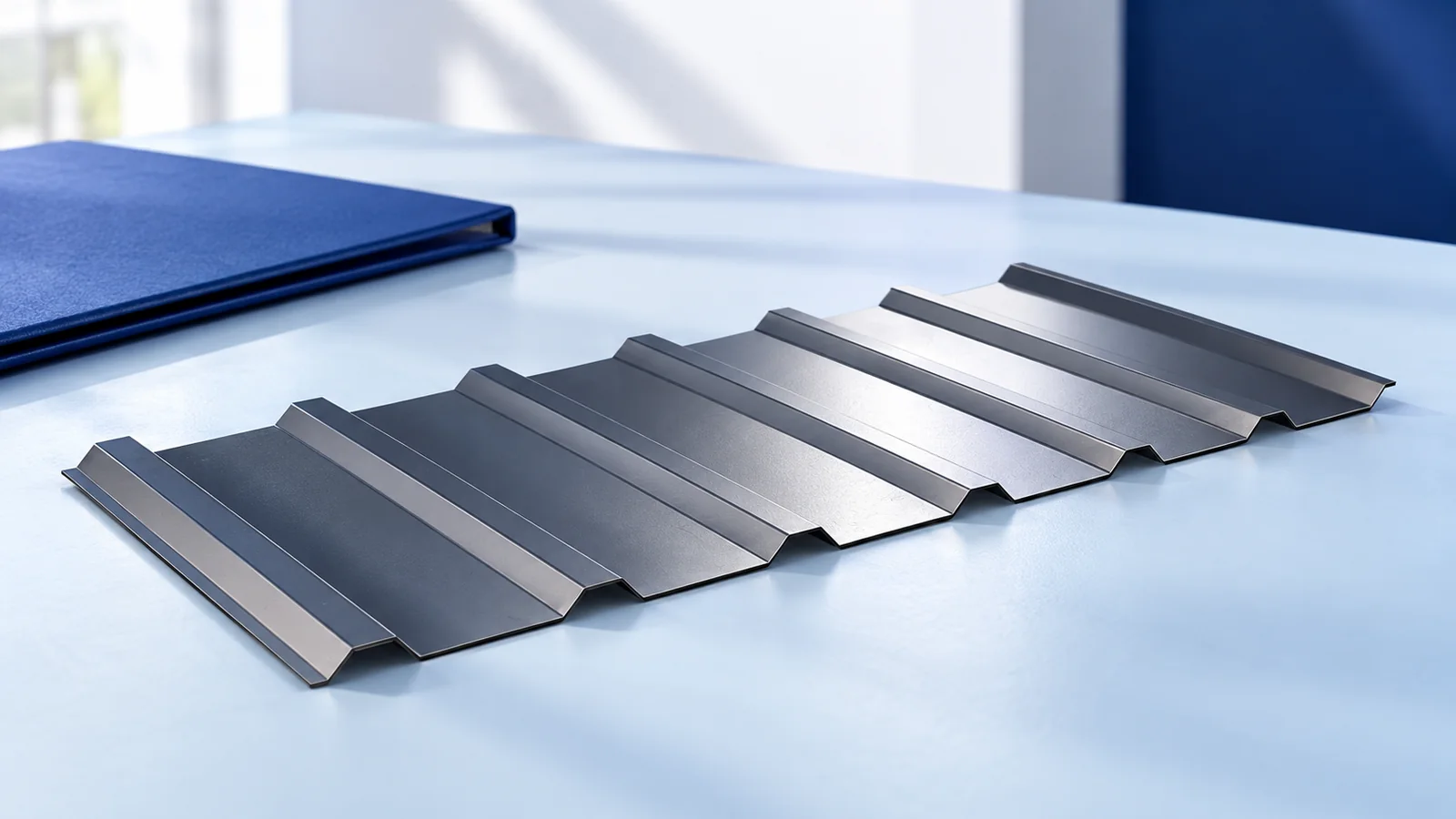
Is a single lifespan figure meaningful?
Two sheets with the same profile may differ in steel thickness, metallic protection and paint finish. A profile name mainly describes geometry, so a durability estimate cannot automatically be transferred between T18 offers. Use the specification of the ordered product, not a generic description of trapezoidal sheets.
Describe exposure to salt, dust, pollutants and persistent moisture. An open, well-ventilated canopy and a damp farm building impose different demands. With that information, check whether the coating is intended for the location and what limitations the warranty contains.
How is the steel protected against corrosion?
Sheet protection is a system of layers, typically metallic protection of the steel and an organic finish. Assess their compatibility and intended exposure. A thicker paint layer alone does not prove greater durability everywhere; the type of protection and its condition after fabrication also matter.
Distinguish corrosion resistance from colour and gloss retention in the documents. A technical warranty may cover different events from an appearance warranty. Before purchase, check exposure limits, inspection requirements and defect-reporting conditions so maintenance matches the particular coating.
What can cause damage before the roof is finished?
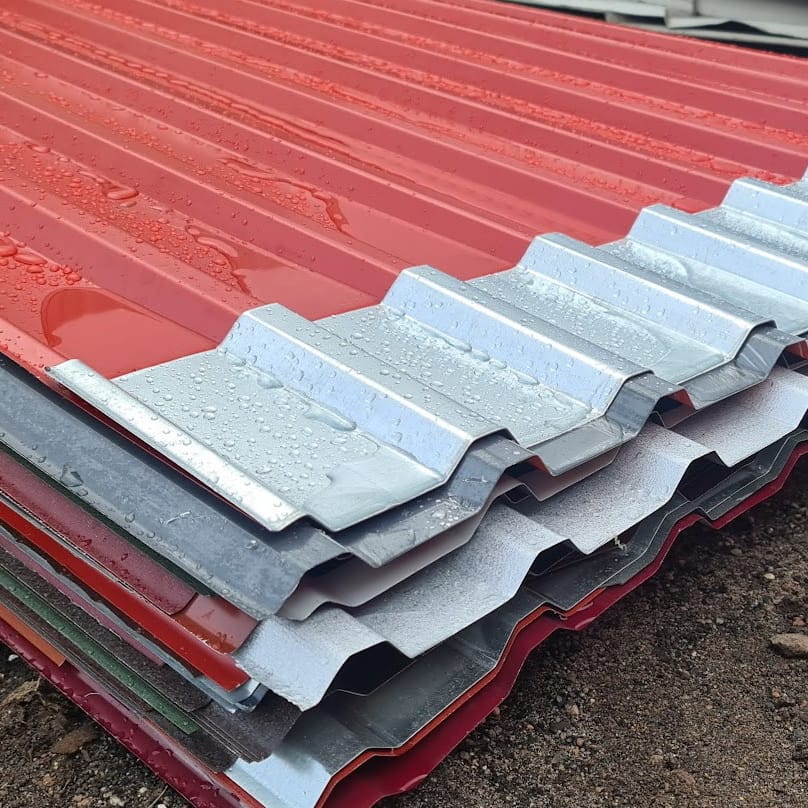
Do not leave a wet pack unattended after delivery. Sheets may need separating and ventilation in accordance with the instructions before installation. Avoid sliding sheets against each other during unloading, and remove protective film within the manufacturer’s specified period.
Tool selection affects the cut edge. Heat and sparks may damage protection beyond the cutting line. Remove swarf from the whole surface and profile recesses; remaining metal particles can rust even when the sheet itself has not corroded.
Why do joints deserve particular attention?
Water retained at a lap or fixing can shorten service life locally even when the rest of the roof looks sound. Check pitch, sheet joints and drainage through flashings. A higher-performance coating cannot repair a detail that continually traps moisture.
Inspect washer compression, loose fixings and service penetrations. Check materials in contact with the steel: other metals and chemical products must be compatible. A newly installed accessory can alter conditions on part of an existing roof.
How should roof care be planned?
Make an inspection list covering edges, flashings, fixings, valleys and gutters. Match frequency to the instructions and local debris levels. Removing leaves and deposits should restore drainage, not merely improve the appearance of visible roofing.
Use cleaning and touch-up products approved for the coating. Aggressive chemicals or an unsuitable water jet can enlarge damage. Repainting is not a universal repair: first assess adhesion, corrosion and the required surface preparation.
How do you assess an ageing roof?
Identify the change first. Loss of gloss or a shade difference is not the same as deep pitting, perforation or leaking joints. Before selecting paint or replacement sheets, establish the cause and extent of damage so the repair addresses the actual fault.
Inspect the underside too. Moisture may be condensation rather than rain entering through the sheet. Where drying is inadequate, ventilation or the airtightness of internal layers may need correction. Replacing the outer covering alone will not resolve that cause.
What should you specify for long-term use?
Compare offers by coating suitability, documented properties and future servicing options. Check availability of the correct touch-up paint and the installer’s experience with the profile. Weigh purchase cost against maintenance obligations rather than selecting the longest advertised warranty period alone.
Keep delivery labels, product documents and photographs of the initial condition. Compare the same locations at later inspections. This record helps identify new deterioration and distinguish it from an existing feature. Durability depends on the material’s entire service history, not simply its purchase price.

Free quote
What to include in your enquiry
Tell us how you plan to use the material, the dimensions and the quantity you need. Include the thickness, grade or variant name, along with the delivery town or your preferred collection branch. For a specific product, add its name or a link to the product page. We will reply to the email address you provide to discuss availability and the terms of your order.

More from the building guide
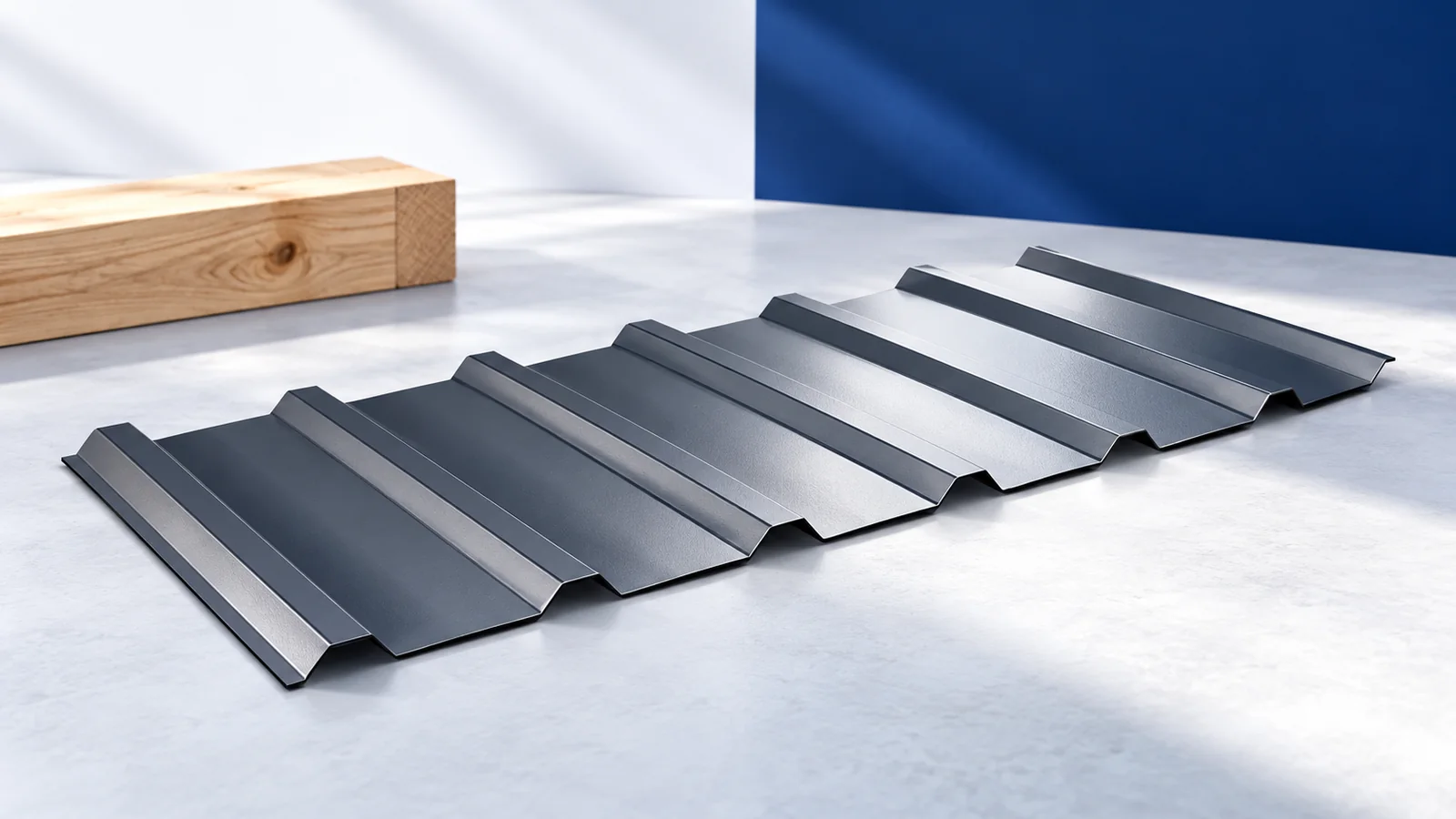
Trapezoidal façade cladding requires geometry and fixing design to be selected together. T18 usually gives a finer rhythm, while T35 creates stronger…
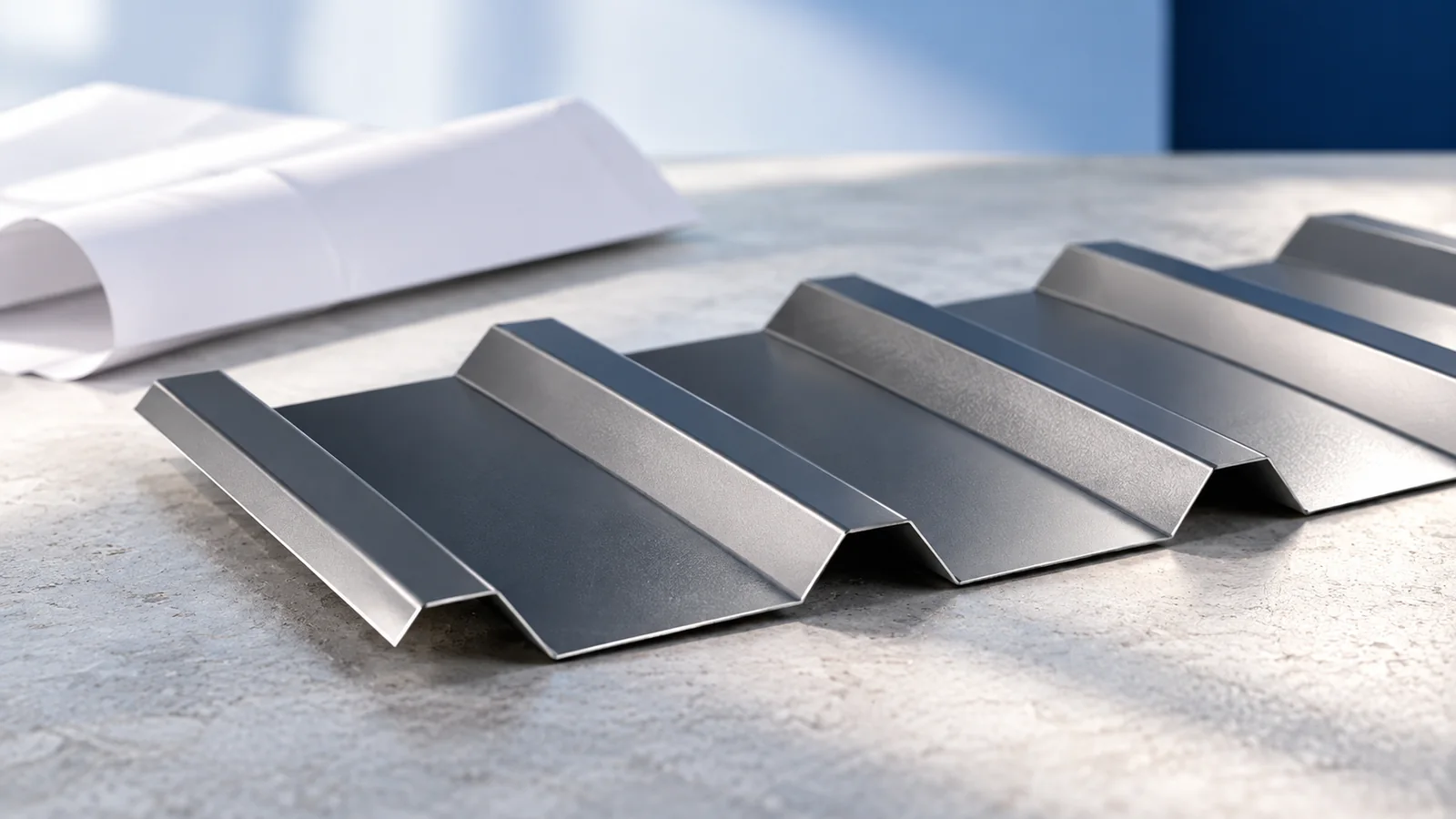
Calculate trapezoidal-sheet weight only after identifying the unit in the documentation. Weight per square metre of effective cover, total area and linear…
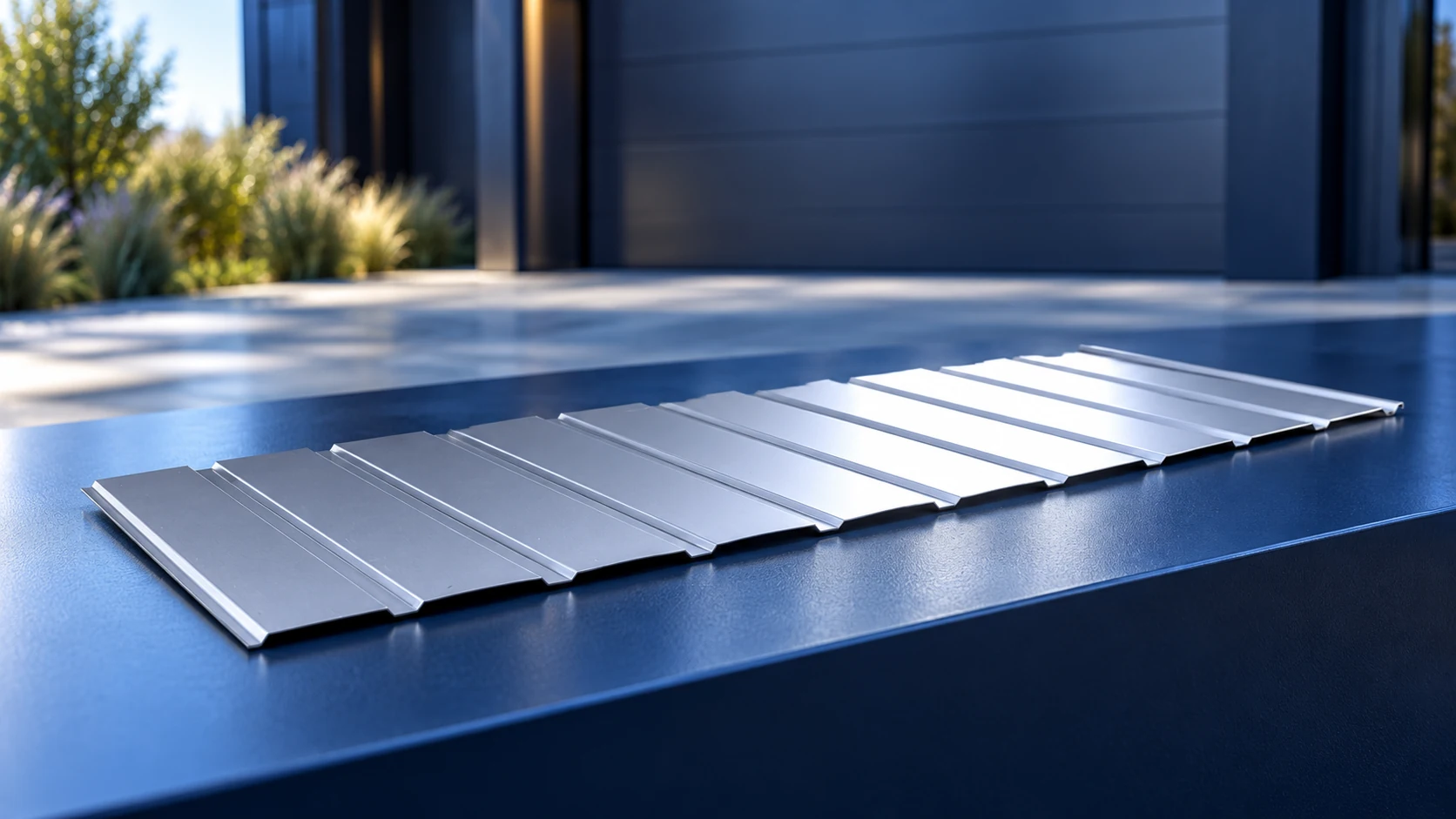
T7 is a very shallow trapezoidal sheet profile. One wall-cladding version is 7 mm high, covers 1175 mm and measures 1197 mm…
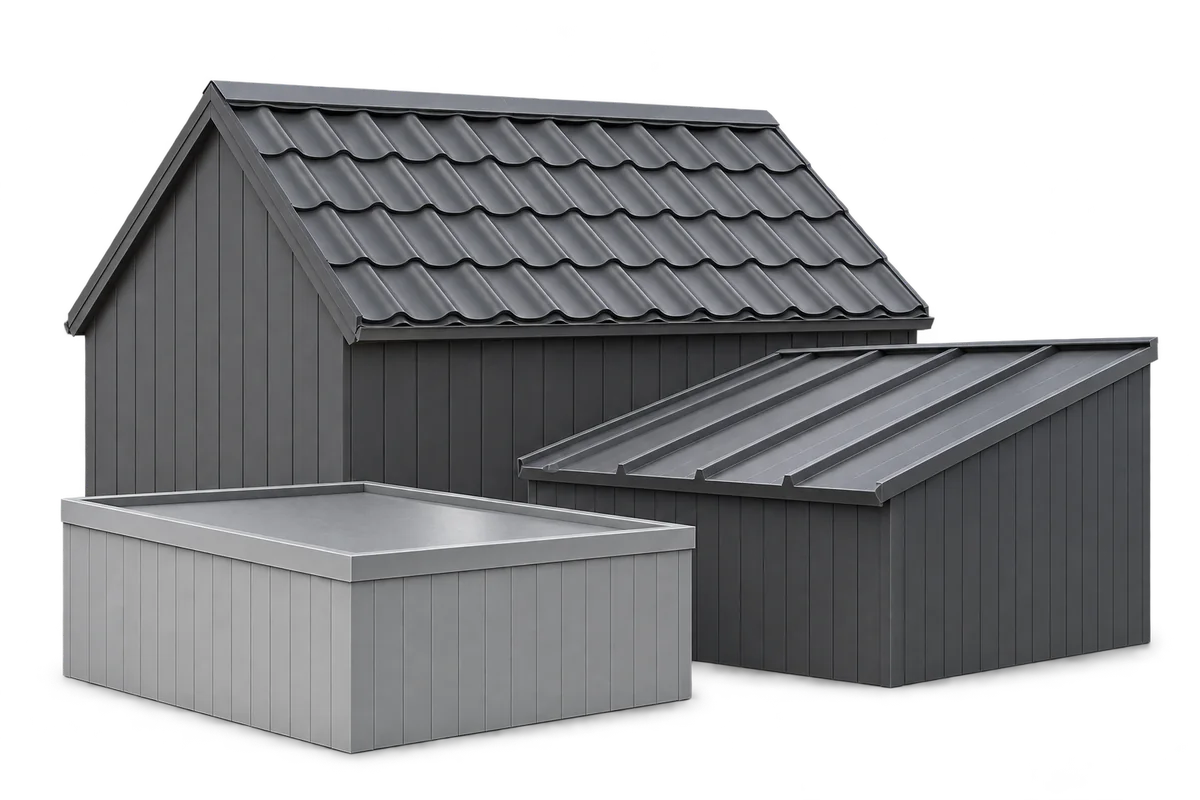
The proportions of a roof, the rhythm of its joints and the finish at its edges shape its appearance. Modular metal roof…
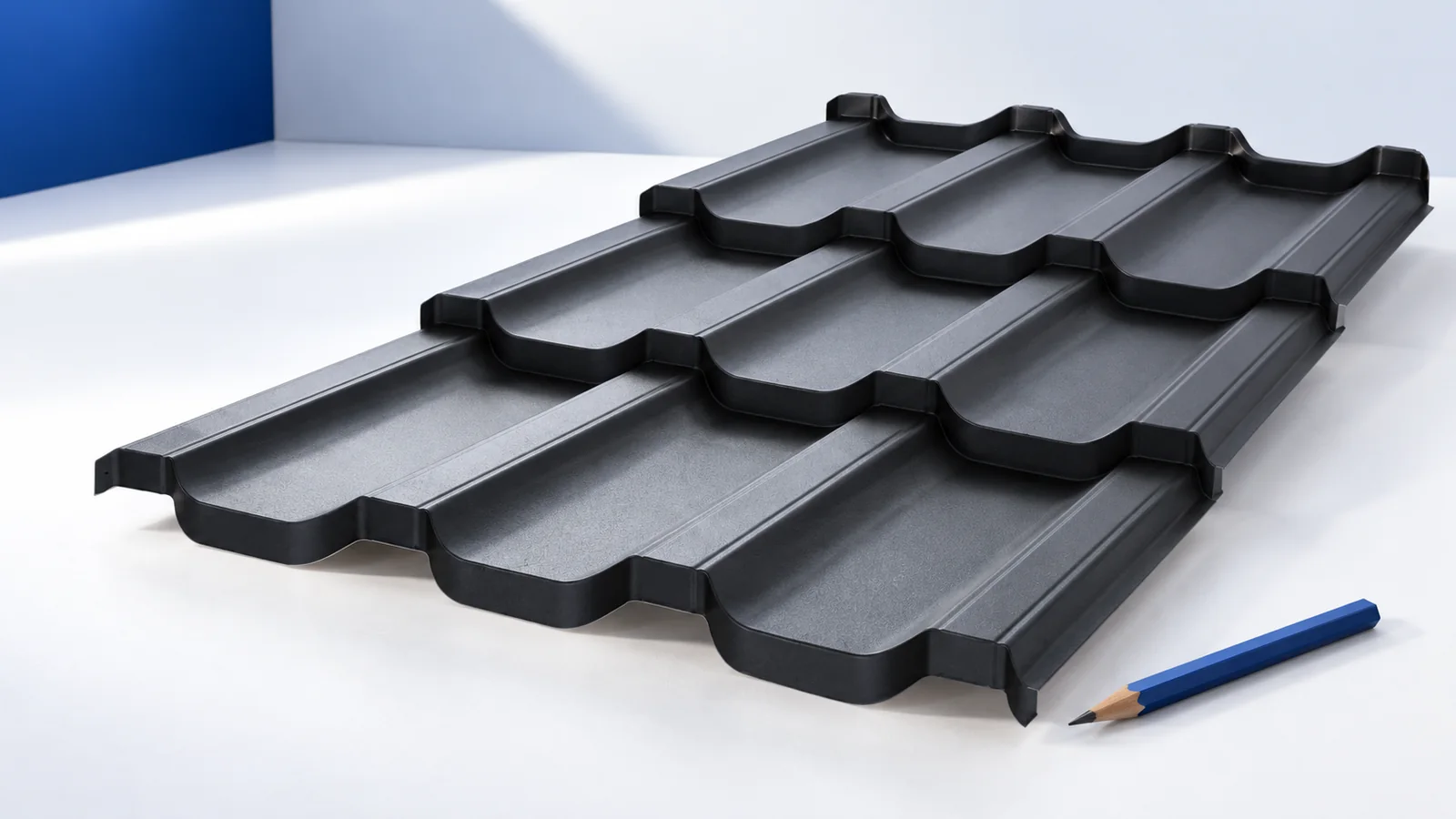
Choose a garage covering after establishing its operating temperature, roof geometry and supports. Single-skin trapezoidal sheets, metal roof tiles and insulated roof…
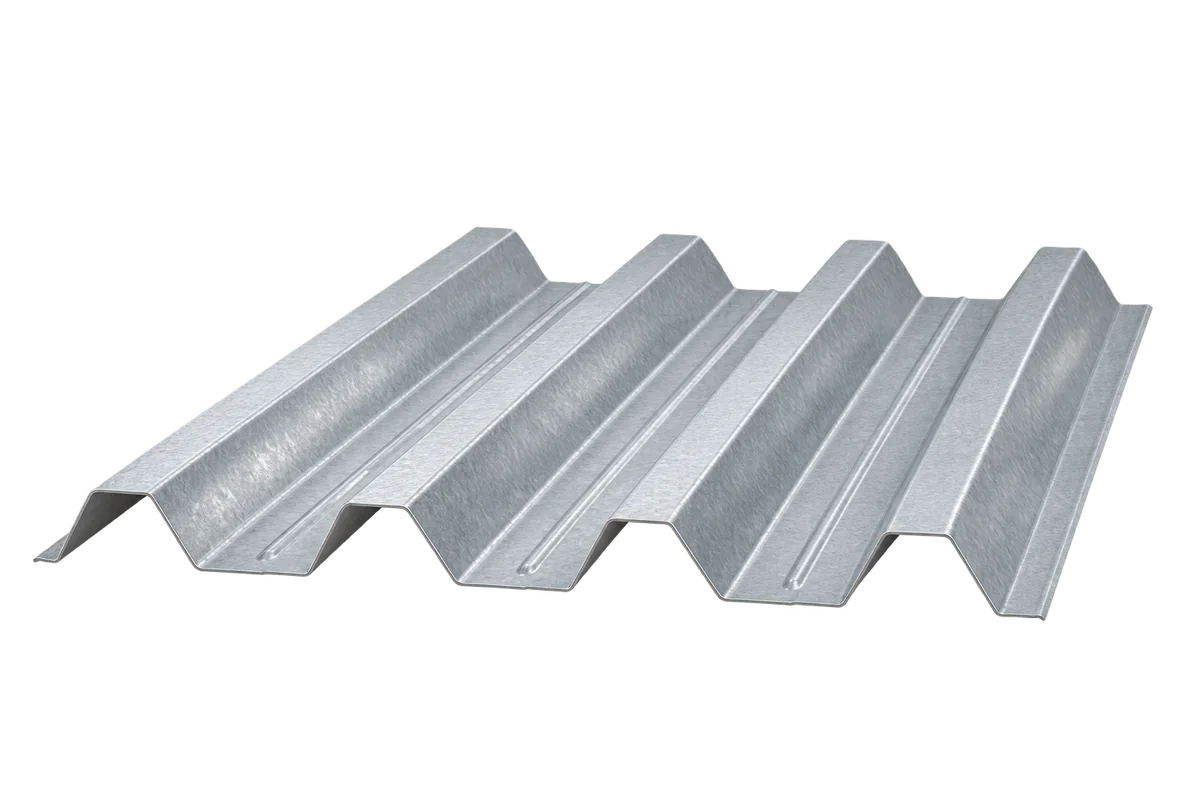
Structural trapezoidal steel decking provides a lightweight load-bearing base for industrial and warehouse roofs. It covers large areas quickly, but rib depth…
A hipped roof suits a compact house and allows the eaves to run around the building. Compared with a simple gable roof,…
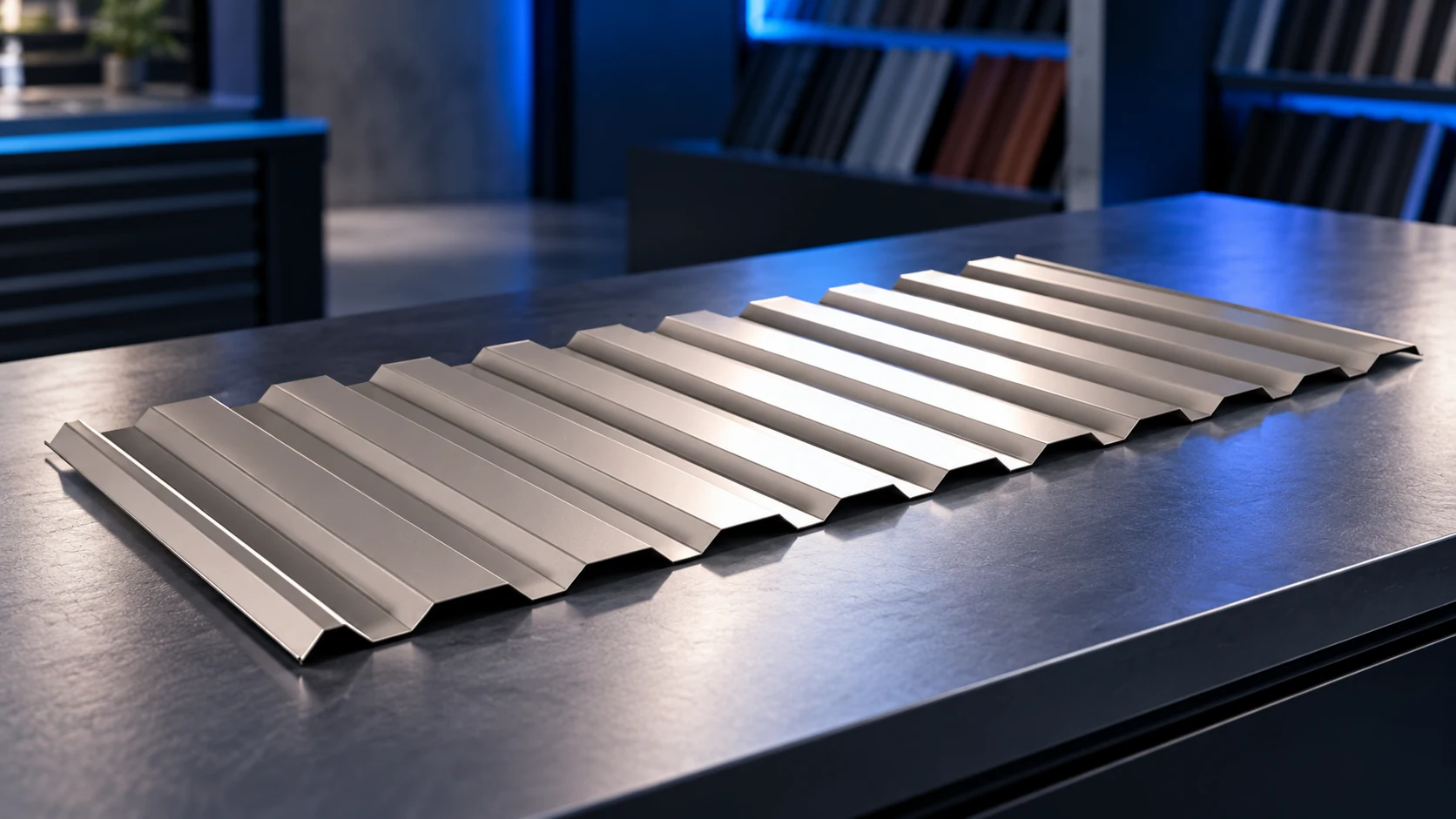
T14 is a low-profile sheet, but its dimensions are not standardised by that name alone. Effective cover widths can be 1120 or…