






Roof refurbishment: from tracing the leak to accepting the work
Renovation and maintenance
If a ceiling develops a damp patch, arrange an inspection before ordering a new covering. Water can travel along the underside of a sheet, but condensation can also cause damp. A useful scope of work identifies the source, areas to open up and decisions that must wait until the structure is exposed. Agree with the contractor how much roof to uncover, how to protect it from rain and when to inspect supports, insulation and flashings. This lets you spot a fault before the next sheet hides it. Keep photographs, agreed changes and product records so you can check whether the original problem has been solved.
How far does the damage extend?
Record whether damp follows wind-driven rain or also appears on dry days. Compare marks in the loft with chimney flashings, laps and external fixings. The point where water drips may be some distance from its entry point.
Distinguish scratches from perforating corrosion in the photos and mark wet timber or insulation. List the exploratory openings that will determine repair quantities. Covering a damp substrate does not remove the cause.
When do the structure and approvals need review?
Raising the roof, changing its shape or cutting a framing member calls for design assessment and a check of project-specific approvals. Inspect the joints even when changing to a lighter covering: lighter sheets do not restore a damaged connection.
Compare the old building records with what is actually present. Where heritage protection or suspected asbestos is involved, establish the applicable procedure before removal. Protection, working methods and waste handling must not be improvised on site.
Which covering suits the existing roof?
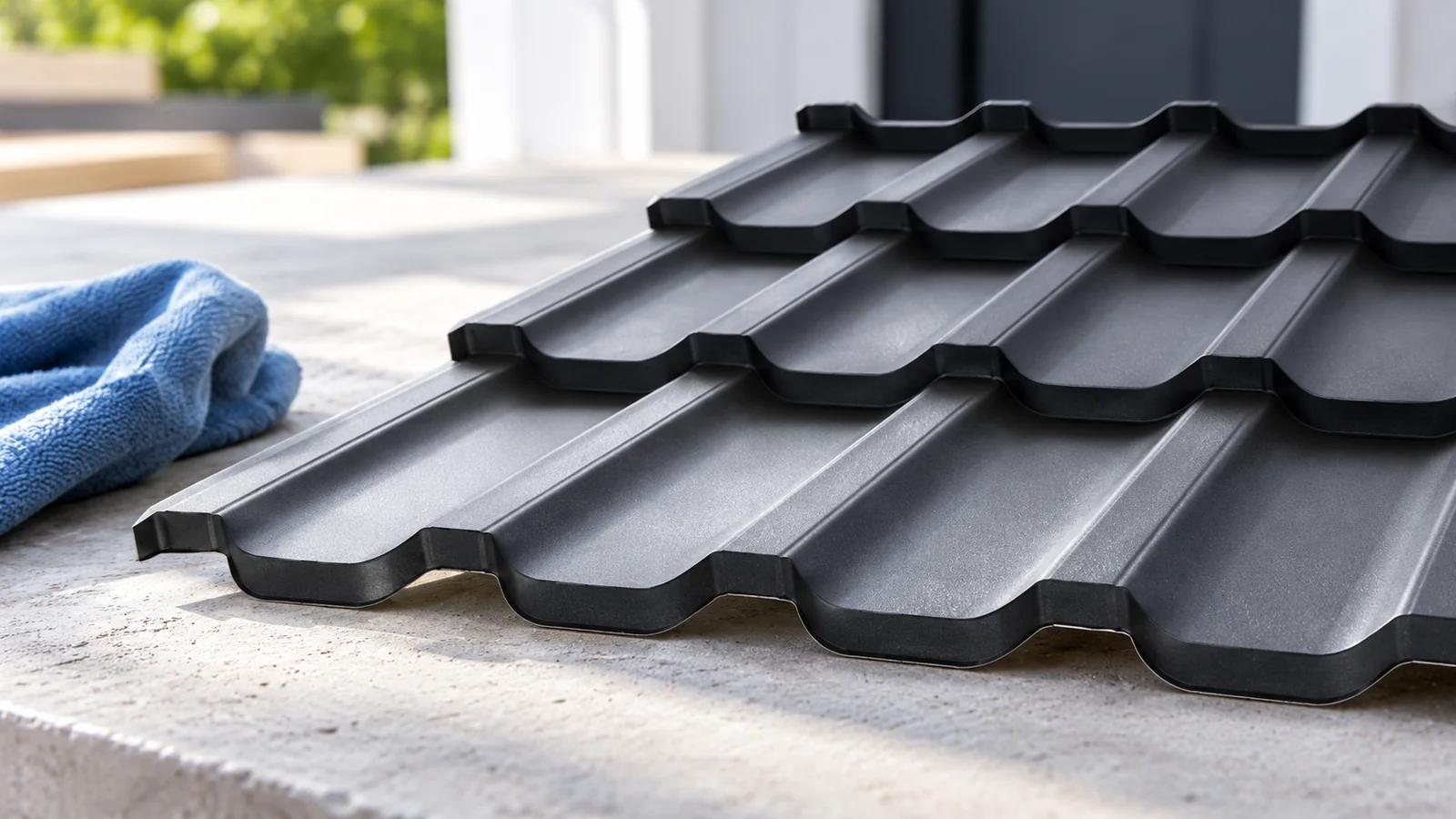
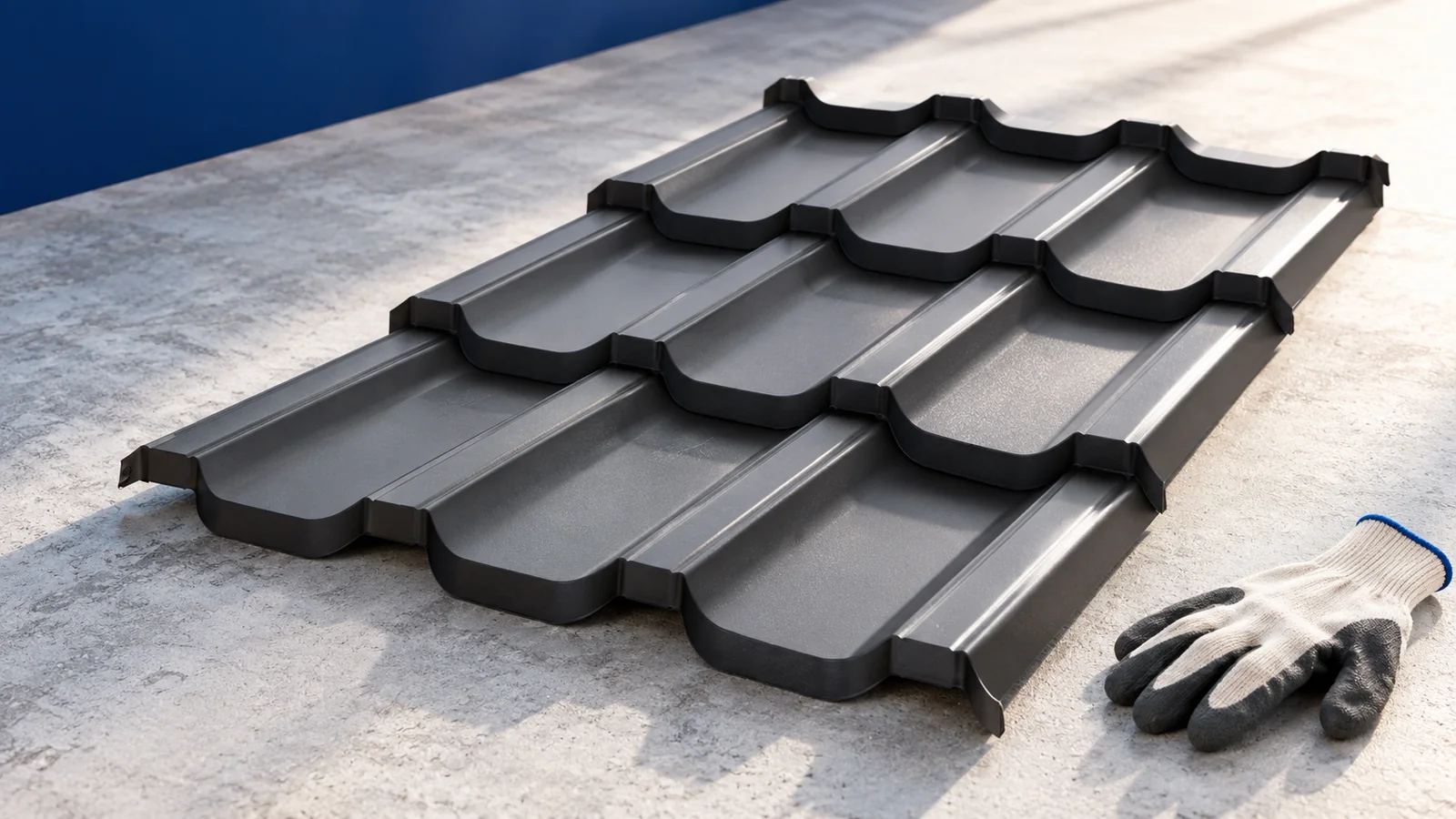
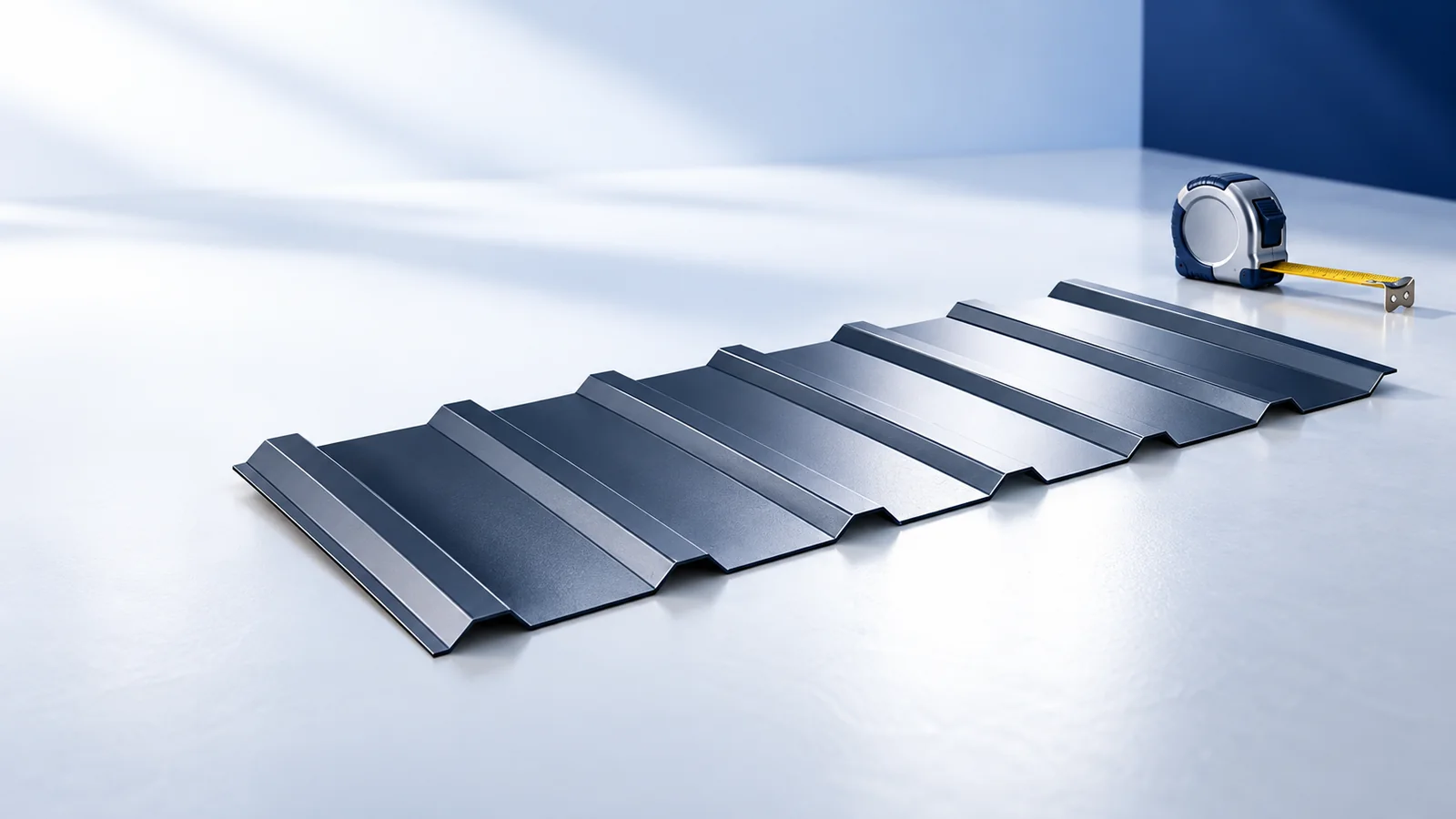
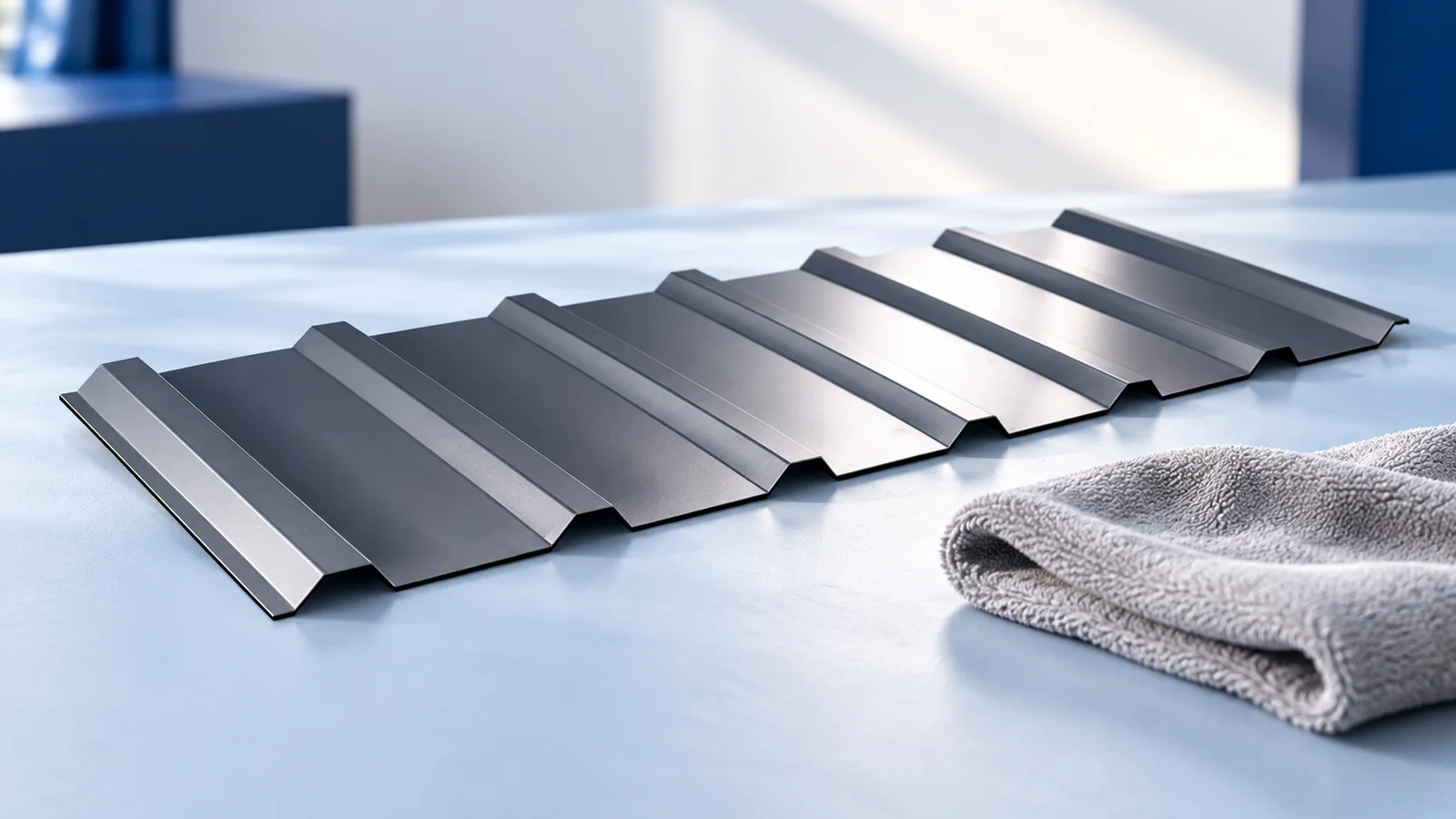
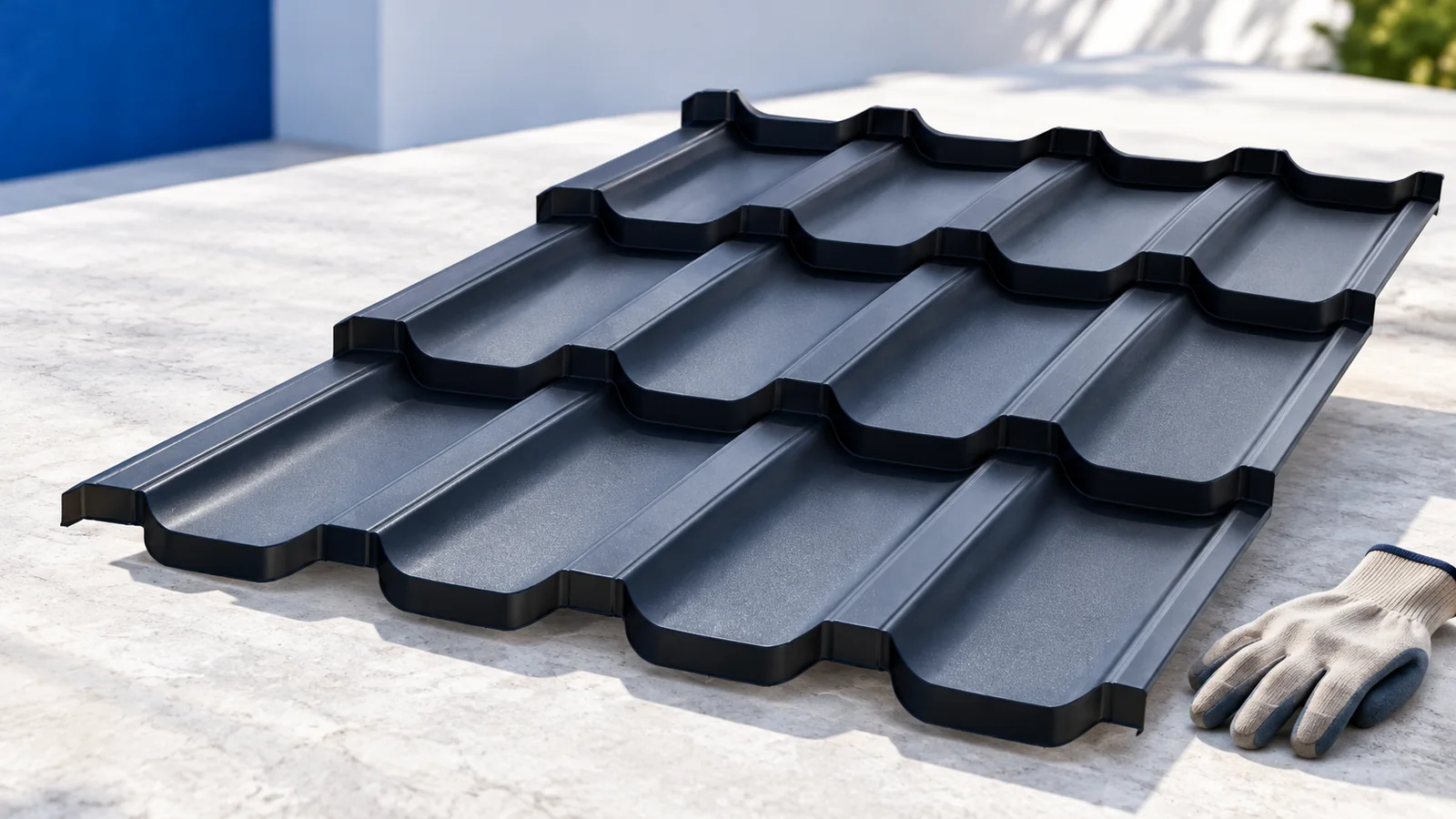
Check dimensions, pitch and support spacing against the instructions for the exact T18 or T35 profile. Compare cut-to-length tile-effect sheets on a simple roof and modules where there are many valleys. Layout and bearing positions matter more than resemblance in a photo.
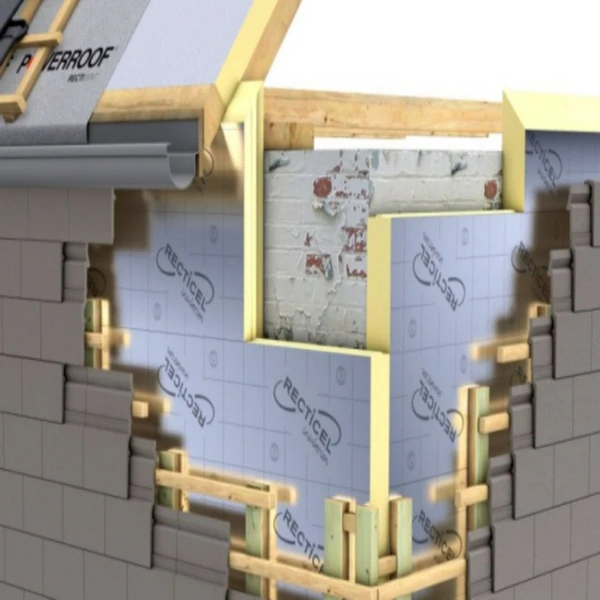
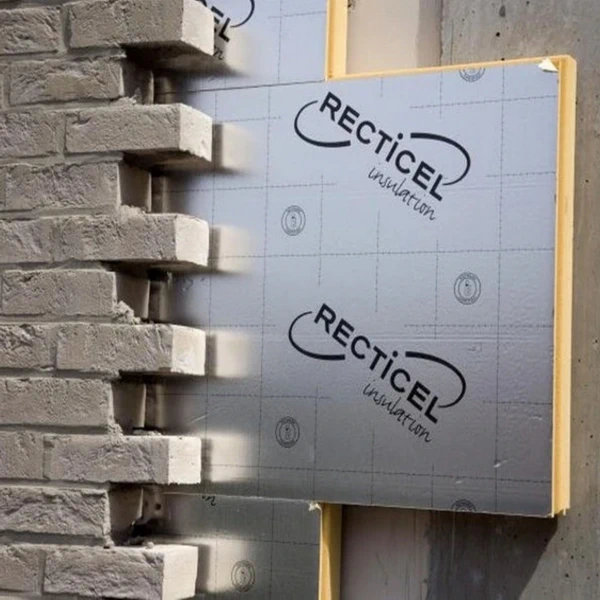
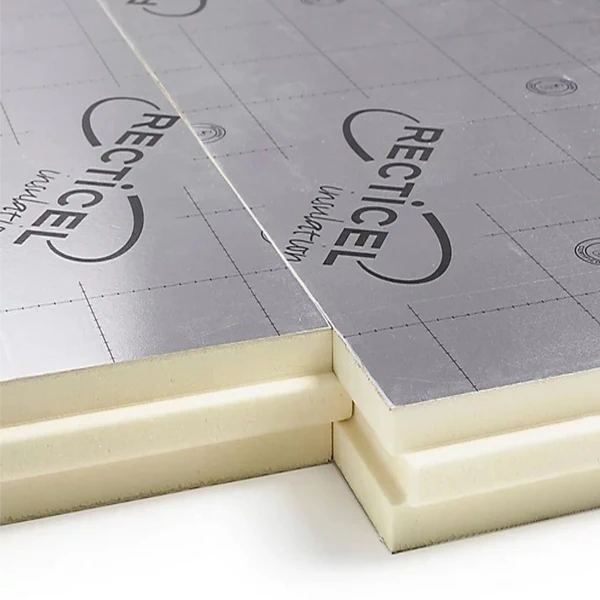
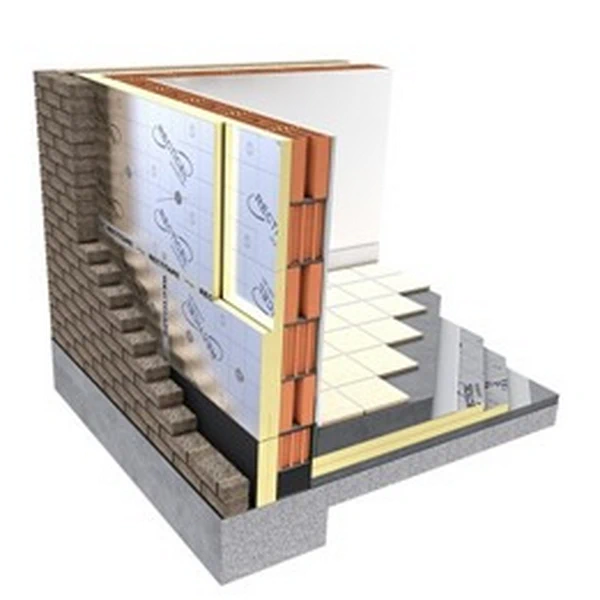
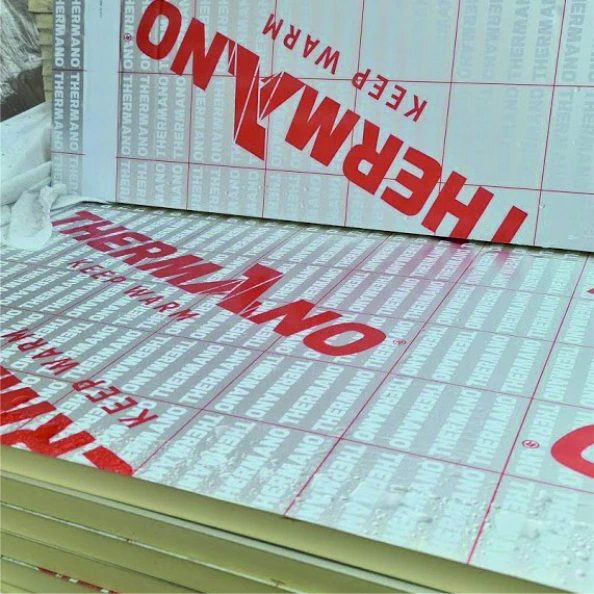
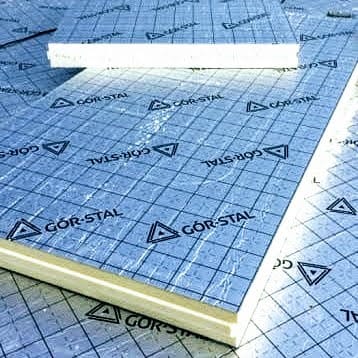
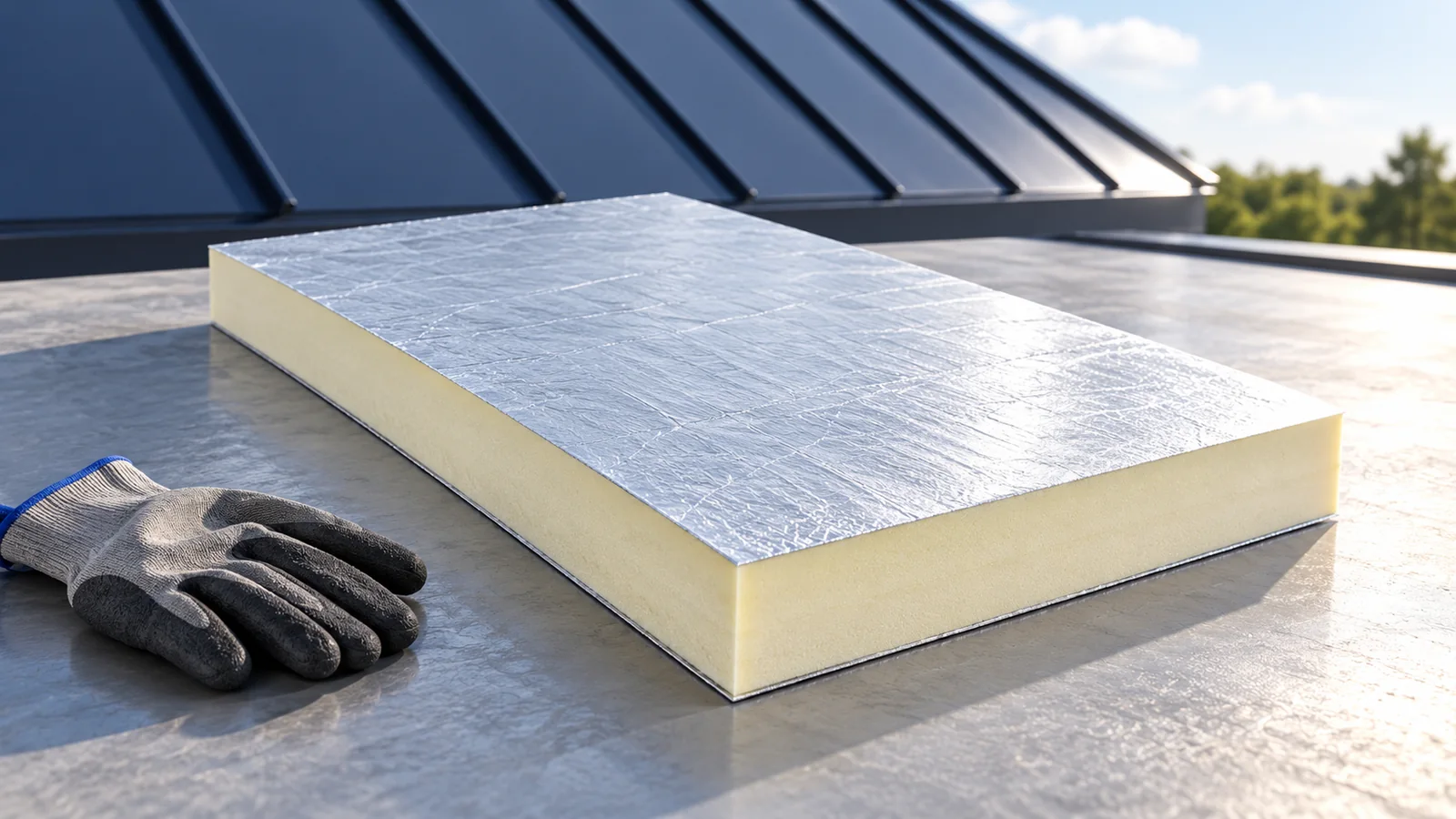
Draw every layer when adding insulation. PIR can reduce the depth for a given resistance but needs sealed joints and moisture control. Switching to insulated roof panels requires checking supports and perimeter details for that system.
How should the work be phased?
Confirm covering and accessory deliveries before stripping the first sheets. Agree a section the contractor can safely expose and protect against rain. The sequence must also account for structural stability during removal.
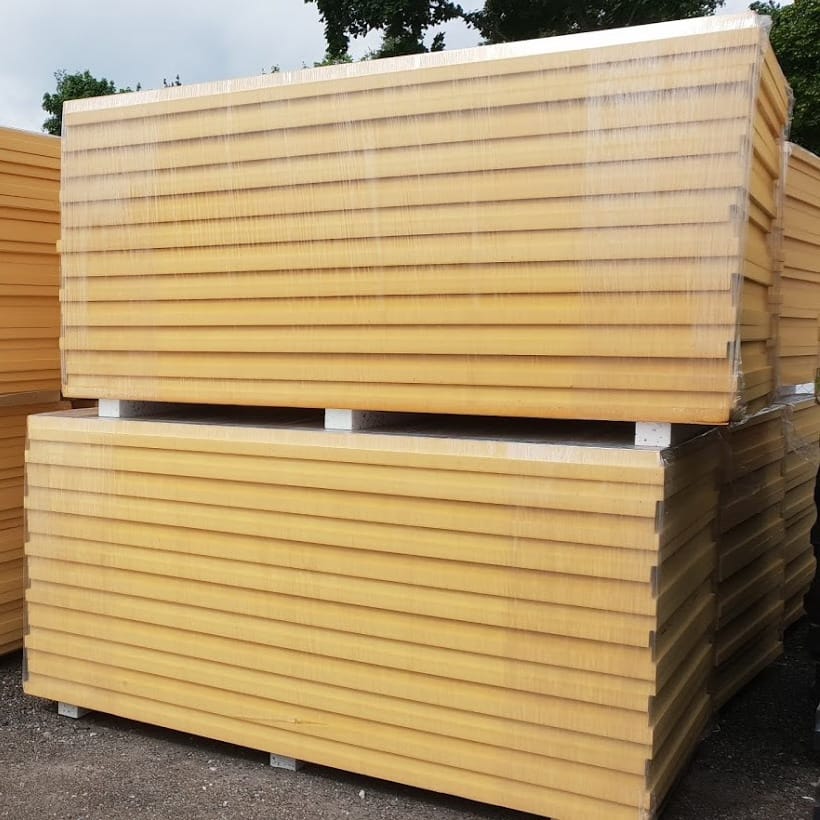
Plan vehicle access, scaffolding, lifting space and waste containers. Long packs need specified supports and dry, ventilated storage according to the instructions. A wet bundle wrapped tightly on the ground cannot dry out.
What should be inspected before it is covered?
Once exposed, agree repairs to supports and connections. Before covering, photograph the underlay, penetrations and ventilation inlets and outlets. Mark each photo position on the roof plan.
Inspect the eaves, valleys, chimney, ridge and edges. Check screws for the substrate and flashings that shed water without relying solely on sealant. Include swarf removal and timely removal of protective film in the completion list.
How do you accept the finished roof?
Walk through the contract and agreed changes with the roofer. As well as the finish and fixings, inspect gutters, old damp patches and the loft. Confirm waste removal and safe access to equipment that needs servicing.
Attach product records, maintenance instructions and photos of concealed layers to the handover record. Agree who will inspect former leak points after the first season and whom to tell about new damp marks. This makes the repair outcome verifiable after handover.

Free quote
What to include in your enquiry
Tell us how you plan to use the material, the dimensions and the quantity you need. Include the thickness, grade or variant name, along with the delivery town or your preferred collection branch. For a specific product, add its name or a link to the product page. We will reply to the email address you provide to discuss availability and the terms of your order.

More from the building guide
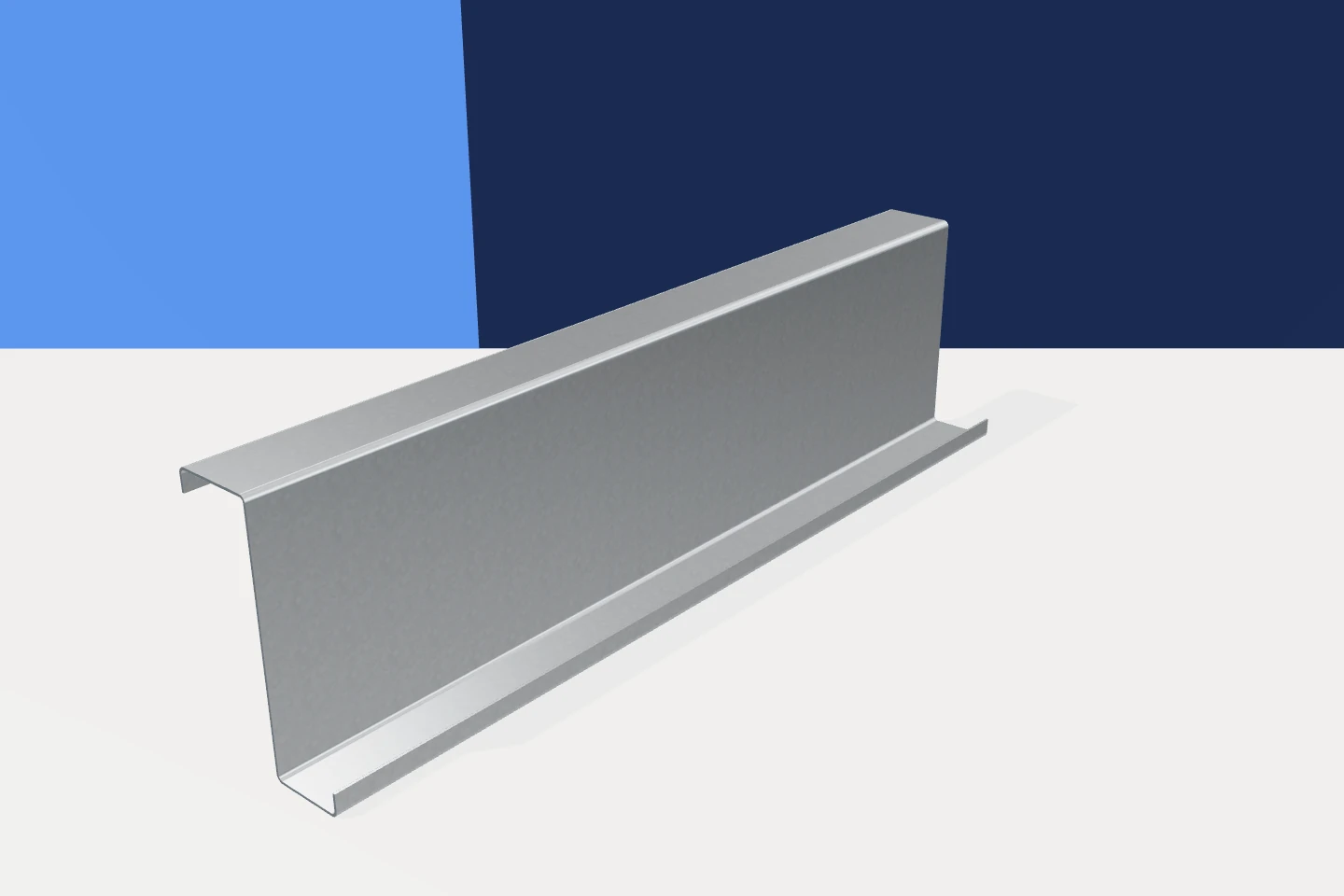
Look up inside a steel building and you may see slender Z-shaped members spanning between the main frames. These roof purlins support…
Labour costs for metal roofing must be compared together with the scope of work. A price per square metre may cover only…
Sheet metal sheds rain, but the complete roof assembly determines how effectively a building retains heat. Insulation needs suitable thickness and continuity,…
Start with the building and the result you want. You do not need specialist vocabulary to ask how the roofer will choose…
To choose a roofer, compare how each contractor would tackle one difficult junction on your roof. At a chimney, ask who will…
When a roof problem appears, record the symptom, location and circumstances first. Surface rust does not always originate in the sheet, and…
Choose a holiday cabin roof around its structure, pitch and intended use. A building visited in summer needs a different roof build-up…
When buying a complete roof, establish where the supplier’s scope ends and the installer’s begins. Structure, substrate, protective layers and covering are…