






Roofing a holiday cabin: plan for how you will actually use it
Roof coverings
Choose a holiday cabin roof around its structure, pitch and intended use. A building visited in summer needs a different roof build-up from one heated in autumn as well. Both still need effective drainage, moisture drying and secure resistance to wind. On a small project, delivery, flashings and access to the plot can change a comparison based on covering prices alone. This guide moves from occupancy plans to trapezoidal sheets or metal roof tiles, then considers insulation and upkeep. It also accounts for periods when the owner is away. The aim is a roof that can be inspected and repaired safely after the season.
Will the cabin be used only in warm weather?
List the months of occupancy and how the cabin is heated. Even an unheated interior can become damp from wet clothing, cooking or being closed after a visit. No winter stays does not mean ventilation is unnecessary.
If longer stays outside summer are likely, allow for insulation and proper layer junctions now. Retrofitting from inside can be awkward. Changing the roof colour will not replace thermal insulation.
What needs checking in a lightweight structure?
A small roof still carries snow and wind loads, whether anyone is staying there or not. Check supports, anchorage and timber condition. Low sheet weight does not establish that any existing roof frame is suitable.
Measure the actual roof plane and pitch, then check the chosen profile requirements. Extra sealant does not correct an insufficient slope. Battens or other supports should follow the design and that covering’s documentation.
When should T18 or T35 sheets be considered?
Trapezoidal sheets suit simple roof planes and restrained cabin designs. T18 has a lower profile than T35, but the profile name alone cannot establish support spacing. Sheet thickness, loads and manufacturer data also matter.
A full-slope sheet can reduce end laps where the system permits it. First check access between trees, unloading space and lifting arrangements. Bending a long sheet while carrying it can undo the installation saving.
When do metal roof tiles fit better?
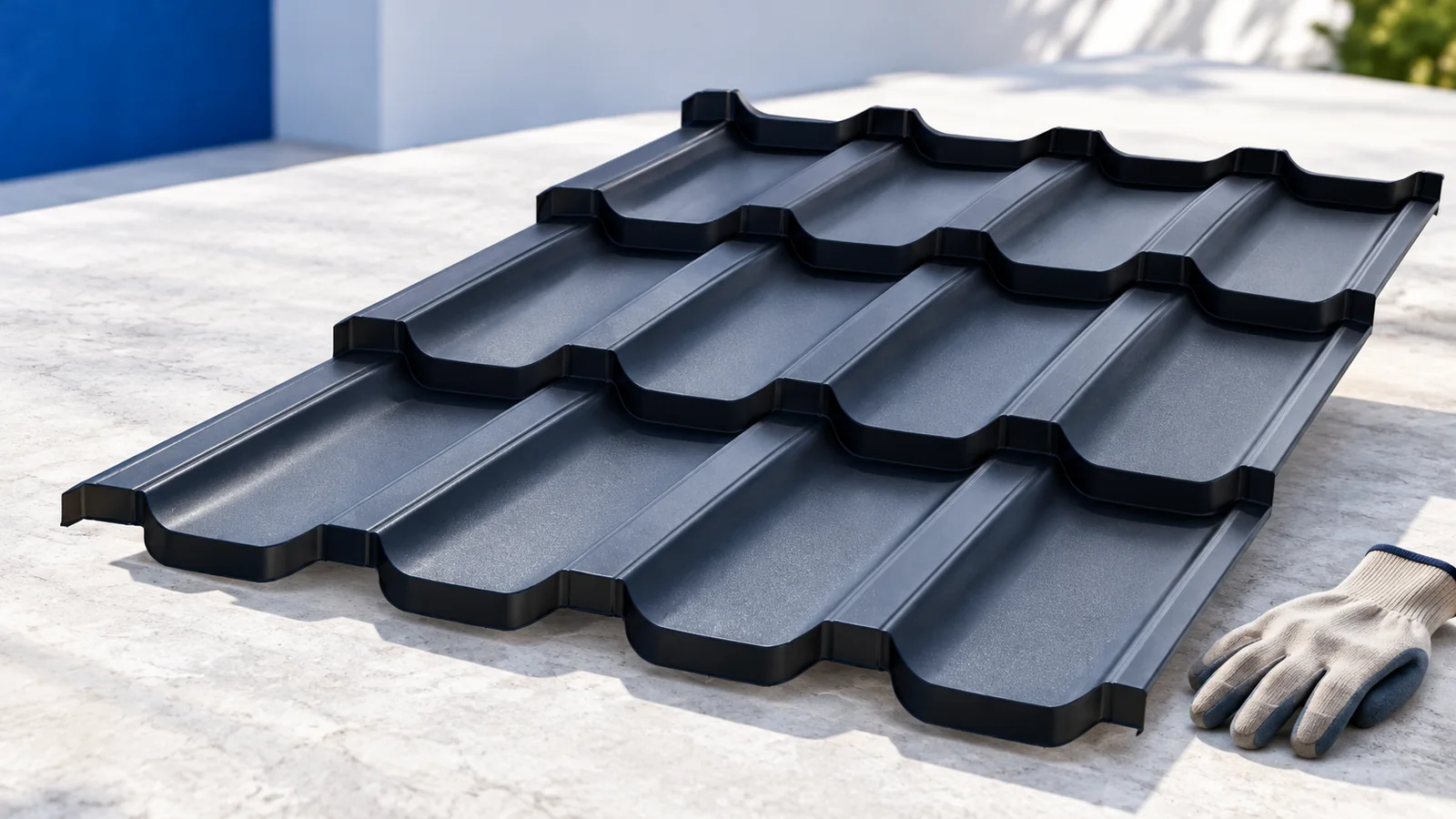
Metal roof tiles create a tiled rhythm that may suit a traditional cabin. Compare made-to-measure sheets and modules by cutting layout, handling and number of joints. On a confined plot, workable handling can matter more than sheet size.
Match battens, minimum pitch and flashings to the chosen model rather than leftovers from another project. Accessories represent a noticeable share of a small roof budget. Leaving them out creates a misleading saving.
How can condensation and summer overheating be limited?
A heated cabin needs planned insulation and control of air and vapour through the assembly. An unheated one must also be able to dry. Anticondensation fleece temporarily retains water; it is not insulation and needs drying conditions.
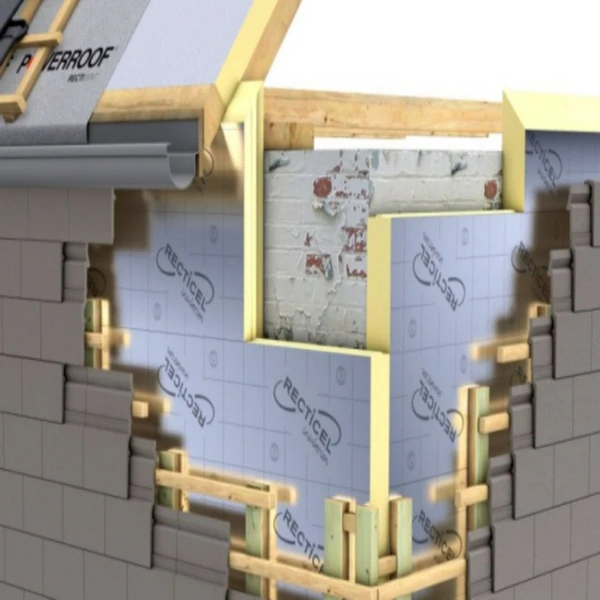
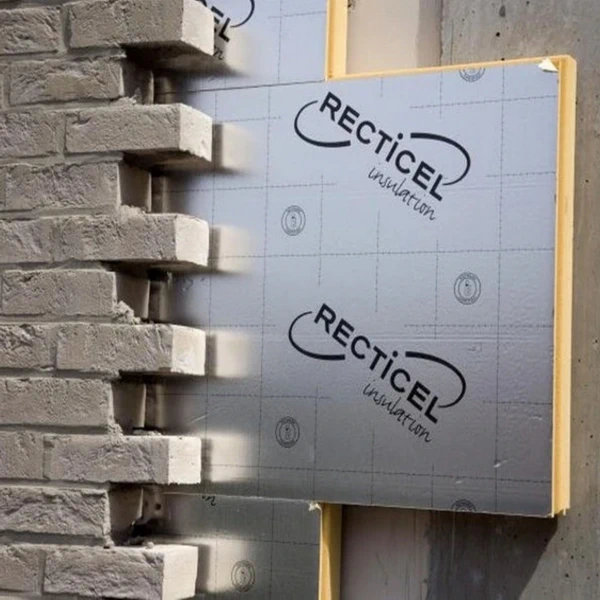
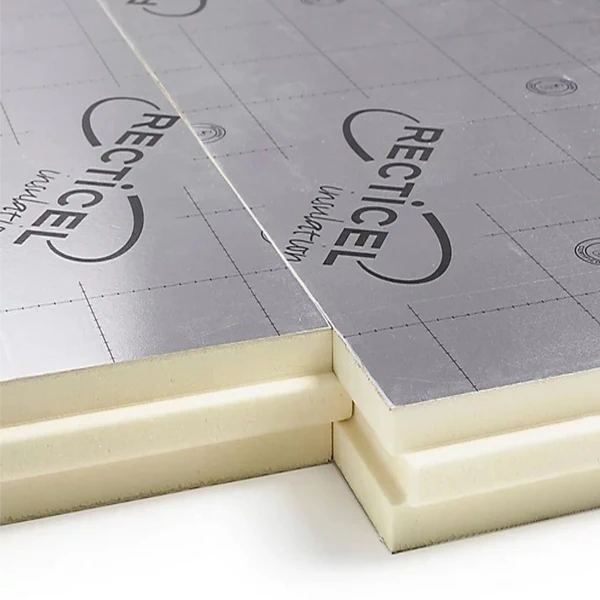
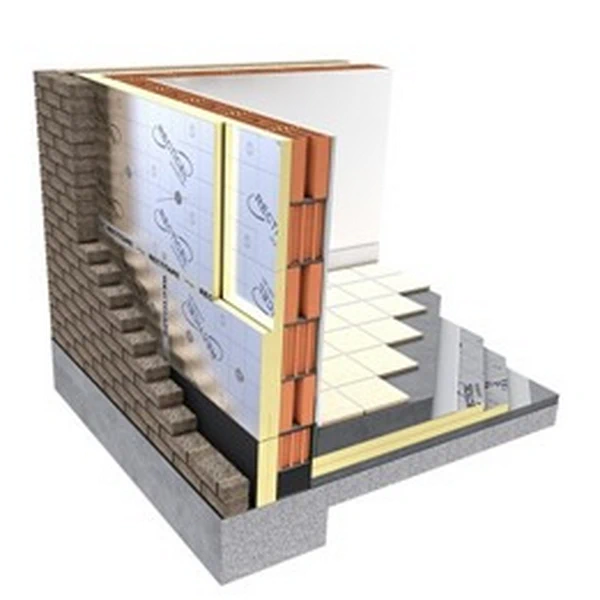
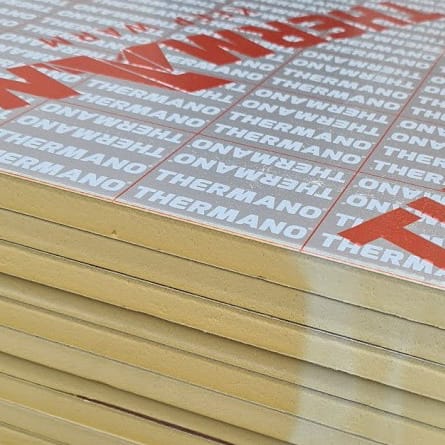
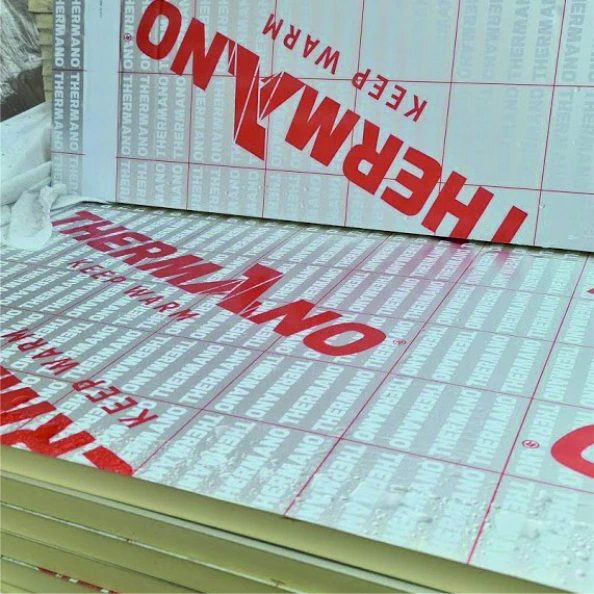
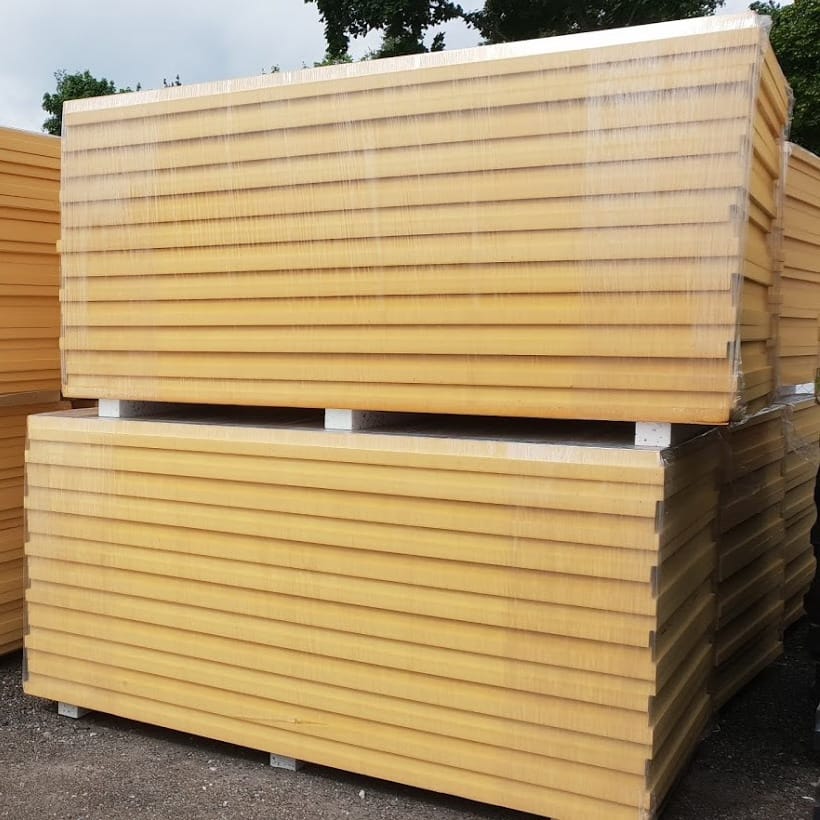
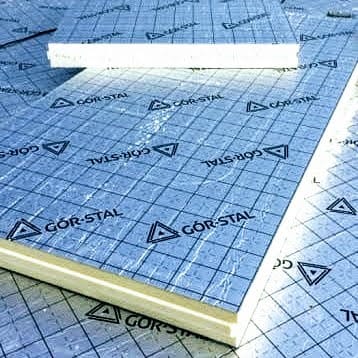
Summer comfort depends on insulation, ventilation, window shading and occupancy together. A light colour can be one factor, but cannot solve the whole problem. Consider PIR boards within a compatible roof build-up, not as a stand-alone remedy.
How should drainage and upkeep be planned?
Direct gutter discharge away from ground that could erode beside the cabin. In wooded surroundings, plan regular removal of leaves from outlets. Plant debris holds moisture and makes the covering harder to inspect.
After a long absence, start with checks from ground level and inside, especially following storms. Arrange safe access for whoever performs the inspection. Walking onto a lightweight covering is not an ordinary cleaning task.
How can the budget stay realistic?
Compare complete packages: covering, required layers, flashings, fixings, gutters, delivery and labour. Travel to a small cabin can form a significant part of the price. Do not save by omitting parts needed to keep it weatherproof while you are away.
A simple roof plane with clear details and accessible drainage is easier to maintain. T18, T35 or metal roof tiles may each be suitable when matched to the design and use. Finish the decision with a post-season inspection plan, not just a shopping list.

Free quote
What to include in your enquiry
Tell us how you plan to use the material, the dimensions and the quantity you need. Include the thickness, grade or variant name, along with the delivery town or your preferred collection branch. For a specific product, add its name or a link to the product page. We will reply to the email address you provide to discuss availability and the terms of your order.
More from the building guide
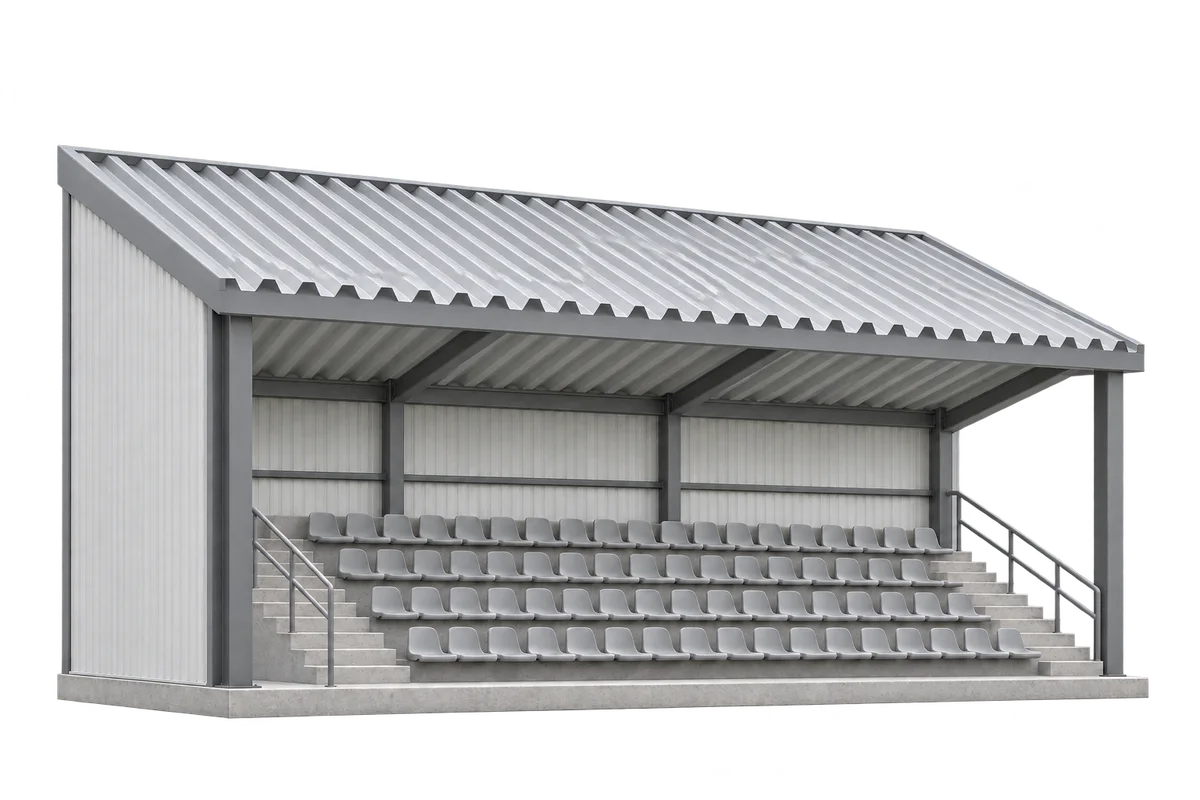
Use the sheet layout drawing to count the sheets for a grandstand canopy. The order needs dimensions in two directions. Across the…
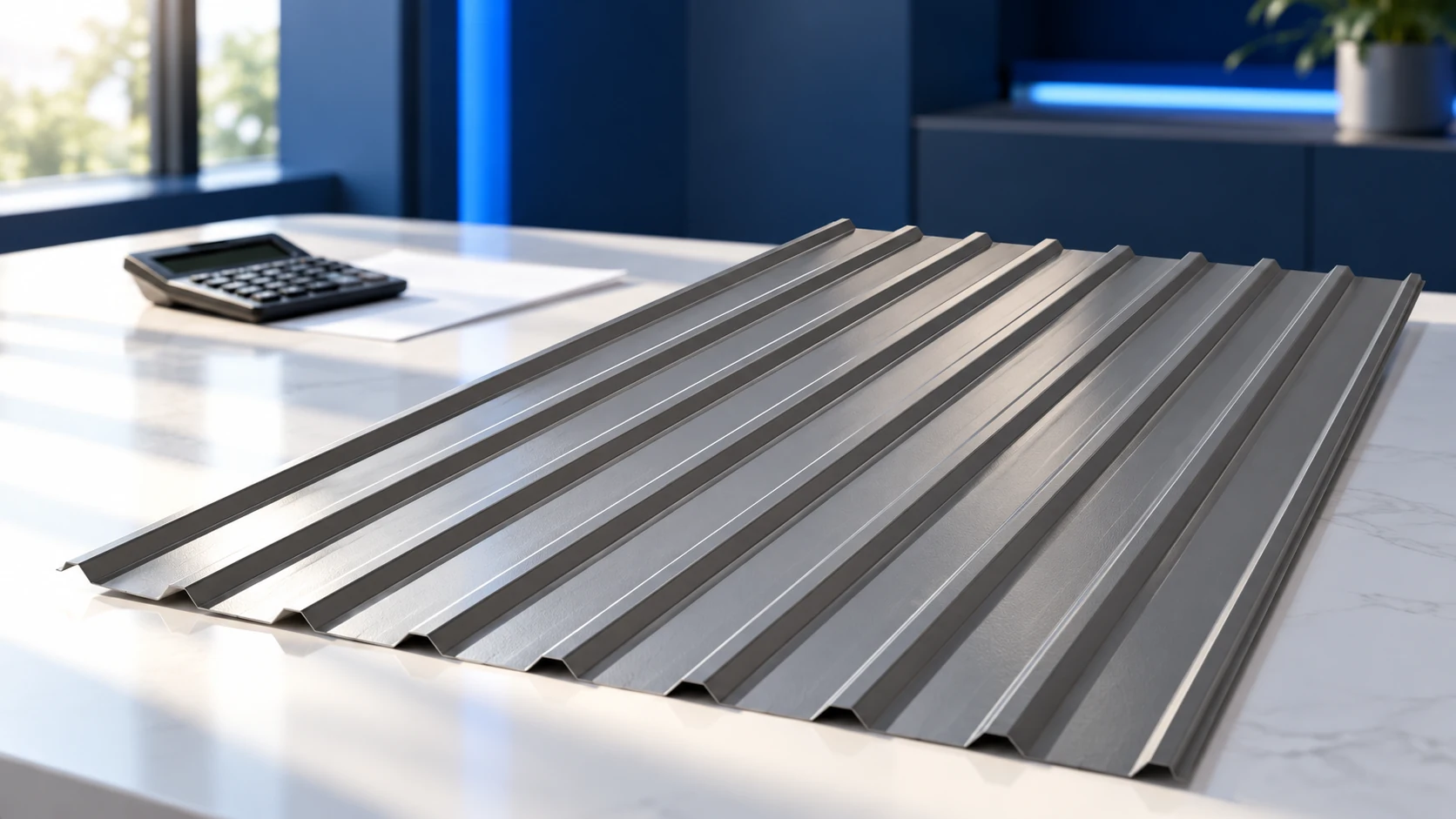
The price of a square metre of trapezoidal steel sheet depends on its profile, thickness and coating, but also on the area…
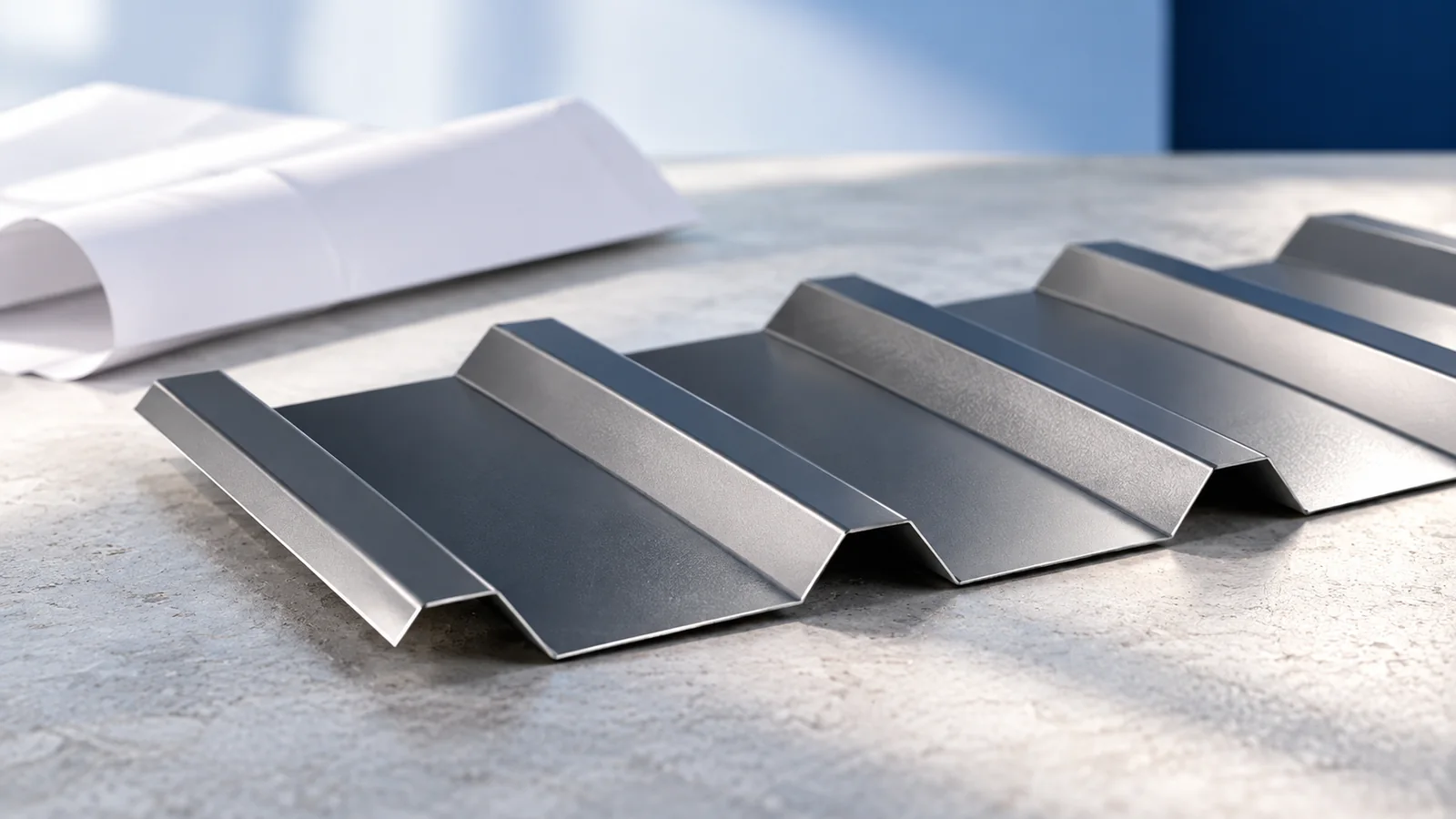
Calculate trapezoidal-sheet weight only after identifying the unit in the documentation. Weight per square metre of effective cover, total area and linear…
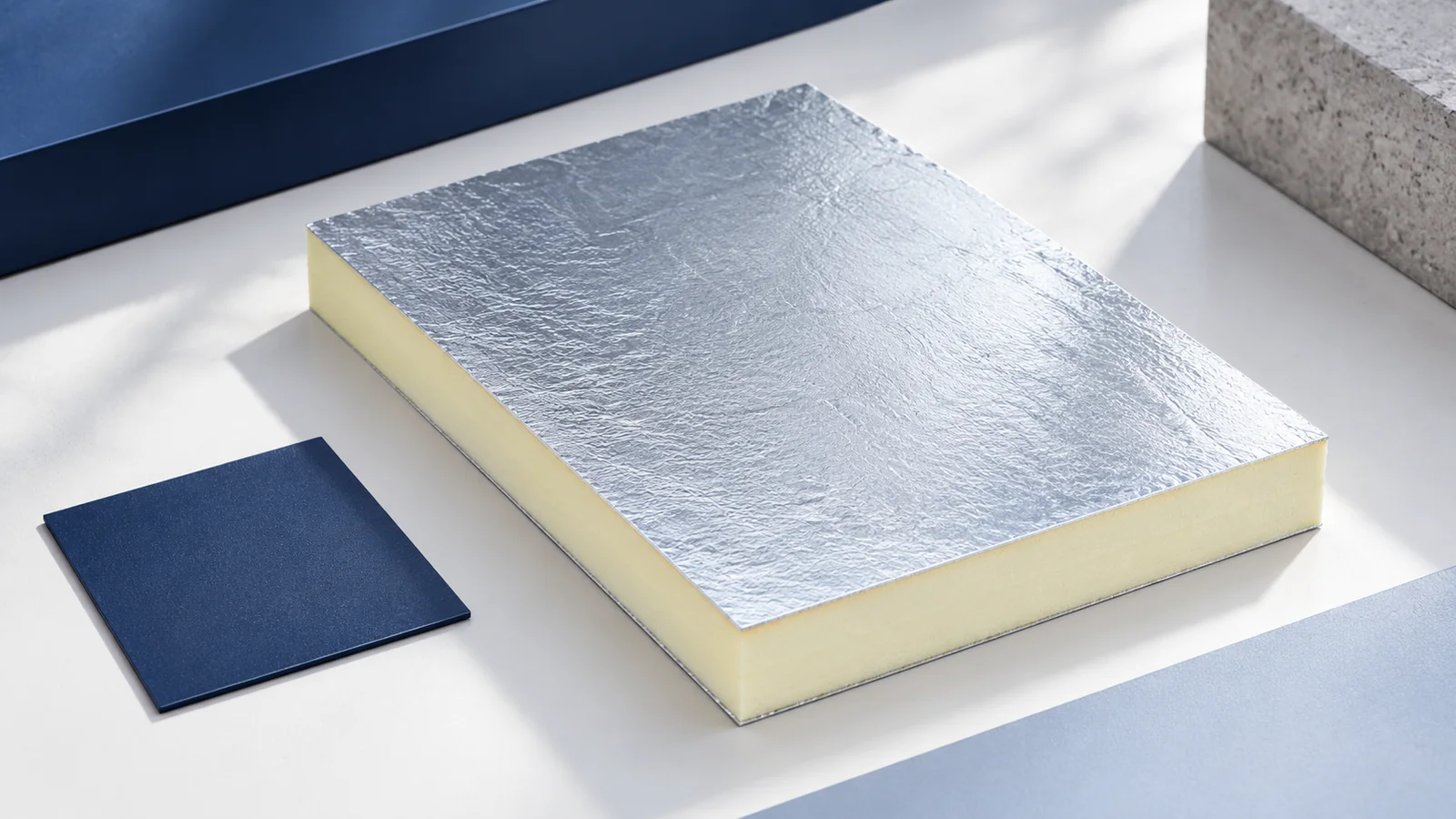
A flat roof covering should be selected around the roof's use, drainage and complete build-up. Structural trapezoidal decking, PIR insulation and waterproofing…
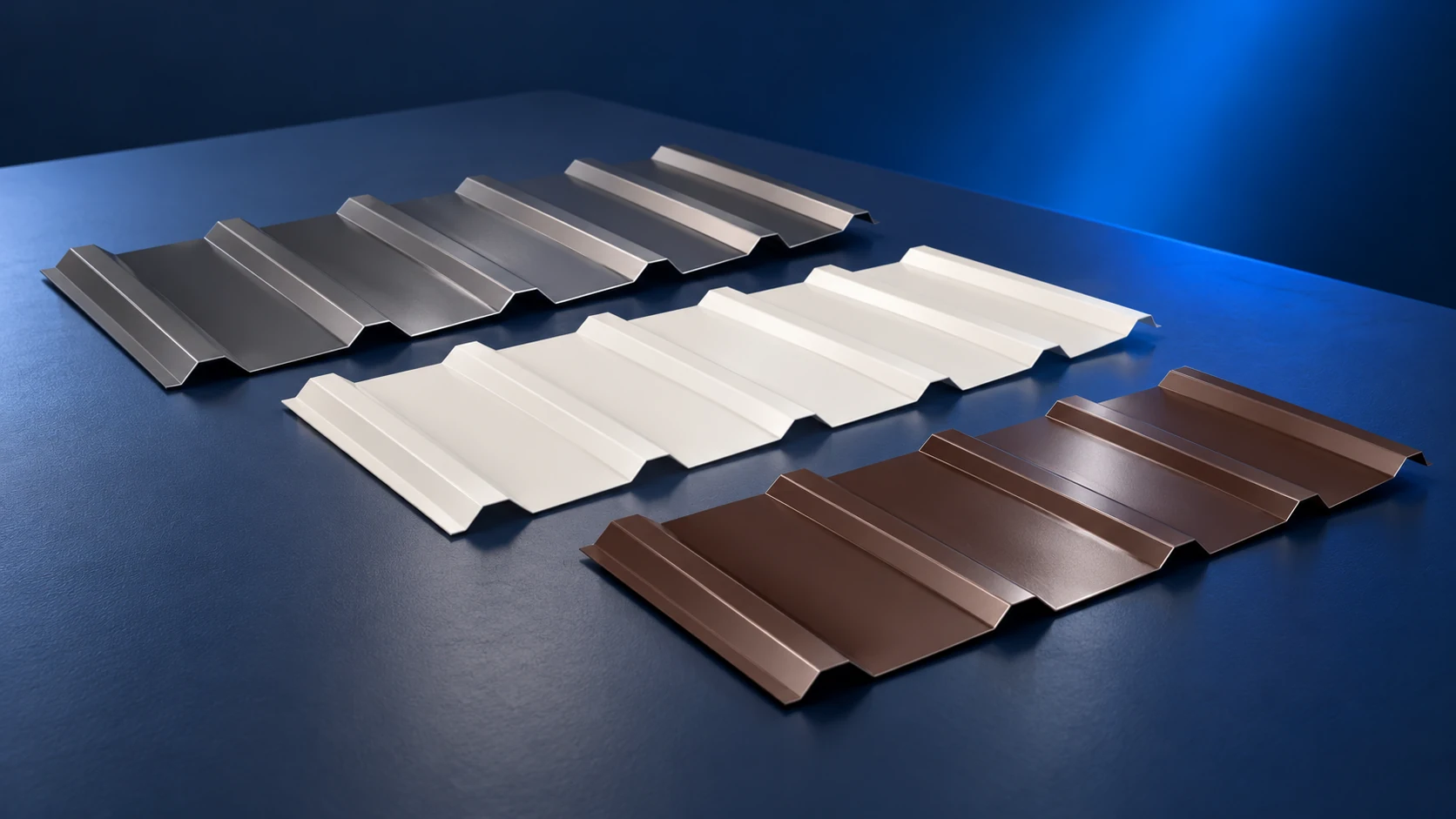
A RAL number identifies a colour reference, not the complete appearance of a coated steel sheet. Coating type, gloss, texture and lighting…
Second-grade trapezoidal steel sheet may cost less, but the actual batch needs assessment. The label can cover very different deviations: a scratch,…
A useful trapezoidal steel sheet quotation lets you verify the product, quantity and complete price. The name T18 and a colour alone…
Choose trapezoidal sheets for a canopy by starting with roof conditions, not sheet colour. Establish pitch, support spacing, how enclosed the sides…