
Panels · Sheet metal · Insulation · Accessories

How thick should the PIR core in a wall panel be?

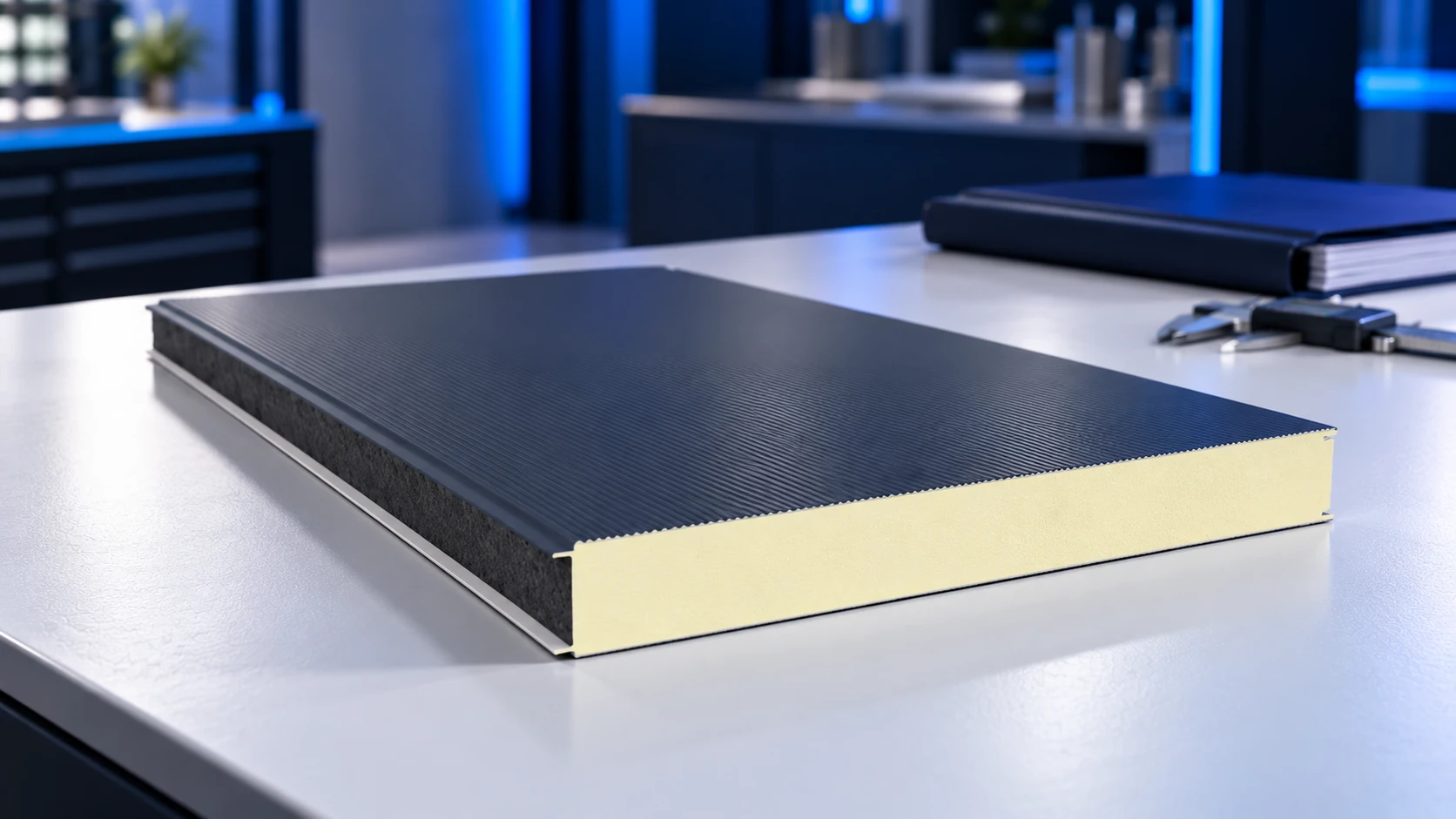
PIR wall-panel thickness should follow the building's internal temperature, required U-value and support arrangement. Price alone is not a sound selection method for a heated building. Compare the declared performance of the exact panel family, then assess joints, openings and structural connections as part of the complete wall. The figures in this guide illustrate how different thicknesses can be compared; they are not universal values for all PIR panels. A few extra centimetres may improve thermal performance, but cannot replace correct installation. Wind loads, facing thicknesses, airtightness and the cost of the full wall assembly also belong in the decision.
By |2026-11-11T10:39:54+01:0011 November 2026|Selecting sandwich panels|Comments Off on How thick should the PIR core in a wall panel be?

How long can sandwich panels be, and what limits an order?

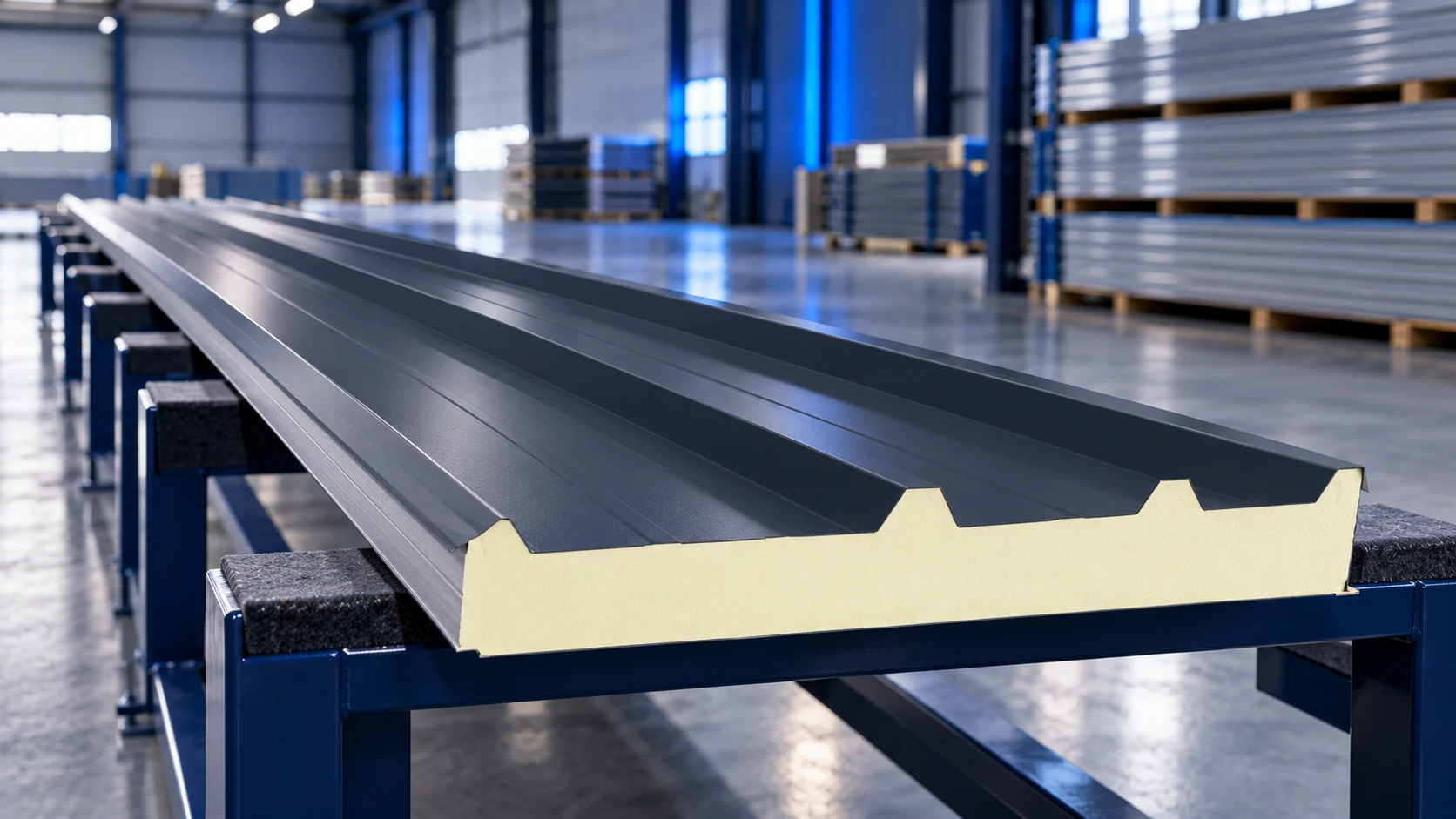
Sandwich panels can be supplied in lengths suited to a project, but the permitted maximum depends on the model, thickness, colour and delivery conditions. Manufacturing length must not be confused with the unsupported span: a long panel may cross several supports. Before measuring or obtaining a quotation, check the exact product's production range, structural tables and colour restrictions. Roof geometry, end cutbacks, vehicle access and lifting arrangements also influence the order. This guide separates those checks and explains why the longest available panel is not automatically the most suitable choice or the lowest-cost solution for a particular building.

By |2026-11-11T10:39:50+01:0011 November 2026|Selecting sandwich panels|Comments Off on How long can sandwich panels be, and what limits an order?

Determining sandwich-panel thickness: what product standards actually establish

Sandwich-panel thickness is selected against thermal targets, loads and operating conditions. No single table converts a standard's name into a required number of centimetres. You need the complete product specification, support arrangement and project requirements before comparing available versions. This guide distinguishes product assessment from building design and explains why thermal conductivity divided by thickness is not a complete panel assessment. Fire performance, moisture, fixings and junctions remain separate checks. The stated U-values are examples for particular configurations or calculation targets, not universal requirements. The final specification should identify a complete, verifiable panel arrangement rather than thickness alone.

By |2026-11-11T09:28:18+01:0011 November 2026|Selecting sandwich panels|Comments Off on Determining sandwich-panel thickness: what product standards actually establish
Back to top