






How many screws do sandwich panels need? Calculating from the design
Sandwich panels
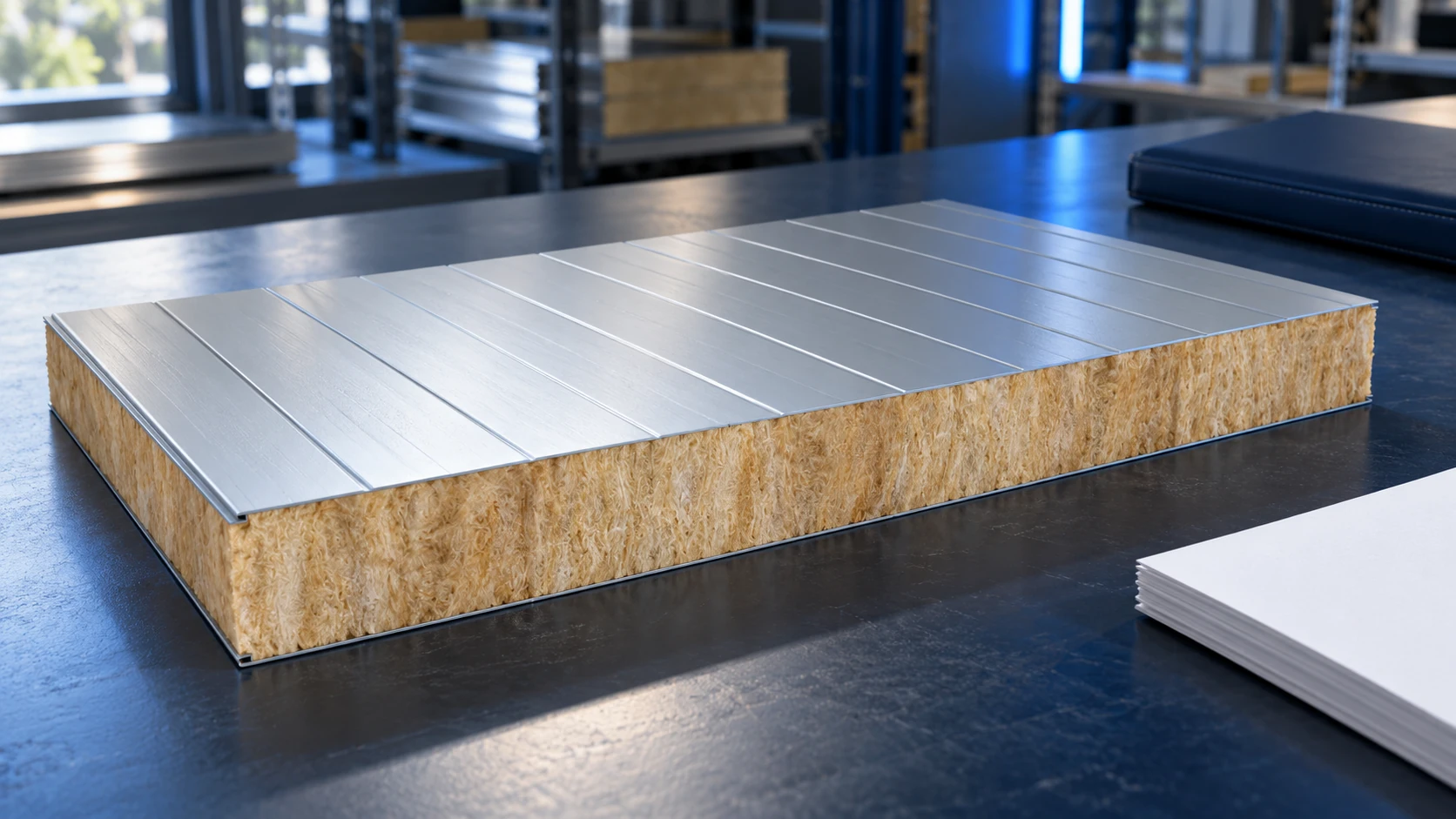
There is no universal screw count per square metre of sandwich panel. First establish the fixings required at every panel-to-support connection, taking account of loads, façade or roof zones and the chosen fastener. Only then can the total be divided by area for estimating purposes. Lap and flashing fasteners must be counted separately because they perform different jobs. A ratio copied from another building cannot replace a fixing design. The numerical example below demonstrates the counting sequence only; it is not an installation specification. Correct type, position and installation are as important as the final quantity ordered.
Define what “per metre” means
Asking for screws “per metre” is incomplete. It may mean a square metre of cladding, a metre of panel length or a metre of joint. These are not interchangeable. List quantities separately for each fastener type in the quotation.
Counting requires panel dimensions and support spacing, together with loads and connection properties. Tables may distinguish structural arrangements and fixing requirements under specific conditions. They do not provide one purchasing rule for every wall. Establish the correct arrangement before compiling quantities.
Count each support within its building zone
Divide the wall into panels and mark support positions. Assign the required fixing count to each connection. Wind loading can vary across façade zones. Do not assume corners and central wall areas always use the same fixing arrangement.
Support material and the fastener’s force resistance matter too. More randomly chosen screws do not compensate for the wrong type. Check withdrawal from the substrate, facing behaviour and the other connection criteria. Manufacturer instructions require suitable fixings selected for the system.
A counting example is not an installation recommendation
For this exercise only, assume the design specifies three supports and two fasteners at each. One panel then needs six fixings. Ten identical panels require 60. The number follows the assumed fixing design, not area alone.
If the panel has a 1 m module and is 6 m long, its area is 6 m². This artificial example therefore gives one fixing per square metre. Do not use that result as a general rule. Different loads, zones or support counts change the calculation. The example demonstrates only the counting sequence.
Where several arrangements occur, use separate rows for central and edge panels. Do not average before adding the quantities. Only the finished total may be divided by area for costing. That ratio describes this building; it does not become a recommendation for another project of similar size.
Separate primary fixings from other screws
A roof uses fasteners into the structure and separate lap fixings. Walls also need flashings and end details. Do not put all these items under one generic “panel screws” line. Lengths, washers and purposes may differ.
Fixing a panel to the structure and stitching a longitudinal joint perform different tasks. Read their requirements separately for the particular system. Prepare a schedule stating connection, fastener type and quantity. It helps with purchasing, issuing materials and inspection. A box’s total weight does not confirm that it contains the right assortment.
Purchase spares do not replace the required fixing schedule
Once the exact schedule is complete, a small handling allowance can be agreed. It does not permit arbitrary changes on site. Damaged screws or those placed in incorrect holes do not add protection. Each departure from the design needs assessment.
Do not use one standard allowance for every project. It depends on delivery arrangements, work stages and replacement availability. Correctly separating types is more important. A large surplus of short flashing screws will not help when structural fixings run out.
Inspect more than the quantity
Fasteners must be installed at the correct locations and angle. Check washer compression and facing condition. A badly installed screw is not acceptable merely because the total count matches. Choose a tool that guides the fastener and controls seating, and check its settings on the actual connection.
Record changes made during the work and retain product identification. Later inspections should also examine fixings. A failed connection can allow water into the panel. Counting, selection and installation are therefore three separate steps that must all be completed correctly.
Frequently asked questions
Can I allow four screws per square metre for every panel?
Not as a universal rule. The number must follow the panel, supports, loads and connection design.
Do flashing screws count towards panel fixings?
No. They have a different function and need a separate schedule entry.
Do more screws always make the assembly safer?
Not in an arbitrary arrangement. Type, position and seating must be correct. Random extra holes can damage the panel.

Free quote
What to include in your enquiry
Tell us how you plan to use the material, the dimensions and the quantity you need. Include the thickness, grade or variant name, along with the delivery town or your preferred collection branch. For a specific product, add its name or a link to the product page. We will reply to the email address you provide to discuss availability and the terms of your order.
More from the building guide
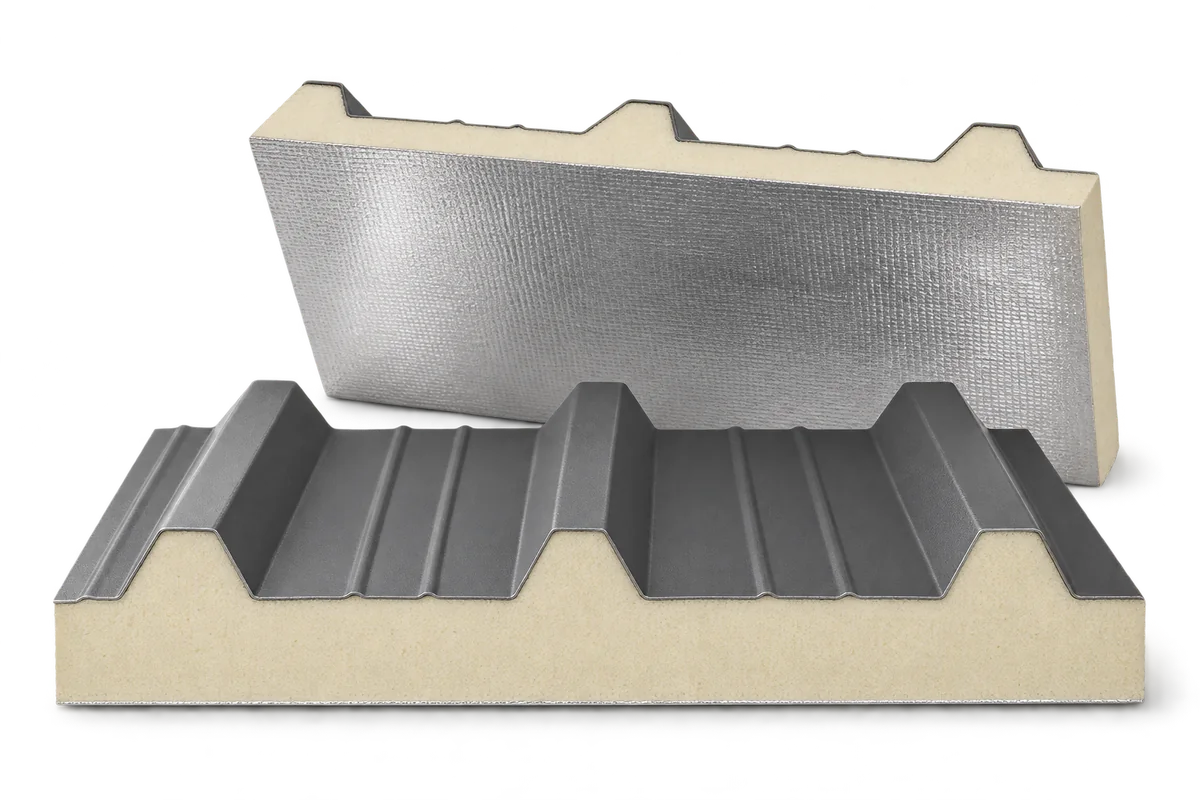
Renovating an old industrial building need not mean replacing it. Sandwich panels can provide a new outer skin and insulate the walls…

The instructions for your roof covering tell you where PV mounts may be fitted, how to seal penetrations and how to protect…
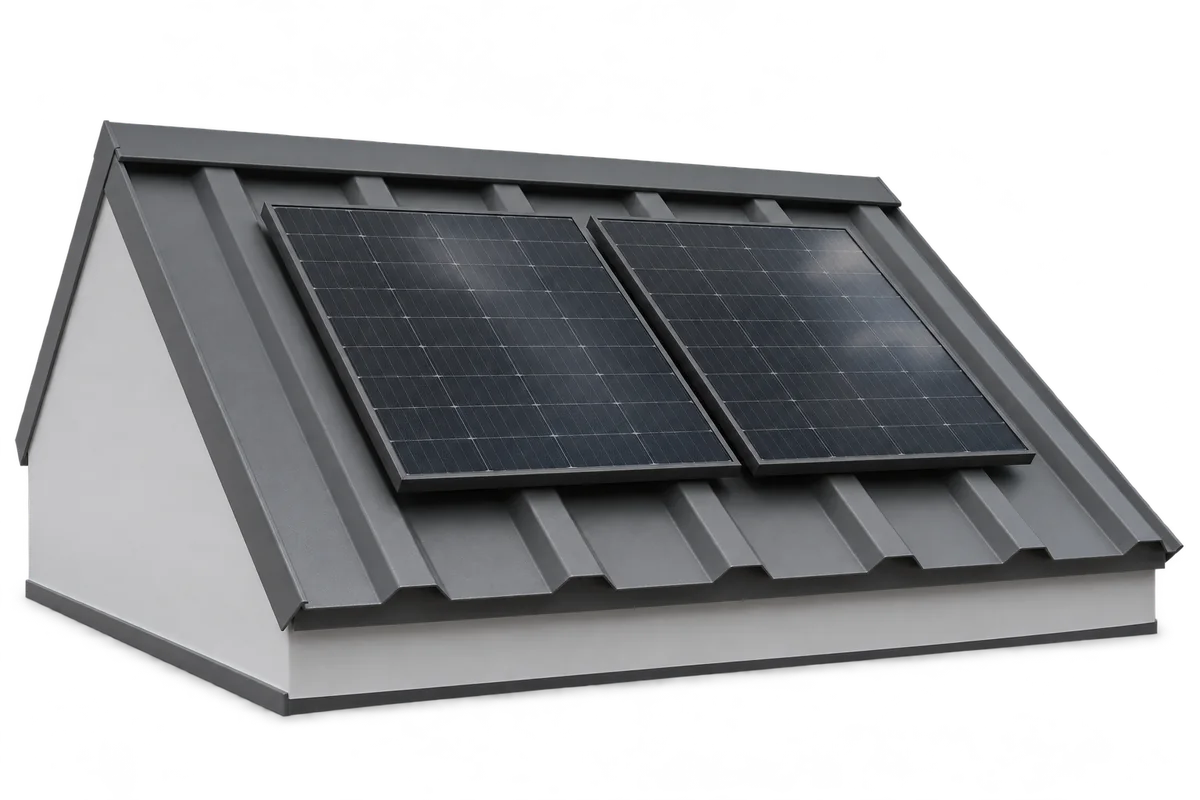
The fixings for a photovoltaic array must suit the specific roof and the loads it will carry. Metal tile roofing, trapezoidal sheets…
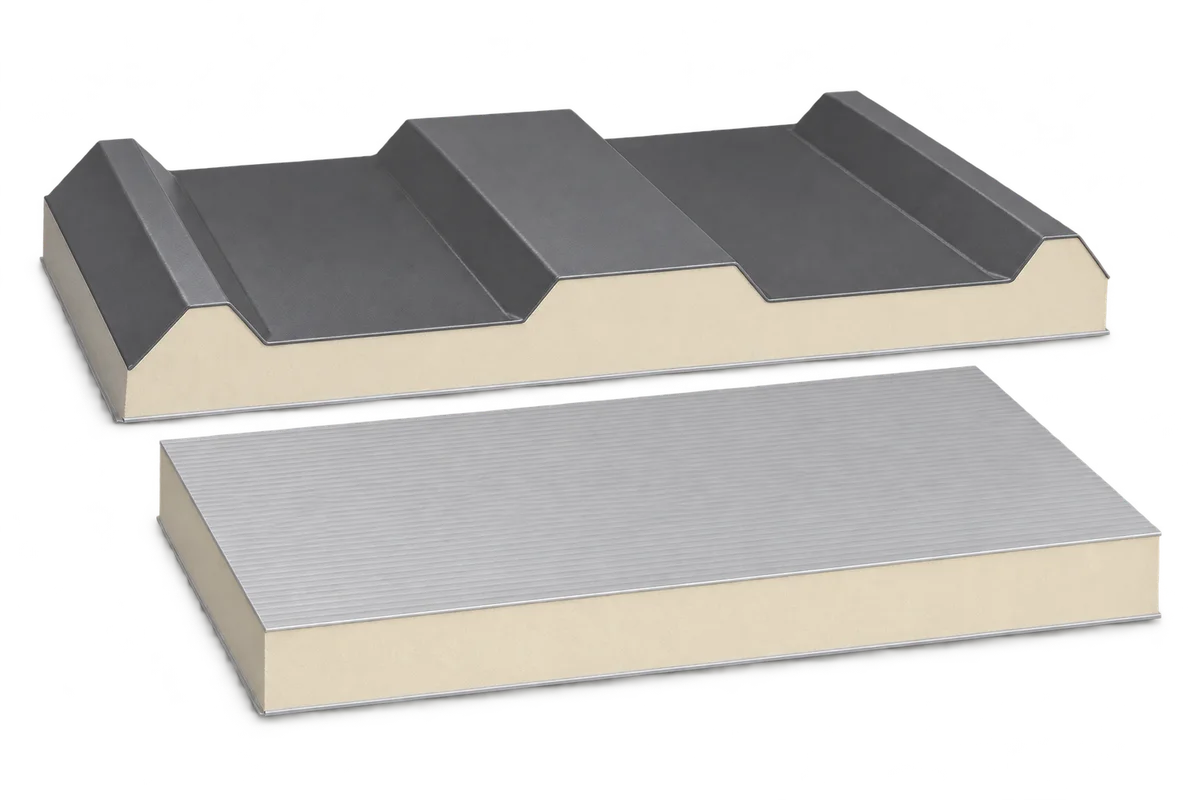
A sandwich panel enquiry should define a particular delivery, rather than just an area and a core thickness. The buyer needs to…
Efficient sandwich panel installation depends on preparation: panels must match the supporting structure, accessories must be available, and the crew needs agreed…
The delivery date for a large machine helps determine the sequence for installing sandwich panels. The machine must get inside, turn and…
Harvest sets the deadline for work on a potato store. Allow time to assess the building, order materials, install them and test…
A cold room is a large insulated chamber, but its performance depends on the details. The walls, ceiling, floor and doors must…