






How to protect a steel building against corrosion
Steel buildings and structures
Corrosion protection starts with a map of where steel will get wet, how long it will stay wet and what it will come into contact with. A heated store, a washdown bay and the outside face of a doorway can need different protection within the same building. Temperature, salts, chemicals and the site environment all matter. Specify the protective system before fabrication, including surface preparation and how its application will be checked. After handover, inspections and compatible repairs help keep local coating damage from becoming a costly structural problem.
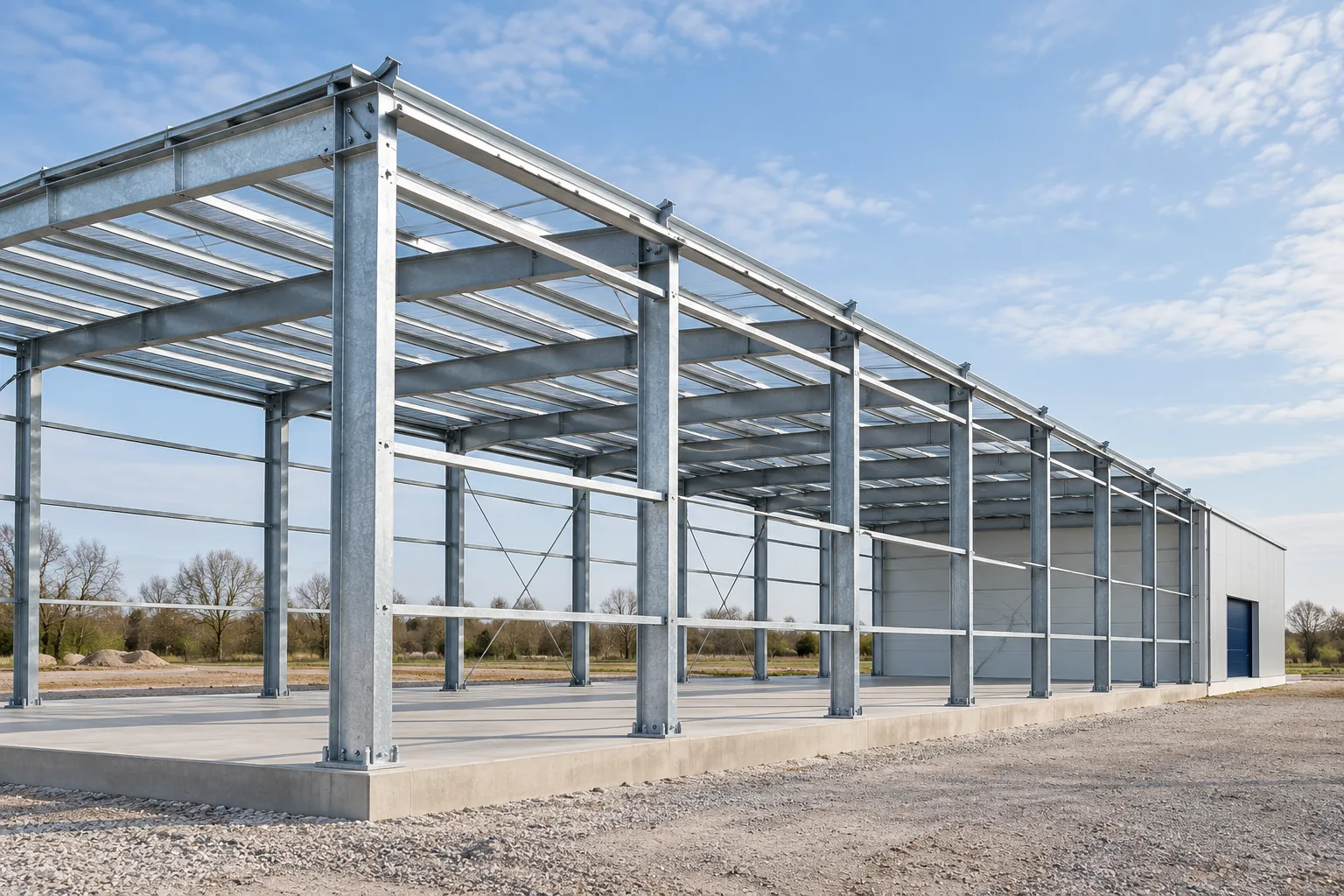
Identify the exposure in each area
On a farm, assess the actual use: a machinery shed differs from a space with an aggressive atmosphere. The same distinction applies to washdown areas in factories. Include sheltered areas beside doors and members outside the building in the assessment.
Specify a paint system
A protective paint specification gives the coating types, their sequence and required thicknesses. It may call for a primer, intermediate coat and topcoat, or a single-coat system approved for a particular application. Select the system for its exposure and intended durability. Combining unrelated paints does not establish that performance.
A quotation that says only “painted” does not tell you how the steel will be prepared or what the coating can withstand. Ask whether the finish is temporary protection for transport and erection or the final system. Compare quotations on that basis.
Prepare the steel surface
Oil, dust, rust and other contamination can reduce adhesion. The cleaning method and surface profile must match the coating system. A preparation method suitable for one substrate and paint is not necessarily suitable for another.
During application, check the ambient conditions and steel temperature against the requirements for humidity, dew point and recoating intervals. Measuring dry film thickness helps verify the specification. An even-looking finish may still be too thin in places.
What hot-dip galvanising does
Hot-dip galvanising forms a metallic zinc coating. It separates the steel from its environment and also provides electrochemical protection. Durability depends in part on coating thickness and exposure; a fixed maintenance-free life cannot be promised for every building.
Detail fabricated members so they can be galvanised correctly. Galvanising a finished member differs from forming a section from pre-coated sheet. Zinc and paint can also be combined, provided the surface preparation and materials are compatible.

Repair damage to suit the existing finish
Transport, erection and forklift traffic can all damage the finish. Before choosing a repair material, identify the existing coating, the area affected and the condition of the steel. Restore the specified protection. A paint selected only to match the colour may be incompatible.
Pay particular attention to later cuts and welds. They can damage the coating and should form part of an agreed structural alteration. Prepare corroded areas before recoating them. Where the steel section itself has lost material, its load capacity also needs assessment.
Track changes during inspections
Inspect coatings and connections, especially where water or dirt can collect. Record blisters, lifting, rust and mechanical damage. Photographs taken from the same position make changes easier to detect. Set inspection intervals using the building documents, manufacturer’s guidance and operating conditions.
Check that the envelope keeps water out and that drainage works. Stop the source of persistent wetting as well as repairing the finish. Standard modular frames need the same attention as bespoke structures. Regular checks can reveal local problems before damage becomes widespread.
Coating durability and warranty terms
The expected durability helps plan the first major maintenance treatment. It is not automatically the warranty period or a promise that minor repairs will be unnecessary. Check warranty terms separately. Keep the coating specification and inspection results with the handover records for future repairs.

Free quote
What to include in your enquiry
Tell us how you plan to use the material, the dimensions and the quantity you need. Include the thickness, grade or variant name, along with the delivery town or your preferred collection branch. For a specific product, add its name or a link to the product page. We will reply to the email address you provide to discuss availability and the terms of your order.
More from the building guide
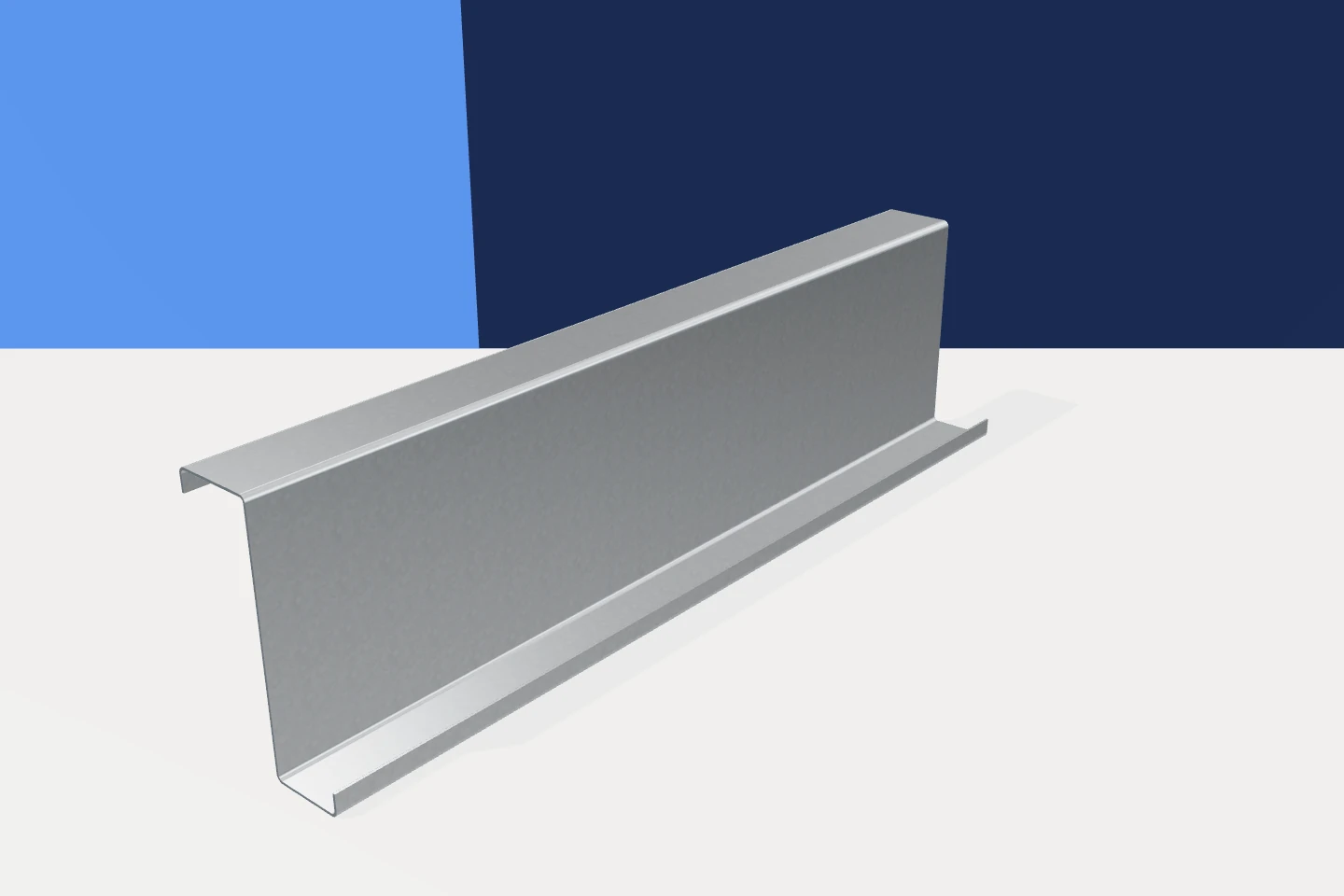
Look up inside a steel building and you may see slender Z-shaped members spanning between the main frames. These roof purlins support…
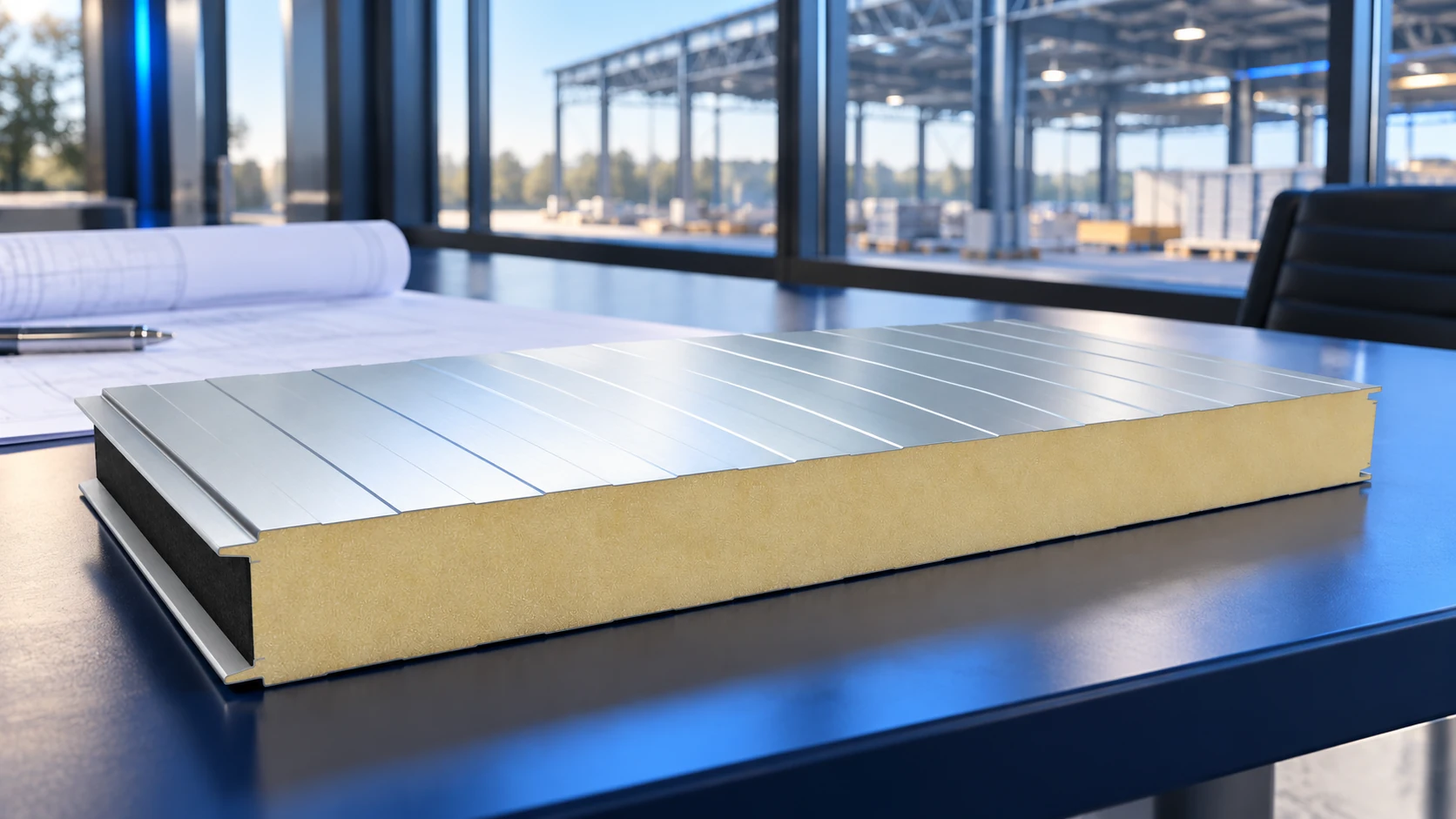
A hall budget should separate foundations, the supporting frame and the enclosure because each is measured and priced differently. Multiplying a panel…
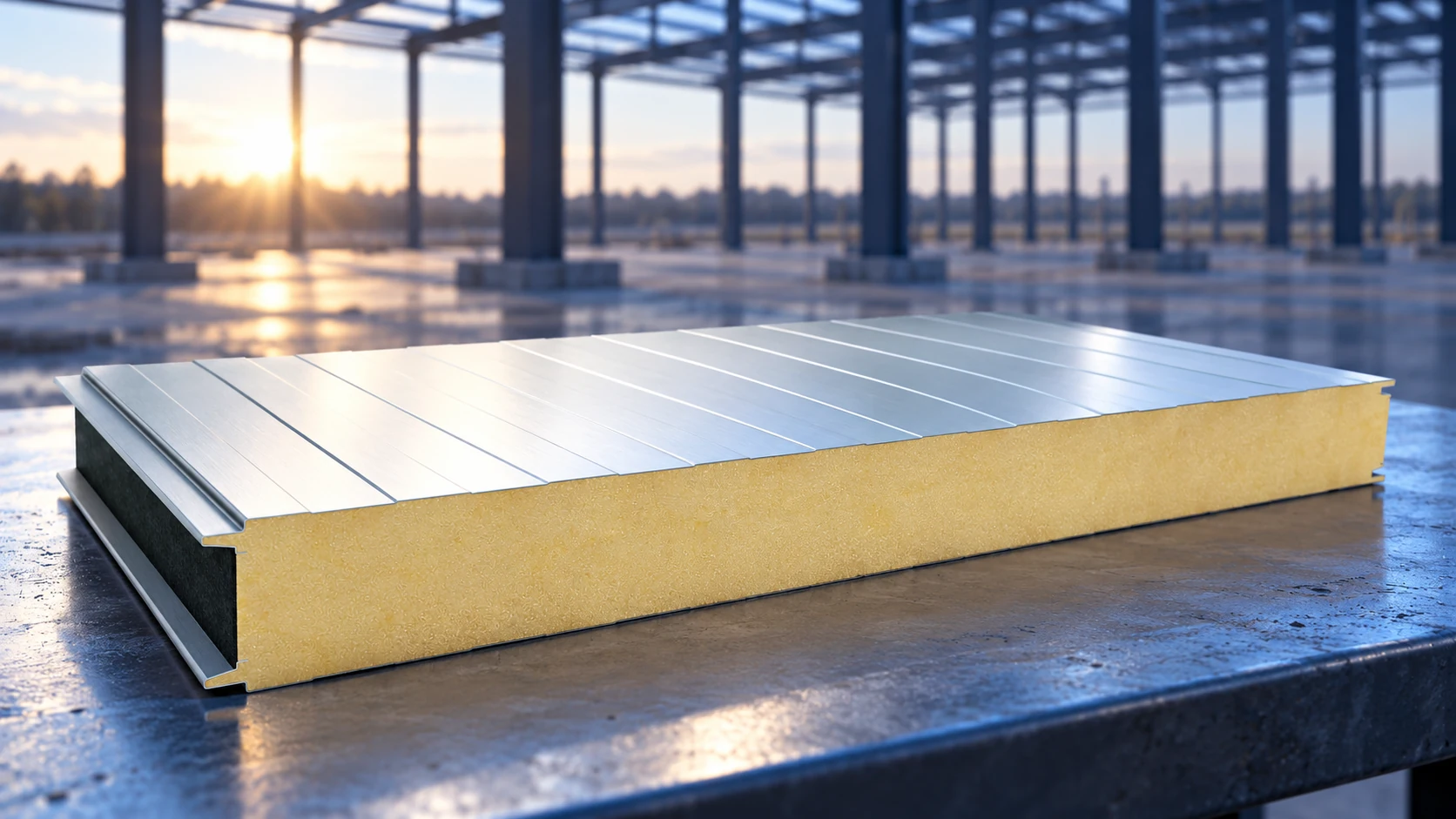
A steel hall's foundation connections must transfer the forces established by the structural design. Bonded anchors can form part of that solution,…
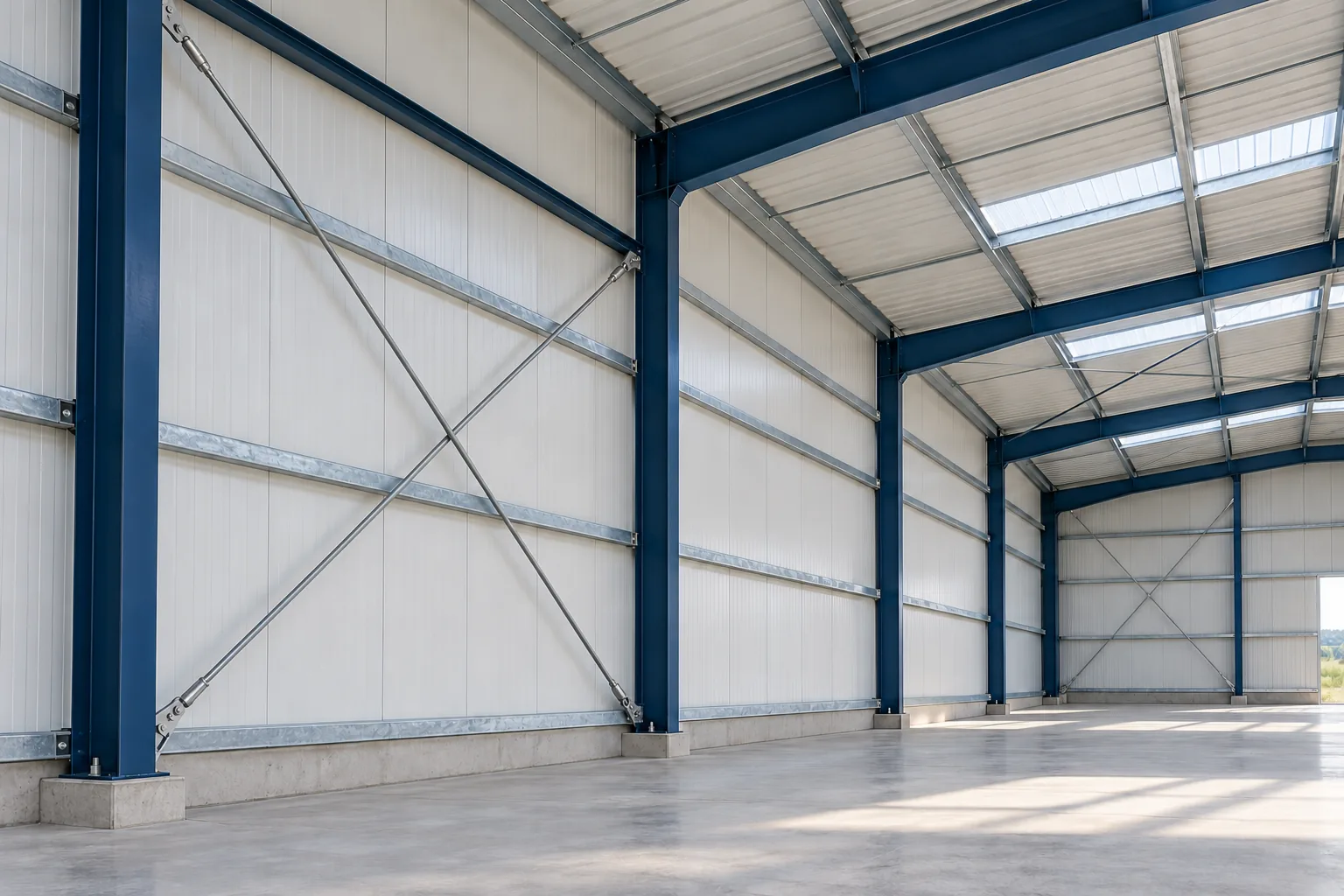
A diagonal rod may look insignificant beside a column, yet it can be part of the load path that keeps an entire…
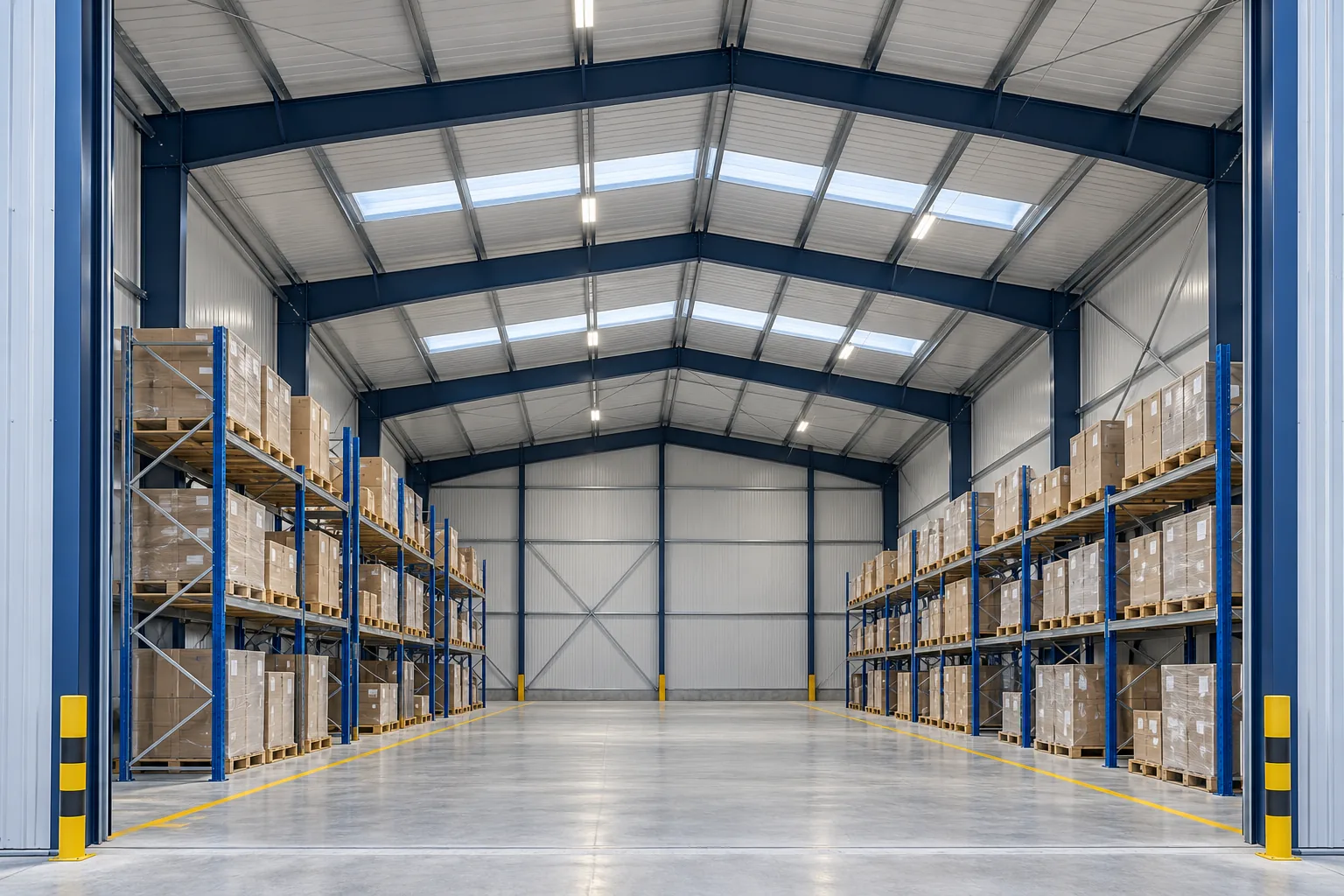
Plan a steel warehouse by tracing a load from the incoming vehicle to its storage position and back to dispatch. A column…
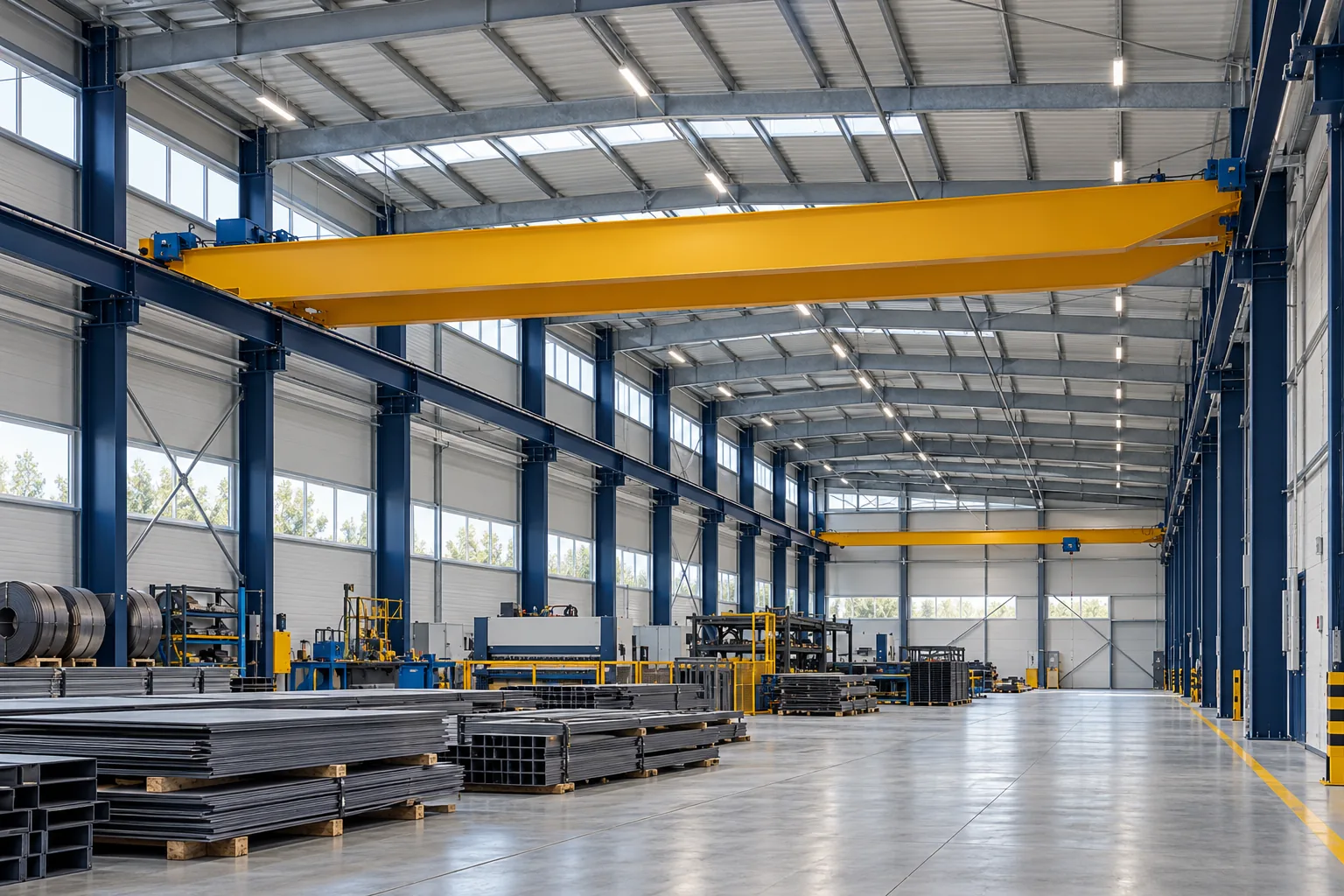
Start a production building design by tracing the process from goods receipt through machining, inspection and dispatch. Mark where unfinished work waits,…
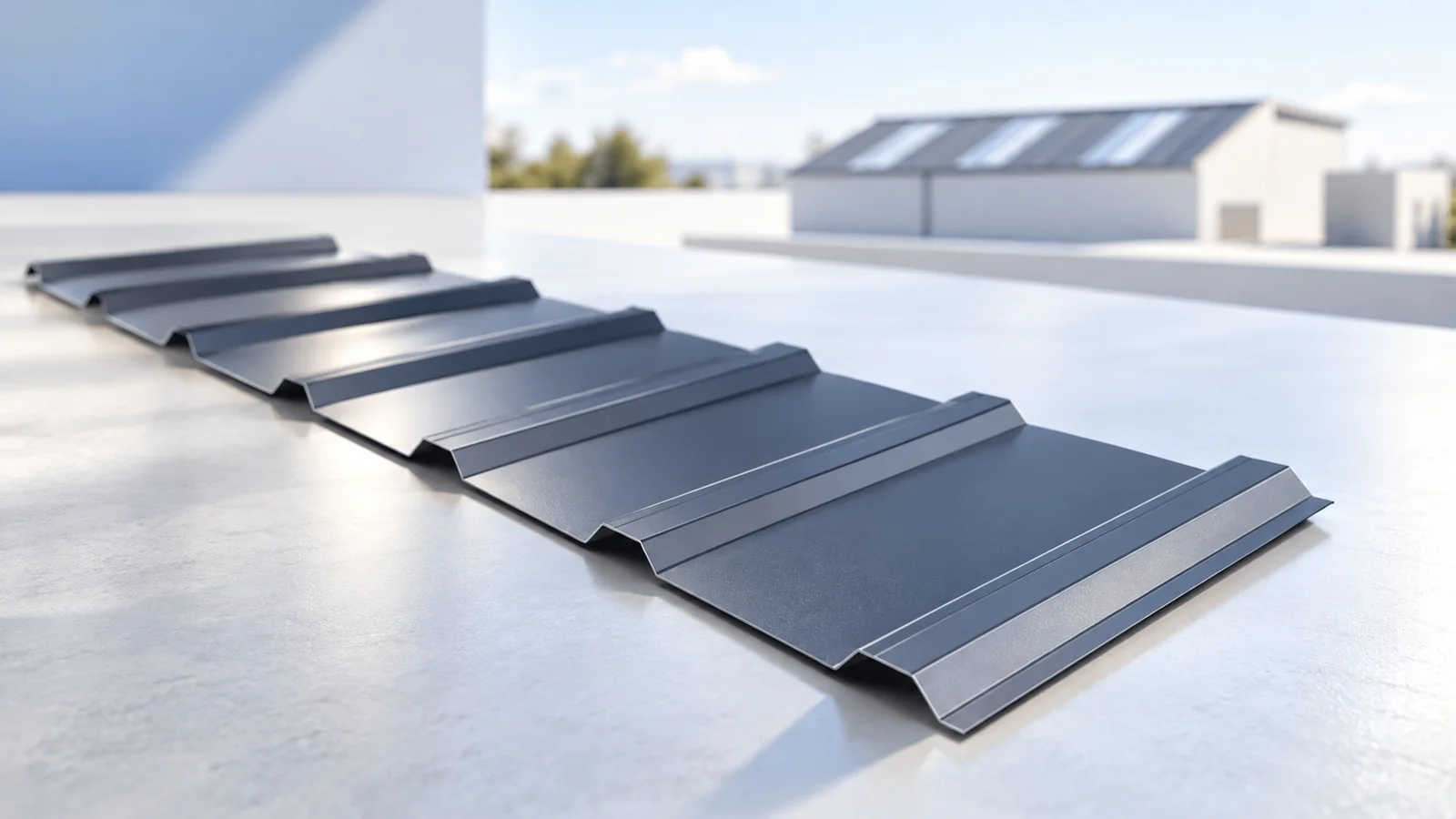
Choose a rooflight for the place you want to illuminate. Mark workbenches, shelving and overhead services on the plan: one large opening…
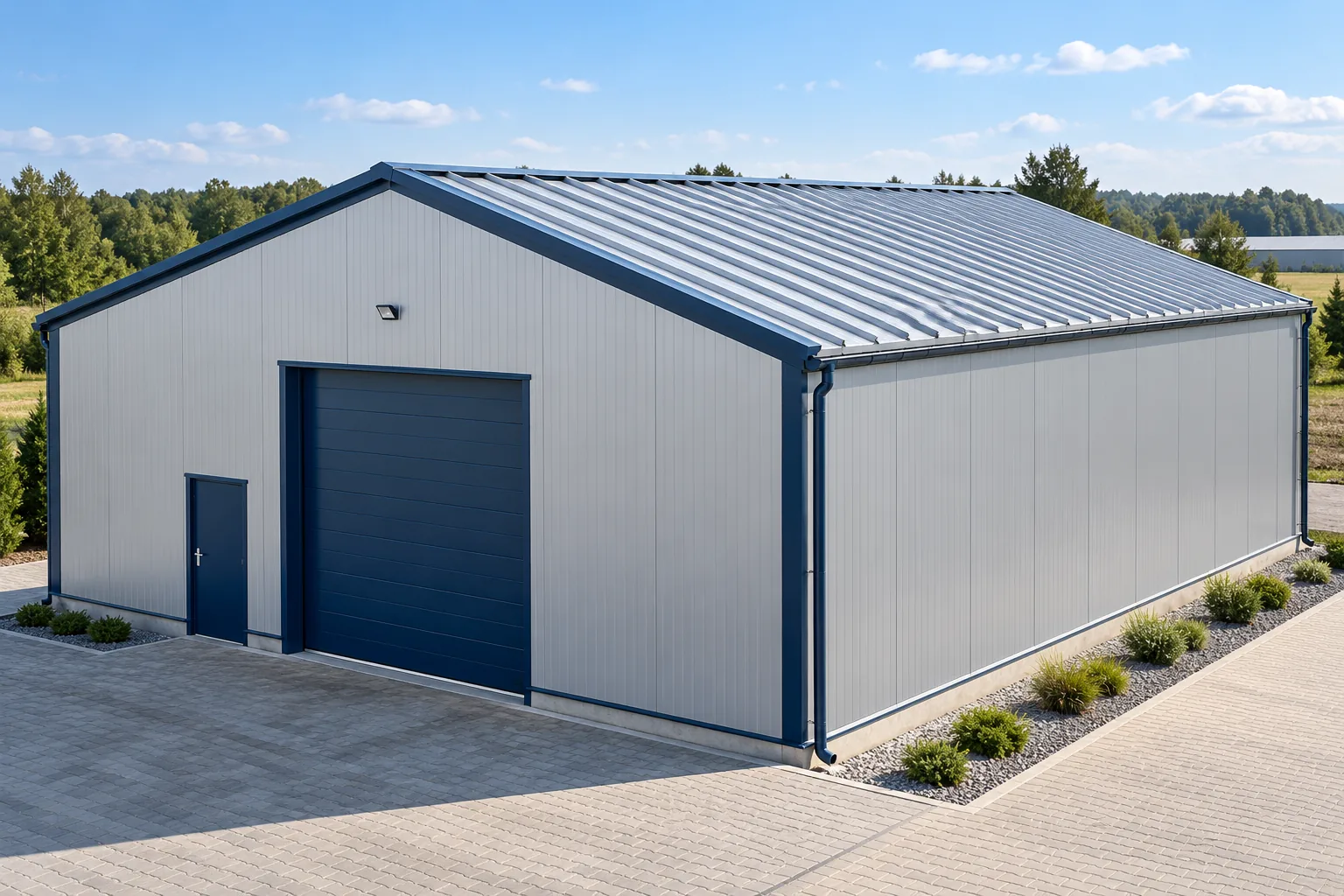
A sandwich panel combines metal facings with an insulating core. To specify panels for a warehouse, factory or agricultural building, start with…