






Metal fence pickets: six practical benefits to check on a trial panel
Façades and fencing
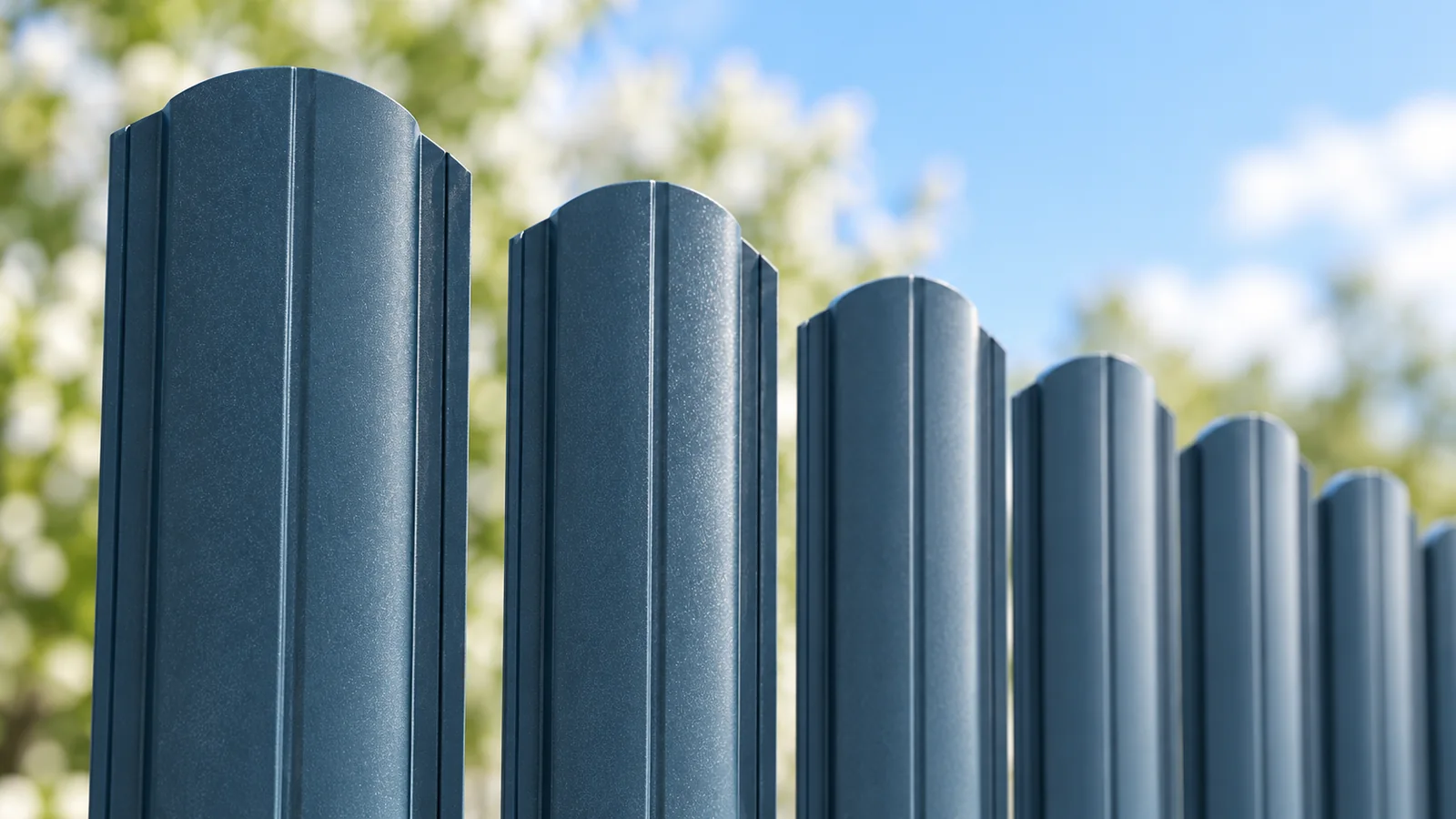
Assess metal pickets on a trial fence panel showing the gaps, both coated faces and access to fixings. Their benefits include manageable handling, adjustable visibility, less refinishing work, colour choice, individual replacement and adaptation to sloping ground. Each depends on the profile, steel protection and a stable supporting frame. This guide takes those decisions from rail placement to the total fence budget. It explains why lightweight infill still needs suitable posts and foundations, and why a narrow gap does not guarantee privacy from every angle. It also helps plan phased purchasing and repair spares, beyond the advertised price of one picket.

Does low weight make installation easier?
Individual pickets are easier to carry and position where access is limited. Separate infill weight from structural requirements, however. Foundations, posts and rails still need to resist wind and service loads for the complete fence panel.
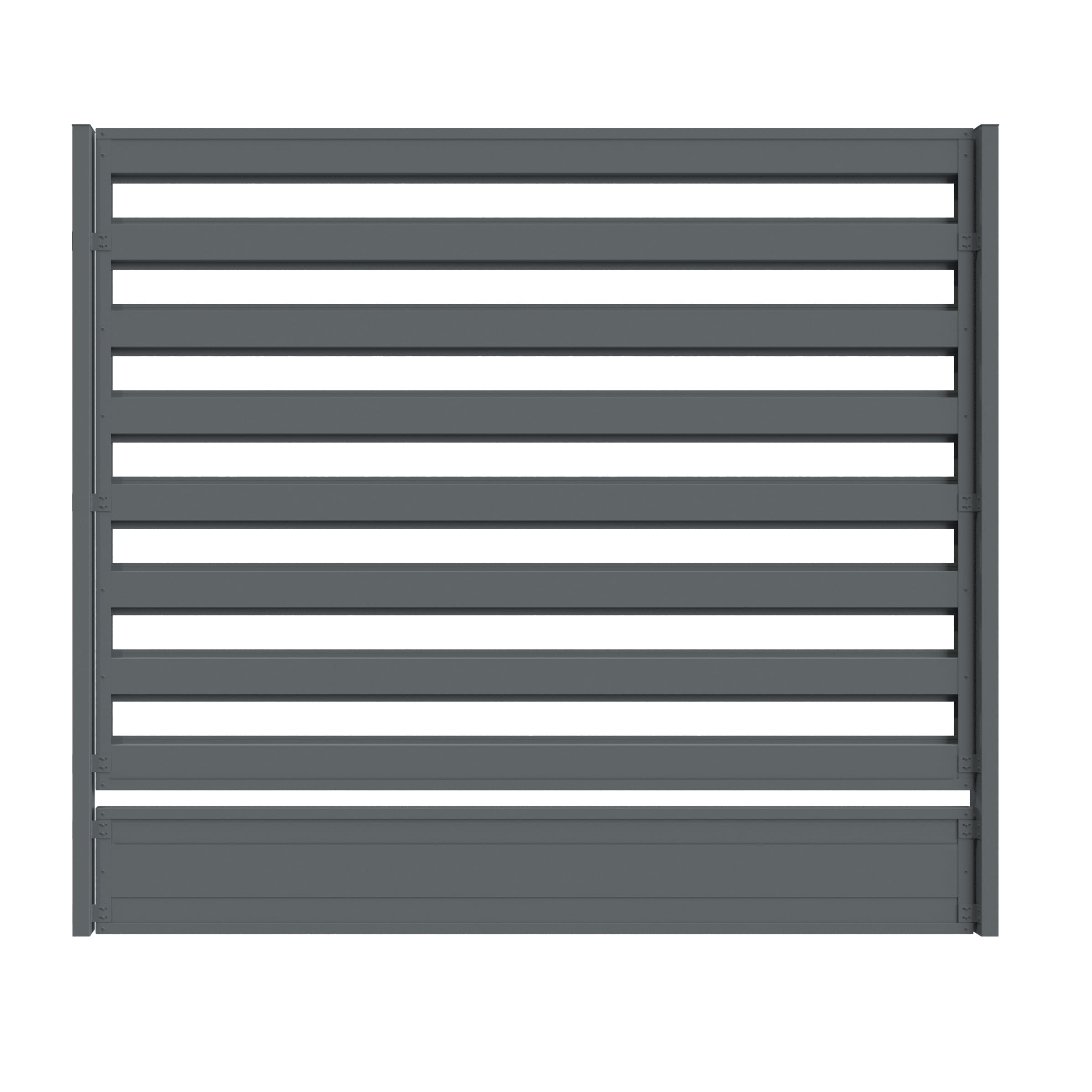
Assess the pressed section and folded edges together with picket height. Width alone does not establish stiffness between supports. Select rail quantity and fixings for the system, not simply to reduce the order total.
How do gaps control visibility?
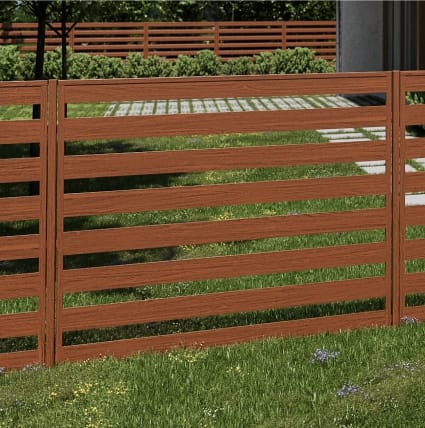
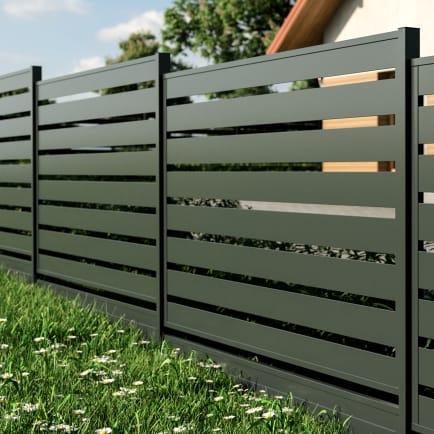
Choose spacing for the desired openness: wider gaps expose the surroundings, narrower ones screen the property more. If using rows on both sides of the rails, calculate them separately and assess the resulting wind action.
Visibility changes with viewing angle, picket width and the distance between rows. Assemble a short trial section instead of inferring complete screening from a single-picket photograph. Check privacy from both the street and garden.
What does factory coating change about upkeep?
Factory-protected steel can reduce the refinishing associated with timber but still needs cleaning and damage checks. Inspect lower sections, fixings and driveway areas particularly. Deposits and salt should not remain on the finish for prolonged periods.
Confirm a coating suitable for the exposure and the rear-face finish. Single-sided and double-sided finishes differ, especially from the garden. Clean with products suitable for the coating, avoiding aggressive chemicals and abrasive scrubbing.
Why is colour choice useful beyond appearance?
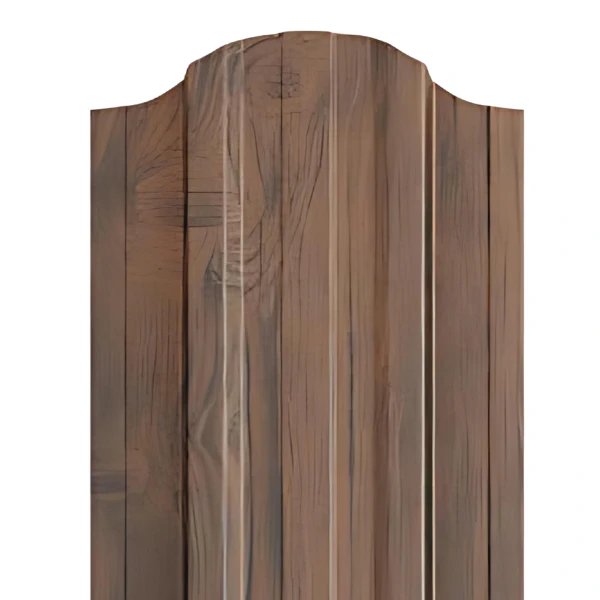
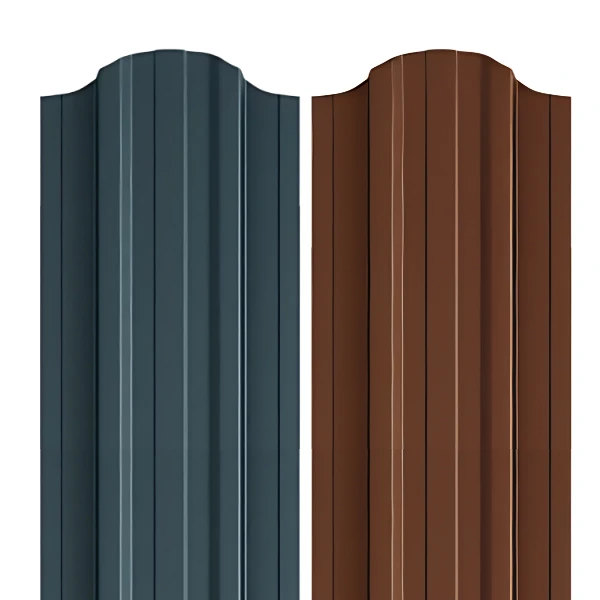
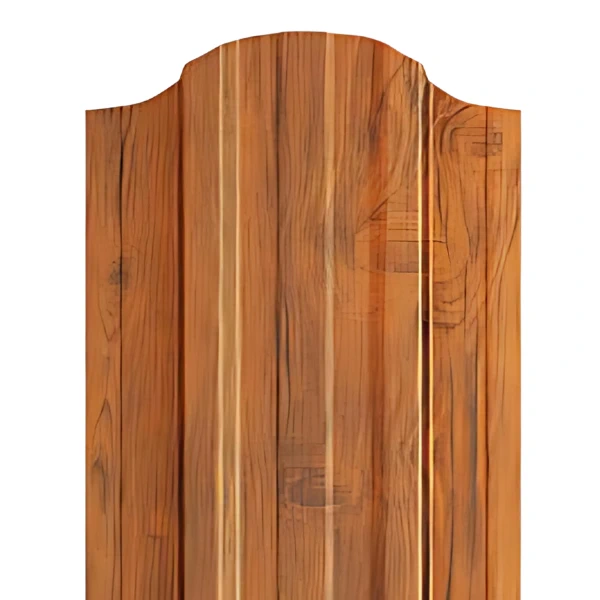
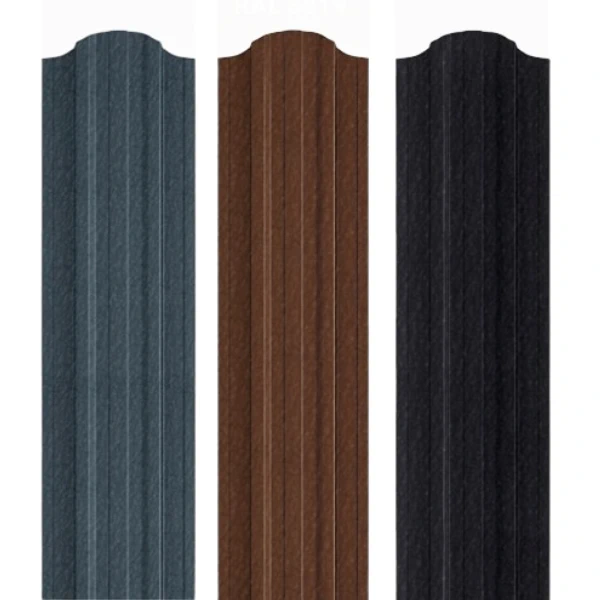
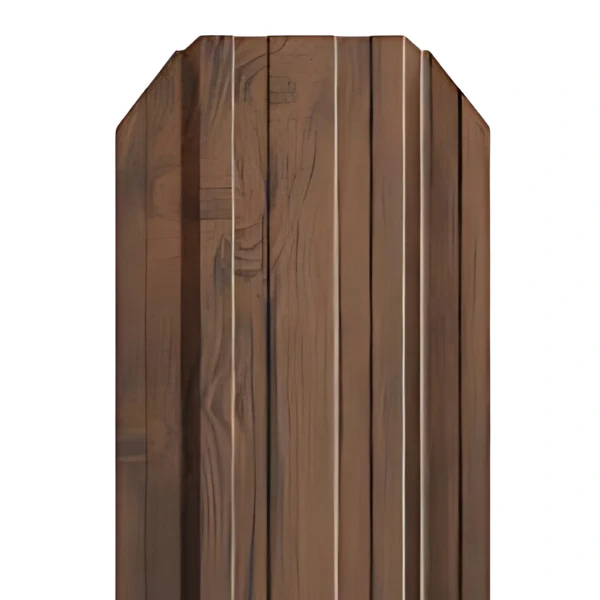
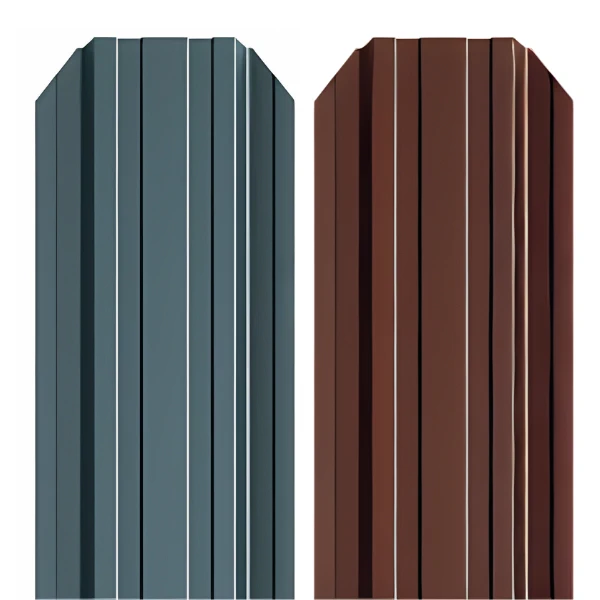
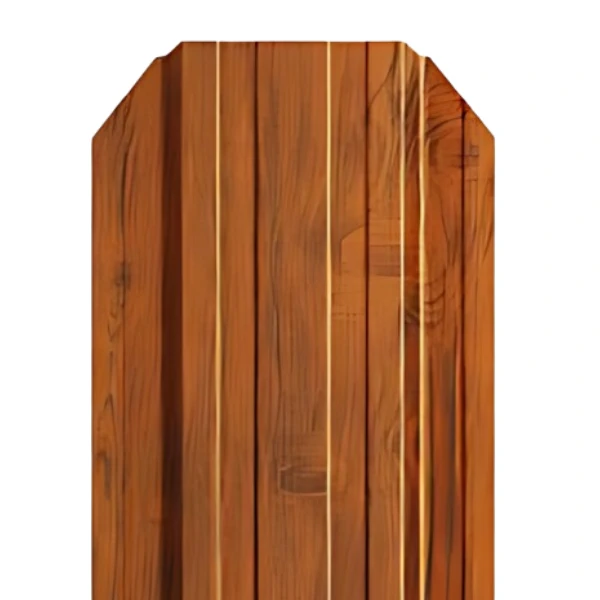
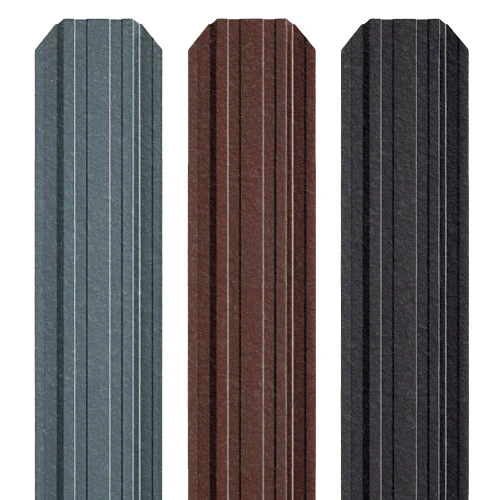
Compare samples with the gate, windows and roof in daylight. Similar character and gloss may matter more than an identical shade. Graphite can complement simple forms and brown timber details; judge the finish in its actual setting.
For phased work, agree later supply or purchase ahead. Screens are not colour standards and batches can differ. Mixed shades within one panel may be more noticeable than differences between separate fence sections.
Can one damaged picket be replaced?
Accessible fixings allow local replacement without dismantling the whole fence. This matters near gates and paths exposed to impacts. Avoid permanently concealing fasteners with unusual finishes if you want to preserve straightforward repair access.
Keep a few labelled spares and profile and colour details. New finishes may differ from weathered ones years later. Check posts and rails before replacement too; their damage requires a stability assessment, not merely a new picket.
What should be checked before ordering every panel?
View the trial spacing from several angles and from inside the property. Decide whether both faces need the same appearance. Then confirm front and rear finishes and the total picket quantity.
Break the complete cost into posts, rails, fixings, foundations and labour. Gates need coordination with moving frames. Panel drawings reveal uneven end gaps and missing components that a picket’s unit price cannot show.
How can separate pickets follow uneven ground?
Draw steps and ground clearances before installing posts, especially at the gate and entrance. Individual pickets allow top-line adjustment, but improvising after the frame is built can leave excessive gaps or disproportionately short ends.
In the final quotation, check edges, top shapes and the complete structure. The six benefits—handling, gap choice, upkeep, colour, repairs and terrain adaptation—work together only with properly designed and installed posts, rails and foundations.

Free quote
What to include in your enquiry
Tell us how you plan to use the material, the dimensions and the quantity you need. Include the thickness, grade or variant name, along with the delivery town or your preferred collection branch. For a specific product, add its name or a link to the product page. We will reply to the email address you provide to discuss availability and the terms of your order.
More from the building guide
Choose a metal picket fence panel as a combination of infill, rails, posts and fixings. Colour alone does not determine privacy or…
Under Polish building law, a detached single-family house with a footprint of up to 70 m² and no more than two storeys…
A passive building needs very little energy for space heating while maintaining indoor comfort. The cost of reaching that standard depends on…
Passive house design starts with the site and the layout of the rooms. These decisions guide the choice of insulation, windows and…
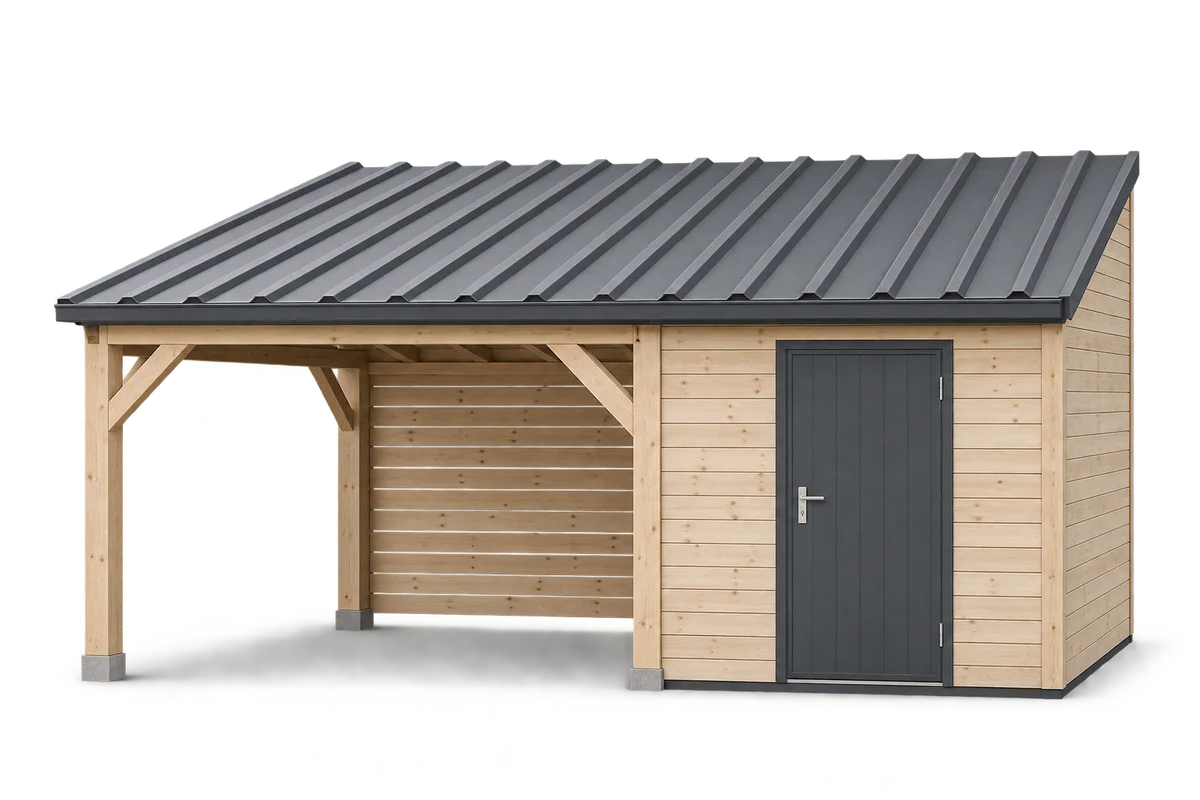
Start planning a carport with a tool store by listing the equipment and the routes people use every day. A mower, bicycles,…
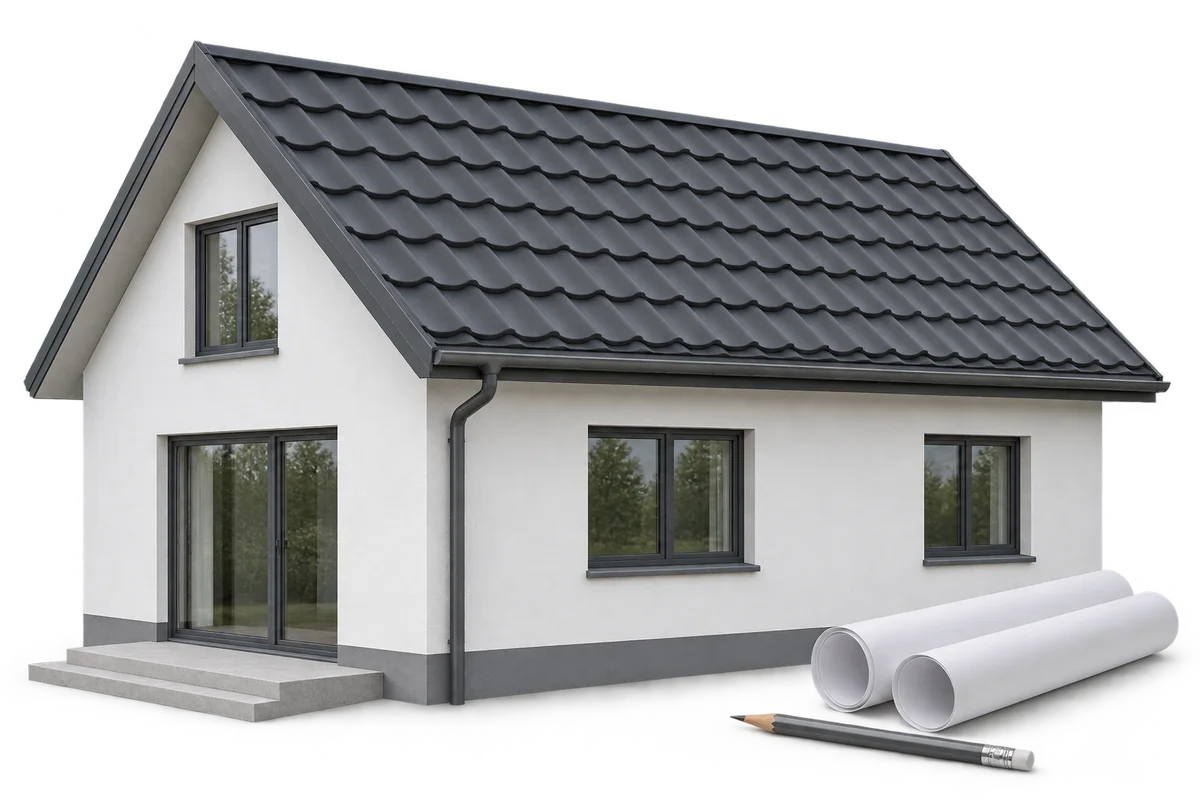
The catalogue price of a house plan covers only part of the cost of the documents you need to build. Check whether…