






Second-grade 100 mm wall panels: what should you check?
Sandwich panels
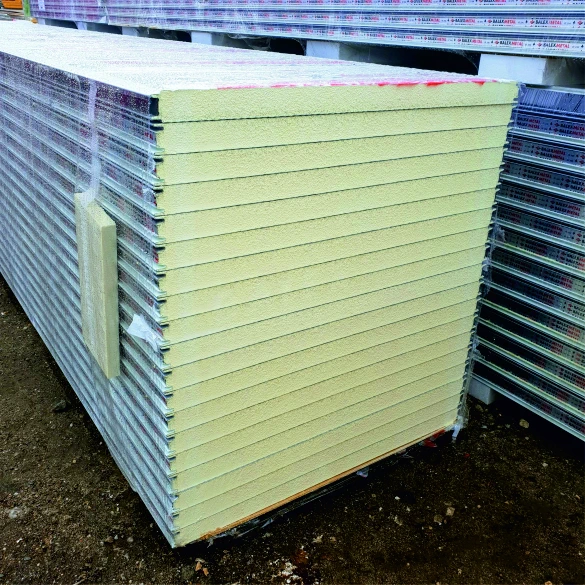
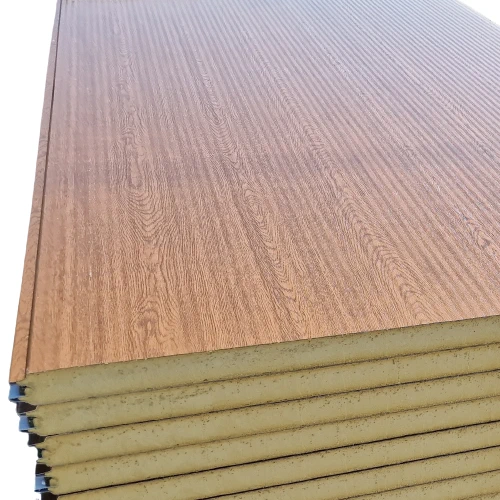
A 100 mm wall sandwich panel can look sound yet have damage that affects the finished wall. Alternatively, it may be sold at a discount simply because it is surplus stock. Assess the actual panel and batch: establish the reason for the reduction, inspect the joints and compare the documentation with the product labels. This guide explains which defects deserve attention, how thermal and structural requirements affect selection, and how to compare cost per usable square metre. Facing appearance is only one part of the inspection. A second-grade label does not itself identify the defect or confirm suitability for your building.
How do you identify the panel you are buying?
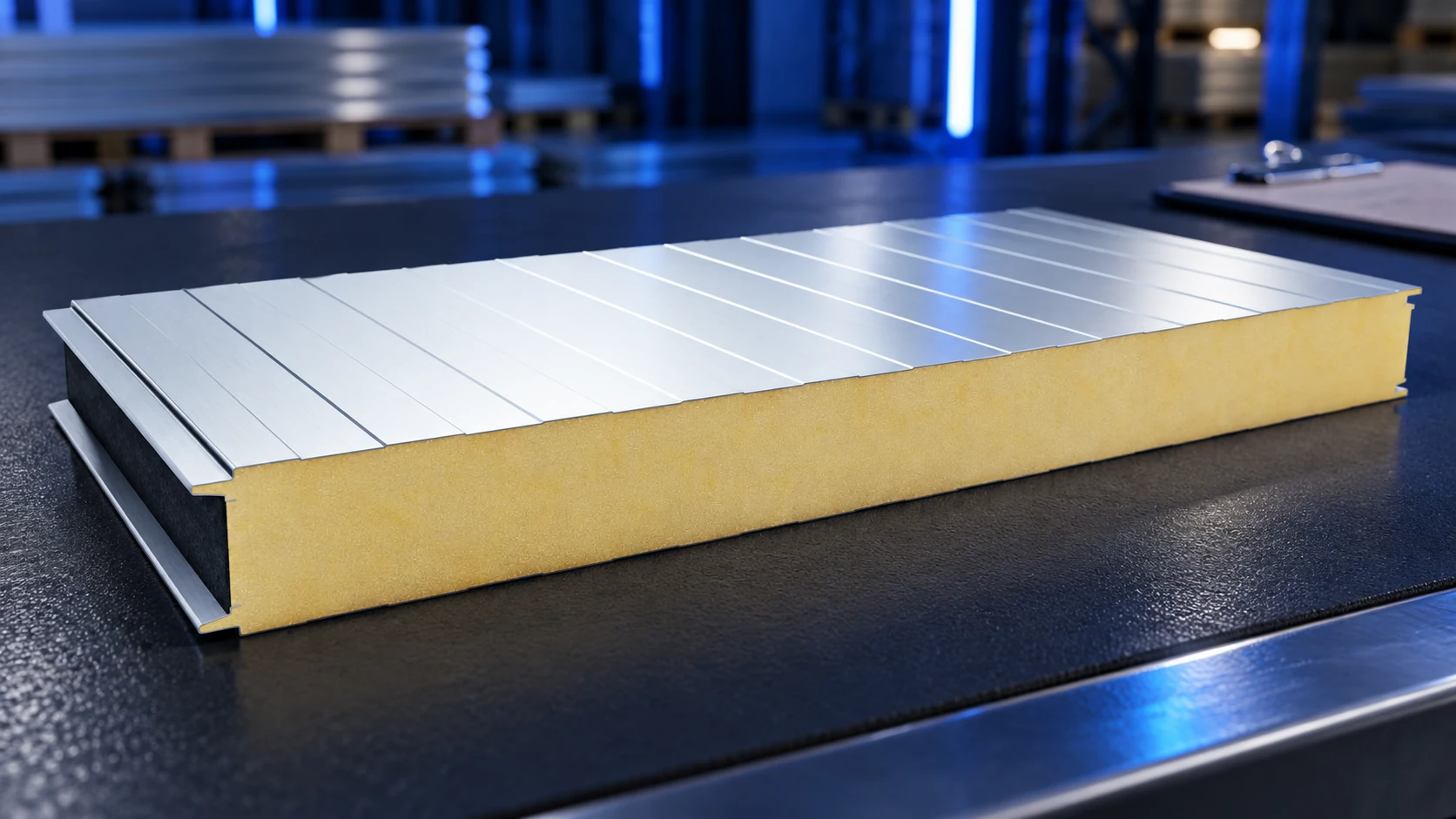
Start with the manufacturer and model name. “100 mm wall panel” does not identify the core, coating or fixing system. Products of the same thickness can have different thermal properties and require different fasteners and details. Complete identification is necessary to compare quotations.
One example of a 100 mm PIR wall panel has Uc 0.22 W/(m²·K). The selected family offers cover widths of 1000 and 1100 mm. These are properties of specific versions, not automatically of every white or grey panel of similar thickness. For second-grade material, also establish which properties remain confirmed after the stated defect is taken into account.
Does “second grade” identify a particular defect?
The name alone is insufficient. The seller should explain the reason for the reduction: perhaps a colour variation, scratch, unusual length or mechanical damage. Surplus stock from an otherwise conforming order needs a different assessment from a previously dismantled panel. Obtain a written batch description.
Establish whether every piece is affected. A photograph of one attractive panel does not represent the entire delivery. For a larger order, obtain a package list with space to record defect types and locations. This makes clear what was accepted before purchase.
Which damage needs the closest attention?
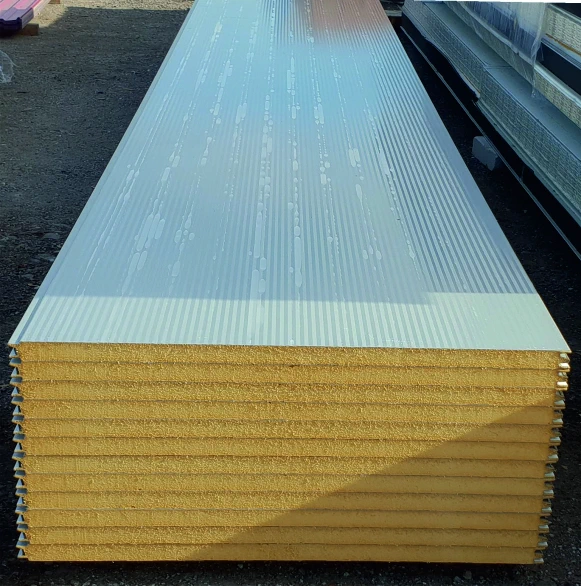
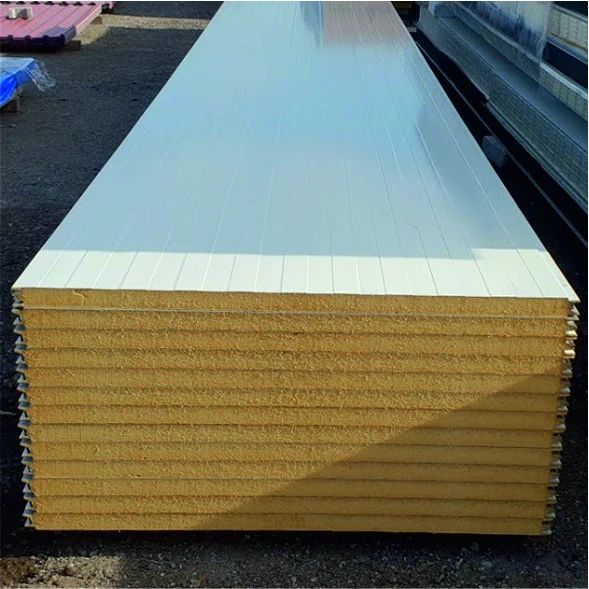
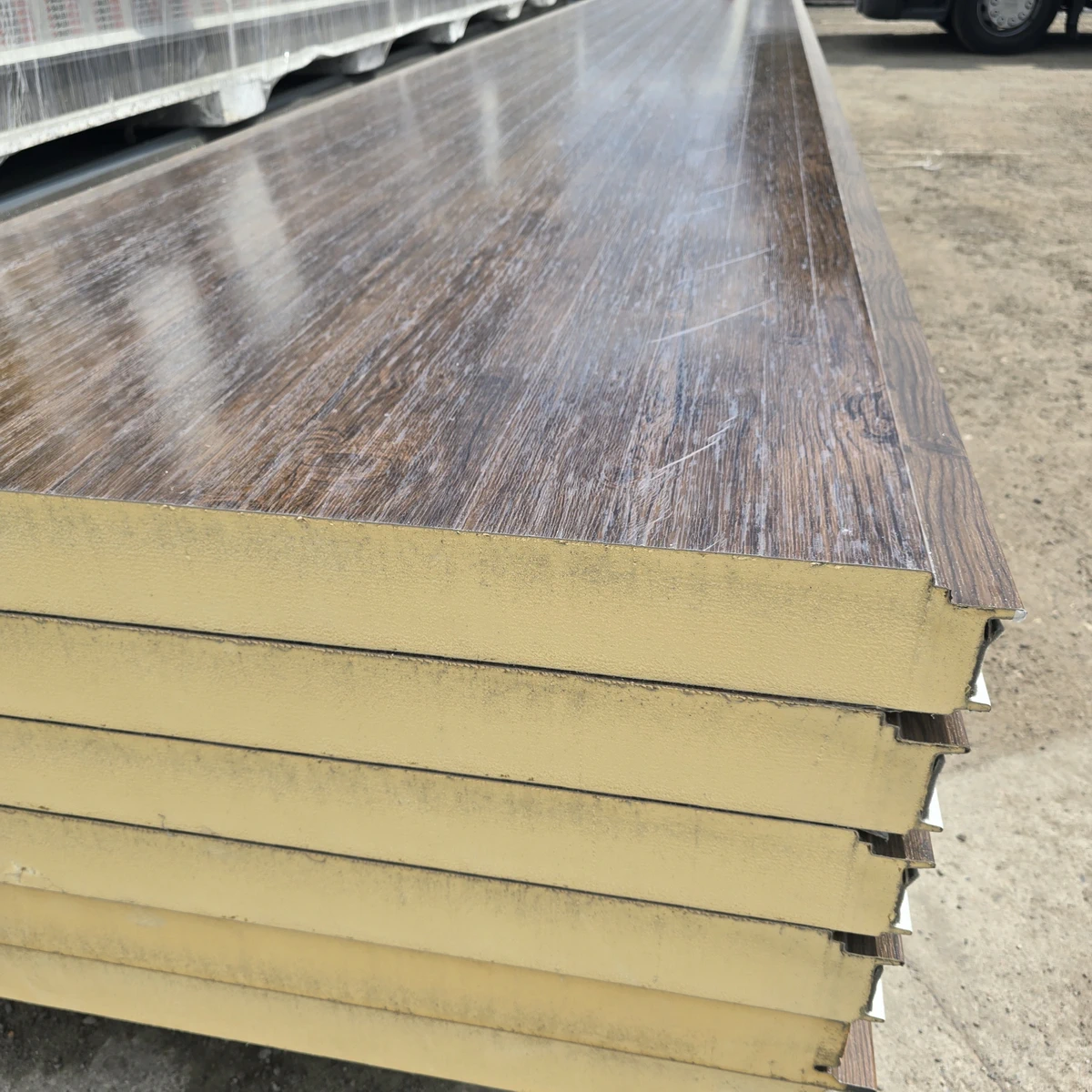
Inspect the interlocking joint and fixing zones. Check that the steel facing is bonded to the core. Look for distorted edges, water damage and corrosion. Panel ends and holes left by previous fasteners also matter. The joint maintains the continuity of the enclosure; it is not merely an appearance detail.
A coating scratch may need repair in accordance with the manufacturer’s instructions. However, paint and sealant cannot repair every deep deformation. If damage changes the joint geometry, suitability needs assessment. Do not rely solely on an assurance that everything will pull into place when the fasteners are tightened.
Is 100 mm enough for a heated building’s wall?
Selection depends on the required thermal performance of the whole wall assembly. Besides the panel’s Uc, check details at the structure, base, corners and openings. Internal temperature also matters. Extra thickness cannot correct insulation gaps or leaking installation details. The quotation should cover the complete wall system, not just the core.
Do not promise a building’s thermal compliance on the basis of one figure. Requirements depend on use, operating temperature and design. A heated workshop and an unheated warehouse may need different walls. Account for a planned future change of use before buying; foreseeable future conditions should also inform selection.
What about load capacity and fire requirements?
Check the load capacity of the actual version. Relevant information includes facing thicknesses, number of spans and colour group. Wall-rail spacing seen on a neighbouring building is not a design basis. A damaged panel may require individual assessment. Allowable loads relate to a defined panel construction and service conditions; they cannot be transferred unchecked to any discounted batch.
The same principle applies to fire resistance. Neither the core name nor a thickness of 100 mm is enough. The classified wall assembly is decisive, including its joints, orientation and fixings. Documentation must correspond to the material that will actually arrive on site.
How do you assess whether the discount is worthwhile?
Compare square-metre prices on the same basis. Check whether the seller calculates using cover width or overall width. Include sections rejected after inspection, repairs, flashings, transport and sorting time. Only the cost of usable material provides a meaningful comparison with first-grade panels.
If only 85 m² of a 100 m² batch can be used safely, divide the material cost by 85. The remaining 15 m² do not become a free wall. This is an illustrative calculation, not an assessment of a particular offer. Determine actual waste from inspection and the cutting plan.
How should the delivery be received and protected?
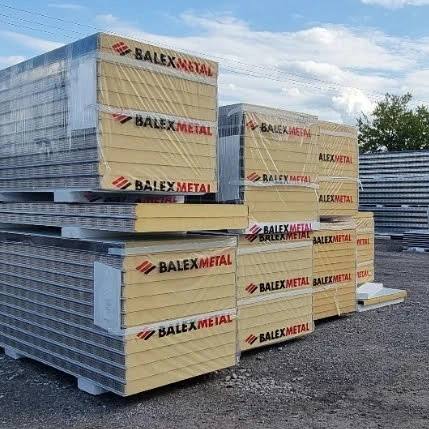
Compare labels with the order. Count the pieces and measure selected panels. Record damage visible before unloading and check inside the package after opening. If discrepancies arise, stop installing the disputed part of the delivery. It becomes harder afterwards to establish when a defect occurred.
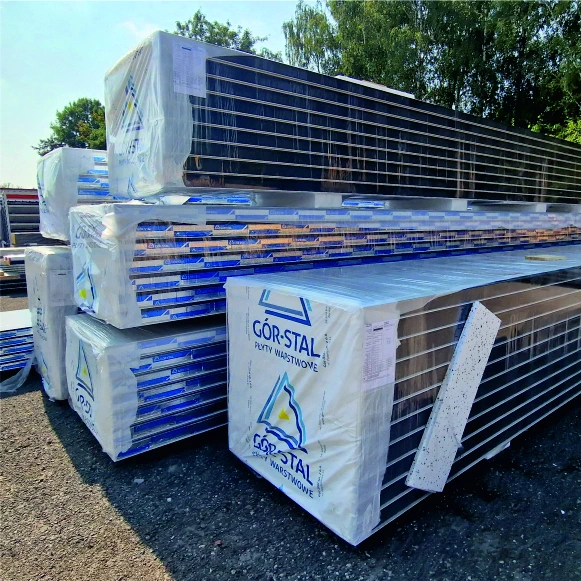
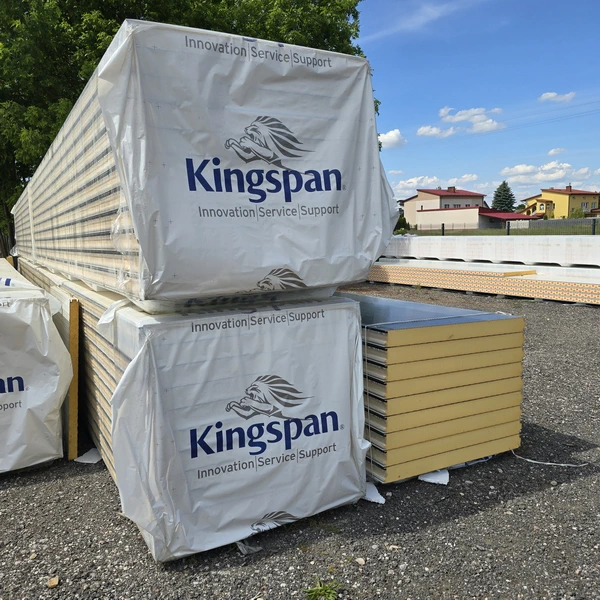
Store the material according to the manufacturer’s instructions. Do not leave packages standing in water or drag panels across each other. Plan when to remove protective film. A discounted panel needs the same care as a more expensive one. Poor storage can consume the saving before installation starts.
Frequently asked questions
Does good appearance confirm full performance?
No. Check the core, joints, product identification and matching documentation as well as the surface.
Can first-grade product data be used?
Only if they apply to that product and the batch condition permits the intended use. Similar thickness alone is insufficient.

Free quote
What to include in your enquiry
Tell us how you plan to use the material, the dimensions and the quantity you need. Include the thickness, grade or variant name, along with the delivery town or your preferred collection branch. For a specific product, add its name or a link to the product page. We will reply to the email address you provide to discuss availability and the terms of your order.
More from the building guide
At an assumed PLN 36.34 excluding VAT per square metre of T18 cover, material for 200 m² totals PLN 7,268 excluding VAT.…
The cheapest advertised sandwich panel does not necessarily produce the cheapest enclosure. Panel lengths, cutting waste, transport and missing accessories can outweigh…
Internal insulation in a 1990s house should start with an assessment of the existing wall, not a board order. The construction date…
Judge a building technology by the job it performs in the particular project. Prefabrication changes preparation, sandwich panels combine enclosure functions, and…
The cost of a 40 mm wall sandwich panel depends on its model, facings, coating, dimensions and batch. A single market-wide price…
A gable roof has two slopes that meet at the ridge. This simple shape makes the roof covering easier to lay out…
If you suspect unauthorised building work in Poland, compare the existing building with its records before ordering renovation materials. Establish what was…
Start by deciding what the gazebo is for, how large it needs to be and where it will stand. Then choose the…