






Damp at home: what to record before investigating the cause
PIR insulation
When damp repeatedly appears at home, gather organised observations before choosing a repair. A mark beside a window, a wet corner and staining after rain may call for different checks. A log of temperature, humidity, weather and room use helps give an investigator a concrete picture. It does not replace measurements within the building fabric or ventilation testing, and cannot by itself distinguish condensation, a leak or residual construction moisture. This guide explains how to describe the location, compare recurring events and prepare records for an inspection. Insulation, including PIR boards, should be selected for the wall or roof construction that has actually been identified. A photograph alone is not a complete diagnosis.
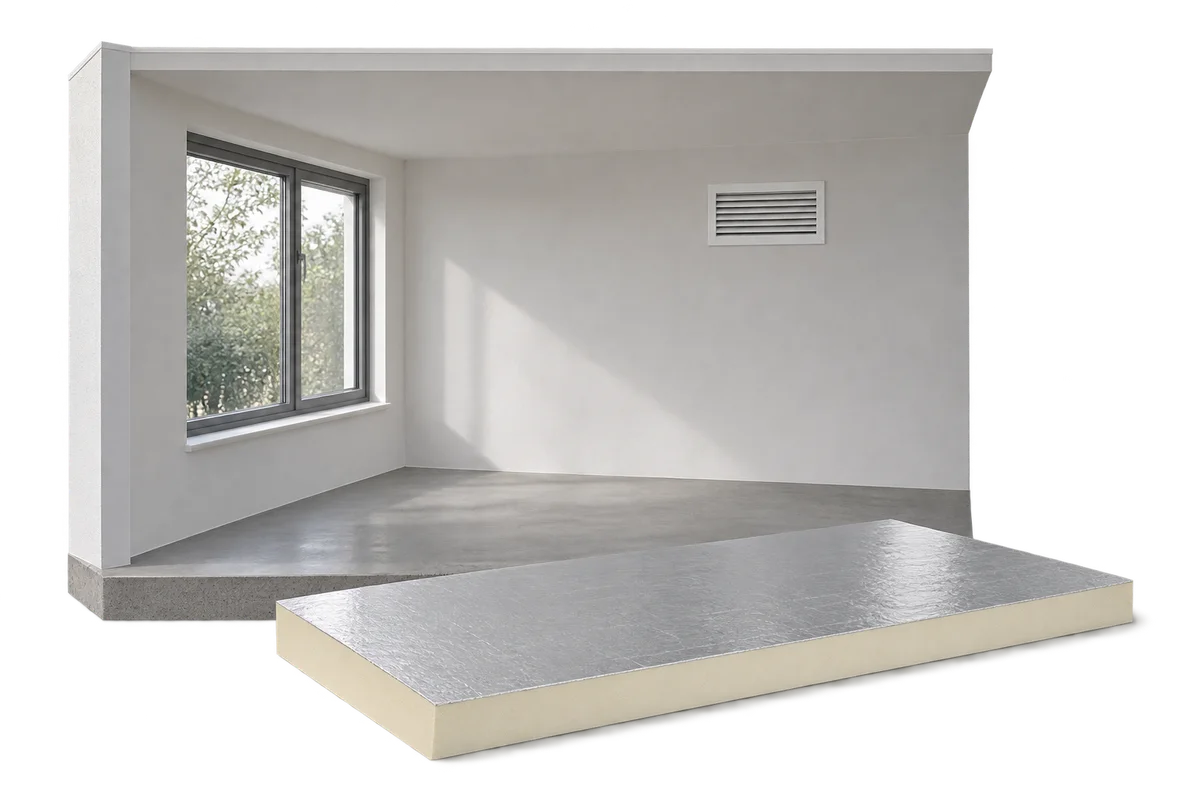
Use consistent observation points
Identify each location so another person can find it: room, wall and position relative to a window or corner. A wider photograph establishes the position; a close-up records the mark.
Use a similar framing for subsequent photographs and note the date. Do not alter the apparent edge of staining by retouching the image. Record any drying or repainting of the area.
Record conditions alongside readings
Record a hygrometer reading with the temperature, time and instrument location. Treat comparisons immediately after moving it to another room cautiously, allowing the stabilisation time specified by its manufacturer.
One number does not describe an entire day. Readings under comparable conditions, supplemented when the problem worsens, are more useful. Identify the instrument without claiming greater accuracy than its specification supports.
Separate rainfall from indoor events
In a separate column, note rain, wind and observed external changes. A timing pattern linked to rainfall is a clue to investigate, rather than proof of a particular roof or façade defect.
Also record bathing, cooking, laundry drying and recent wet construction work. There is no need to reconstruct every occupant activity: focus on identifiable events that help compare affected and unaffected days.
Describe ventilation operation
Describe the ventilation type and known settings. Note whether air inlets were open and when filters were serviced. The sound of a running unit does not establish adequate air exchange in every room.
Avoid changing numerous settings together merely to obtain a different reading. If a service technician adjusts the system, keep the description and date. Subsequent comparisons should account for the changed conditions.
Collect details of the construction
Include the known layer build-up, insulation product name and construction photographs. With PIR, the particular product and facing matter; simply stating that a wall is insulated does not describe the behaviour of the complete assembly.
Separate confirmed information from assumptions about concealed layers. Mark a missing drawing as unavailable information. Do not assume waterproofing, a vapour control layer or a ventilated cavity merely because a similar house has one.
Prepare questions for the inspection
Prepare a short chronology and a selection of clear photographs for the inspection. Ask which hypotheses require measurements, where investigation is needed and what evidence will support the assessment. The log alone does not conclude the investigation.
Once the cause is identified, retain the repair scope and the method for checking its effect. Compare later observations with earlier ones under similar conditions. An organised record helps assess change without guaranteeing that every concealed problem has been removed.

Free quote
What to include in your enquiry
Tell us how you plan to use the material, the dimensions and the quantity you need. Include the thickness, grade or variant name, along with the delivery town or your preferred collection branch. For a specific product, add its name or a link to the product page. We will reply to the email address you provide to discuss availability and the terms of your order.
More from the building guide
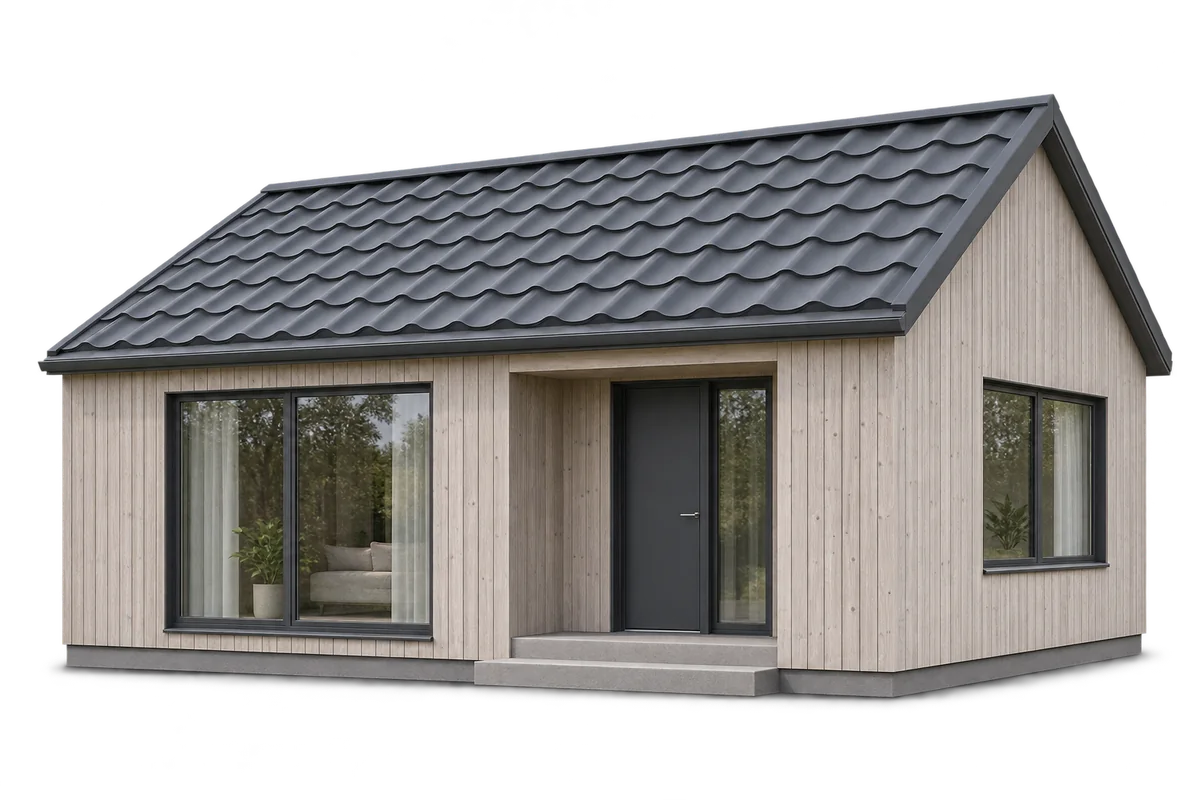
A timber house for year-round use must meet the requirements for a dwelling. In Poland, using timber does not in itself determine…
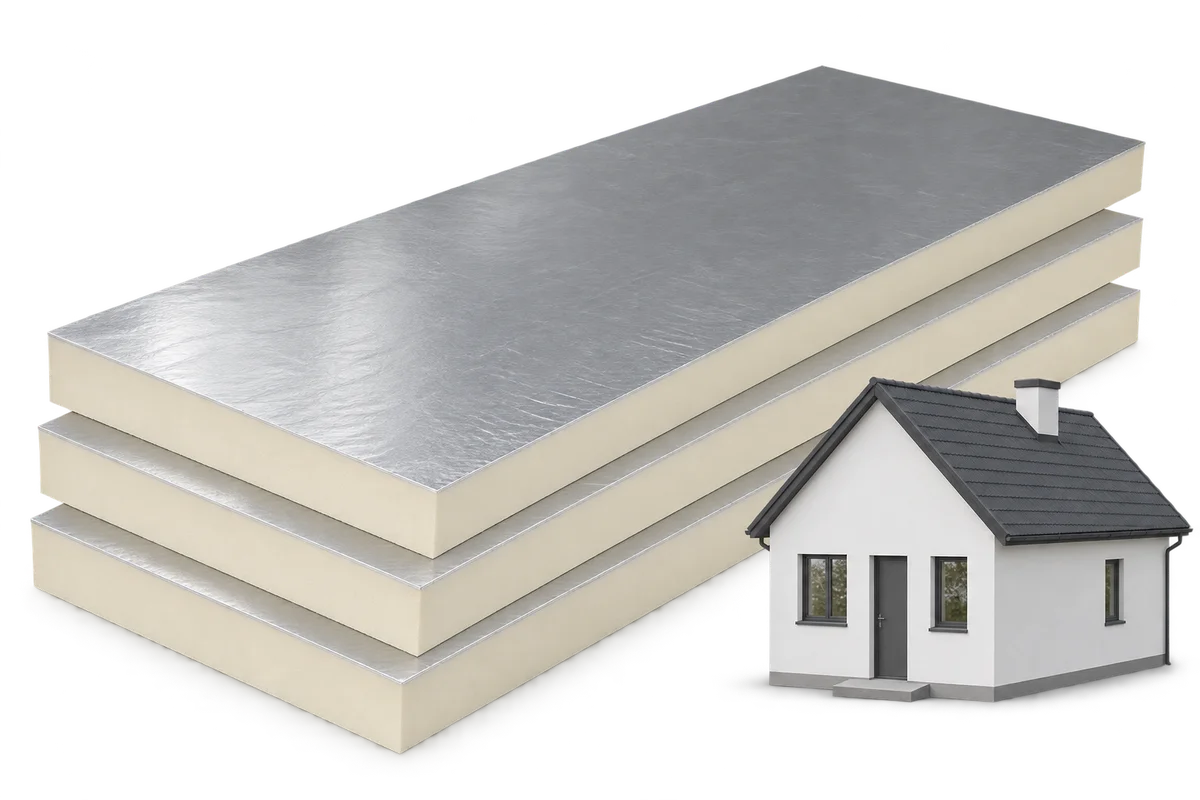
Planning PIR insulation should begin by identifying which rooms will belong to the heated part of the house. The roof, a ceiling…
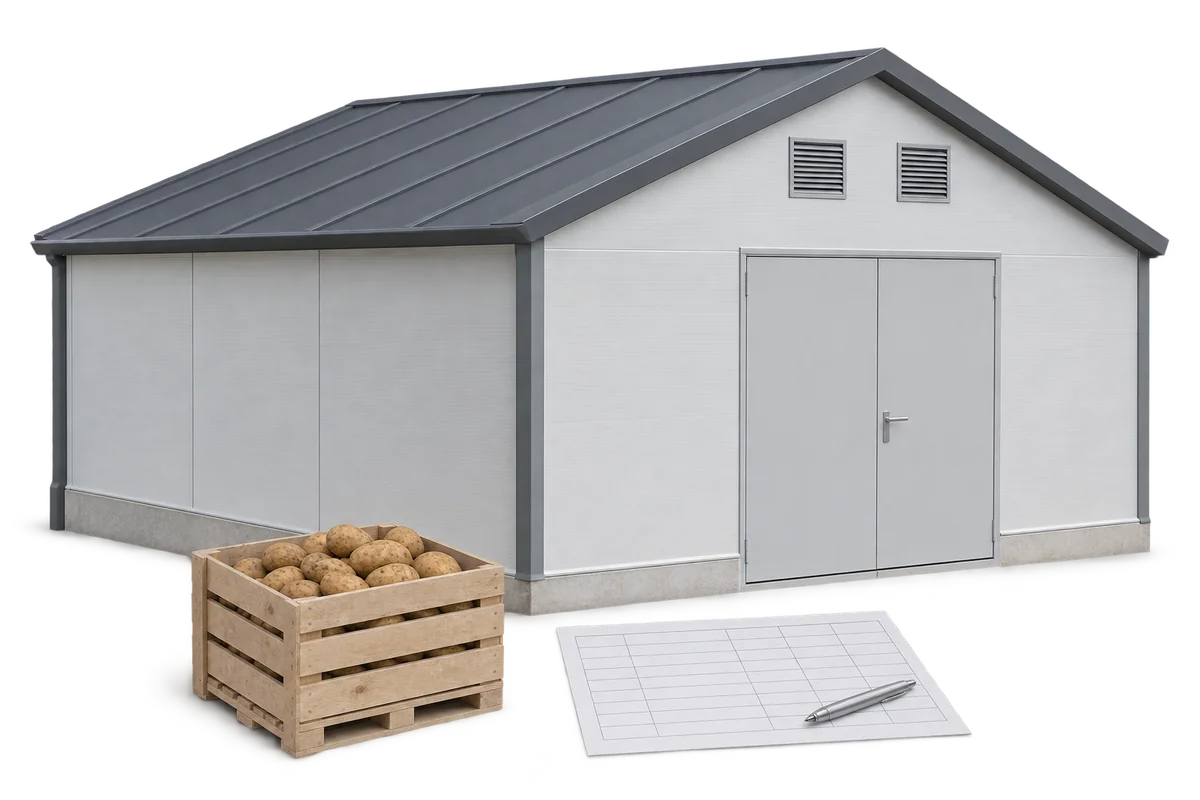
Harvest sets the deadline for work on a potato store. Allow time to assess the building, order materials, install them and test…
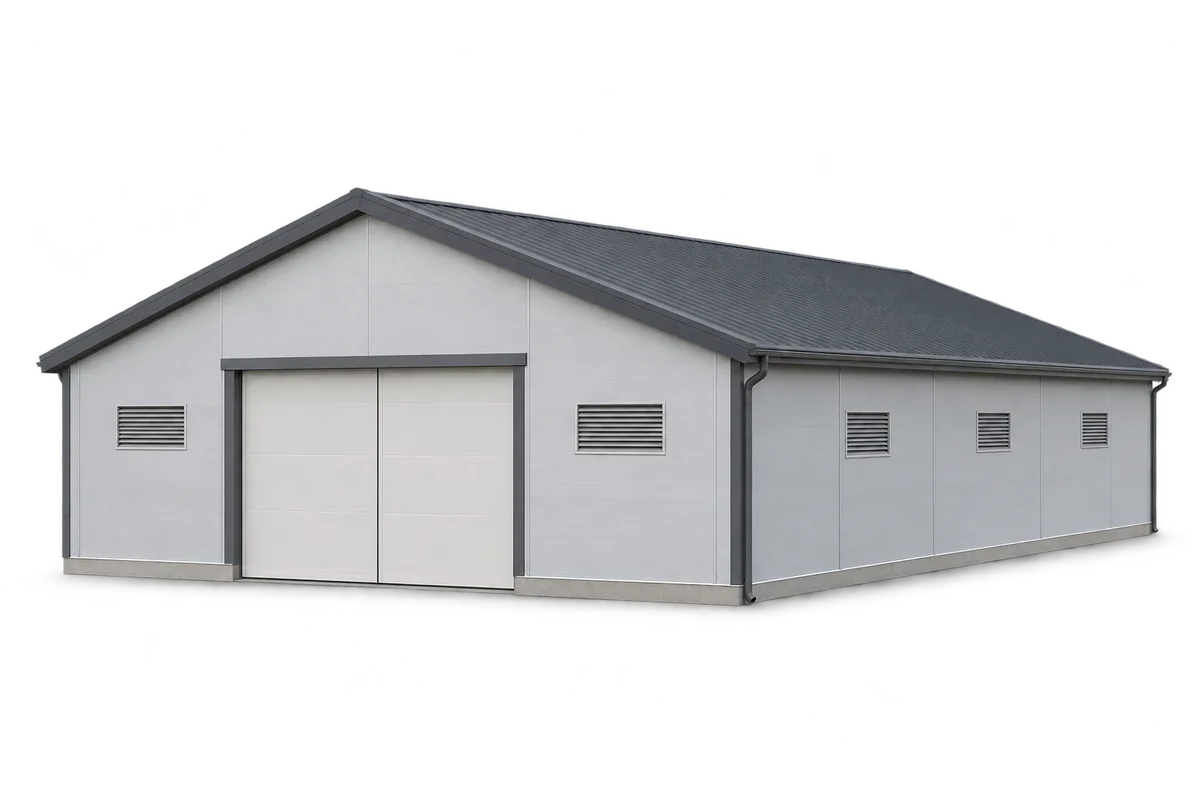
A well-designed pig house keeps conditions suitable for the animals, can be washed efficiently and is straightforward to operate. Insulated walls and…
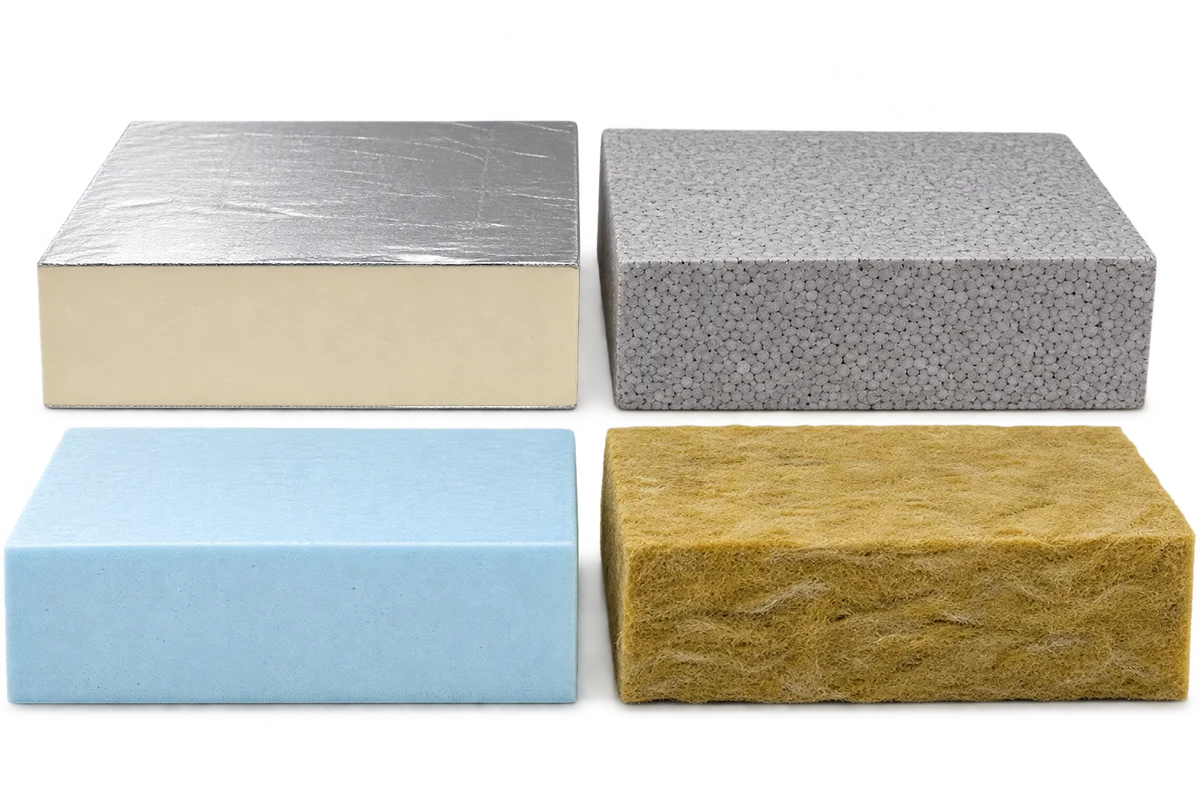
Two insulation quotations may cover the same part of a house while including different quantities and delivery arrangements. When comparing PIR, EPS,…
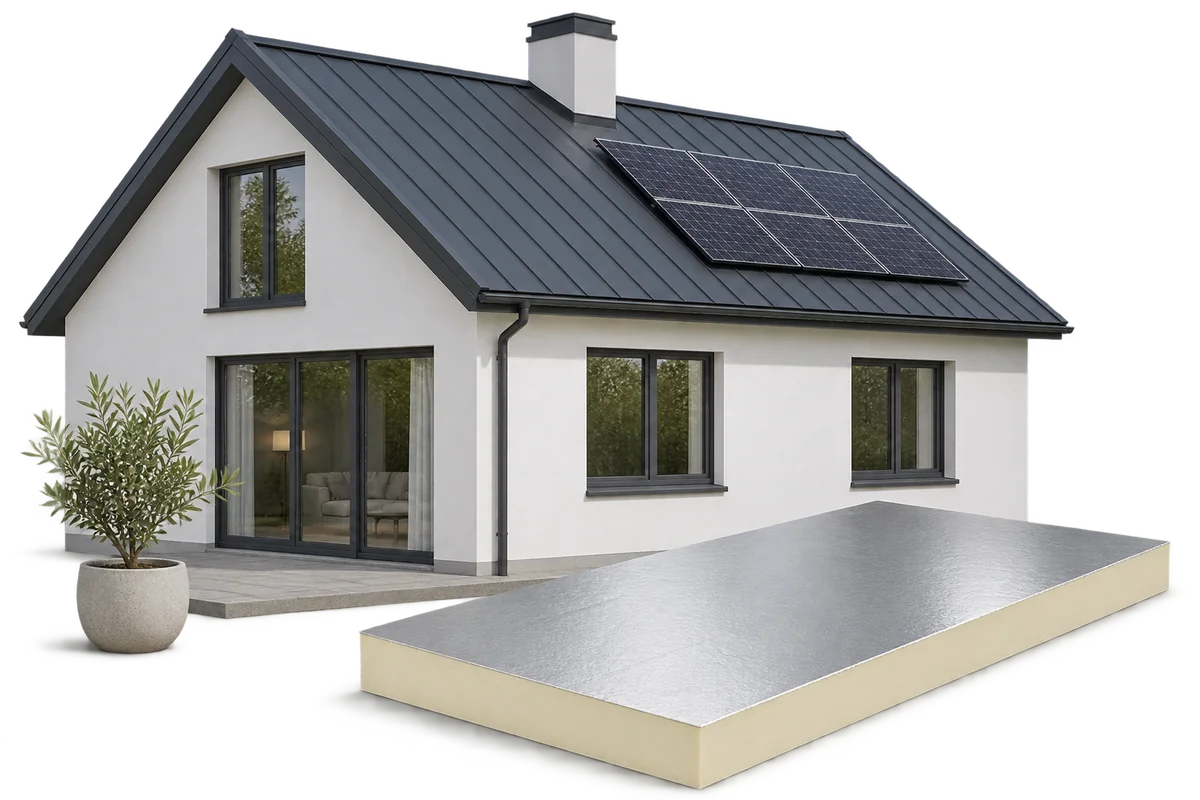
A home can use little energy in operation and still have significant environmental impacts from its materials, maintenance or replacement work. Reducing…
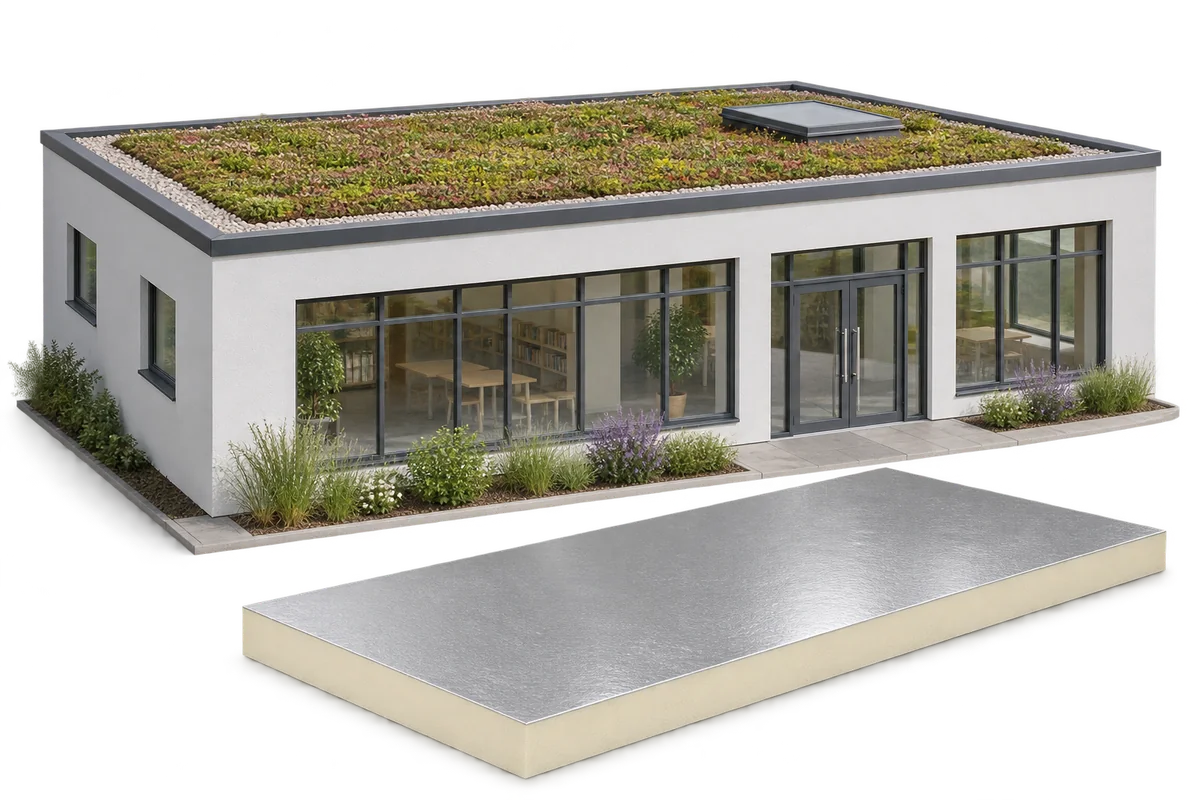
A green roof can form part of a nursery retrofit. The structure must support the full build-up and the insulation must be…
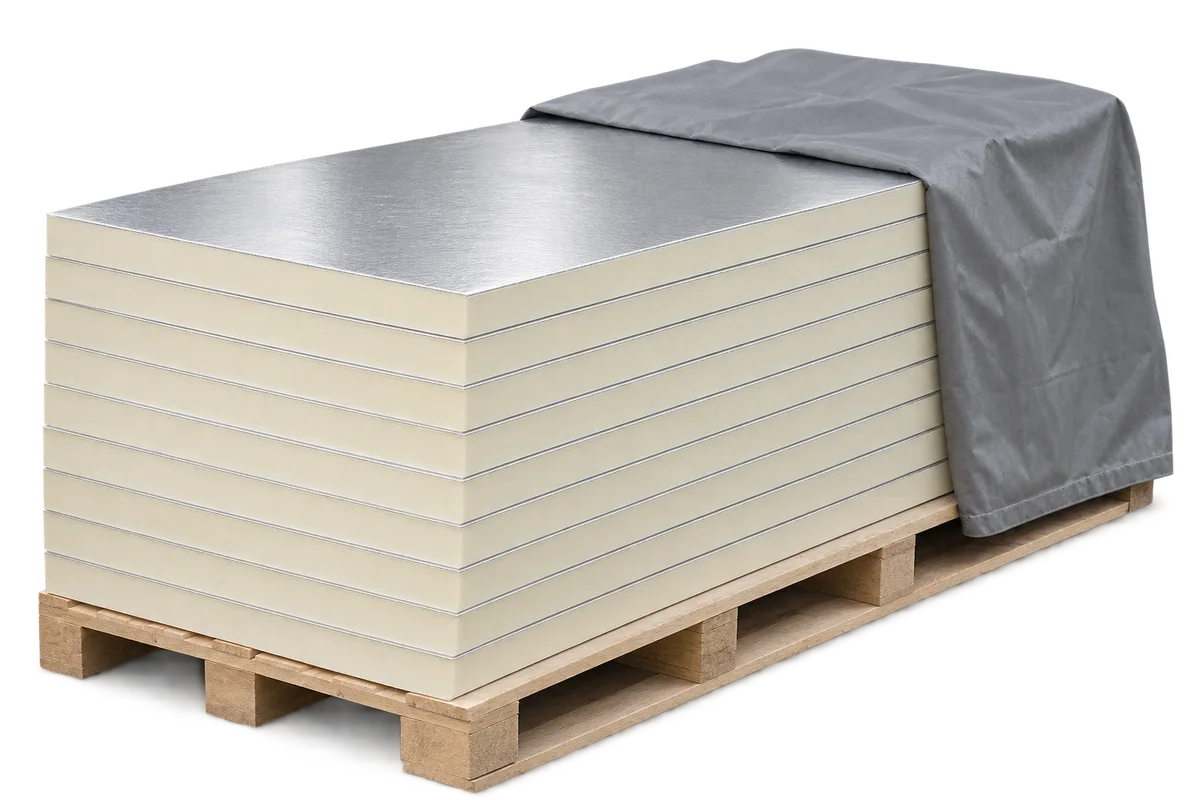
Several packs on the lorry may look alike without containing the same board. When insulation arrives, check the product designation and intended…