PIR, EPS, XPS or mineral wool: comparing the cost of a complete insulation order
PIR insulation
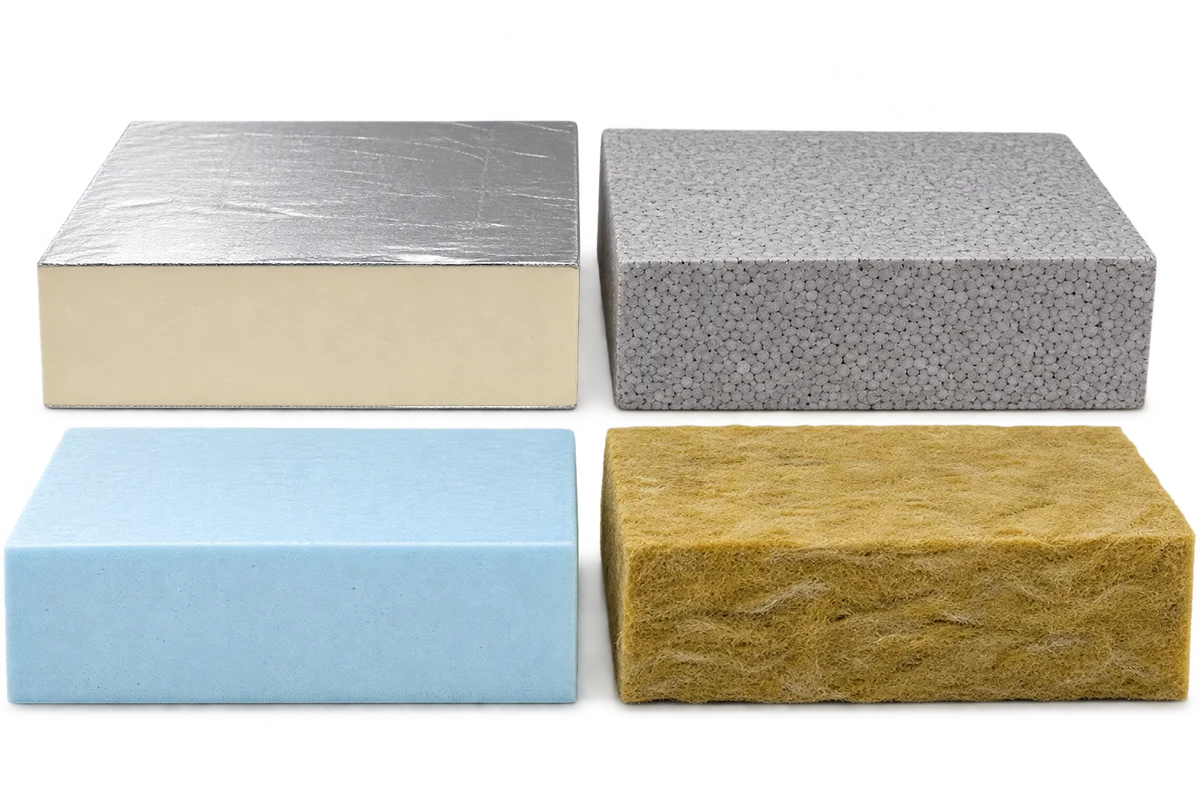
Two insulation quotations may cover the same part of a house while including different quantities and delivery arrangements. When comparing PIR, EPS, XPS and mineral wool, first identify solutions suitable for the proposed construction. Then bring together prices, pack sizes, accessories and transport. A price per square metre may be only the starting point: buying whole packs can mean paying for more material than the measured area. This guide explains how to put quotations into a common schedule and identify missing items. The numerical examples illustrate the calculations only; use the relevant product information and current quotation for an actual order.
Define the scope of the comparison
Each quotation column should cover the same part of the building.
Record the rooms or roof areas, measured quantities and requirements supplied by the designer. Identify the exact product and selected thickness for each option. A label such as “polystyrene” or “mineral wool” is not sufficient to distinguish materials intended for different applications in the cost schedule.
Put quantities on a common basis
A quotation may use a price per board, pack, square metre or cubic metre. Converting volume to area requires the thickness in metres. As a geometric example, 1 m³ of a uniform 0.10 m layer covers 10 m²; at 0.15 m it covers approximately 6.67 m². This converts quantities rather than comparing thermal performance.
For a price per board, check the dimensions and the area used for billing. Where edges are profiled, clarify how the supplier states the coverage. Keep the original sales unit in a separate column so that the quoted amount can still be reconstructed after conversion.
Calculate whole-pack quantities
For calculation only, suppose the order requirement is 82 m² and each pack contains 5 m². If only whole packs are sold, the order needs 17 packs, or 85 m². Use 85 m² in the cost calculation. The additional 3 m² in this example comes entirely from rounding to complete packs.
Separate pack rounding from the allowance for cutting. The installation quantity depends on the area geometry and board format. If the contractor’s requirement already includes cutting losses, adding another general percentage can duplicate that allowance. Record who established the quantity and the basis used.
Include the components needed to install the layer
List the fixings, adhesives, tapes and additional layers required by the chosen construction. Different materials do not necessarily need the same accessories. Use the selected assembly and installation instructions to define the list. Mark an empty entry as “not applicable” or “to be clarified”, rather than silently assigning zero cost.
When the thickness changes, ask the contractor whether details also change, such as fixing lengths, termination height or flashing work. Separate the insulation cost from work needed to adapt the surrounding construction. This makes additional scope visible when comparing a less expensive board with the original quotation.
Set out delivery and purchasing terms
For transport, record the delivery address, number of delivery stages and agreed unloading arrangements. Check which services the price includes. If one quotation provides a single delivery and another allows two visits, show that difference before comparing their totals.
Use the same price basis throughout: excluding or including tax, the currency and quotation validity date. Confirm any return arrangements for unused packs before ordering. Do not deduct the anticipated value of leftovers unless the supplier has agreed to accept them.
Finish with one agreed comparison schedule
Send suppliers a list of missing information tied to specific line items. Ask for a revised schedule showing quantity, unit and the scope included in each price. Bring verbal clarifications about delivery or accessories into that same document before selecting an option.
Keep the completed comparison with the accepted technical specification. Compare costs between options suitable for the intended application. If the cheapest package does not meet the design requirements, return to the technical review. Adding up prices does not establish that the insulation is suitable for the building.

Free quote
What to include in your enquiry
Tell us how you plan to use the material, the dimensions and the quantity you need. Include the thickness, grade or variant name, along with the delivery town or your preferred collection branch. For a specific product, add its name or a link to the product page. We will reply to the email address you provide to discuss availability and the terms of your order.

More from the building guide
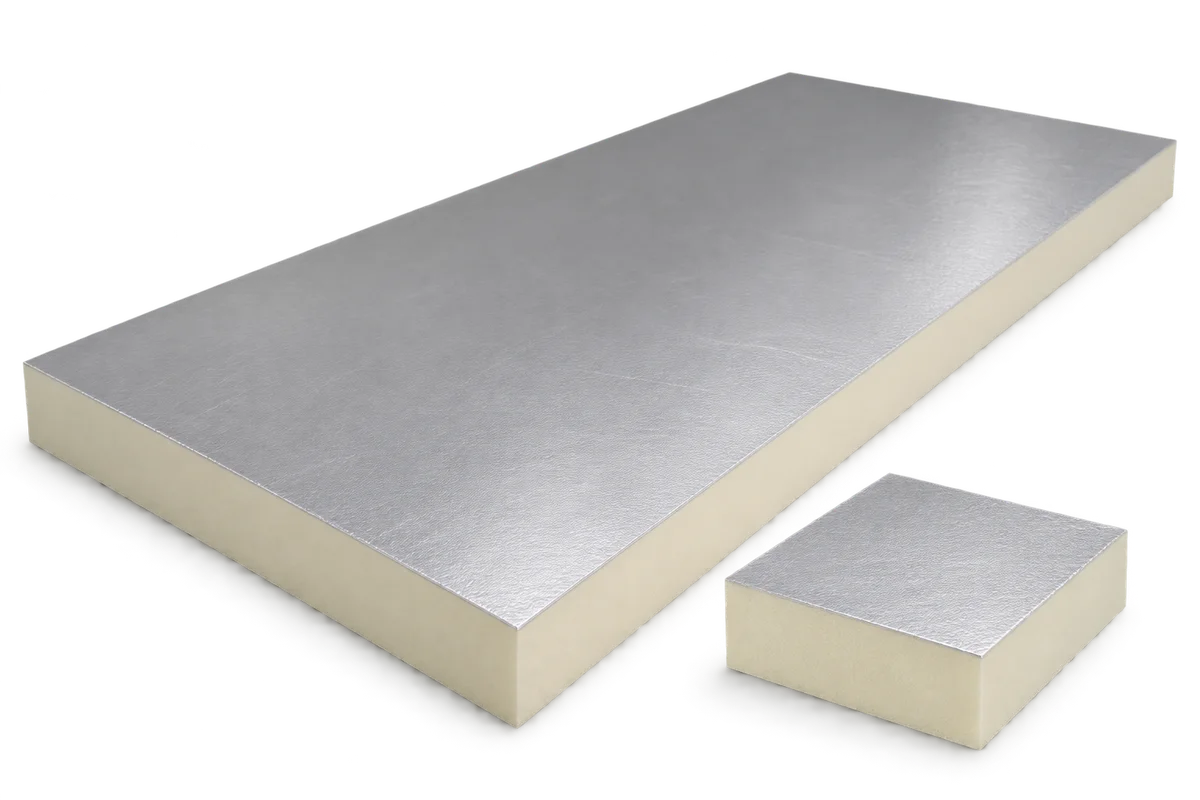
On a terrace above a heated room, the door threshold alone does not determine how much PIR insulation will fit. The available…
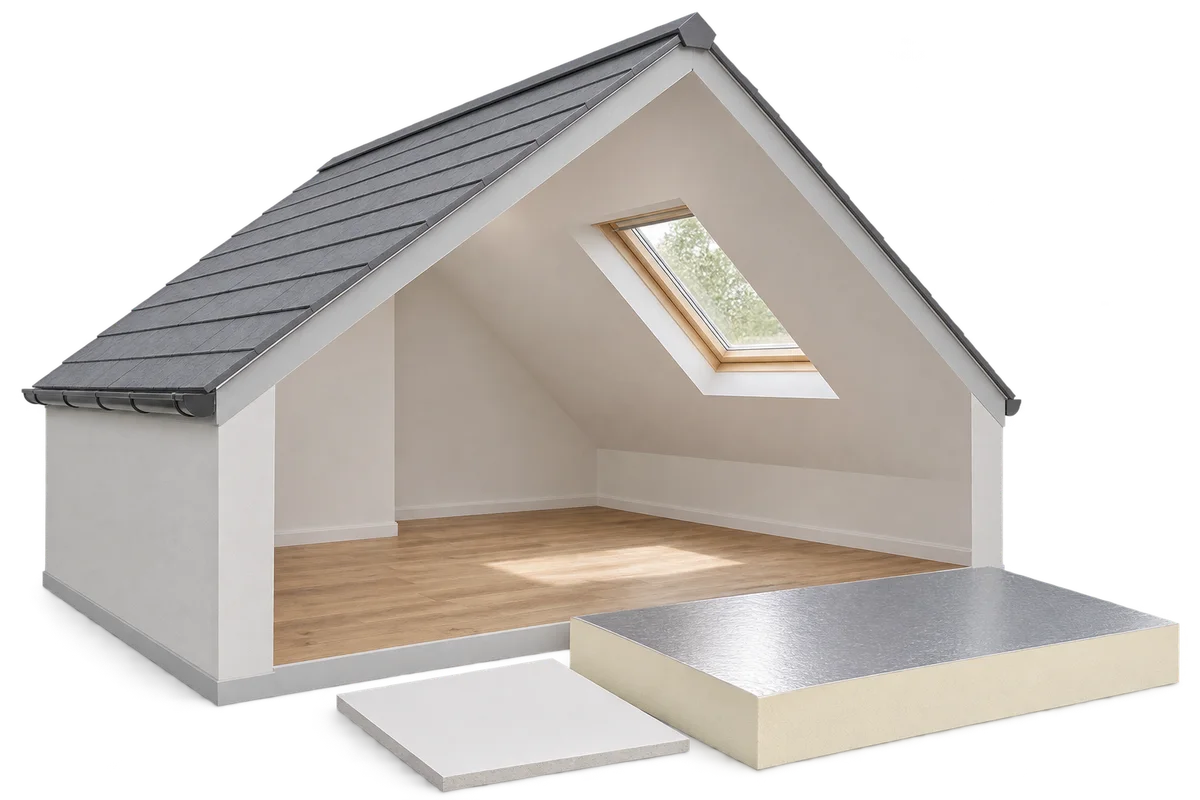
A loft fit-out starts well before the first plasterboard goes up. Inspect the roof, plan the insulation and establish how the layers…
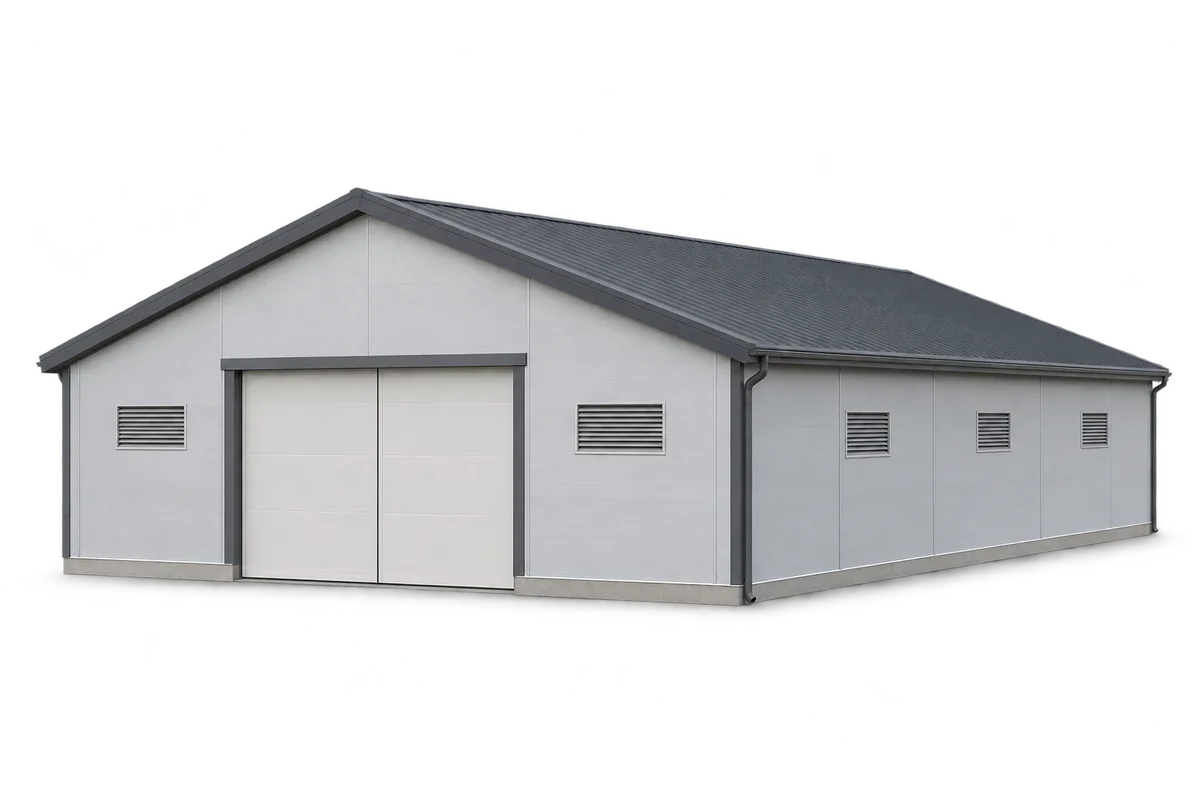
A well-designed pig house keeps conditions suitable for the animals, can be washed efficiently and is straightforward to operate. Insulated walls and…
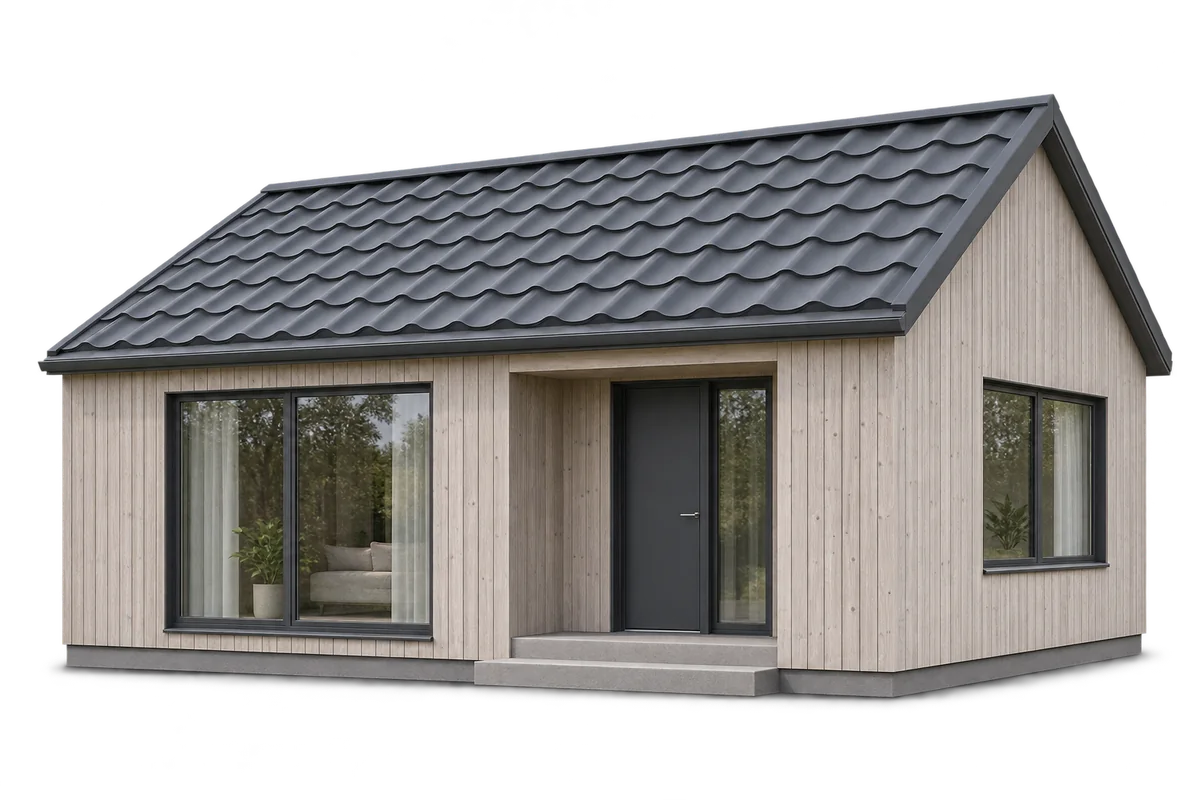
A timber house for year-round use must meet the requirements for a dwelling. In Poland, using timber does not in itself determine…
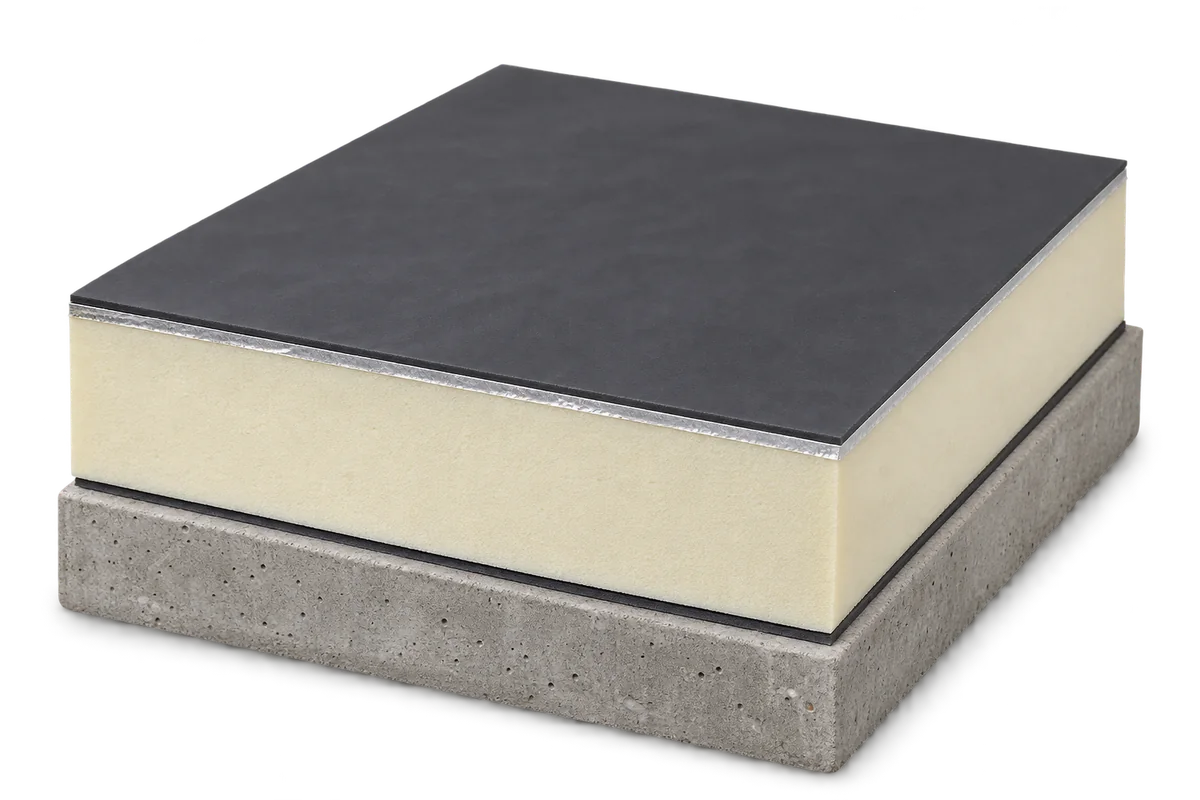
A flat roof consists of several layers that work together. The structure carries the loads, insulation reduces heat loss and waterproofing keeps…
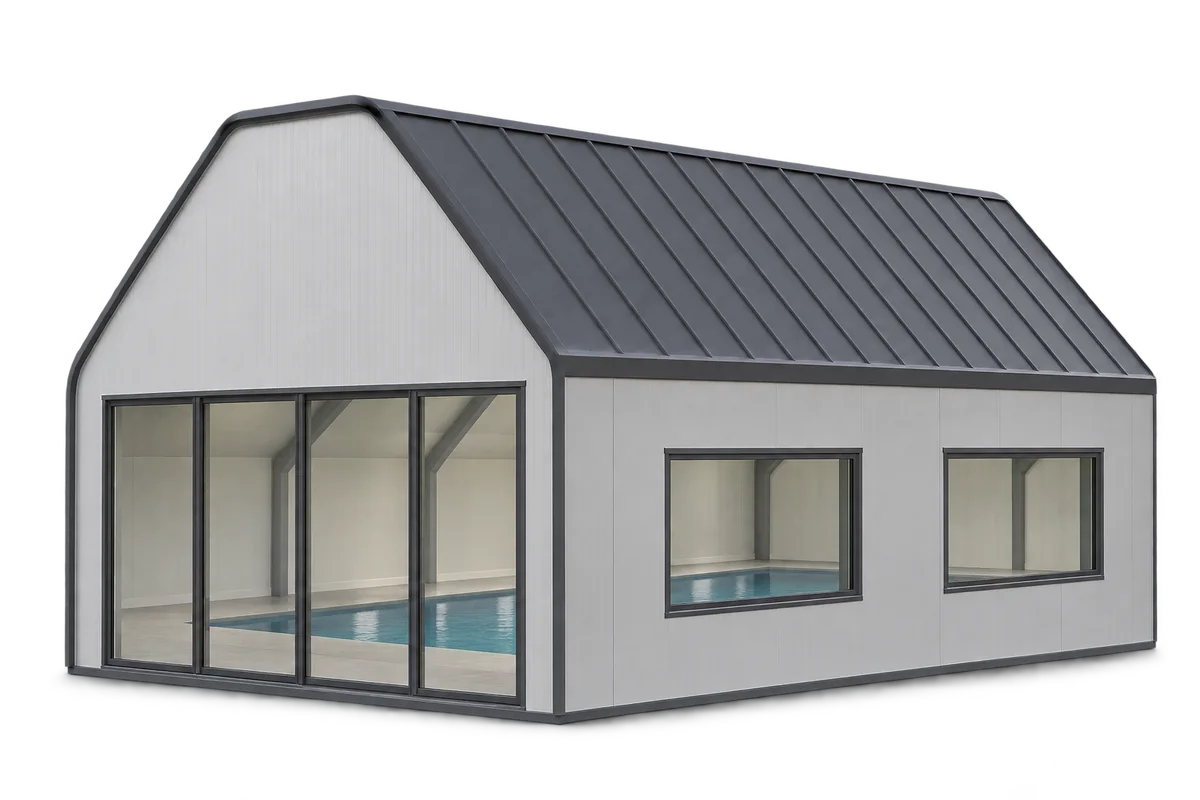
A roof over a heated pool has to withstand warm, humid air and the chemicals used to treat the water. Specify the…
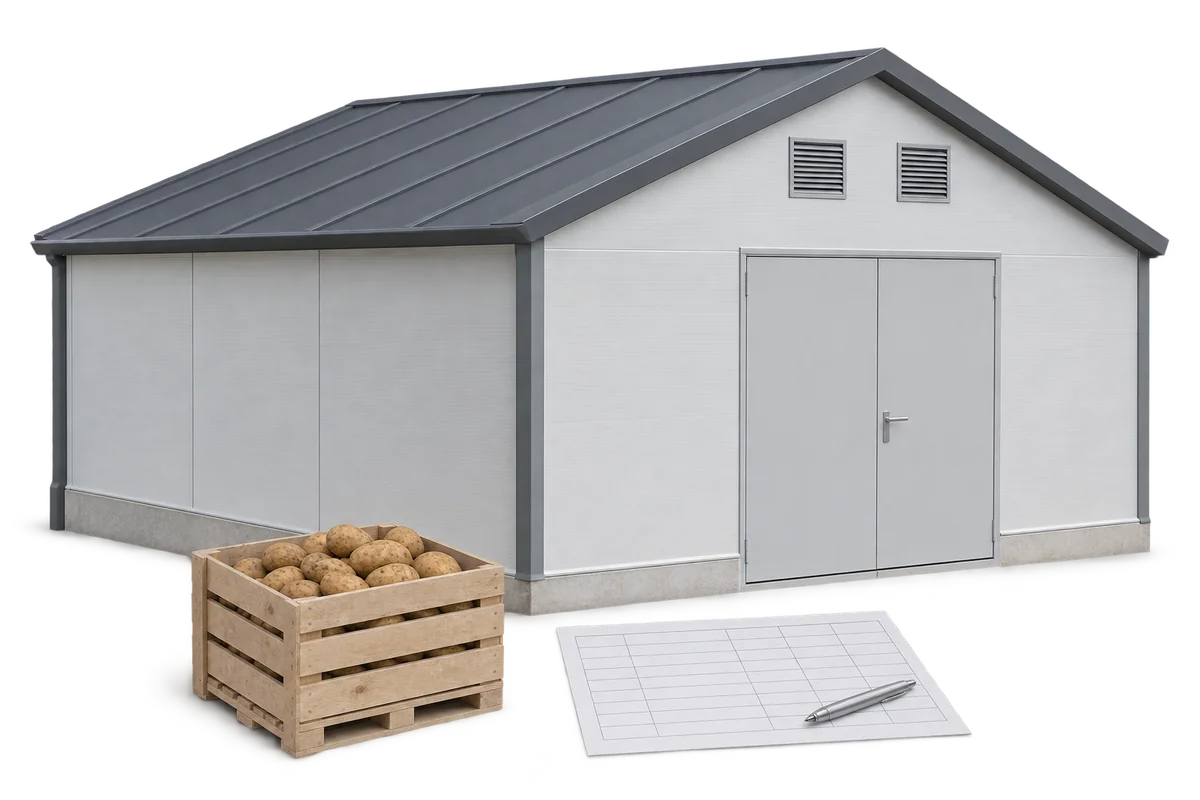
Harvest sets the deadline for work on a potato store. Allow time to assess the building, order materials, install them and test…
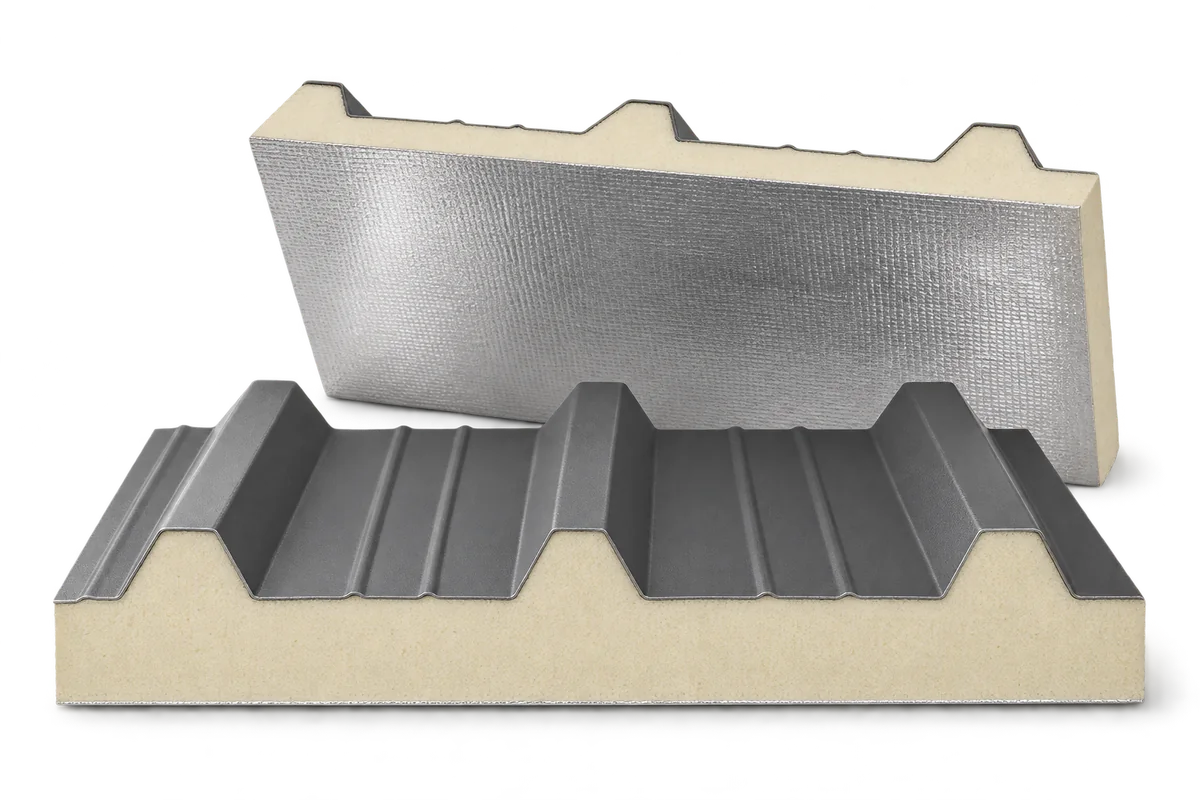
Renovating an old industrial building need not mean replacing it. Sandwich panels can provide a new outer skin and insulate the walls…