






What makes T18 and T35 trapezoidal-sheet installation easier?
Structure and installation
The regular profile helps with T18 and T35 trapezoidal-sheet installation, but efficient work starts before the sheets arrive. Accurate slope dimensions, prepared supports, a lifting plan and fasteners suited to the substrate are needed. Choose sheet length together with transport arrangements and overlap requirements rather than automatically ordering the longest sheet. This guide organises the stages from geometry checks and the first strips to joints, coating protection and detail inspection. It gives no universal support spacing or screw count, since these require product and design data. Instead, it identifies where preparation can reduce rework while preserving weatherproofing and durability.
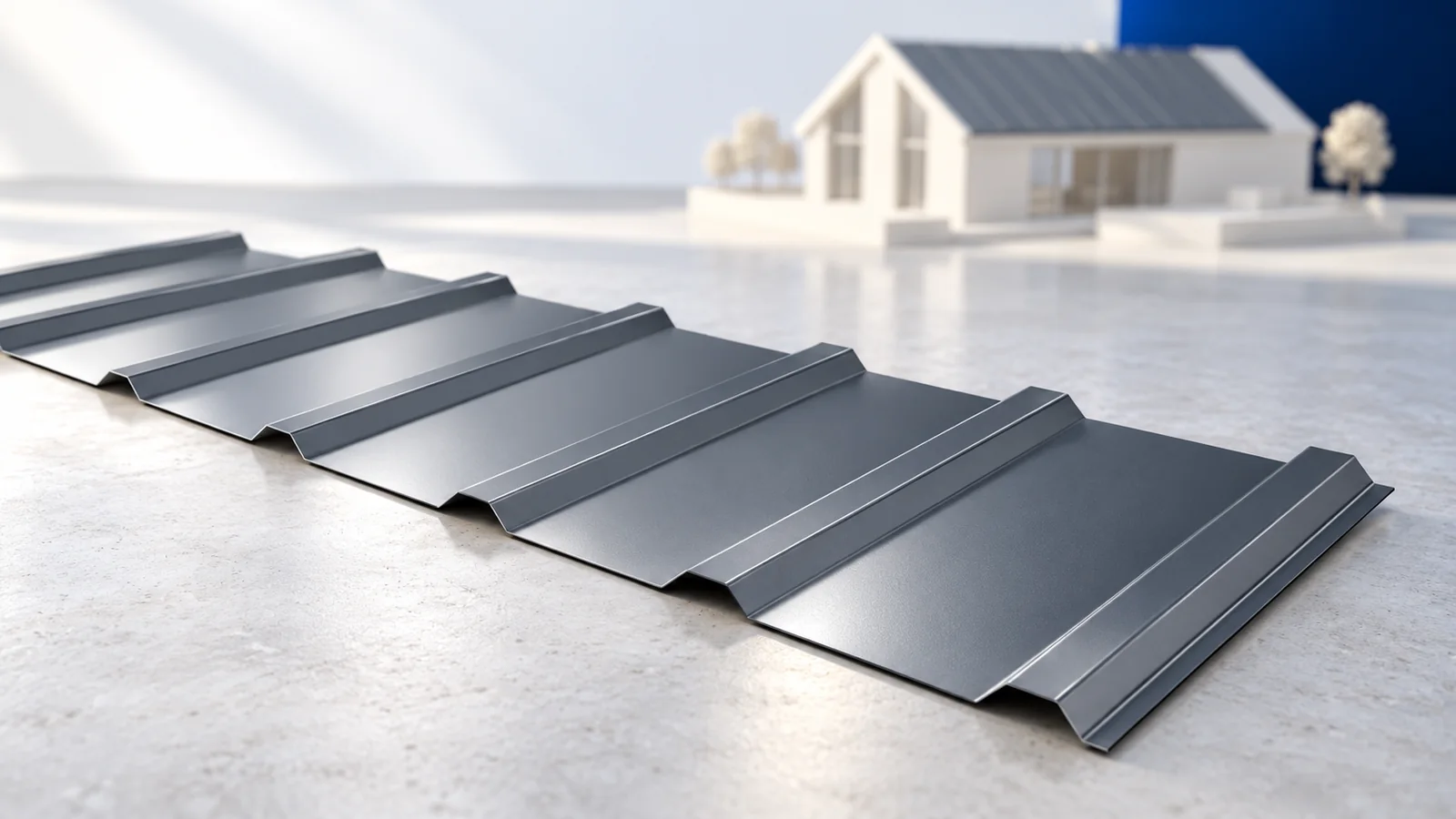
Why is the regular profile practical?
Longitudinal ribs allow sheets to be laid in parallel strips. Lengths selected within the product’s available limits may reduce cuts and end laps. Accurate measurement remains essential: regular profile geometry cannot correct a wrongly recorded slope length or diagonal.
Before counting strips, read the effective cover width for the selected T18 or T35. The same height designation does not mean identical geometry across manufacturers. Assuming an arbitrary width may reveal a material shortage only when completing the final roof strip.
How does preparing the supports improve workflow?
Check support spacing, width and alignment, together with diagonals and the eaves line. An uneven substrate forces repeated sheet adjustments and complicates laps. Correcting the cause before unloading is often more effective than trying to drive screws faster afterwards.
Spacing depends on the exact profile, thickness, span arrangement and loads. Use the relevant tables and design rather than generic advice for unspecified sheet metal. Agreeing these details early avoids rebuilding battens or purlins after the material has reached the roof.
When are long sheets helpful, and when are they awkward?
A sheet spanning the slope length removes an end joint at that location. It must still fall within permitted dimensions and be deliverable and liftable safely. Check access and site arrangements before ordering rather than treating maximum length as automatically convenient.
A long sheet is easier to distort if supported unevenly, and wind makes it harder to control. In some conditions, a shorter format is more practical despite an additional lap. Compare the complete installation method rather than only the number of pieces ordered.
Why prepare the correct fasteners in advance?
Timber screws, screws for steel supports and sheet-stitching fasteners have different jobs. Select them for the design and substrate and order them with the covering. Preparing quantities beforehand reduces the temptation to replace missing items with unsuitable screws.
Edge zones may have greater wind-related requirements, so an average screw count per metre cannot replace the designed fixing pattern. Check perpendicular insertion and washer compression. Correct tool settings help avoid both loose joints and excessive compression.
Why are the first sheets especially important?
Establish an eaves reference line and check the first sheets before final fixing. A small initial skew accumulates across later strips. Correct alignment when a discrepancy appears rather than stretching laps to hide it at the far end of the slope.
The side lap must match the cross-section, grooves and sheet orientation. End laps depend on pitch and instructions, including sealing requirements. Do not transfer one remembered dimension from a previous project to every profile and situation.
How can coating damage be avoided?
Prepare storage and cutting areas and use approved cold-cutting tools. Remove swarf promptly. Do not drag sheets over each other or rough surfaces; preventing a scratch is preferable to trying to repair damaged coating later.
Remove protective film within the period stated in the instructions. If a pack becomes wet, arrange drying rather than leaving moisture trapped between sheets. Delivery and storage organisation affect covering quality before installation starts.
How should the complete workflow be organised?
Set the laying sequence, sheet schedule, flashings, drainage and roof penetrations. Plan safe lifting and inspection before sensitive details are covered. A missing detail can prevent completion even when most of the roof has already been sheeted.
The regular trapezoidal shape helps when preparation is sound. At handover, assess alignment, joints and coating condition rather than screw-driving speed. Careful installation reduces later rework and supports roof maintenance in subsequent seasons.

Free quote
What to include in your enquiry
Tell us how you plan to use the material, the dimensions and the quantity you need. Include the thickness, grade or variant name, along with the delivery town or your preferred collection branch. For a specific product, add its name or a link to the product page. We will reply to the email address you provide to discuss availability and the terms of your order.

More from the building guide
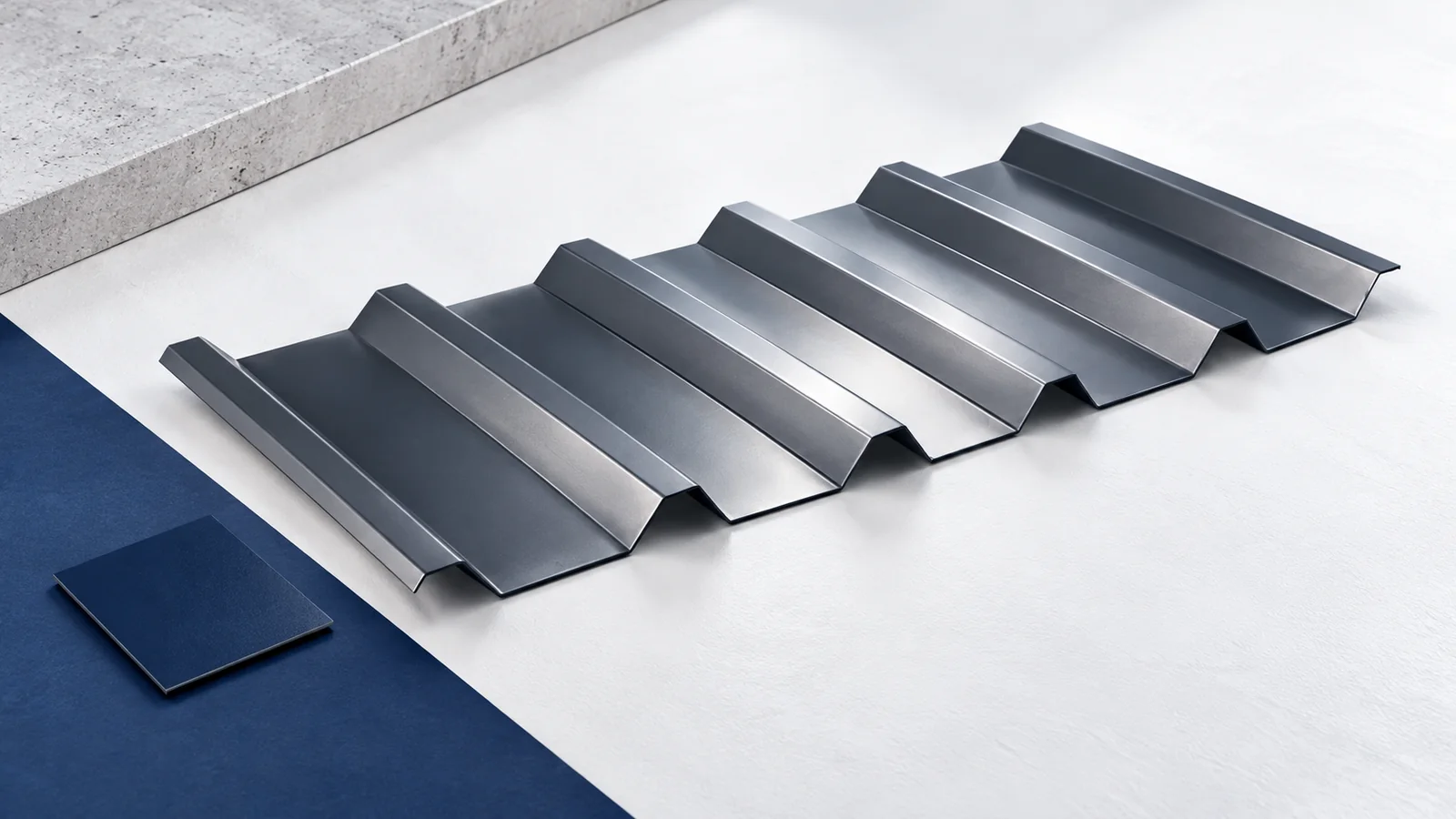
T35 trapezoidal steel sheet has a nominal profile height of about 35 mm, but that designation alone is insufficient for ordering a…
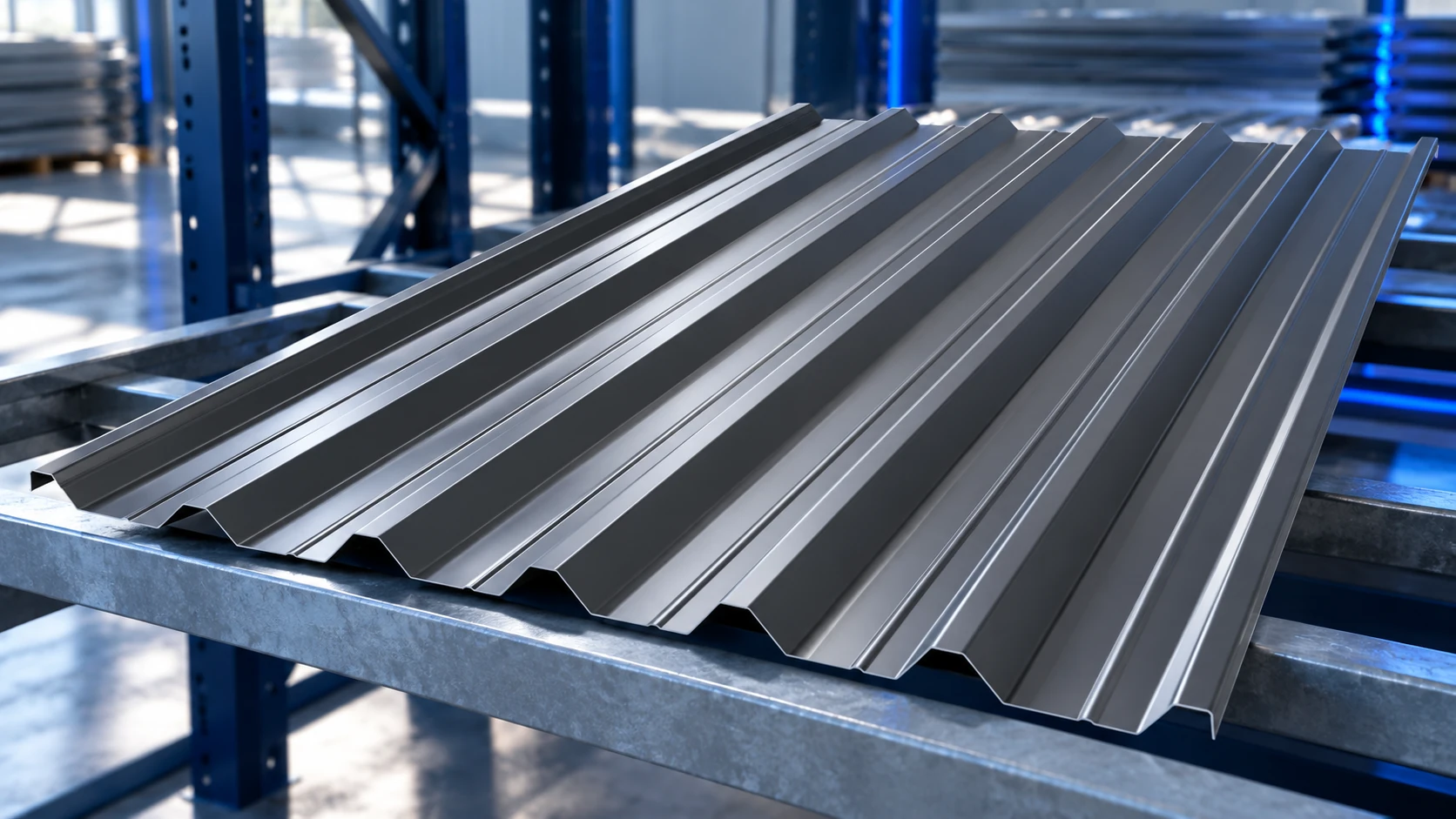
Choosing trapezoidal steel roofing starts with the roof: its pitch, supports, loads and intended use. Those requirements determine a suitable profile and…
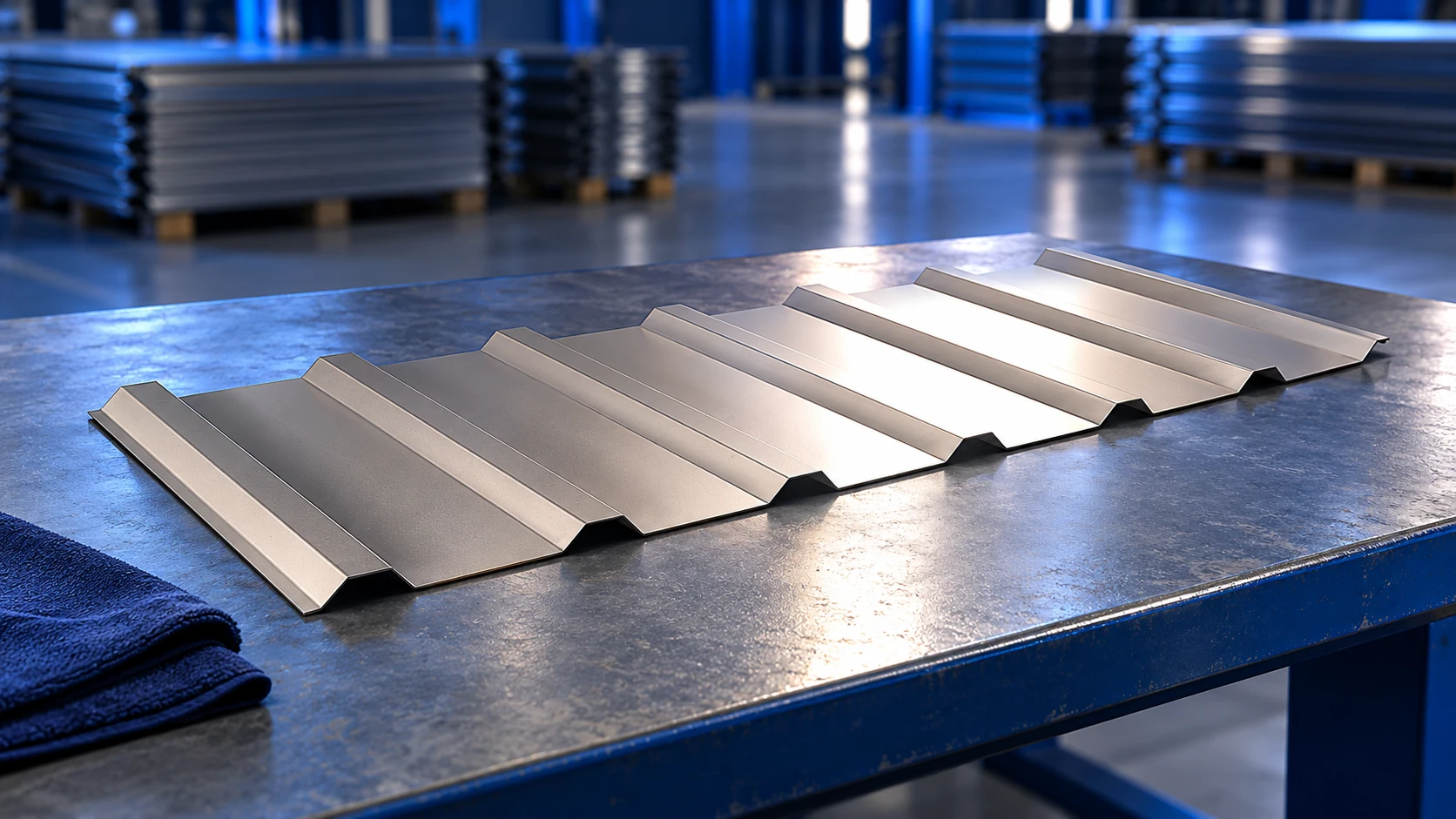
Second-grade trapezoidal steel sheet may cost less, but the actual batch needs assessment. The label can cover very different deviations: a scratch,…
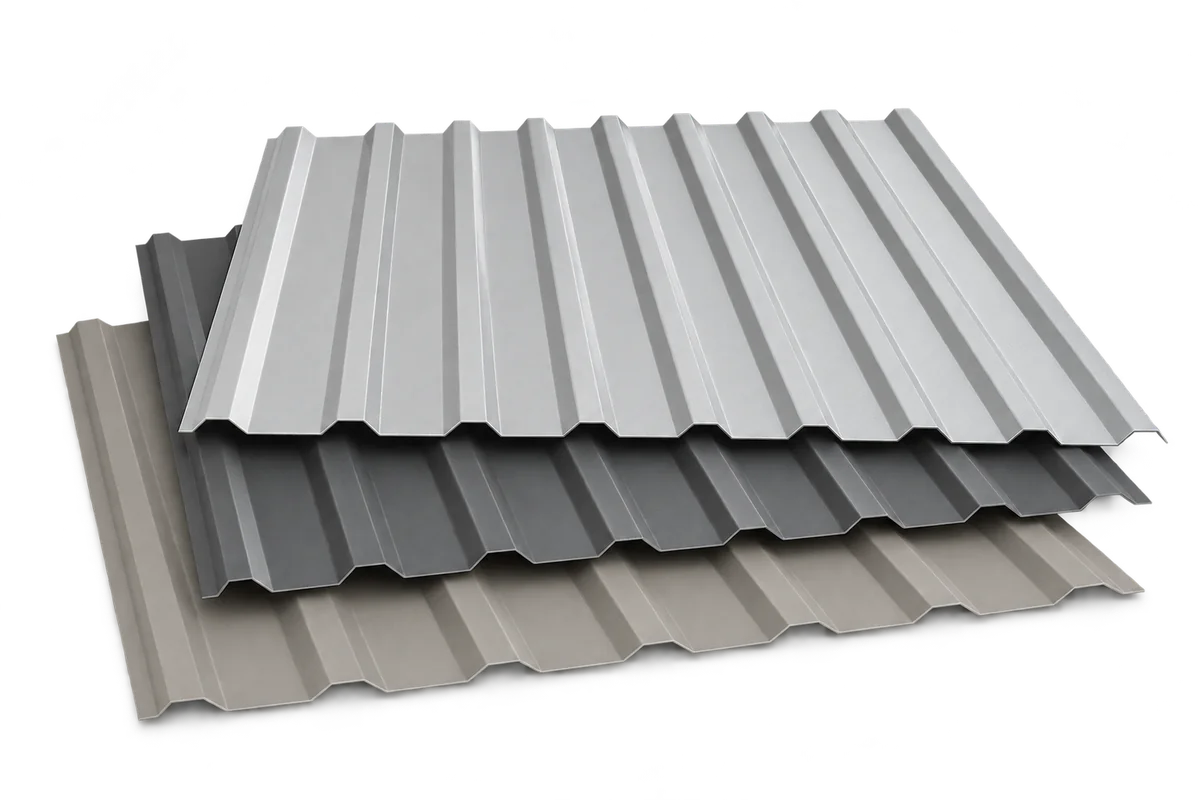
Trapezoidal steel sheets can quickly enclose a roof or facade once the supporting structure is ready. The sheets are lightweight, come in…
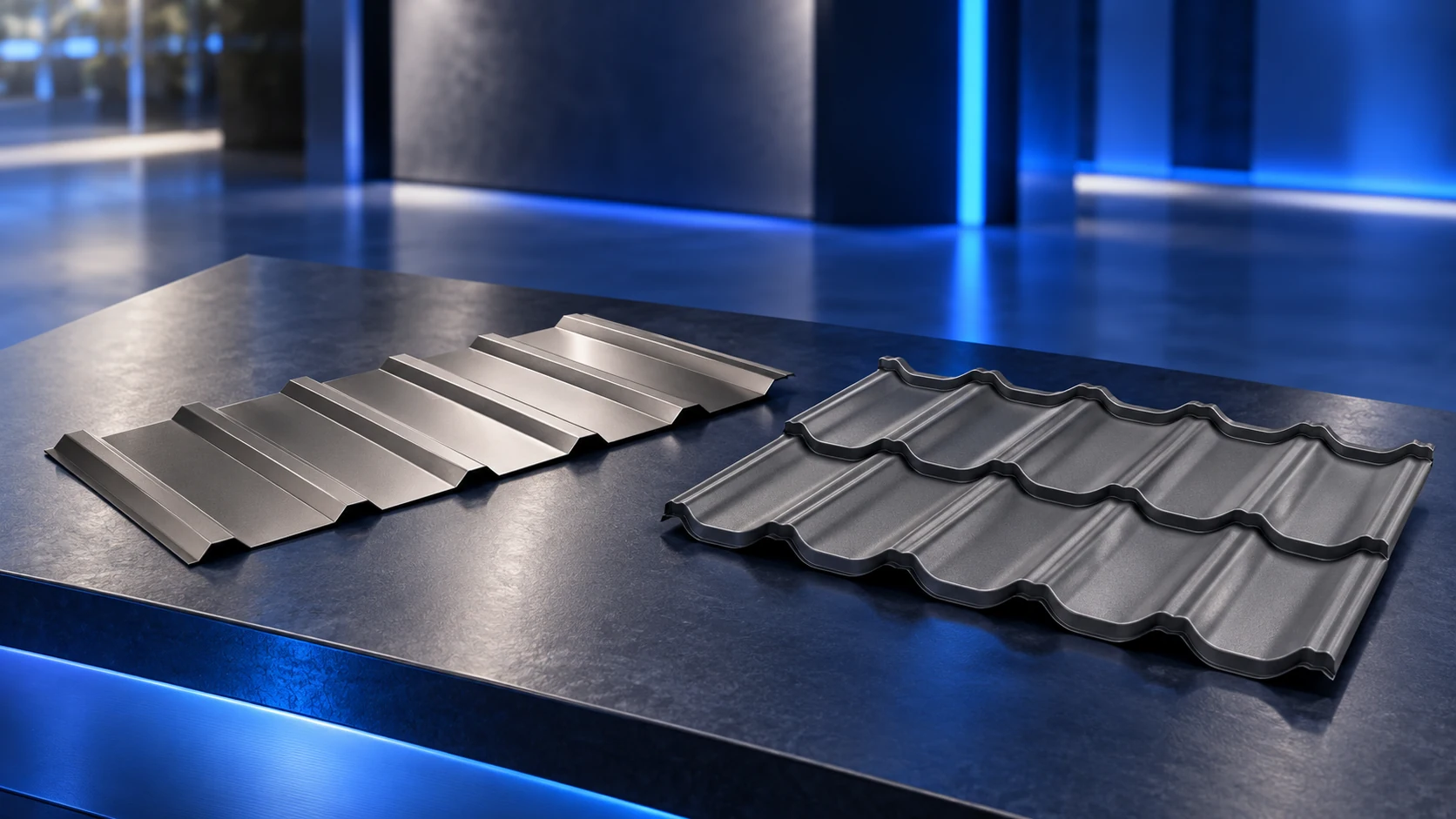
Both steel tile-effect sheets and trapezoidal profiles can form a reliable roof when they suit the design and are installed correctly. Tile-effect…
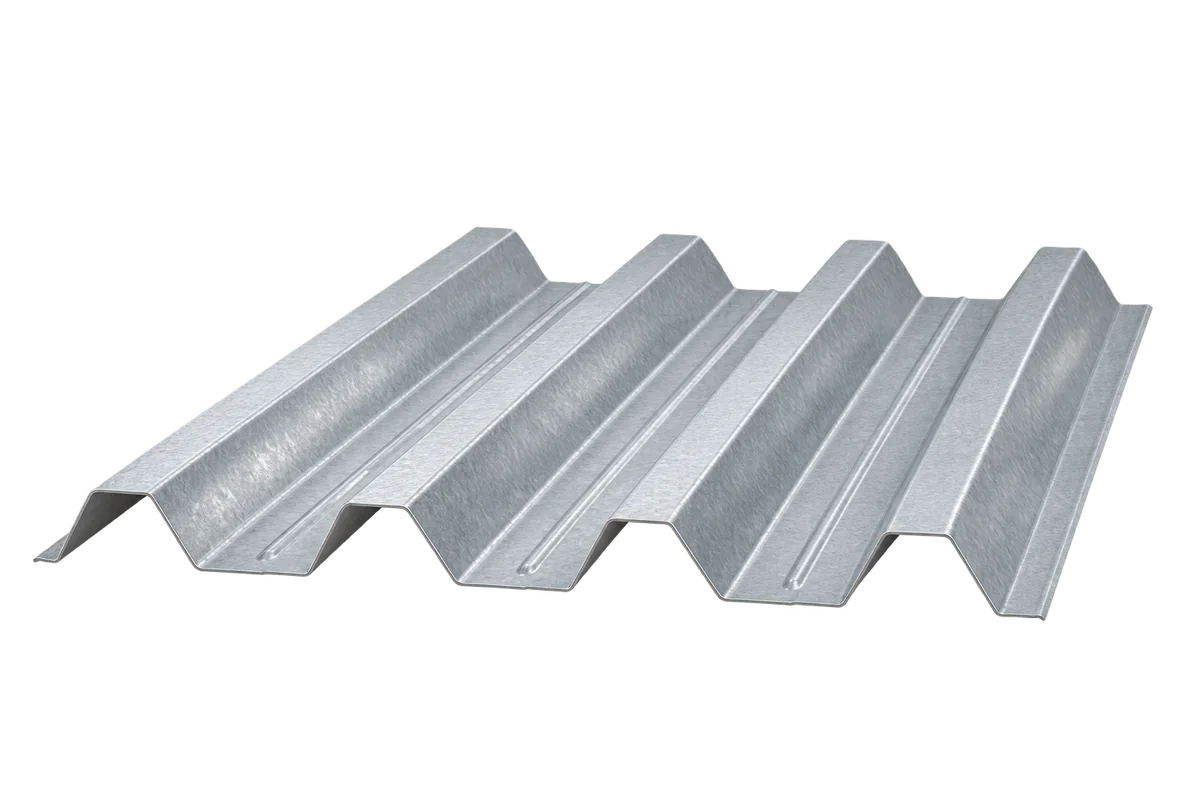
Structural trapezoidal steel decking provides a lightweight load-bearing base for industrial and warehouse roofs. It covers large areas quickly, but rib depth…
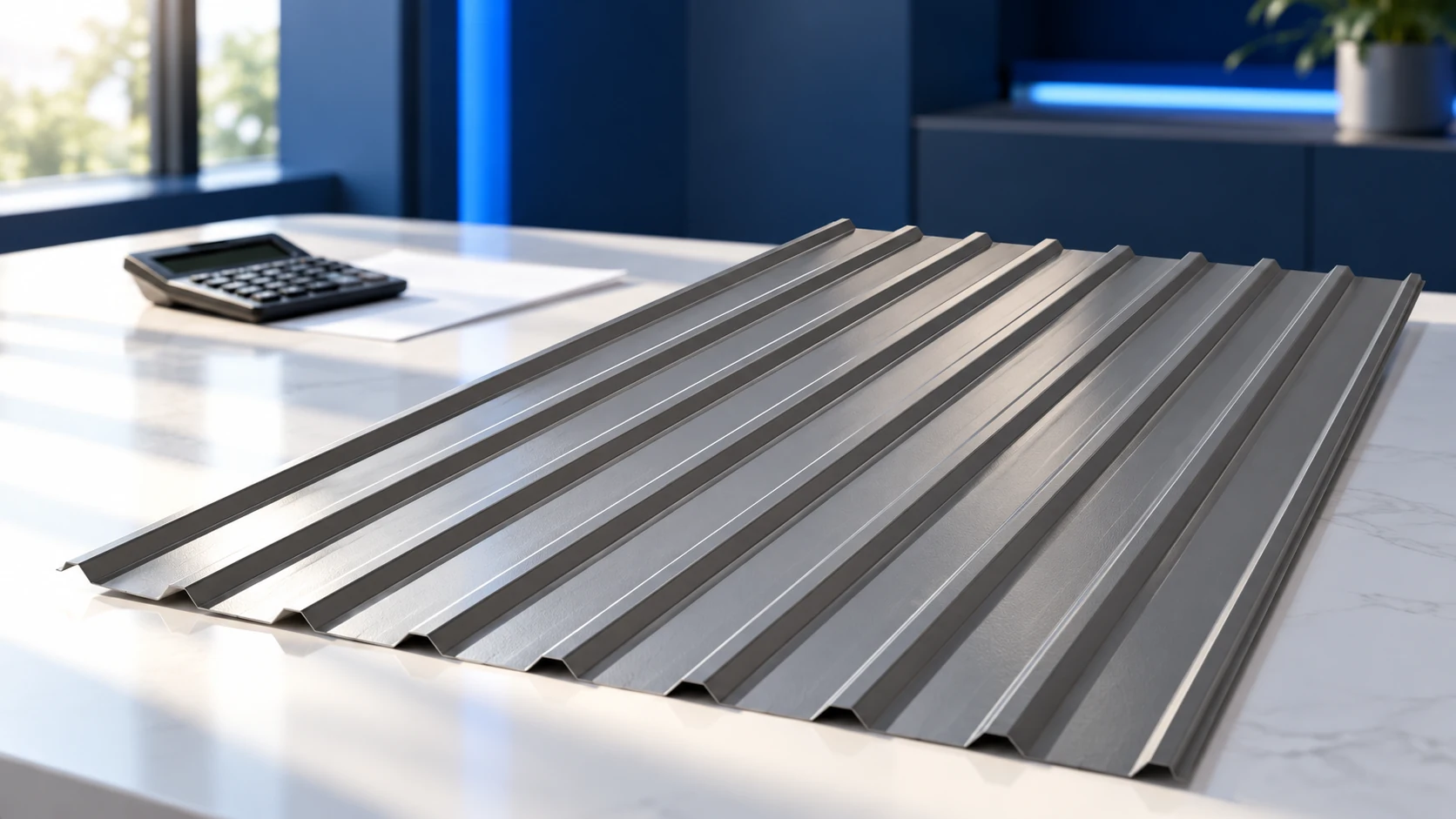
The price of a square metre of trapezoidal steel sheet depends on its profile, thickness and coating, but also on the area…
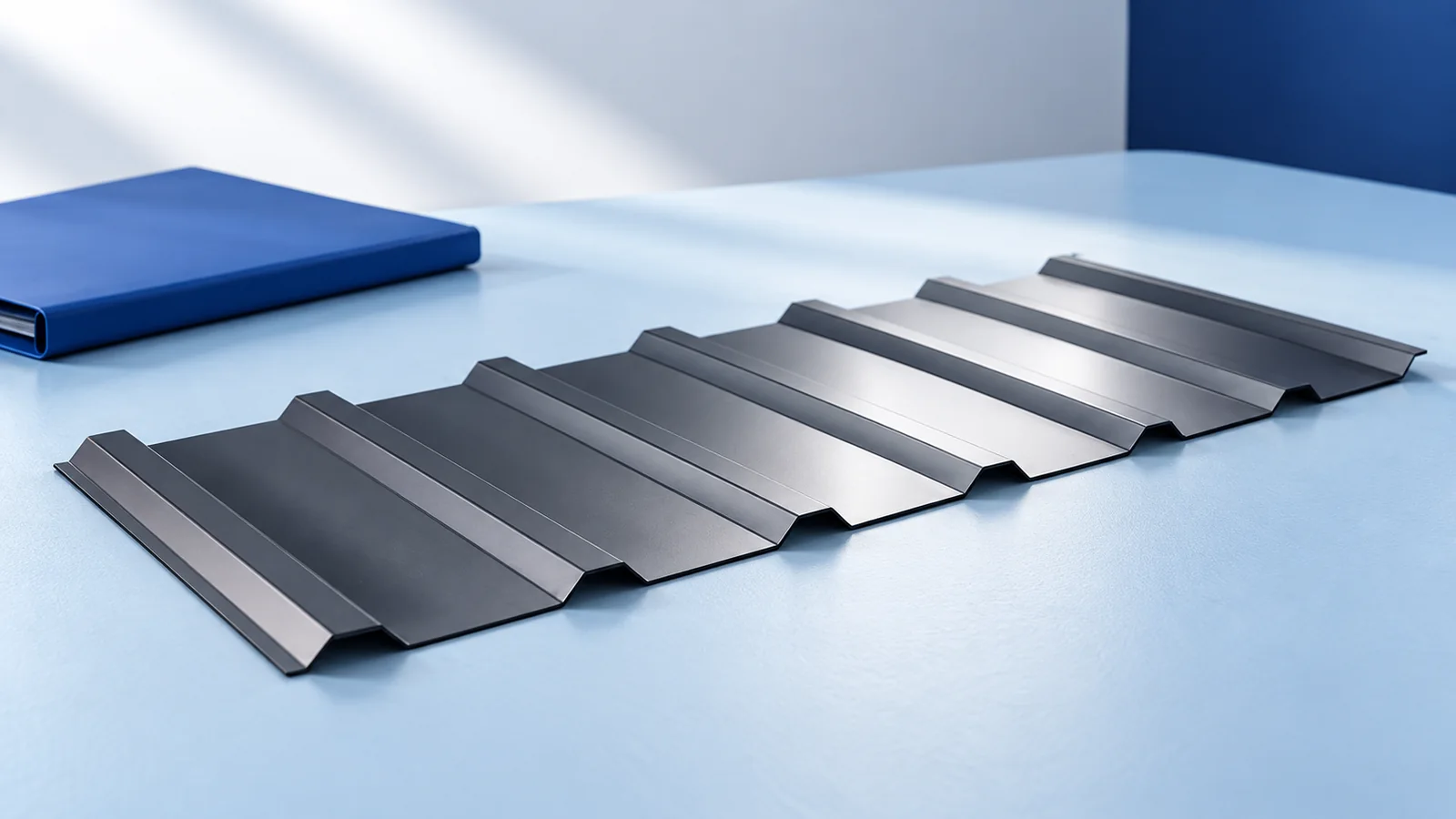
A trapezoidal-sheet designation starts product identification; it is not a complete specification. T18 and T35 usually refer to nominal profile height, but…