






Reading T18, T35 and other trapezoidal-sheet designations
Roof coverings
A trapezoidal-sheet designation starts product identification; it is not a complete specification. T18 and T35 usually refer to nominal profile height, but do not independently define steel thickness, effective cover width or permissible support spacing. Purchasing material or repairing an existing roof requires the particular manufacturer’s cross-section drawing. This guide distinguishes height from thickness, explains additional numbers and shows how coverage changes after overlaps. It also describes why similarly named sheets may not fit together. The final ordering checklist covers application, coating, lengths and pricing unit, helping you compare offers on more than the abbreviation in the product name.
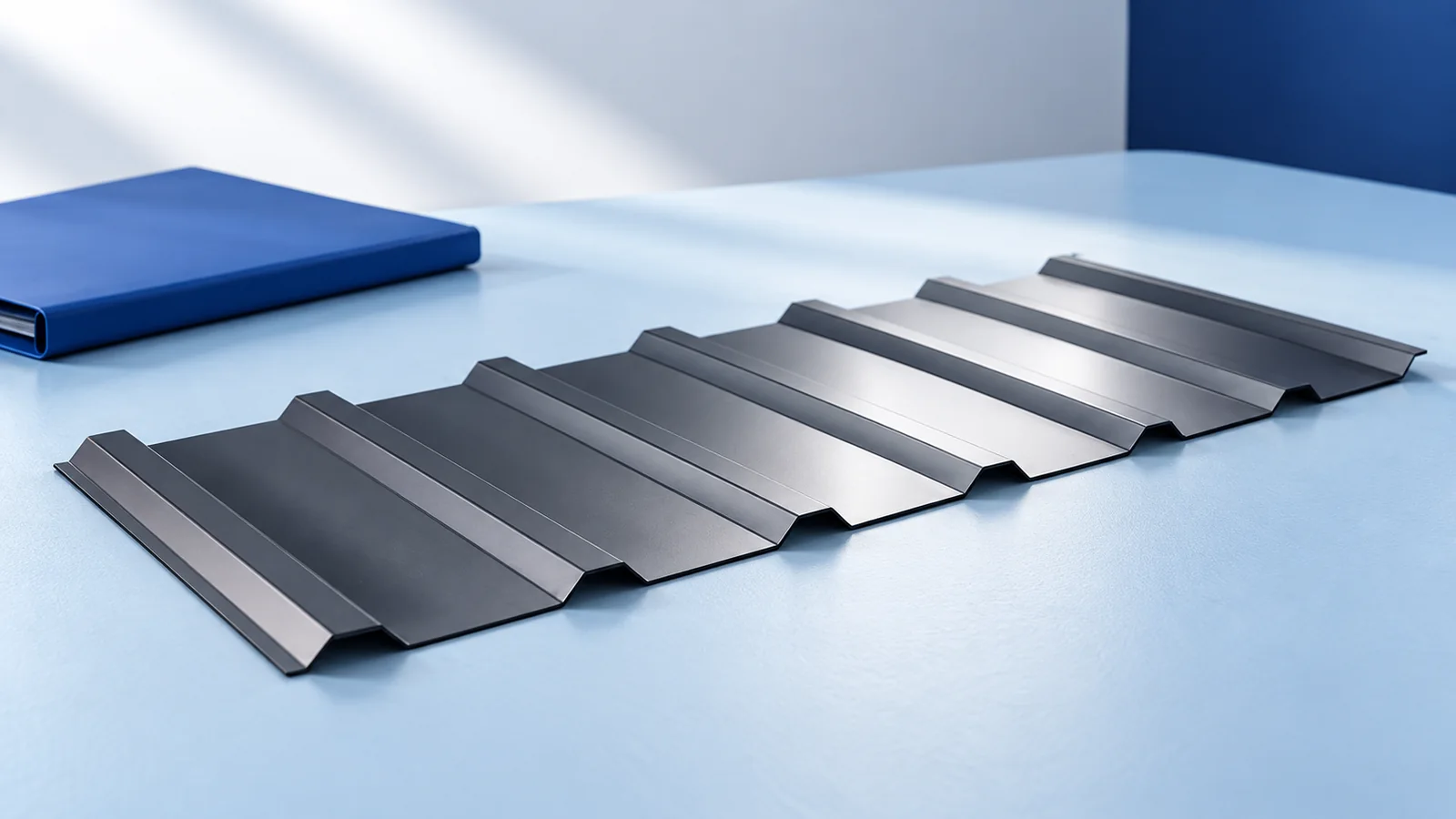
What do the letter T and the number usually mean?
In a typical designation, T identifies a trapezoidal profile and the number its nominal height in millimetres. This is not a universal geometry code across the market. After identifying the name, consult the product sheet for the actual cross-section and dimensions.
A 35 mm profile height and 0.50 mm sheet thickness describe different features: the formed rib and the sheet material respectively. State both in an enquiry, since confusing them prevents a meaningful assessment of price and product performance.
Why might two T18 sheets not fit together?
Manufacturers may use different flange widths, rib spacing and side-lap geometry. An effective cover width of 1100 mm is not the same as 1128 mm, and overall width is another dimension. These differences matter particularly when adding new sheets to an existing covering.
Use a sample or measured cross-section for matching rather than a top-view photograph alone. Compare grooves and lap orientation too. Forcing almost matching sheets together can deform the metal and compromise the joint instead of resolving dimensional differences.
What do additional numbers in the name indicate?
An extended designation may include height, profile pitch and effective cover width, but the order depends on the manufacturer. Do not infer its meaning from a similar listing. Match the name to a technical drawing identifying the dimension represented by each number.
For example, 18/157/1100 may describe height, spacing and coverage rather than the ordered sheet length. Length must then be specified separately. Before payment, obtain a written specification with units so the shortened designation does not replace the actual order details.
How do you identify roofing and façade applications?
Extra letters sometimes indicate application, but their meaning is not consistent across brands. Check the decorative face, drawing and water-shedding lap detail. Simply turning over a façade sheet does not establish its suitability as a roof covering.
Distinguish lightweight cladding from high-profile structural decking supporting roof layers. Structural decking has its own load tables and support conditions. Do not assign that role to T35 merely because it feels stiffer than a lower profile when handled.
Which dimensions determine the quantity required?
Use effective width after the side lap to calculate covered area. With 1.10 m cover width, a 3 m sheet provides 3.30 m² before any end lap. The portion of overall width covered by the neighbouring sheet does not add to that figure.
If pricing uses gross sheet area, convert the cost to effective coverage. A price per linear metre requires the effective width. Compare schedules of sheet lengths and quantities alongside covered area, rather than a single figure without a defined pricing unit.
How should thickness, steel grade and coating be read?
Read thickness from the documentation for the exact variant. Steel grade concerns the substrate, while coating concerns its protection. Gloss or matt describes the finish, not a load class. A colour number alone does not define resistance in a particular exposure environment either.
Performance checks require a table matching thickness, support arrangement and load direction, including deflection assessment. T18/0.5 does not contain all those conditions and should not by itself determine batten or purlin spacing.
What belongs in an unambiguous order?
Combine the full profile designation with application, thickness, coating, colour and decorative face. Add lengths, quantities, effective coverage and pricing unit. If anti-condensation fleece is required, specify it as an additional feature rather than assuming every sheet includes it.
Keep the technical sheet and cross-section drawing with the delivery record. “Graphite trapezoidal sheet” is insufficient when the covering needs extending years later. A complete specification helps check the delivery and identify a genuinely compatible product in future.

Free quote
What to include in your enquiry
Tell us how you plan to use the material, the dimensions and the quantity you need. Include the thickness, grade or variant name, along with the delivery town or your preferred collection branch. For a specific product, add its name or a link to the product page. We will reply to the email address you provide to discuss availability and the terms of your order.
More from the building guide
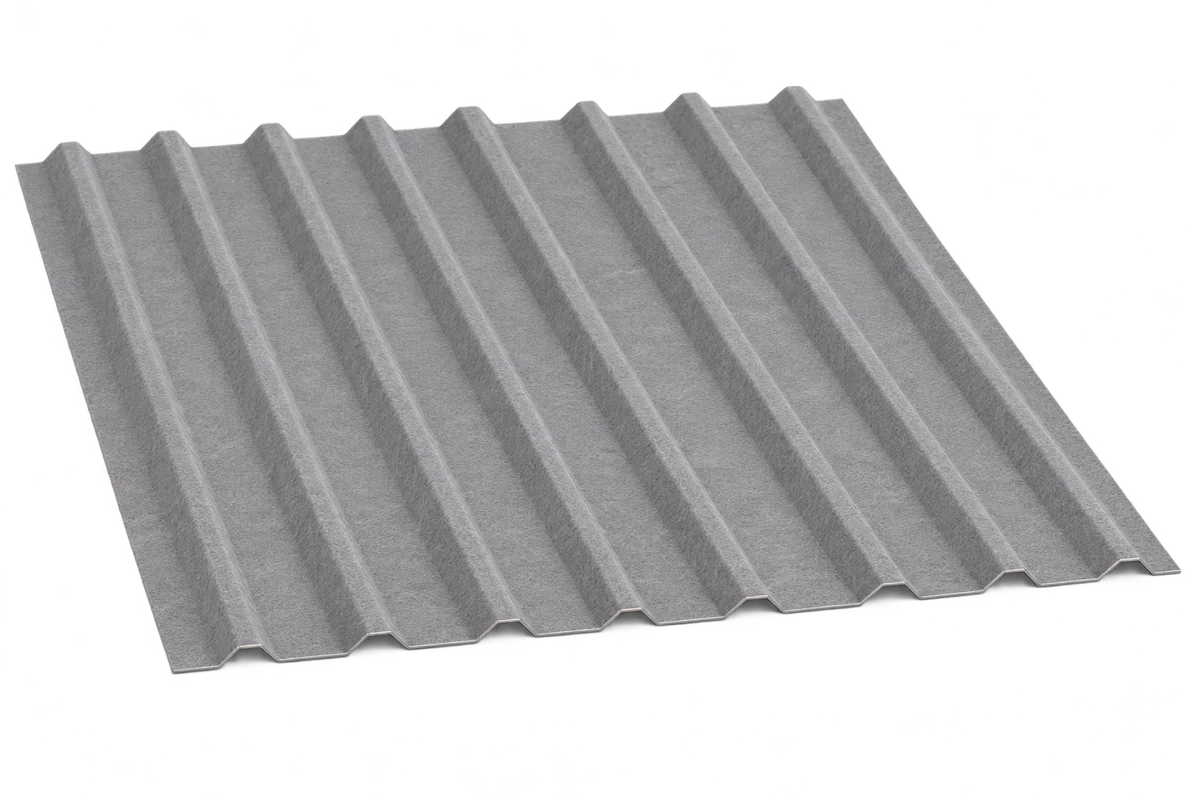
A factory-applied fleece on the underside of trapezoidal steel sheeting can temporarily hold condensation and may affect how the roof sounds. For…
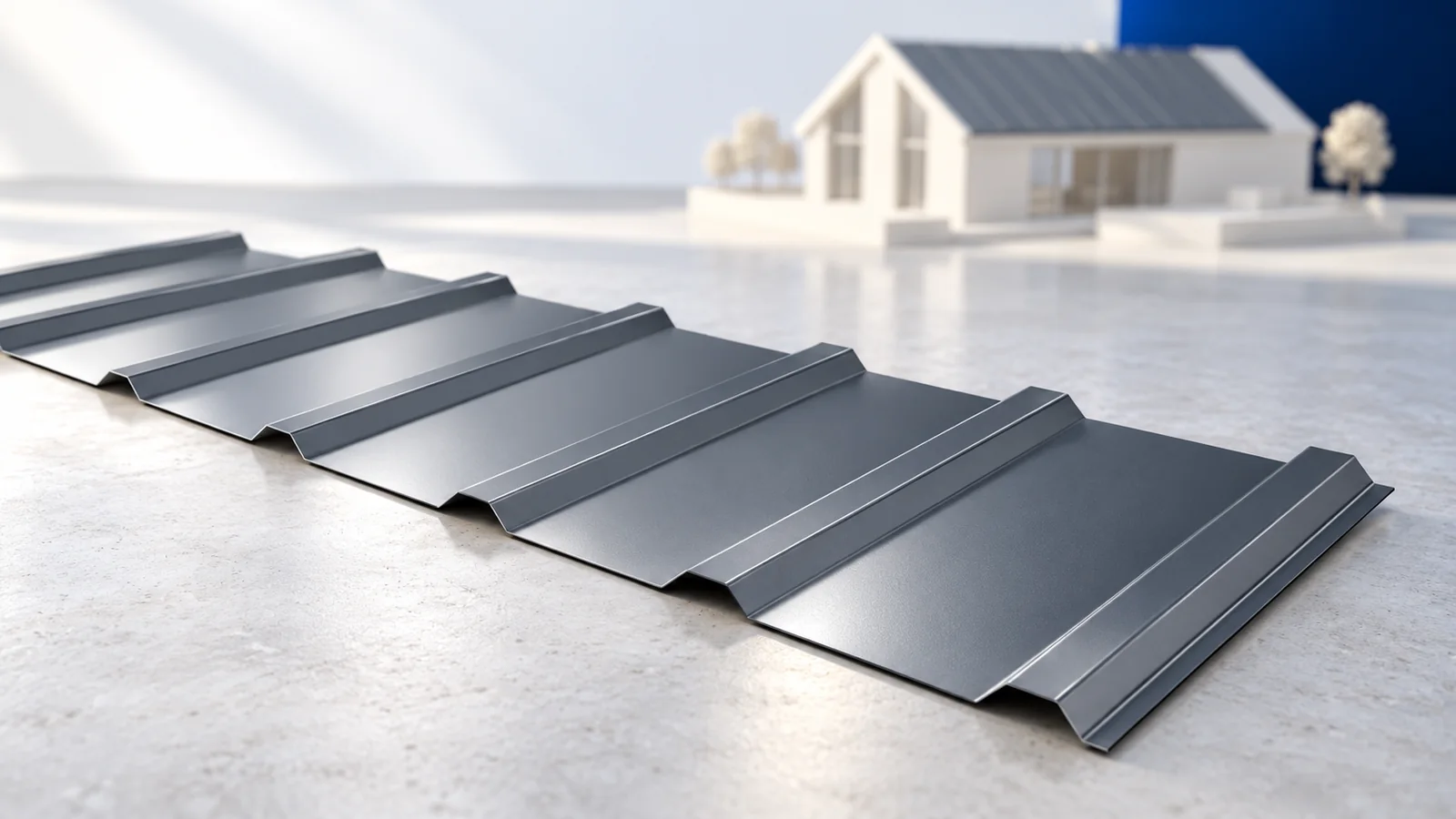
The regular profile helps with T18 and T35 trapezoidal-sheet installation, but efficient work starts before the sheets arrive. Accurate slope dimensions, prepared…
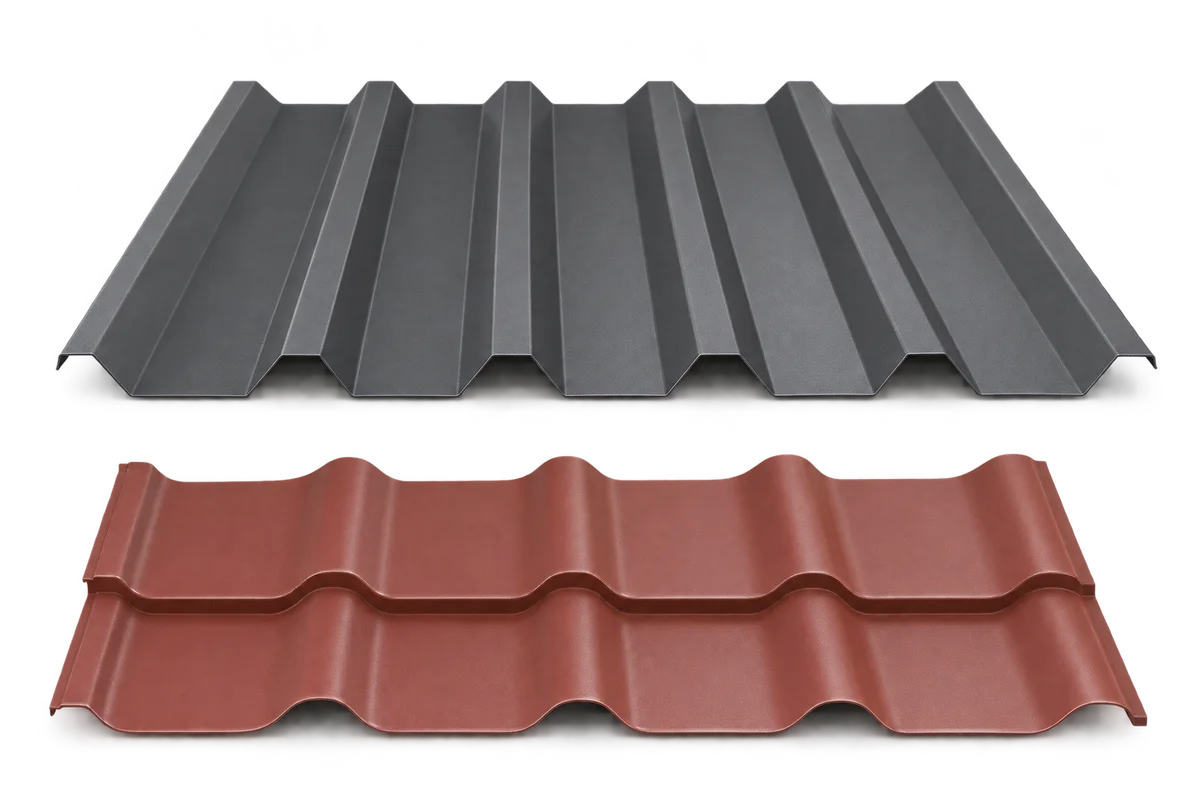
Choosing metal roofing for a house with a narrow access route means checking the delivery journey as well as the roof covering.…
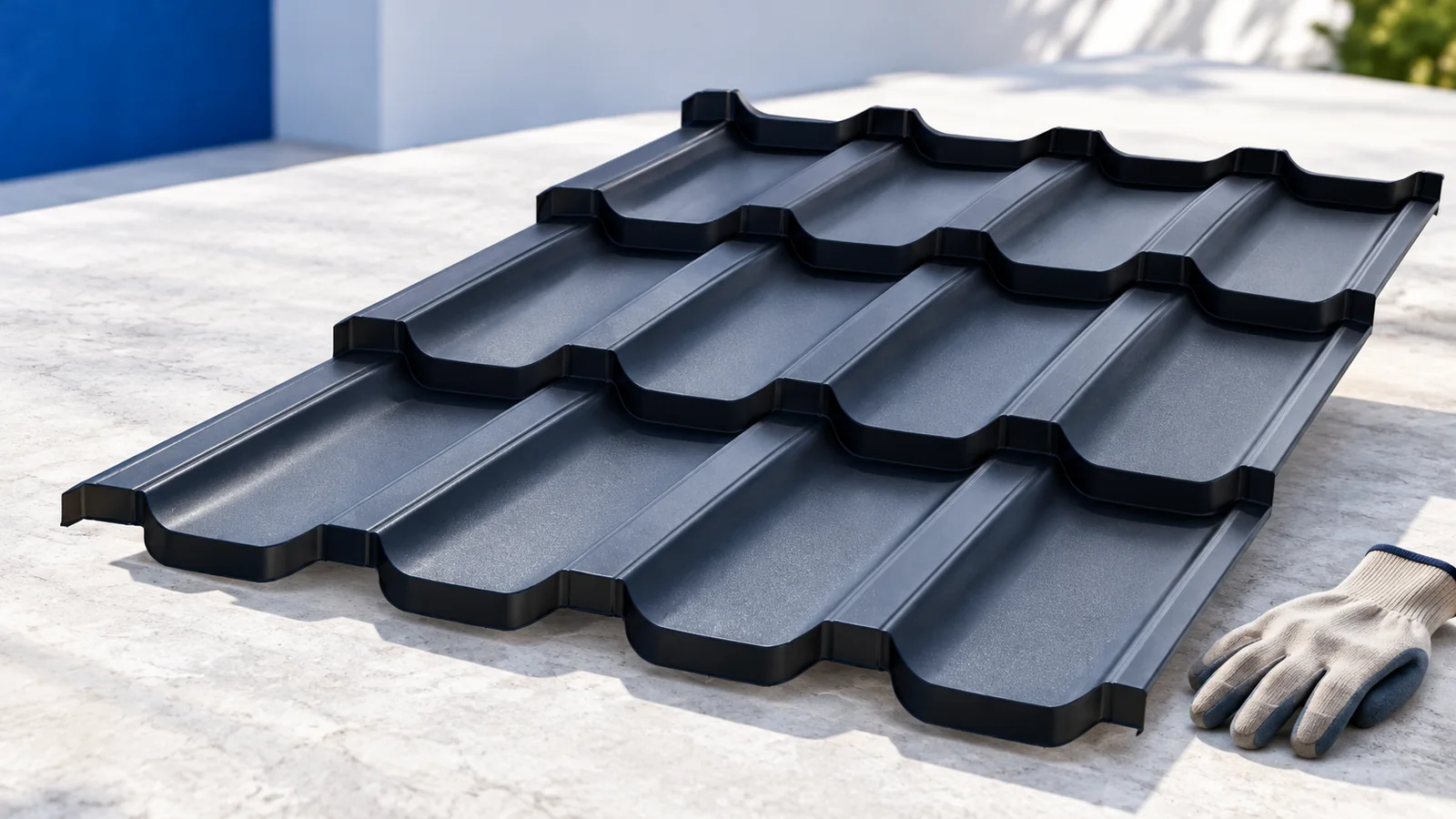
Choose a holiday cabin roof around its structure, pitch and intended use. A building visited in summer needs a different roof build-up…
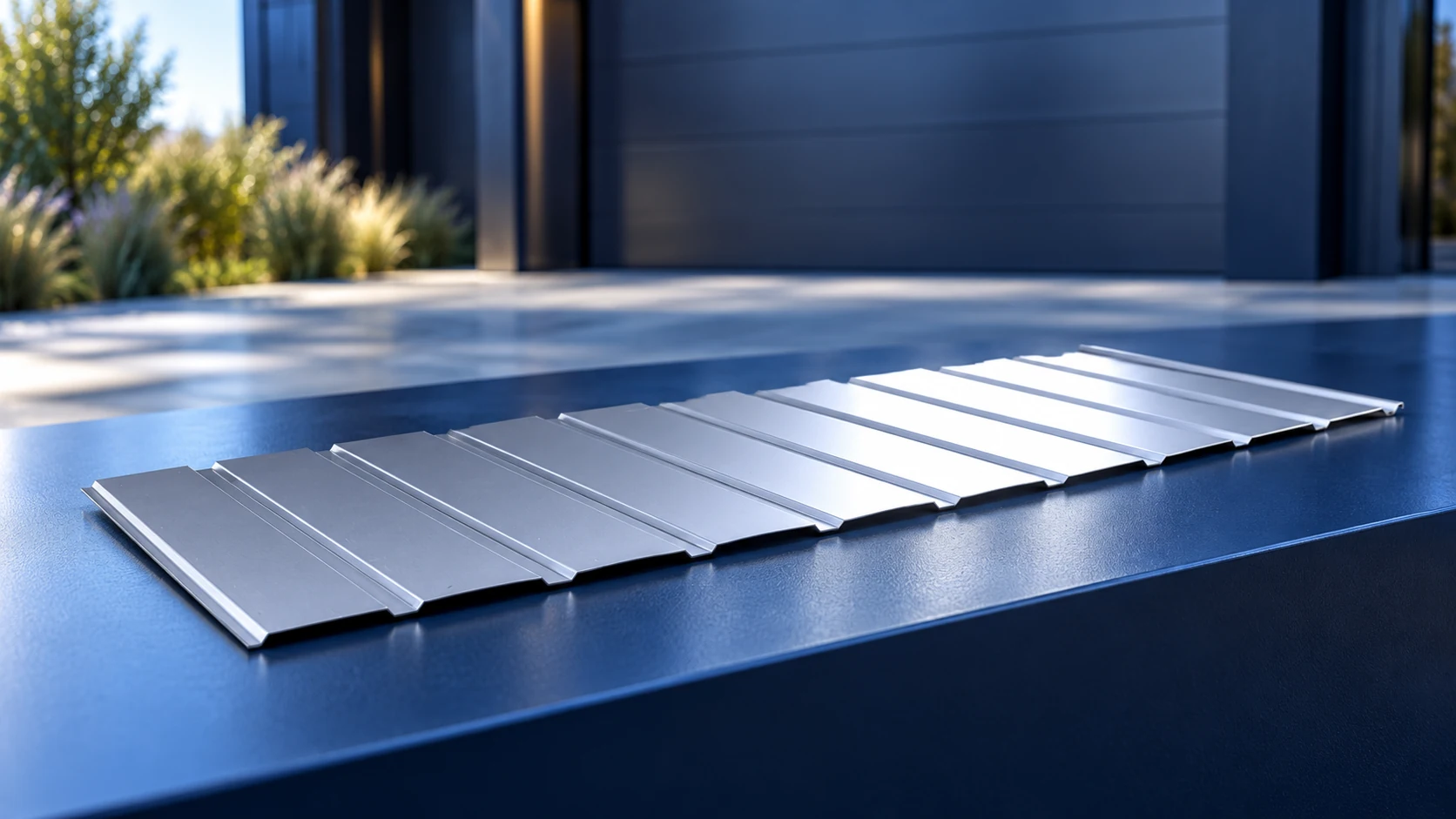
T7 is a very shallow trapezoidal sheet profile. One wall-cladding version is 7 mm high, covers 1175 mm and measures 1197 mm…
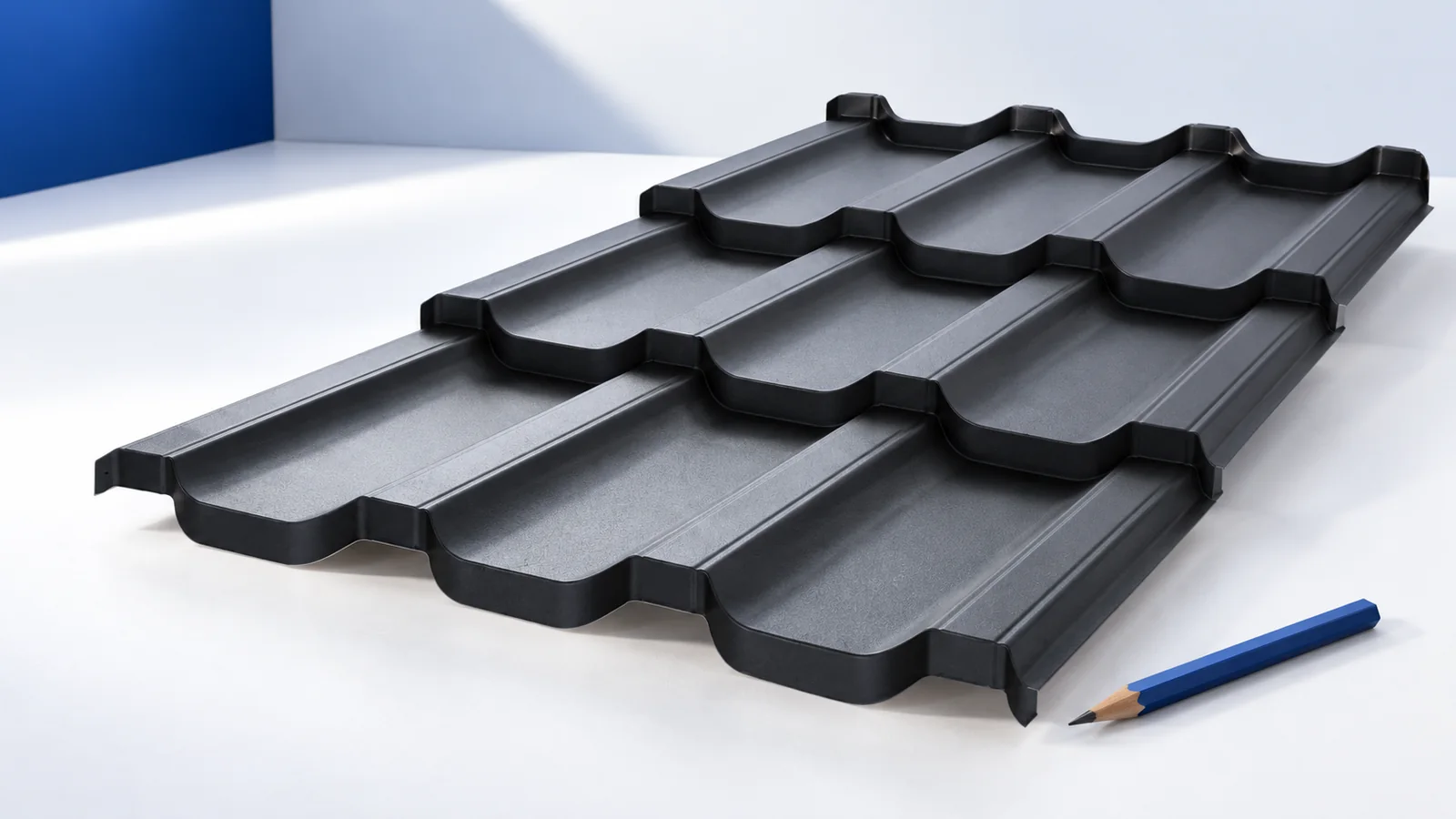
Choose a garage covering after establishing its operating temperature, roof geometry and supports. Single-skin trapezoidal sheets, metal roof tiles and insulated roof…
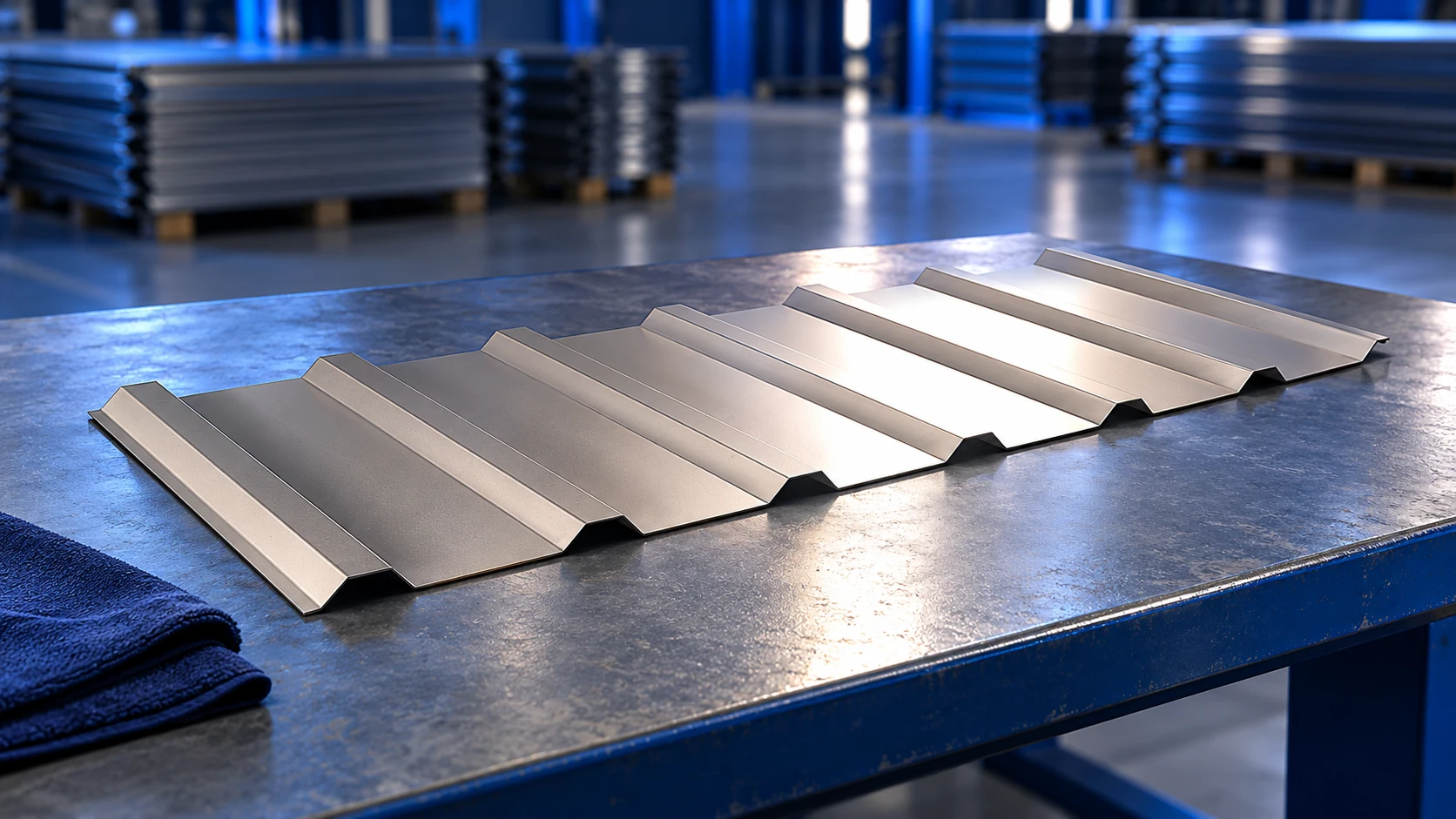
Second-grade trapezoidal steel sheet may cost less, but the actual batch needs assessment. The label can cover very different deviations: a scratch,…
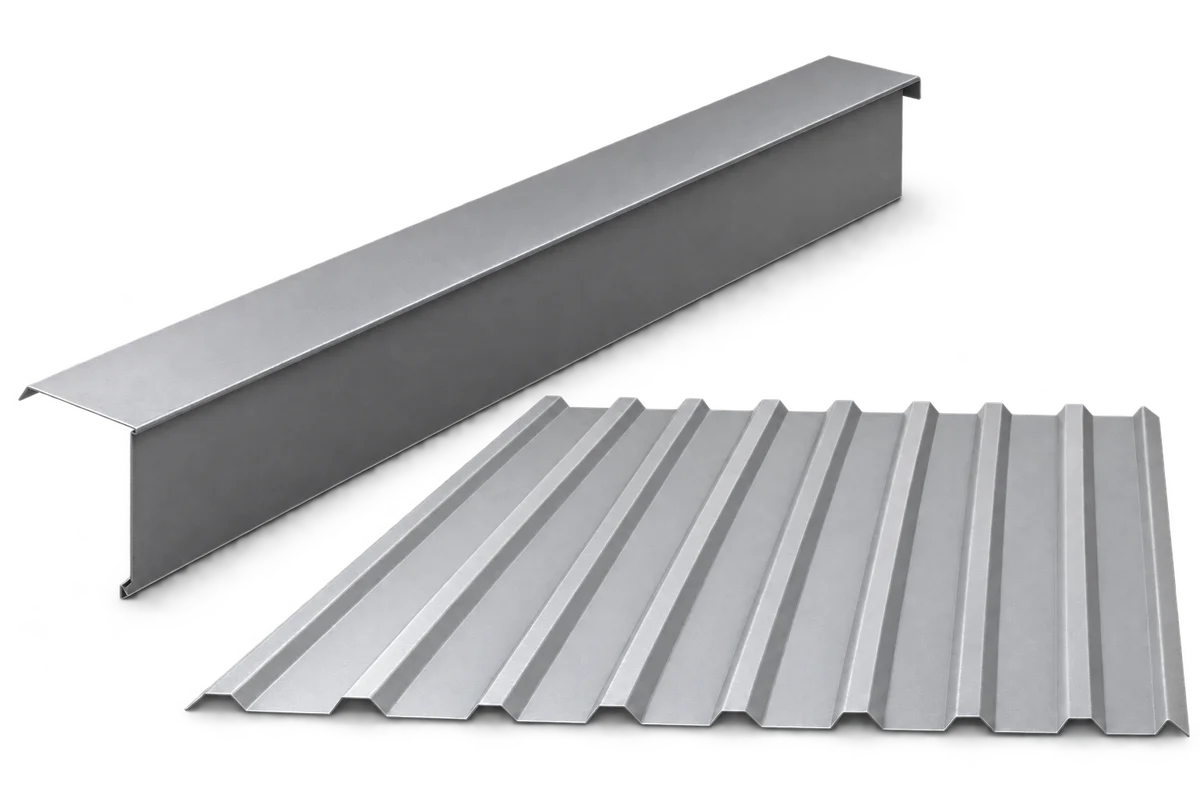
Order custom verge flashing for a house refurbishment from a drawing of the finished section and a detail agreed with the roofer.…