






Installing solar panels on a roof? Read the roof covering instructions first
Roofing and energy
The instructions for your roof covering tell you where PV mounts may be fitted, how to seal penetrations and how to protect coated sheet metal during installation. This matters on metal roof tiles, trapezoidal steel sheets and sandwich panels alike. Read the instructions alongside the photovoltaic system design and the warranty terms. First identify the covering, its manufacturer, the thickness of the particular product and how it is fastened. Metal tile sheets, trapezoidal sheets and sandwich panels transfer loads differently and can have different permitted fixing zones. Purchase records and roof drawings can help identify what is actually on your roof.
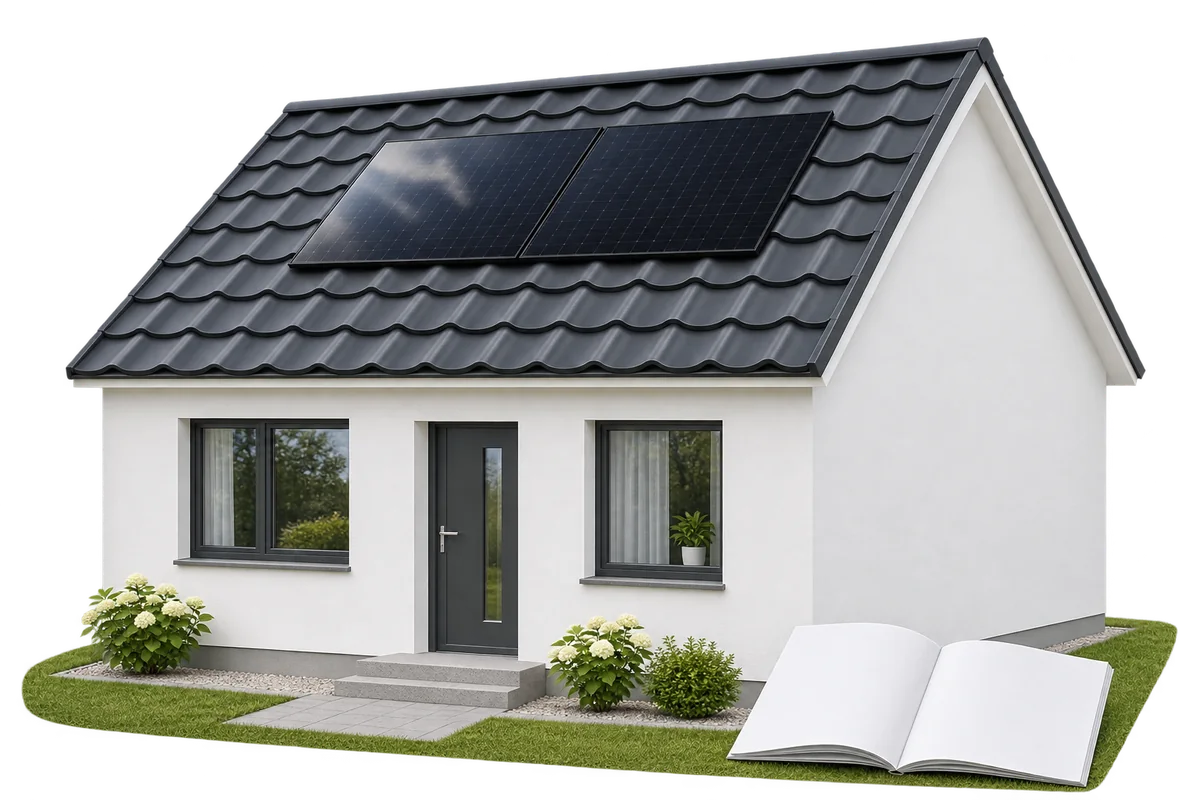
Where should you start when assessing an existing roof?
Check the coating, joints, flashings and substrate. If the roof needs repairs, plan them before the modules are installed. A later repair may mean removing part of the array. Allow for access to chimneys, roof outlets, gutters and inspection points. If records are missing, the profile designation cannot be reliably identified from a photograph alone. The covering may need to be measured and identified on site before a mounting system is selected and alterations are assessed.
Which fixing details matter most?
Read the roof covering instructions together with the mounting system documentation. Check the substrate, sheet thickness, permitted fixing area and anchorage method. The screw count on a neighbouring building is no basis for the design. Fixing spacing depends in part on wind loads, roof geometry and the zones near the edges of the roof.
Some systems transfer loads through the sheeting. Others use brackets anchored to the supporting structure. Confirm that the proposed system suits the application and assess the existing fixings holding the roof covering in place. Even new sheets need to be checked for adequate load-bearing capacity before an array is installed.
What else matters besides sealing the hole?
A roof penetration must remain watertight as temperatures change and the structure moves. Use the specified sealing washer and connection detail. Applying an arbitrary sealant over a screw cannot take their place. Follow the instructions for gasket selection, compression and bracket geometry. Excessive tightening may deform components and impair the seal.
With sandwich panels, protect the core and maintain continuity of the seals. In a built-up roof, pay attention to penetrations through the airtight layer on the inside. Hidden leaks can allow moisture into the insulation. A roof that stays dry in the first shower still needs its connections checked.
How can the coating be protected during installation?
Use tools and cutting methods approved by the supplier for coated sheet. Hot swarf can damage the coating, and metal particles left on the roof can become corrosion sites. Remove drill swarf as instructed. Protect the surface from sharp edges and avoid dragging mounting rails across the roof.
Check that materials touching the roof covering are compatible. Contact between different metals, contamination and trapped water can accelerate corrosion. Use cleaning agents suitable for the coating. If damage occurs, agree on a repair method before handover. A scratch remains vulnerable to corrosion even when a module covers it.
How do the instructions relate to the warranty?
Warranty terms may specify permitted mounting systems, prior approval and inspection requirements. Read the warranty for the product and coating actually purchased. A general web page may differ from the terms that applied on the purchase date. Check which edition of the installation instructions was used for the design.
If the documents do not cover a particular connection, request written clarification from the warranty provider and the mounting supplier. Include the covering specification, a drawing of the bracket and the proposed anchorage. A reply addressing those details is more informative than a general assurance. The installer’s own statement cannot extend another party’s warranty.
What records should you keep after installation?
Keep the module layout, fixing specifications, instructions and handover record. Photograph connections before they are covered. Record who is responsible for the roof, the PV installation and the interface between them. Agree how leaks should be reported and how service personnel can reach the roof. These records will help trace the cause of a later fault.
Use the records to set inspection dates, identify the connections to check and specify permitted maintenance methods. The long-term performance of a rooftop PV installation depends on a mounting design compatible with the covering, careful installation and ongoing maintenance.

Free quote
What to include in your enquiry
Tell us how you plan to use the material, the dimensions and the quantity you need. Include the thickness, grade or variant name, along with the delivery town or your preferred collection branch. For a specific product, add its name or a link to the product page. We will reply to the email address you provide to discuss availability and the terms of your order.
More from the building guide
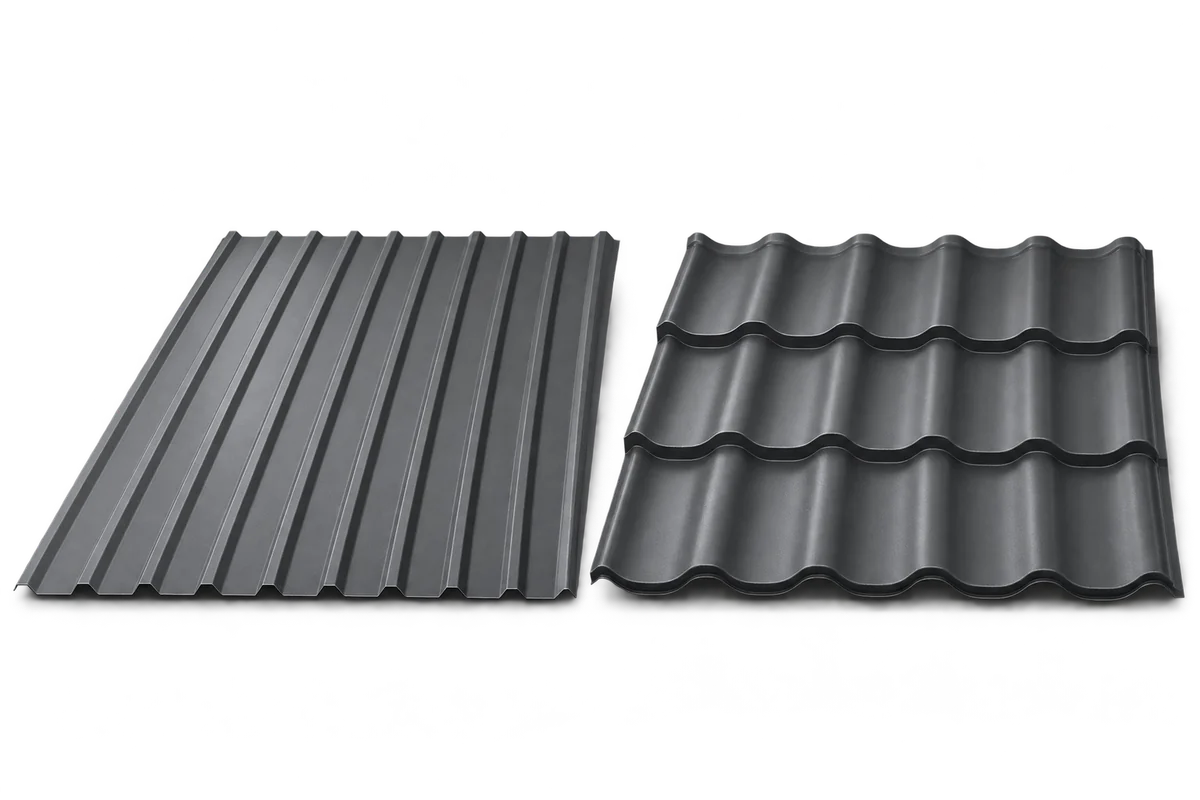
Metal roof tiles suit traditional houses, while trapezoidal sheets create a simpler roofline. Check the roof pitch, support spacing, protective coating and…
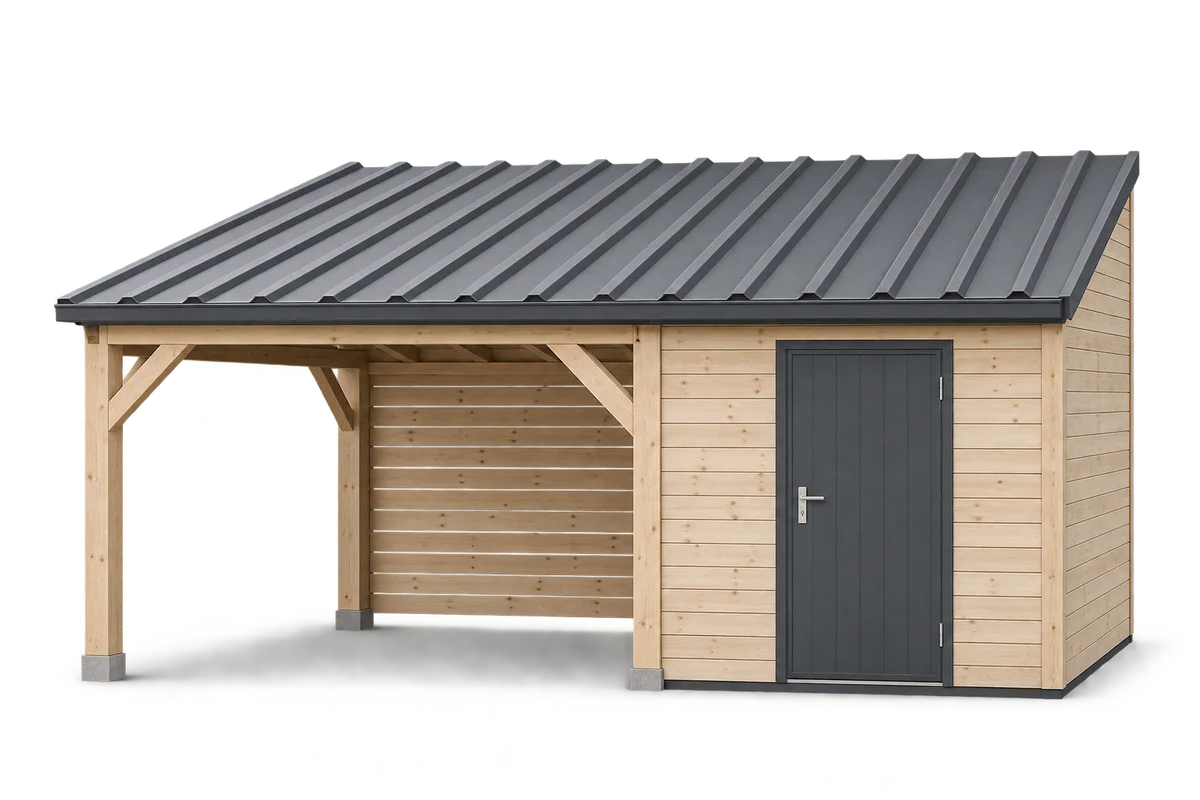
Start planning a carport with a tool store by listing the equipment and the routes people use every day. A mower, bicycles,…
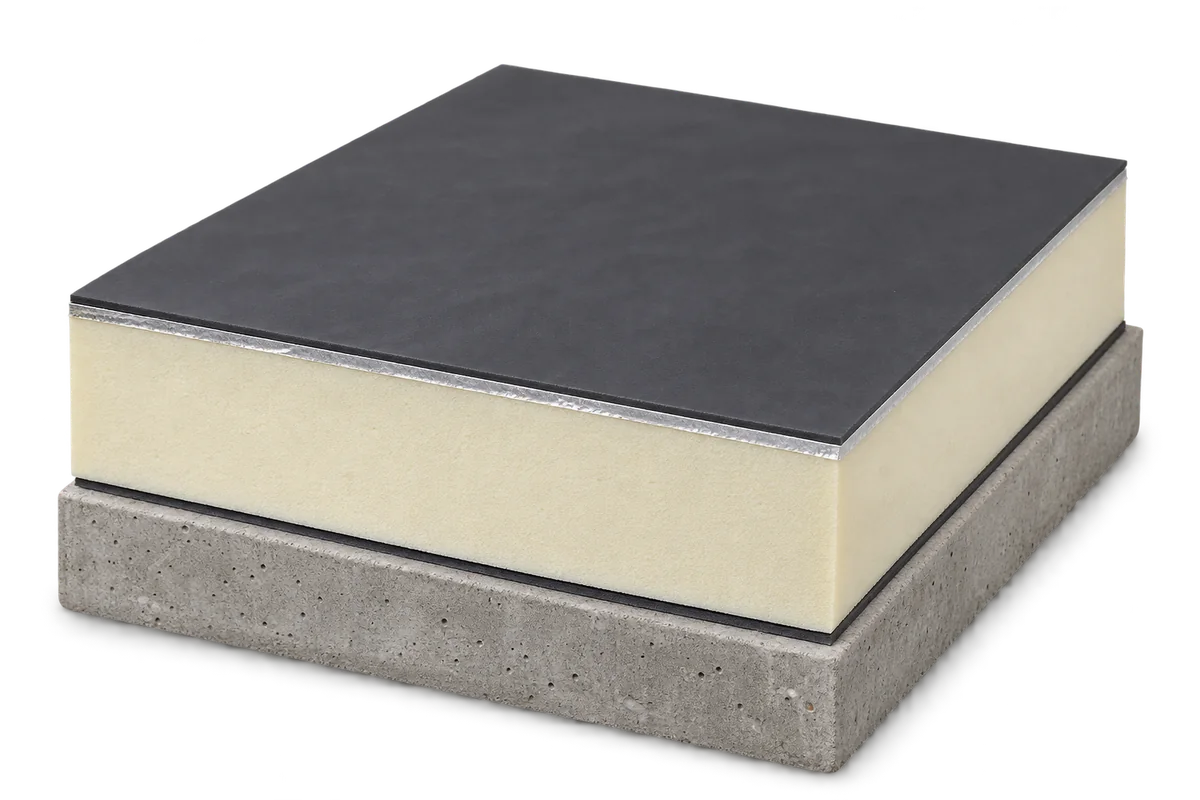
A flat roof consists of several layers that work together. The structure carries the loads, insulation reduces heat loss and waterproofing keeps…
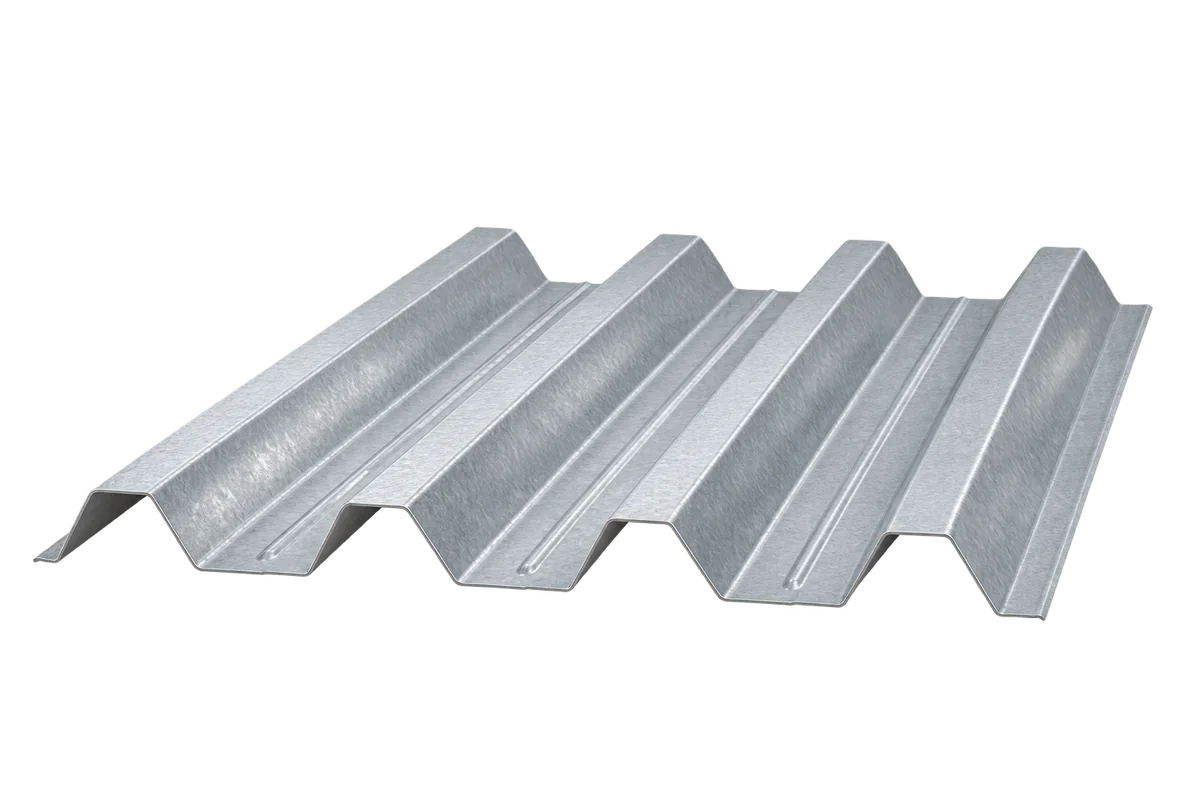
Structural trapezoidal steel decking provides a lightweight load-bearing base for industrial and warehouse roofs. It covers large areas quickly, but rib depth…
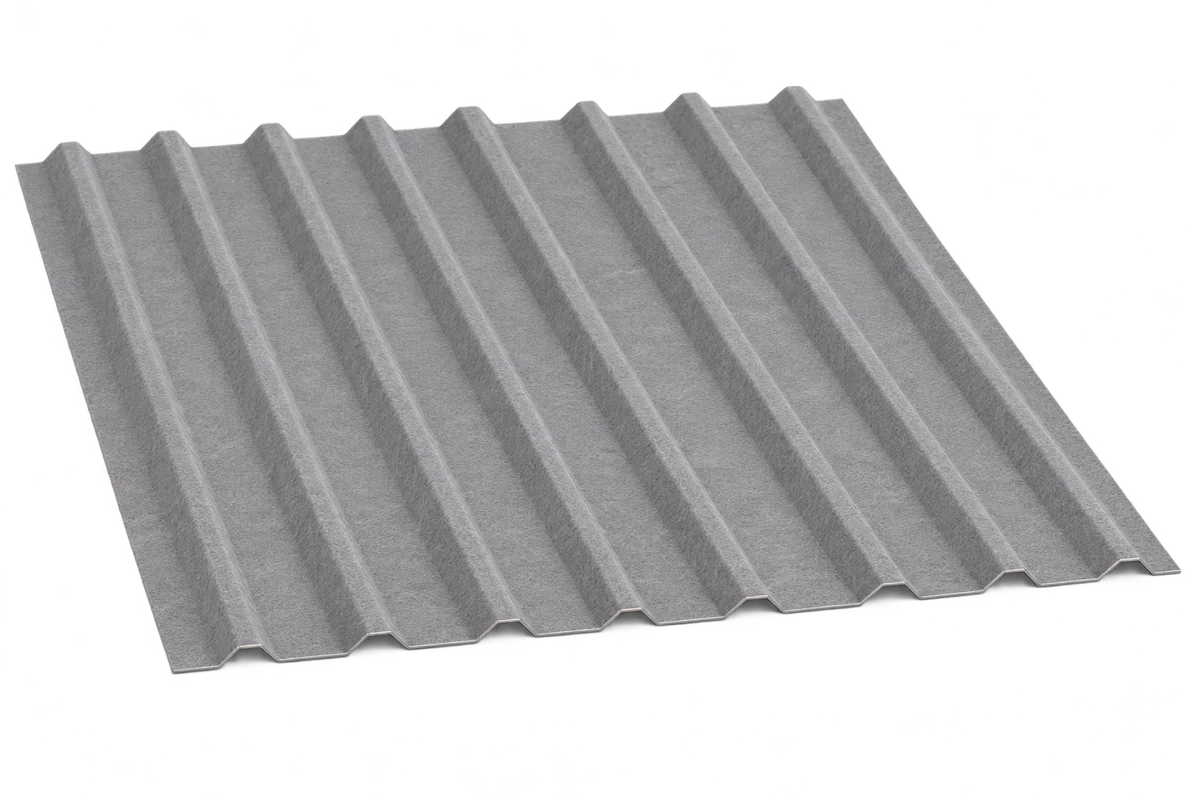
A factory-applied fleece on the underside of trapezoidal steel sheeting can temporarily hold condensation and may affect how the roof sounds. For…
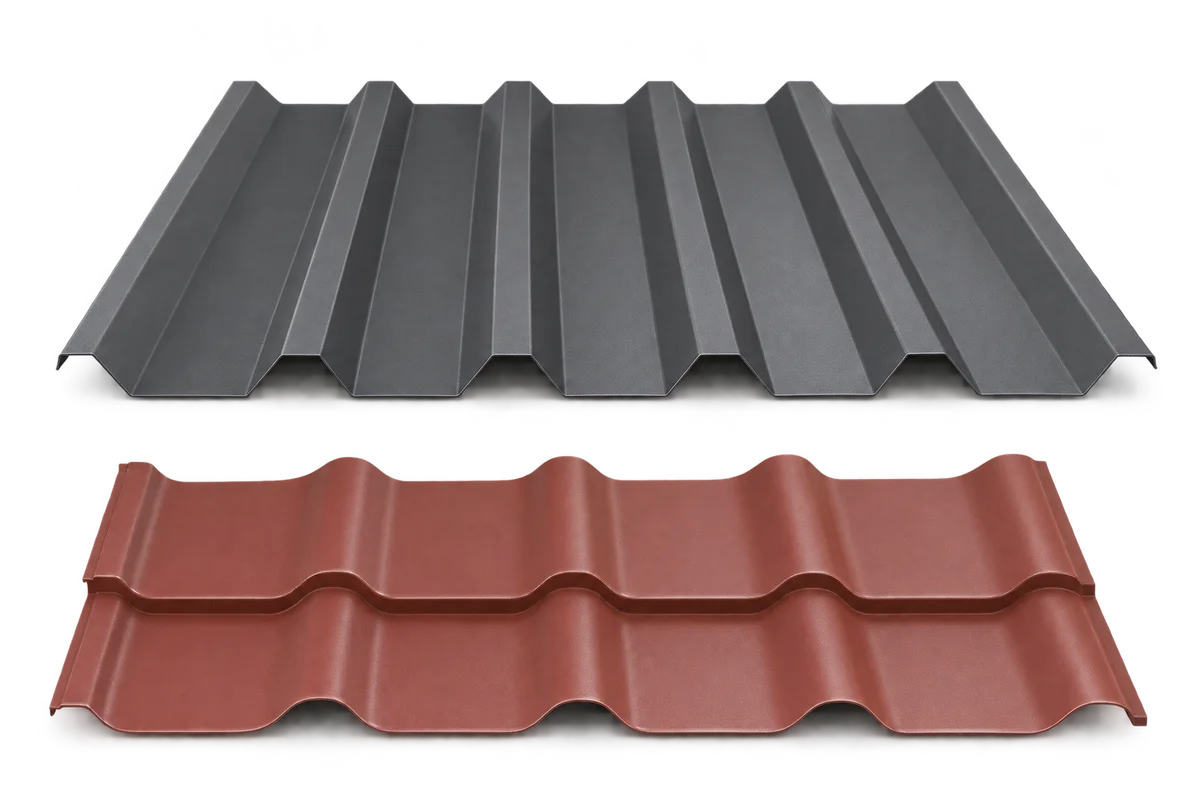
Choosing metal roofing for a house with a narrow access route means checking the delivery journey as well as the roof covering.…
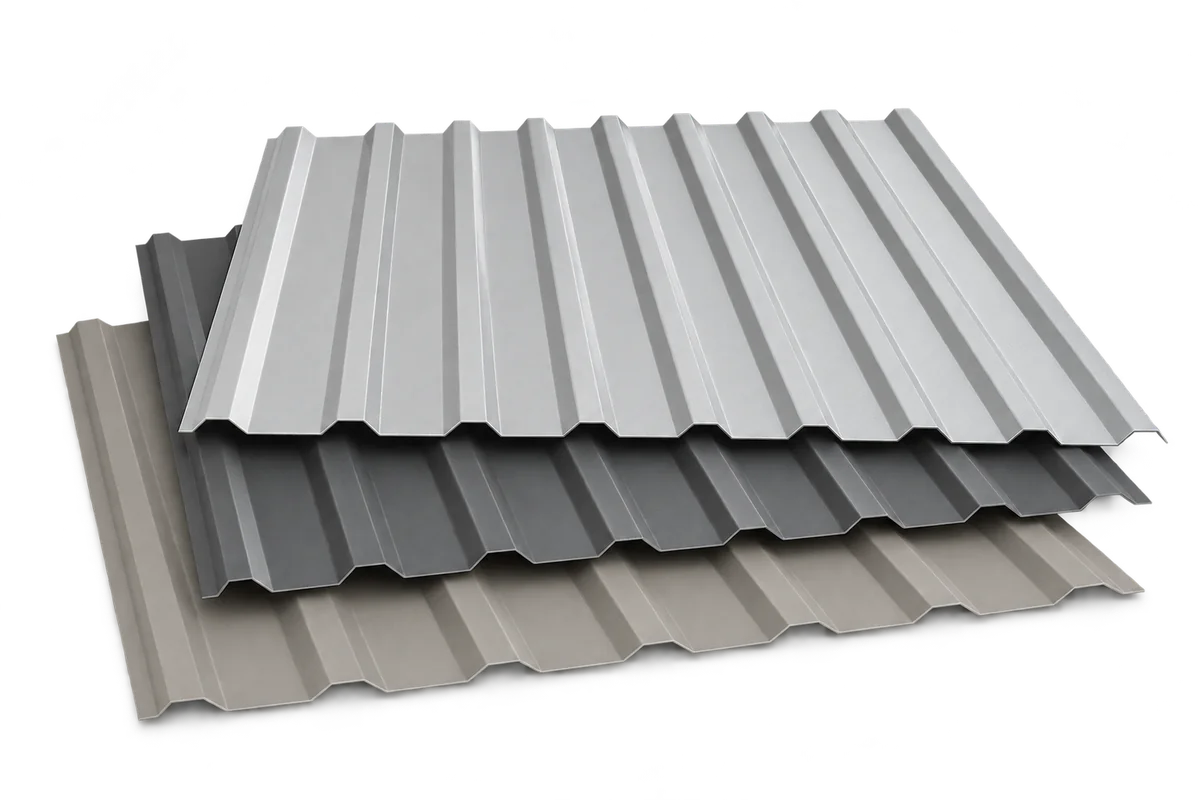
Trapezoidal steel sheets can quickly enclose a roof or facade once the supporting structure is ready. The sheets are lightweight, come in…
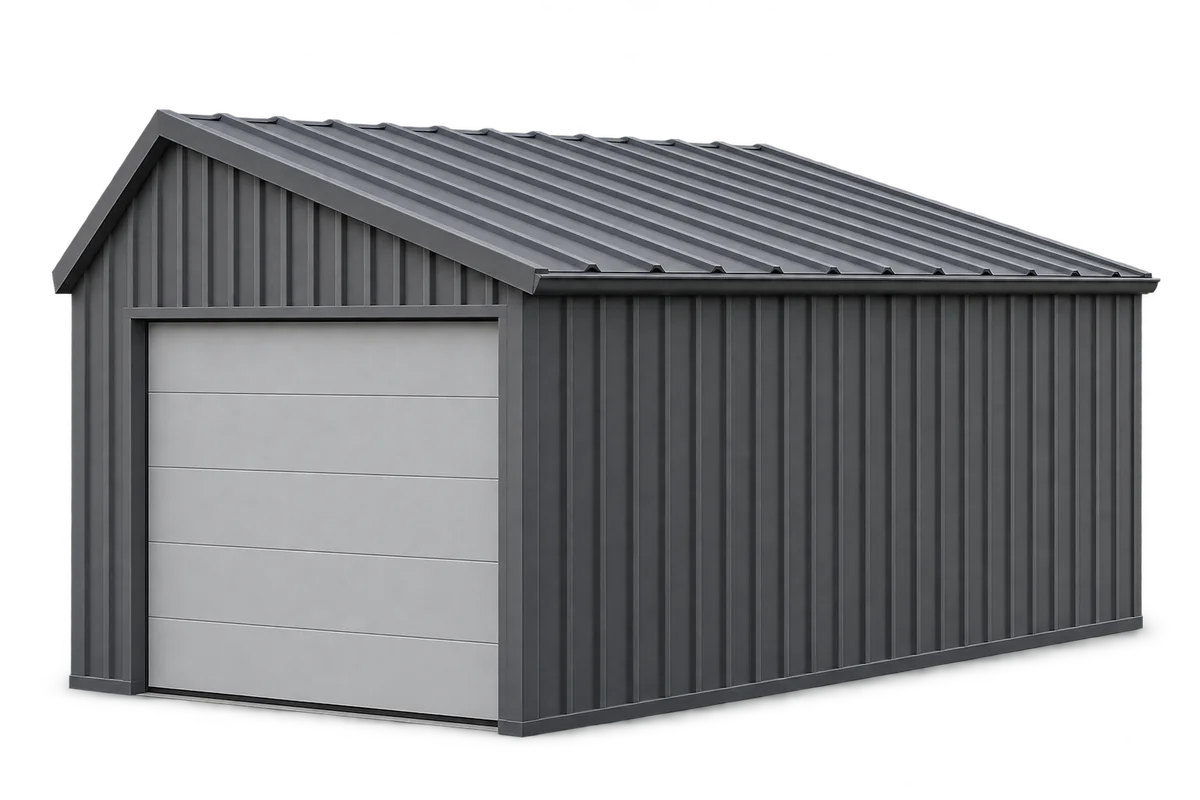
Trapezoidal steel sheeting can make a durable, low-maintenance garage roof and wall cladding if the sheets suit both the frame and the…