Trapezoidal steel roofing with anti-condensation fleece: what it does and where its limits lie
Metal roofing
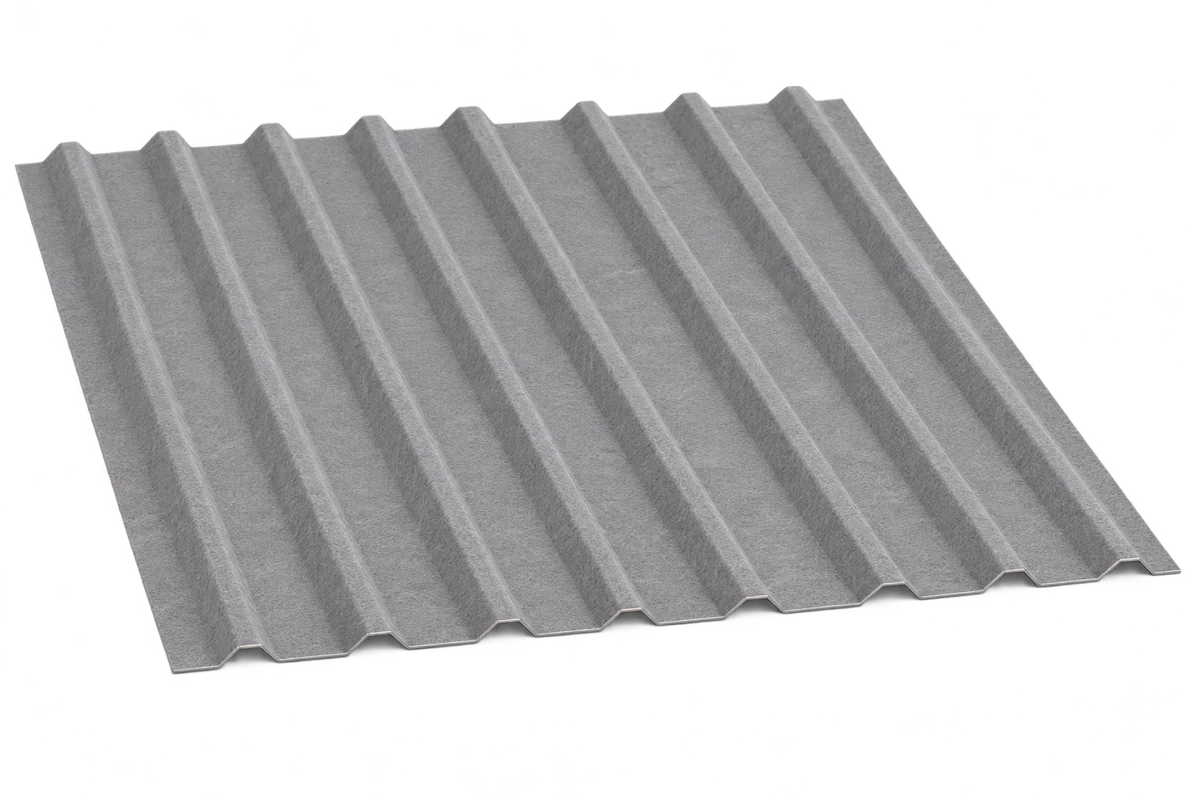
A factory-applied fleece on the underside of trapezoidal steel sheeting can temporarily hold condensation and may affect how the roof sounds. For profiles such as T18 and T35, check whether a fleece-backed version is available and what it is designed for. The fleece is neither a waterproof layer nor thermal insulation. The roof still needs ventilation so that the material can dry. Metal responds quickly to temperature changes. If its underside becomes cold enough relative to the moisture content of the air, water can condense on it. Drips are therefore not necessarily a sign of a leaking lap. A faulty flashing needs a different remedy from excess moisture beneath the roof.
Where does the water on the underside come from?
The amount of condensation depends on indoor conditions, the weather and air exchange. Wet trades can temporarily raise humidity during construction. Neither choosing a different roof colour nor specifying thicker steel will eliminate condensation on its own. Assess the whole roof assembly, particularly where the space below will be heated or activities in the building generate a lot of water vapour.
How does the fleece reduce dripping?
Some of the water that forms on the metal is held in the spaces between the fibres instead of immediately falling as drops. The fleece can only hold a limited amount. Once saturated, it cannot keep absorbing more water. An anti-condensation lining is therefore no guarantee that the underside of the roof will stay completely dry.
When conditions improve, the moisture held in the fleece needs to evaporate. That requires ventilation and a supporting construction that allows drying. If humid air keeps entering without the fleece drying out, the material may reach its limit. Before ordering, ask about the intended conditions of use as well as the absorption figure on the data sheet.
Why does fleece not replace roofing underlay?
A roofing underlay carries away water that gets beneath the roof covering along a drainage path designed for the whole slope. Fleece bonded to individual sheets does not form the same continuous layer. If the design calls for an underlay, keep it. The two materials can work together, but they do different jobs.
A vapour control layer on the room side has a separate function. Fleece on the metal does not seal gaps at roof slopes or service penetrations. In an insulated roof, airtightness and the ability of the assembly to dry out still matter. Adding fleece will not correct defects in those layers.
Will the roof sound noticeably quieter?
Some fleeces damp sound, but the test description tells you what was measured. Rain noise, sound absorption inside a hall and insulation against outside noise are three different things. A single decibel figure does not describe all three. A test result for one specimen does not predict the sound in every room below a roof.
In a house, the roof deck, insulation, supporting framework and internal lining also influence acoustics. PIR can reduce the thickness needed for thermal insulation; that alone tells you nothing about noise levels. If quiet rooms are a priority, choose the layers as a complete assembly. Fleece can be a useful addition to that design.
How do you protect the fleece during installation?
Check the installation instructions for the treatment of edges and laps. If an eaves detail is poorly formed, the fleece can come into contact with rainwater and draw it in by capillary action. The correct detail depends on the product; there is no single edge treatment for every profile. Keep the specified ventilation path clear. Where sheets are cut to fit, protect both the steel and the bonded fleece: poor detailing can alter the path of the water.
The usual requirements for a metal roof still apply: an even supporting surface, suitable fixings and allowance for thermal movement. Fleece cannot level the structure or strengthen a faulty joint. Protect sheets against distortion and prolonged exposure to moisture during transport and storage. Inspect any damaged fleece before installation.
When is the extra cost worthwhile?
Start with the problem you want the extra layer to solve. In an uninsulated building the aim may be to limit dripping; in a home it may be to improve acoustic comfort as part of the roof assembly. Ask whether the supplier has documented performance for that particular use. The word “fleece” alone does not tell you what to expect. Check that the sheet is suitable for the proposed roof deck, too: not every assembly allows the fleece to dry equally well.
Compare the cost of the complete roof, including the underlay, ventilation and necessary accessories. Do not count on savings from leaving out layers unless this is approved for the system. Fleece-backed sheeting can be a practical choice when its purpose is clear and the whole roof slope is designed to accommodate it.

Free quote
What to include in your enquiry
Tell us how you plan to use the material, the dimensions and the quantity you need. Include the thickness, grade or variant name, along with the delivery town or your preferred collection branch. For a specific product, add its name or a link to the product page. We will reply to the email address you provide to discuss availability and the terms of your order.
More from the building guide
Choosing metal roofing for a house with a narrow access route means checking the delivery journey as well as the roof covering.…
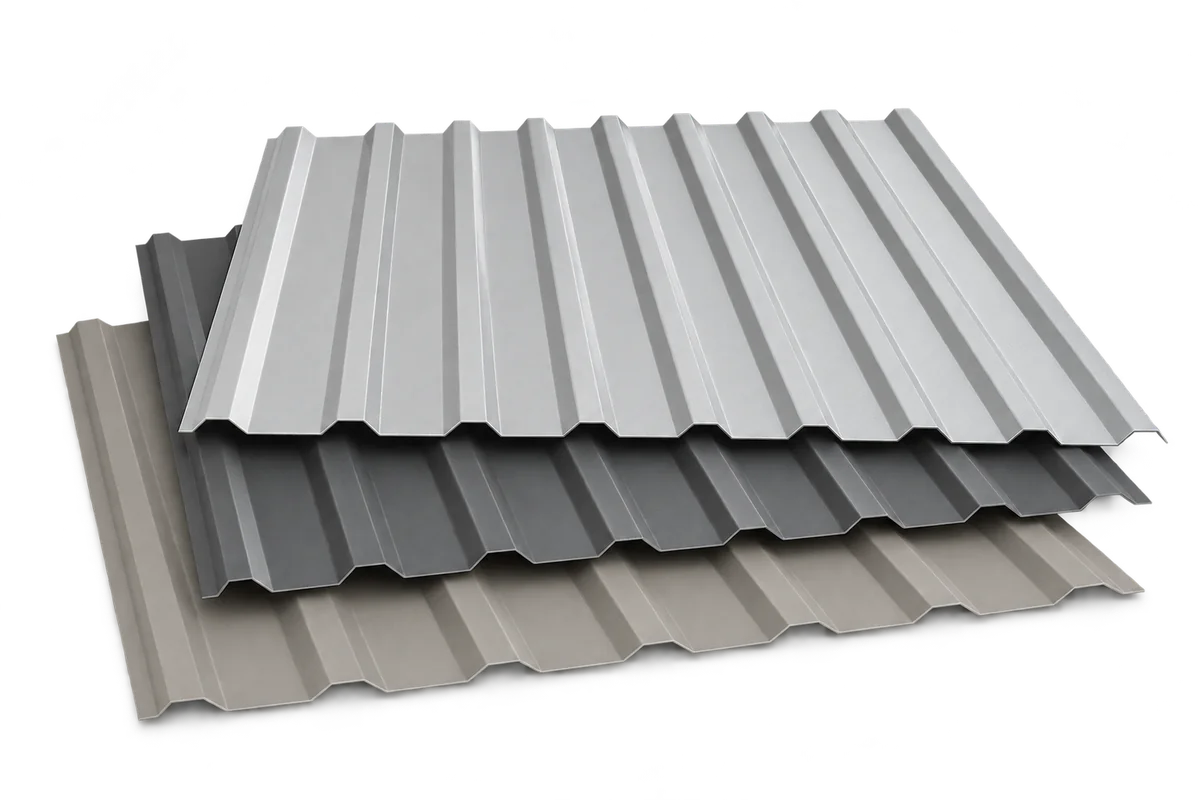
Trapezoidal steel sheets can quickly enclose a roof or facade once the supporting structure is ready. The sheets are lightweight, come in…
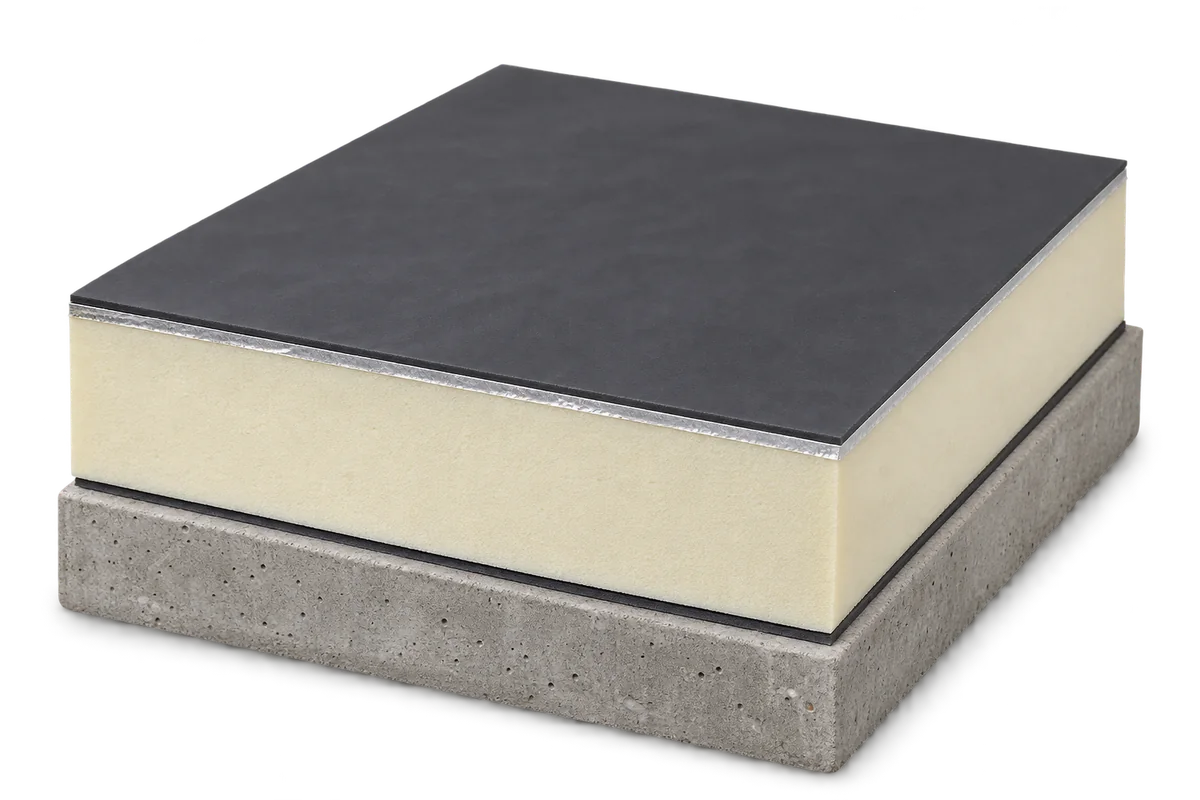
A flat roof consists of several layers that work together. The structure carries the loads, insulation reduces heat loss and waterproofing keeps…
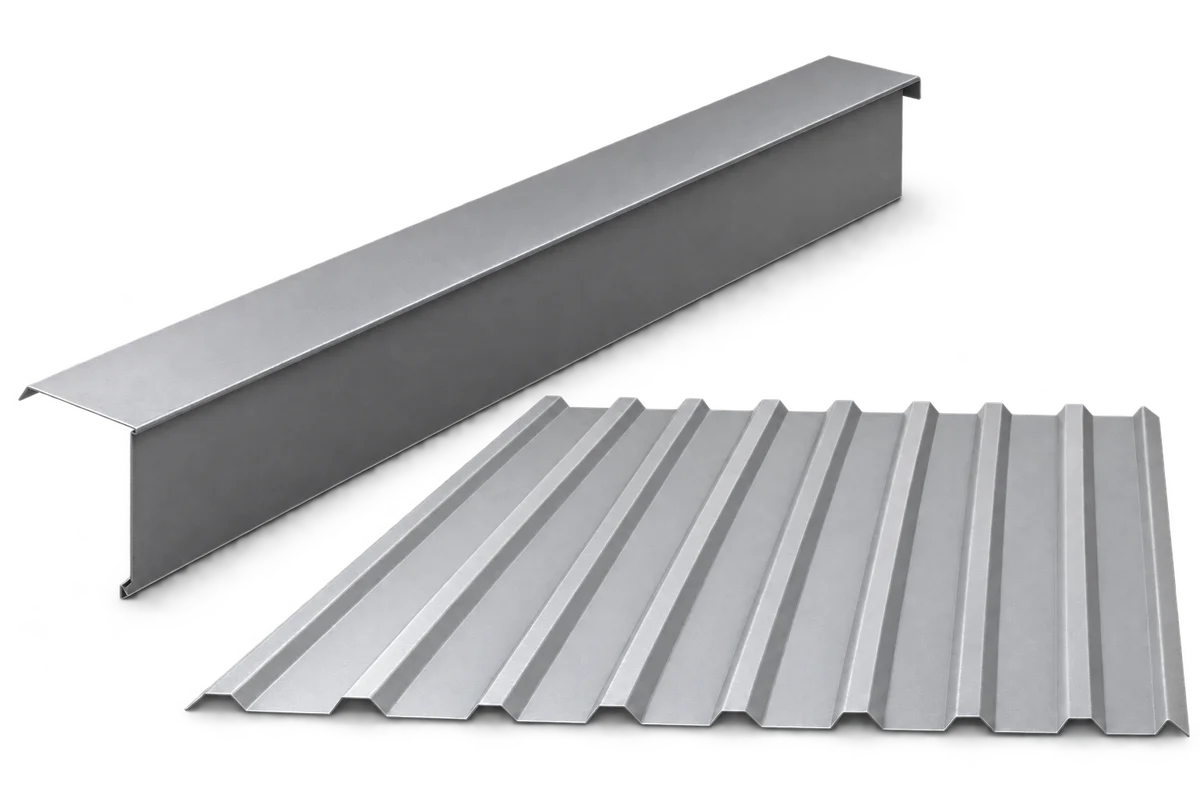
Order custom verge flashing for a house refurbishment from a drawing of the finished section and a detail agreed with the roofer.…
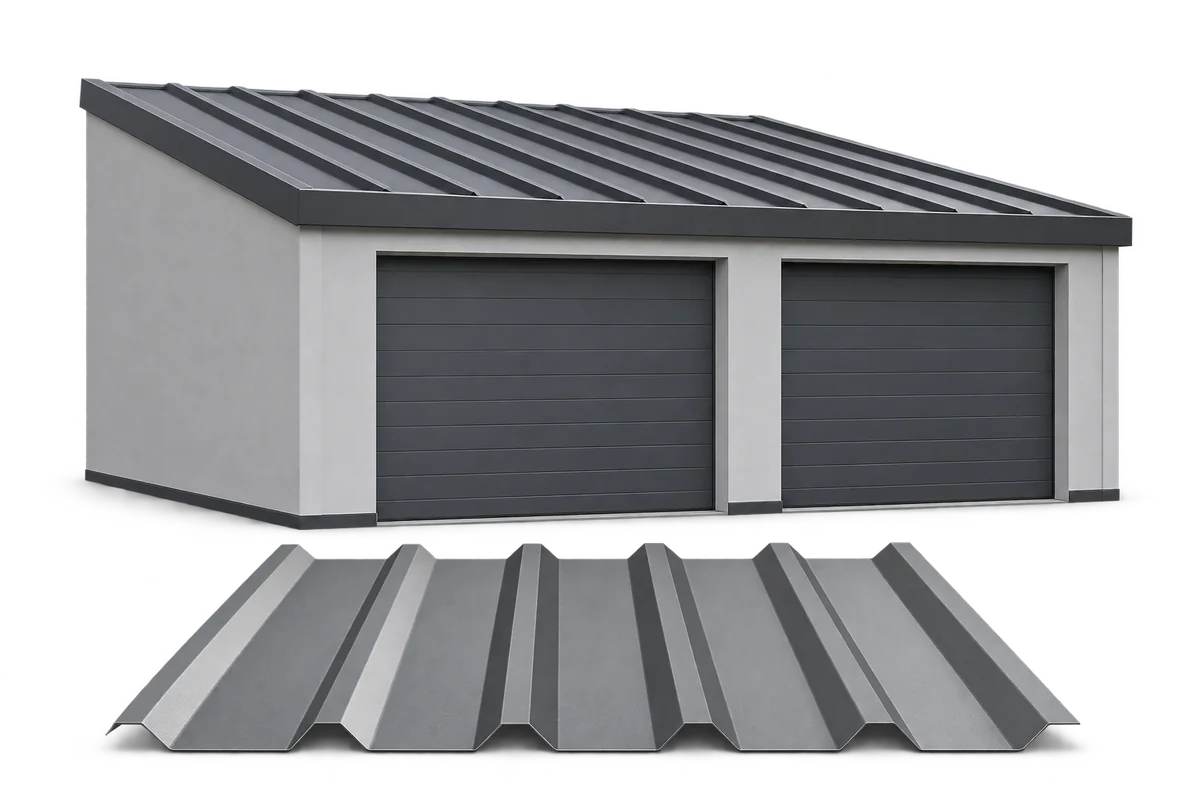
Trapezoidal steel sheets can cover a garage roof, clad its walls or screen the side of a carport. Choose the coating and…
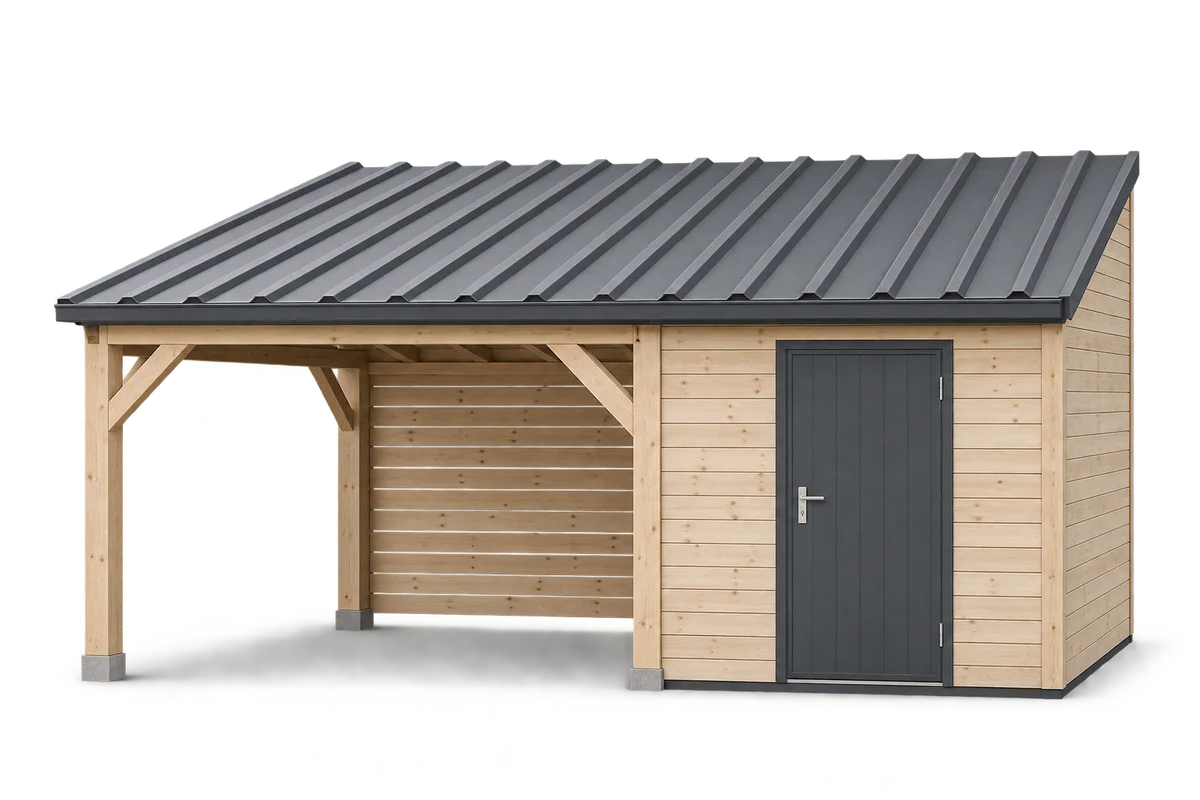
Start planning a carport with a tool store by listing the equipment and the routes people use every day. A mower, bicycles,…
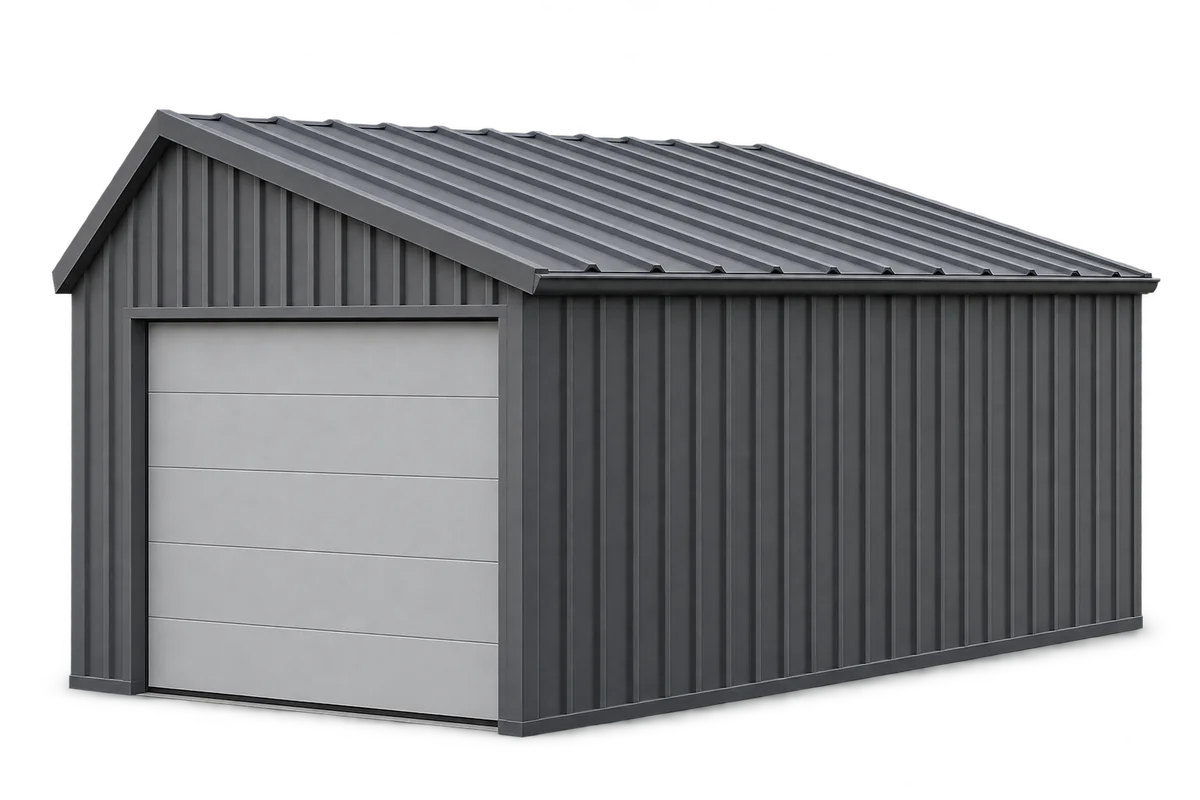
Trapezoidal steel sheeting can make a durable, low-maintenance garage roof and wall cladding if the sheets suit both the frame and the…
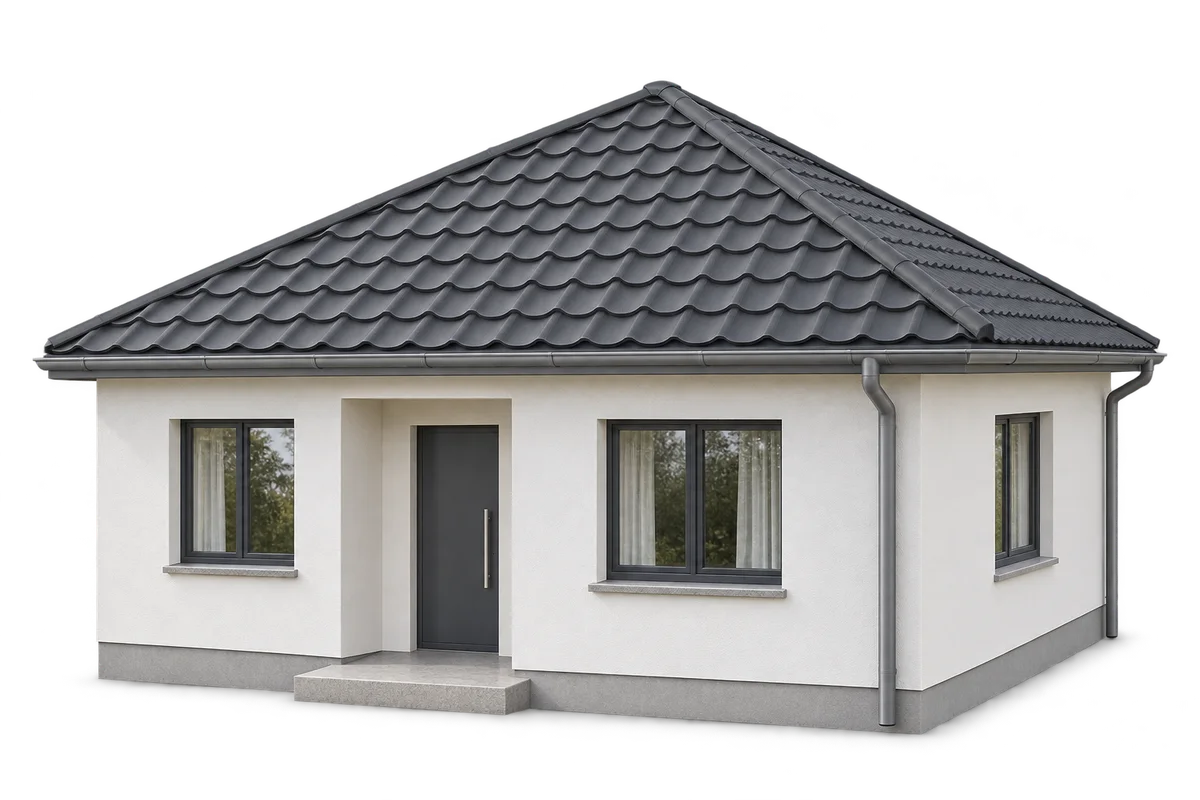
A hipped roof suits a compact house and allows the eaves to run around the building. Compared with a simple gable roof,…