






Using fewer resources in an energy retrofit: where PIR can help
PIR insulation
A retrofit can reduce energy use and retain parts of the existing building if their condition is assessed first. PIR is useful where space is tight and good thermal performance is needed. The environmental outcome also depends on service life, waste and how the building is used. Sound structural elements, a dry substrate and watertight sections of roof have a value beyond the purchase price of new boards. Keeping serviceable components can reduce demolition and transport. Decide which layers to retain on more than waste savings alone.
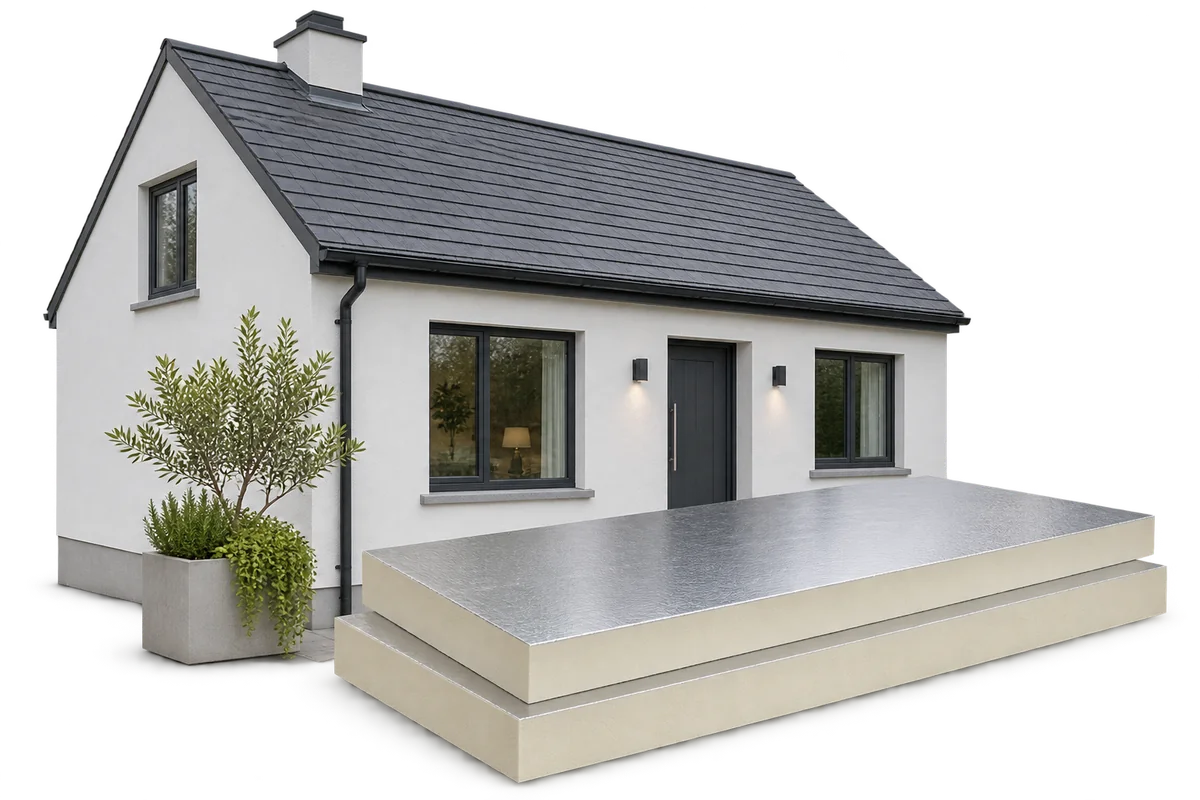
Check which existing components can stay
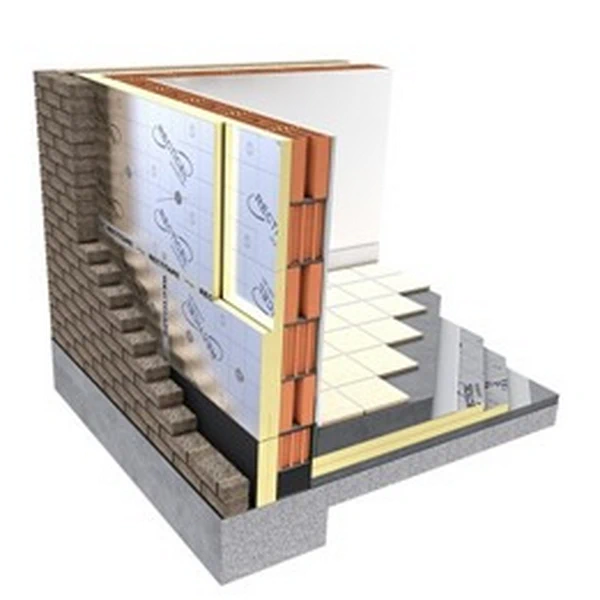
Any retained layers need to work with the proposed construction.
Inspect the fabric and open it up where necessary before deciding what to retain. Problems in an old roof may be hidden beneath a sound-looking surface. Trapping moisture or an unstable layer beneath new insulation can mean doing the work again soon afterwards. Early inspection helps avoid that waste.
Prioritise the largest sources of heat loss
Buildings lose heat in different places. One may have an uninsulated upper floor ceiling, another leaky junctions or an inefficient services installation. An energy assessment can quantify the losses and compare options. This helps direct spending to work that produces a meaningful change in energy use.
Allow for changes in use after renovation. Occupants may heat previously cold rooms to a more comfortable temperature. Bills may then show a smaller saving than a simple model predicts, even though the work has improved the building. Part of the benefit has been used to improve indoor conditions.
Where limited height makes PIR useful
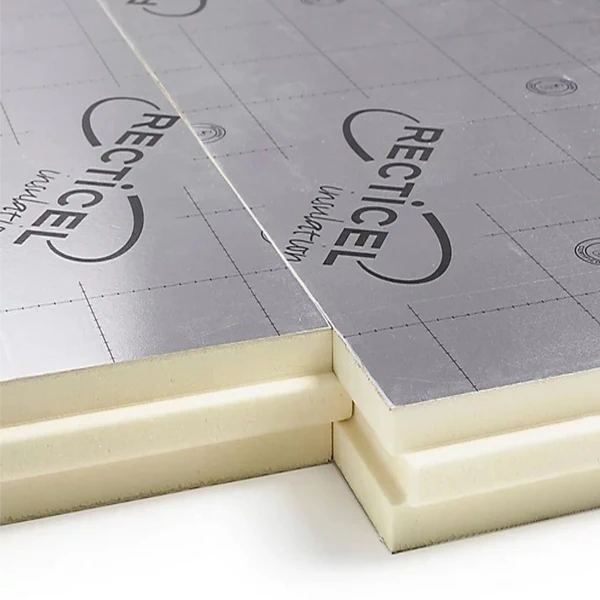
Low thermal conductivity allows high thermal resistance in a thin layer. This can be useful above rafters, beneath a terrace over a heated room and below a refurbished floor. It may allow an existing threshold or clear opening height to be retained. Calculate the thickness for the particular alternatives being compared. A reduction of one half cannot be assumed for every application.
Other performance requirements may govern the choice, such as fire resistance, sound insulation or exposure to water. In those locations a different product or a combination of materials may be appropriate. Specify the insulation for the required function over its service life, taking thermal conductivity into account alongside these other properties.
Plan board sizes and junctions before delivery
Draw up the board layout before ordering. Allow for cut-outs, corners, installation sequence and the effective coverage of rebated boards. A layout reduces unnecessary cutting. Very small pieces can be difficult to fix securely and join tightly, so only use offcuts where a sound detail is possible.
Store boards so they stay dry and intact. Damaged or wet boards can become waste before they are installed. Sort construction waste according to the arrangements for collection. Composite components may require a different recovery or recycling process from clean sheet metal.
Compare materials providing the same function
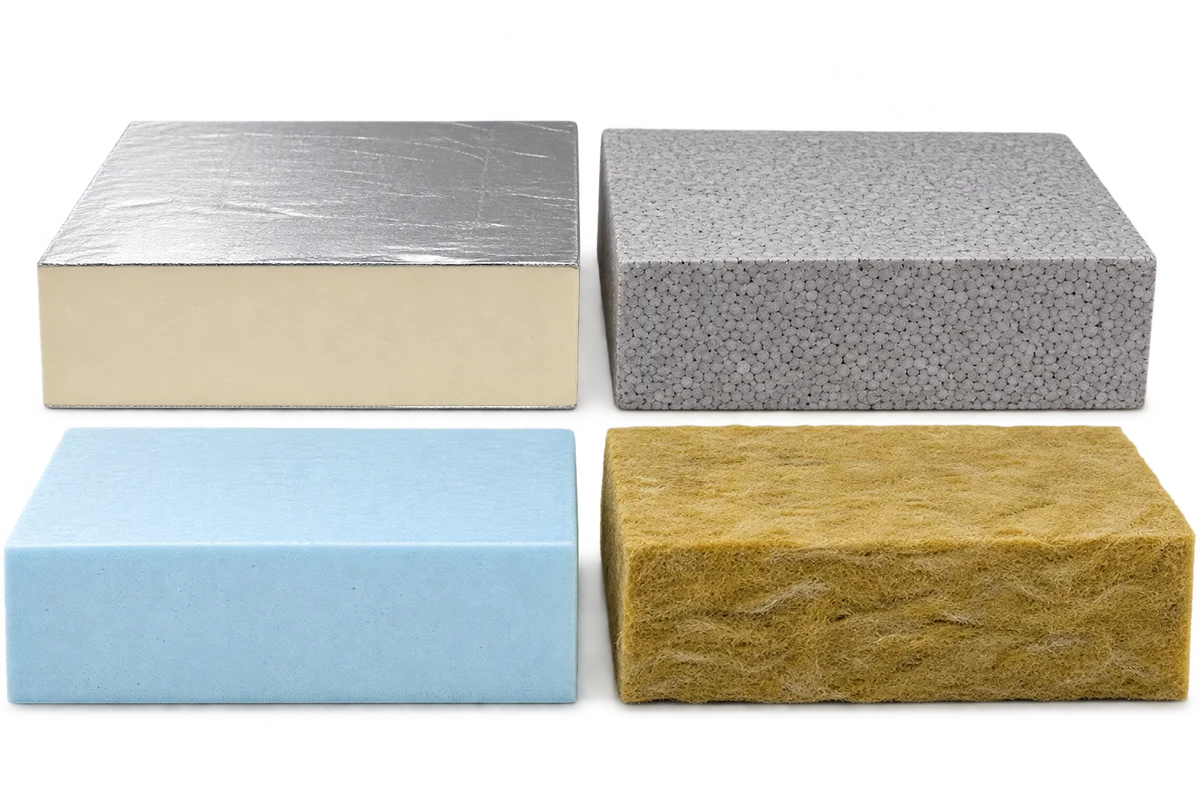
An environmental product declaration covers a particular product, reference unit and set of life-cycle stages. Comparing a cubic metre of each insulation material can be misleading when different thicknesses are needed for the same thermal resistance. Compare quantities providing equivalent performance and check that the declarations cover the same stages.
Durability and repairability matter as well. Replacing an assembly early because of an installation fault adds to its environmental burden. Testing seals, providing drainage and retaining access for maintenance all contribute to performance over time. The environmental merits of the whole retrofit depend on the combined design and execution.
Check the results and maintain the building
Compare energy use before and after the work, allowing for the weather, indoor temperatures and the number of occupants. Monitor fuel or energy quantities and system performance under similar conditions. A bill in monetary terms can change simply because energy prices have changed.
Inspect the roof, keep outlets clear and repair minor leaks to preserve the benefit of the work. After improving the envelope, check the settings of the heating and ventilation systems. Coordinating the construction layers with the way the building is operated allows the insulation to perform as intended.

Free quote
What to include in your enquiry
Tell us how you plan to use the material, the dimensions and the quantity you need. Include the thickness, grade or variant name, along with the delivery town or your preferred collection branch. For a specific product, add its name or a link to the product page. We will reply to the email address you provide to discuss availability and the terms of your order.
More from the building guide
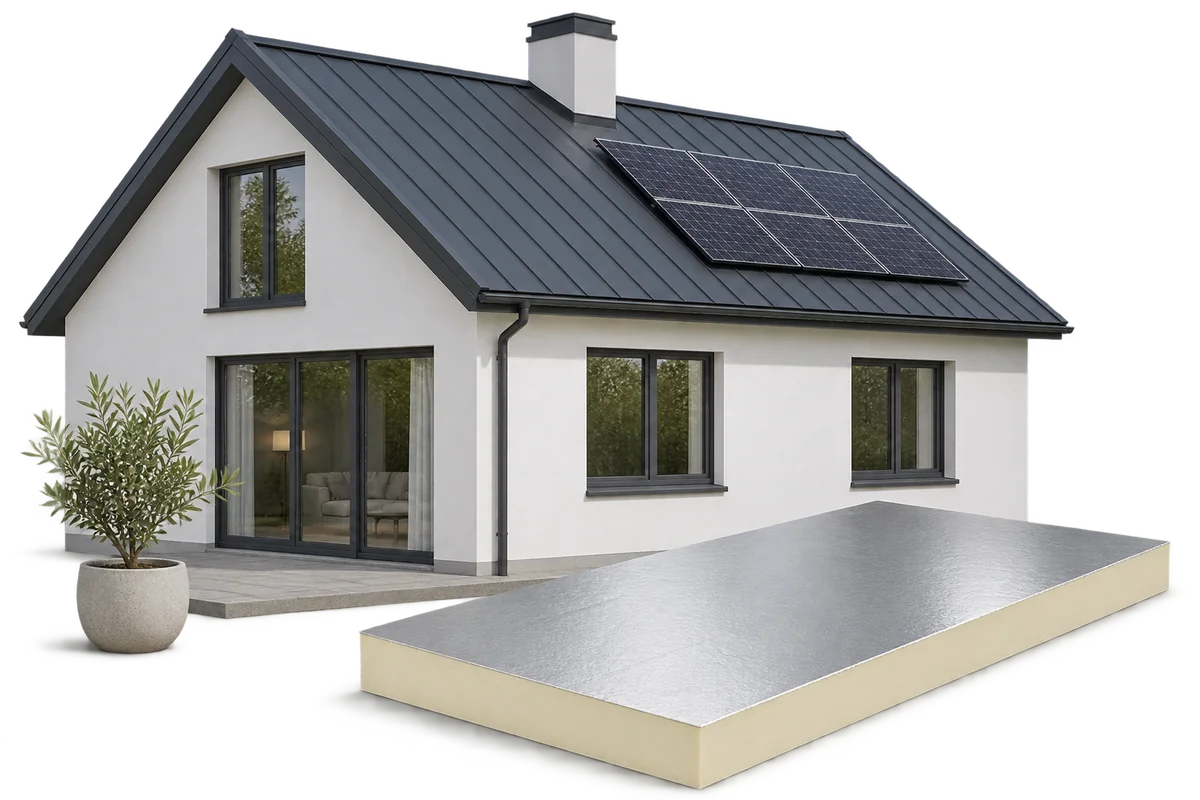
A home can use little energy in operation and still have significant environmental impacts from its materials, maintenance or replacement work. Reducing…
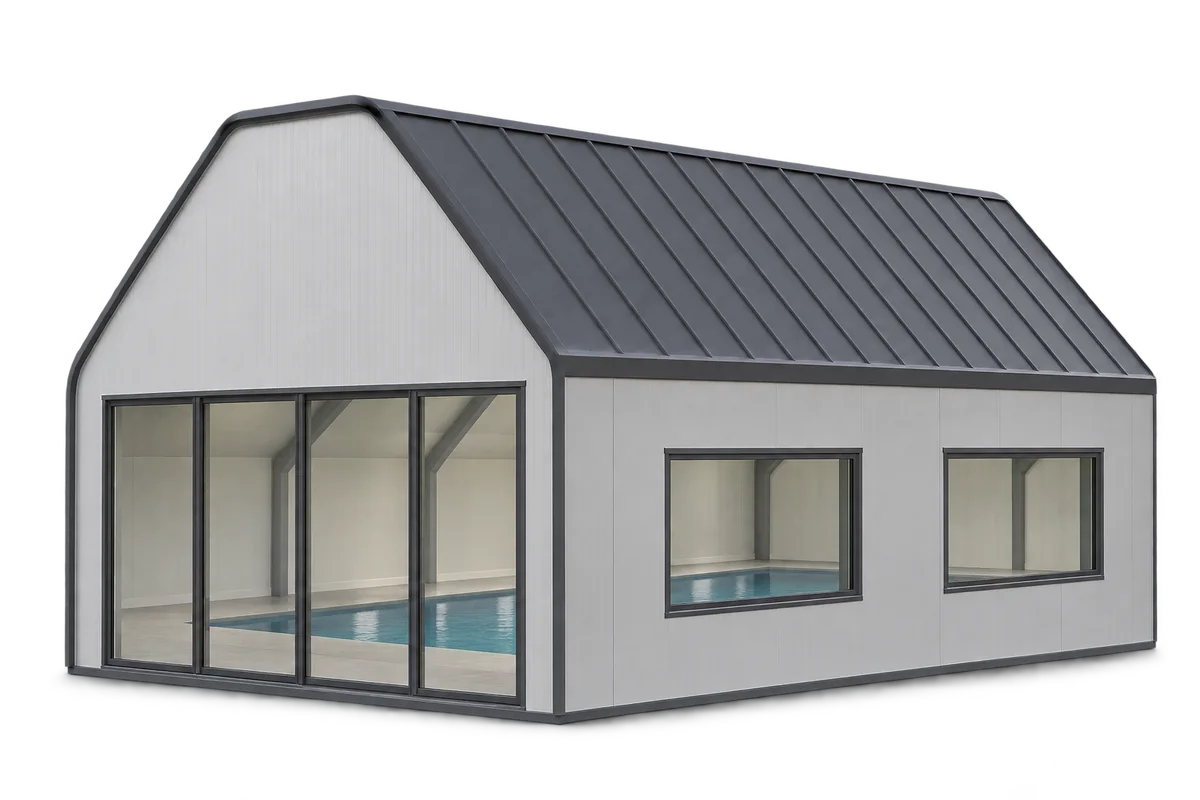
A roof over a heated pool has to withstand warm, humid air and the chemicals used to treat the water. Specify the…
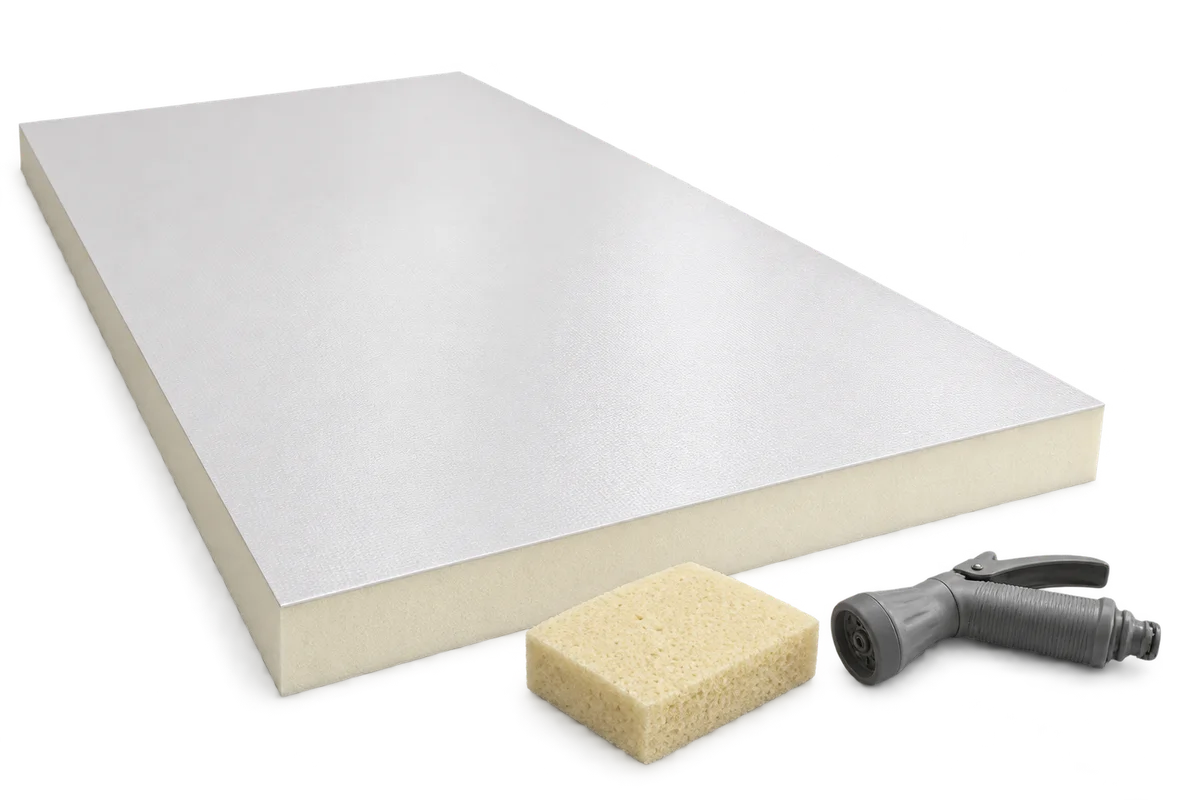
Two contractors can quote for the same barn ceiling yet price different jobs. One may include only the face of the panels;…
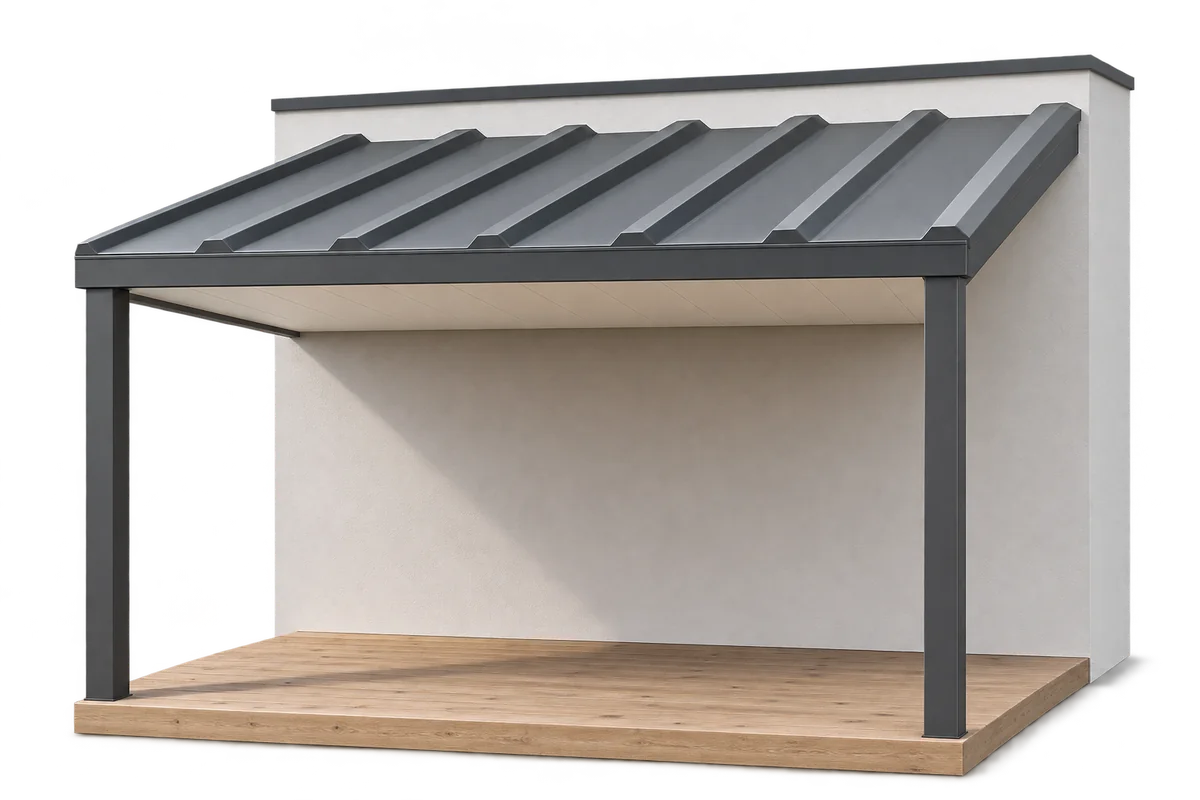
A canopy shelters the people on a terrace from rain and sun. If there is a heated room below, the terrace floor…
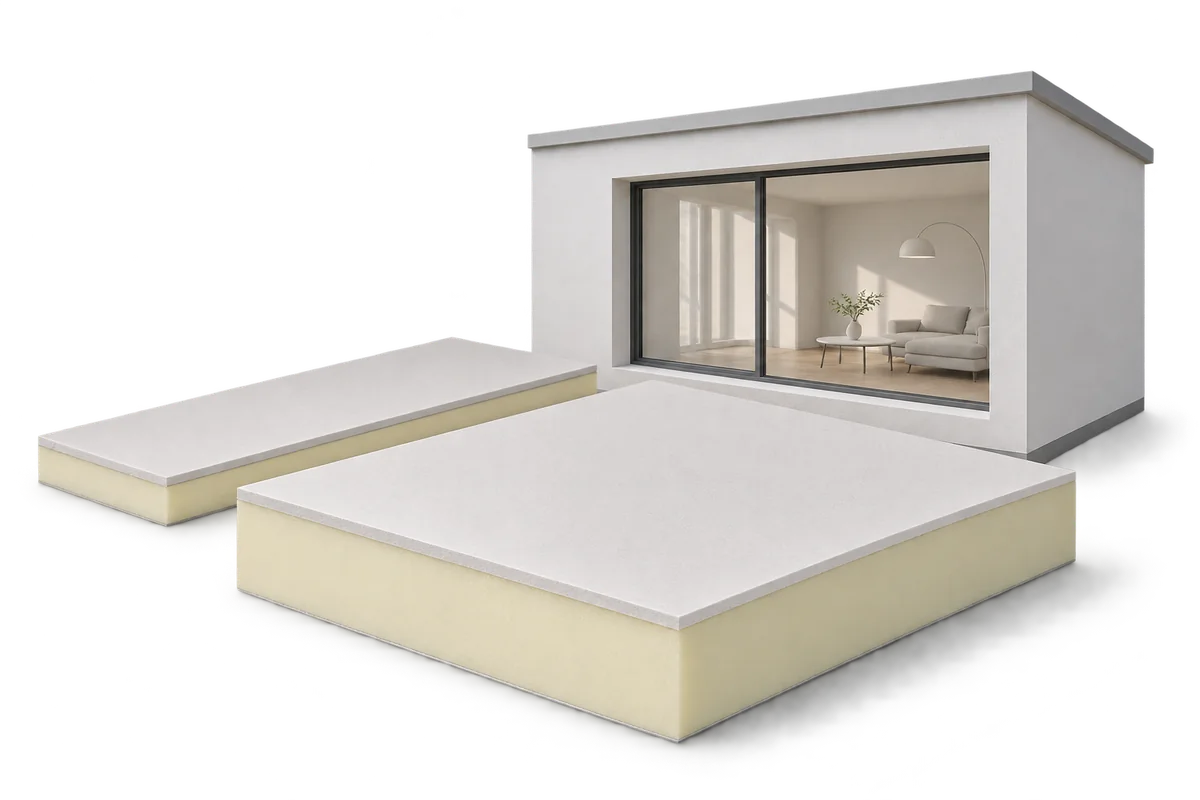
Every centimetre counts when insulating from the inside, particularly in a hallway or under a sloping roof. PIR boards can reduce the…
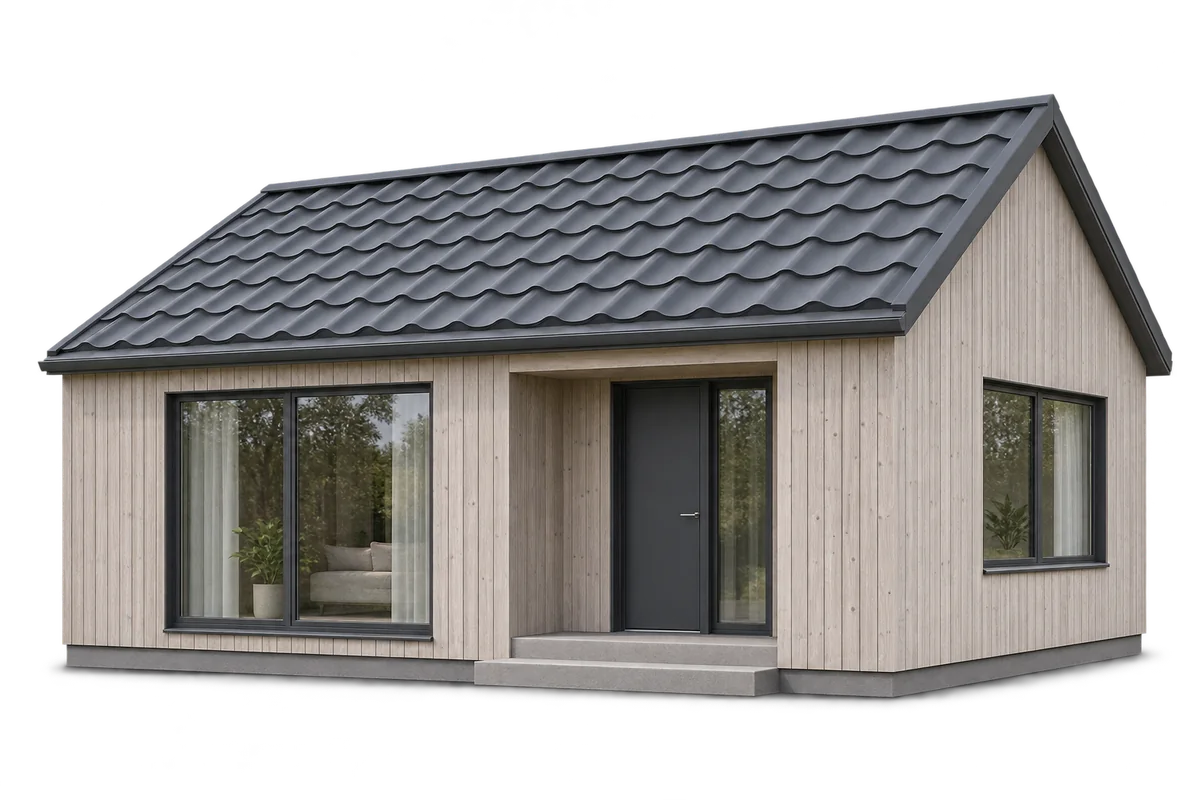
A timber house for year-round use must meet the requirements for a dwelling. In Poland, using timber does not in itself determine…
Two insulation quotations may cover the same part of a house while including different quantities and delivery arrangements. When comparing PIR, EPS,…
The withdrawal of a sprout suppressant formerly used in potato stores changed storage practices. Residues in older buildings need separate assessment even…