






Choosing a trapezoidal steel-sheet colour: what a RAL number tells you
Roofing sheets
A RAL number identifies a colour reference, not the complete appearance of a coated steel sheet. Coating type, gloss, texture and lighting also affect the result, so two anthracite products can look different on the same facade. This guide explains how to specify colour alongside the coating, compare physical samples and match flashings, gutters or later additions. It gives examples of available colour codes without treating a catalogue as a national sales ranking. Before ordering trapezoidal sheets, confirm the actual finish, thickness and delivery conditions. Colour must also suit the building visually without replacing the technical choice of corrosion protection.
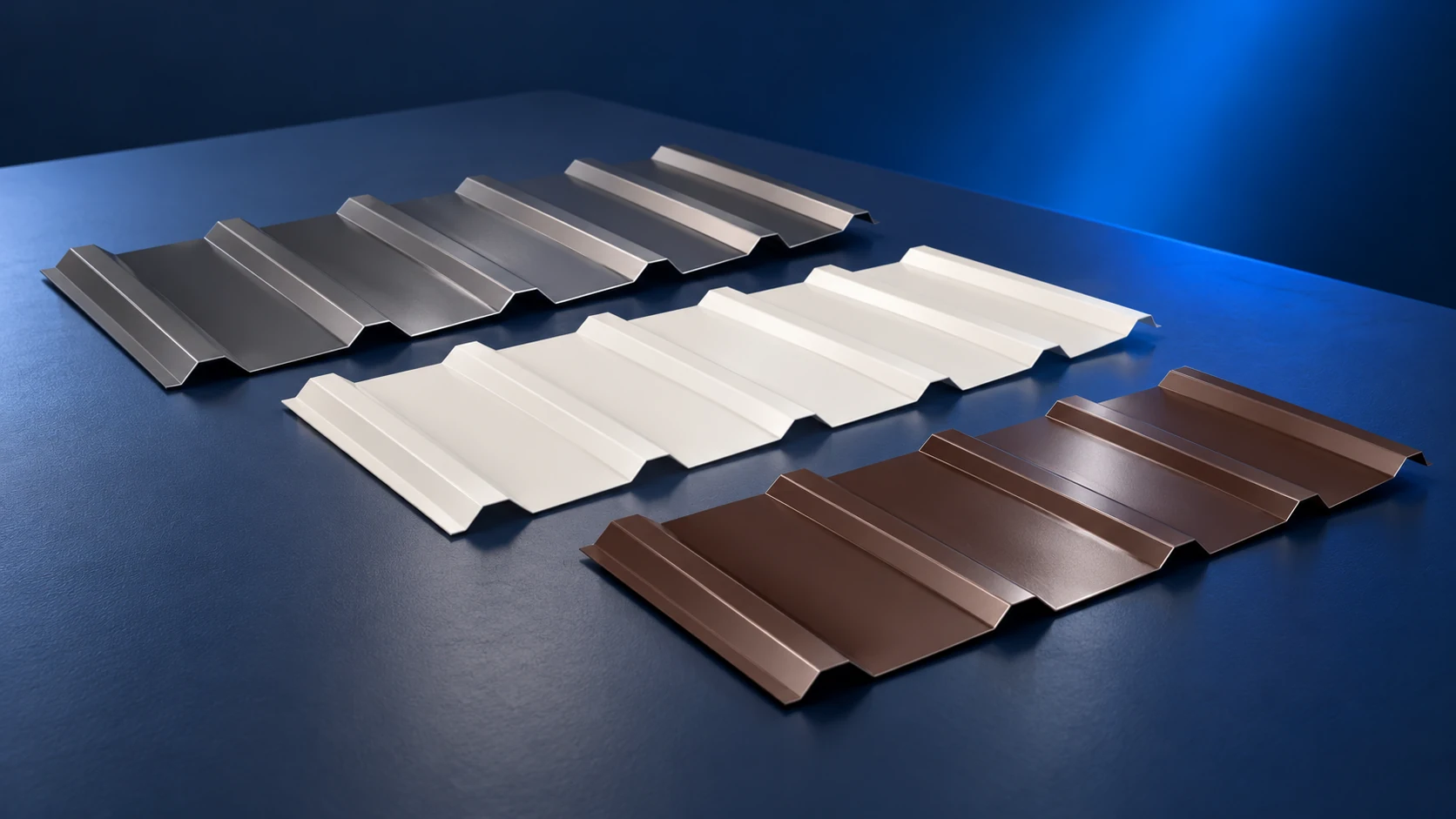
The colour code is only part of the order
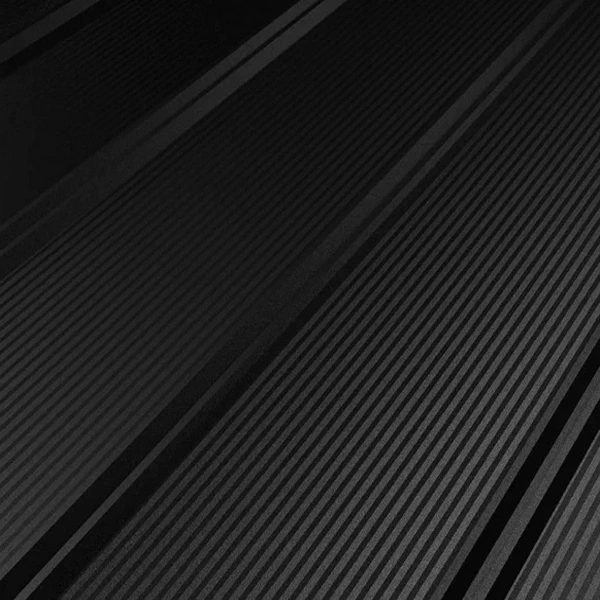
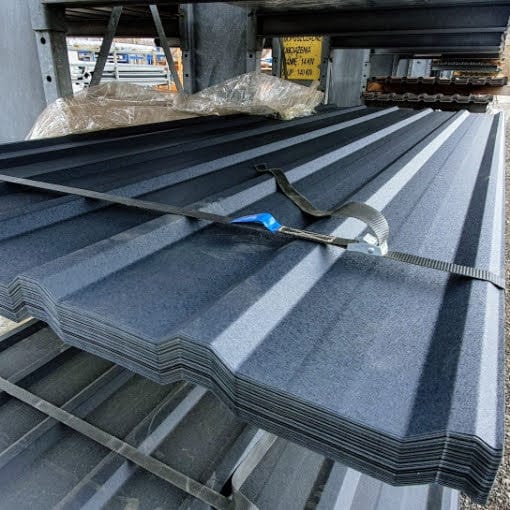
Steel-sheet offers use RAL references and other colour ranges. Do not mix them without checking the samples. Similar colours may come in different finishes: matt and gloss reflect light differently, changing the appearance of a large roof even where the hue is close.
Specify the full coating name, colour code and manufacturer. “Dark-grey matt” is too vague. For matching flashings, request the same material version. Separately purchased flat sheet in a similar colour may not produce the intended result.
Which colours are actually available?
Examples include RAL 7016, 8017, 9005 and 9006: anthracite grey, chocolate brown, jet black and white aluminium. Availability depends on coating, thickness and the particular offer. Not every colour is available in every sheet version, so check the lead time for the chosen finish too.
These are examples, not a sales ranking. The manufacturer material used for the source guide did not provide comparable nationwide sales data identifying Poland’s most popular colour. Base the choice on the building and availability. Frequency in one project gallery is not sufficient evidence of national popularity.
A catalogue may offer a colour in one coating but omit it from another; that is not necessarily a shop error. Unusual orders can involve production minimums and longer lead times. Obtain confirmation before basing a design on an uncommon finish.
Inspect samples in daylight
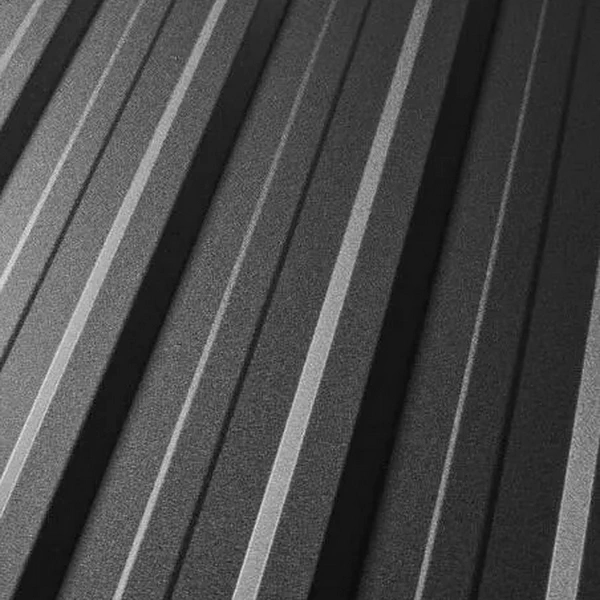
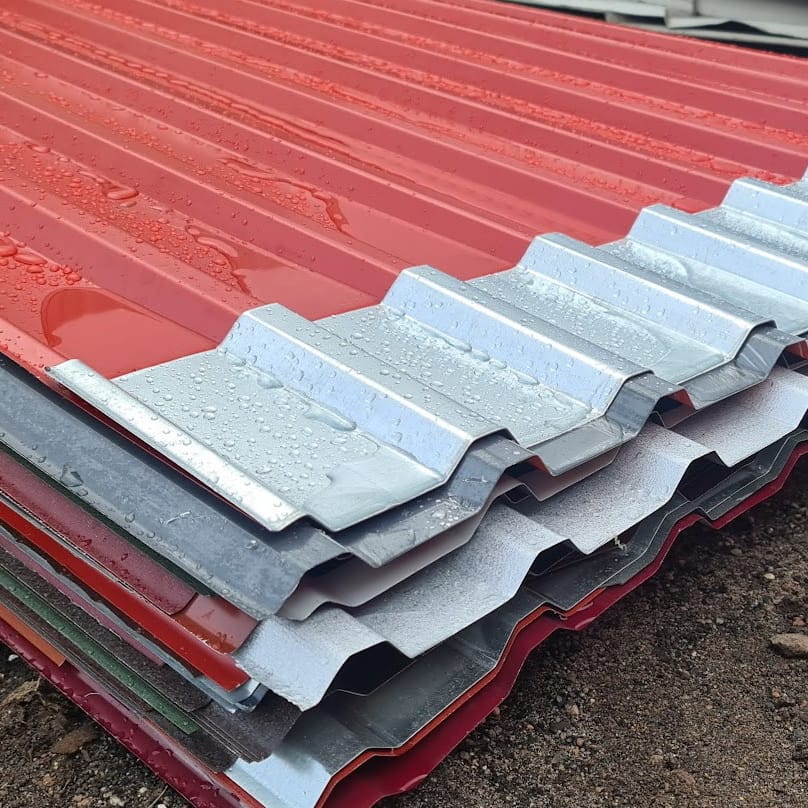
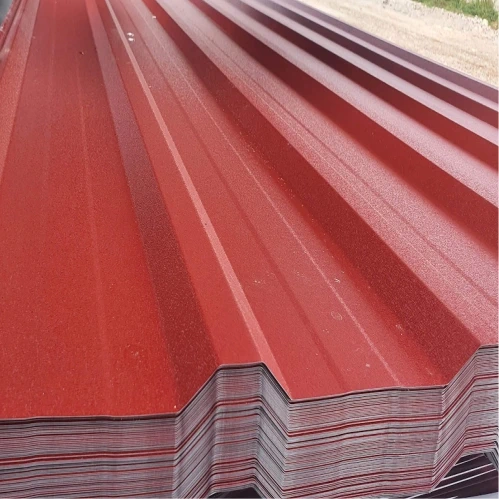
Screen photographs are illustrative. Monitor settings, brightness and photographic lighting alter colour perception. Coating texture also reads differently across a large surface. Use a physical sample viewed in daylight for the final choice.
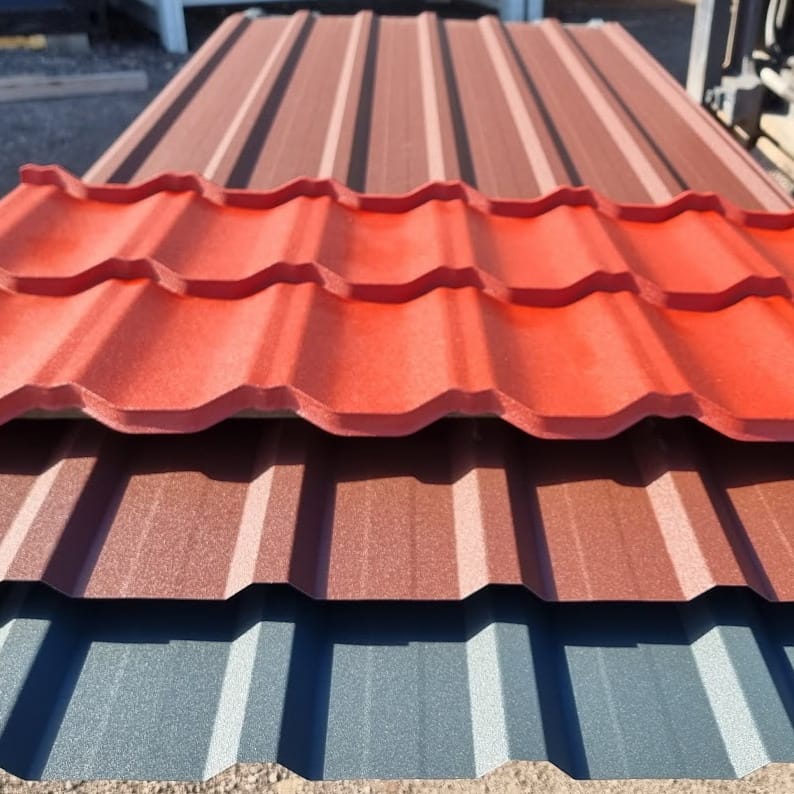
Hold the sample beside windows, gutters and the facade, examining it in sun and shade. Do not rely on a tiny patch under warehouse lighting. Larger samples help distinguish close shades, at little effort compared with replacing installed cladding.
Place comparison samples in the same direction and at similar angles. Shadows from profiles can make one look darker. Retain the approved piece for delivery checks. A phone photograph is useful for organisation but is not a colour standard.
Coordinate the roof with flashings and gutters
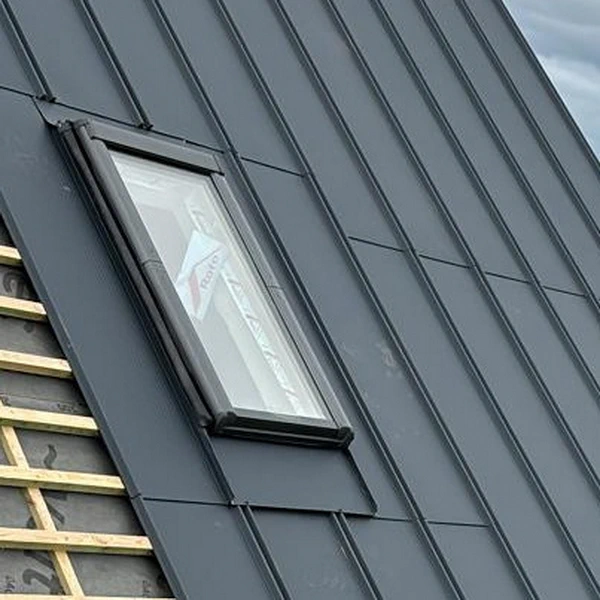
Not every building component needs the same colour; the combination should look intentional. A gutter in a nearly matching shade can seem accidental, whereas clear contrast may work better. Compare actual material samples rather than catalogue names alone.
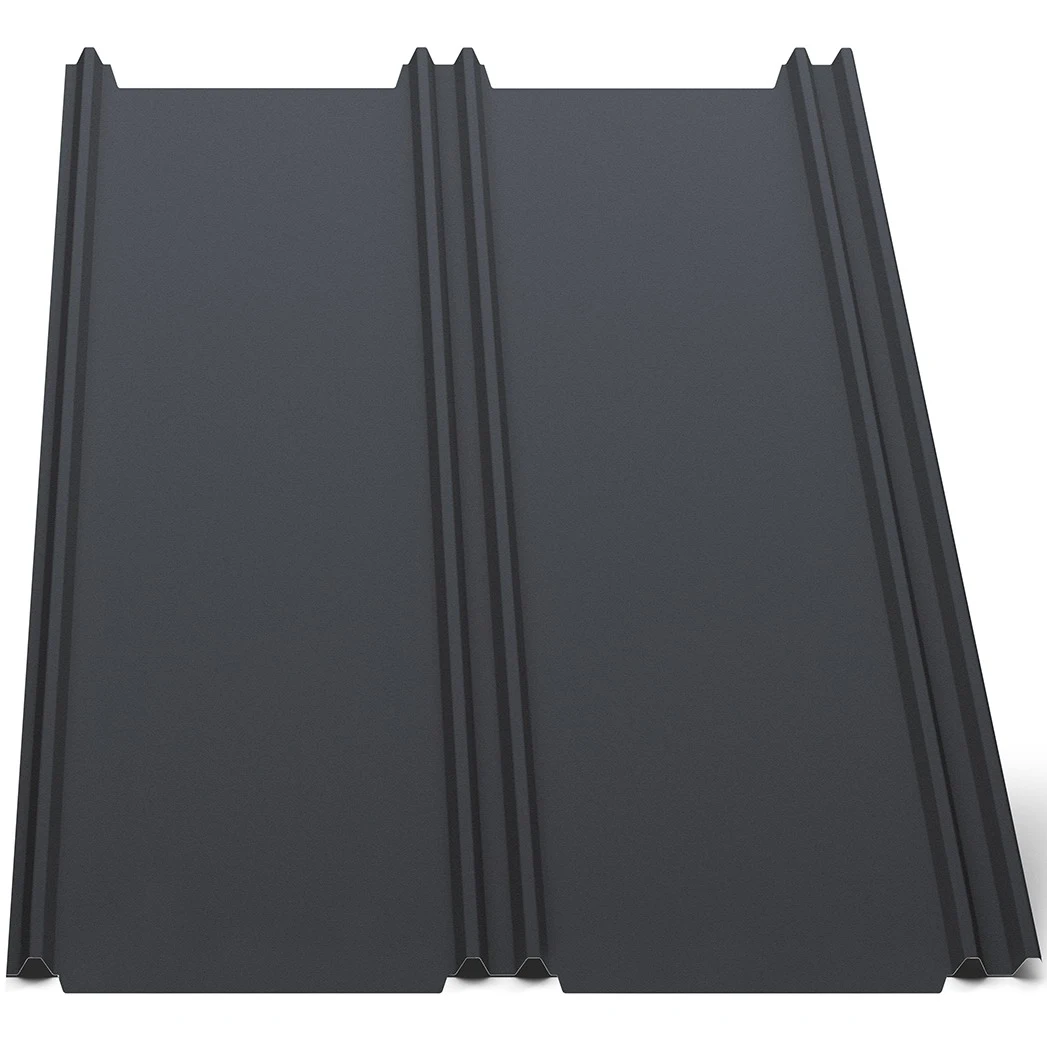
Profile geometry also matters. The same coating may look different on a shallow T8 and a higher T35 profile because rib shadows change the impression. Where the sheet is seen close up, consider its texture and edge finish as well.
Check the original batch before ordering more
Retain the label and order confirmation. “RAL 7016” alone does not fully identify a coating. Existing sheet has also weathered, so a new piece may reflect light differently. Do not promise an invisible match without comparing samples.
Discuss consistency with the supplier when planning an extension. An architectural break between stages may be useful. Compare new sheets before installation, as colour differences are much harder to resolve after the entire wall is fitted.
When replacing part of a facade, consider ending the new area at an existing corner or division line. This avoids direct comparison of two finishes in one continuous plane. The decision should suit both the structure and the appearance of the whole building.
Colour does not replace protective-coating selection
Sheet in the preferred colour still needs to suit the building’s environment. A home and a damp agricultural building present different conditions, and the reverse-side protection matters too. Manufacturer coating ranges differ in performance and warranty conditions.
Do not choose by colour and lowest price alone. Establish profile, thickness and coating, then consider the available shades. Long, shallow-profile sheets also require attention to thermal movement and surface appearance, particularly on visually sensitive facades. Dark matt finishes cannot conceal an uneven subframe or faulty fixing.
Frequently asked questions
Does the same RAL reference always look identical?
No. Coating, gloss, texture, lighting and surface condition all matter. Compare physical samples.
Which colour is most popular?
Without comparable sales data, that cannot be established reliably. A catalogue’s colour range is not a popularity ranking.

Free quote
What to include in your enquiry
Tell us how you plan to use the material, the dimensions and the quantity you need. Include the thickness, grade or variant name, along with the delivery town or your preferred collection branch. For a specific product, add its name or a link to the product page. We will reply to the email address you provide to discuss availability and the terms of your order.
More from the building guide
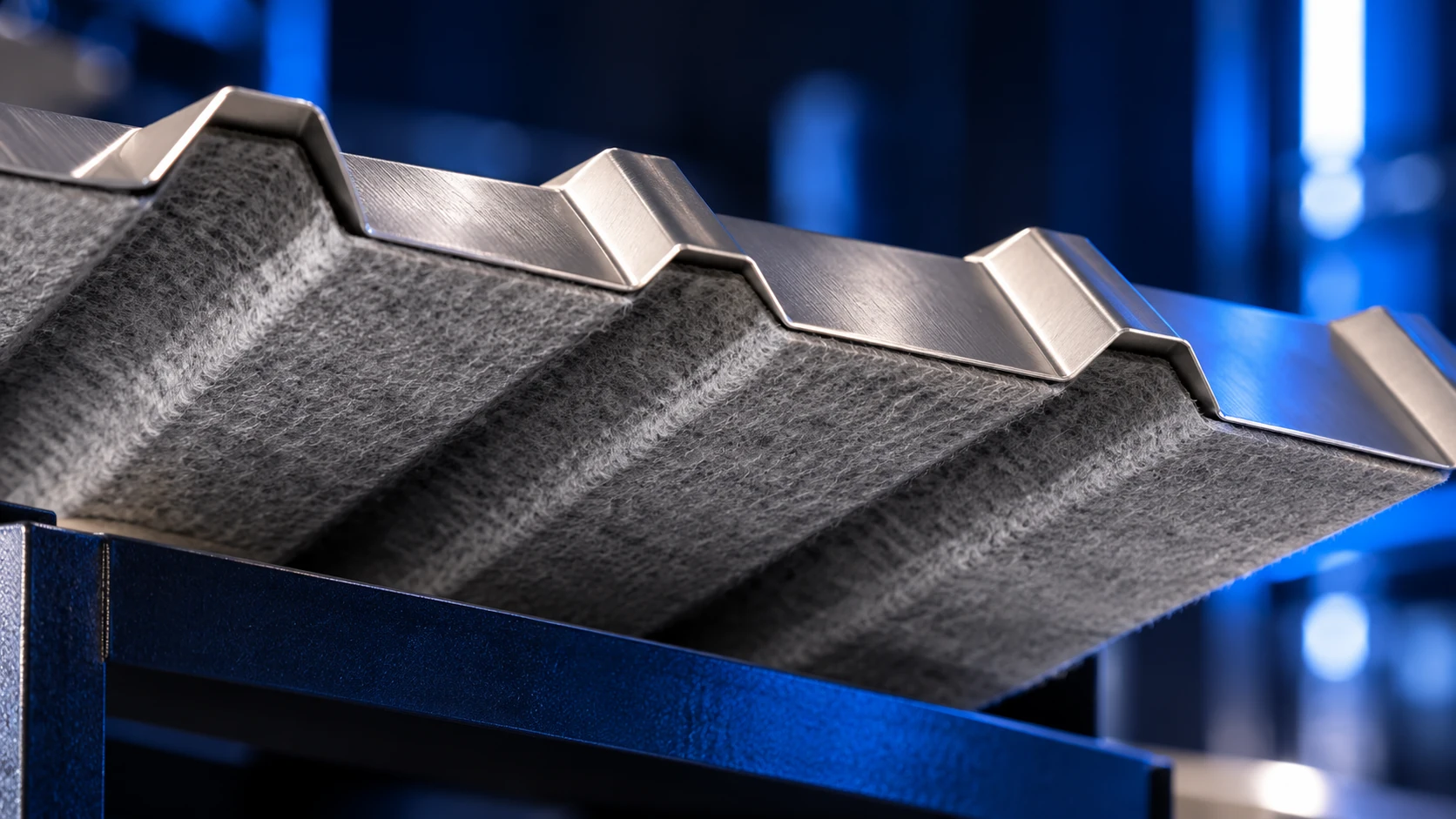
Anti-condensation fleece can reduce dripping from the underside of cold metal roofing. It temporarily absorbs some condensate and must then release the…
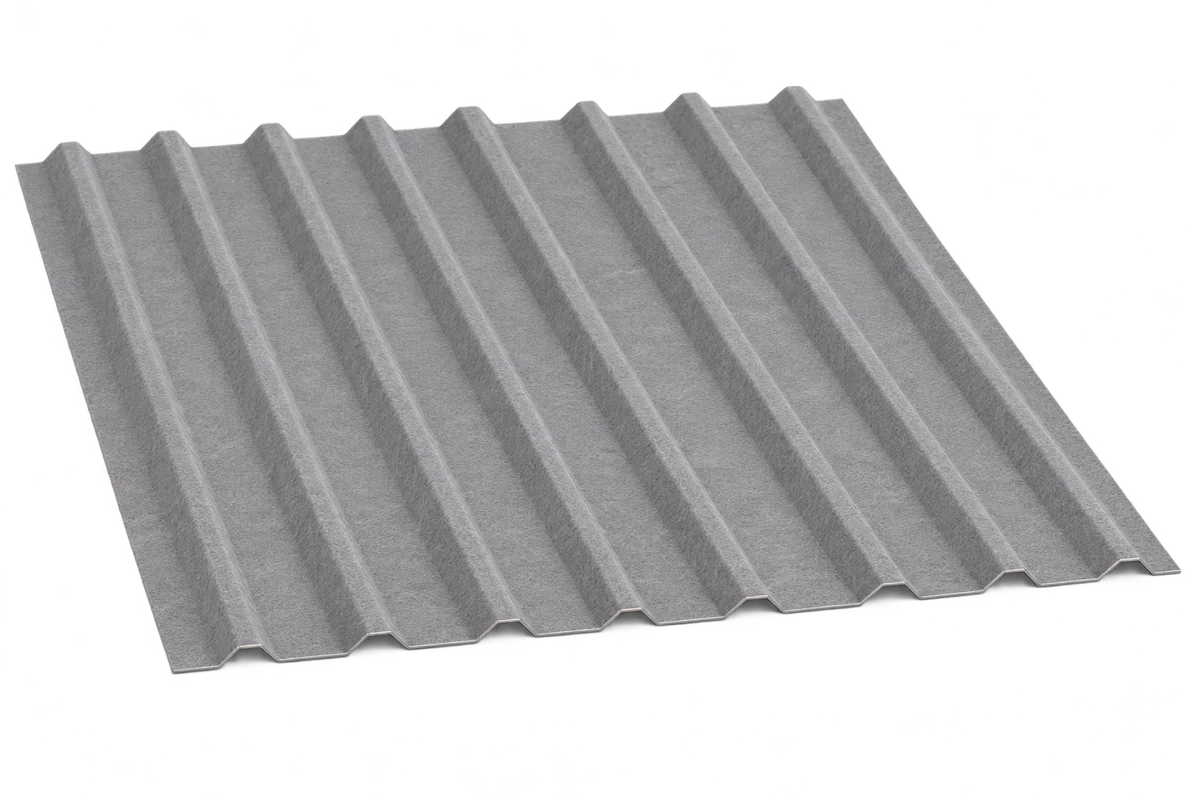
A factory-applied fleece on the underside of trapezoidal steel sheeting can temporarily hold condensation and may affect how the roof sounds. For…
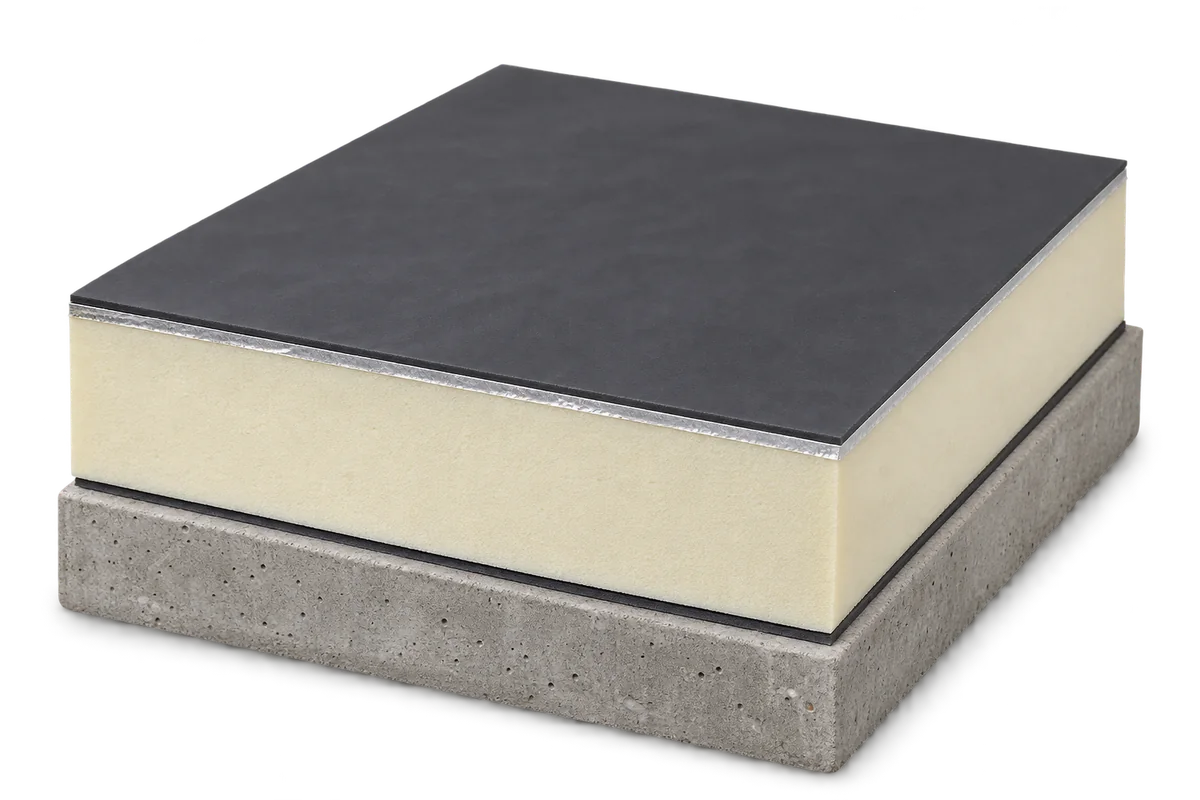
A flat roof consists of several layers that work together. The structure carries the loads, insulation reduces heat loss and waterproofing keeps…
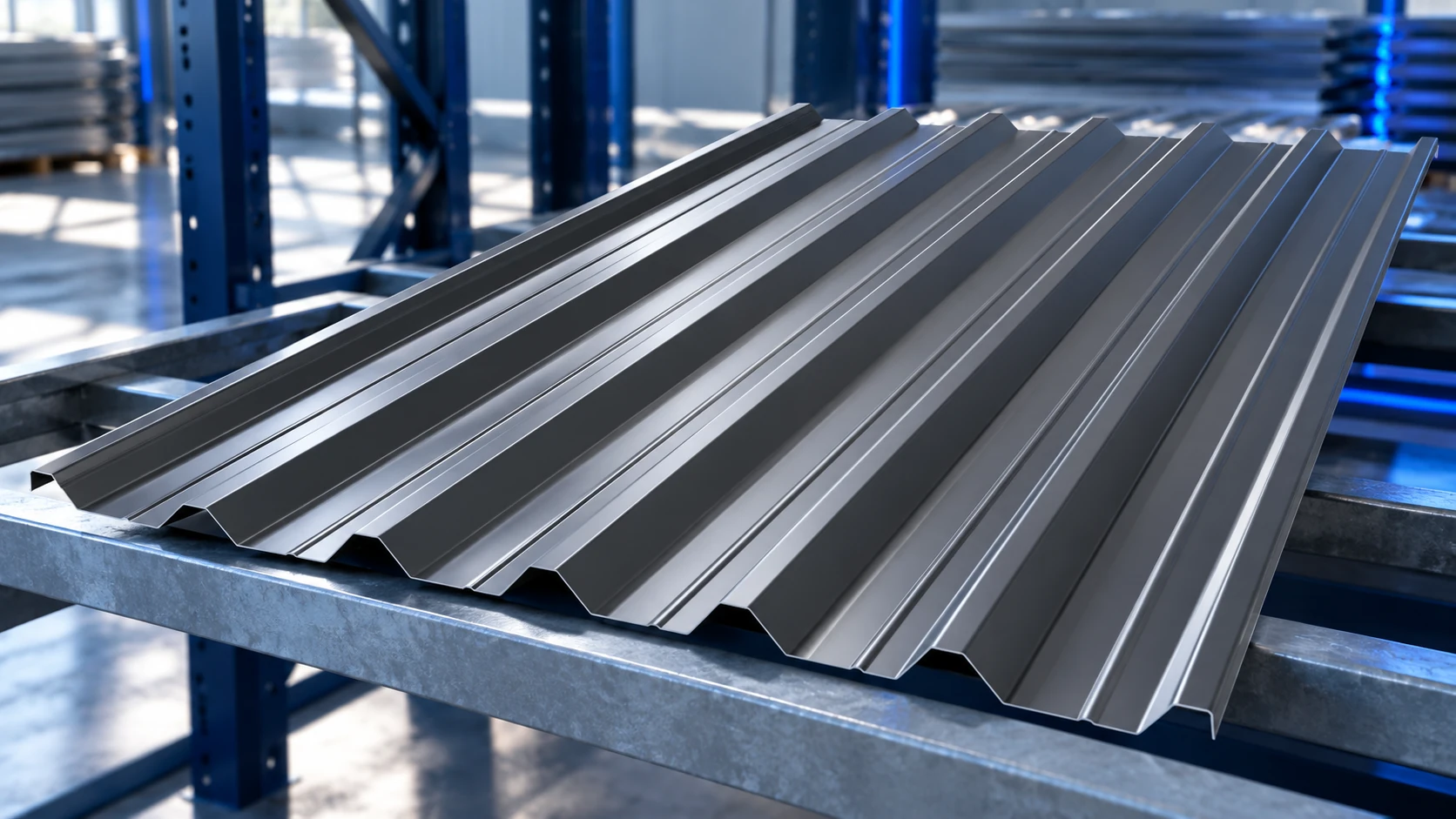
Choosing trapezoidal steel roofing starts with the roof: its pitch, supports, loads and intended use. Those requirements determine a suitable profile and…
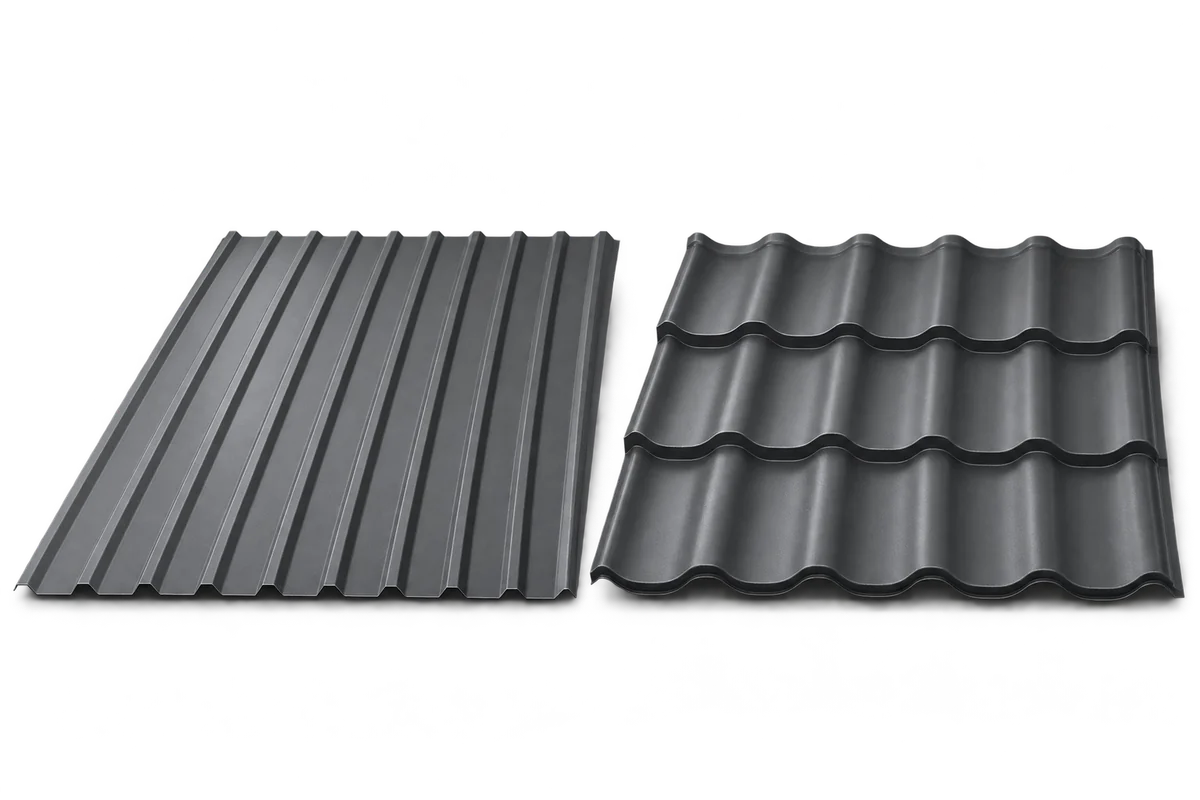
Metal roof tiles suit traditional houses, while trapezoidal sheets create a simpler roofline. Check the roof pitch, support spacing, protective coating and…
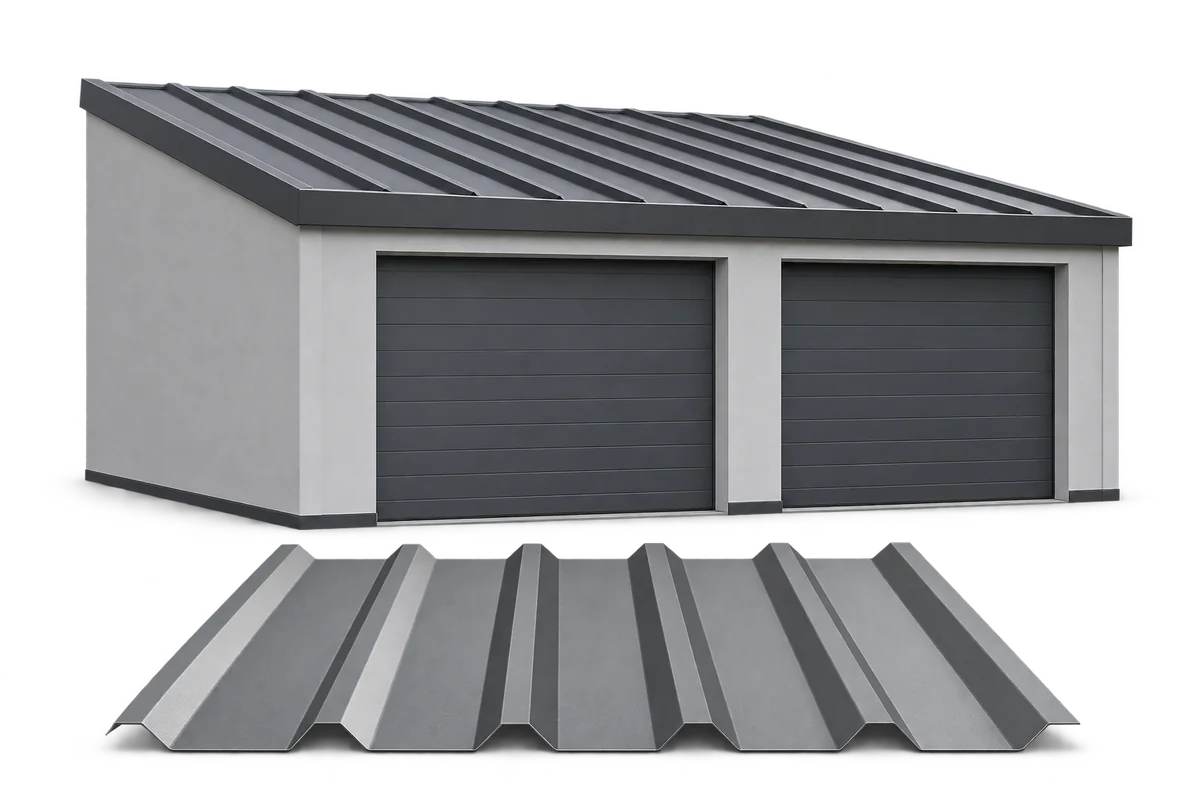
Trapezoidal steel sheets can cover a garage roof, clad its walls or screen the side of a carport. Choose the coating and…
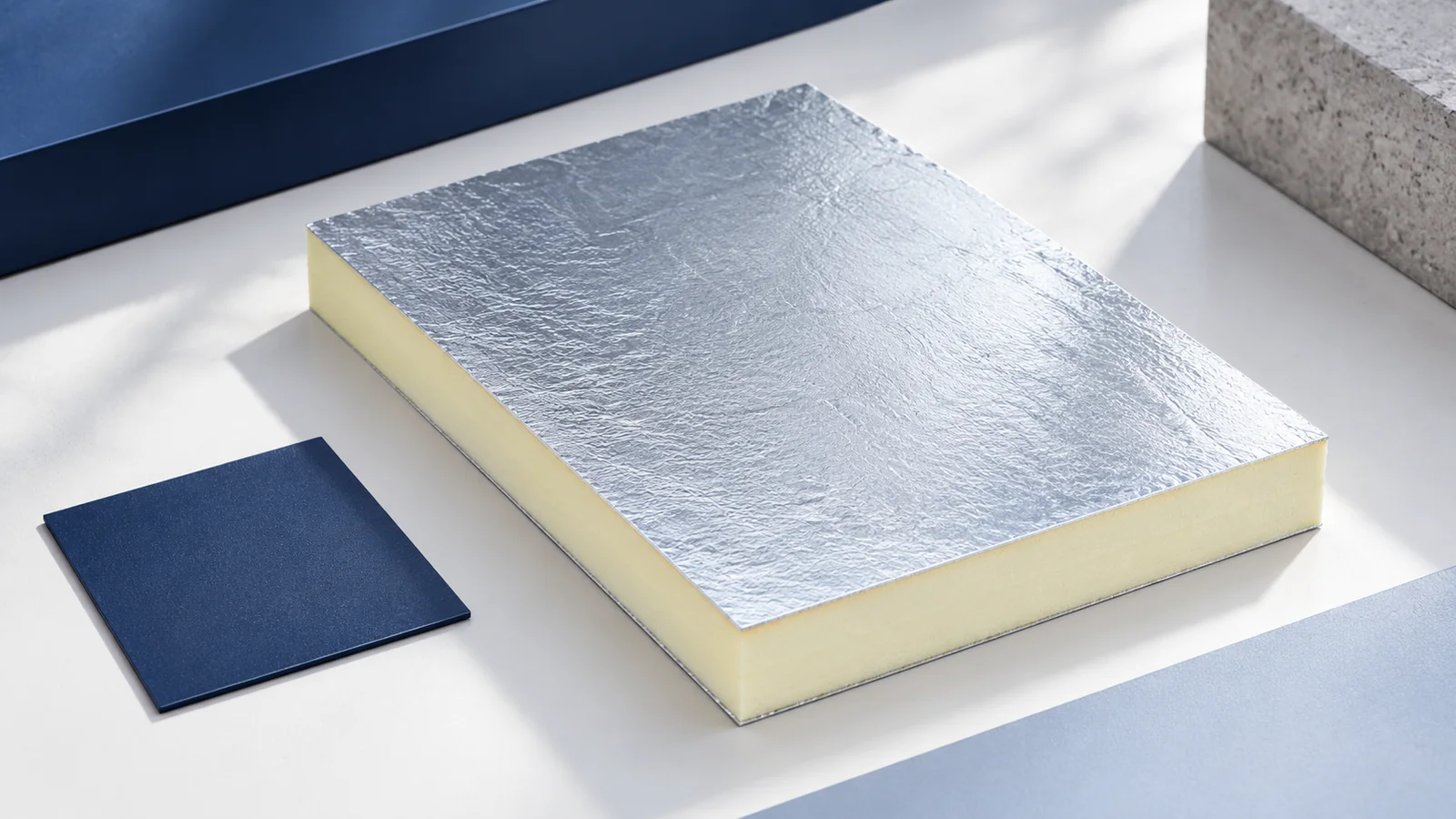
A flat roof covering should be selected around the roof's use, drainage and complete build-up. Structural trapezoidal decking, PIR insulation and waterproofing…
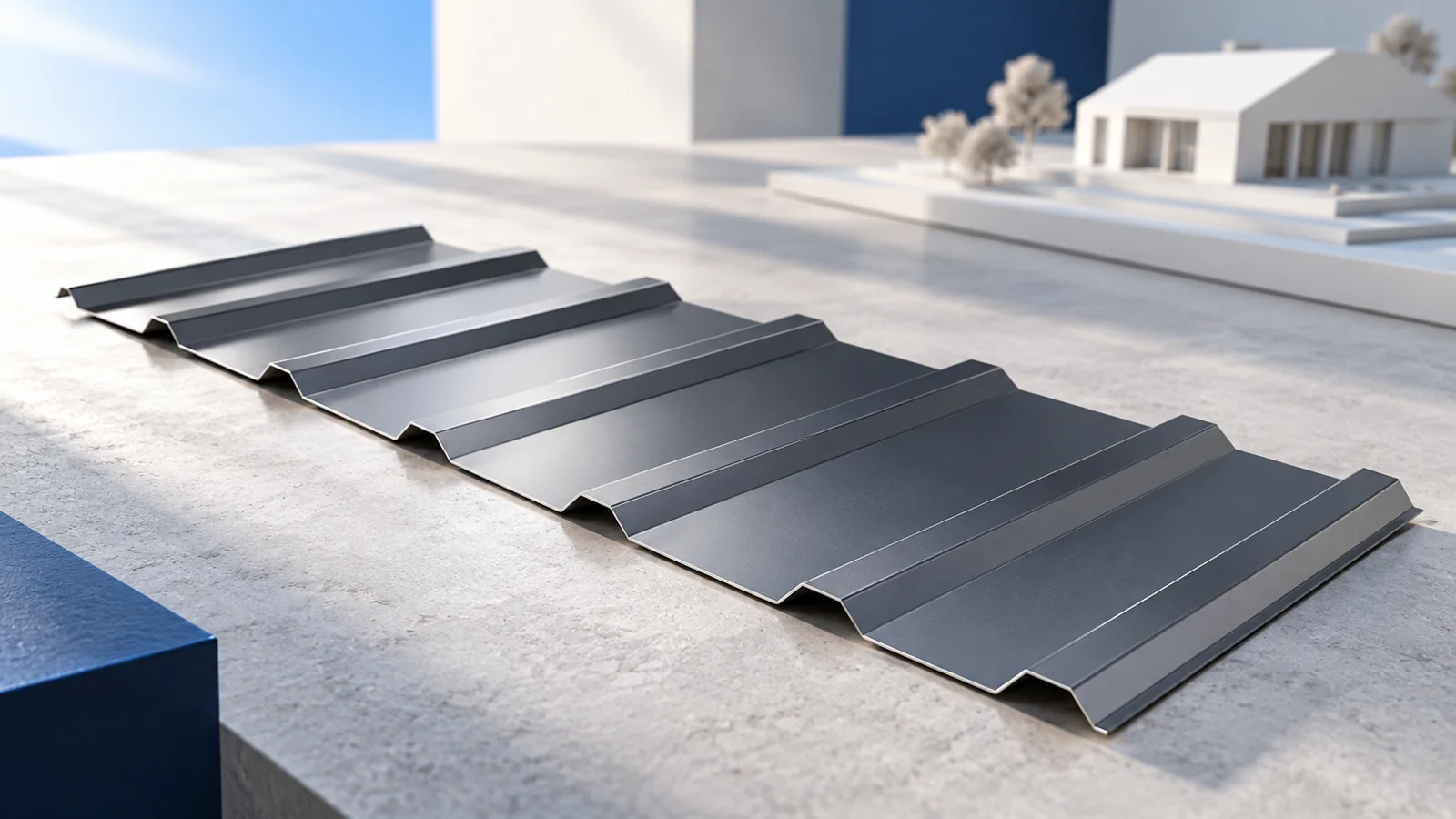
Useful roofing training should leave an installer able to check their own work, not merely holding a certificate. Roofers need to understand…