






Planning sandwich panel installation from delivery to handover
Installation and structure
Efficient sandwich panel installation depends on preparation: panels must match the supporting structure, accessories must be available, and the crew needs agreed drawings and installation instructions. Divide the work into delivery inspection, support checks, installation and final acceptance. Each stage provides an opportunity to detect mistakes before later components conceal them. This guide explains what to inspect in delivered packs, how wall orientation affects connections, and why cutting, lifting, sealing and maintenance need specific plans. It does not replace the project’s structural design or the selected manufacturer’s instructions. The goal is a complete enclosure whose materials, connections and handover records can all be checked.
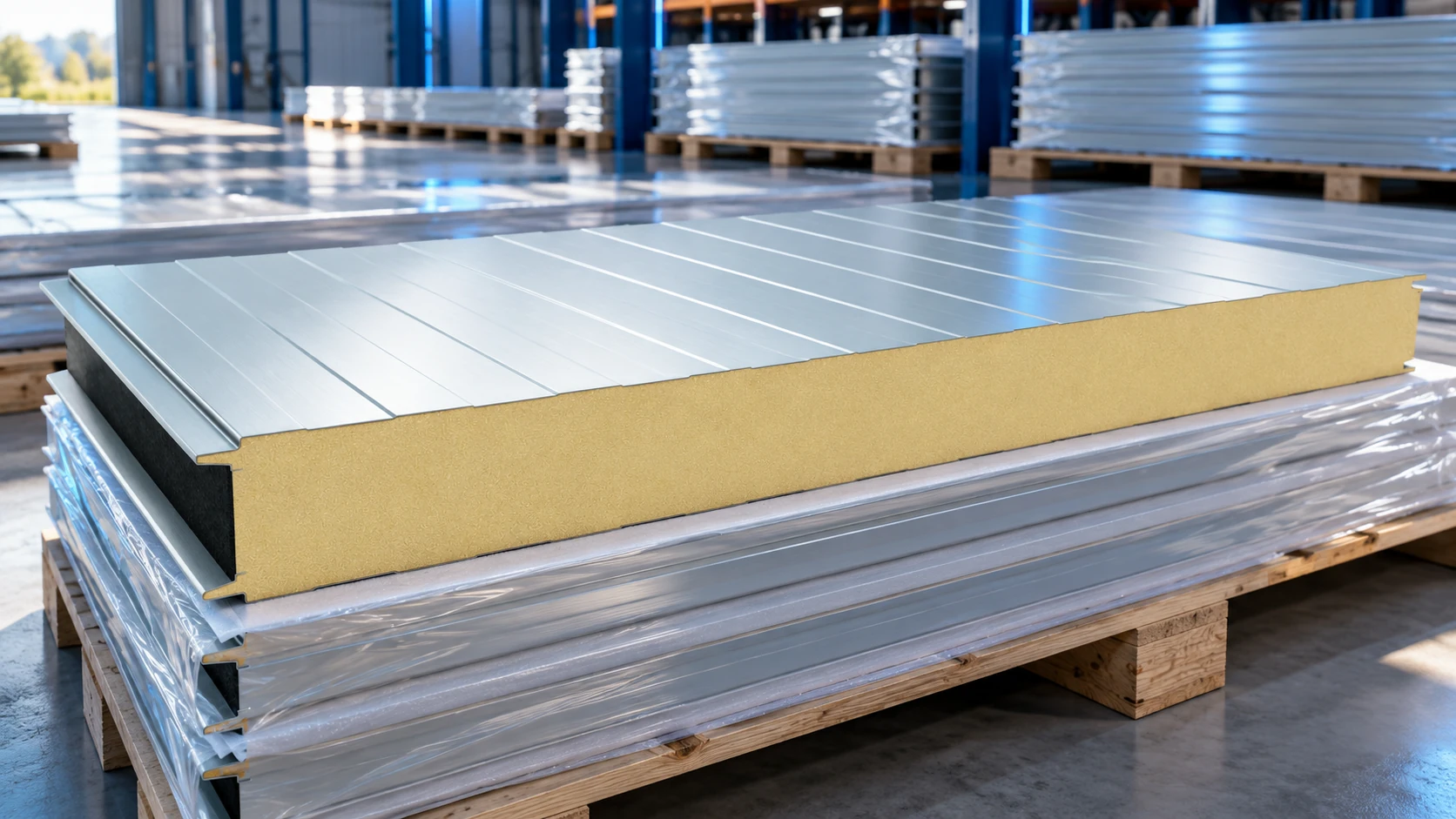
How should a delivery be inspected on site?
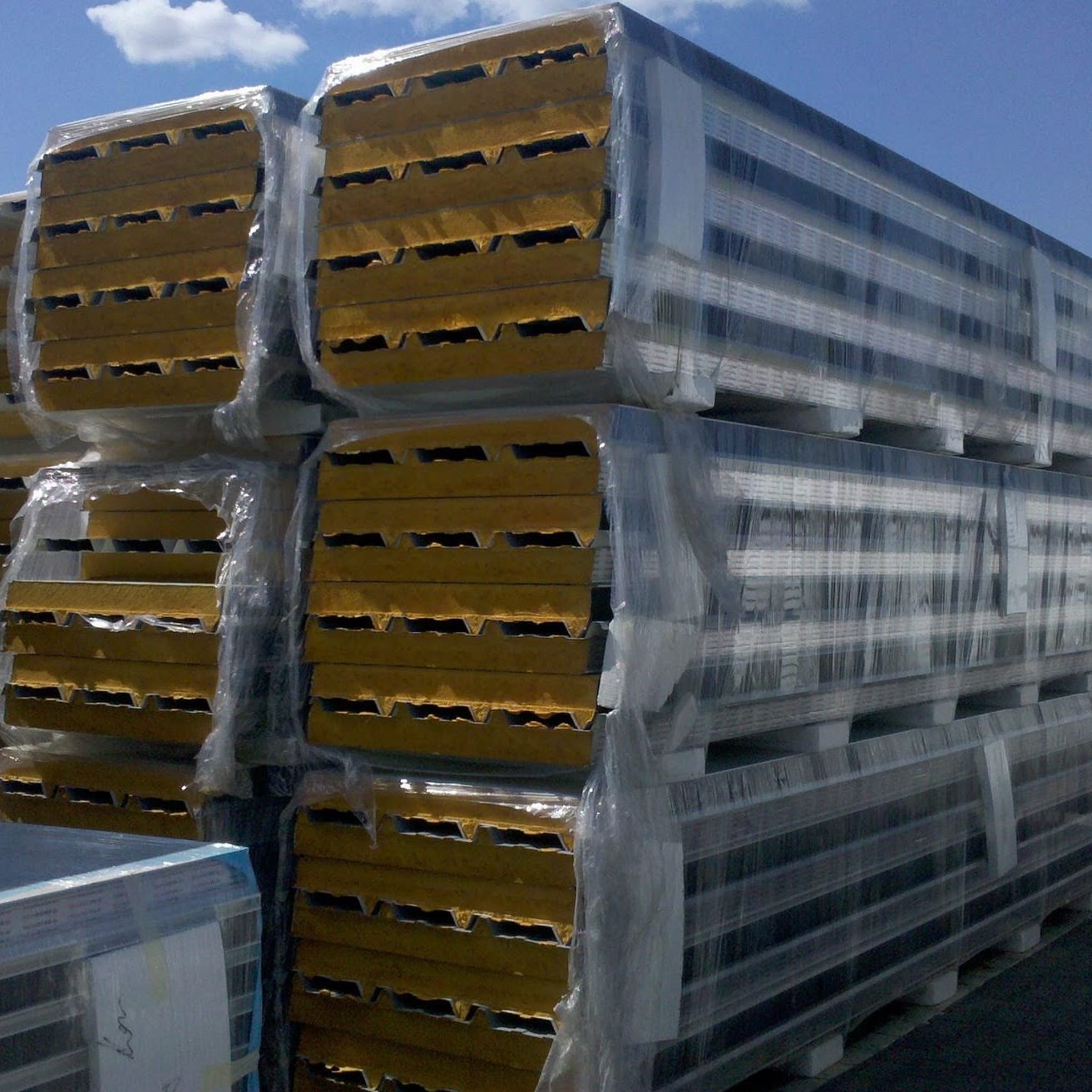
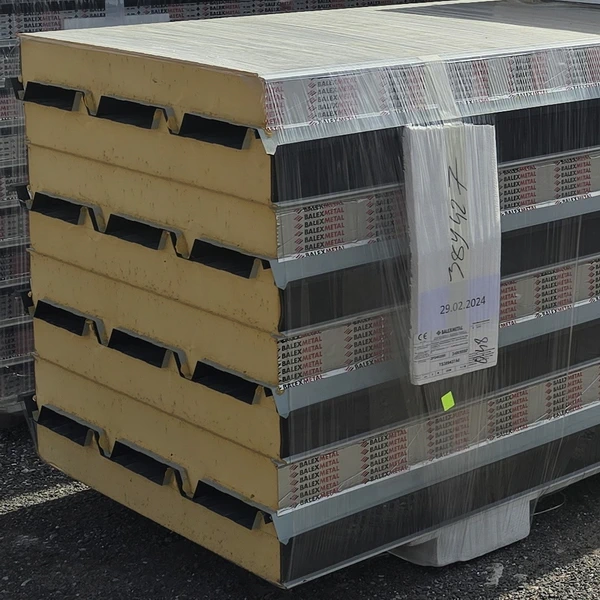
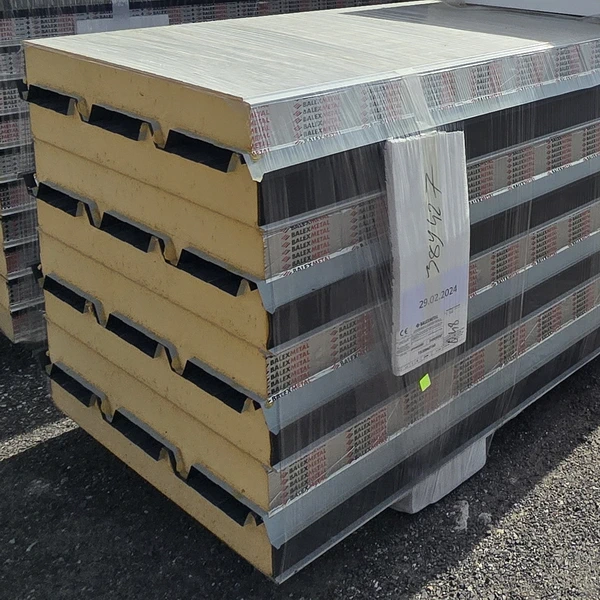
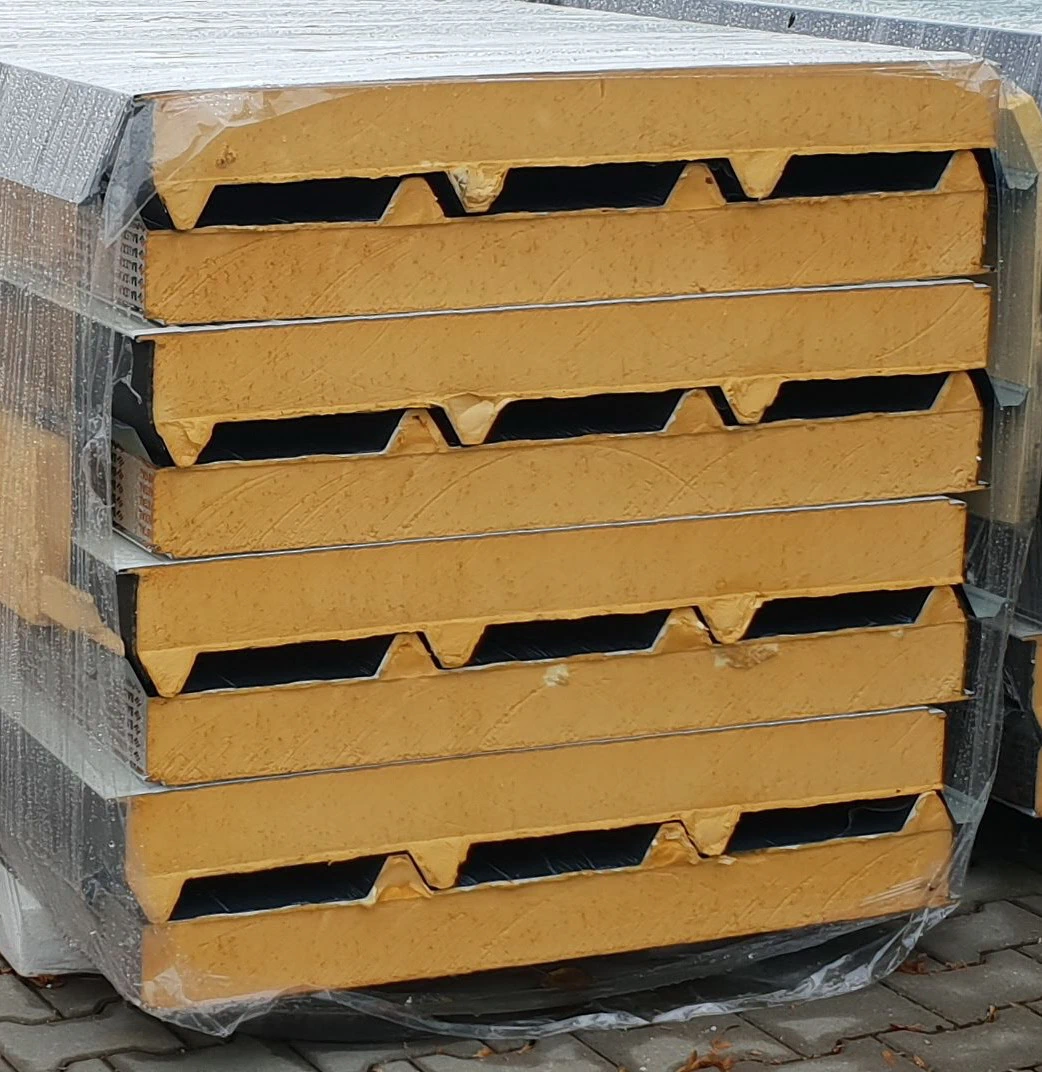
Compare labels with the order and panel layout. Check pack quantities, lengths and colours, and inspect transport protection. Photograph damage before unloading and record it in the delivery documents. Do not postpone the batch inspection until the installers arrive.
Prepare a stable storage area and agree lifting, water protection and storage conditions. Handling depends on the pack’s length and weight. Factory packaging assists transport but does not provide indefinite site protection. Trapped water between elements can cause problems before installation even begins.
What must be ready before the first panel is fixed?
The structure needs the correct geometry and complete connections. Check levels, vertical alignment and bearing planes, together with corrosion protection. Fixing locations must match the design. A distorted rail can prevent proper joint engagement and cause uneven pressure.
Prepare approved cutting tools that avoid excessive heating, equipment for removing swarf and the correct fasteners. Compare drawings with the delivered panels before work starts. Resolve discrepancies and missing details now; repairing a connection becomes harder after the support is covered.
How do you choose vertical or horizontal wall installation?
Orientation follows from the structure, architecture and fixing design. A vertical panel uses a particular rail arrangement; horizontal installation changes joints and flashings. Do not switch orientation without checking capacity and fire requirements.
Wall panels may have visible or concealed fixings. In the latter case, the next panel covers the fastener at the edge detail. Do not assume either option costs less overall. Compare supporting structure, installation work and finished appearance, and provide suitable base, corner and opening details.
How should fixings and seals be installed?
Select the fixing for steel, timber or concrete, checking its application range and length. The design specifies quantity. Compress washers correctly without deforming the facing; undertightening is not a safe way to protect the sheet either.
Tapes and sealants belong in specified positions. Not every joint needs the same material. A support seal serves a different purpose from filling a gap between cores. Check continuity of every required seal before closing the connection; final inspection after flashings are installed may miss a hidden gap.
How can cutting and handling damage be avoided?
Place panels on prepared supports and do not drag them across sharp objects. Choose lifting methods for their length and weight. Do not grip an arbitrary part of a facing: thin sheet metal is not a transport handle.
Use cutting tools approved for the facings. An angle grinder can overheat edges and damage coatings. Remove metal swarf after cutting. Large openings for doors or services weaken a panel and may need extra support. Additional screws driven into thin facings do not solve this: the arrangement around an opening must follow the design.
How should the completed enclosure be inspected?
Check materials against the schedule and inspect joints, fixings, flashings, bases, roof connections and openings. Look for scratches, dents and remaining protective film. Record defects and remedies. Remove film within the period specified for the delivered panels, including sections that must be removed before assembly to avoid trapping them in joints.
Hand over product documents and maintenance guidance. Later penetrations, suspended equipment and signs also need assessment. A sandwich panel forms a complete building element, but is not a universal support for additional loads. Resolve uncertainties using the project design.
Frequently asked questions
May installers substitute a similar panel model themselves?
A substitution requires a design-compliance check. Similar appearance and equal thickness do not establish equivalence.
When is the best time to inspect seals?
During installation, before they are concealed. Final acceptance cannot replace inspection of areas that will no longer be visible.

Free quote
What to include in your enquiry
Tell us how you plan to use the material, the dimensions and the quantity you need. Include the thickness, grade or variant name, along with the delivery town or your preferred collection branch. For a specific product, add its name or a link to the product page. We will reply to the email address you provide to discuss availability and the terms of your order.
More from the building guide
PIR generally achieves a low U-value with less thickness, while mineral-wool sandwich panels may suit particular fire requirements better. Neither is the…
A good contractor can explain how they will build to your design, define exactly what their quote covers and show how each…
Mineral-wool sandwich panels have useful strengths, but they are not the best option for every application. Selection should start with the building's…
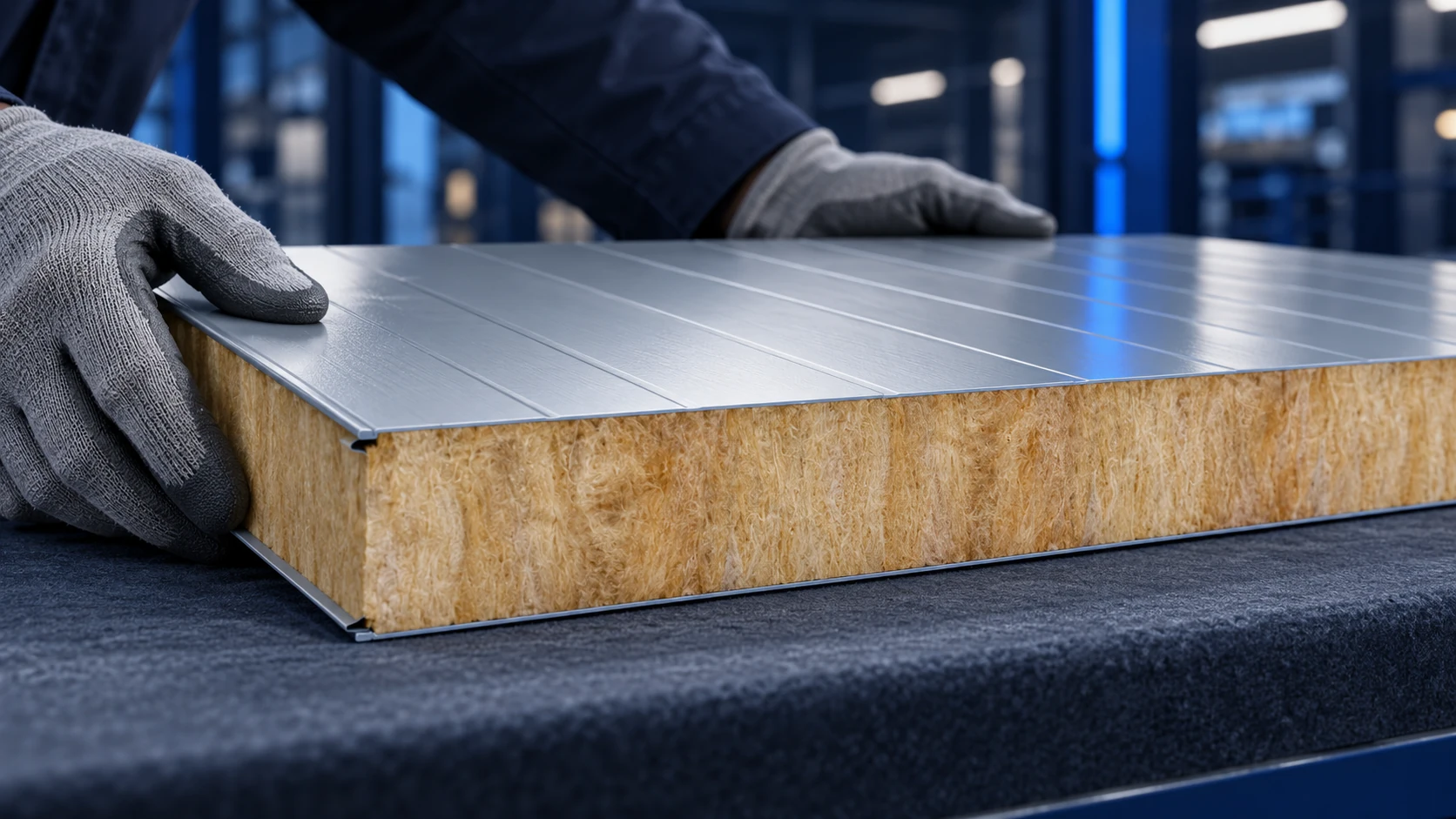
Avoiding sandwich-panel installation defects requires checks from delivery through to handover. Small deviations repeated across a wall or roof can cause serious…
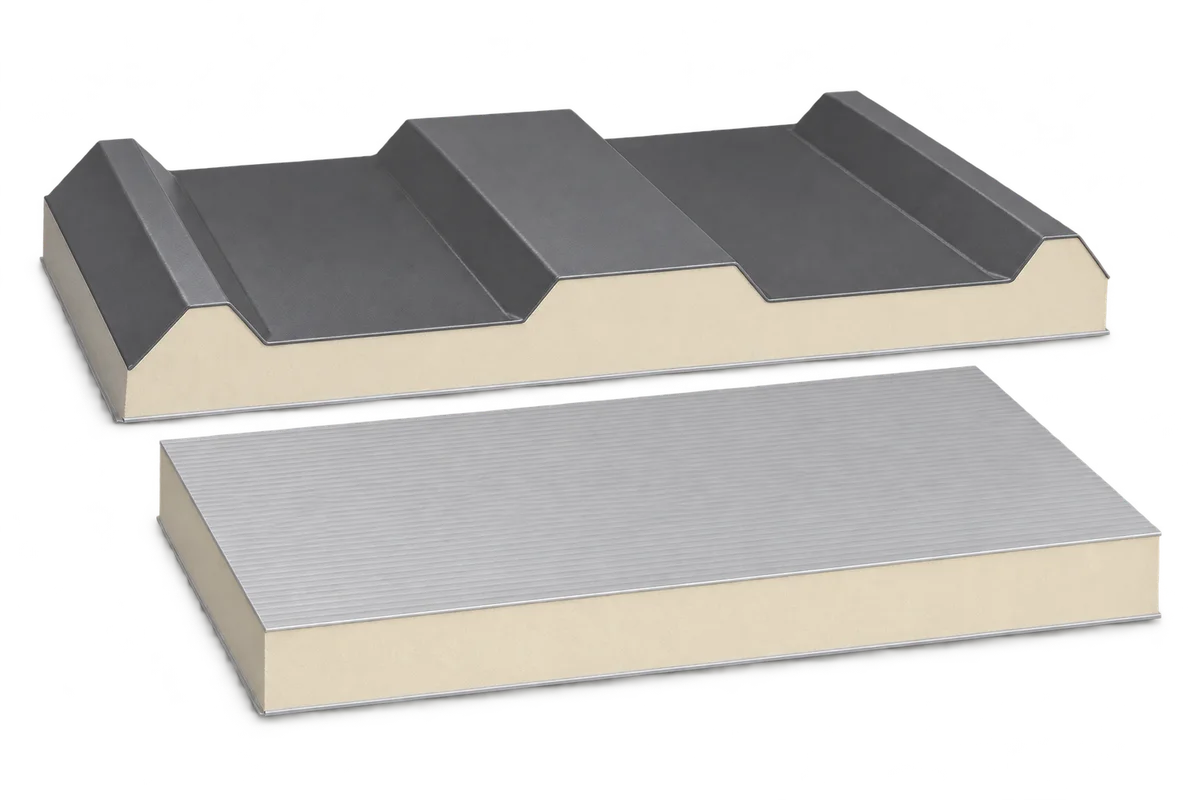
A sandwich panel enquiry should define a particular delivery, rather than just an area and a core thickness. The buyer needs to…
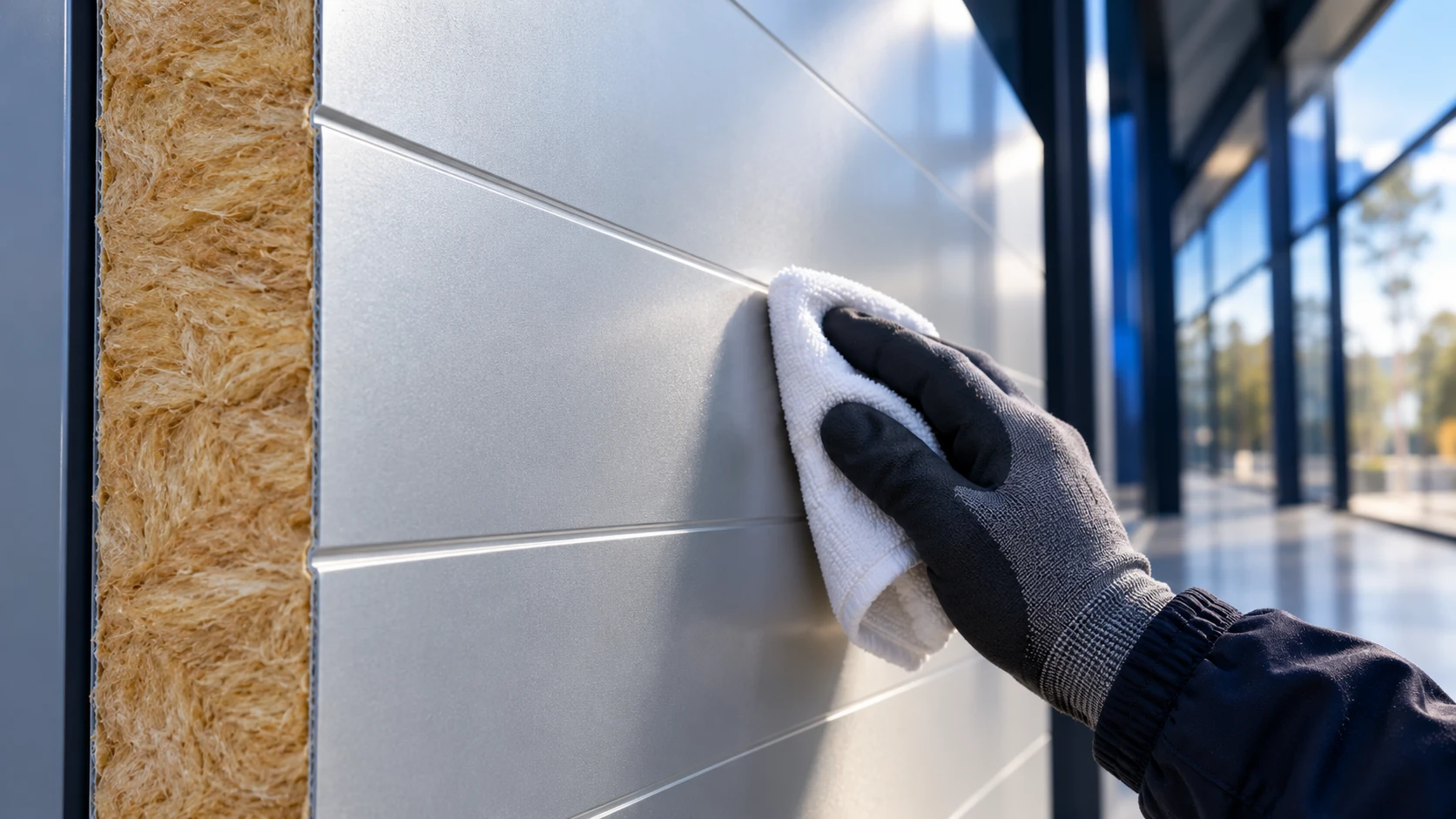
There is no single service-life figure for every mineral-wool sandwich panel. Conditions in a dry warehouse differ from those in a plant…
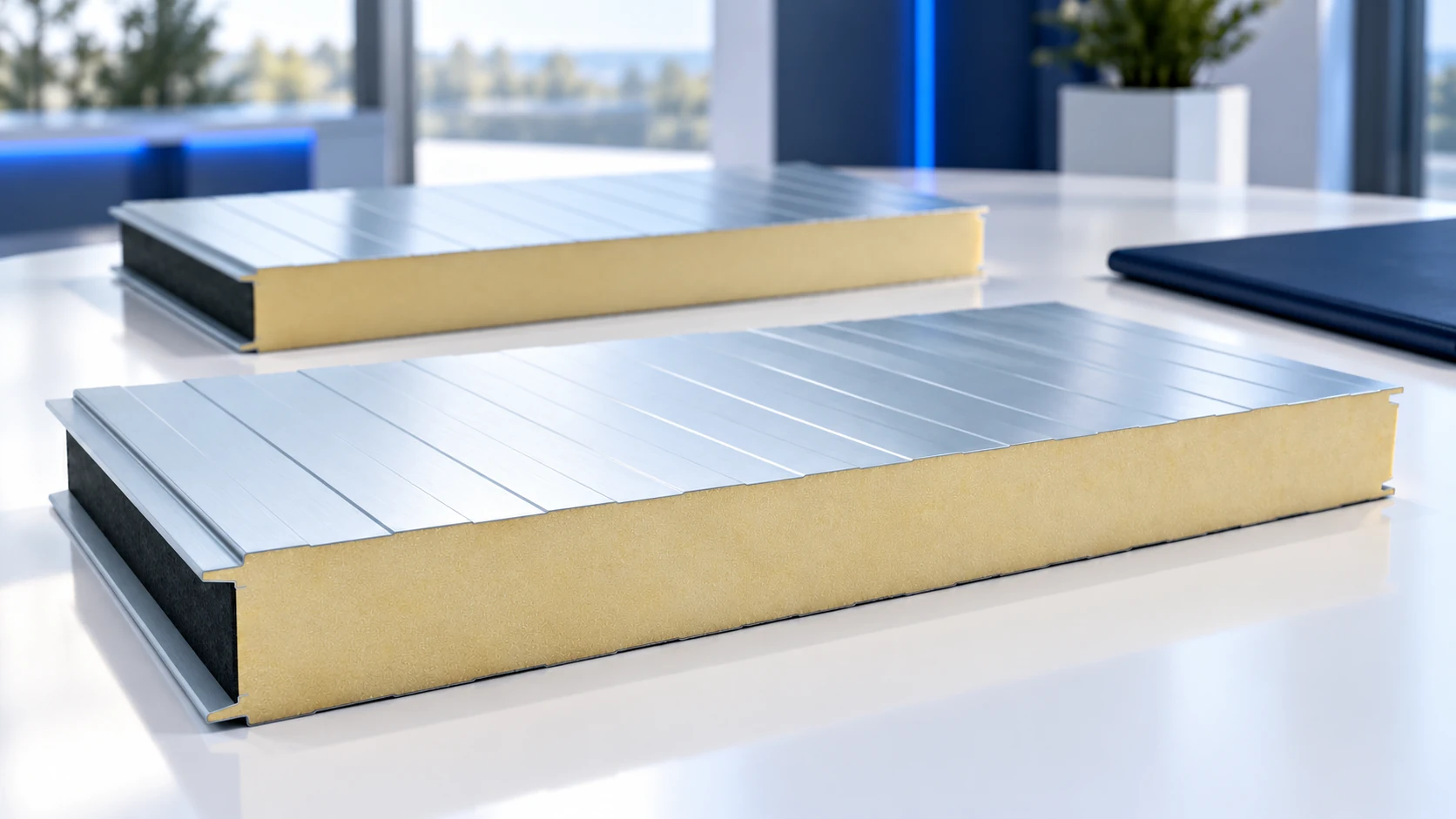
The cheapest advertised sandwich panel does not necessarily produce the cheapest enclosure. Panel lengths, cutting waste, transport and missing accessories can outweigh…
Judge a building technology by the job it performs in the particular project. Prefabrication changes preparation, sandwich panels combine enclosure functions, and…