






Selecting trapezoidal roof-sheet thickness: profile, supports and loads
Metal roofing
There is no single sheet thickness suitable for every roof. Trapezoidal roofing must be selected together with its profile, support spacing, loads and the manufacturer’s applicable structural tables. A 0.50 mm sheet can suit one arrangement while another needs a different thickness or profile. Coating, steel properties and the condition of an existing frame need separate attention. This guide explains which project data to gather and how to compare alternatives without treating “thicker” as an automatic solution. The PLN figures are hypothetical cost examples for selected configurations, not current offers, and cannot establish whether a particular sheet is structurally suitable for your roof.
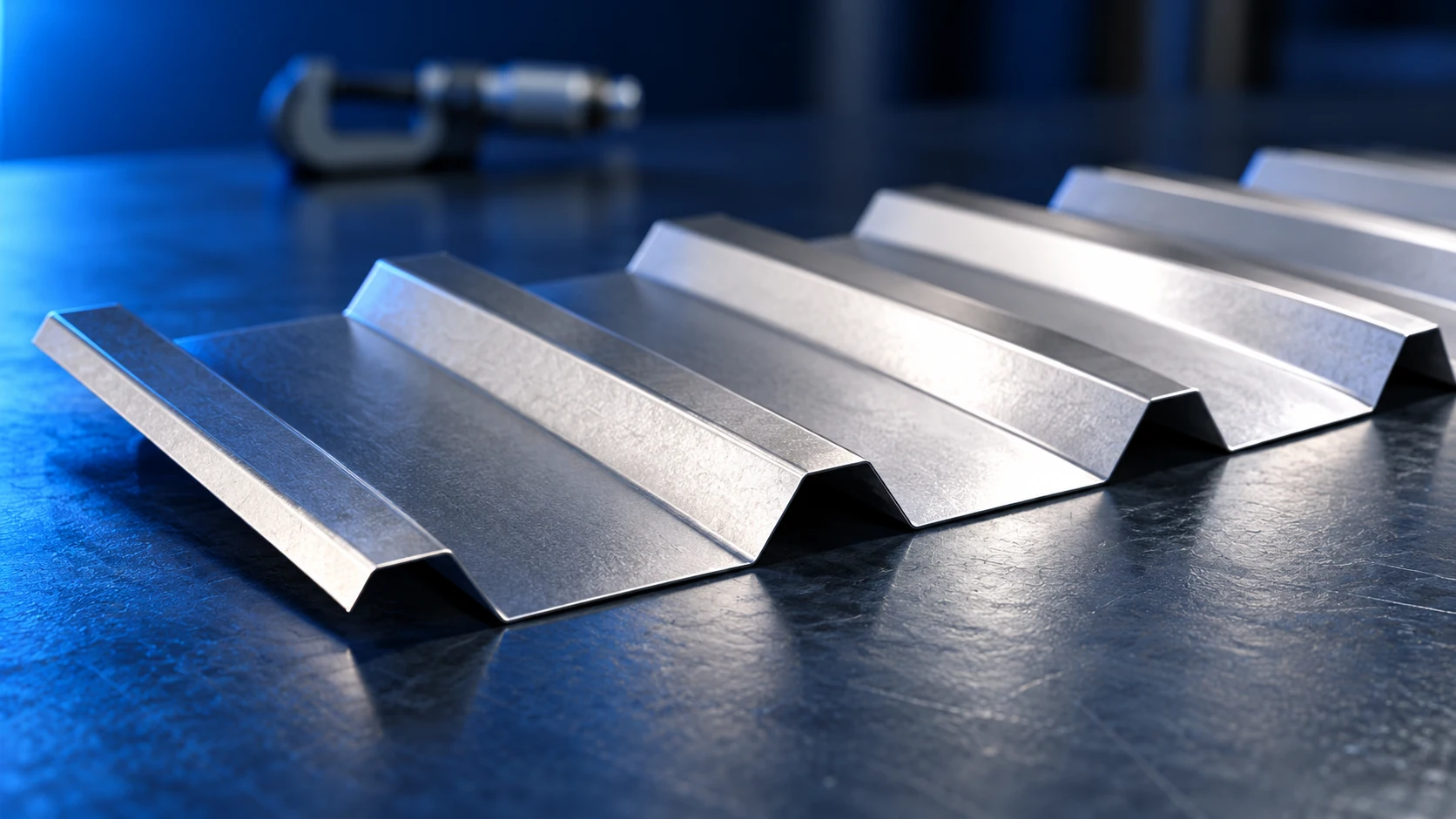
Thickness cannot be separated from profile geometry
The same steel sheet develops different properties when formed into different sections. T18 and T35 therefore cannot be compared by thickness alone. An example T18 version is offered in 0.5–0.7 mm, while one T35 version covers 0.5–1.0 mm. Their cover widths also differ. Check the exact options for the chosen profile.
Availability does not mean every thickness suits every roof. The range describes what the manufacturer produces; the design determines which version is appropriate. Thicker sheet cannot correct an unsuitable pitch or defective overlaps. Its selection should address a defined structural requirement.
Loads and support arrangement are required
Checks include snow and wind loading. Single- or multi-span arrangements and support widths matter, as does force direction. Wind suction loads fixings differently from the downward pressure of snow.
Tables distinguish load-bearing capacity from permissible deflection: these are separate checks. Establish whether sheet self-weight is included and which structural arrangement is assumed. One table entry is insufficient without its notes. The table conditions must match the actual supports and loads.
Capacity data may refer to a specific steel grade. A sheet of equal thickness but different material properties does not automatically comply with the table. Link the documentation to identification of the delivered product. A calliper measurement alone does not complete the inspection.
For refurbishment, measure the existing structure first
Old batten spacing may be irregular. Timber may be weakened and screws may enter damaged material. Increasing roofing thickness will not resolve those issues. Assess the structure and establish repairs before selecting the covering.
Prepare a sketch showing support distances and photographs of connections. Include roof-slope length and building location. The designer can then compare the existing arrangement with the new sheet. Choosing “the same as before, just thicker” overlooks changes in documentation and use.
Check what the higher price is buying
For a hypothetical comparison, use one T18 profile with 25 µm polyester coating. Assume PLN 36.34 excluding VAT/m² of cover at 0.50 mm, PLN 46.72 at 0.60 mm and PLN 57.10 at 0.70 mm. This isolates the example cost of changing thickness; it is not a market average or current offer. Compare your own quotes with matching profile, coating and units.
For an example 100 m², the difference between 0.50 and 0.70 mm is PLN 2,076 excluding VAT. The thinner option is not a saving if it fails the design requirements. Conversely, paying for unnecessary thickness may not produce the most economical assembly. A higher profile with a different substructure may be worth comparing.
Increasing thickness also increases weight. Account for this in transport and installation. Although not usually the only factor, it affects handling of long sheets. Discuss it with the installers before ordering.
Coating and steel thickness describe different properties
Nominal sheet thickness does not fully describe environmental resistance. Choose the coating separately. Thin and thick steel can use different protective systems. Compare both pieces of information rather than relying on the label “0.7 mm”.
Check the steel grade and product documents too. Measuring a coated sample does not always directly establish the nominal steel-core thickness. If uncertain, clarify measurement basis and tolerances. One inaccurate reading is not grounds to accuse a supplier, but discrepancies should be resolved before installation.
Record the selection clearly in the order
Specify manufacturer, full model, nominal thickness and coating. Attach the drawing and required sheet lengths. Identify the roofing version in the specification: a similarly named façade profile need not have the same edges or coated face orientation.
On delivery, check labels and document consistency. A thickness or model change requires reassessment. Fasteners must suit the substrate and assembly. Installation instructions remain necessary even when the sheet is “stronger than needed”: thickness cannot replace correct workmanship.
If another batch is proposed, obtain confirmation of all relevant properties. Matching length and colour do not establish matching thickness. Checking delivery labels is easier than resolving differences after the roof has been laid.
Frequently asked questions
Is 0.50 mm always enough for a garage?
No. A building’s name does not establish its loads or support spacing. The particular arrangement must be checked.
Is thicker sheet more corrosion-resistant?
Environmental resistance also depends on coatings, details and use. Thickness alone does not provide a complete answer.

Free quote
What to include in your enquiry
Tell us how you plan to use the material, the dimensions and the quantity you need. Include the thickness, grade or variant name, along with the delivery town or your preferred collection branch. For a specific product, add its name or a link to the product page. We will reply to the email address you provide to discuss availability and the terms of your order.
More from the building guide
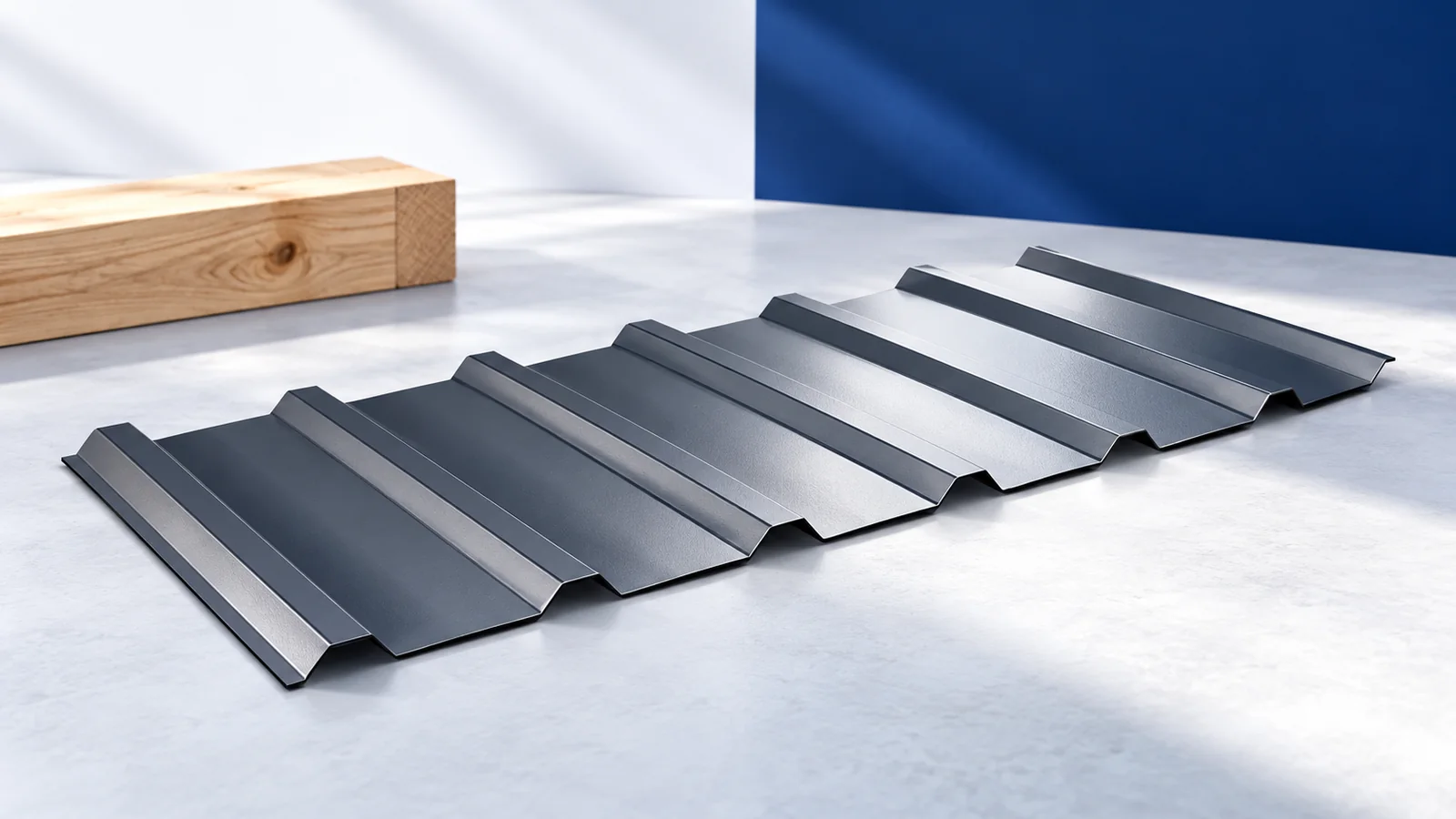
Trapezoidal façade cladding requires geometry and fixing design to be selected together. T18 usually gives a finer rhythm, while T35 creates stronger…
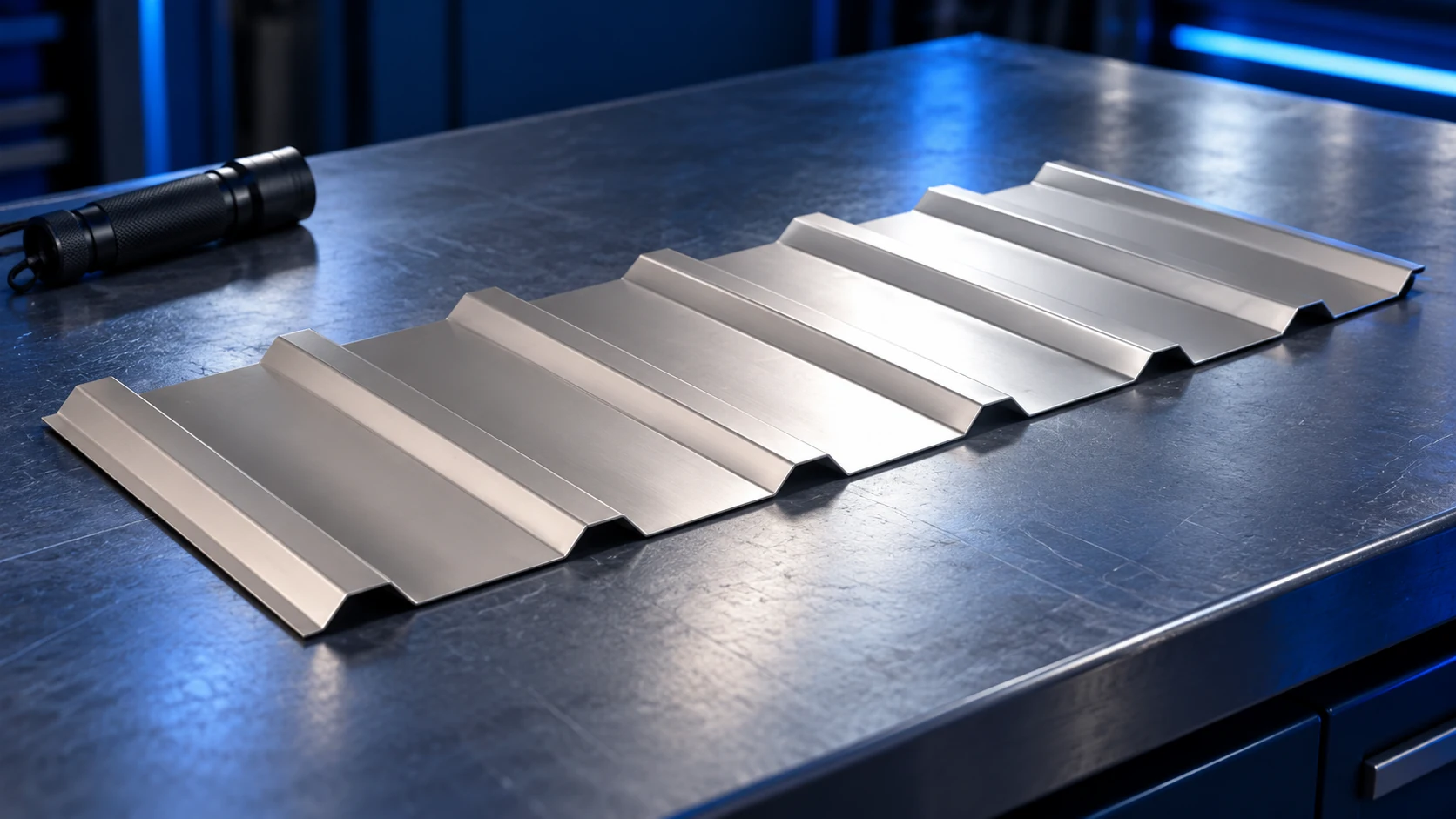
A useful trapezoidal steel sheet quotation lets you verify the product, quantity and complete price. The name T18 and a colour alone…
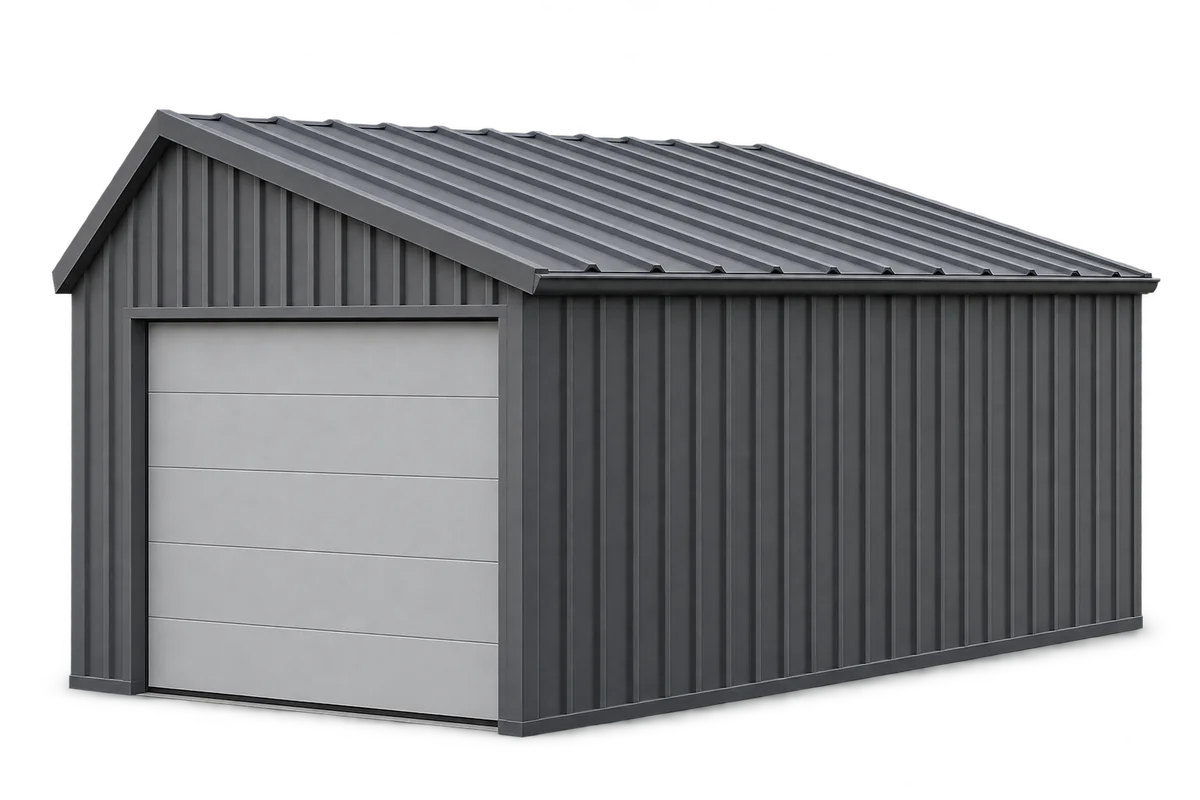
Trapezoidal steel sheeting can make a durable, low-maintenance garage roof and wall cladding if the sheets suit both the frame and the…
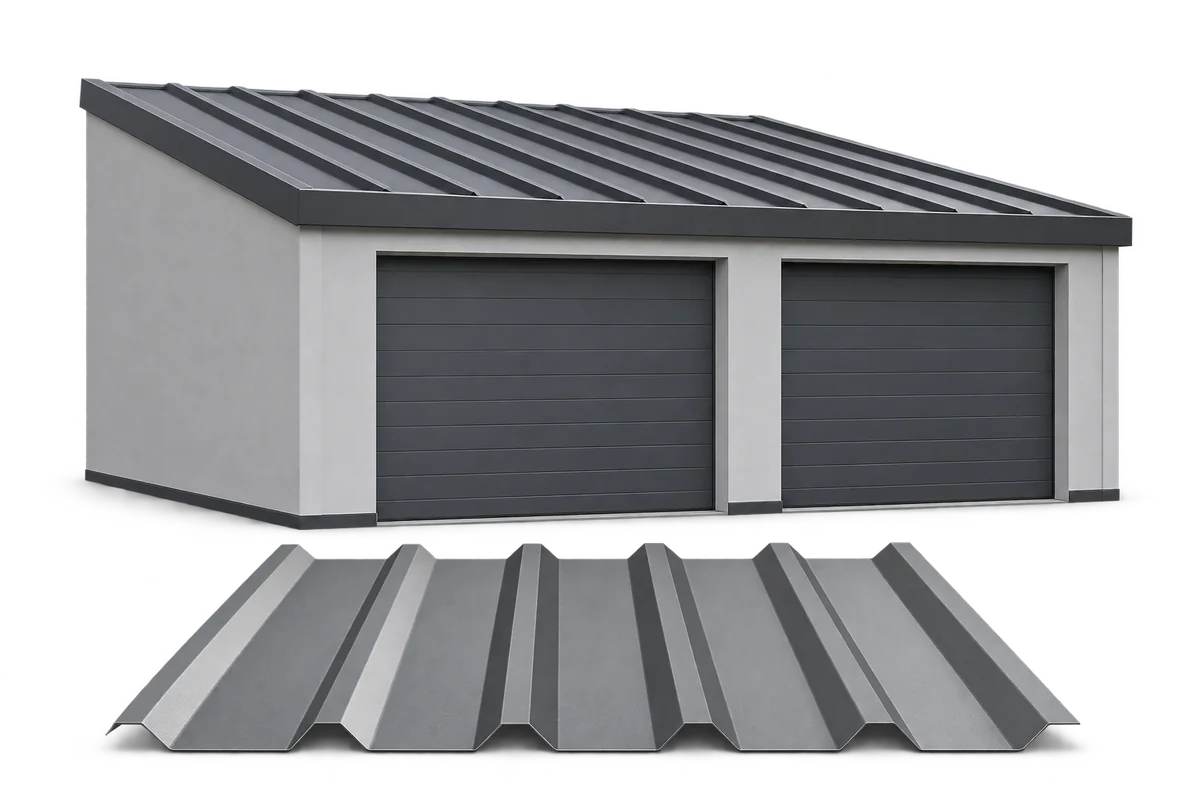
Trapezoidal steel sheets can cover a garage roof, clad its walls or screen the side of a carport. Choose the coating and…
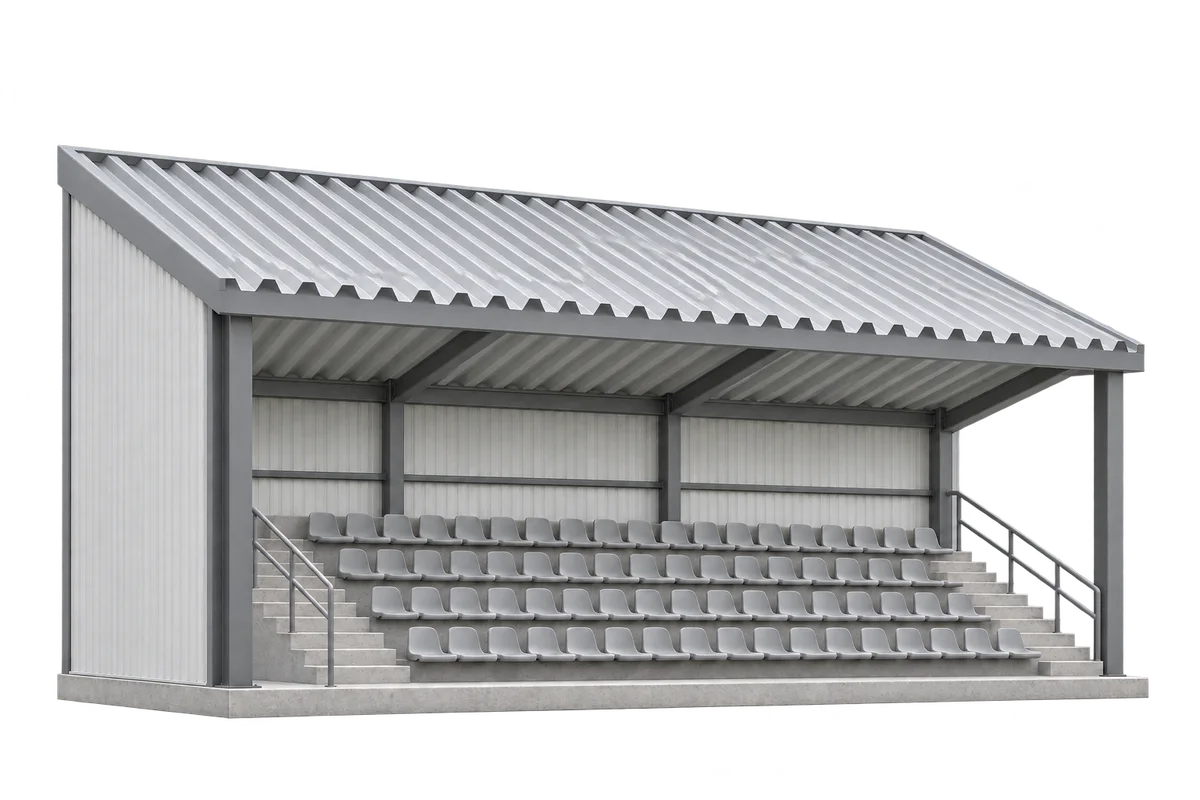
Use the sheet layout drawing to count the sheets for a grandstand canopy. The order needs dimensions in two directions. Across the…
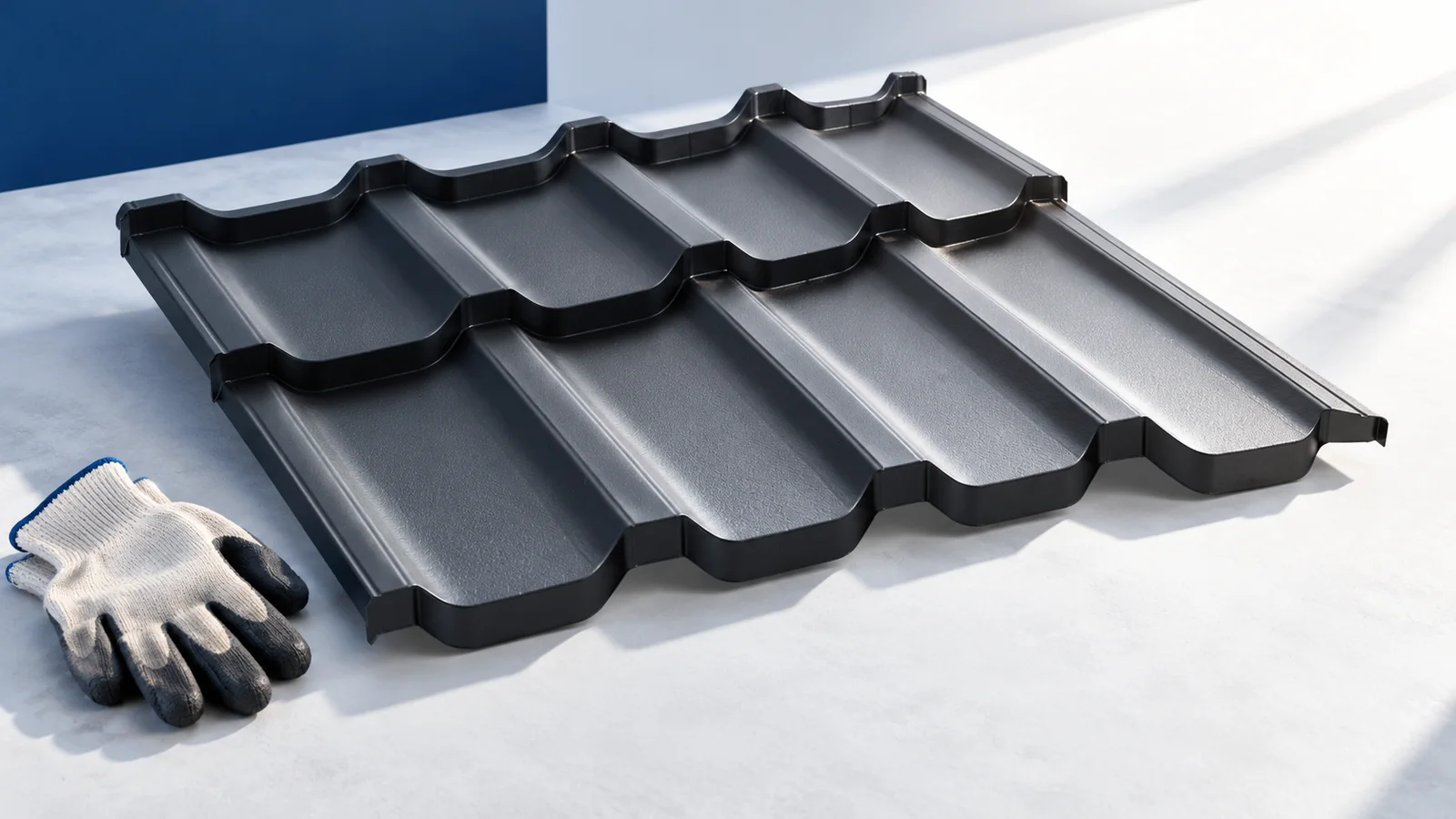
Replacing old fibre-cement roofing involves two separate decisions: how to remove the existing material safely and what roof to install afterwards. Not…
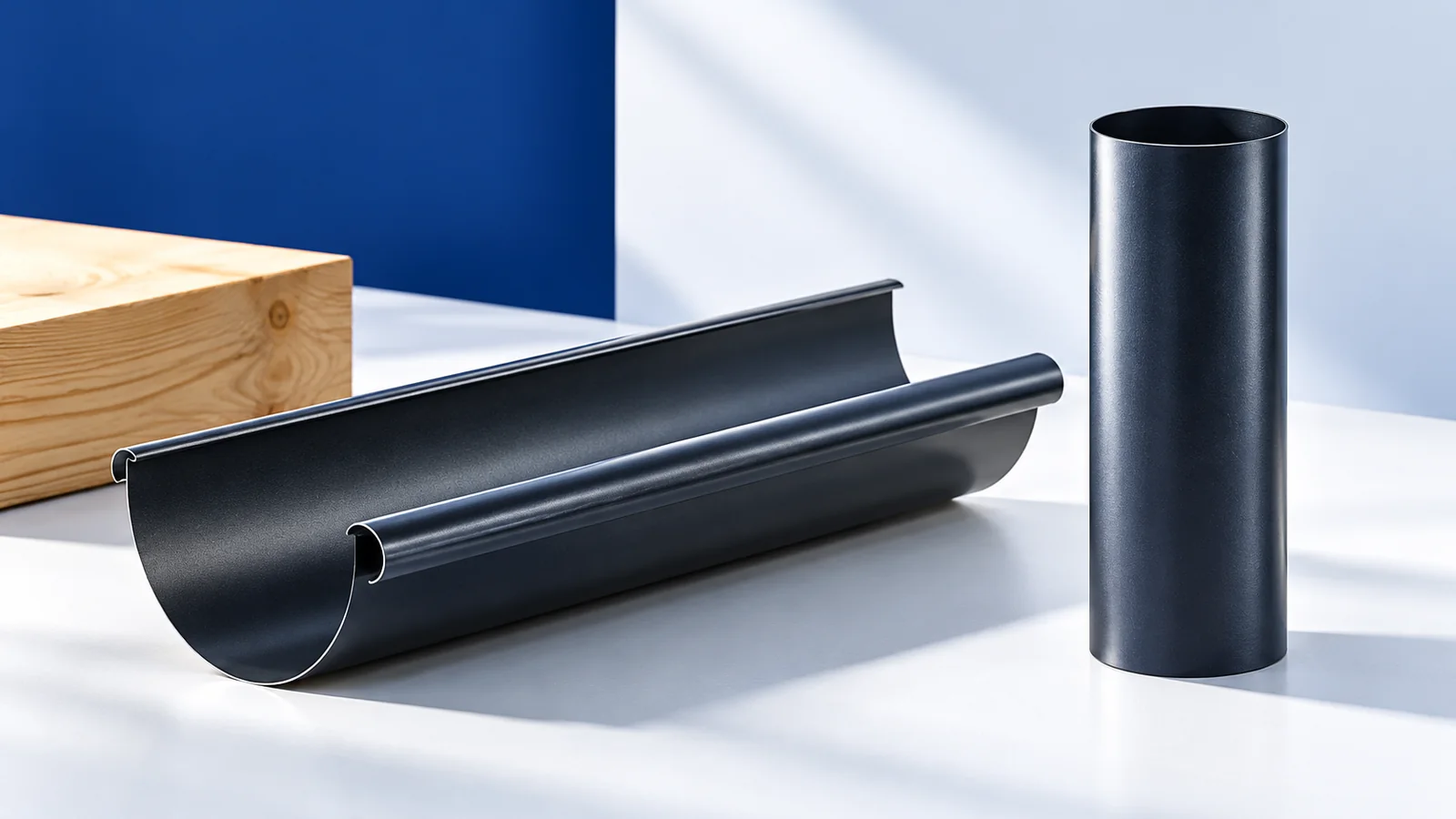
Start gutter selection for a metal roof with the amount and direction of runoff, then consider shape and colour. Relevant details include…
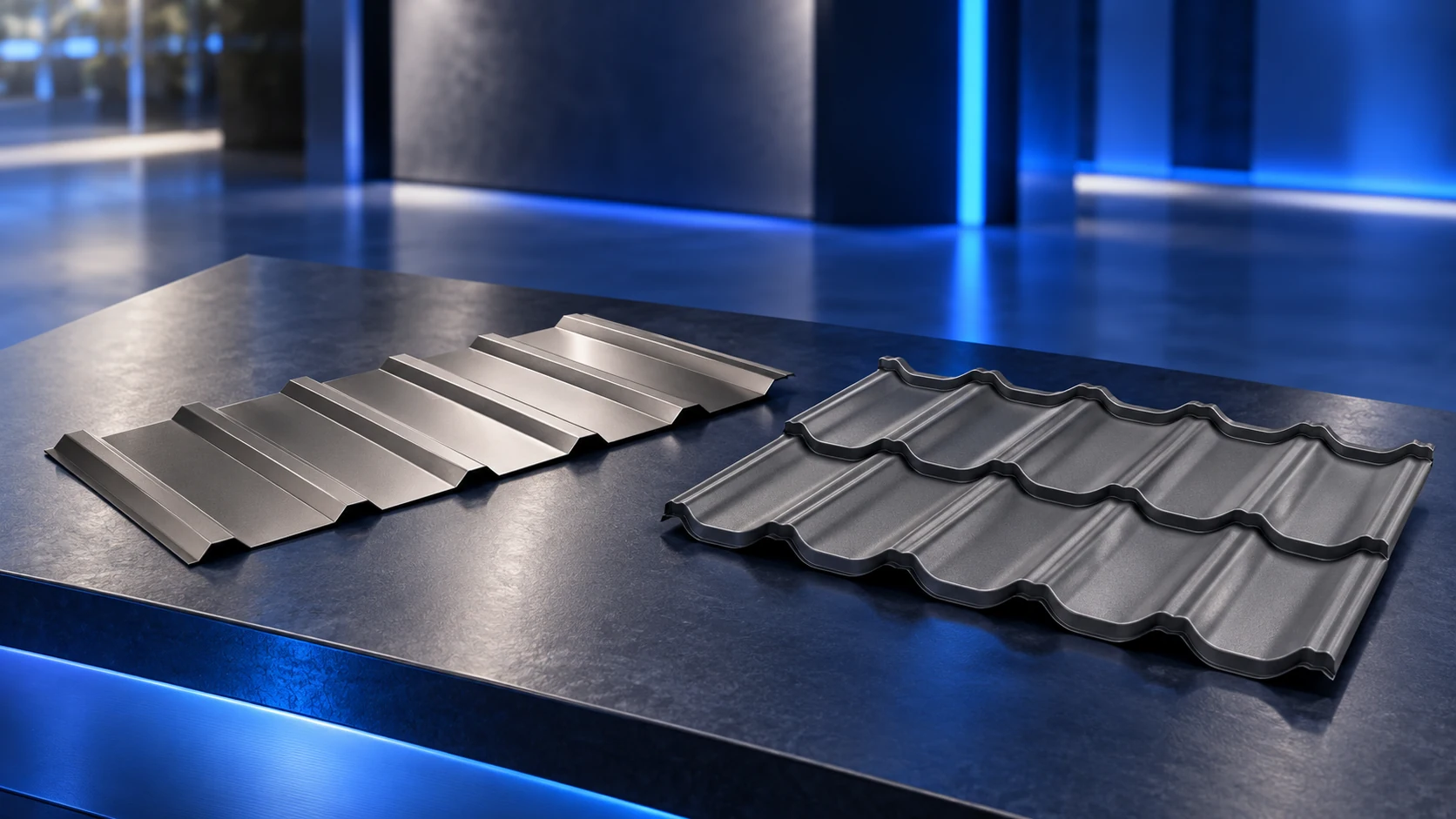
Both steel tile-effect sheets and trapezoidal profiles can form a reliable roof when they suit the design and are installed correctly. Tile-effect…