






Finding economical roofing that actually suits the building
Metal roofing
The cheapest sheet does not necessarily produce the cheapest finished roof. Substructure, flashings, cutting waste and installation all belong in the comparison, and the material must first meet the requirements of the actual roof slope. Several metal-roofing models can be compared on a consistent basis, but no single covering is universally cheapest for every house, garage or hall. This guide separates material rates from whole-roof costs and identifies savings in planning and logistics that preserve required performance. The PLN examples below are hypothetical calculations for selected products, not a live price ranking, and do not establish the cost of roofing systems omitted from the comparison.
Separate the material price from the completed roof cost
A quotation may omit underlay, battens, flashings or unloading. A low rate per metre does not reveal those differences. Refurbishment also adds removal, disposal and structural repair. The same sheets can therefore result in different final costs on two buildings.
Prepare the item list before collecting quotations and require the same scope in each. If one installer prices only fastening the sheets while another includes all details, the difference is not a comparison of the same service. Obtain a breakdown instead of hiding extras in one total.
Compare several specific materials
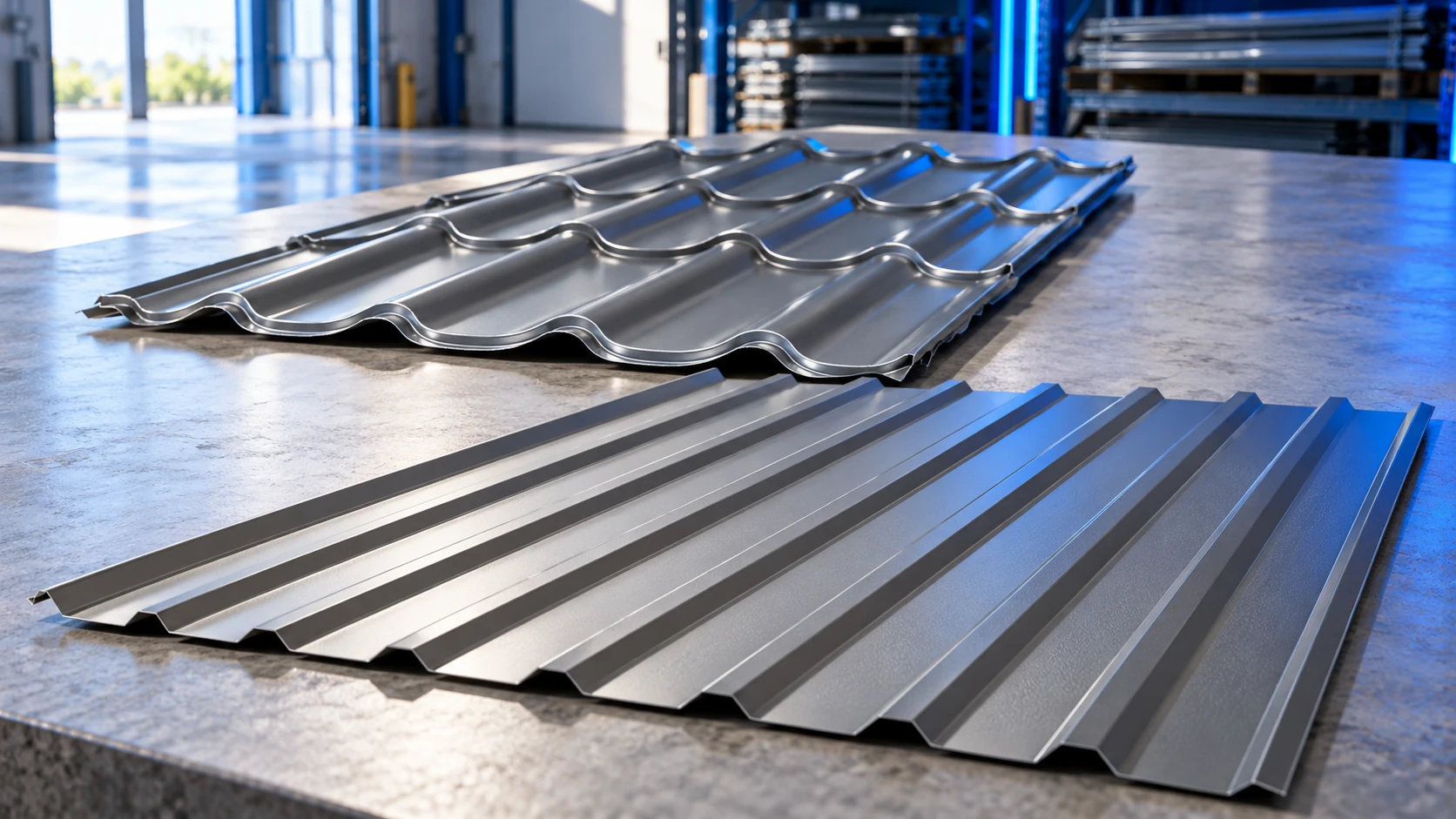
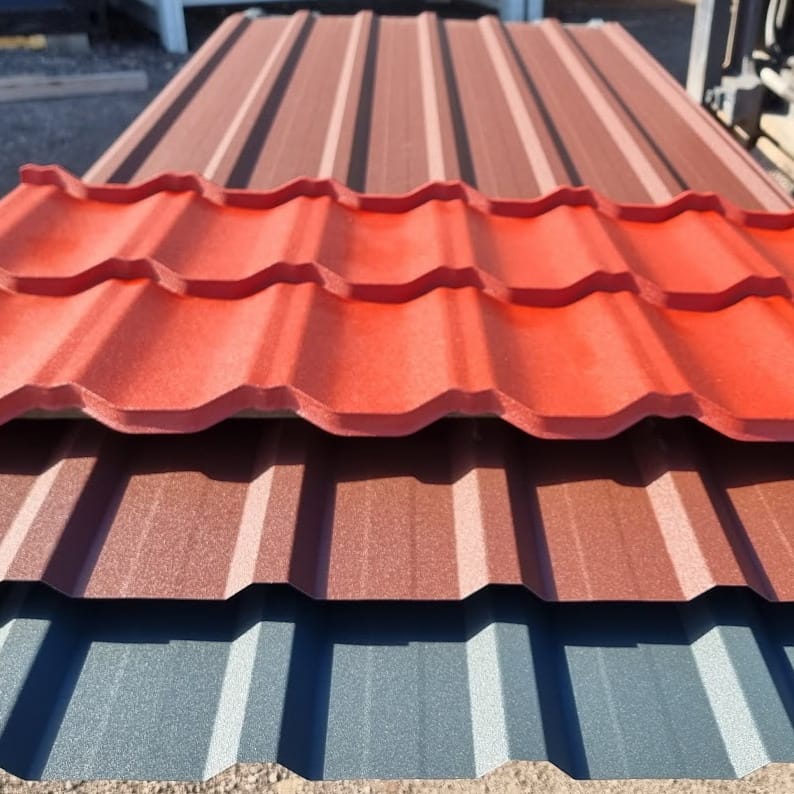
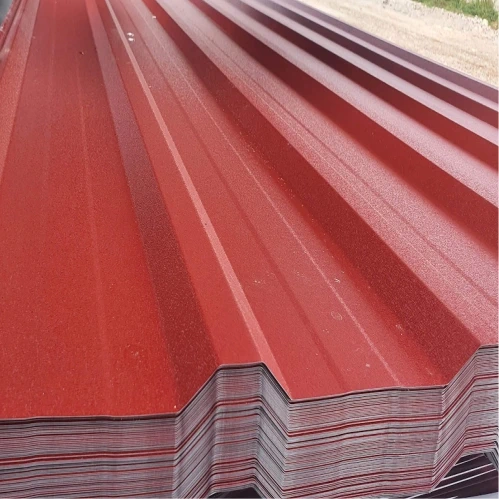
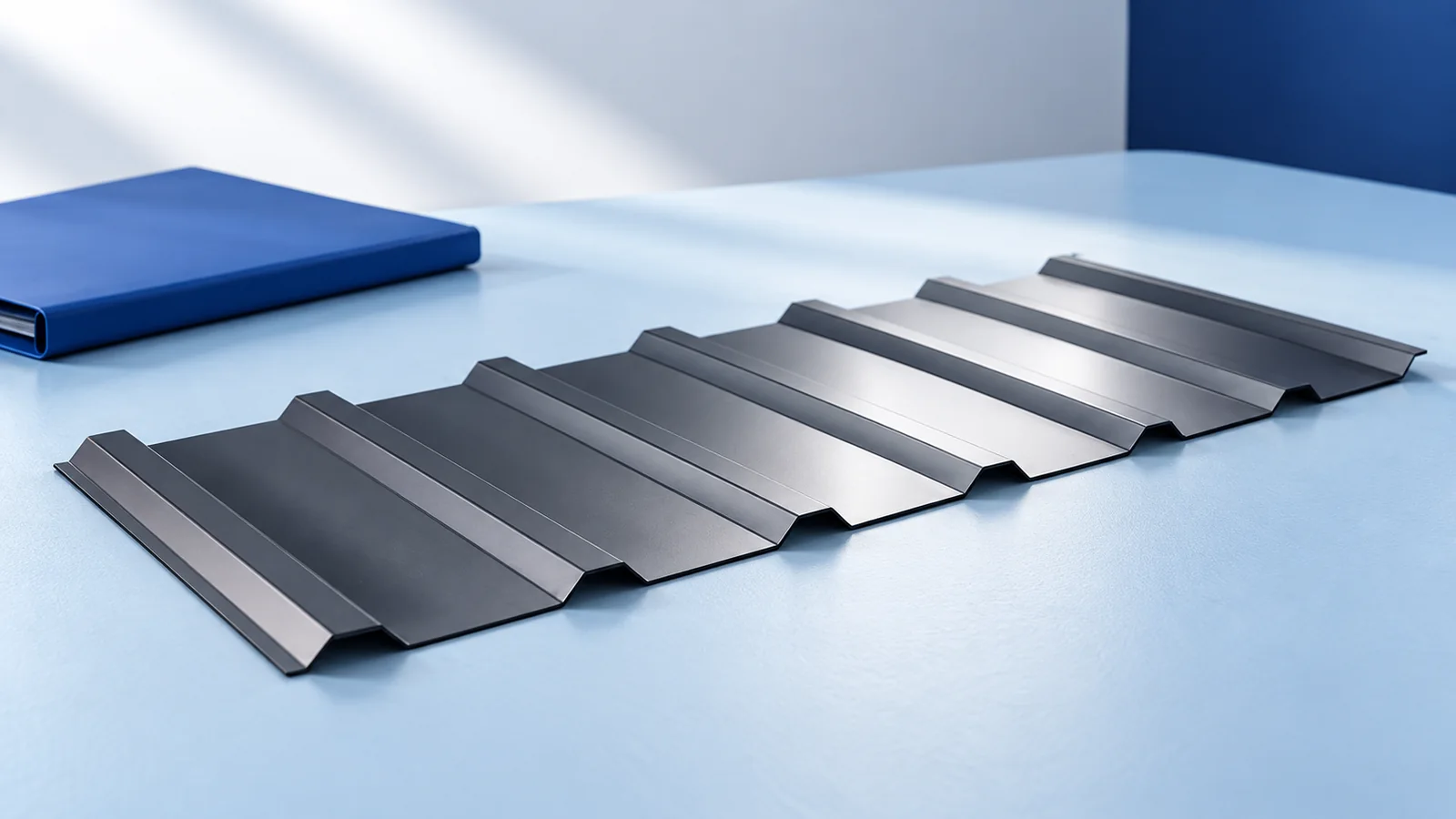
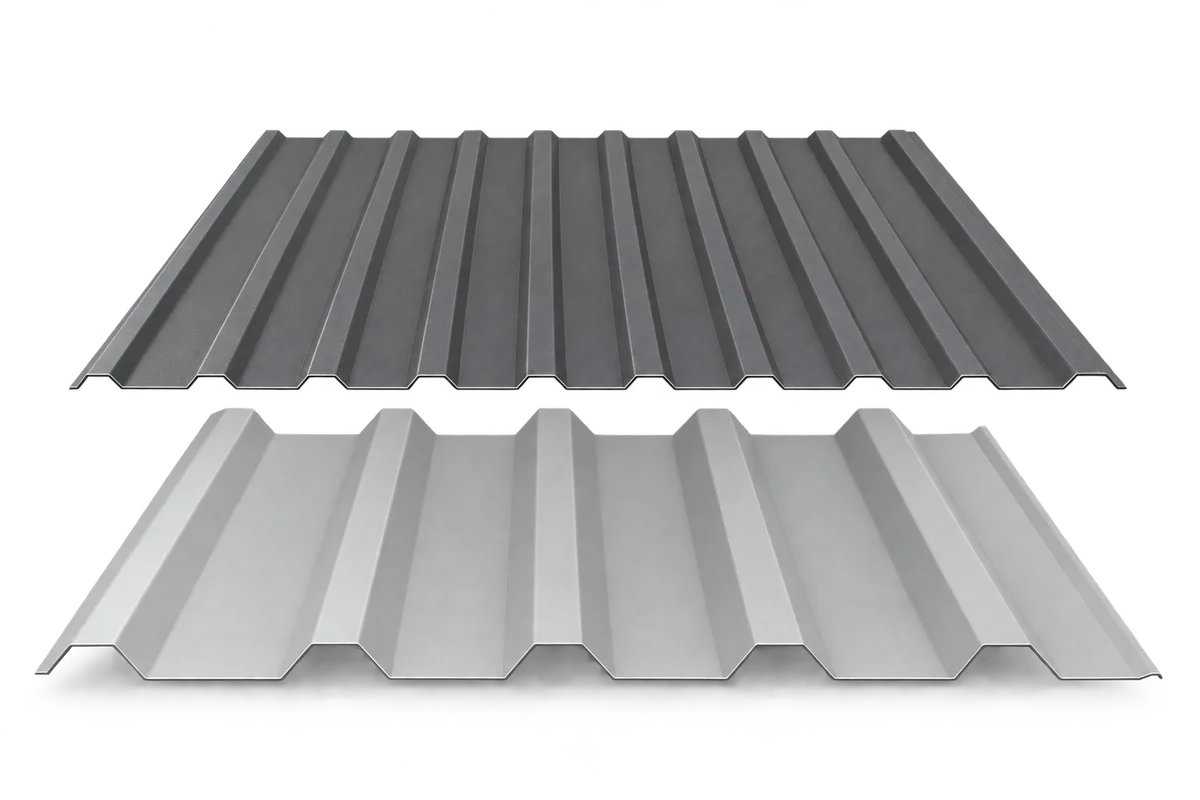
For a hypothetical example, take 0.50 mm steel with 25 µm polyester coating. Assume rates per m² of cover of PLN 36.34 excluding VAT for T18, PLN 39.73 for T35 and PLN 39.35 for tile-effect steel roofing. These illustrate the comparison method; they are neither a ranking of current low-price offers nor average prices for entire material groups.
The difference between trapezoidal and tile-effect sheets can be smaller than general expectations suggest. In this example, T18 and tile-effect roofing differ by PLN 301 excluding VAT over 100 m². Cutting and flashings may then decide the overall result. Do not select a covering solely because its category has a reputation for being cheap.
These examples do not cover every available roof material. Omitting bituminous membranes, shingles or tiles does not mean they cost more. A fair comparison would require specific systems, substrates and work scopes. A ranking without a consistent budget basis would be misleading.
The cheapest profile may not be a roofing profile
Low profiles such as T7 and T8 can attract attention through price, but many versions are intended for façades and soffits. Do not put them on a roof just because they appear at the start of a catalogue. Confirm the version’s intended use and capacity. Unsuitable material may require costly substructure changes.
Roof pitch is equally important. A covering unsuitable for a slope does not become economical by adding more sealant. Choose a system matched to the geometry. Repairing a wrongly selected covering is hardly a saving, even if the sheets were inexpensive.
Save through a better cutting plan, not missing essential layers
A simple roof slope can reduce cutting. A length schedule allows comparison of different cover widths. Check whether one combined delivery is cheaper than several small orders. These are measurable savings that retain the required material properties.
Do not remove ventilation, underlay or correct fixings from the budget without assessing the whole assembly. Each has a specific function. Likewise, excessively wide support spacing is not a saving if it fails the calculations. Support quantities follow the design and profile data.
Avoid unnecessary design changes after ordering. Moving a chimney or adding a service penetration can create further cutting and flashing work. Agreeing these locations beforehand makes the schedule more accurate.
Check whether the cheaper coating suits the environment
Conditions above and beneath the covering affect protective-system selection. Aggressive contaminants or a humid interior require checking the coating’s intended exposure. Steel thickness alone is not enough. Warranties may distinguish technical performance from appearance.
Ask which documents are supplied and which inspections are required. Roofs need checks and removal of dirt. Access and maintenance costs can matter too. Select material for the building’s expected use over subsequent years, considering costs after installation as well.
Calculate the complete solution before choosing
Compare material, labour and necessary substructure alterations together. Assess timing and safe unloading. A long, inexpensive sheet can need different handling from a short module. On a small site, logistics may account for a significant share of the budget.
The best-value quotation should identify the exact product and scope. The contractor needs its instructions before ordering. A last-minute profile change may affect fixings and flashings. The goal is a roof meeting the design at a reasonable total cost, rather than simply the lowest printed sheet rate.
Frequently asked questions
Is trapezoidal sheet always cheapest?
No. Compare specific models and complete scopes. Differences in covering-only prices can be small.
Should fleece be omitted to reduce the price?
Only if an assessment of the roof assembly shows it is unnecessary. Do not remove a layer without understanding its role.

Free quote
What to include in your enquiry
Tell us how you plan to use the material, the dimensions and the quantity you need. Include the thickness, grade or variant name, along with the delivery town or your preferred collection branch. For a specific product, add its name or a link to the product page. We will reply to the email address you provide to discuss availability and the terms of your order.


More from the building guide
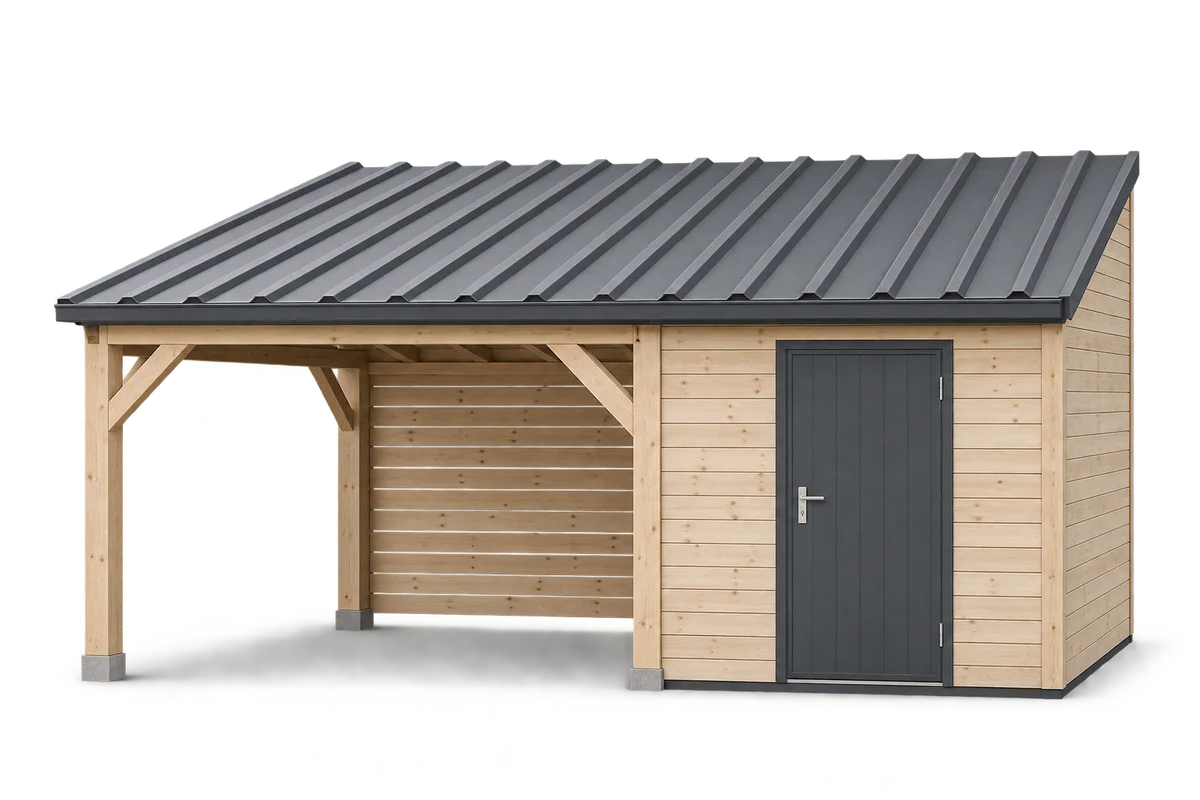
Start planning a carport with a tool store by listing the equipment and the routes people use every day. A mower, bicycles,…
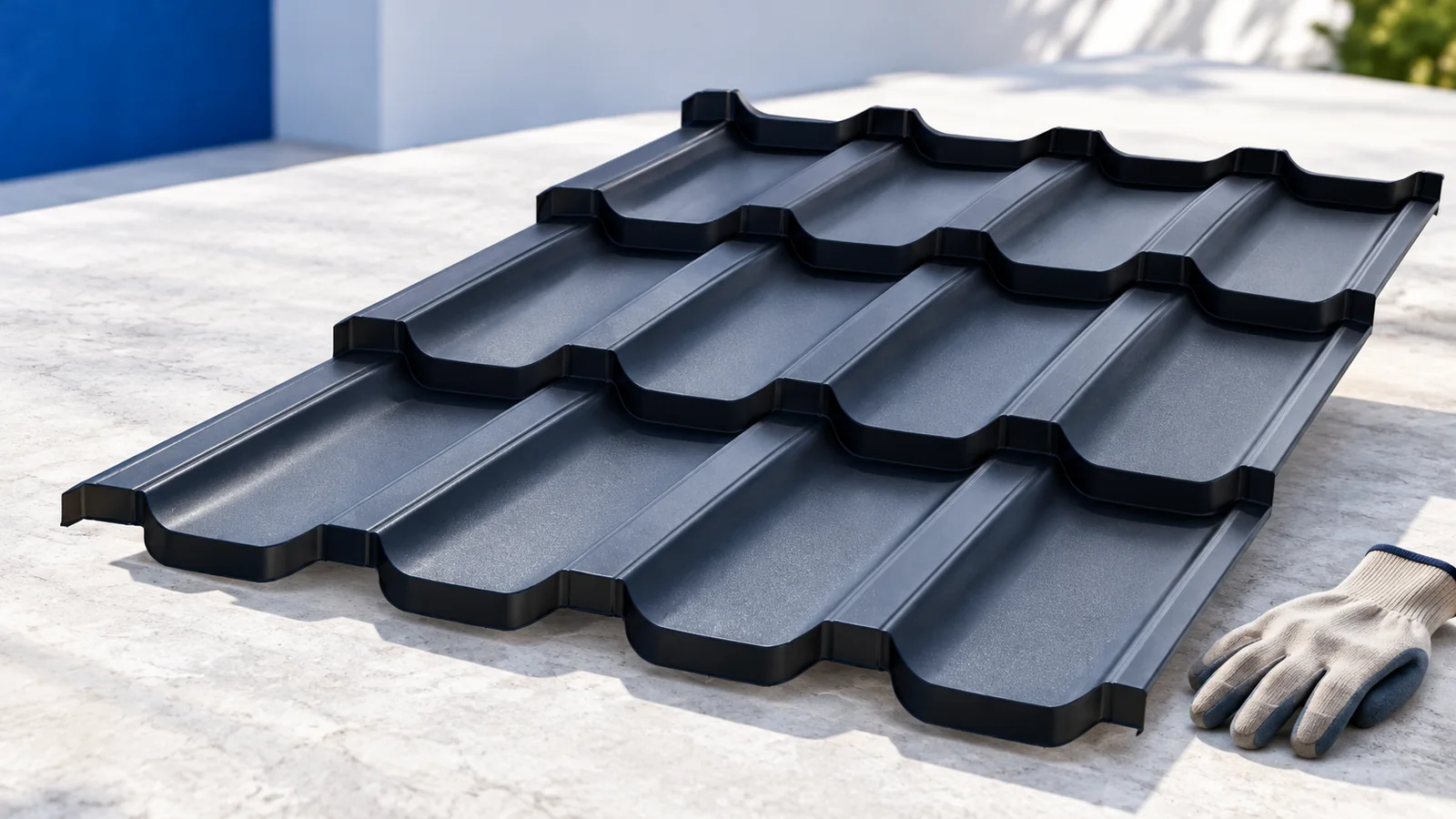
Choose a holiday cabin roof around its structure, pitch and intended use. A building visited in summer needs a different roof build-up…
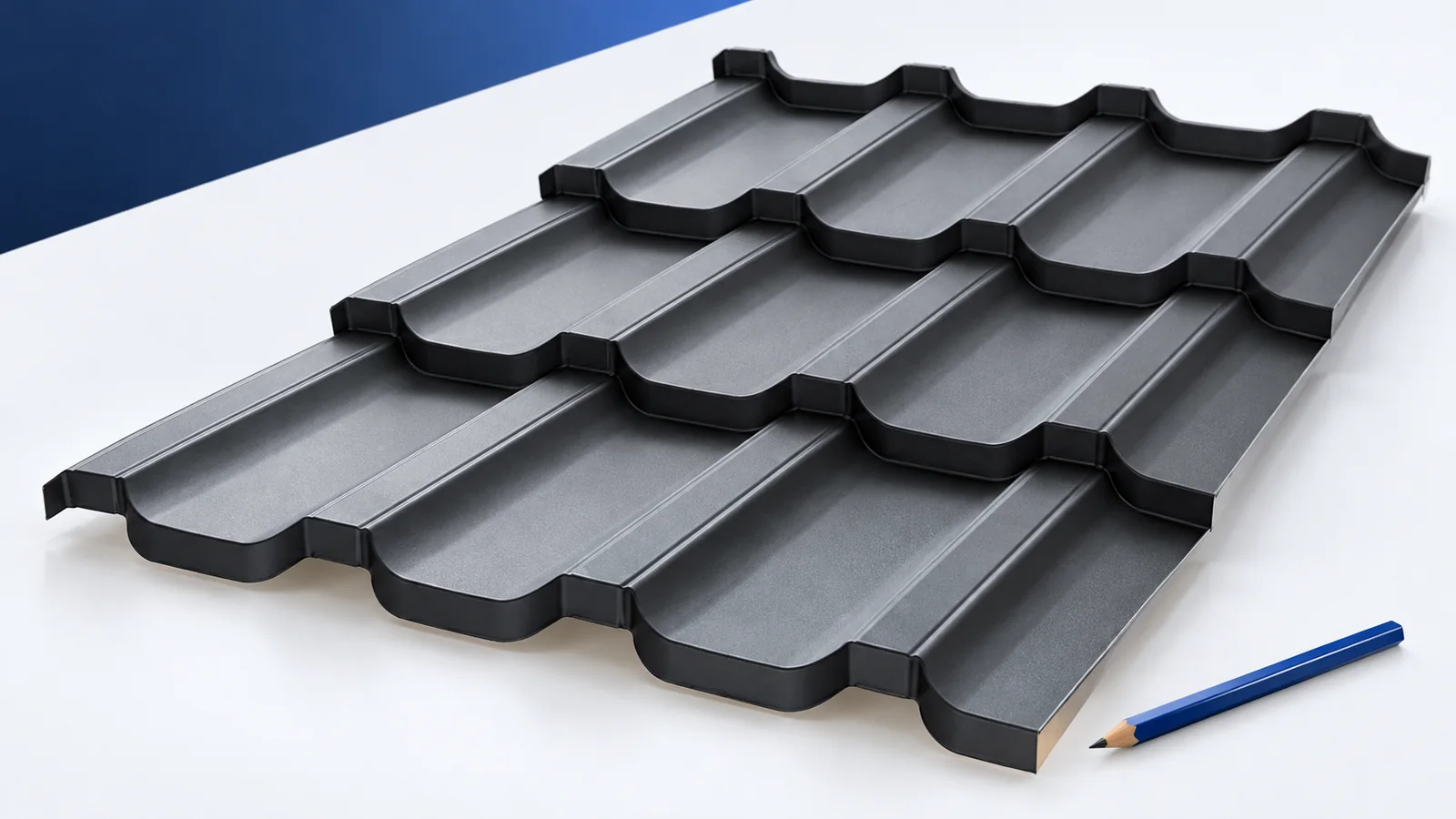
Compare single- and double-module steel roof tiles by coverage, cuts and the number of installation operations. Both can produce a similar pattern,…
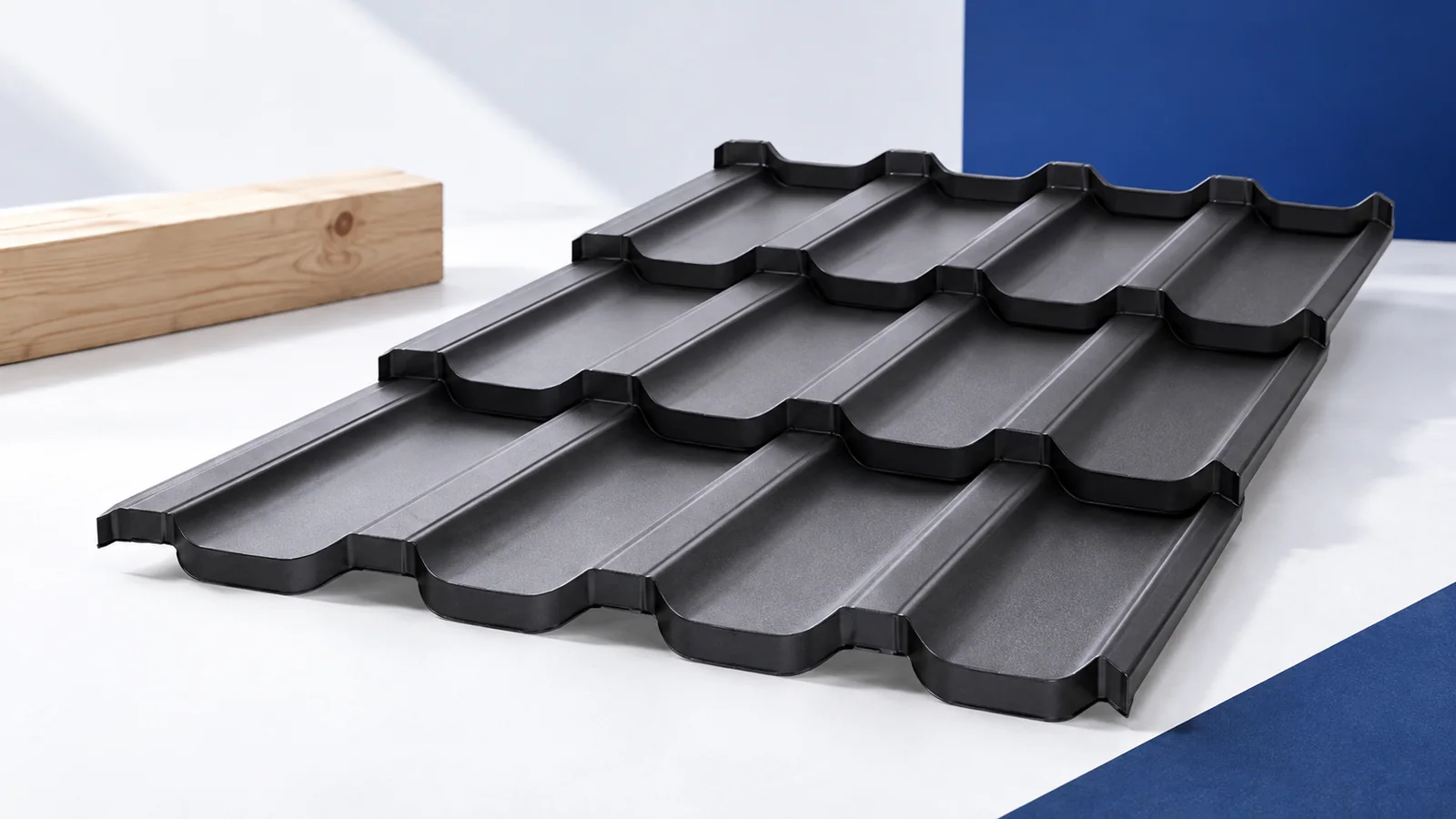
Plan a roof-covering replacement as a sequence: assess the existing structure, define the work, protect the interior, remove old materials and then…
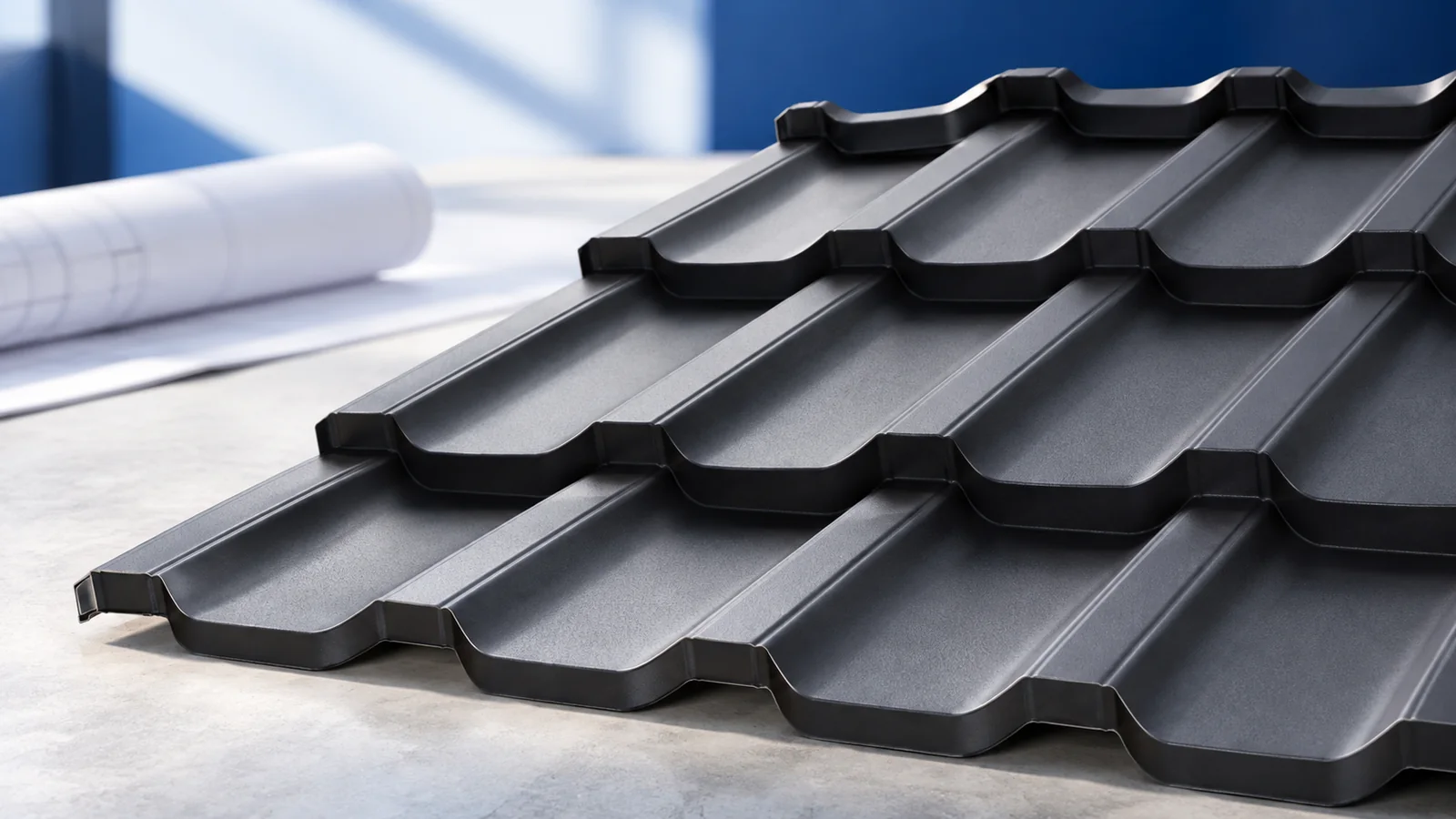
Choose a house roof covering in two stages. First rule out materials incompatible with the structure, pitch and layer arrangement; then compare…
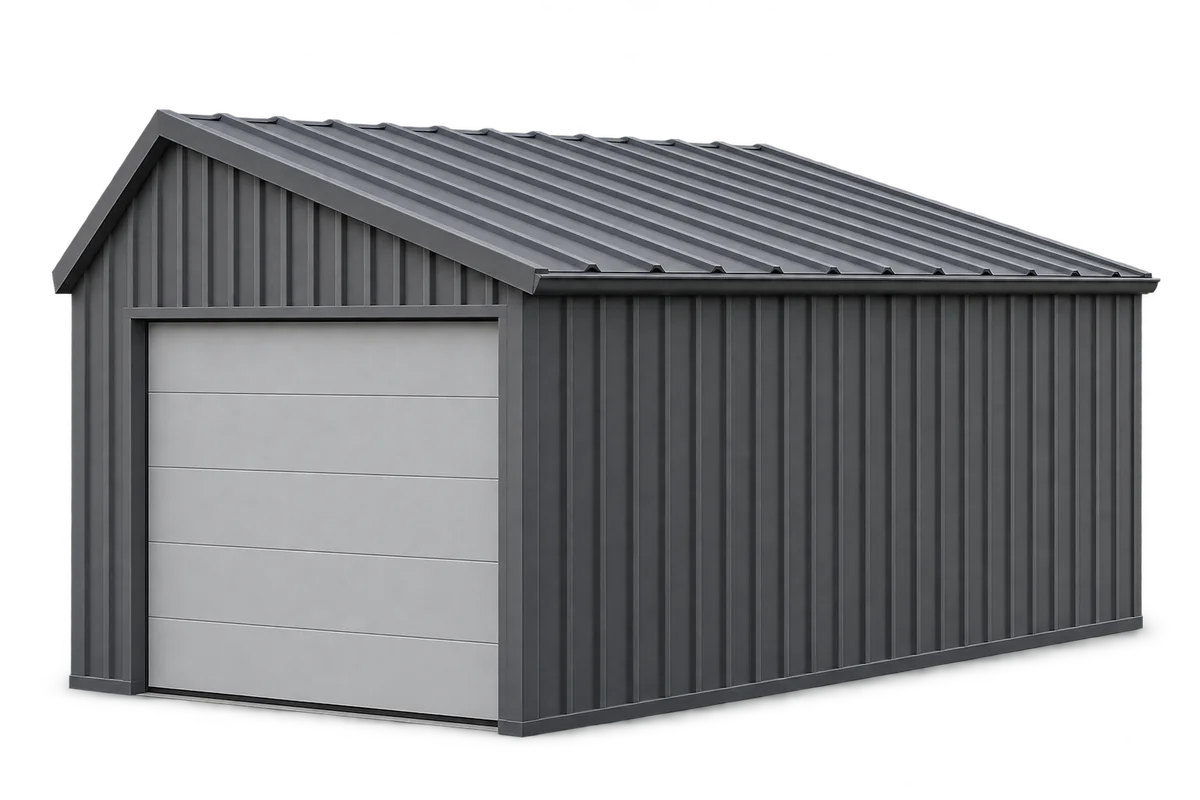
Trapezoidal steel sheeting can make a durable, low-maintenance garage roof and wall cladding if the sheets suit both the frame and the…
A trapezoidal-sheet designation starts product identification; it is not a complete specification. T18 and T35 usually refer to nominal profile height, but…
Start your garage cladding order with two sketches. Draw the roof slopes on one and the walls, door and openings on the…