






How to check a trapezoidal steel sheet quotation before ordering
Roofing sheets
A useful trapezoidal steel sheet quotation lets you verify the product, quantity and complete price. The name T18 and a colour alone are insufficient: thickness, coating, cover width and a schedule of sheets are also needed. Compare these with the design and installation instructions before accepting the offer. This guide follows the checks from product identification and cutting quantities through accessories, delivery and documentation to later roof maintenance. It explains why apparently similar profiles may not be interchangeable and why a headline square-metre price can hide differences in scope. The aim is an order based on the actual roof rather than on an advertisement.
Check that the actual product is identified
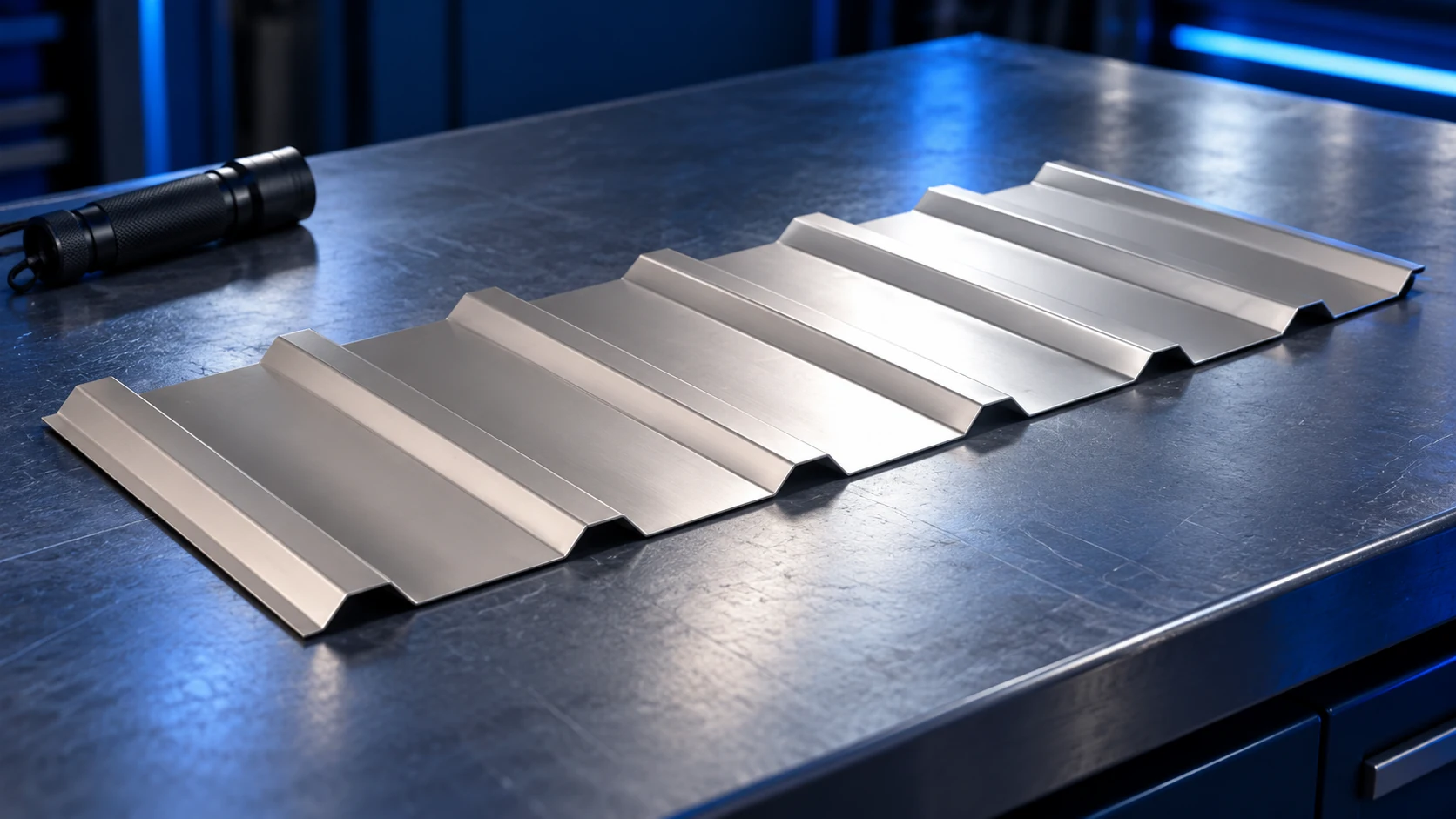
The quotation should include the selected profile’s full designation. Different T18 sheets have different cross-sections; example cover widths include 1128 and 1100 mm. These sheets must not be treated as identical. The difference affects the cutting plan, number of sheet runs and matching details. An additional order also needs the edge geometry to match.
Specify whether the sheet is for a roof or façade and check which side has the decorative finish. For an extension, establish compatibility with the older material. If a substitute is proposed, obtain its data sheet before acceptance. “Same colour and height” is not enough.
Pay attention to roof and wall variant designations. The decorative coating may be on a different side of the profile. In an existing covering, that difference also affects connection to neighbouring sheets. Examining a sample is then more useful than a general assurance of a similar shape.
Compare the properties with the design
Thickness, steel grade and profile must match the structural assumptions. Support spacing and width also matter. Manufacturers’ tables use different structural arrangements; do not select convenient figures from several incompatible tables for one roof.
If the designer specified a particular version, ask them to review any proposed change. Saying that the replacement is roughly the same is insufficient. Also check minimum pitch and overlaps. Load capacity and weather-tightness are separate requirements: satisfying one does not confirm the other.
Convert the quantity into actual sheets
The offer should state quantities and lengths, and identify which area the total represents. Overall dimensions do not equal effective cover area. On simple roof slopes, the number of sheet runs can be checked by dividing the roof width by the cover width and rounding up.
Valleys and diagonal edges need a cutting drawing. Ask which offcuts can be reused. Do not assume an arbitrary waste percentage unrelated to the roof geometry. Confirm that lengths include the designed edge details. Ordering extra “just in case” can create unnecessary cost and difficult site cutting.
If sheets exceed transport capabilities, agree how to divide them before production. Cutting them later on site changes the joint detail and may require a support, overlap and seal. Shortening a sheet is therefore more than a logistics decision.
Separate the price of sheets and extras
Prices may be per gross m², effective m² or linear metre, with extras charged separately. A free quote should give a clear unit for every item. Separate the sheet, anti-condensation fleece, protective film and accessories. Only then can two offers be compared without counting the same cost twice.
Check flashings at the eaves, verges, ridge and chimney, and include seals and required fixings. Pay attention to transport and unloading. Small orders may incur different logistics charges. Without these items, two quotations may look comparable only on their first page.
Agree documentation and delivery checks
Before buying, obtain the product data sheet, the appropriate declaration of performance and installation instructions. Clarify warranty conditions and retain the order confirmation and batch identification. The purpose is not to collect paperwork for its own sake, but to identify the material and its intended use.
At delivery, check package count, lengths and surface condition, especially corners and edges. Document damage before moving sheets where possible. Agree safe unloading and storage arrangements. Incorrect handling can deform material even when it arrived in good condition.
Complete the installation and maintenance plan
The installation team should know the model, instructions and required accessories. Establish who checks the supporting substrate and adapts flashings. Arrange inspection before important joints are concealed. Photographs of details help assess any subsequent defect.
After installation, remove swarf and inspect the coating. The roof also needs later inspections, cleaning and checks of flashings. Plan access to valleys and chimney surroundings. The purchase then ends with a maintenance plan rather than merely payment for delivery. Maintenance conditions should be known before choosing the covering.
Use the product name from the seller’s offer in your enquiry to the installer. This reduces the risk of pricing installation for another format or assuming unsuitable accessories. Both quotations should describe the same roof.
Frequently asked questions
Do a declaration of performance and CE marking alone confirm suitability for my roof?
No. Product documentation does not replace checks of the design, supports, loads and details.
Can a change of profile be accepted without recalculation?
Not automatically. A change can affect load capacity, coverage and accessory compatibility.

Free quote
What to include in your enquiry
Tell us how you plan to use the material, the dimensions and the quantity you need. Include the thickness, grade or variant name, along with the delivery town or your preferred collection branch. For a specific product, add its name or a link to the product page. We will reply to the email address you provide to discuss availability and the terms of your order.
More from the building guide
Start your garage cladding order with two sketches. Draw the roof slopes on one and the walls, door and openings on the…
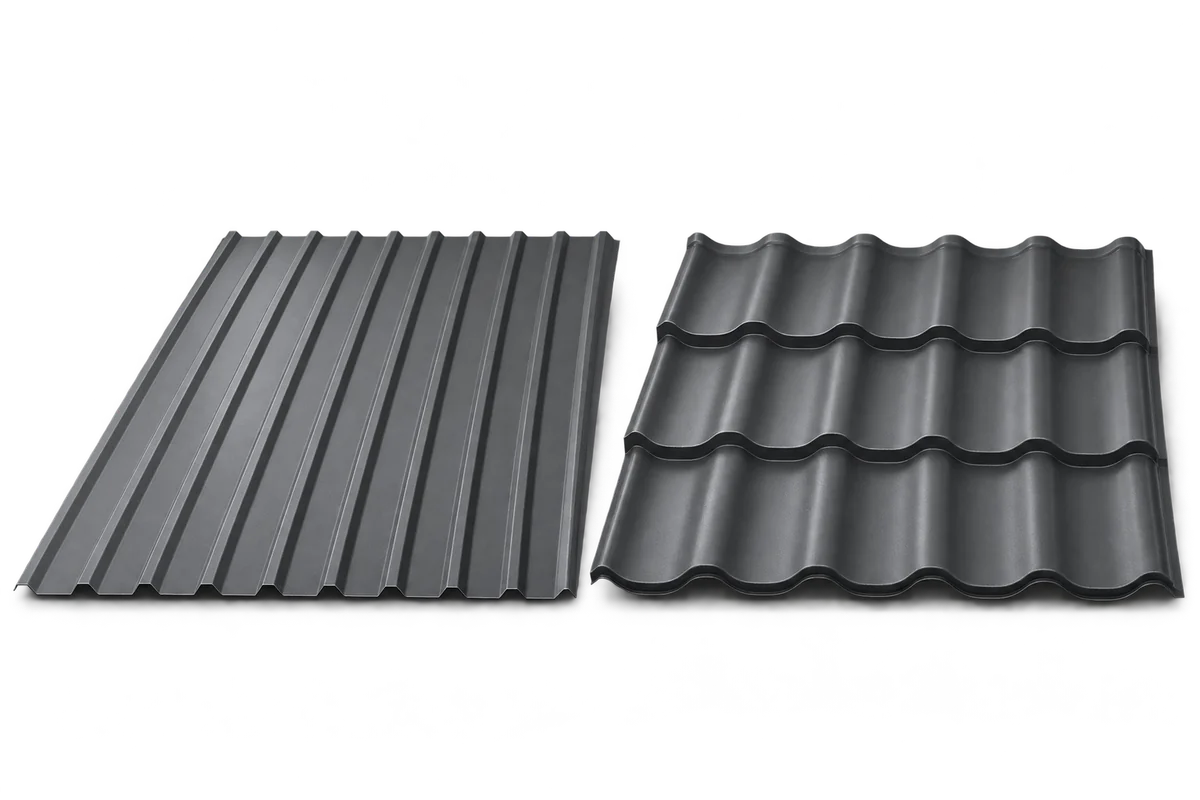
Metal roof tiles suit traditional houses, while trapezoidal sheets create a simpler roofline. Check the roof pitch, support spacing, protective coating and…
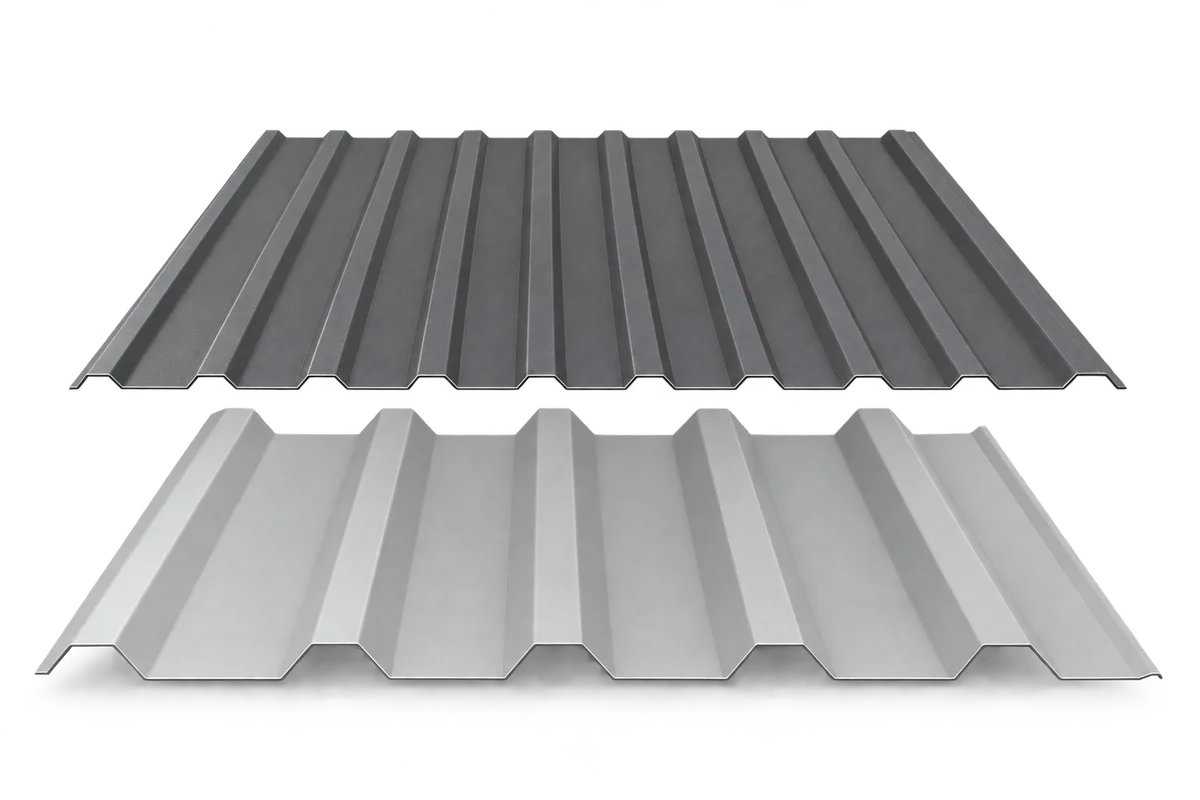
Start a T18–T35 price comparison by checking that thickness, coating and pricing unit match. A price per square metre of overall sheet…
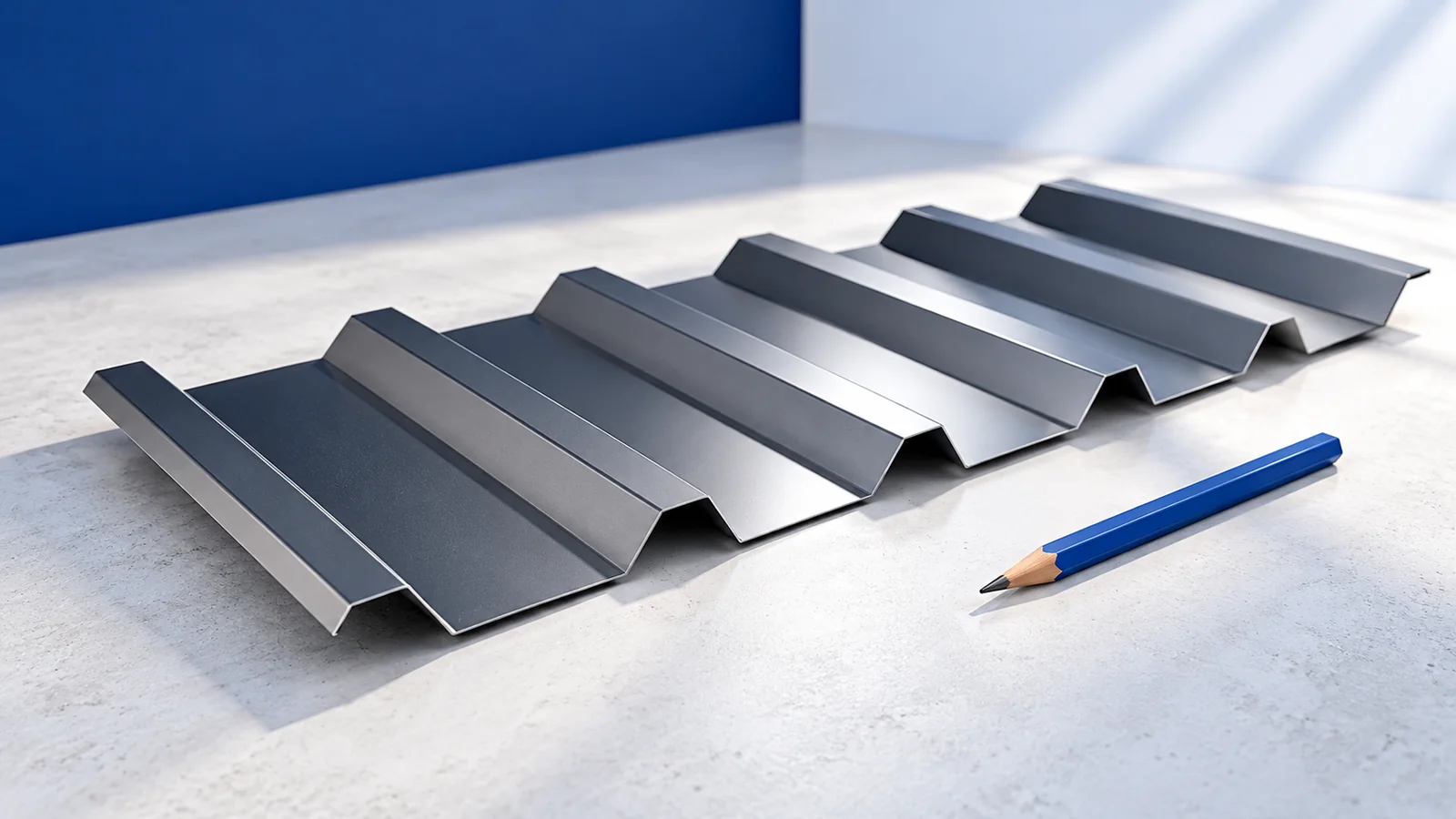
A trapezoidal sheet's T18 or T35 designation does not tell you its service life. Steel protection, the building's surroundings, joint quality and…
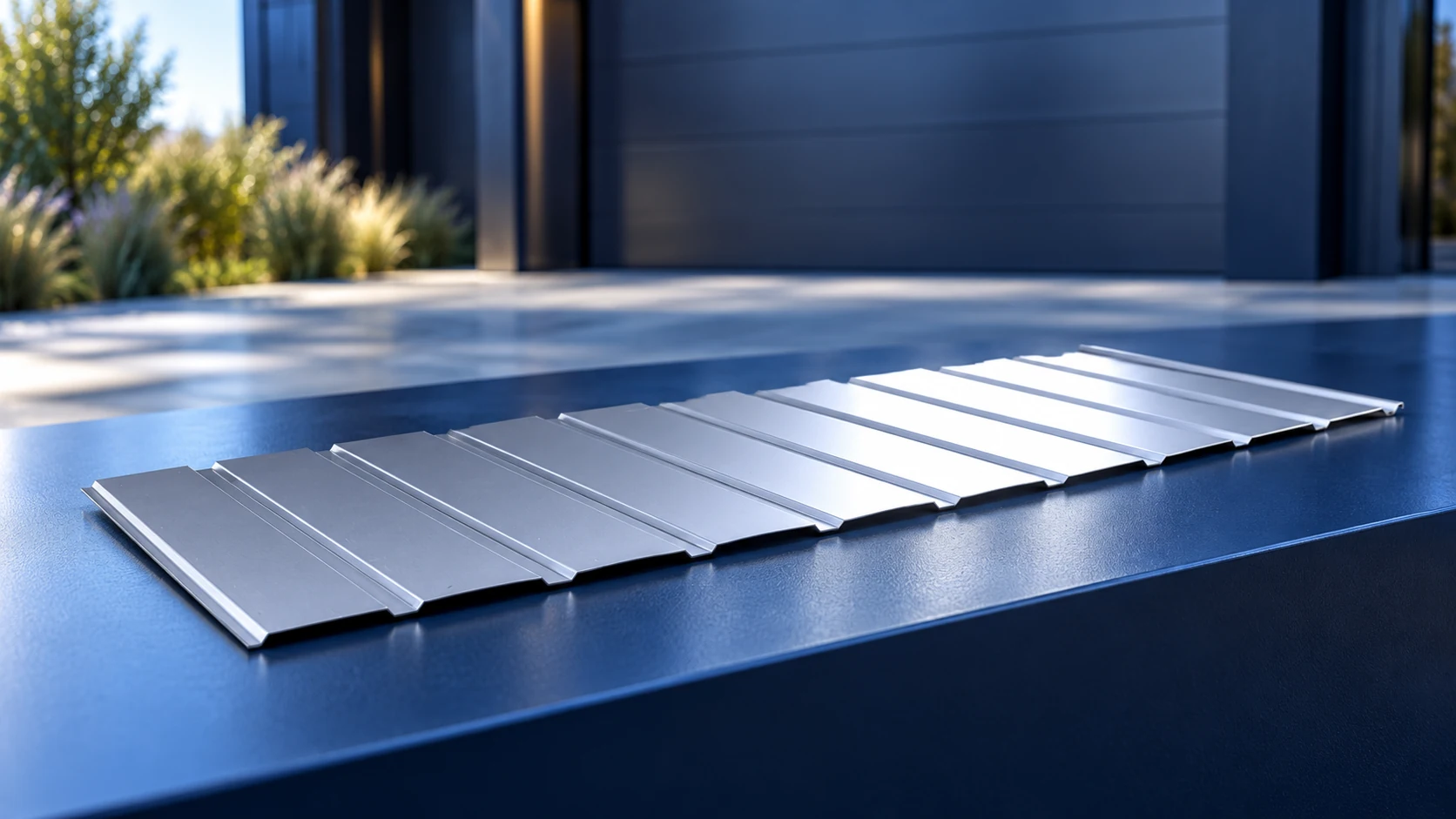
T7 is a very shallow trapezoidal sheet profile. One wall-cladding version is 7 mm high, covers 1175 mm and measures 1197 mm…
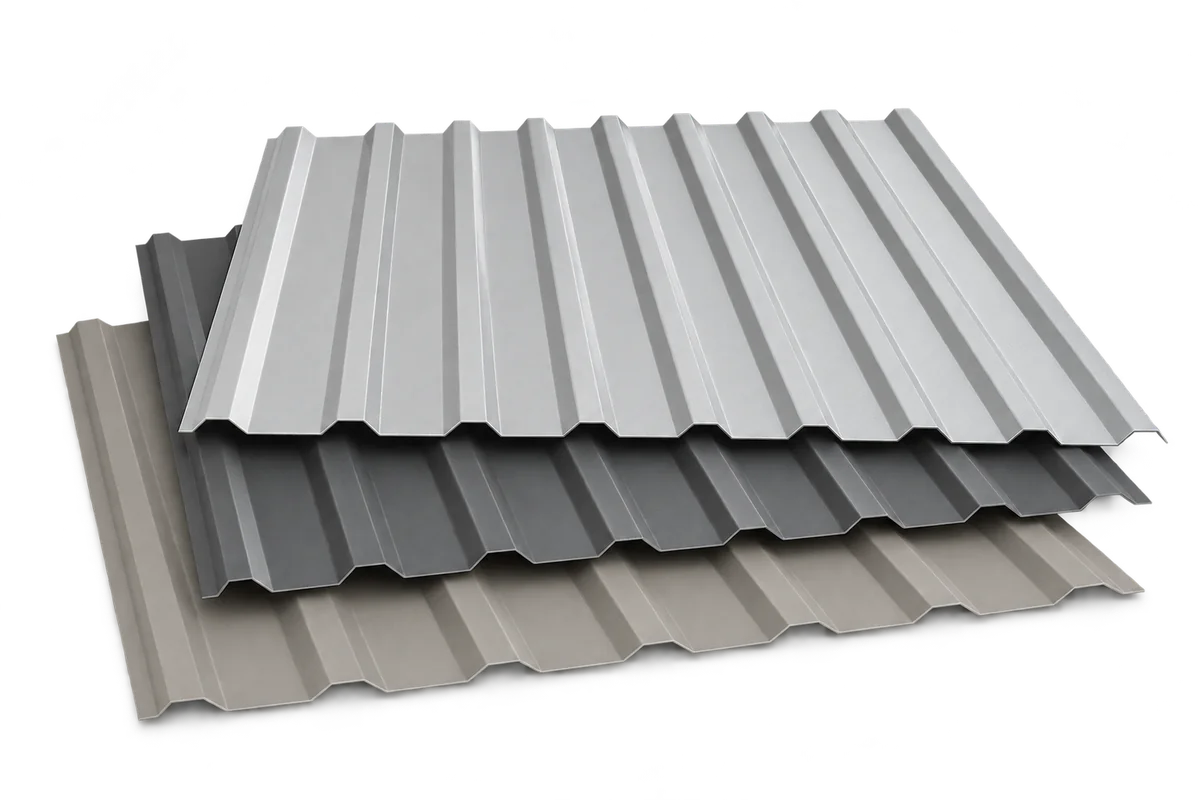
Trapezoidal steel sheets can quickly enclose a roof or facade once the supporting structure is ready. The sheets are lightweight, come in…
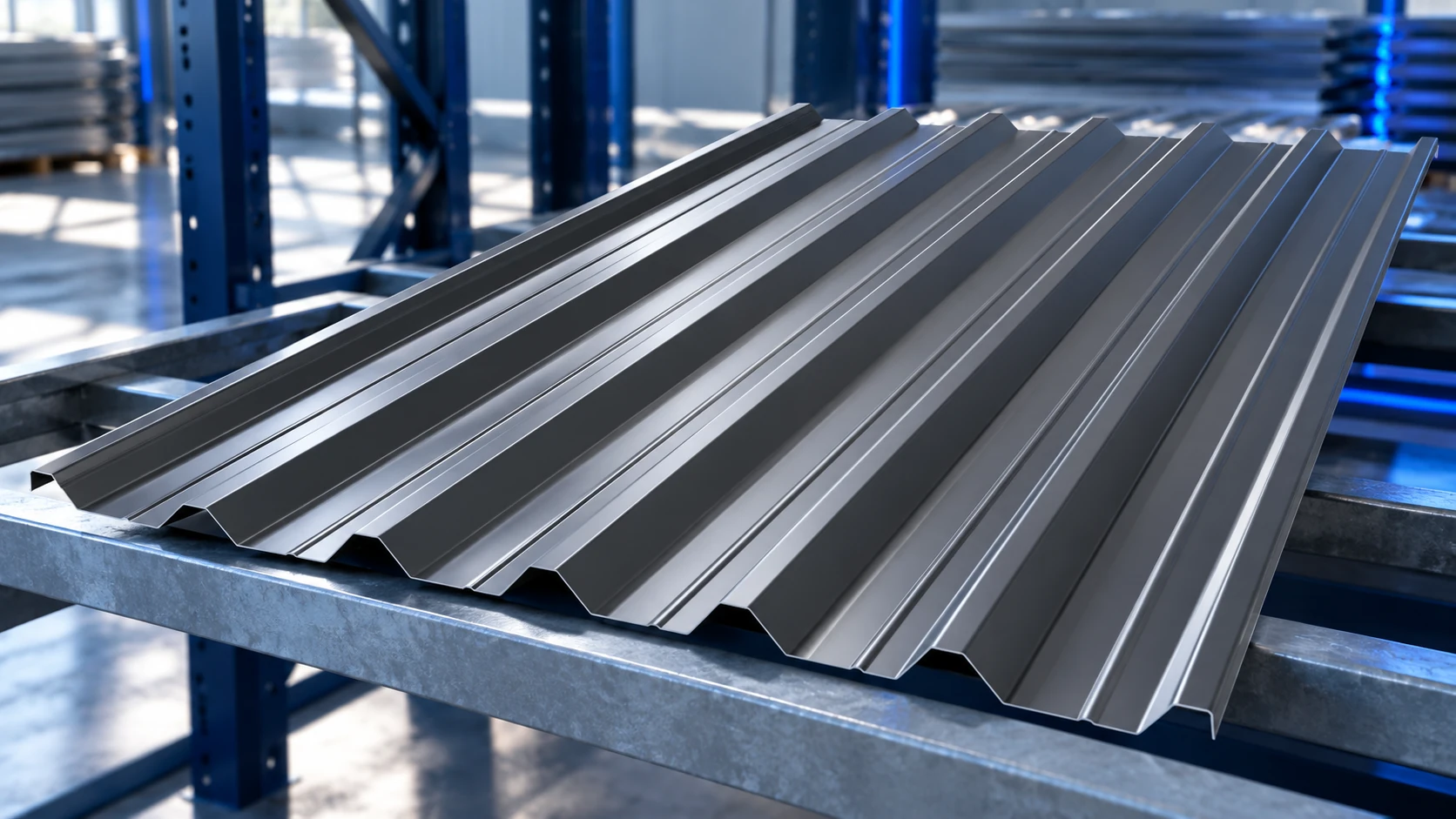
Choosing trapezoidal steel roofing starts with the roof: its pitch, supports, loads and intended use. Those requirements determine a suitable profile and…
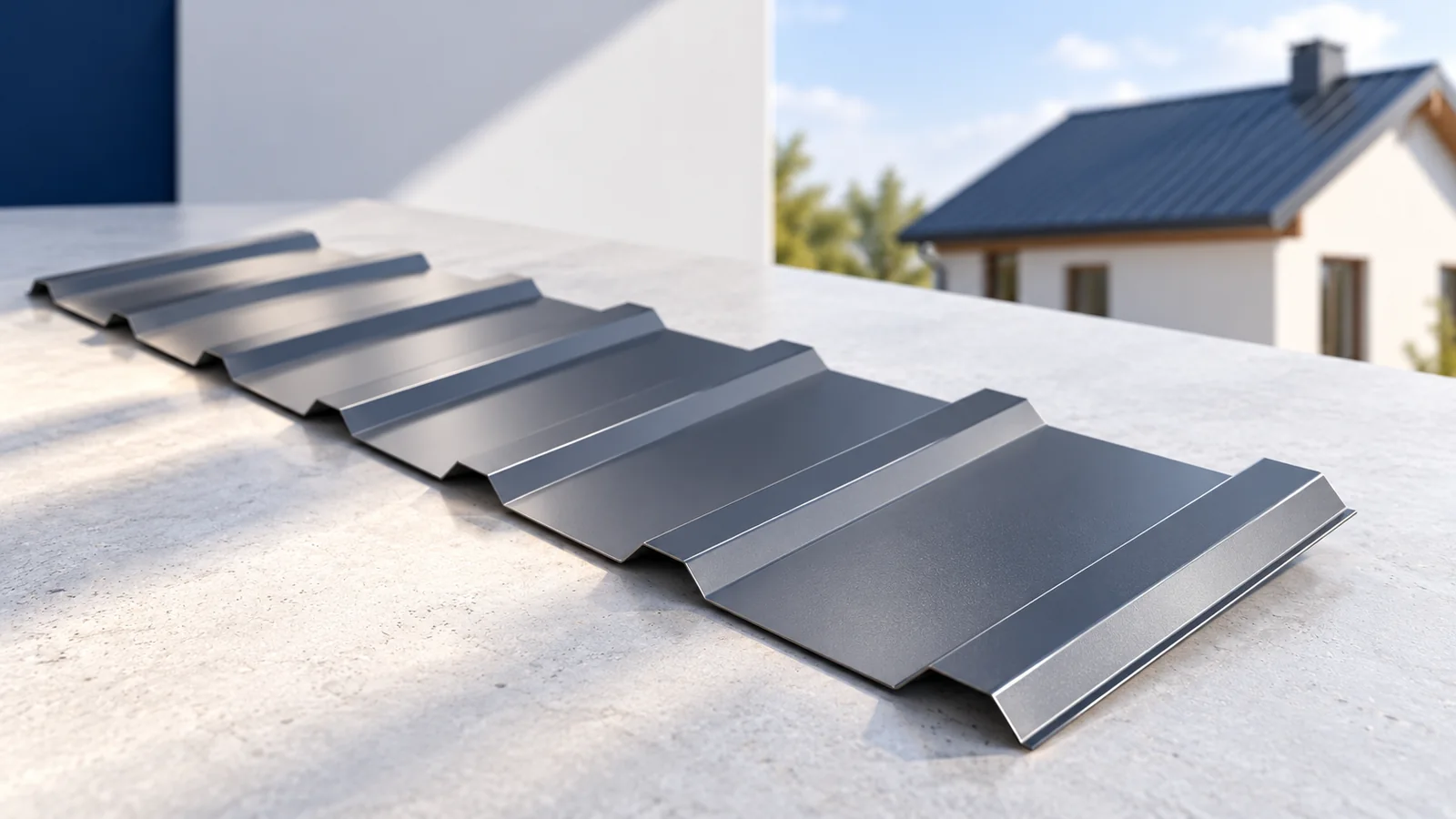
Trapezoidal metal roofing can suit a traditional house when its profile, colour and details match the building's proportions. The decision is not…