






Metal roofing and environmental impact: assessing the whole life cycle
Structure and installation
Recyclability alone cannot establish the environmental impact of a metal roof. Production, material quantities, transport, installation waste, service life and treatment of the roof layers at end of life all matter. This guide explains comparing solutions that perform the same function and reading the scope of environmental declarations. It considers sheet cutting, coating maintenance and planned repairs instead of premature replacement. It also separates the properties of the metal covering from energy savings attributable to insulation or photovoltaics. The aim is an order suited to the building with avoidable waste reduced, without promising that one material always has the lowest impact.
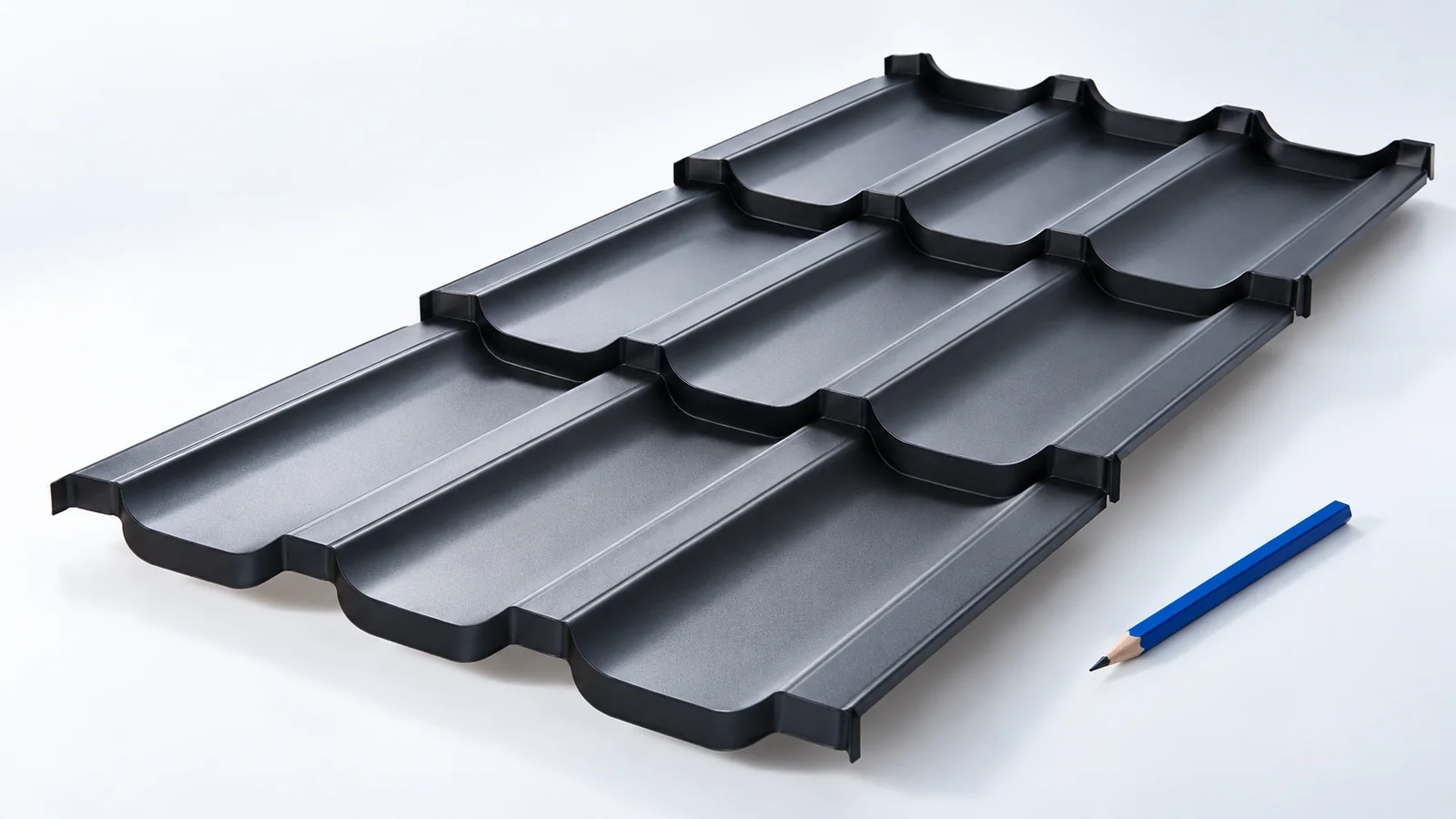
What matters besides recycling?
The comparison includes steel, coatings and manufacturing energy, followed by delivery, installation and maintenance. Material separation and collection at end of life also matter. “Recyclable” describes only part of that cycle, not the roof’s complete environmental balance.
Where EPDs are available, compare units, assumptions and assessment boundaries. A declaration for the actual product is more useful than a generic material claim. Do not compare a bare sheet with a complete insulated roof without accounting for missing layers and different functions.
What effect does low weight have?
Light sheets ease handling and may help when renovating an existing structure. Transport performance depends on the whole order, however. Several small deliveries of missing flashings and accessories can reduce the benefit of low weight; coordinate them before work starts.
Kilograms cannot be converted directly into a carbon footprint without production data. A lighter covering also does not authorise removing supports or rafters independently. Structural changes require calculation regardless of the weight difference between old and new layers.
Why does sheet layout matter?
Cut-to-length sheets can reduce trimming on regular slopes, while modules may suit roofs with many changes of direction. Neither is universally preferable. Compare actual cutting layouts, including ends and pieces left after installation.
Total sheet area differs from effective coverage because laps are necessary parts of the joints. Not every lap is material waste caused by an error. Reduce unnecessary surplus and separate clean metal offcuts from packaging and mixed construction waste.
What does a long service life contribute?
Avoiding premature replacement depends on an environment-appropriate coating, edge protection and correct installation. The lowest sheet price does not describe these conditions. Warranty duration alone is also insufficient to compare the expected use of different products.
Cleaning drains and repairing minor defects support maintenance, while local replacement can limit the work needed. Identify the cause first, though. Painting active corrosion without assessing the substrate may not extend service life and can consume further materials.
Does the covering itself save energy?
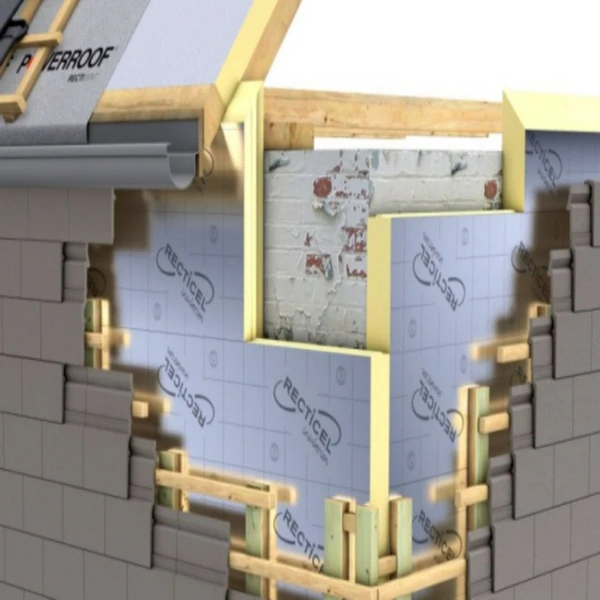
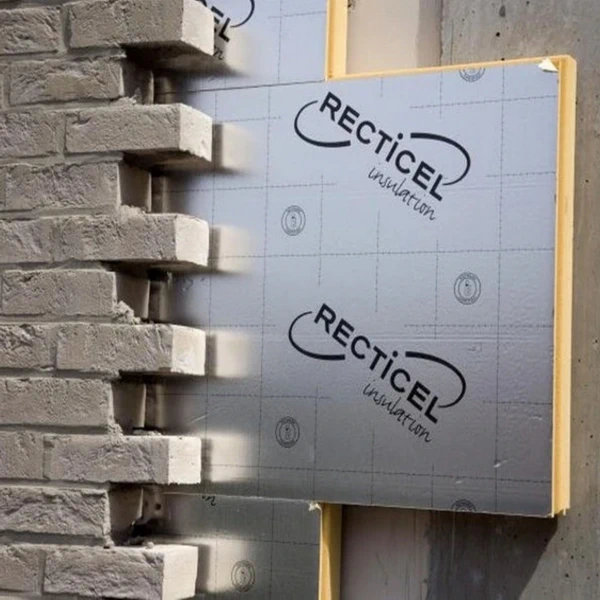
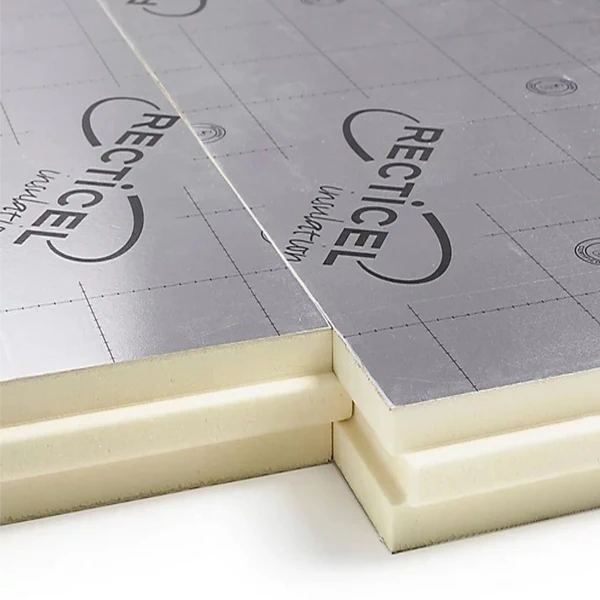
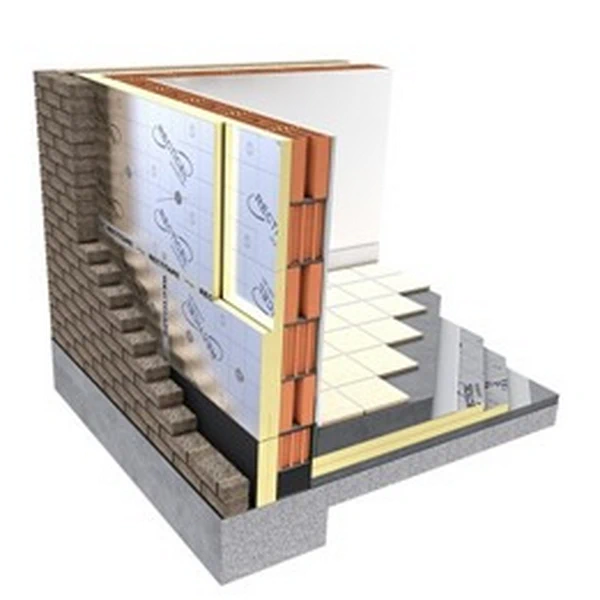
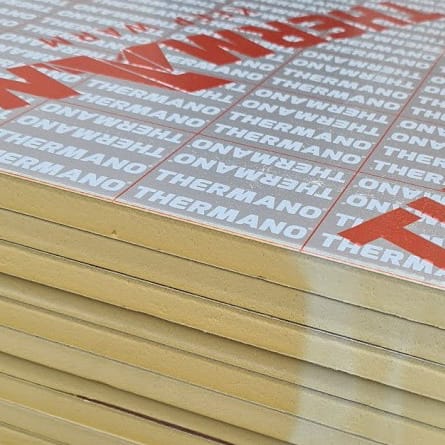
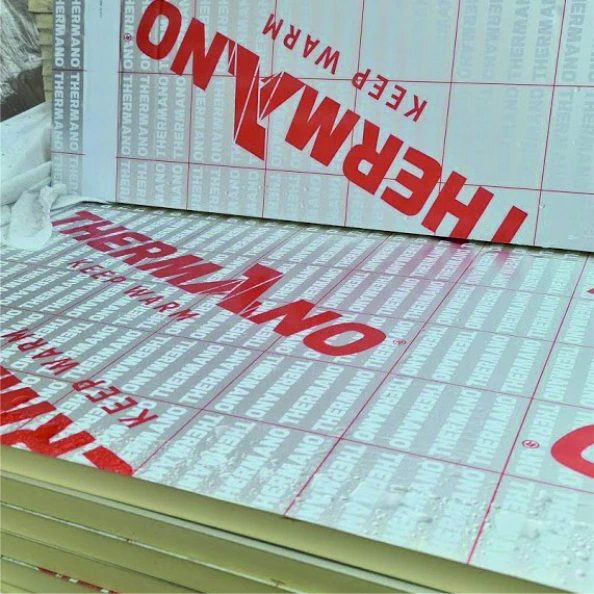
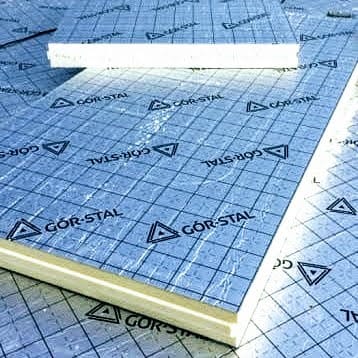
A metal sheet is not thermal insulation. Energy losses depend on the complete roof layers, their continuity and airtight connections. PIR can achieve a required thermal resistance at reduced thickness, but that property must not be attributed to the appearance of the metal covering.
Planning photovoltaics alongside renovation can avoid removing a new installation later for roof repairs. Verified fixings and watertight penetrations remain essential. Energy performance depends on solutions suited to the building, not a random collection of products advertised as efficient.
How should environmental declarations be interpreted?
Before comparing results, check the method, life-cycle stages and reference unit. A figure per tonne of steel is not directly a figure per square metre of finished roof. Different masses, layers and use assumptions can change the meaning of apparently similar numbers.
Establish whether the document covers the selected product or an industry average. Consider recovery alongside transport, assumed service life and replacement of components. Assessing these together gives a fuller picture than isolating one favourable indicator.
How can purchasing decisions reduce avoidable impact?
Order the profile, thickness and coating required by the design, with documentation and coordinated delivery. Provide suitable dry storage before installation. Material damaged on site before use wastes resources already spent on manufacture and transport.
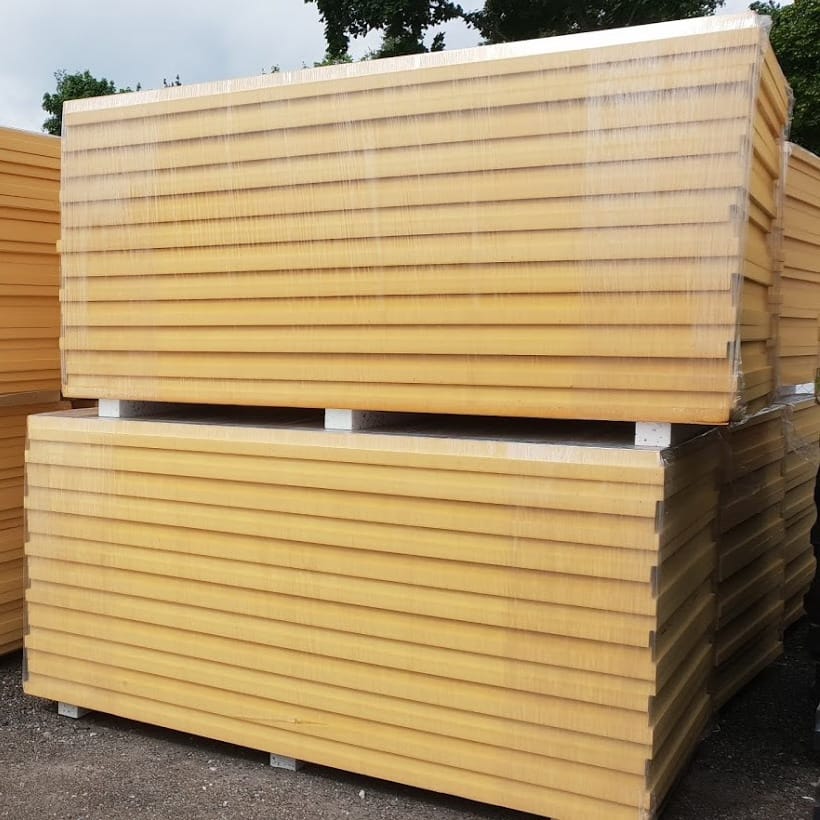
During renovation, consider retaining sound components and repairing where technically justified. At dismantling, establish how layers will be separated; a sandwich panel is not homogeneous steel scrap. These choices can reduce waste but do not justify claiming that a roof has no environmental impact.

Free quote
What to include in your enquiry
Tell us how you plan to use the material, the dimensions and the quantity you need. Include the thickness, grade or variant name, along with the delivery town or your preferred collection branch. For a specific product, add its name or a link to the product page. We will reply to the email address you provide to discuss availability and the terms of your order.
More from the building guide
When replacing an asbestos roof in Poland, separate safe waste removal from the cost of the new covering. Funding for one does…
Choosing a rafter section should start with information for the structural designer, not with a search for a single sizing table. The…
Calculate a roof budget for a complete scope of work, rather than for sheets alone. Start with actual roof-slope areas, allowing for…
When buying a complete roof, establish where the supplier’s scope ends and the installer’s begins. Structure, substrate, protective layers and covering are…
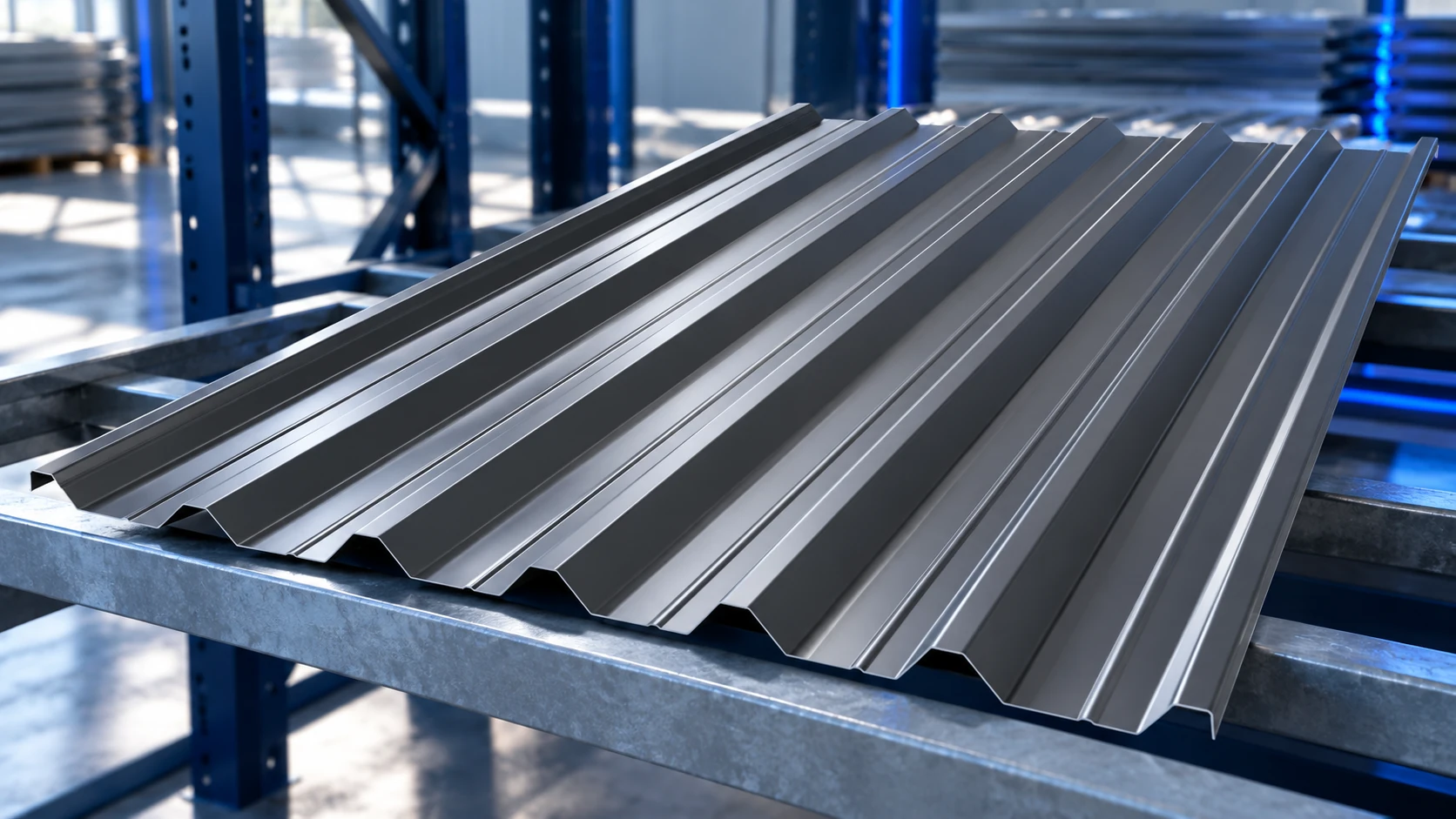
Choosing trapezoidal steel roofing starts with the roof: its pitch, supports, loads and intended use. Those requirements determine a suitable profile and…
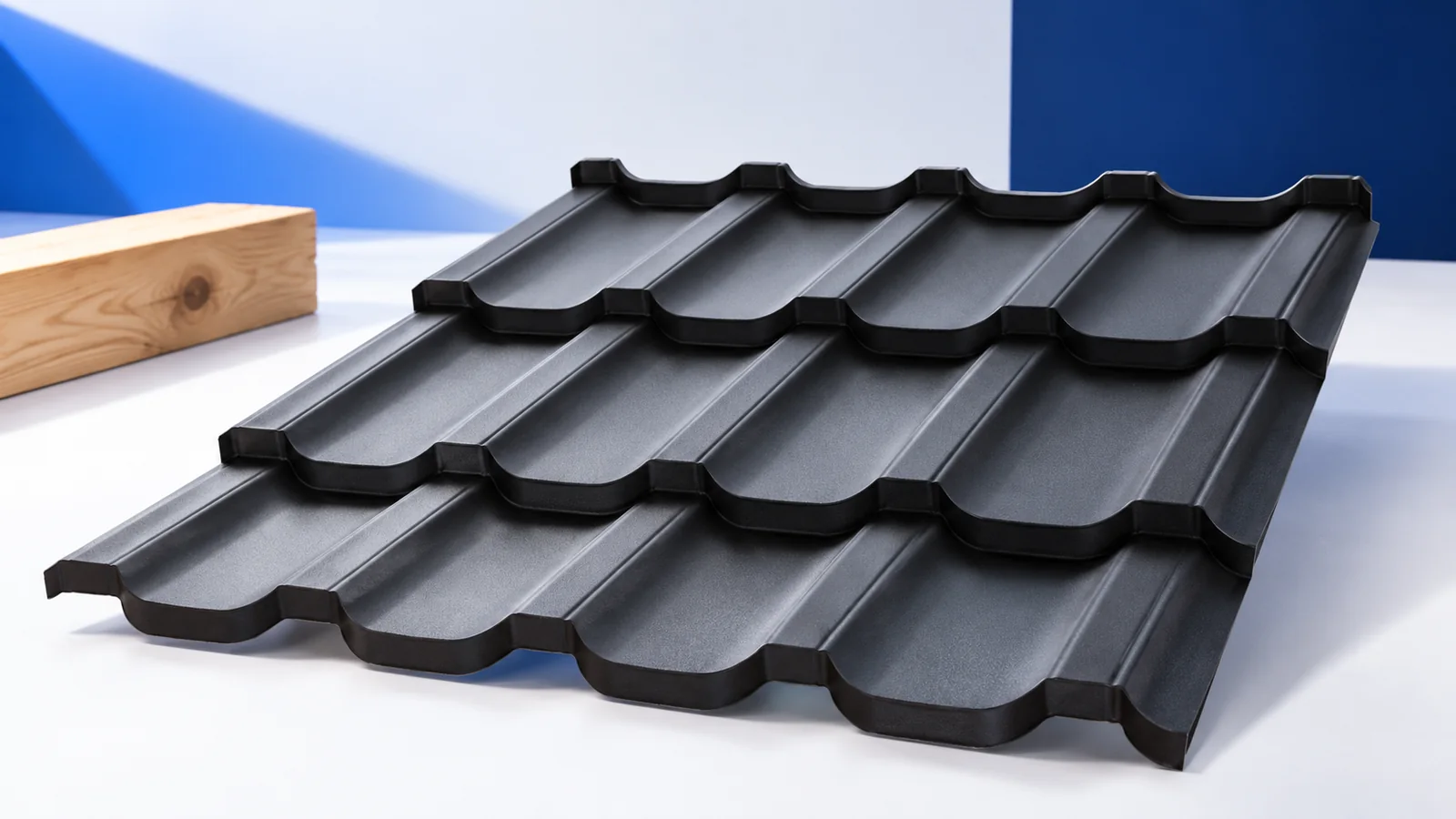
A roof that ages well starts with the building's proportions and coordinated details. Colour or a fashionable profile is insufficient if ridge,…
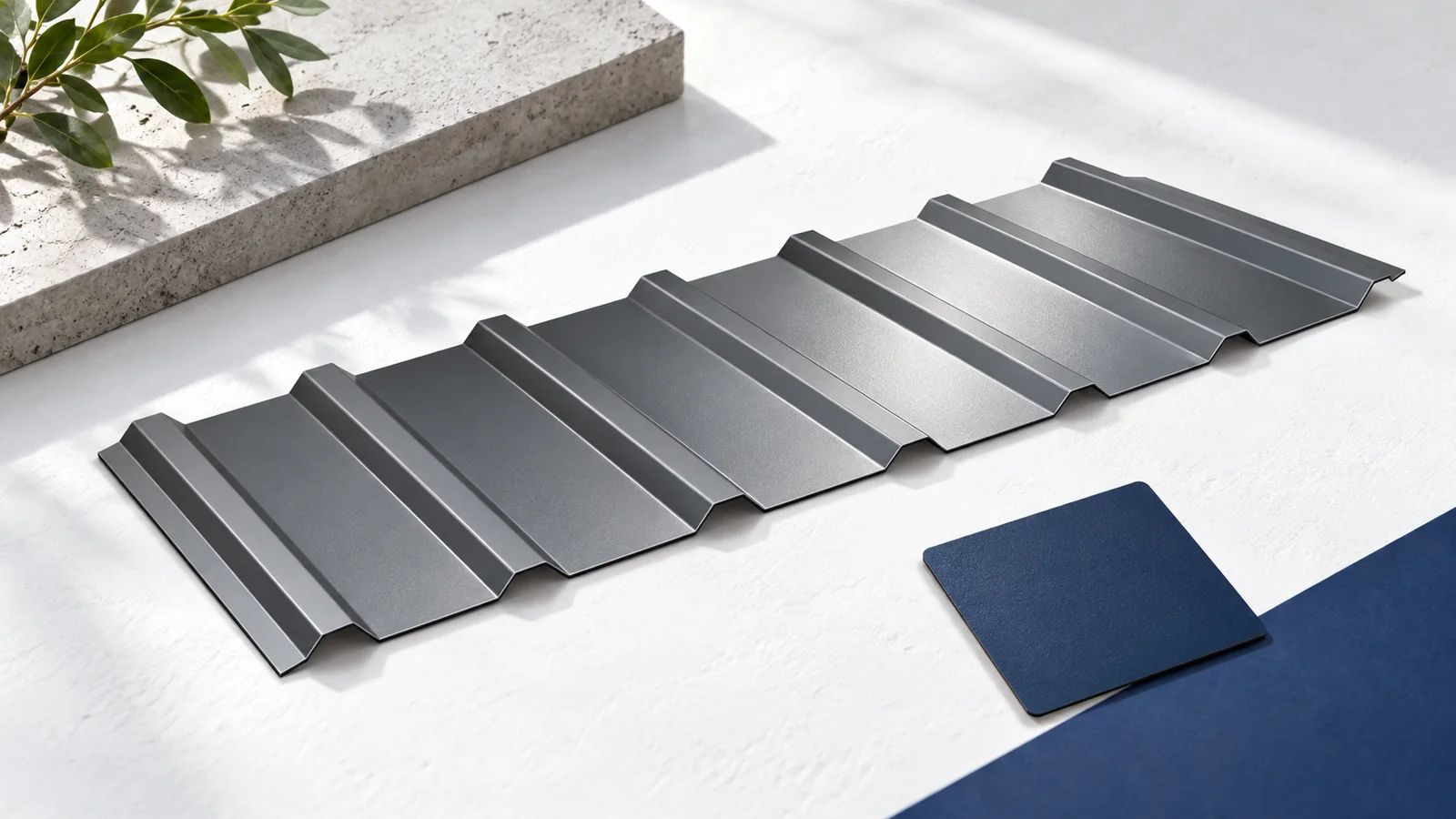
Refreshing a metal roof should start with diagnosis, not with buying paint. Deposits, rusting swarf, coating damage and leaking flashings require different…
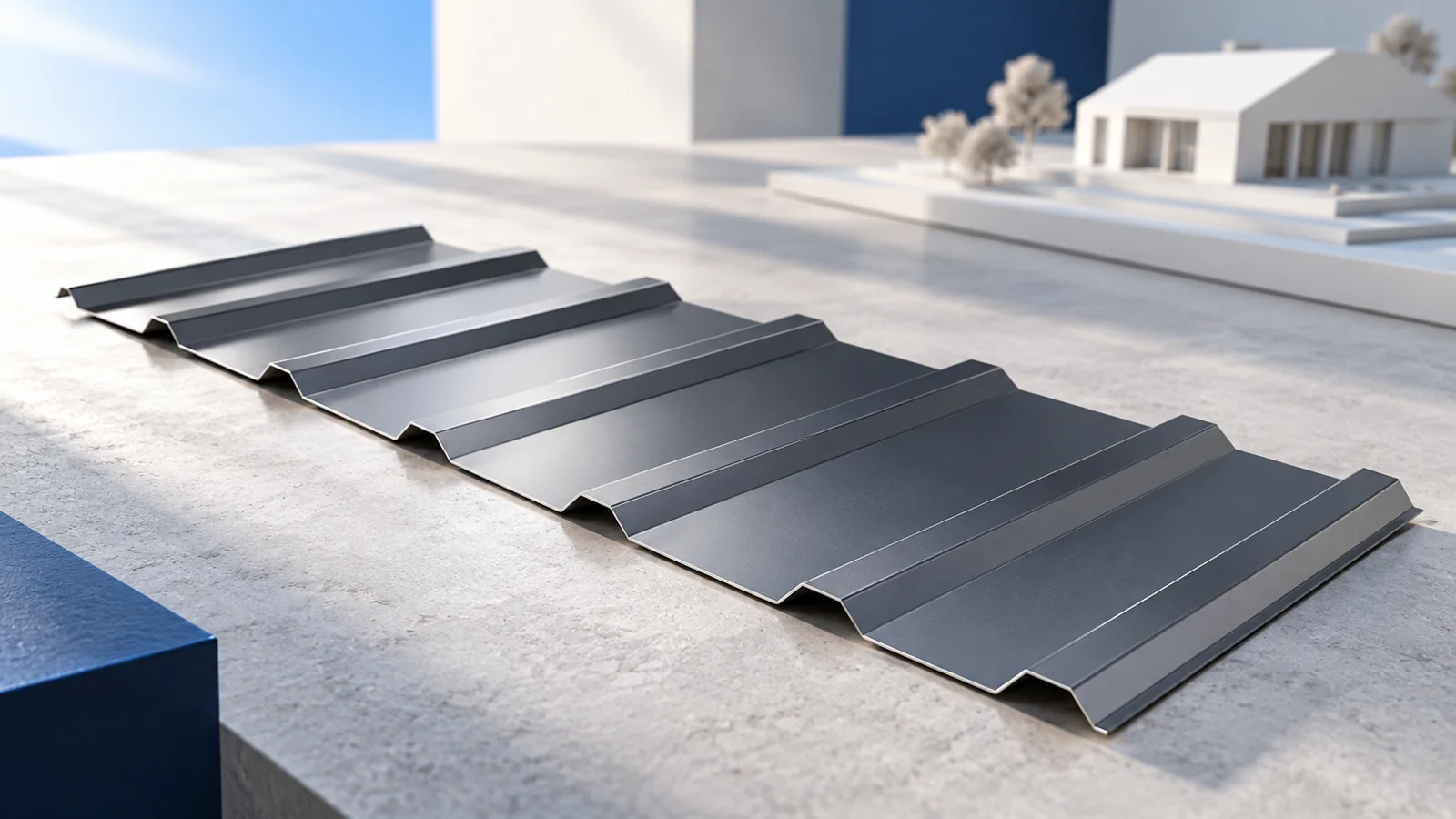
Useful roofing training should leave an installer able to check their own work, not merely holding a certificate. Roofers need to understand…