






How protective coatings work on steel roofing
Roof coverings
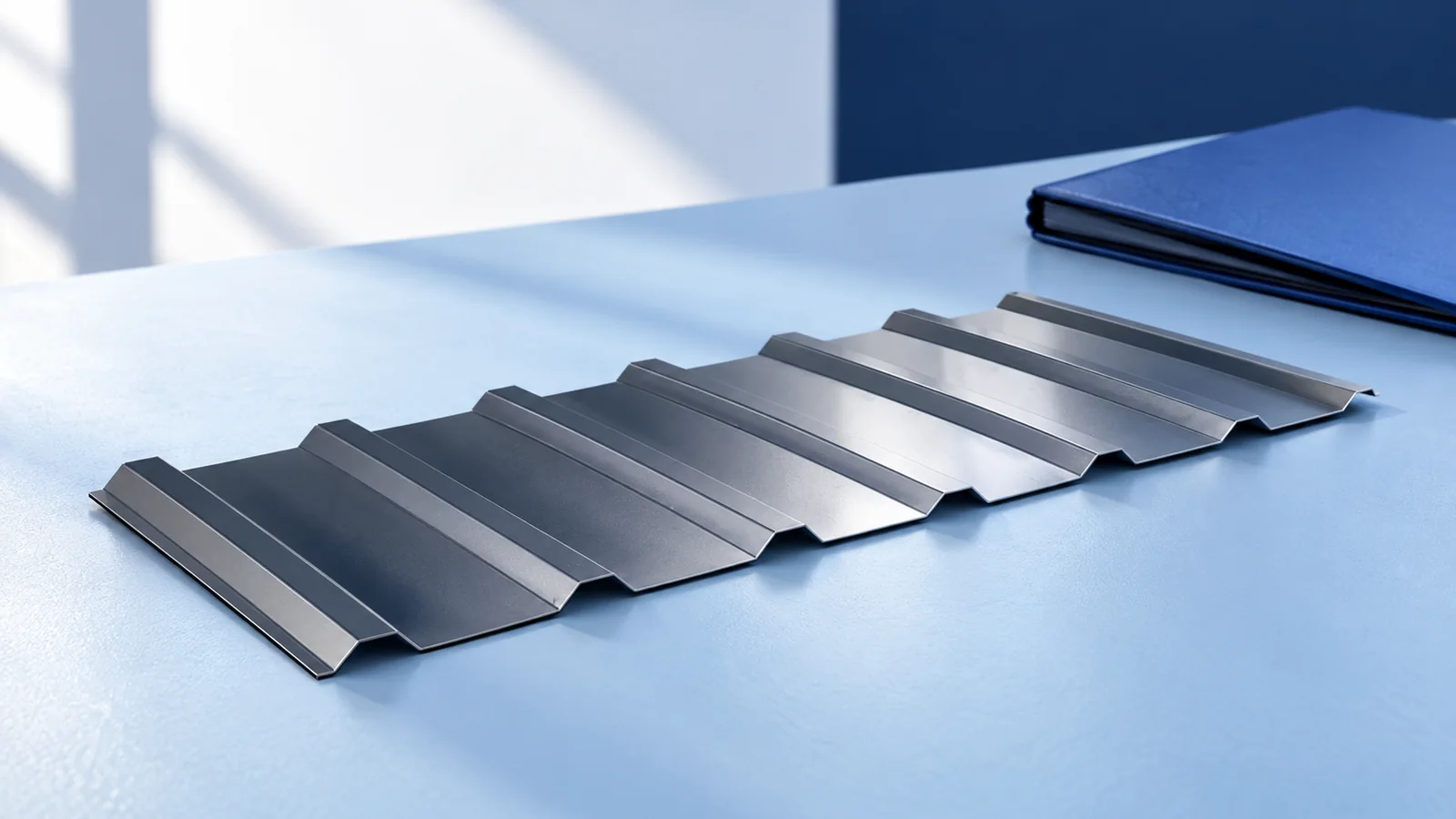
Read a roofing sheet cross-section from the centre out. The steel core gives the sheet its mechanical properties. A metallic coating protects the steel, usually with an additional organic finish on the weather side. Steel thickness, metallic coating mass and paint film thickness each describe a different feature. Compare these figures with conditions both outside and beneath the roof. On delivery and during installation, look closely at edges, cuts and surfaces handled during lifting. These are useful places to spot damage before adjoining sheets conceal it.
Why protect the exposed steel?
Exposed steel can corrode in the presence of water and oxygen. Moisture may persist beneath deposits or beside a blocked outlet long after rain stops. Include sheltered areas that receive little natural washing in the inspection.
For load capacity, the designer considers core thickness and profile geometry among other factors. Selecting surface protection also requires a description of the exposure. Record both sets of information for the same product variant.
What does the metallic coating do?
The layer immediately over the steel may be zinc or an alloy identified on the data sheet. This layer protects the substrate against corrosion. The appearance of an unpainted edge is an unreliable way to identify the coating.
Specify the metallic coating designation, declared quantity and unit on the order. A profile family may include several coating options. Check the sheet for the actual product and distinguish steel core thickness from the mass of coating applied.
What does the coloured finish contribute?
The organic finish provides colour, gloss and texture and contributes to surface protection. Data sheets may list polyester and polyurethane systems. Compare specific manufacturer grades because composition and performance vary within each family.
Check the detail for both faces. The side exposed to sunlight and rain may differ from the reverse. If the building interior is damp or subject to aggressive deposits, describe this to the supplier before they confirm the specification.
How should coating thickness and mass be read?
A figure such as 25 µm or 55 µm in the organic finish column gives film thickness. The metallic coating may be specified in g/m², its mass per unit area. Use separate columns for these quantities and for the steel core.
If a figure has no qualifier, establish whether it applies to one face or both combined. Align the unit and measurement basis before comparing quotations. Structural calculations still require the profile’s load data.
How should scratches and cut edges be assessed?
Inspect the damage closely. Establish whether it affects the colour coat, reaches metal or already shows corrosion. Retain a photograph and product reference so the manufacturer can advise on a repair method for the finish.
Use approved cold-cutting tools and remove drilling swarf from recesses. Hot particles can damage the finish away from the cut line. Where water collects at a joint, inspect its construction before applying touch-up paint.
Which exposure conditions affect the specification?
Describe salt exposure, industrial deposits and places that remain wet for extended periods. For an agricultural building, describe interior conditions separately. Match the coating’s stated uses to the exposure on each face.
When comparing warranties, read the provisions for perforation, colour change and gloss loss individually. Check maintenance requirements and permitted applications. The number of years on the cover does not identify which symptoms are covered.
How can the finish be protected after delivery?
Prepare dry storage and the supports specified in the handling instructions. Lift sheets without dragging them across each other. After installation, check that film, swarf and building debris have been removed, including around flashings and fasteners.
At later inspections revisit the same edges, laps and outlets. Clean with products approved for the finish. Note the location and date to see whether deposits or corrosion marks return after cleaning.

Free quote
What to include in your enquiry
Tell us how you plan to use the material, the dimensions and the quantity you need. Include the thickness, grade or variant name, along with the delivery town or your preferred collection branch. For a specific product, add its name or a link to the product page. We will reply to the email address you provide to discuss availability and the terms of your order.
More from the building guide
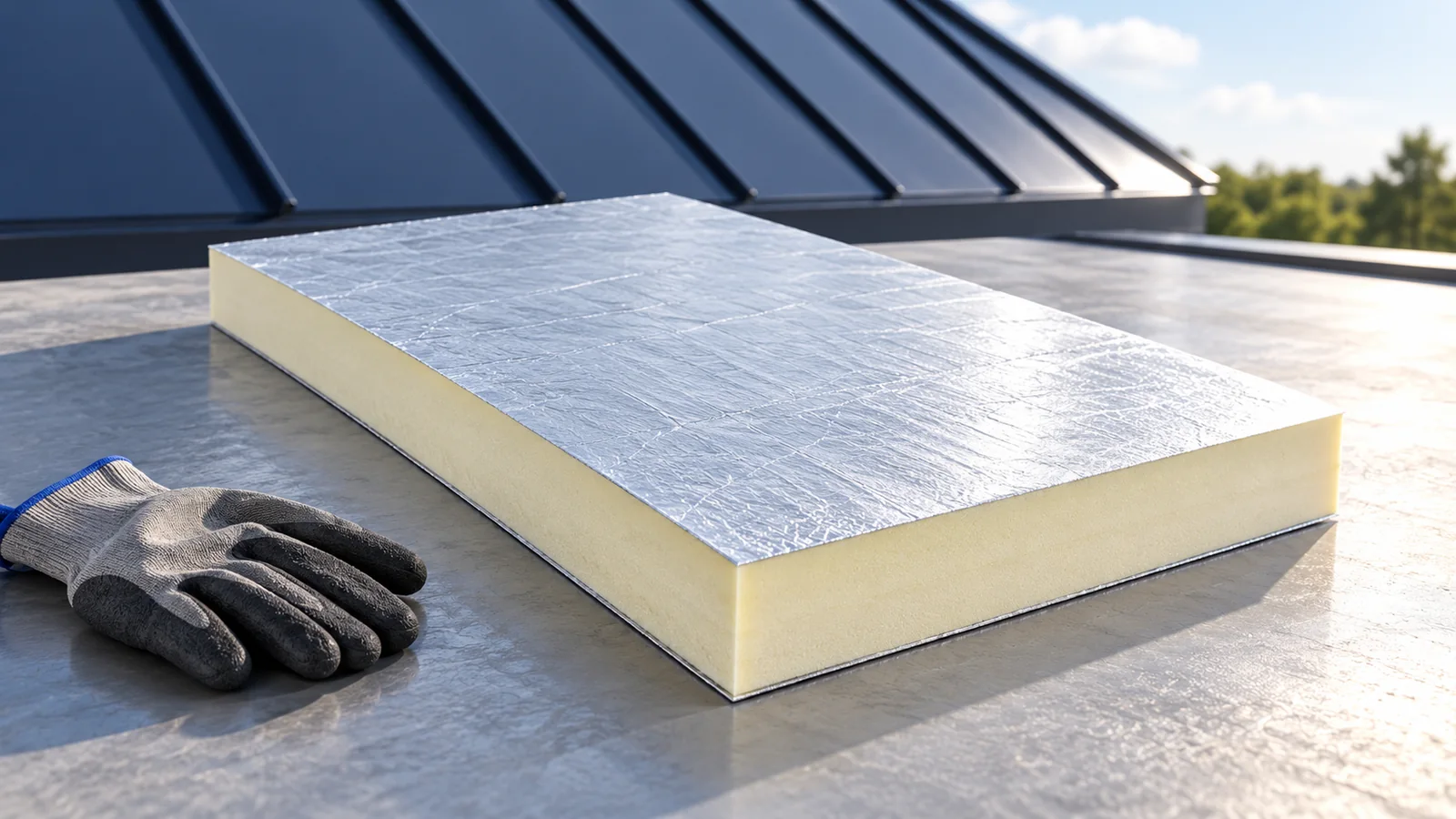
Sheet metal sheds rain, but the complete roof assembly determines how effectively a building retains heat. Insulation needs suitable thickness and continuity,…
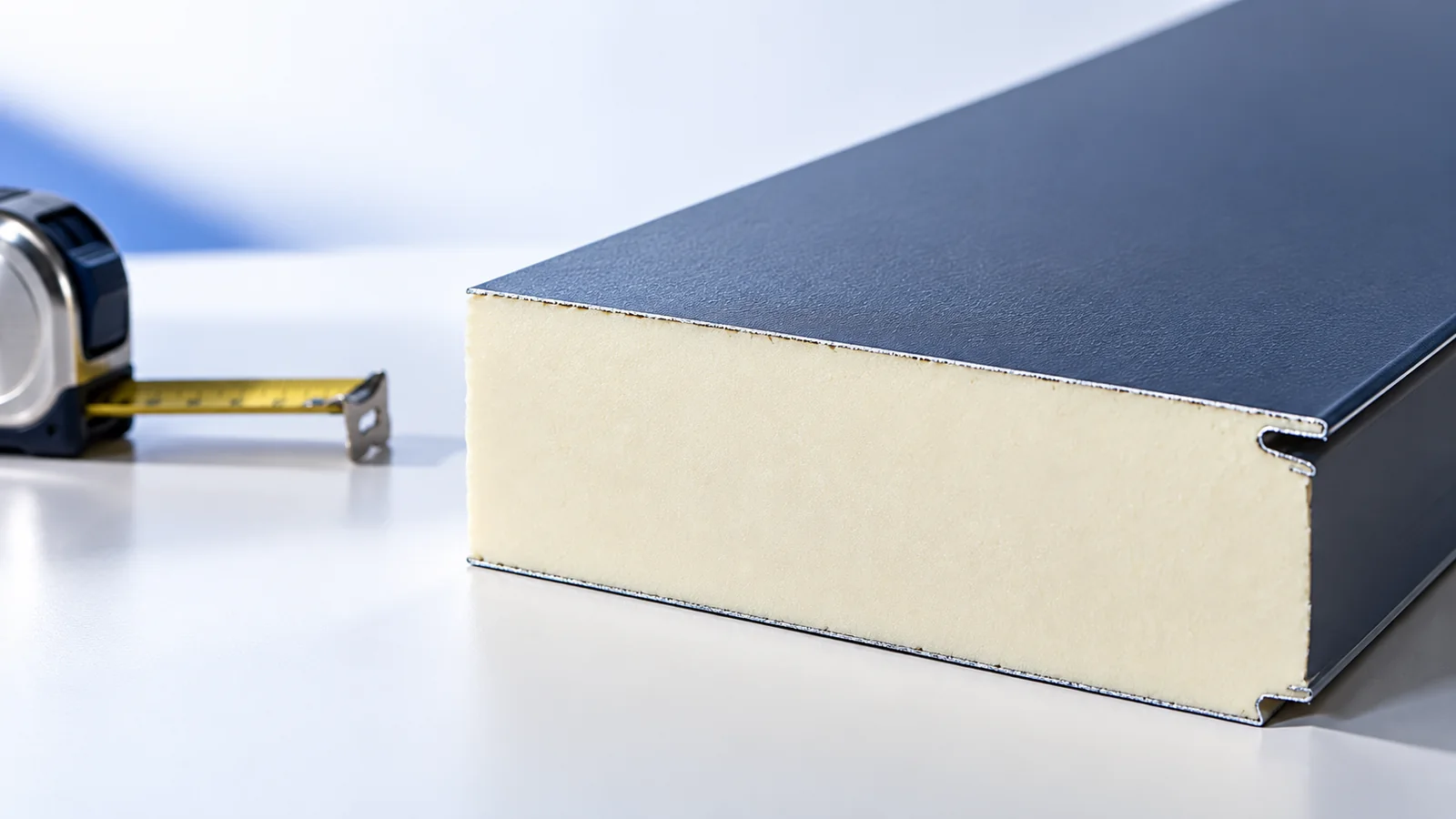
Assess a metal façade as an assembly of cladding, framing and connections to the building. Sheets may be light and convenient to…
A timber roof structure carries the covering and snow and wind loads to the building's supports. Its arrangement must suit the span,…
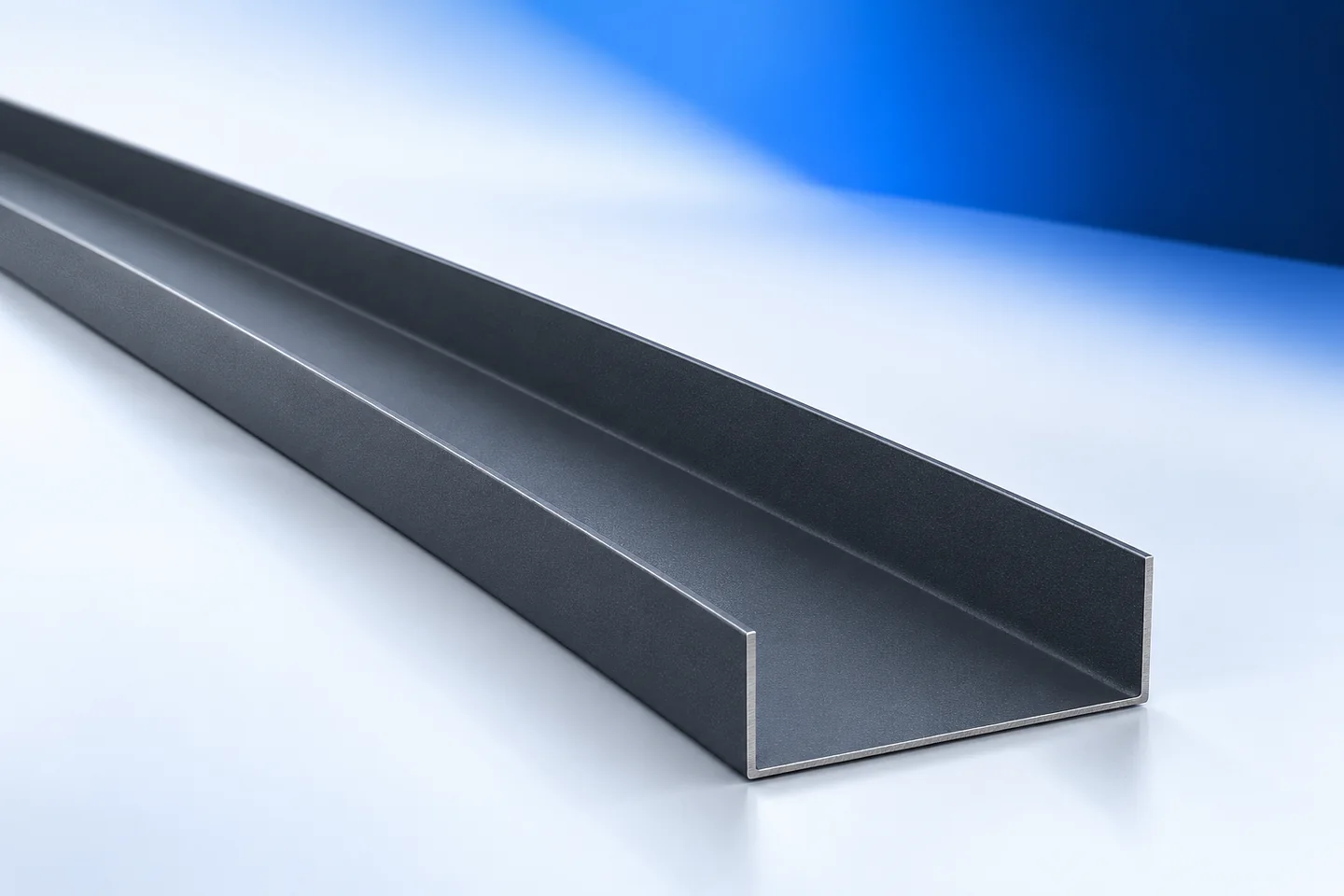
When a metal roof is re-covered, the large sheets attract most of the attention. Yet a narrow strip at the eaves may…
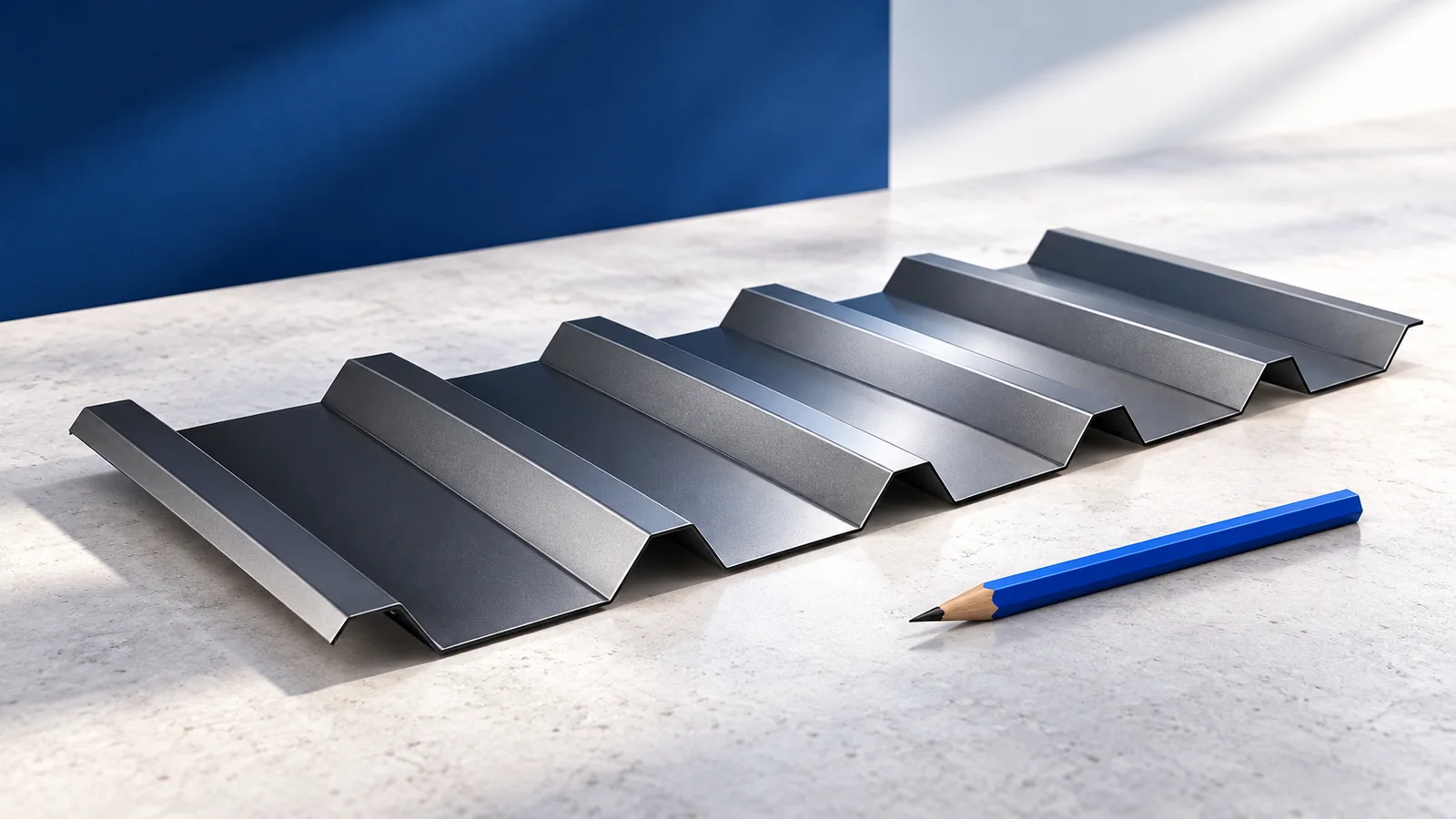
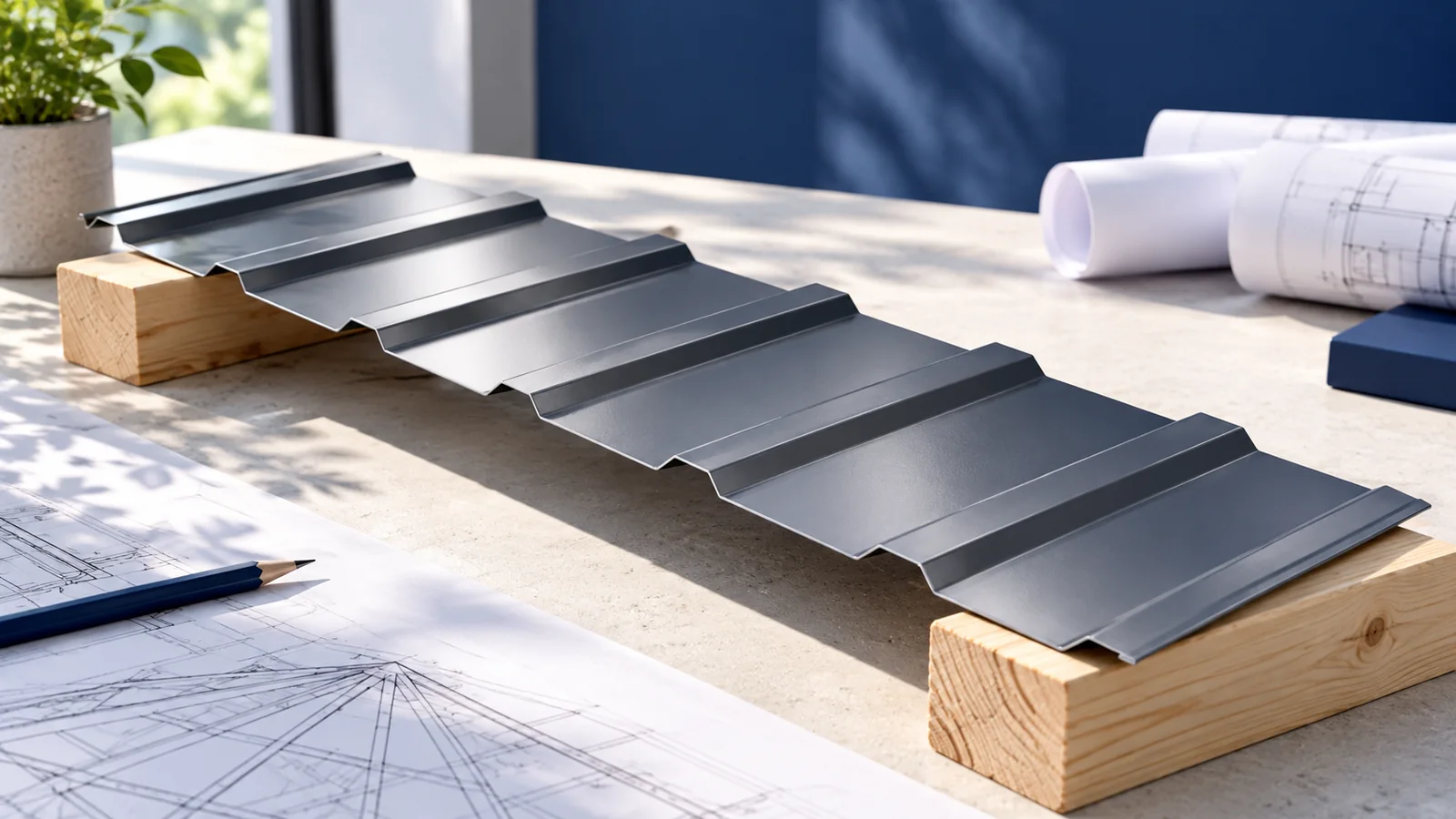
The right trapezoidal steel roof sheet depends on slope geometry, loads and building conditions. A designation such as T18 or T35 starts…
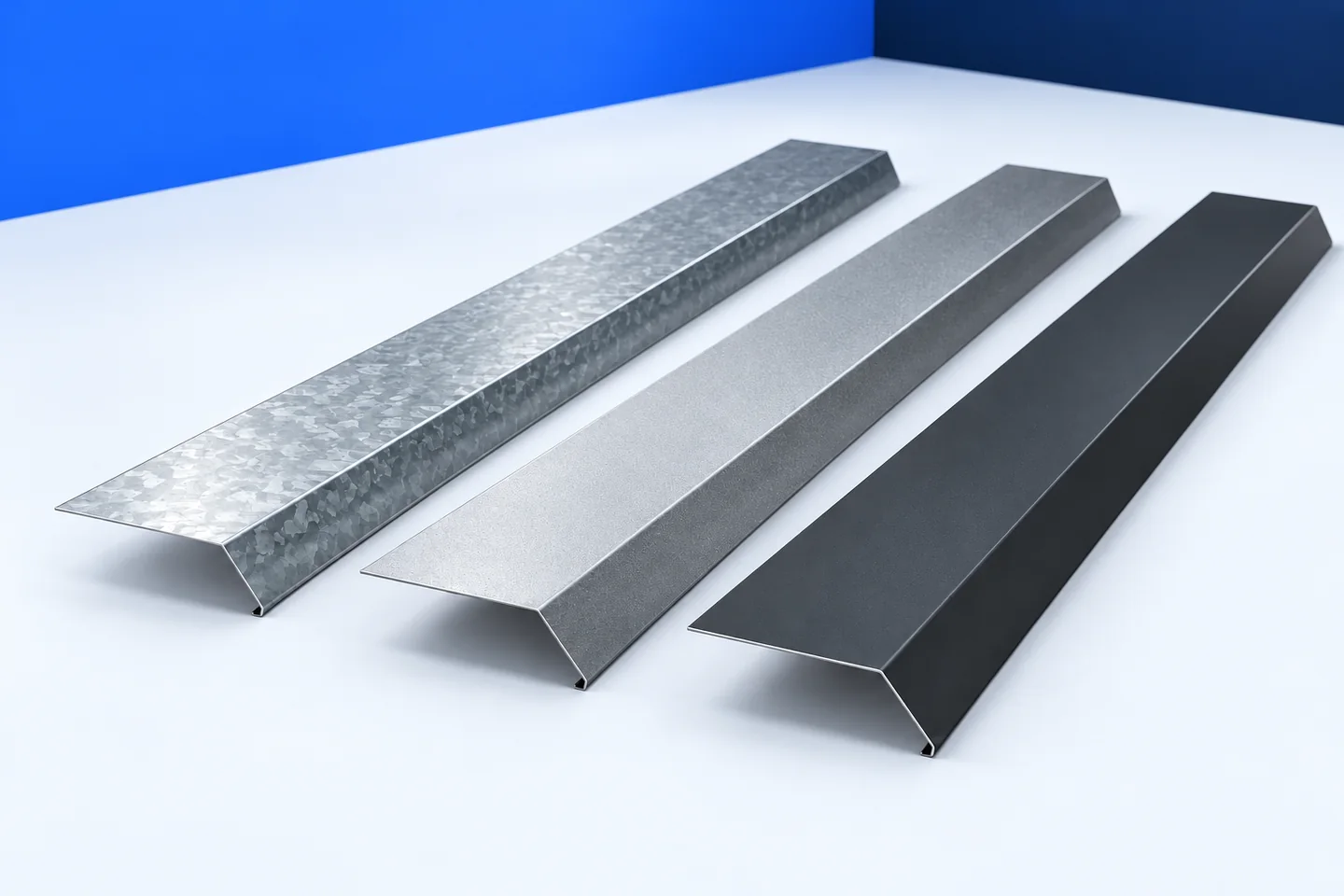
A replacement verge flashing can stand out against an older roof even when both carry the same colour code. Weathering, dirt, gloss…
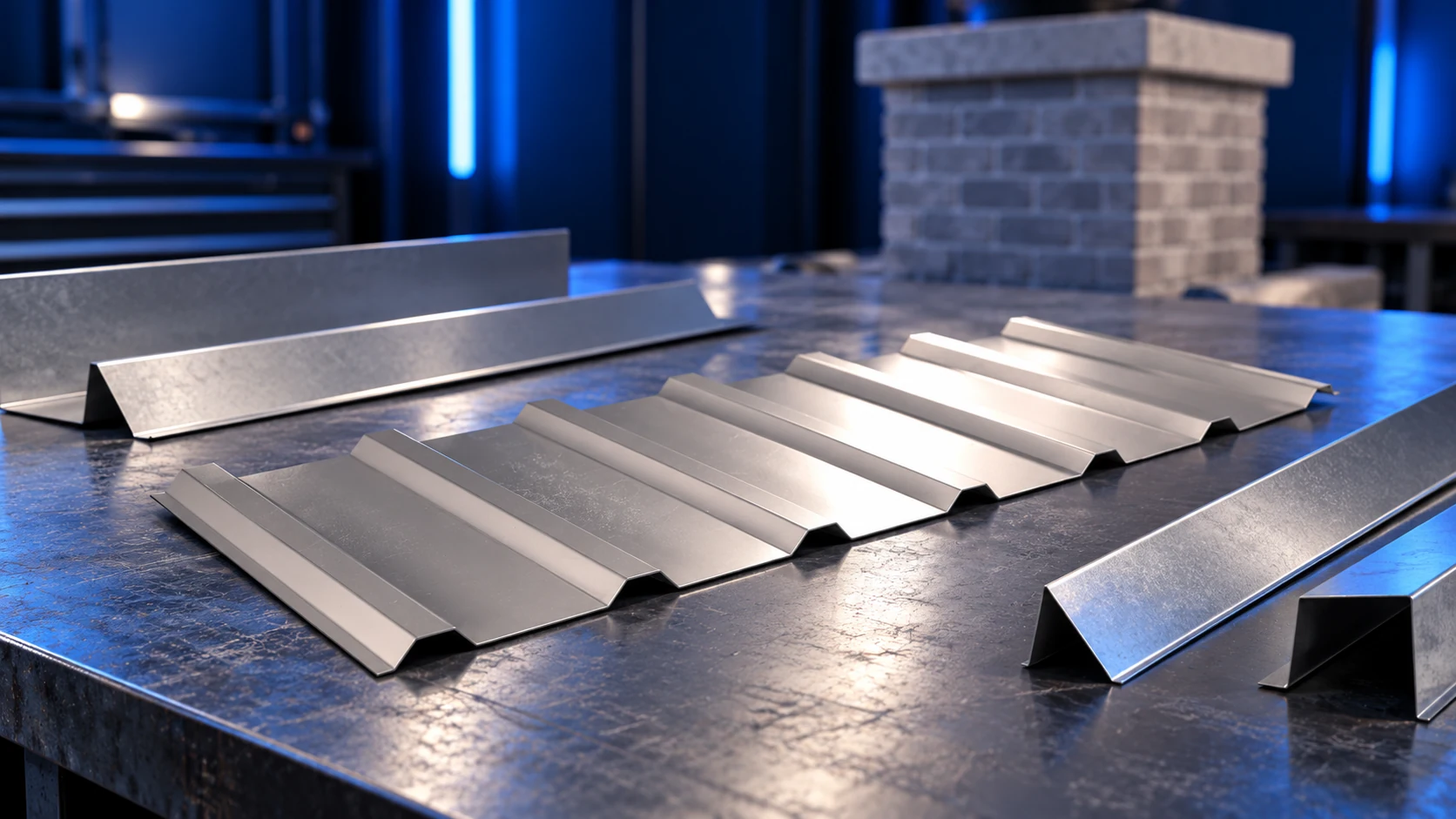
Chimney flashing must return water to the roof covering while accommodating movement between the roof and chimney. A strip of sheet metal…
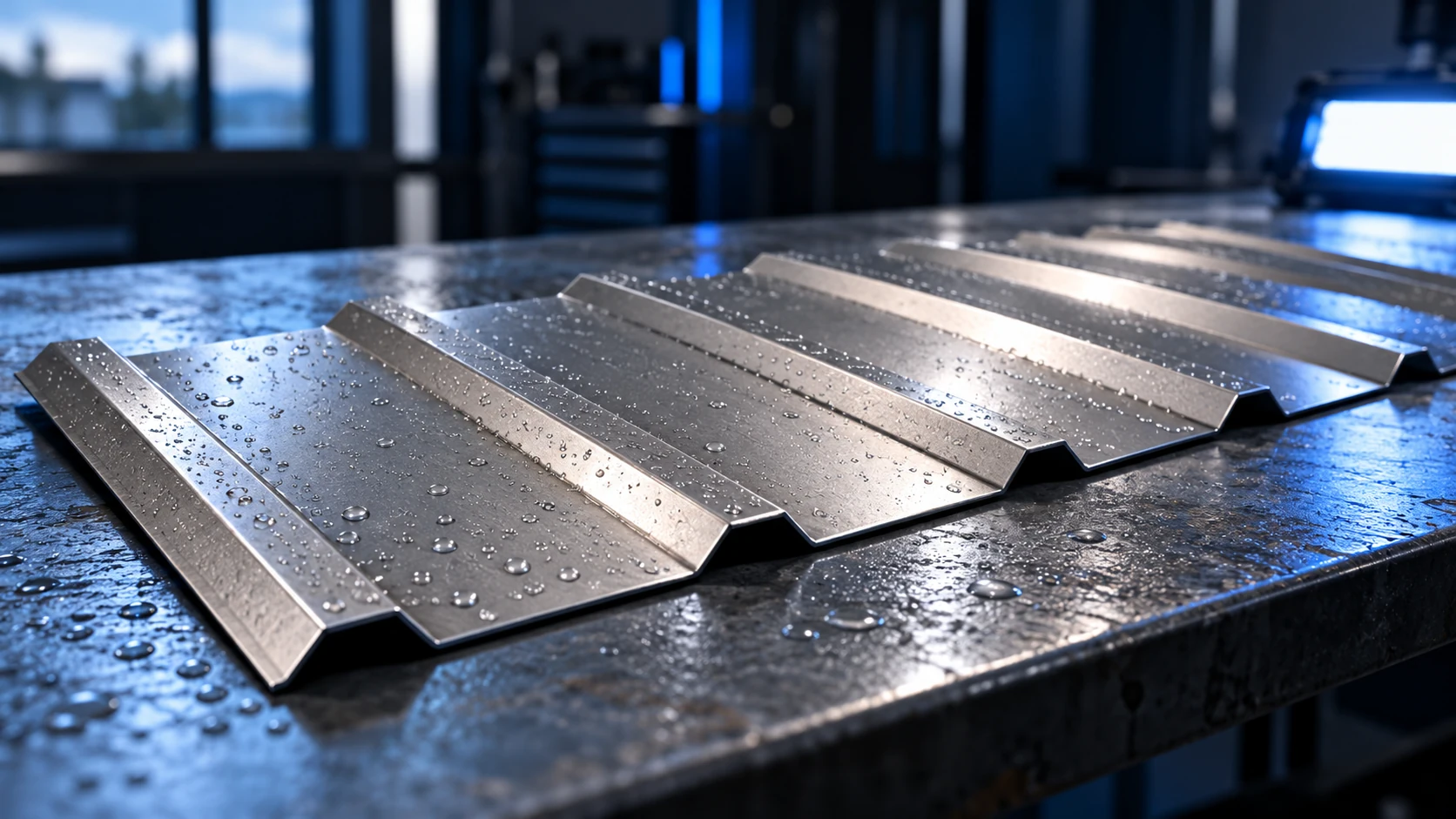
A damp patch beneath a metal roof does not necessarily mean a hole in the sheet. Water can enter through flashings, laps…