Why does a metal roof leak? Where to start investigating
Metal roofing
A damp patch beneath a metal roof does not necessarily mean a hole in the sheet. Water can enter through flashings, laps or a poorly seated screw, or form underneath as condensation. Start by recording when the moisture appears and what the weather was like. Those observations help a roofer distinguish possible rainwater entry from moisture within the roof build-up. Repair should follow diagnosis. Applying sealant indiscriminately can hide the route taken by water and make the cause harder to find. This guide sets out the inspection sequence and the details to document before closing the roof again.
First distinguish rainwater from condensation
Record when the patch appeared and the weather conditions. Leakage after heavy rain suggests water entering from outside. Drops following a cold night, even without rain, may indicate condensation. These are clues rather than a definitive test. Water can travel along a membrane or structural member, so the drip may not be directly beneath the defect.
Photographs from several days and a roof sketch are useful. Mark chimneys, windows, valleys and service penetrations. Do not climb onto a wet roof to look for evidence. Observations from the attic and weather records can help the roofer start in the right area.
Four potential rainwater entry points
First, screws: an angled fastener may compress its washer unevenly, while overtightening can deform the seal or sheet. Second, laps, whose length and sealing depend on the product and pitch. Third, chimneys and wall junctions. Fourth, roof valleys, which receive runoff from a larger area.
Include holes left by removed accessories. Inspecting the large sheets alone is not enough: a pipe penetration, aerial bracket or later installation may cause the leak. The roofer should trace drainage from above the suspected damage down to the eaves.
Some faults appear only during rain driven from a particular direction, so wind information matters. If symptoms began after aerial or photovoltaic installation work, inspect those areas first. Timing alone does not prove the cause, but identifies a useful starting point.
Four further causes that are easily overlooked
A fifth cause is a roof pitch outside the system requirements. A sixth is damaged or incorrectly terminated underlay. A seventh is blocked drainage in a valley or beside flashing. An eighth is moisture trapped by inadequate ventilation or a leaking vapour-control layer. Not every problem can be repaired from above.
During renovation, check that insulation has not blocked the ventilation gap. Leaves and nests can restrict airflow at the eaves. A vapour-permeable membrane does not replace the gap: it permits vapour diffusion through the material but does not create an airflow route below the sheets.
Use the symptoms to prioritise inspection
A chimney-side stain after wind-driven rain warrants checking the flashing and masonry above it. Dripping along a line of sheets points towards a lap or fastener row. Scattered drops beneath cold metal call for assessment of humidity and ventilation. Staining below a valley requires checking drainage and the covering edges.
None of these symptoms gives a diagnosis on its own. A leaking chimney, for example, can release water far from the flashing. Inspect step by step rather than dismantling the entire roof initially. Water tests should cover small areas; wetting the whole slope at once makes the entry point harder to locate.
Why silicone is not a universal repair
Sealant belongs in a detail designed to use it. It cannot replace correct flashing geometry or laps arranged with the water flow. A thick deposit in a recess may even hold water back. At chimneys, allow for movement between roof and masonry. One approach uses separate counterflashing to cover the lower flashing.
Remove the cause first, then reinstate the seal. Repairing the coating will not solve a torn underlay. When a fastener fails, assess its hole and substrate too. Installing a larger screw without diagnosing the problem should not be the default response.
Checking the repair and preventing recurrence
Obtain a before photograph, an explanation of the cause and a photograph of the completed detail. Record the materials used and check the area after the next rainfall. Wet insulation needs separate assessment: immediately enclosing it may trap moisture within the roof.
Inspect the roof even when it is not leaking. Removing debris and checking the coating are basic maintenance tasks. Clear valleys and sound flashings are less costly than repairing a ceiling. Pay particular attention beneath trees and around earlier installation work.
Photograph the exposed layers before closing the lining. Note what was replaced and when the test took place. This record helps distinguish a recurring defect from a new problem later.
Frequently asked questions
Does every drop beneath metal roofing mean a leak?
No. Vapour can condense on a cold surface. Check the conditions in which the moisture appears.
Is tightening all the screws enough?
No. Unchecked tightening can damage seals. Locate the cause and assess the holes first.

Free quote
What to include in your enquiry
Tell us how you plan to use the material, the dimensions and the quantity you need. Include the thickness, grade or variant name, along with the delivery town or your preferred collection branch. For a specific product, add its name or a link to the product page. We will reply to the email address you provide to discuss availability and the terms of your order.
More from the building guide
Start planning a carport with a tool store by listing the equipment and the routes people use every day. A mower, bicycles,…
T14 is a low-profile sheet, but its dimensions are not standardised by that name alone. Effective cover widths can be 1120 or…
Trapezoidal steel sheeting can make a durable, low-maintenance garage roof and wall cladding if the sheets suit both the frame and the…
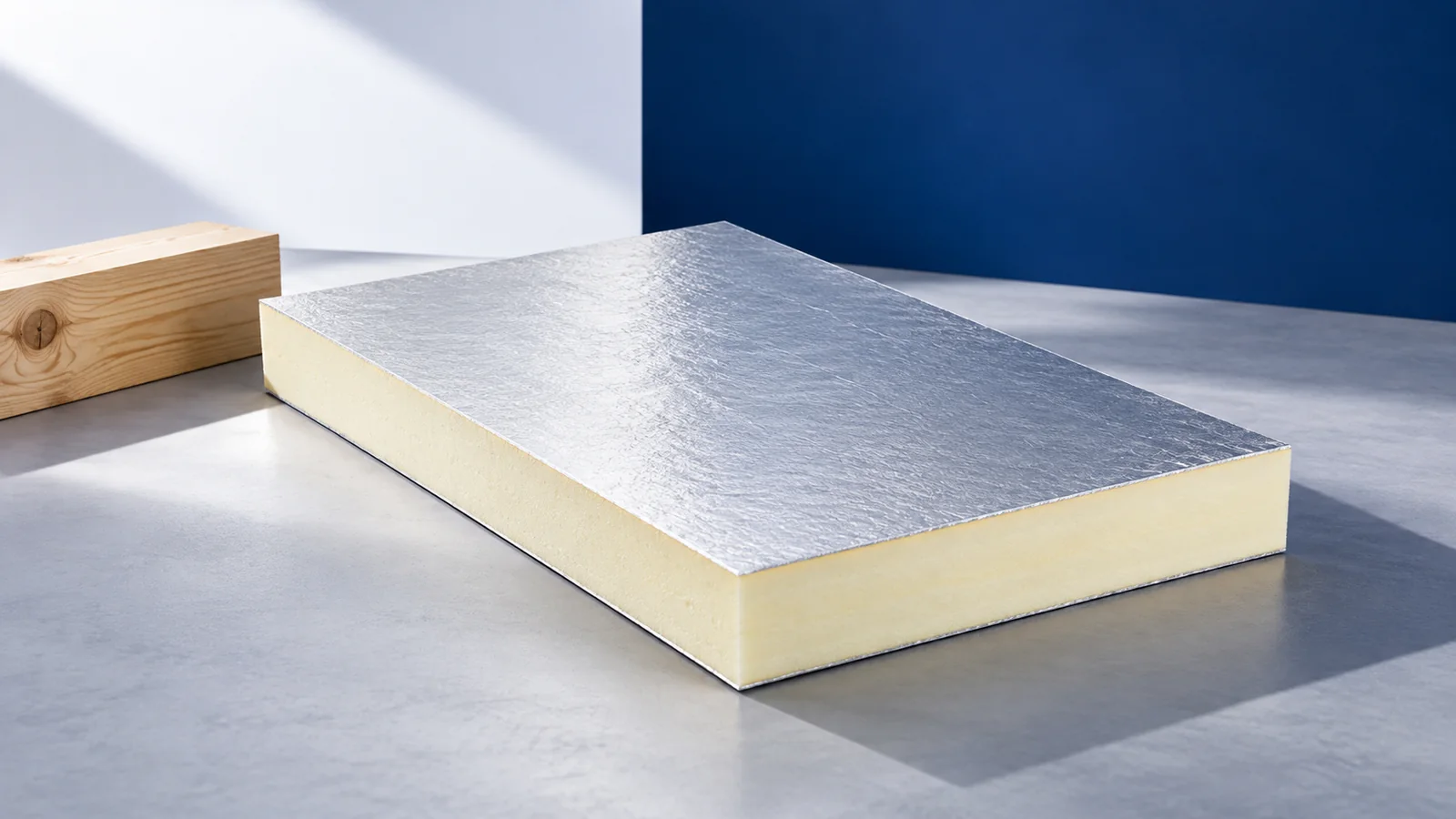
Steel roof tiles or trapezoidal sheets can protect an energy-efficient home, but they do not by themselves limit heat loss. Insulation layers,…
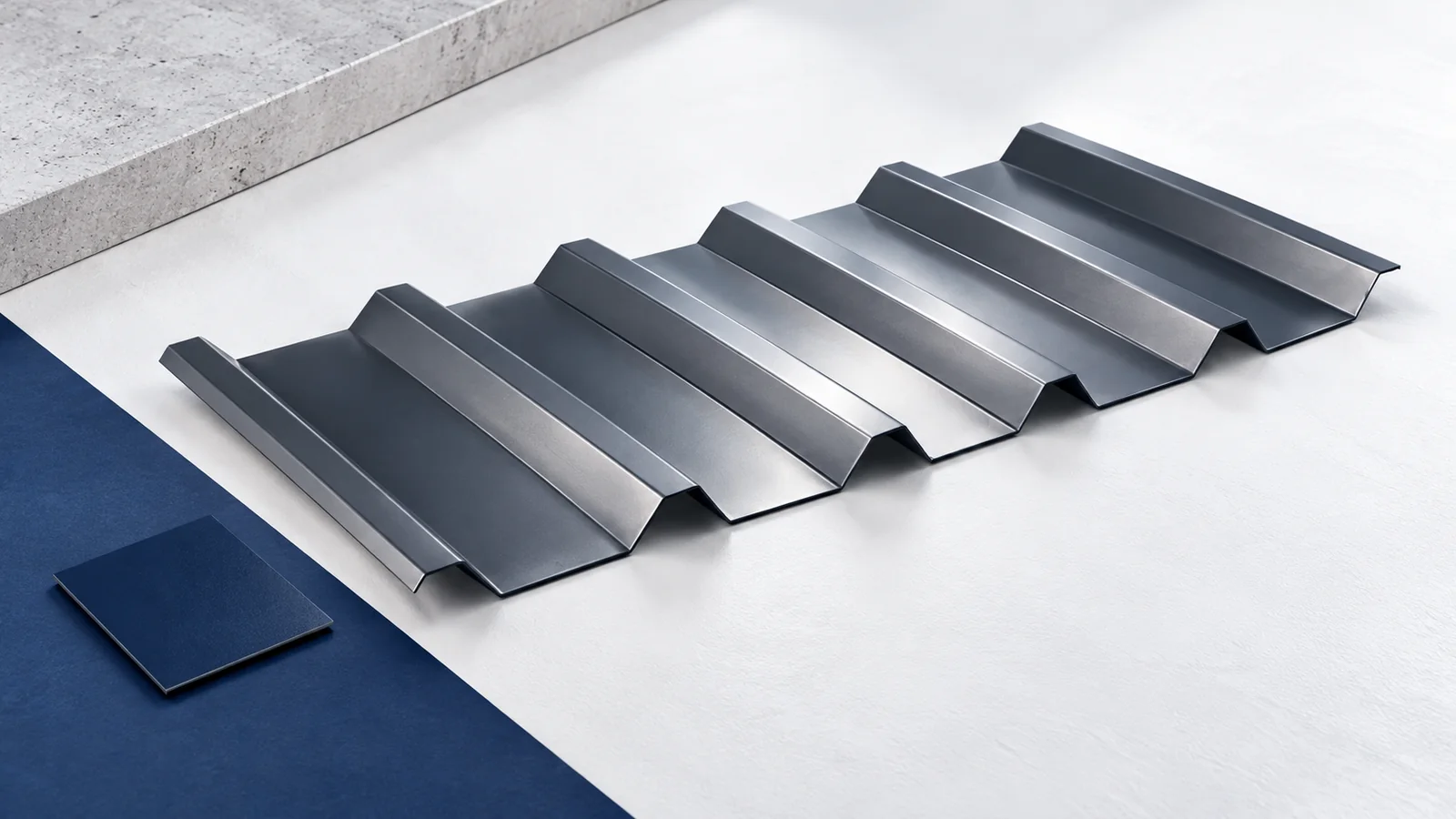
T35 trapezoidal steel sheet has a nominal profile height of about 35 mm, but that designation alone is insufficient for ordering a…
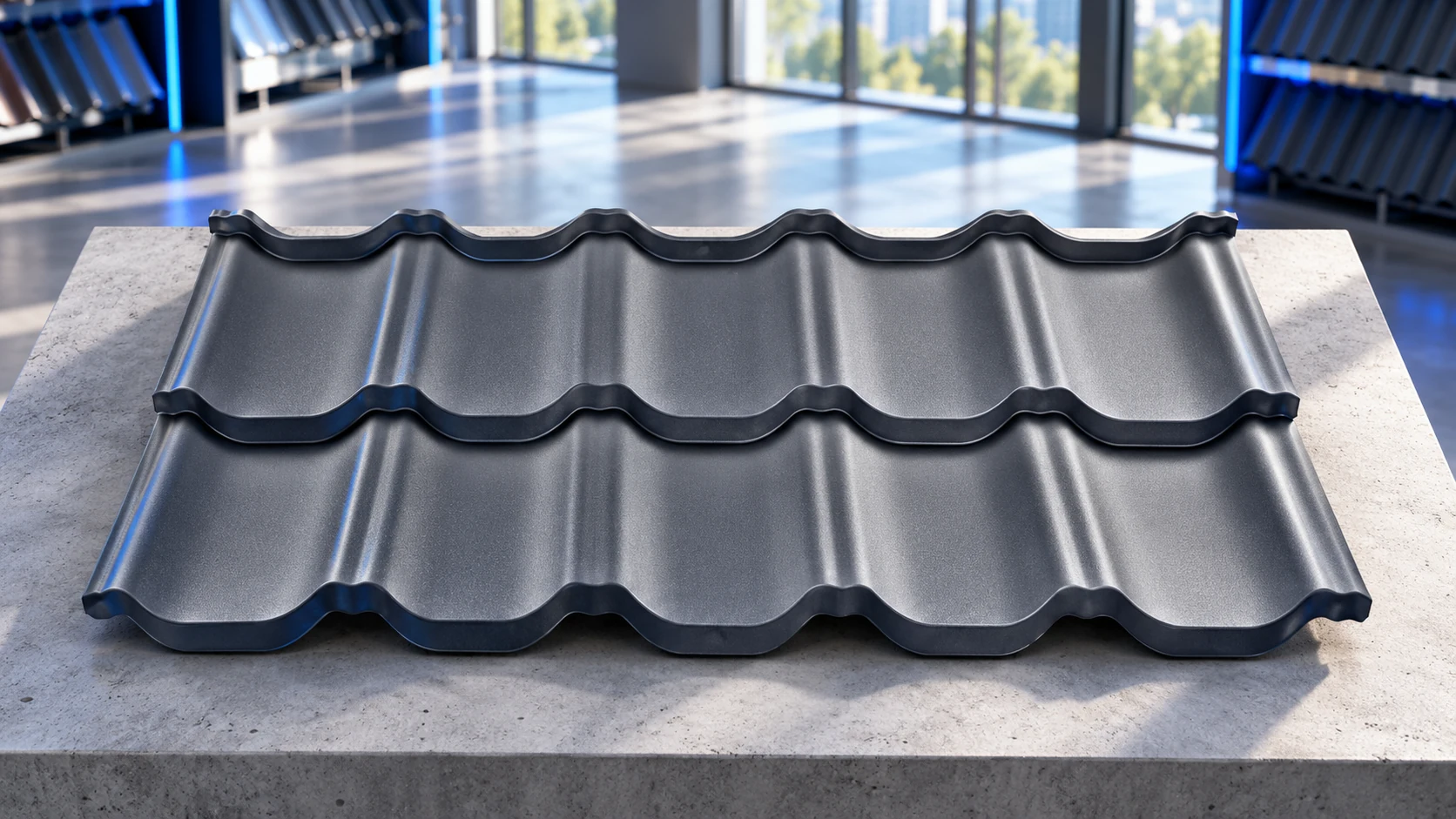
Made-to-length sheets can use material efficiently on a simple roof, while short modular panels are easier to handle and may help around…
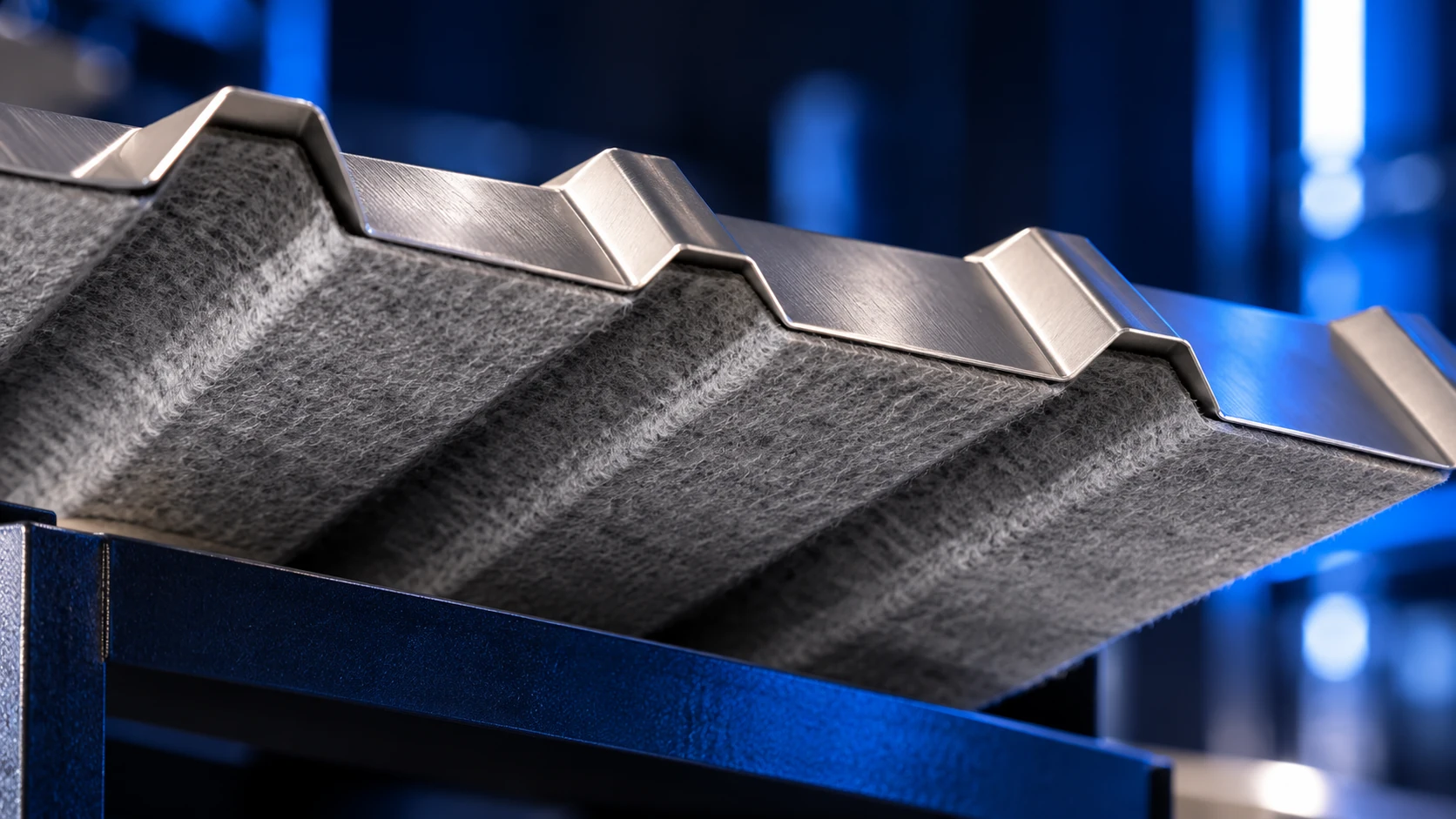
Anti-condensation fleece can reduce dripping from the underside of cold metal roofing. It temporarily absorbs some condensate and must then release the…
A flashing schedule follows the shape of the roof. Even a simple roof needs its eaves, verges and ridge checked; valleys, chimneys…