






Matching new flashings to an old metal roof
Sheet metal flashings
A replacement verge flashing can stand out against an older roof even when both carry the same colour code. Weathering, dirt, gloss and coating texture affect what you see. Compare physical samples before deciding whether to match the roof as closely as possible or give the entire edge a consistent new finish. An old invoice, product sheet or label can identify the original material. A photograph rarely identifies its protective layers. If paperwork is missing, give the installer a sample from a part exposed during refurbishment so they can compare both the finish and the underlying material.
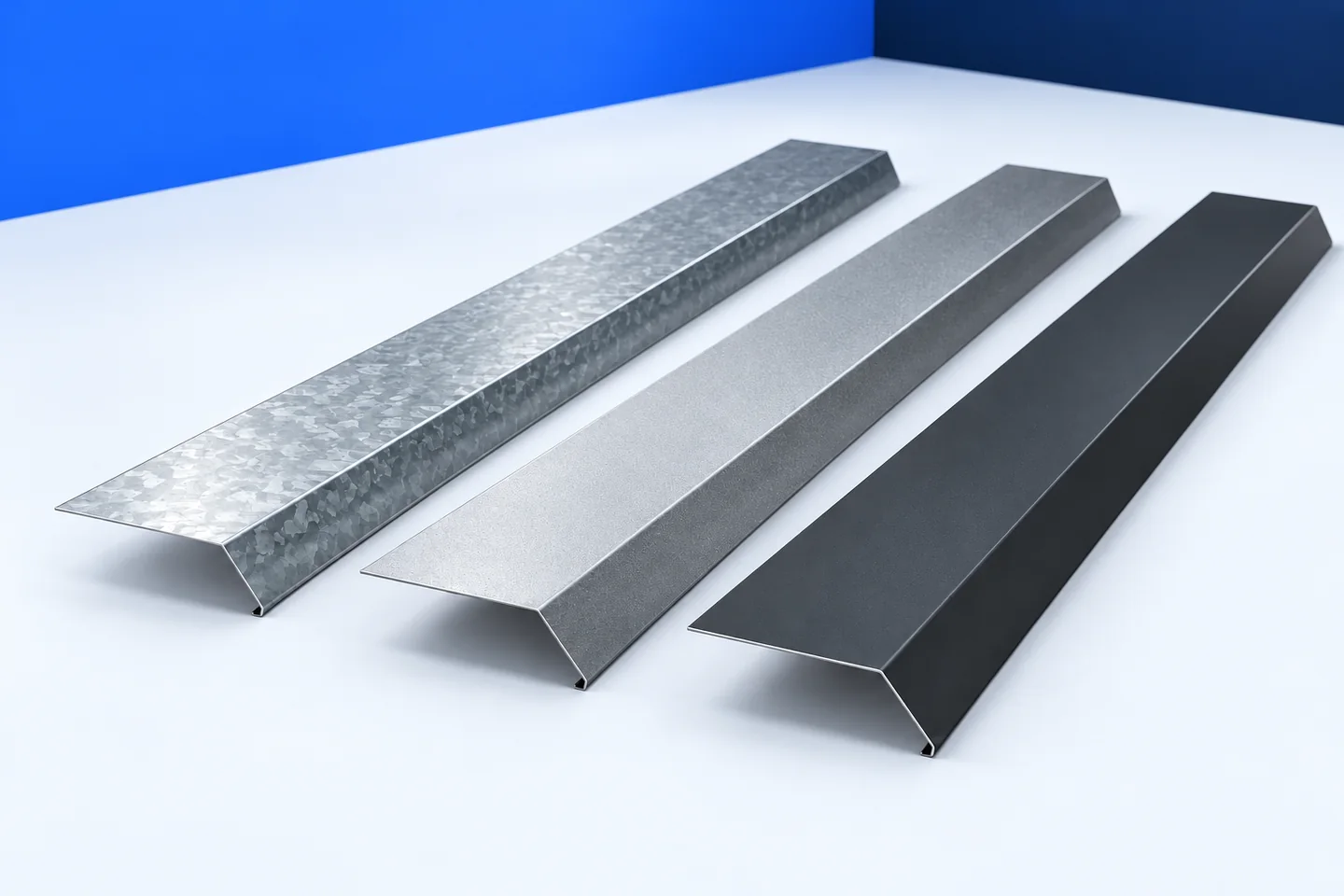
Identify the existing sheet material
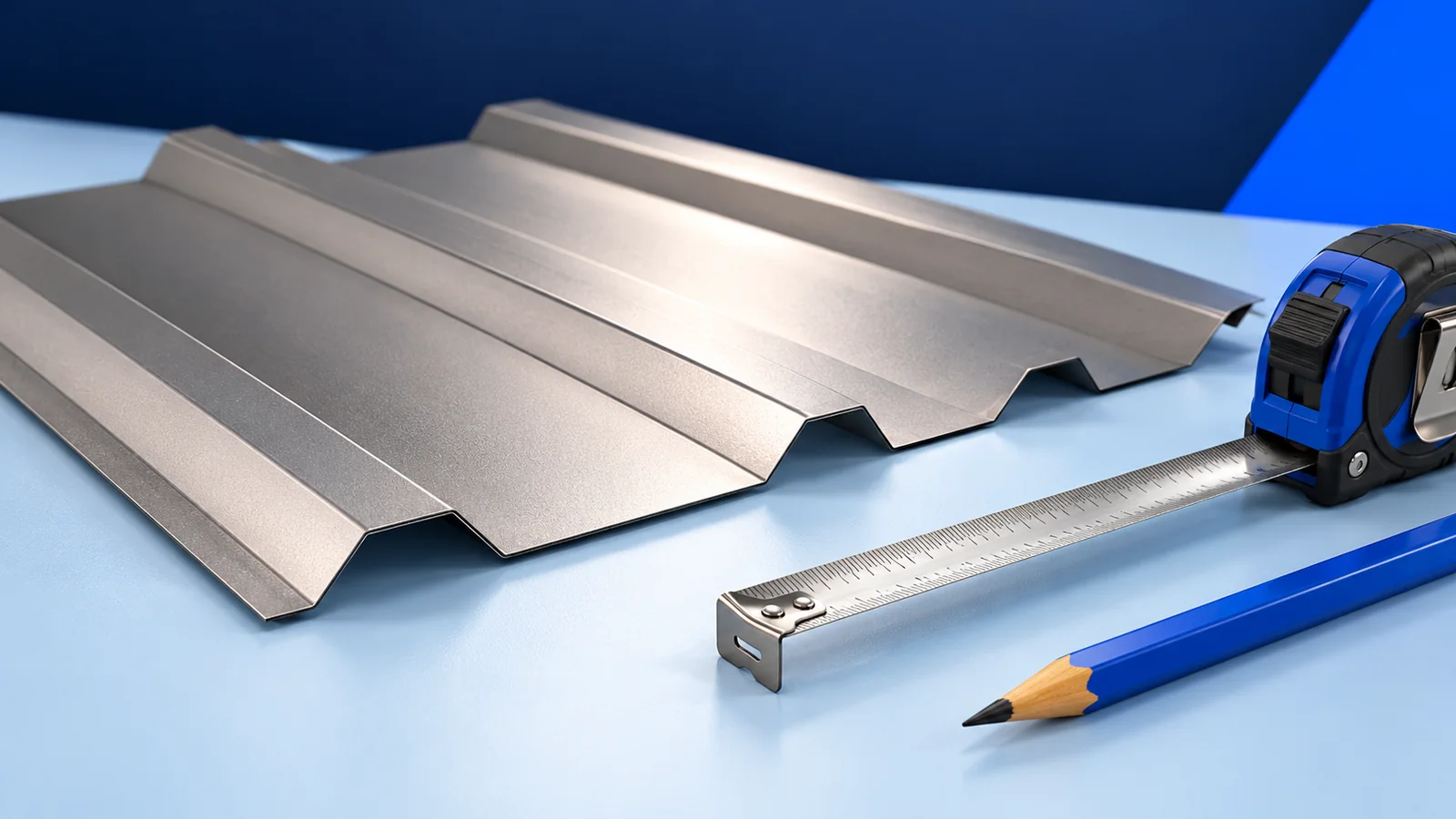
Galvanised and aluminium-zinc coated sheet can both look silvery, although their metallic coatings differ. Colour-coated sheet also has protection beneath the decorative finish. Match the material specification as well as the appearance.
Compare samples against a clean area
Dust and deposits can alter the apparent shade. Clean a representative patch using a method approved for the existing finish. Avoid aggressive cleaners that temporarily brighten the metal. Let the surface dry before comparing it with the sample.
View the sample in daylight at the same angle as the roof detail. A phone screen or supplier’s photograph is a poor colour reference. Ridge caps and verge flashings reflect light at different angles, so even pieces from one sheet may look lighter or darker.
Look at gloss and texture
A textured matt coating reflects light differently from a smooth glossy finish. On a broad parapet coping or a long verge flashing that contrast may be easier to see than a small shade difference. Choose a sample with a comparable finish as well as the intended colour code.
New flashings may never weather to the same shade as the old covering. Ageing depends on exposure and coating type. If the contrast is pronounced, replacing a continuous run such as the ridge caps can give a more even appearance. Weigh the visual benefit against the condition of the existing parts.
Check suitability for the junction
Check the intended use of the coating and the installation conditions. Chimney flashings, gutter aprons and plinth flashings experience different levels of moisture. A close visual match is of little use if the sheet’s specification is unknown.
Check compatibility with adjacent materials, sealant, mortar and cleaning products. Sheet thickness and formability also matter. A bespoke profile with several folds must be formed within the material’s limits to avoid damaging the coating in the workshop.

Mark the exposed face on the drawing
The finished side is easy to identify on flat stock. After several folds it can be less obvious. At the eaves the underside may be visible from the ground. Around an opening, two faces may be seen from different directions. Draw the profile as installed and mark the colour-coated side.
Mark starter profiles and corner pieces in the same way. The reverse coating may differ in colour and texture from the exposed coating. Mirrored parts can require separate folding drawings. Turning an incorrectly folded piece around may leave the wrong face exposed.
Assess the coating before repainting
Touch-up paint is intended for specific local repairs on a compatible finish. Covering corrosion or repainting a whole roof calls for a different assessment. For large areas, establish the condition of the existing coating and select a compatible refurbishment system so the new coat can adhere.
Keep the product reference and, if available, a small offcut. Both help with later orders and maintenance. Selecting against a physical sample and the material specification gives a realistic basis for a repair that works and sits well alongside the weathered roof.
Questions and answers
Does one colour code guarantee an identical surface?
No. Gloss, texture, production batch and weathering can differ. Compare samples alongside the roof as well as checking the code on the order.
Should sound flashings be replaced for their colour alone?
Balance appearance against cost after identifying the pieces that need repair. It may be enough to accept a slight difference or renew one continuous run.
Can gloss identify the type of sheet?
Appearance cannot establish the type or specification of a metallic coating. Use the material information supplied with the sheet.

Free quote
What to include in your enquiry
Tell us how you plan to use the material, the dimensions and the quantity you need. Include the thickness, grade or variant name, along with the delivery town or your preferred collection branch. For a specific product, add its name or a link to the product page. We will reply to the email address you provide to discuss availability and the terms of your order.
More from the building guide
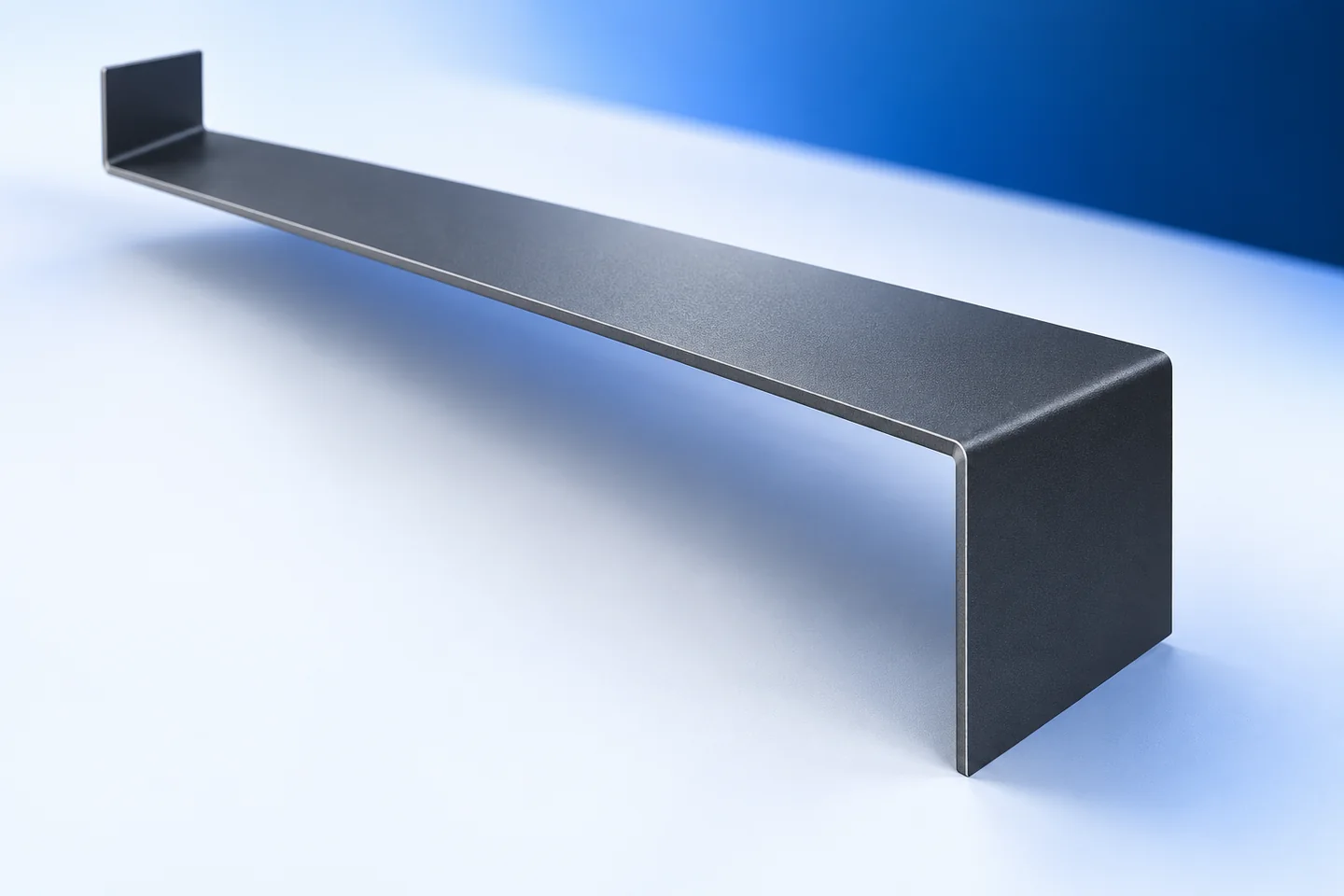
A single photograph rarely gives a fabricator enough information to replace an unusual roof flashing. Perspective alters the proportions, and an old…
Before winter, trace the water path from the ridge to the downpipe discharge. From a safe position, note any damp marks after…
Dark marks below a gutter do not necessarily mean that the gutter leaks. Water can reach the fascia if the roof covering…
Eaves flashing helps deliver runoff into the gutter and limits water tracking beneath the roof edge. Its effectiveness depends on the complete…
Organise documents for building in Poland around the decisions they support. Plot information establishes development possibilities; the design specifies structure and materials;…
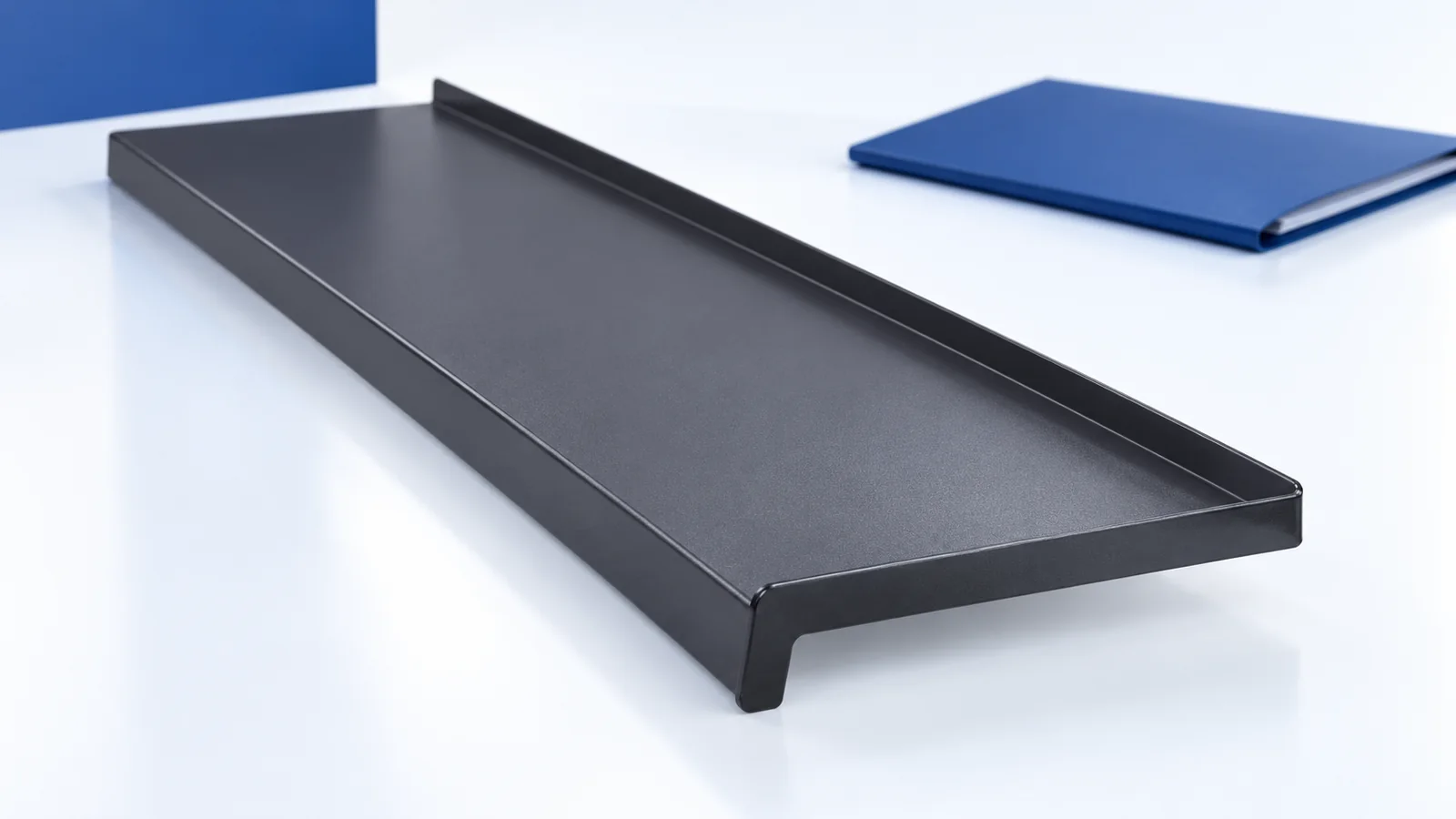
Start with a section through the bottom of the window. Mark the frame drainage outlets, the support, the finished wall face and…
Chimney flashing on a metal roof must intercept water flowing down the slope and guide it safely around the obstruction. The front…
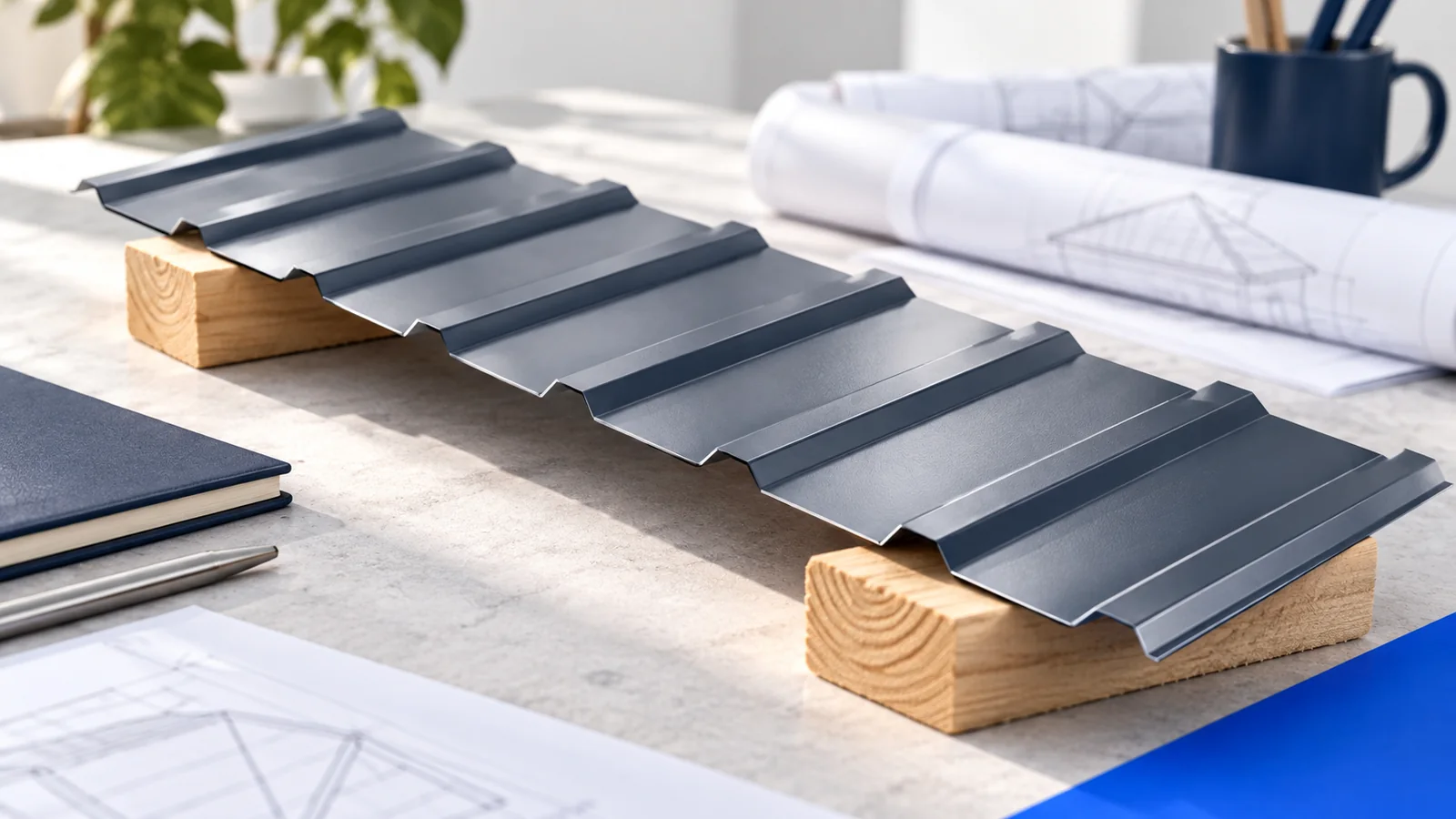
A hipped roof over a rectangular house usually has two trapezoidal and two triangular slopes joined by a ridge and hips. The…