






How to read an XPS pack label and declaration of performance
XPS insulation
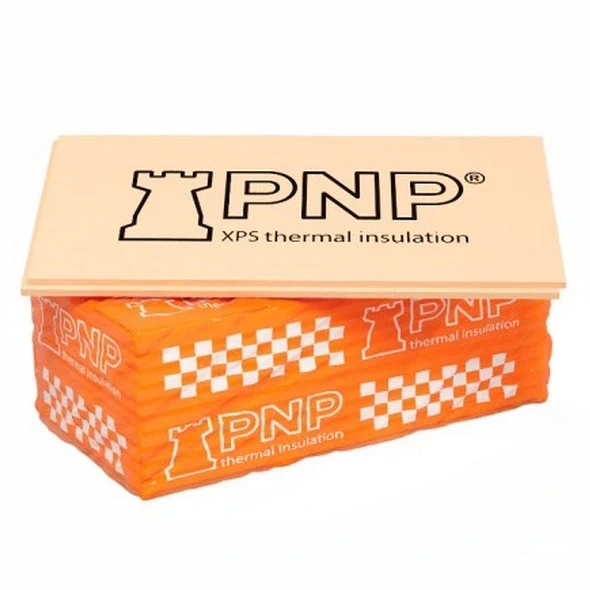
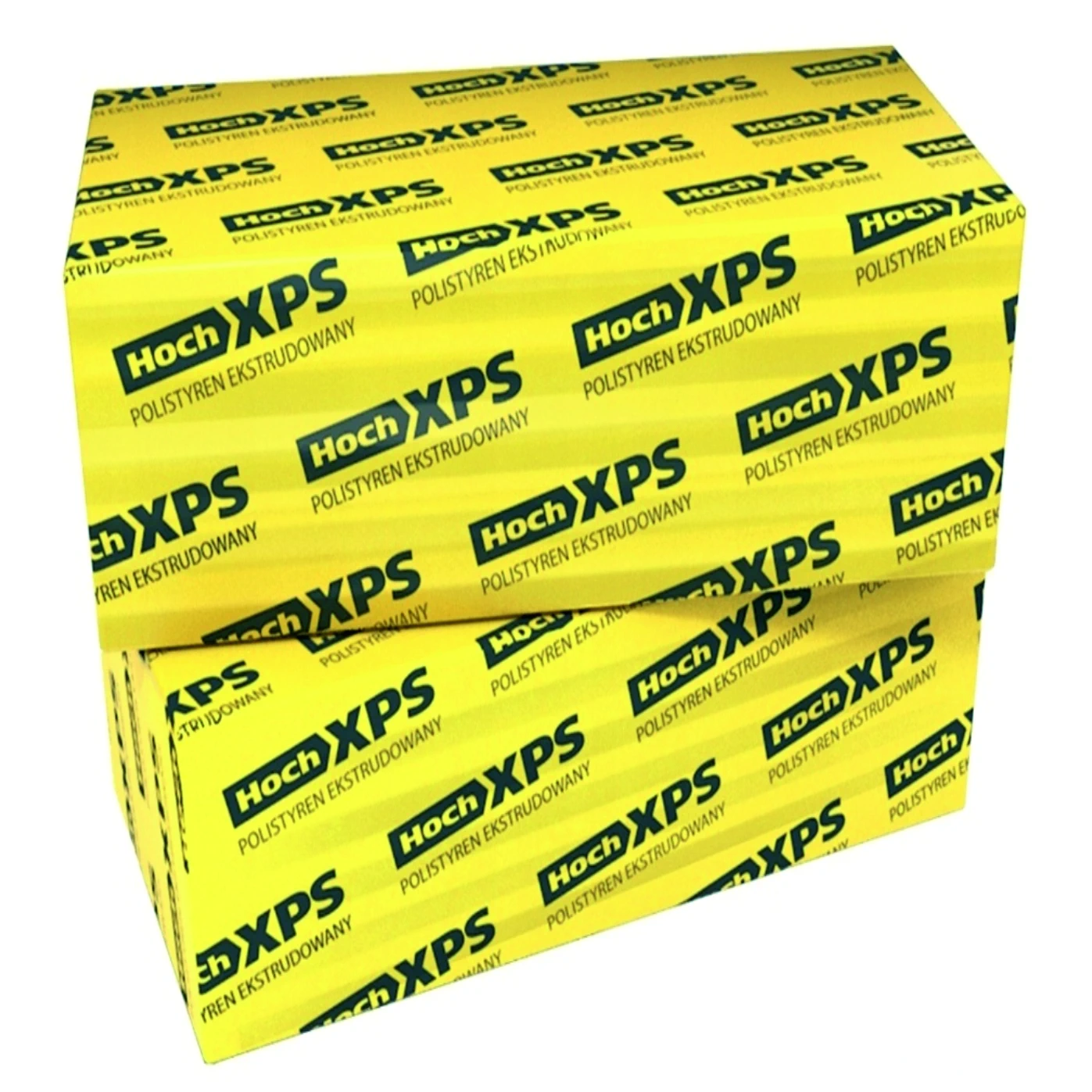
The XPS pack label identifies the boards delivered to site. The declaration of performance lets you check whether that exact product meets the design. Start with the grade, thickness and document number, then read thermal resistance, compression, water and frost data separately. Similar-looking packs can differ in net coverage or in the value declared for a particular thickness. Use the steps below to record what matters on receipt and to recognise a property for which no performance has been declared.
Match the label to the declaration
Photograph the type designation and batch number together. Attach the declaration referenced on the pack or identified by the manufacturer.
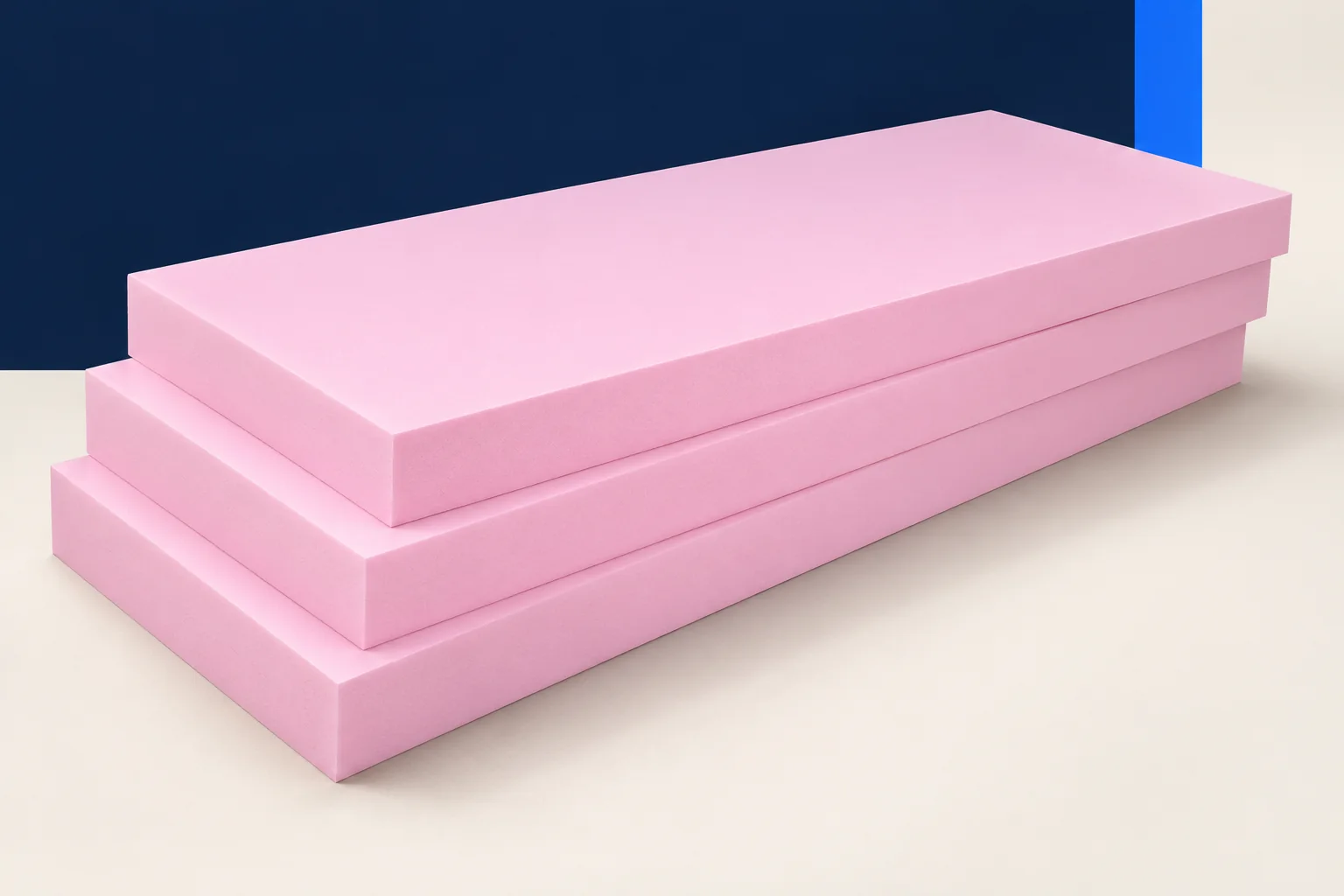
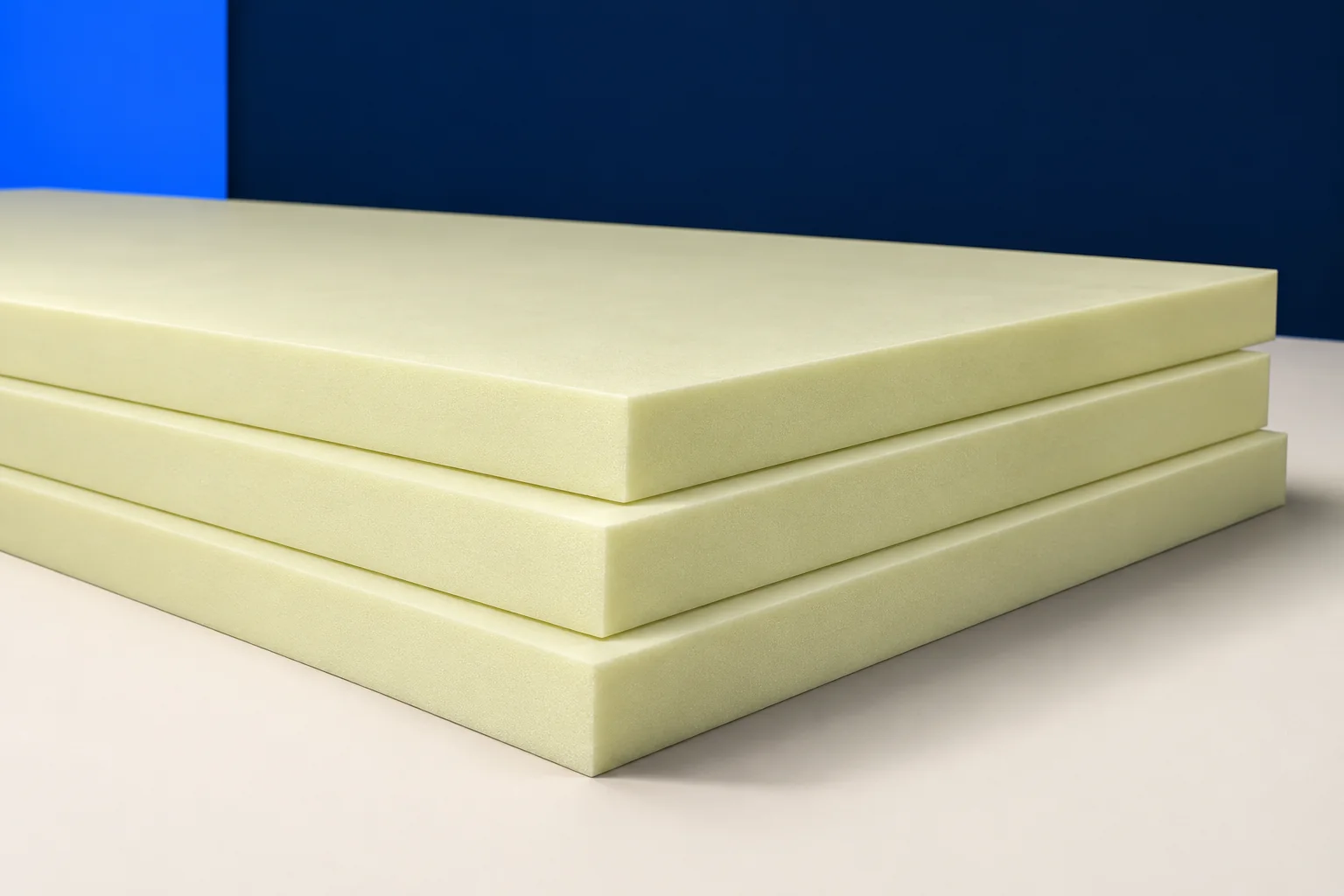
Core colour may help you find a pack in the stack, but does not identify its properties. Recheck the scope of the document if even the grade suffix differs.
Read the working dimensions
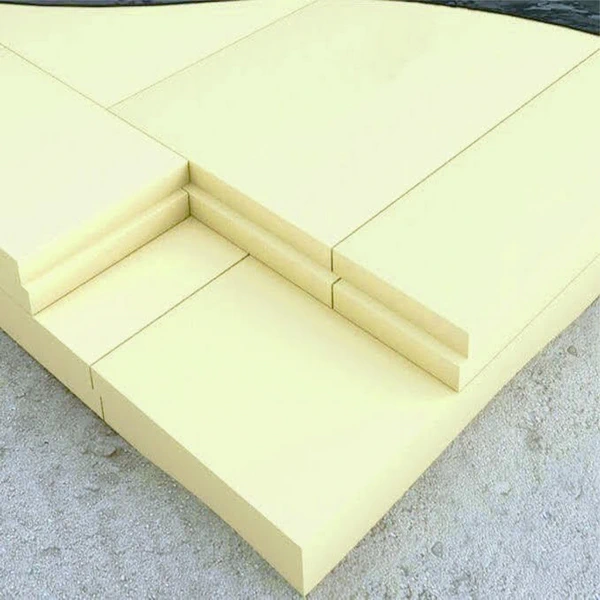
Record thickness, length, width and board count separately. For rebated edges use the installed cover dimensions, not the measurement to the end of a projecting lip.
A tolerance class helps assess the product dimensions. It does not account for a broken corner: record that damage against the relevant pack.
Conductivity and resistance
Read λD in W/(m·K) and RD in m²K/W. The former describes conductivity; the latter is resistance at a specific thickness.
Find the line for the ordered thickness. If conductivity varies by thickness, do not apply the best figure to the entire series.
Compression and creep
CS(10/Y) reports compression at 10% deformation or at yield if reached earlier. Its value in kPa is not the permissible sustained pressure beneath a floor.
Read the stress, duration and deformation limits in the CC designation. The creep result only has meaning with those conditions attached.
Water uptake and freeze–thaw
WL(T) concerns long-term immersion; WD(V) concerns water uptake by diffusion. Freeze–thaw performance has a separate entry.
NPD means that no performance is declared for that characteristic. Do not fill the blank with zero or a result from a similar board.
Find the product’s reaction-to-fire class
Reaction to fire applies to the product under the conditions stated. It does not give the time for which a finished wall will retain loadbearing capacity or integrity in a fire.
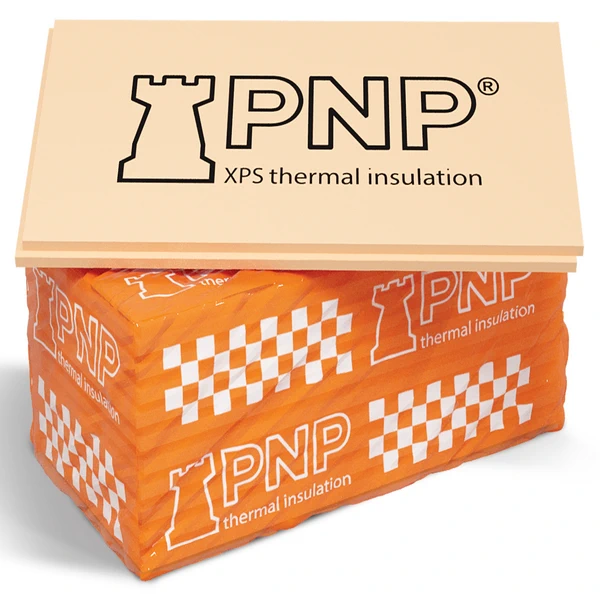
When changing supplier brands, obtain the declaration for the replacement. The letters XPS on both labels do not establish equivalence of the whole build-up.
Make a delivery record
Use three columns: design requirement, declared value and delivery identifier. A thickness or grade mismatch then stands out without another search through several documents.
Keep the label with the delivery date and installation location. After the floor is covered, it will identify the batch actually laid in each room.

Free quote
What to include in your enquiry
Tell us how you plan to use the material, the dimensions and the quantity you need. Include the thickness, grade or variant name, along with the delivery town or your preferred collection branch. For a specific product, add its name or a link to the product page. We will reply to the email address you provide to discuss availability and the terms of your order.
More from the building guide

XPS is light, but packs take up space and shaped edges can be damaged in handling. Before delivery, choose a level, sheltered…
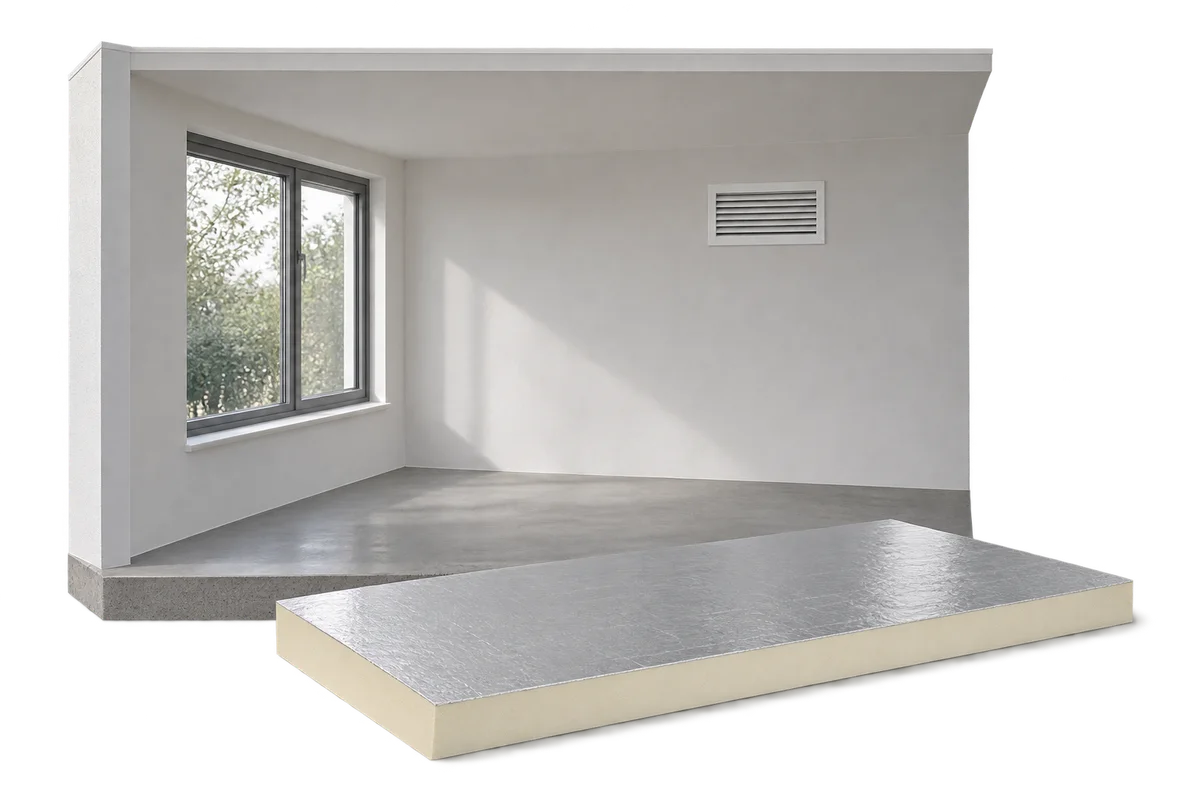
When damp repeatedly appears at home, gather organised observations before choosing a repair. A mark beside a window, a wet corner and…
Insulation selection starts with its position in the building. A rendered wall, a roof and a continuously loaded floor impose different requirements.…
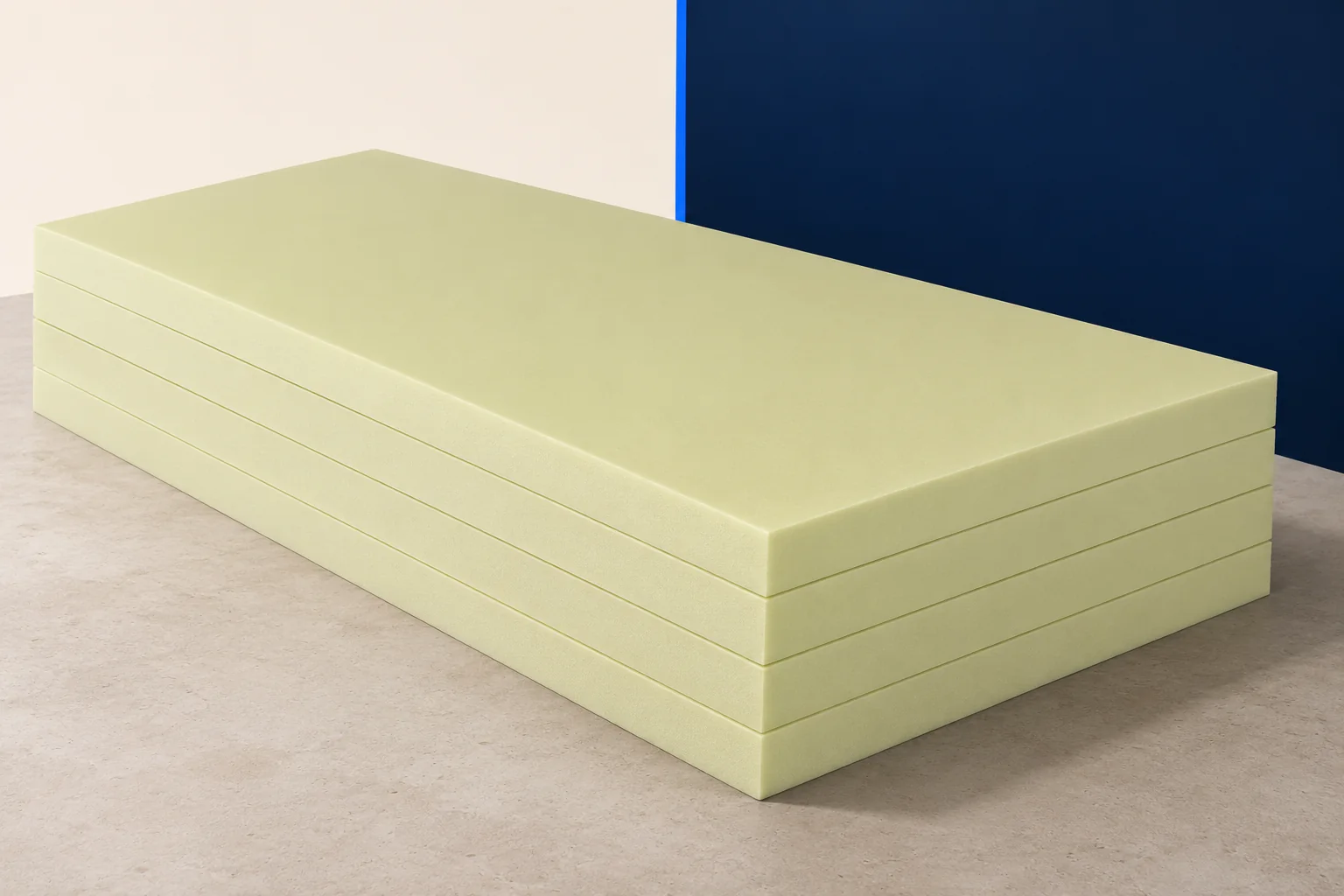
Most waste can be avoided before the first saw cut. Draw the row using cover dimensions, mark the side to keep and…
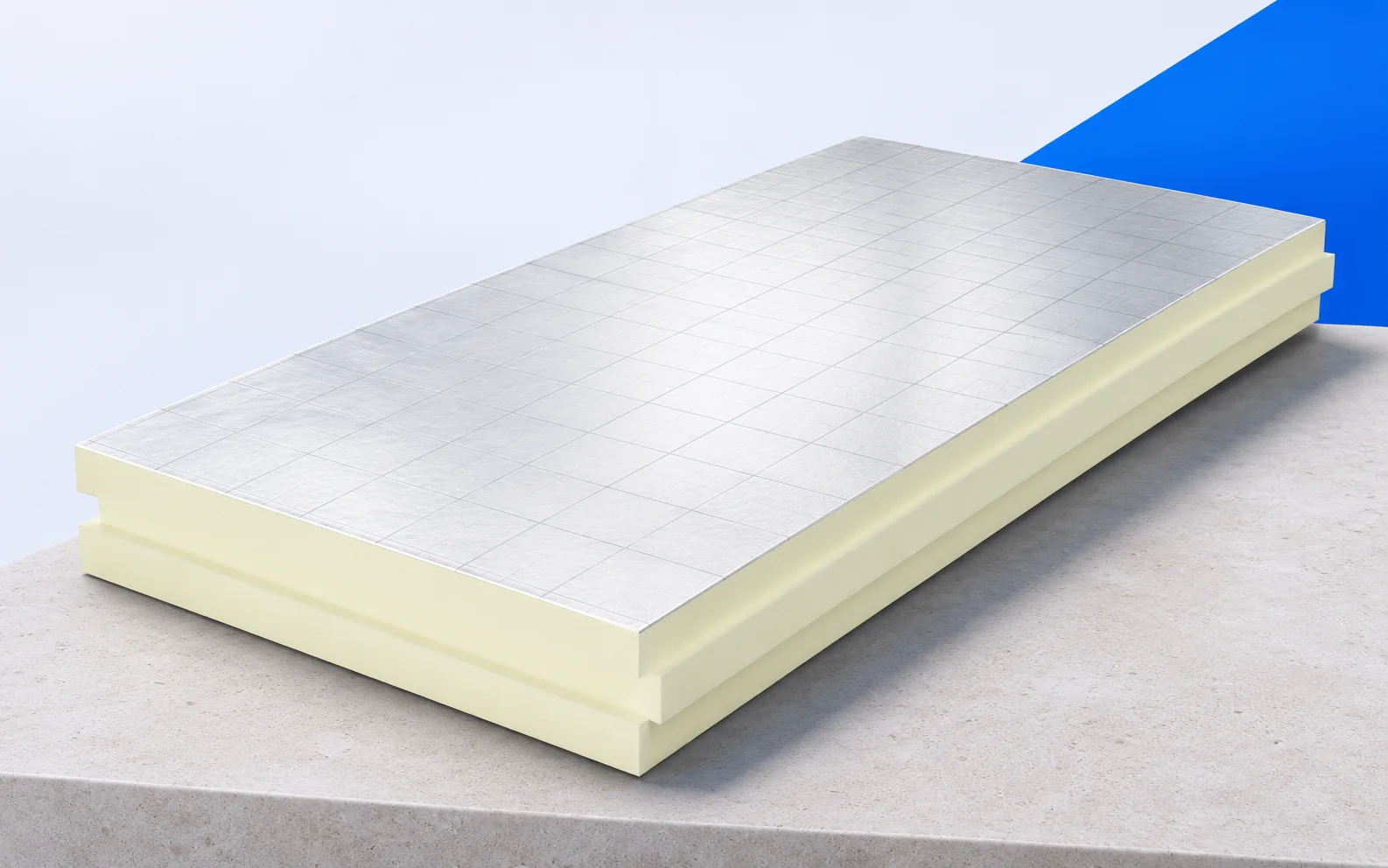
“PIR saves space” and “XPS resists water” are starting points, not specifications. Describe where the insulation will sit, what supports it and…
Inspect XPS immediately before concreting, backfilling or fitting a lining hides it. Identify the boards, then check thickness, support, joints and continuity…

To calculate an XPS order, separate the area to insulate, the number of layers and the coverage of one pack. Two layers…
PIR and XPS can both be used in suitable flat-roof constructions, but they do not necessarily occupy the same position. Establish where…