






XPS 300, 500 or 700: choosing insulation for the load
XPS insulation
The 300, 500 or 700 in an XPS name points to a grade that should be checked for the exact board and thickness. It is not a permissible floor load. Consider a long storage unit on a continuous plinth and another of equal weight on four feet. The insulation may see different stresses, sustained for years. Choosing the grade therefore requires the support geometry, the load-spreading layers, the declared compression result and the creep data.
Start with the declared grade
Copy the full CS designation for the thickness being bought. A trade name may cover several variants with different properties.
Keep the declaration number and product designation for each offer. This ties an entry such as 300 kPa to the correct board.
Understand the 10% test condition
For a 100 mm specimen, 10% deformation means a 10 mm change in thickness. This illustrates the test condition, not acceptable floor settlement.
Converting kPa into tonnes per square metre changes the units, not the test conditions. The duration and allowable movement still have to be specified.
Use creep data for sustained loading
For Austrotherm XPS TOP-F 30 GK, the manufacturer gives CS of at least 300 kPa and CC(2/1.5/50) of at least 130 kPa. These are two results under different conditions for one board.
Do not use the ratio of 130 to 300 as a conversion factor for XPS 500 or 700. Read the creep declaration for each board under consideration.
Trace a concentrated load through the floor
Measure the base, number of feet and their spacing. Include the thickness and construction of the layer between the feet and the XPS in the design brief.
A foot beside the edge of a load-spreading slab may act differently from one at its centre. Mark movement joints on the equipment plan.
Check what supports the insulation
Remove projecting stones and inspect depressions before laying boards. A higher XPS grade does not level the substrate under a corner.
Trial-fit the board at the most awkward penetration. A rocking cut piece needs its support corrected before more layers are placed.
Check the other requirements too
After assessing loads, compare RD at the specified thickness and the water properties needed at the installation location. A higher XPS grade alone settles neither question.
If a substitution is proposed, attach its data sheet to the floor section. A thickness change can then be spotted before delivery.
Order the performance the design requires
Record the required compression class, creep performance and permissible structural movement separately. State which requirement governed the selection.
Keep the records in case the storage unit is later installed on different feet. The grade on the original order cannot assess the changed load case.

Free quote
What to include in your enquiry
Tell us how you plan to use the material, the dimensions and the quantity you need. Include the thickness, grade or variant name, along with the delivery town or your preferred collection branch. For a specific product, add its name or a link to the product page. We will reply to the email address you provide to discuss availability and the terms of your order.
More from the building guide
Inspect XPS immediately before concreting, backfilling or fitting a lining hides it. Identify the boards, then check thickness, support, joints and continuity…
The combination of PIR with mineral wool, EPS or XPS should be assessed on the basis of the entire cross-section of the…
Mark the insulation position on the roof section before choosing PIR, EPS, XPS or mineral wool. Irregular rafter bays need insulation that…
Choose XPS below a garage floor by starting with the intended use. A parking bay, a jacking position and heavy shelving along…
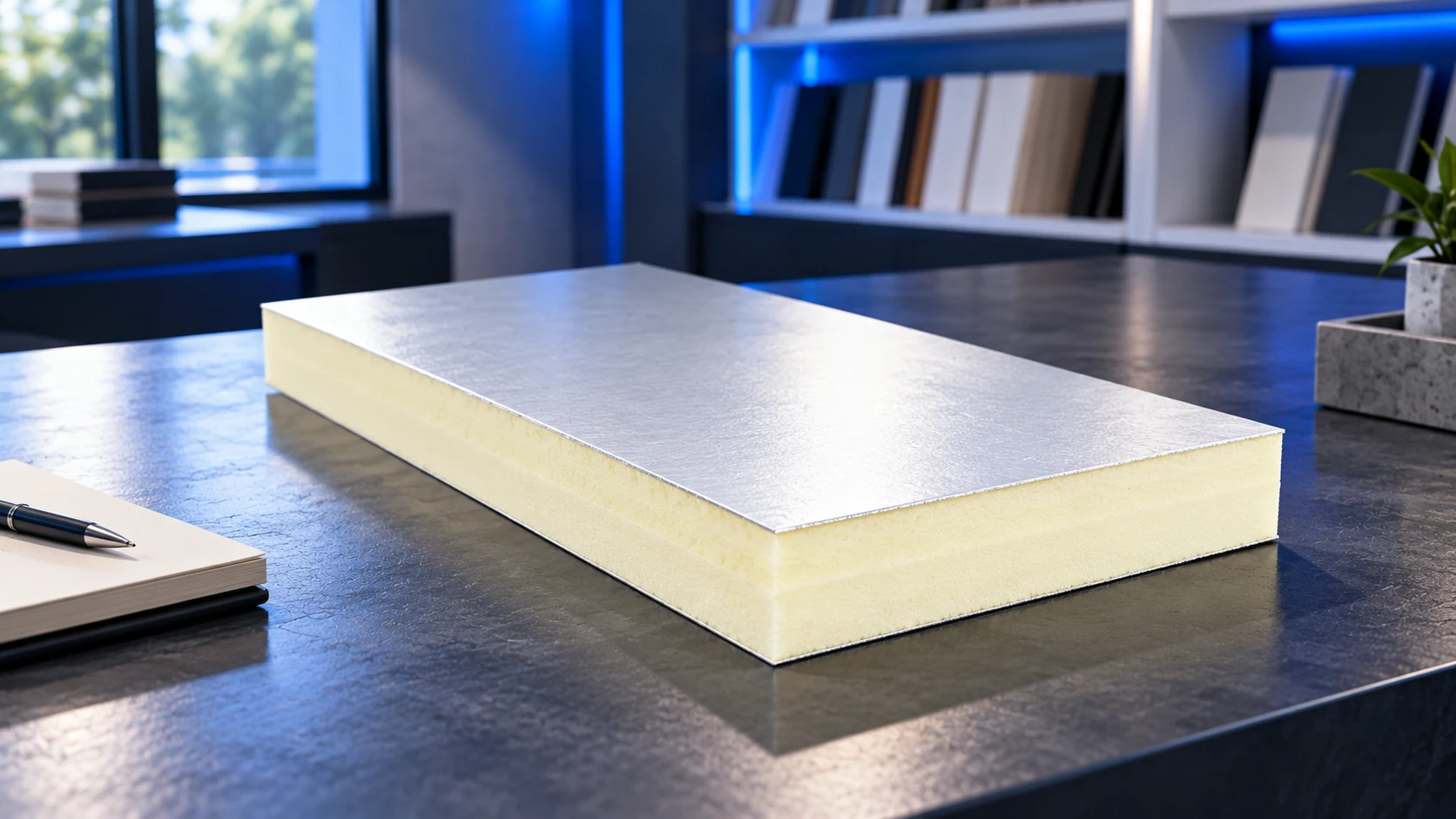
Insulation selection starts with its position in the building. A rendered wall, a roof and a continuously loaded floor impose different requirements.…
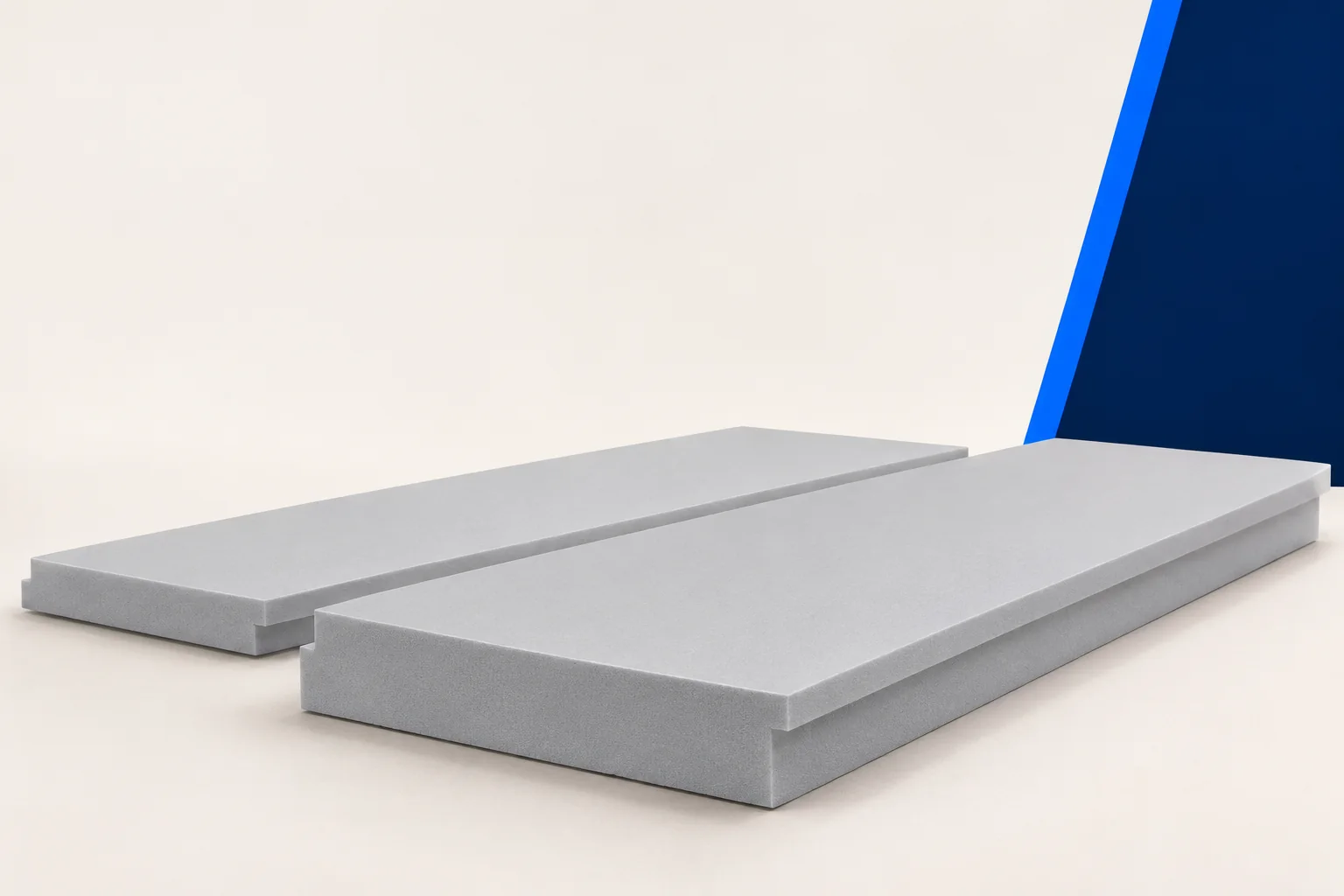
Choose an XPS adhesive for the specific joint. The same board may need a different product or application pattern on concrete than…
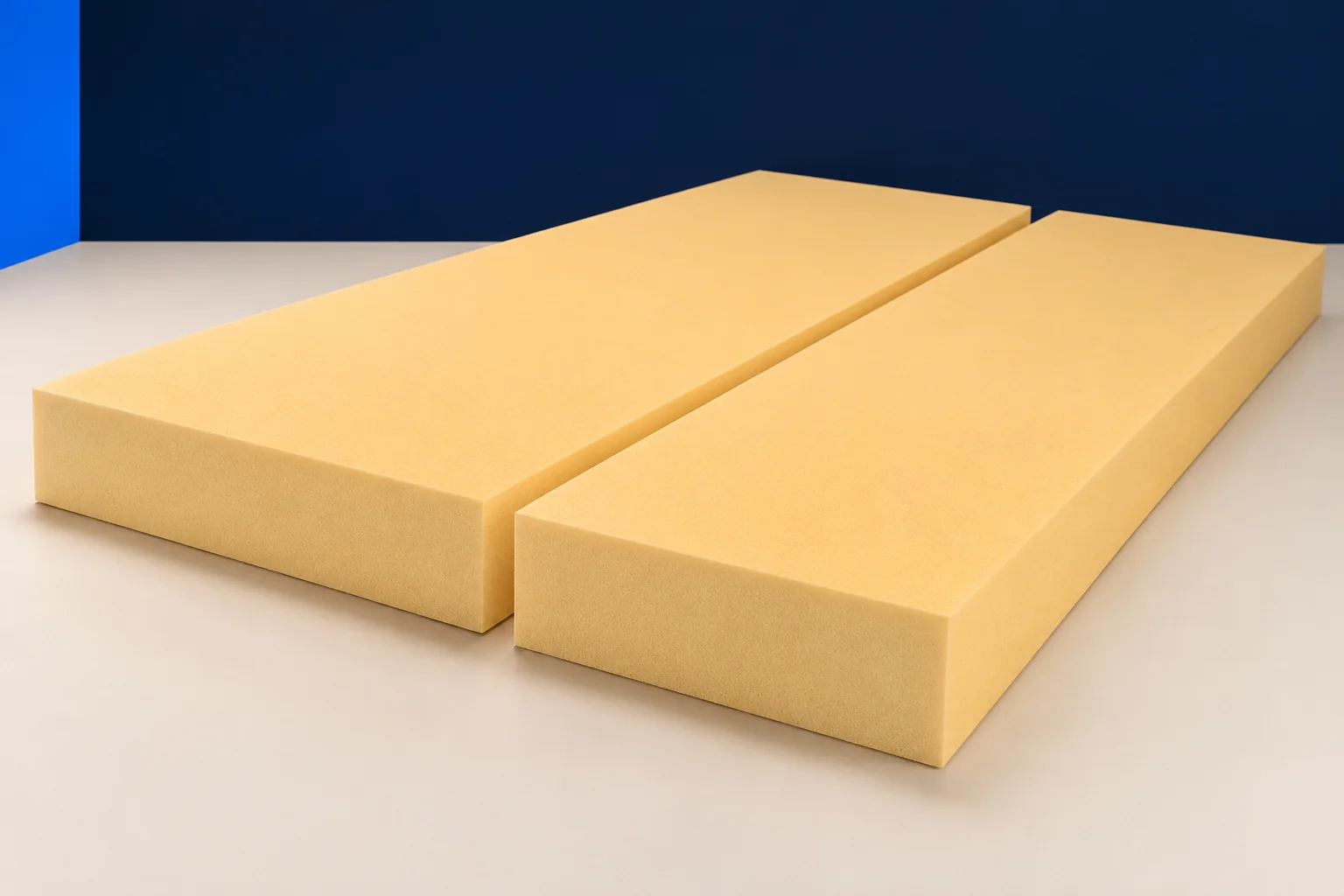
XPS beneath a raft foundation provides insulation and forms part of the load path from the house into the ground. To specify…
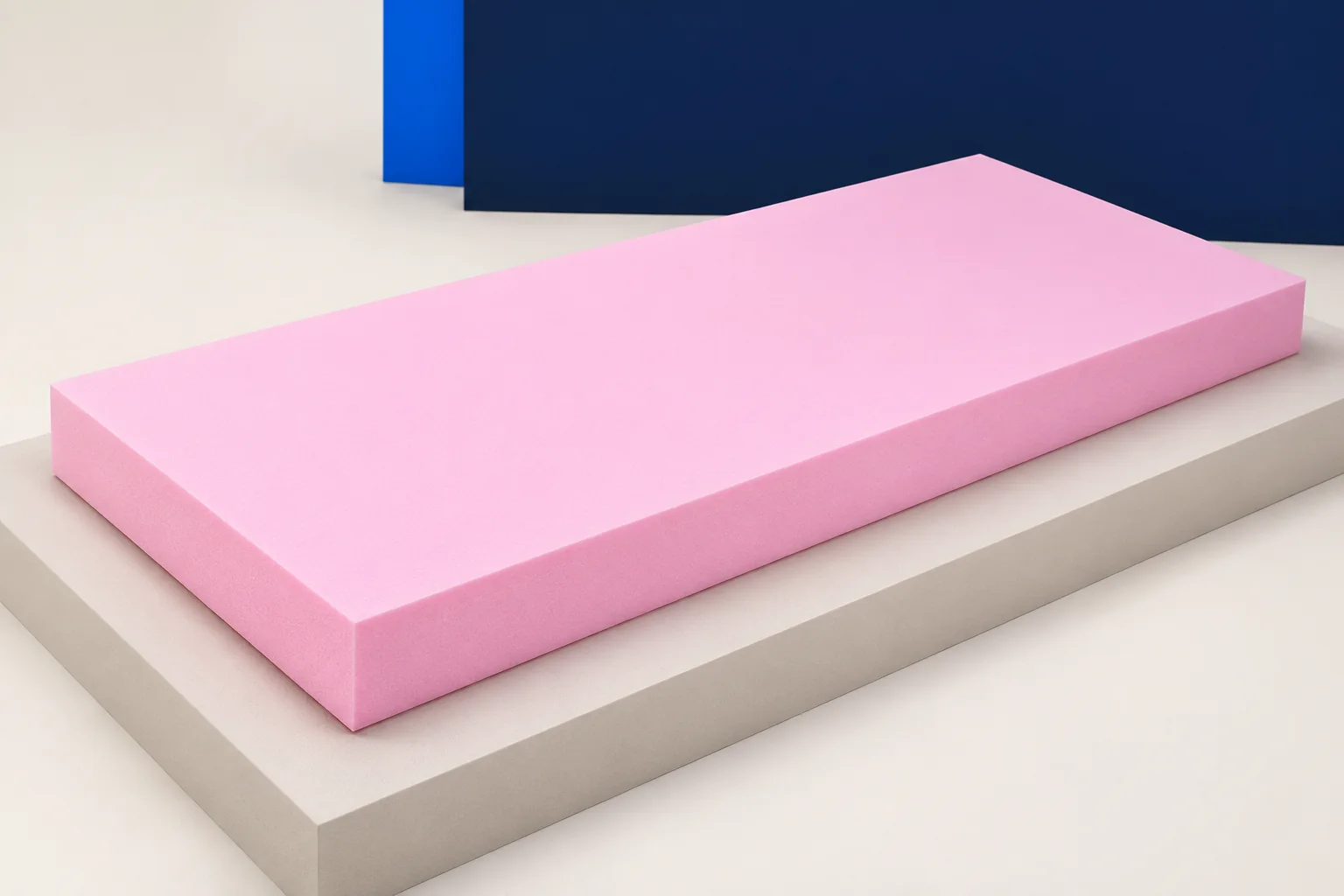
To calculate an XPS order, separate the area to insulate, the number of layers and the coverage of one pack. Two layers…