






Square or rebated XPS boards: compare the joint and net coverage
XPS insulation
Choose an XPS edge to suit the layout and the ends of the insulation layer. Square edges butt together; rebated edges overlap in a step. In a room with many recesses, the number of factory edges left after cutting may matter more than the profile name. Draw a row from wall to wall using the working dimensions and mark every rebate that will be cut away. This shows how much board to order and what to inspect on a trial section before covering it.
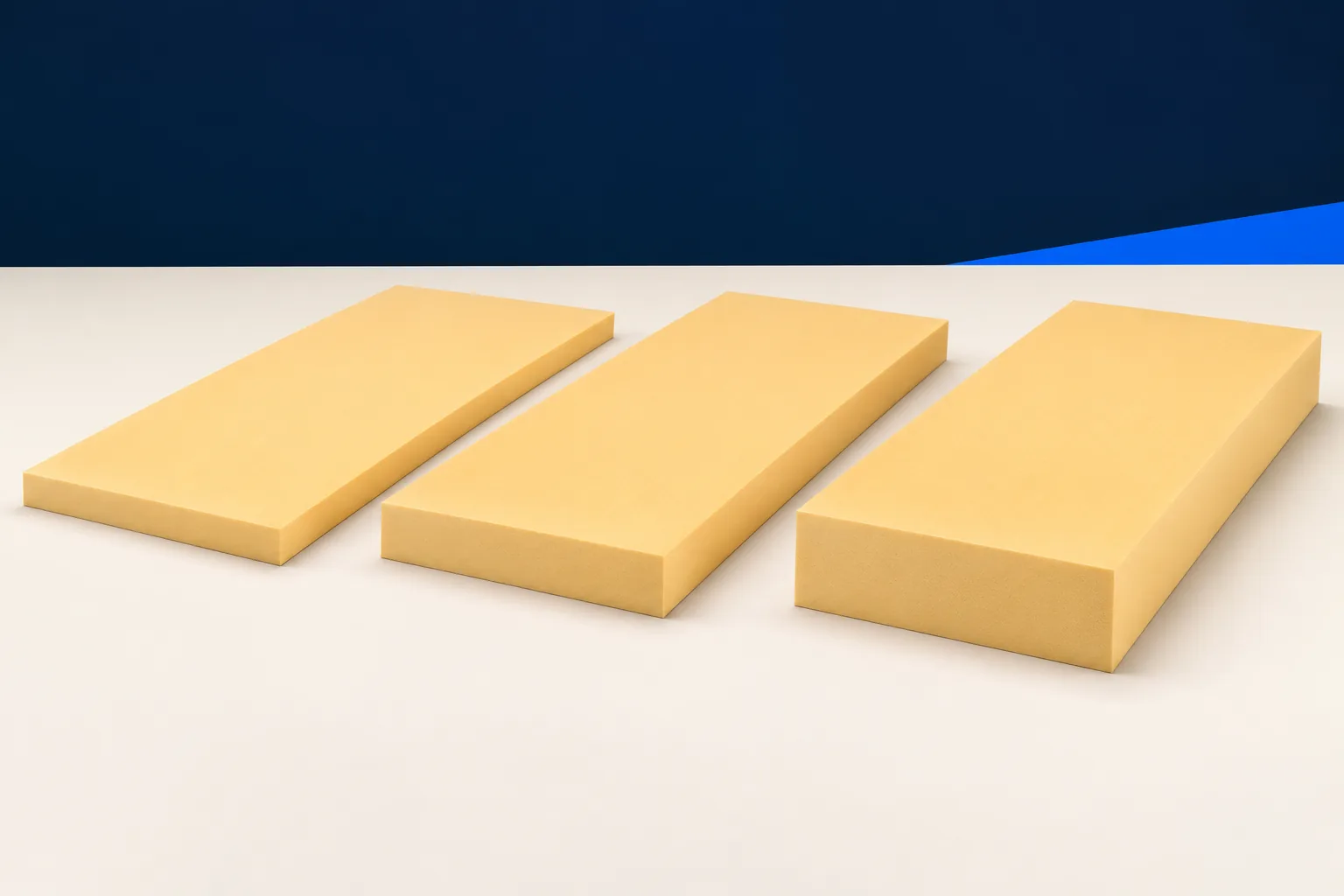
A square edge at a cut return
A square-edged offcut can be turned where the board faces and layout permit it. Hold its cut side against a straight reference edge to spot a tapered gap.
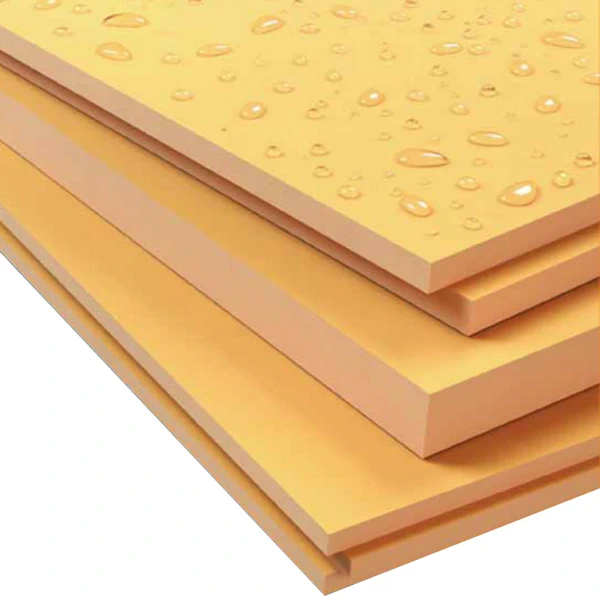
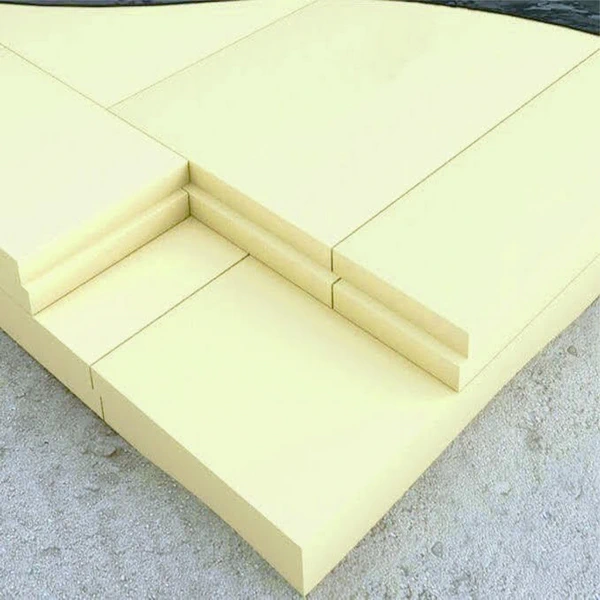
How a rebate meets the next board
Lay two rebated boards on a flat base. The upper and lower lips determine which edge can be brought in at the next row.
The rebate interrupts a straight joint through the thickness, but is not a watertight lock. Any specified waterproofing still needs to run continuously.
Calculate with cover dimensions
A board might measure 1265 × 615 mm overall but cover 1250 × 600 mm. Use the second pair for the take-off where the product sheet identifies it as the cover size.
At that cover size eight uncut boards cover 6 m². Multiplying the overall dimensions would count part of the overlap twice.
Edge shape is not surface texture
Specify edge profile and face finish separately. The word “rebated” does not tell you whether the face is smooth or textured.
For a bonded finish, check the suitability of the chosen face in that system. A well-fitting joint does not demonstrate mortar adhesion.
Set out the first and last rows
Start with the last strip in the narrowest recess. Adjusting the first row can eliminate a thin, poorly supported piece at the far end.
On a multi-layer drawing, mark the joints in the lower layer as well. Check the upper stagger at corners where cuts can alter the course pattern.
Keep the specified grade and thickness
A neatly fitted rebate increases neither the board’s CS rating nor its RD. Read mechanical and thermal values for the specified thickness.
Keep the performance requirements to hand when changing edge profile. Similar colour and equal thickness are not enough to accept a different model.
Trial-fit a corner section
Inspect a point where a full board meets a cut piece. Check that the faces are level, both pieces are supported and the joint fits along its full length.
Photograph the trial layout before covering it. It provides a reference if the projecting rebate meets a recess the wrong way round in the next row.

Free quote
What to include in your enquiry
Tell us how you plan to use the material, the dimensions and the quantity you need. Include the thickness, grade or variant name, along with the delivery town or your preferred collection branch. For a specific product, add its name or a link to the product page. We will reply to the email address you provide to discuss availability and the terms of your order.
More from the building guide
Insulation selection starts with its position in the building. A rendered wall, a roof and a continuously loaded floor impose different requirements.…
PIR and XPS can both be used in suitable flat-roof constructions, but they do not necessarily occupy the same position. Establish where…
Mark the insulation position on the roof section before choosing PIR, EPS, XPS or mineral wool. Irregular rafter bays need insulation that…
Inspect XPS immediately before concreting, backfilling or fitting a lining hides it. Identify the boards, then check thickness, support, joints and continuity…
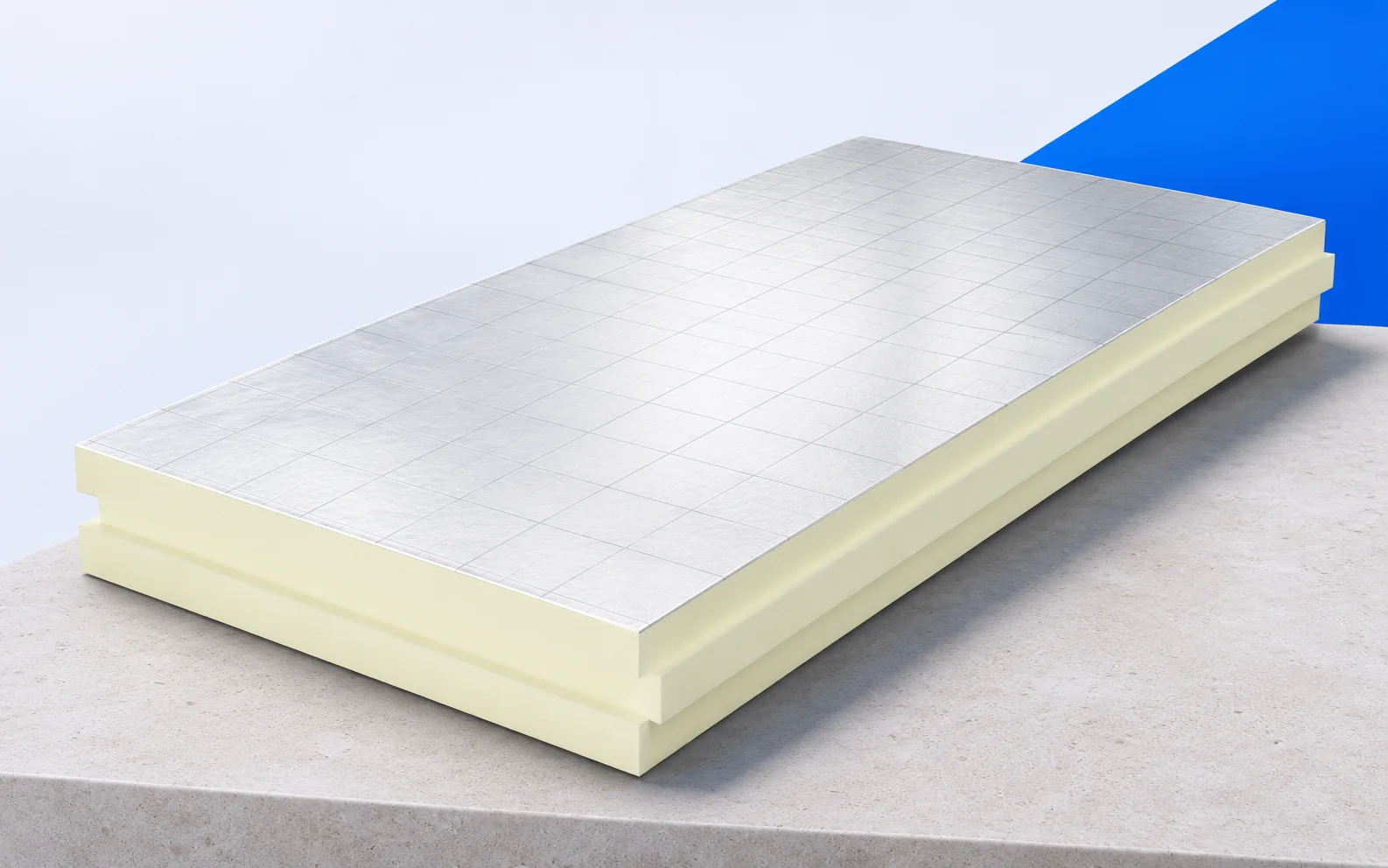
“PIR saves space” and “XPS resists water” are starting points, not specifications. Describe where the insulation will sit, what supports it and…
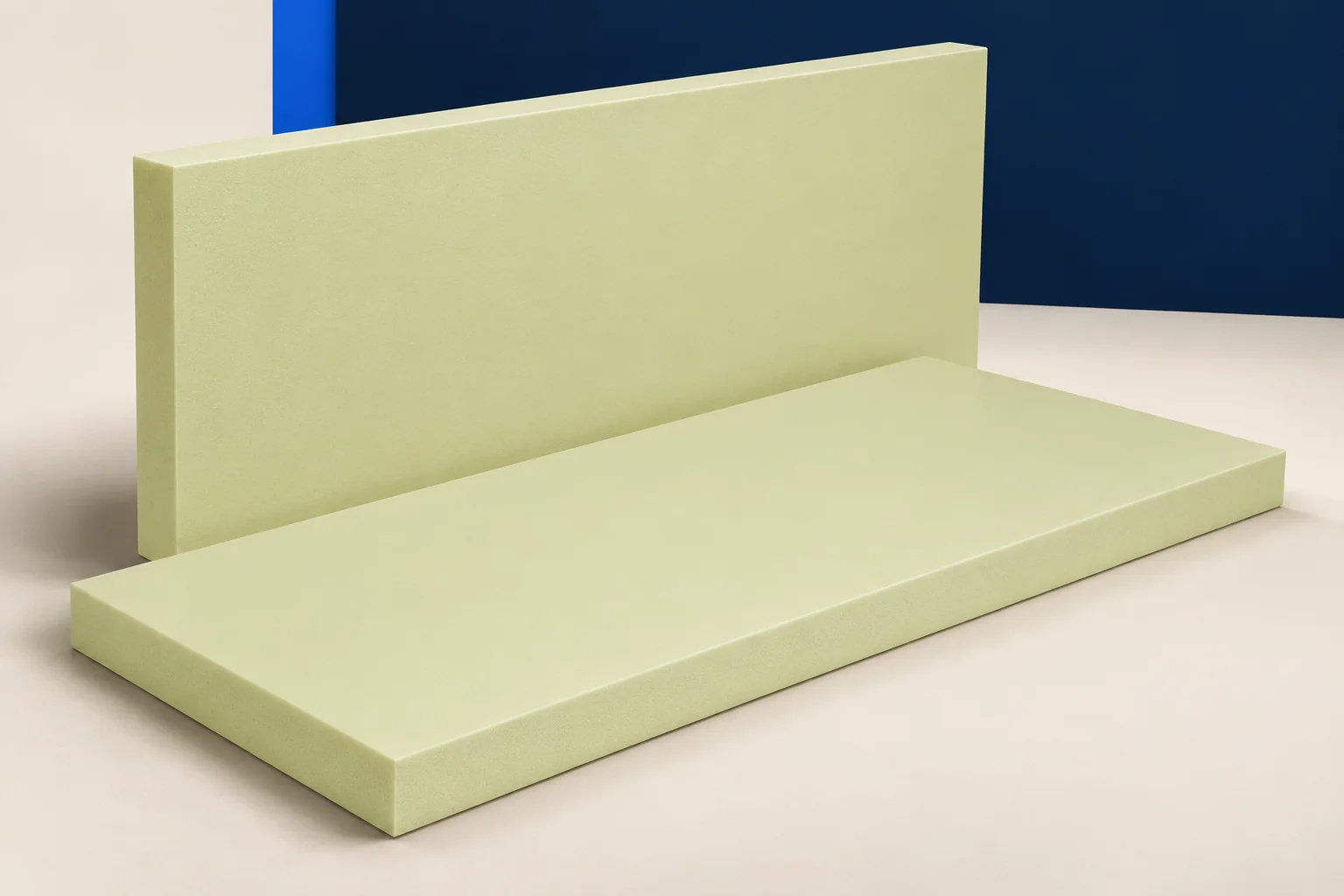
The 300, 500 or 700 in an XPS name points to a grade that should be checked for the exact board and…
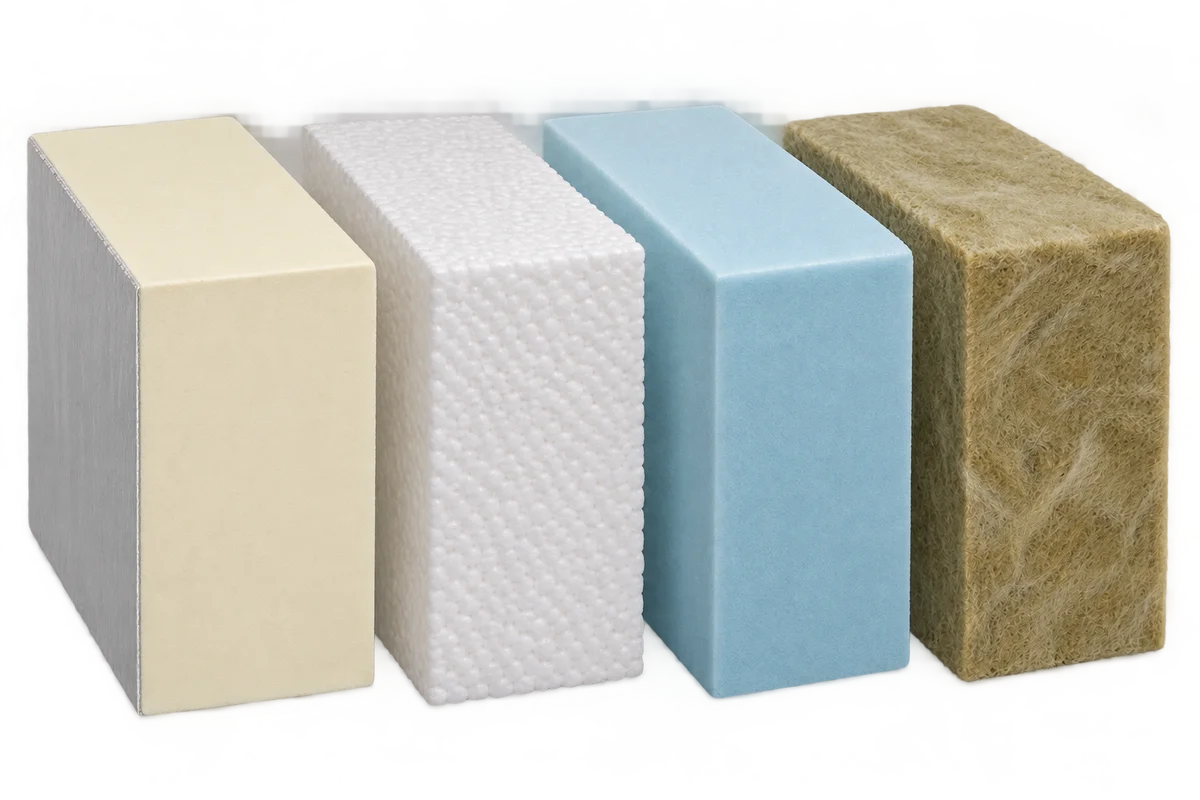
The combination of PIR with mineral wool, EPS or XPS should be assessed on the basis of the entire cross-section of the…
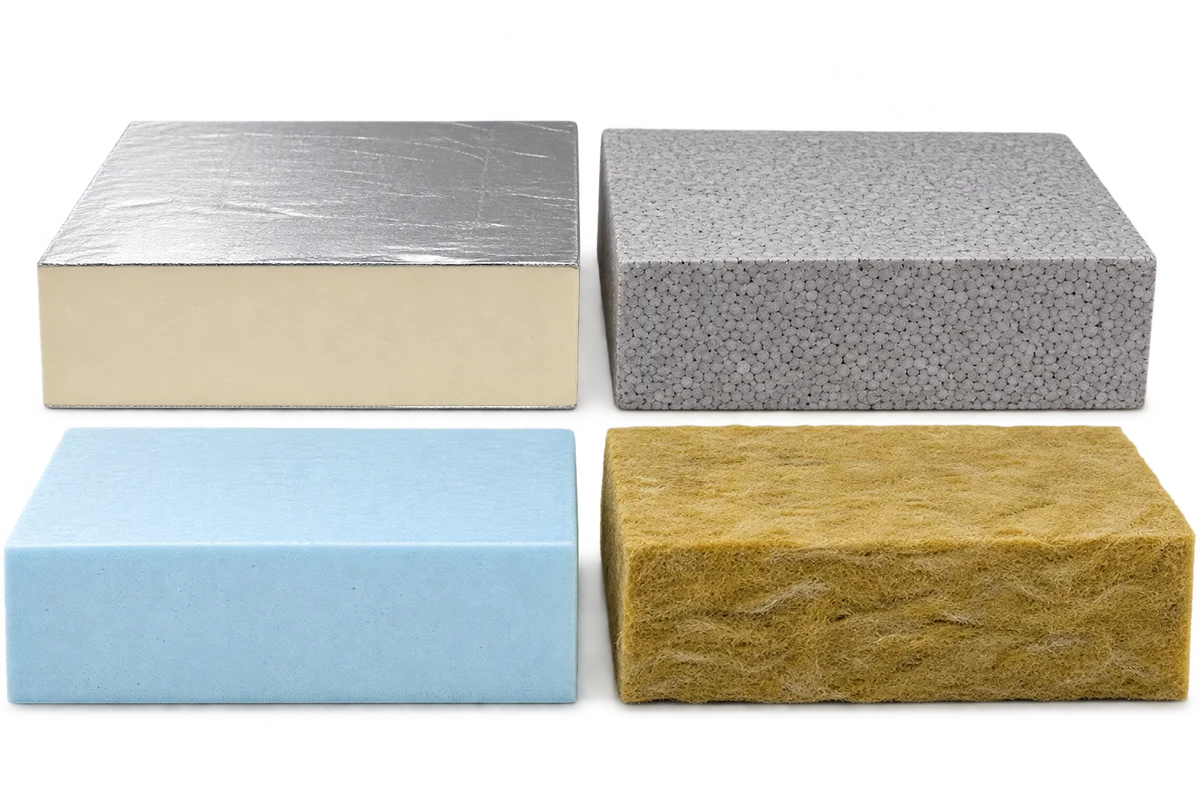
Two insulation quotations may cover the same part of a house while including different quantities and delivery arrangements. When comparing PIR, EPS,…