






Cutting sandwich panels without damaging the facings or core
Sandwich panels
Sandwich panels need a cutting method that avoids overheating their steel facings. Select equipment for the complete panel section, such as a suitable fine-toothed saw, and follow the product and tool instructions. An angle grinder can damage protective coatings and scatter hot particles onto neighbouring surfaces. This guide covers planning cuts and openings, supporting both sides, removing swarf promptly and finishing the exposed edge. Correct dimensions alone are not enough: the cut must preserve the intended support, weather seals and any specified fire-resistance detail. Check those requirements before cutting rather than trying to reconstruct them after an oversized opening has been made.
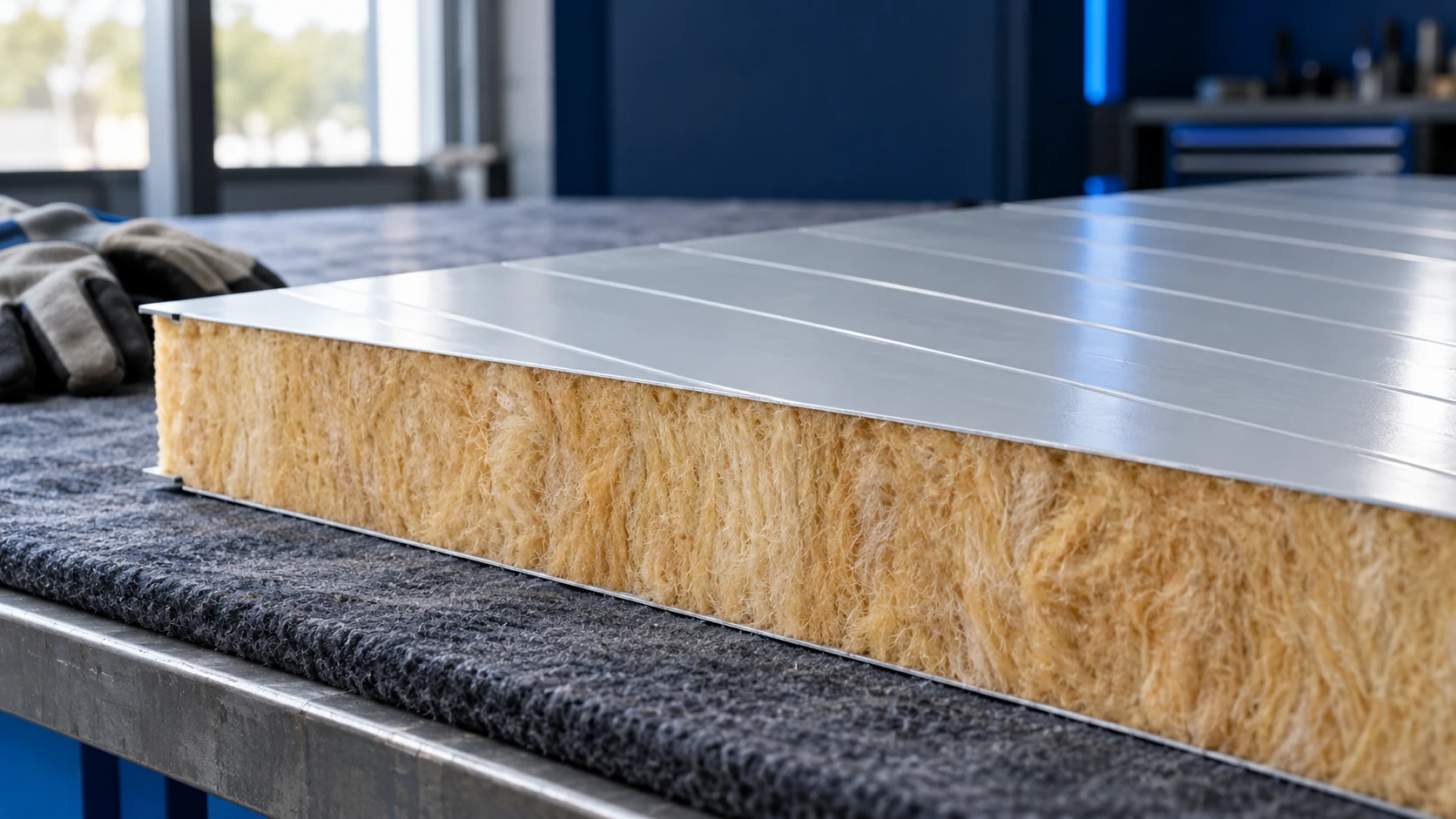
First decide whether a cut is necessary
Many panels can be ordered in project-specific lengths. This reduces site work and helps plan wall divisions. Measure the supporting structure before ordering: a product sheet defines available lengths but does not replace a survey of the building.
Openings need their own plan. Establish which cuts require additional framing and flashings. Do not cut a large trial opening and leave support arrangements for later. Opening details belong in the envelope design, including the cut’s effect on panel behaviour and load transfer.
Mark the facing side and installation direction before cutting so that offcuts remain identifiable. Record the batch before removing its labels. Simple numbering prevents similar panels being confused, helps locate the correct coating side and intended position, and supports dimensional checks.
Choose a saw for the entire section
Suitable fine-toothed saws are among the tools used for panels. Both the tool and blade must suit the two steel facings and the core at its actual thickness. Being able to cut thin sheet alone is insufficient. Confirm suitability for the exact panel and type of cut.
Check the product and equipment instructions before starting. Mineral-wool panels, PIR panels and flashings are different materials. Prepare a guide and support for the offcut. A blunt or unsuitable blade can worsen the edge and tear the facing; pushing harder is not a remedy.
Why an angle grinder is unsuitable
High cutting temperatures can damage the sheet’s protective layers. Hot particles can also harm coatings on nearby surfaces, so the risk extends beyond the cut line. An angle grinder is therefore an unsuitable choice for this work. Use a method that avoids this kind of overheating.
A clean-looking edge immediately after cutting does not prove the protection is intact; damage may appear later. Do not select a tool solely for speed. A suitable method protects material that will be harder to repair once installed, including small finishing cuts near the end of the job.
Support the panel and protect its surface
Keep the panel stable and support both sections so the final offcut cannot drop and tear the facing. Use a clean bearing surface: a hard metal chip beneath the panel can scratch it when moved. Do not drag one panel across another.
Transport instructions stress protecting surfaces and edges; the same risks arise while preparing cuts. Arrange a safe place for removed pieces and use the protective measures required for the equipment and core material. Workstation organisation affects quality, not just the crew’s convenience.
Remove swarf immediately
Promptly remove metal particles from facings and nearby components after cutting. Left in place, they can corrode and damage surfaces. Do not rub them into the coating with a random cloth. Use a coating-safe cleaning method and inspect neighbouring panels as well as the cut line.
Inspect the edge and bearing points. Repair minor coating damage according to the manufacturer, rather than painting the core or entire joint with arbitrary paint. Surface repair and end sealing are different tasks. For larger damage, establish whether repair is sufficient or replacement is needed.
Finish the edge to the specified detail
Do not leave the cut core exposed unintentionally. Window, door and plinth terminations need suitable flashings and seals, chosen for the system and wall function. Filling every gap with the same foam is not an appropriate universal solution.
Where fire resistance is specified, the junction must follow the design. A cut changes the assembly and needs assessment. Check opening dimensions, facings and core protection after the work. Photograph the detail before flashings conceal it to assist handover and any later fault investigation.
Frequently asked questions
Can an angle grinder be used on a thin panel because the cut is brief?
No. A short cut can still overheat the steel and damage its coating. Brief operation does not remove the risk.
What can be used to cut the flashings alone?
Suitable hand snips can make straightforward cuts. Choose the tool for the sheet material, thickness and component shape.
Is painting the cut edge enough?
Not always. Core protection, sealing and required support must also be resolved according to the system detail.

Free quote
What to include in your enquiry
Tell us how you plan to use the material, the dimensions and the quantity you need. Include the thickness, grade or variant name, along with the delivery town or your preferred collection branch. For a specific product, add its name or a link to the product page. We will reply to the email address you provide to discuss availability and the terms of your order.
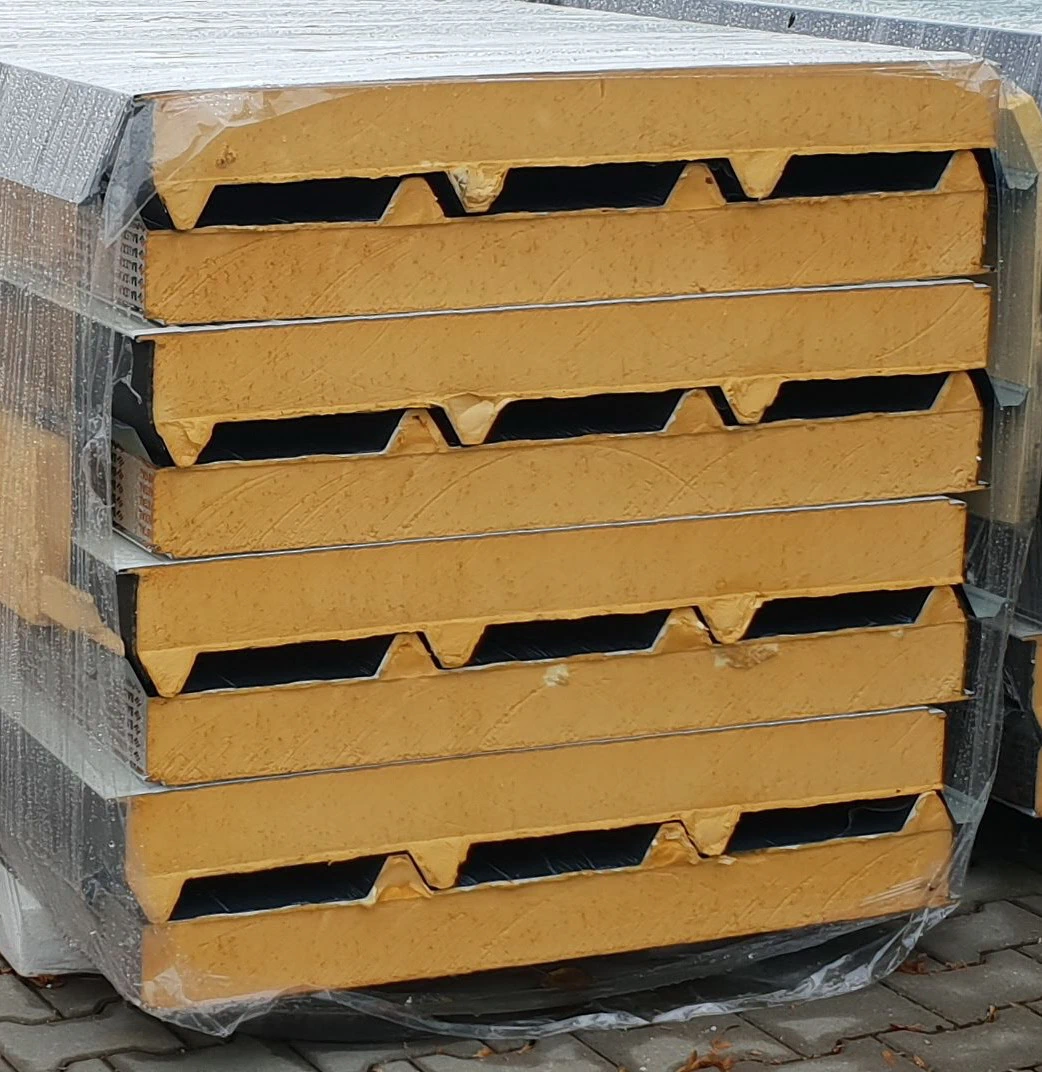
More from the building guide

The instructions for your roof covering tell you where PV mounts may be fitted, how to seal penetrations and how to protect…
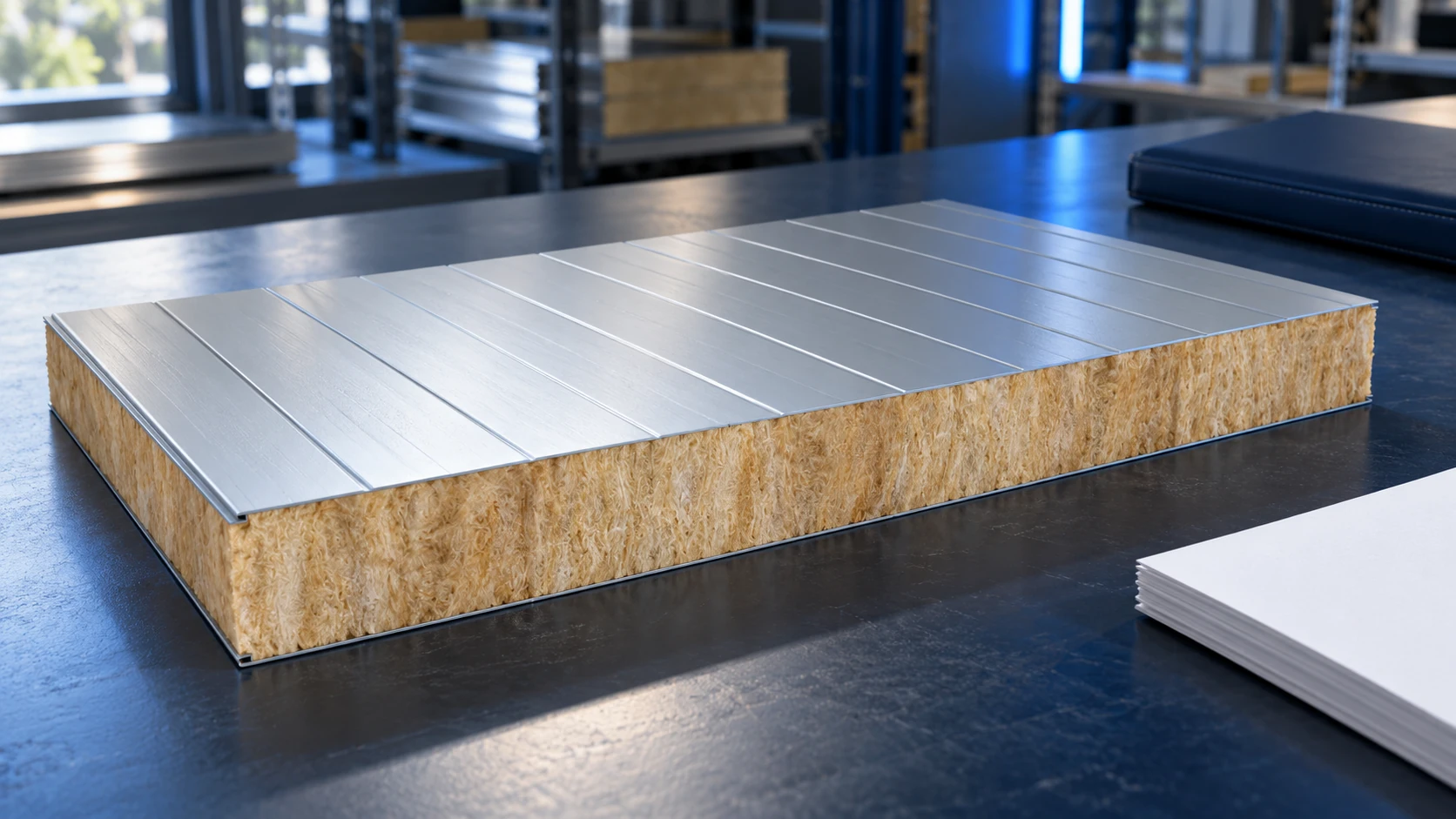
There is no universal screw count per square metre of sandwich panel. First establish the fixings required at every panel-to-support connection, taking…
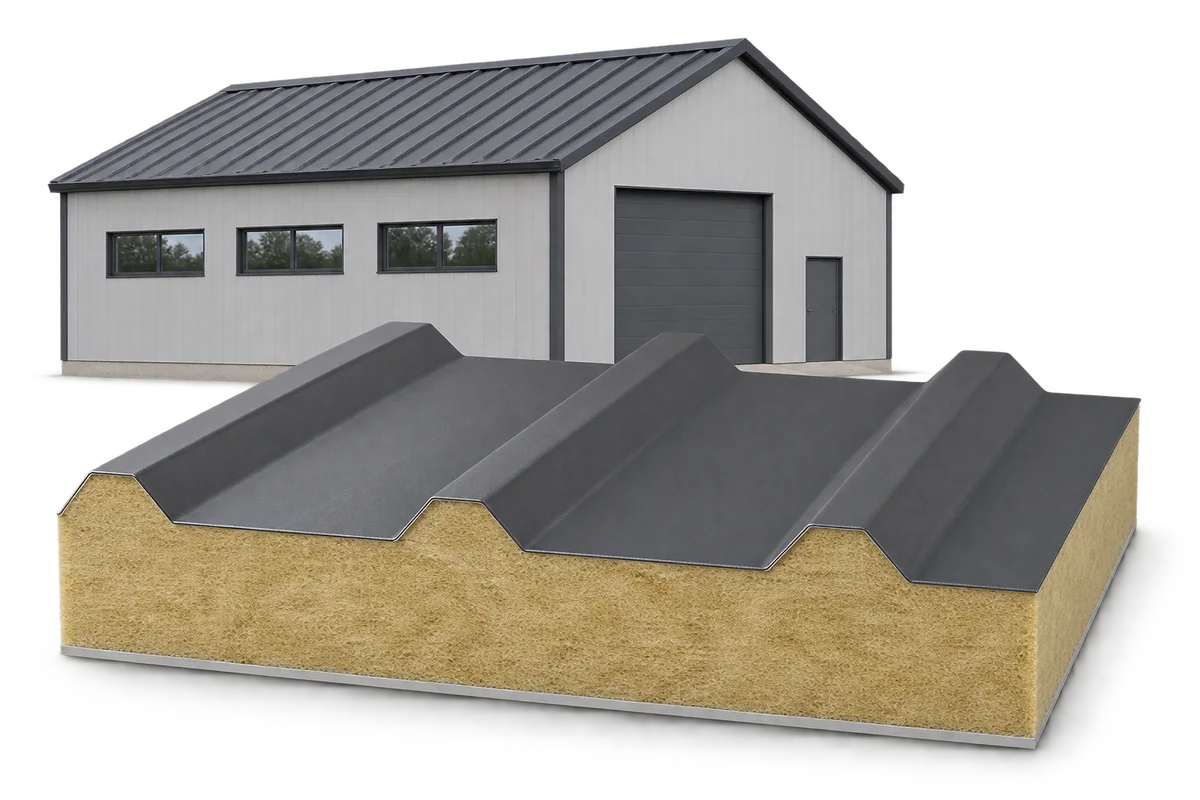
A building envelope must limit heat loss and meet the building’s safety requirements. When choosing sandwich panels, consider those two tasks together.…
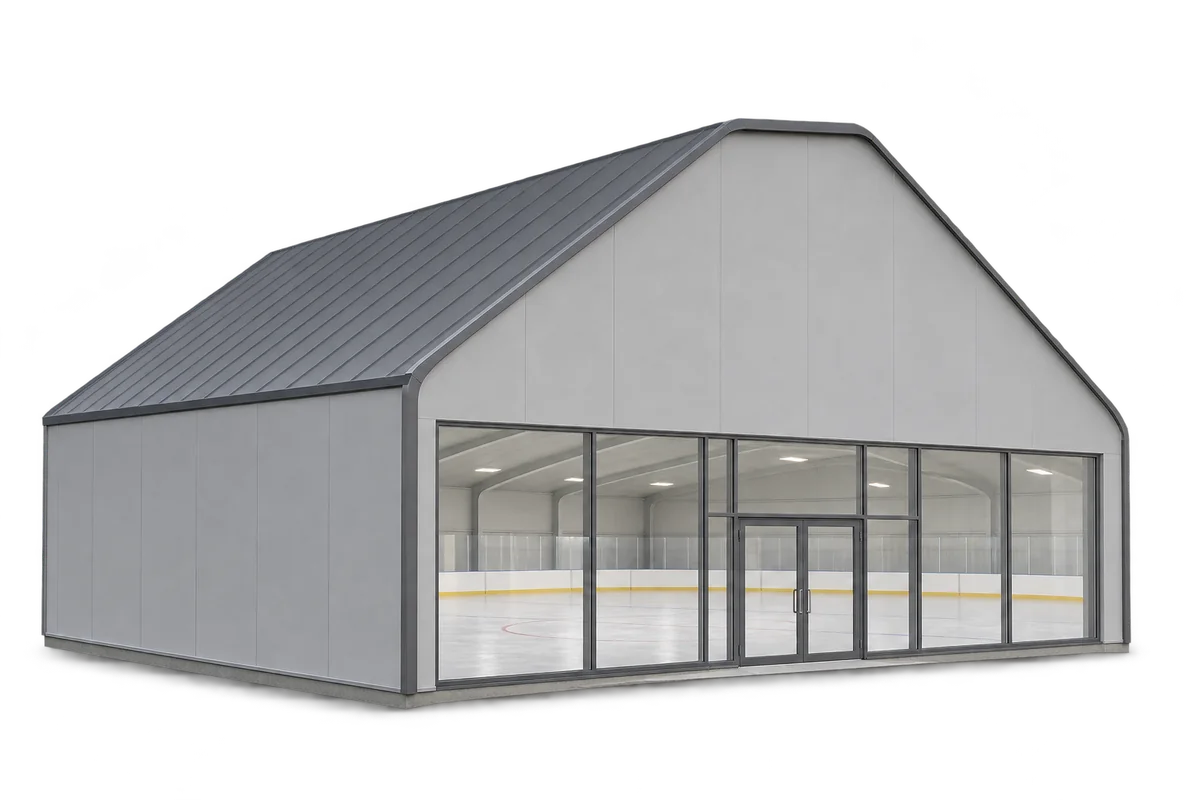
Sandwich panels can form the walls and, in some designs, the roof of an indoor ice rink. They limit heat transfer and…
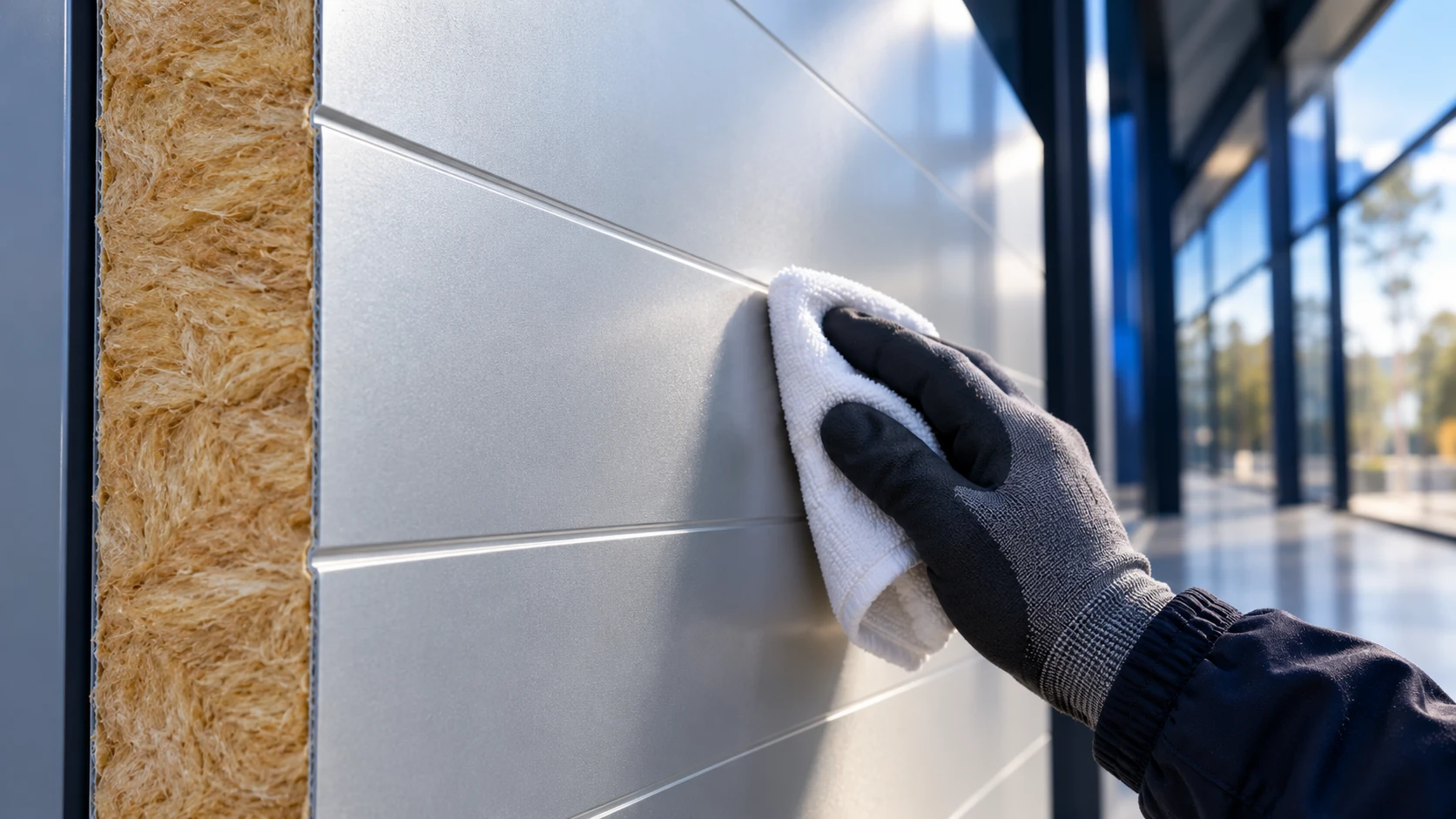
There is no single service-life figure for every mineral-wool sandwich panel. Conditions in a dry warehouse differ from those in a plant…
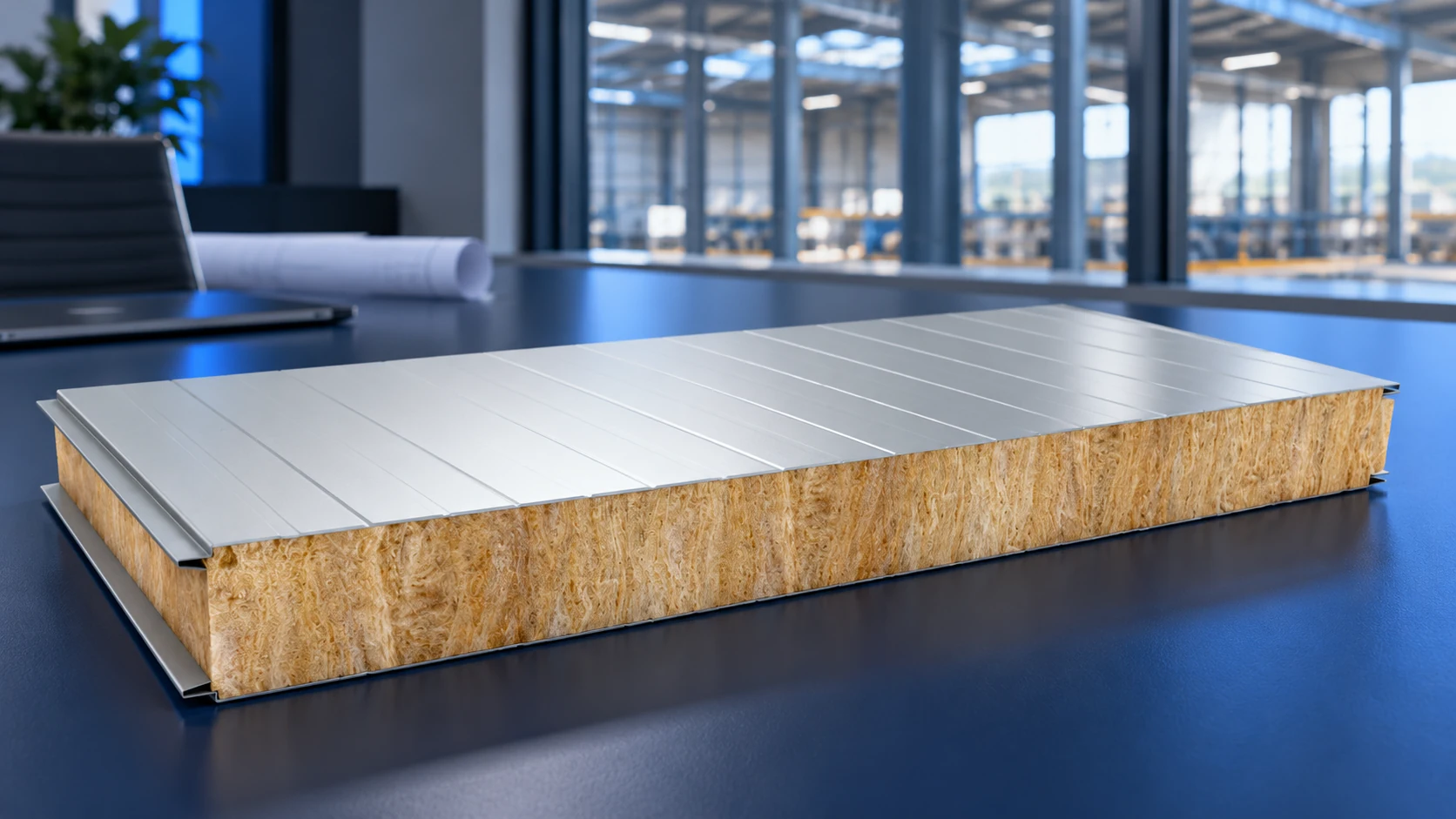
Support spacing for wall sandwich panels must be selected for the exact panel model and the building's loads. Core thickness alone is…
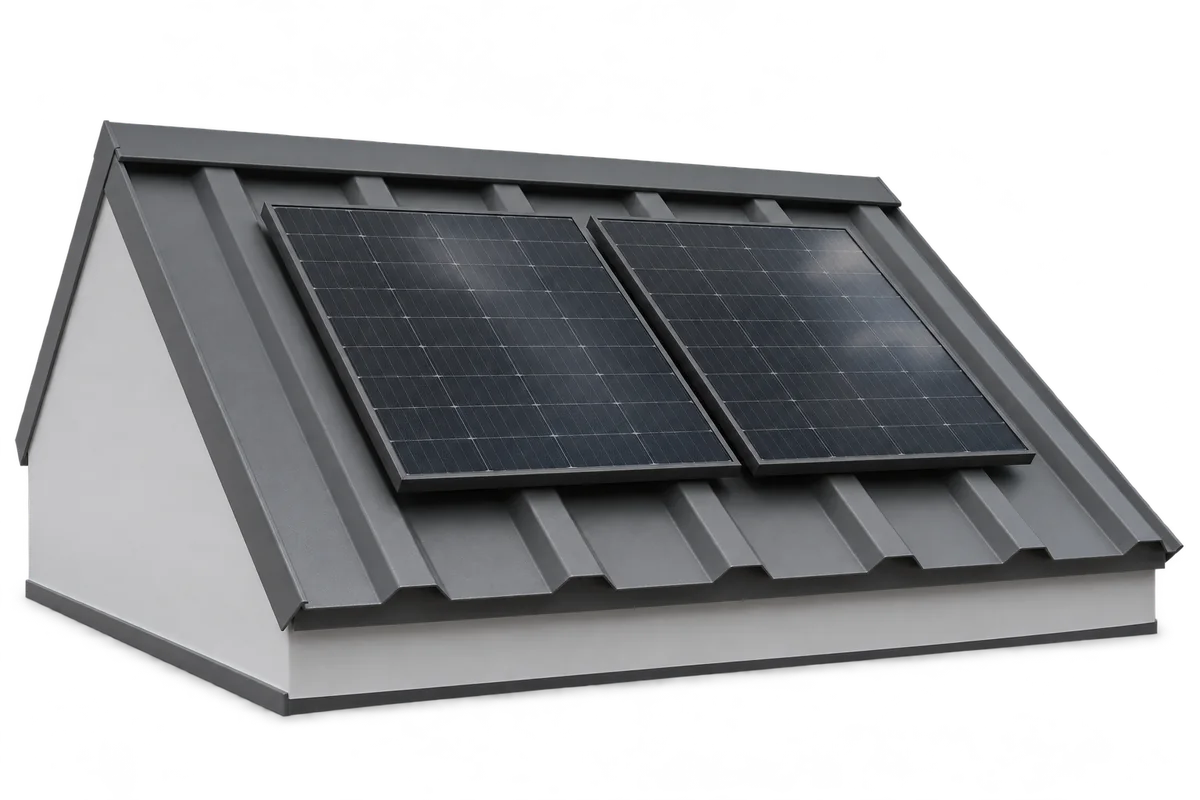
The fixings for a photovoltaic array must suit the specific roof and the loads it will carry. Metal tile roofing, trapezoidal sheets…
A good contractor can explain how they will build to your design, define exactly what their quote covers and show how each…