






Roof-renovation records: what should the contractor hand over?
Roofs and roofing
After a roof renovation, the owner needs information identifying installed materials, completed connections and arrangements for subsequent use. An invoice does not describe the whole assembly, and a photograph of new roofing does not reveal concealed work. Agree the handover records before the job ends. This guide organizes a practical set: product references, labelled photographs, departures from the plan, outstanding items and maintenance instructions. It is neither an official inspection form nor a technical assessment of the roof. It explains how to create a useful record for later inspections, minor repairs or extensions. The documents should reflect what was actually installed, rather than only the original order or general manufacturer advertising.
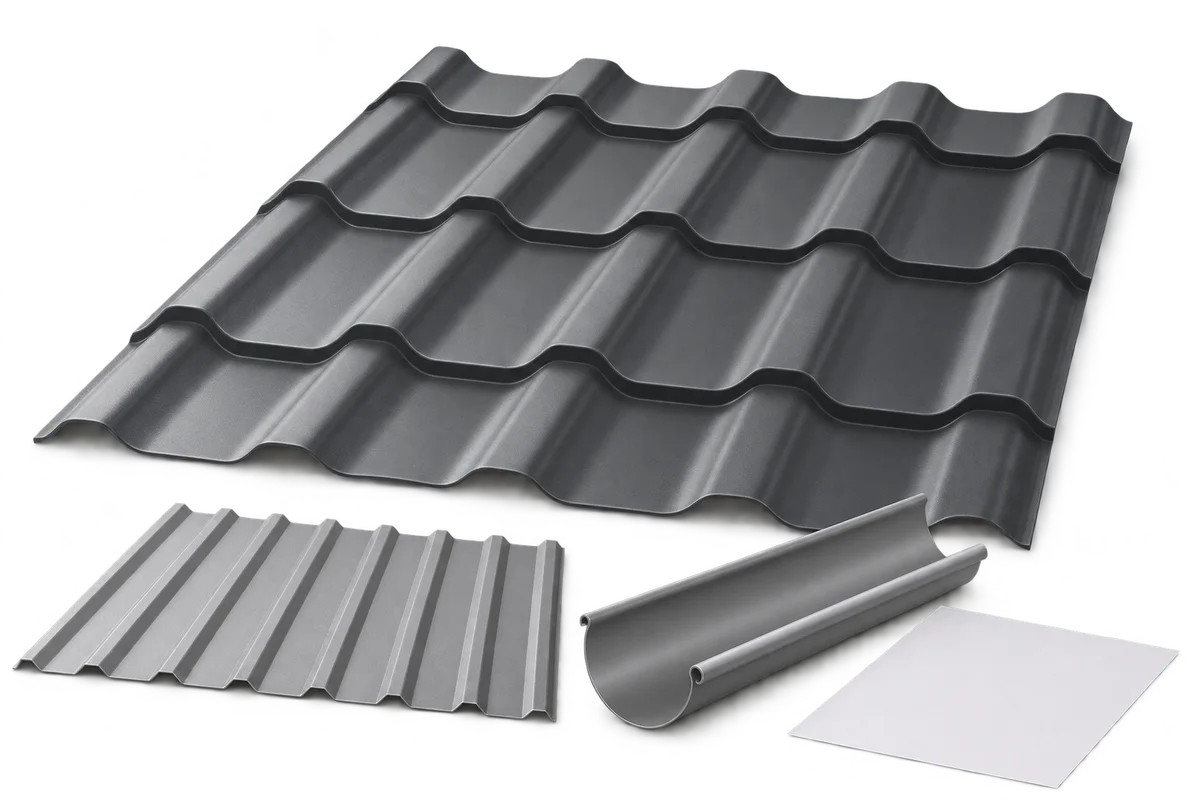
Collect details of the products actually installed
The material list should identify the covering, its variant and relevant system components. “Graphite-grey sheet” may be insufficient when ordering a replacement. Keep the product reference and documents supplied with the particular batch where provided at purchase.
Organize photographs of concealed work
Include instructions for the installed solutions rather than a merely similar model. If a product changed during renovation, update the records too. An old sales brochure does not establish that its featured material was used.
Arrange photographs by slope and stage, with dates and brief descriptions. For a connection photographed before concealment, retain both an overview and detail. An unlocated image may be difficult to relate to a later question about a particular roof area.
Record changes made on site
Photographs alone do not demonstrate every aspect of workmanship. Not every parameter or substrate condition can be assessed from an image. Where work required checking by an appropriate person, retain the inspection findings as well.
For each material change to the plan, record the reason and the document used for the revised solution. This includes junctions at windows, chimneys and the renovation boundary. Final records should explain differences between the plan and the completed work.
Separate completion records from outstanding items
Distinguish approved changes from observations still requiring clarification. An entry in a notebook is not approval of a solution. For a discrepancy, identify who must respond and whether the matter has been resolved.
Describe outstanding items precisely: location, scope and agreed next step. “Fix flashings” does not show whether a return visit addressed every reported location. After correction, add the date and how completion was confirmed.
Agree inspection and maintenance arrangements
Establish which materials have specific care requirements and obtain the relevant instructions. Do not automatically transfer advice for the old coating to the new one. Record whom to contact if a proposed maintenance activity is not covered.
Maintenance arrangements should explain how inspections will be organized, not encourage the owner to walk on the roof. A suitably prepared contractor establishes access and necessary work measures. Records can identify installed provisions but do not replace assessment of safe access.
Keep warranty terms and the relevant contact with product details. Distinguish material documentation from workmanship arrangements. This helps direct a defect enquiry without assuming every warranty has the same coverage.
Make the records usable in future
Name files so they will still make sense years later. Add an index with the renovation date, roof identification and photograph locations. Keep a copy independent of one person’s phone while preserving legible original labels and drawings.
At the next inspection, add new findings to the history rather than replacing all earlier records. This preserves the sequence of changes at each location. A well-organized set remains useful even if a different team carries out future repairs.

Free quote
What to include in your enquiry
Tell us how you plan to use the material, the dimensions and the quantity you need. Include the thickness, grade or variant name, along with the delivery town or your preferred collection branch. For a specific product, add its name or a link to the product page. We will reply to the email address you provide to discuss availability and the terms of your order.
More from the building guide
Whether insulation work qualifies for a grant depends on the scheme, the building, the work proposed and the thermal performance required of…

Installing solar panels does not necessarily invalidate a roof covering warranty. Whether the warranty continues to apply depends on the provider's terms,…
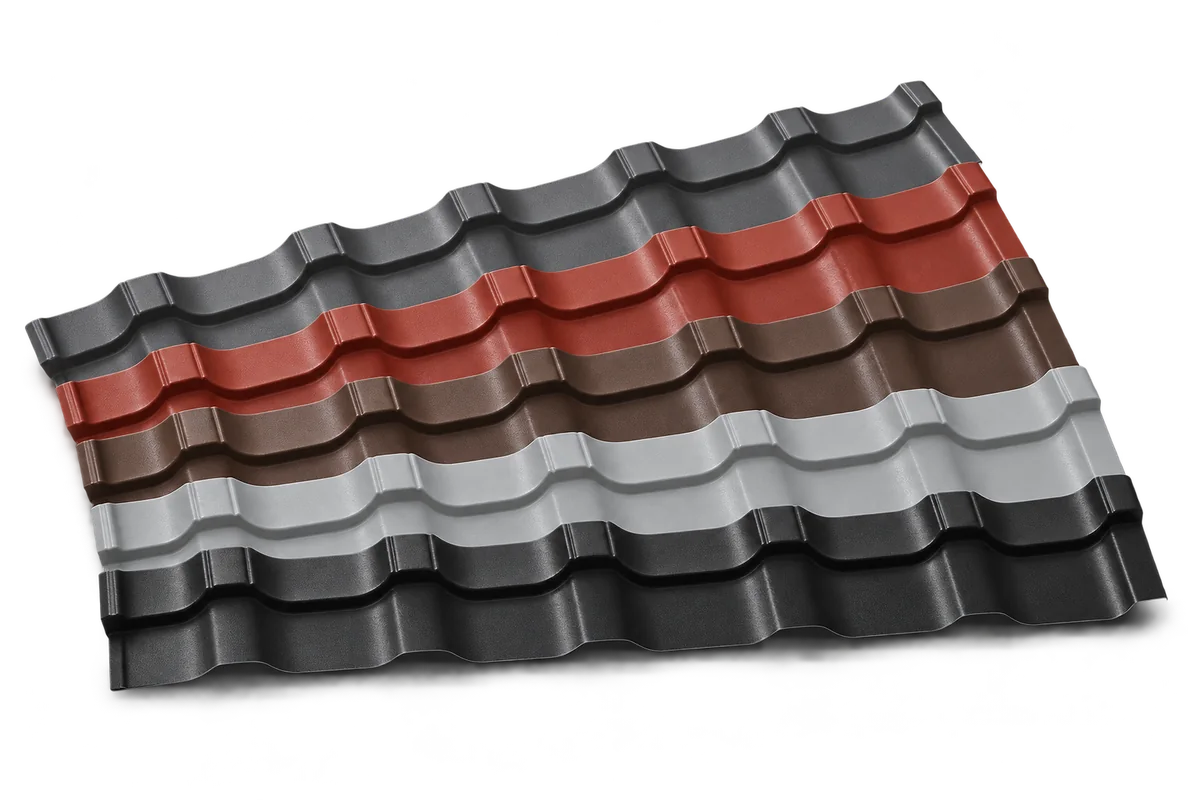
Start with the shape of the house, the façade materials and the setting. Charcoal, grey, brown and red can all work well…
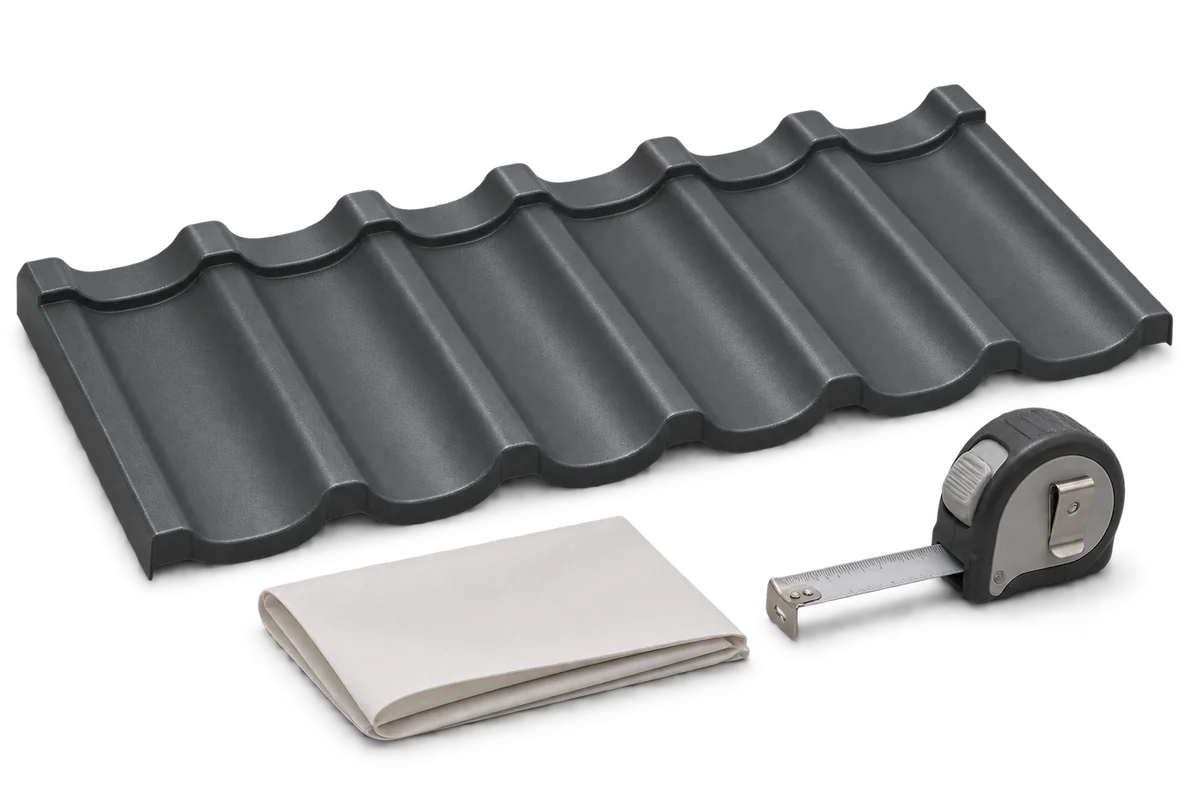
A roof calculator helps you organise measurements and estimate material quantities. Start by distinguishing the area of the roof slopes from the…
A gable roof has two slopes that meet at the ridge. This simple shape makes the roof covering easier to lay out…
In Poland, the term “building inspector” can refer to two distinct roles. The inspector appointed by the client (inspektor nadzoru inwestorskiego) represents…
Before comparing roof repair quotations, gather information about the building and the proposed task. The contractor needs a defined scope, available records…
In a passive house, comfort depends partly on everyday habits. Insulation limits heat loss and a well-adjusted ventilation system replaces stale air.…