






Planning safe snow removal from a metal roof
Renovation and maintenance
Snow removal from a metal roof must be planned around its structure, current loading and safe access, not just centimetres of snow. Wet snow, ice and local drifts can create conditions unlike an even layer of fresh snowfall. This guide helps prepare information for a professional crew: roof documents, rooflights, equipment and an exclusion zone around the building. It covers coating protection, the importance of work sequence and drainage checks afterwards. It does not prescribe a universally safe snow depth or a DIY access method. The aim is to coordinate technical assessment, work organisation and subsequent maintenance without introducing new hazards while clearing snow.
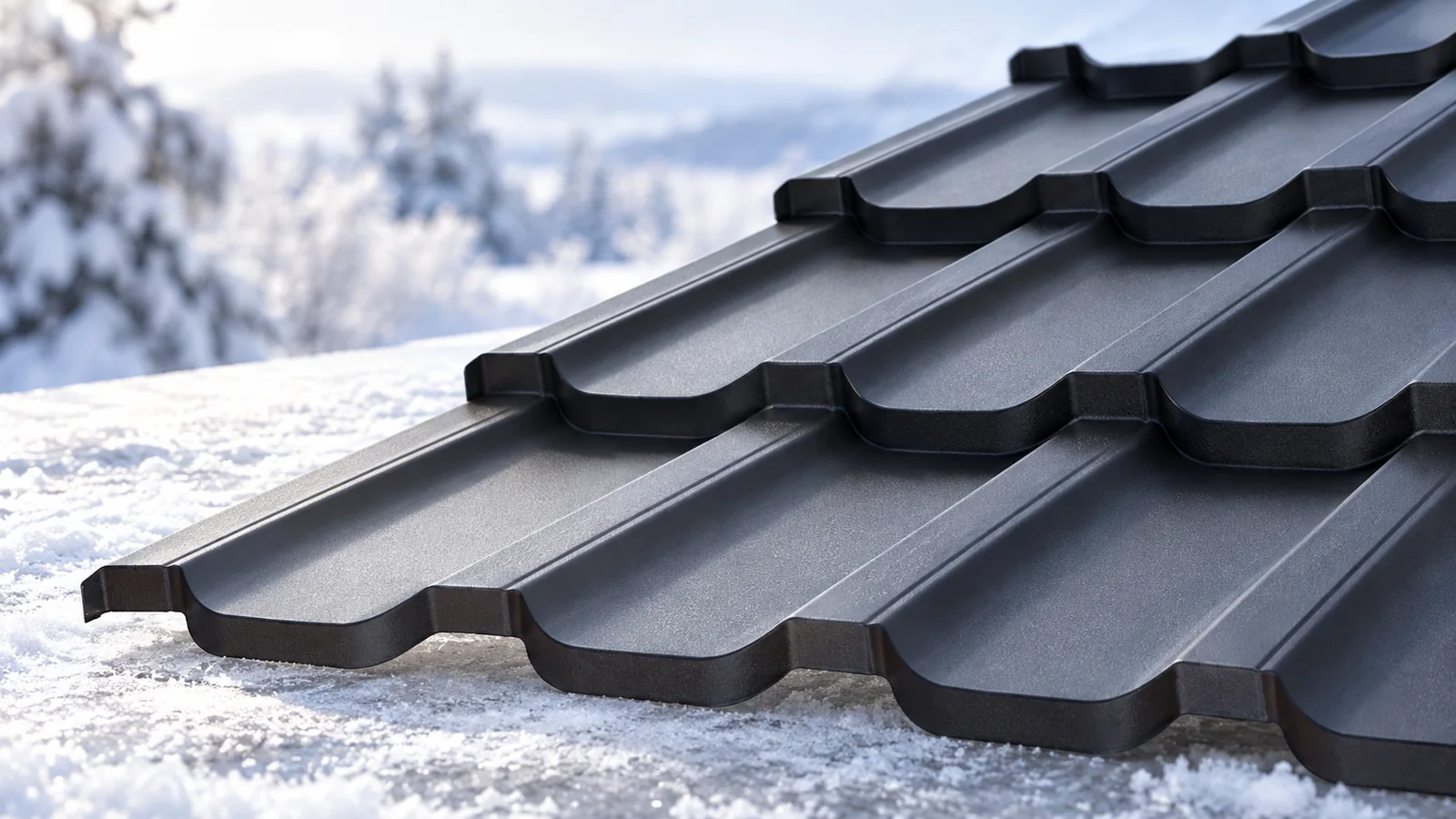
Why is snow depth alone insufficient?
Equal depths of powder, wet snow and ice do not have equal weight. Conditions can change quickly during thaw. Identify local drifting at parapets and taller building sections instead of assuming uniform loading across the roof.
Do not judge safety by a universal centimetre limit. Refer to the design and current structural condition. Deflection, unusual noises or suddenly jammed doors require urgent assessment and securing of the area; climbing onto the roof to investigate may increase the risk.
Who should carry out the work?
Use a crew equipped and trained for slippery surfaces and fall protection. A ladder alone does not create a safe workplace. Planning must account for suitable anchors, rooflights, non-walkable areas and edges hidden by snow.
Agree access, removal arrangements and exclusion zones at entrances, parking spaces and footpaths. Coordinate delivery times for operating businesses. Tape alone may be inadequate if people can still enter an area where material falls from the roof.
How can the metal and coating be protected?
Choose tools according to the covering guidance, with edges that do not cut the coating. Plastic or rubber-edged tools must also suit the work method. A metal shovel striking fixings, flashings or equipment can cause damage hidden beneath snow.
The aim is not to scrape the metal perfectly bare with a sharp tool. Do not break ice in a way that damages the covering or apply arbitrary driveway de-icers. Compatibility with the metal, coating and other components must be confirmed.
Why does the clearing sequence matter?
Clearing only one area changes the load distribution. The sequence should follow structural assessment rather than crew convenience. Do not form piles on the roof or push snow onto a lower roof without checking its capacity for the extra weight.
For sandwich panels, check documented loading and access rules. An insulating core does not establish resistance to arbitrary point loads. Mark rooflights and openings; where roof information is incomplete, obtain further technical assessment before starting.
What about gutters and snow-retention components?
Sliding snow can load gutters and the area below. Select snow-retention components together with their fixings and structural support. An arbitrary bracket above an entrance is not a substitute for a designed snow-retention system.
Drainage must remain open during thaw. Gutters cannot support workers or tools, and icicle work requires securing the area below. Investigate recurring ice alongside drainage and possible roof heat loss rather than repeatedly treating only the symptom.
What information does the contractor need?
Provide the roof plan, available load information and installation layout. Identify fragile or non-walkable zones, concealed rooflights and agreed access. Arrange removal and exclusion zones before the crew arrives, not while workers are entering the roof.
Snow-free photographs help locate details but do not show the current condition of a loaded structure. Visible deformation or immediate danger requires urgent specialist assistance and emergency services where appropriate. An archive image cannot replace that assessment.
What should be checked after clearing?
Afterwards, inspect coatings, flashings and fixings and check for tools left behind or covered drains. Early recognition of damage allows repair before corrosion develops. Before-and-after photographs help establish what actually changed during clearing.
Prepare a winter maintenance plan with contractor contacts and inspection records. For larger roofs, include load monitoring suited to the design and weather. Do not wait for a leak before assessment; leakage need not be the first sign of structural trouble.
If unusually frequent clearing is needed, revisit drifting, restricted drainage and the design assumptions. Further assessment may identify measures that reduce risk and recurring costs. Another clearance alone does not explain why the problem keeps returning.

Free quote
What to include in your enquiry
Tell us how you plan to use the material, the dimensions and the quantity you need. Include the thickness, grade or variant name, along with the delivery town or your preferred collection branch. For a specific product, add its name or a link to the product page. We will reply to the email address you provide to discuss availability and the terms of your order.

More from the building guide
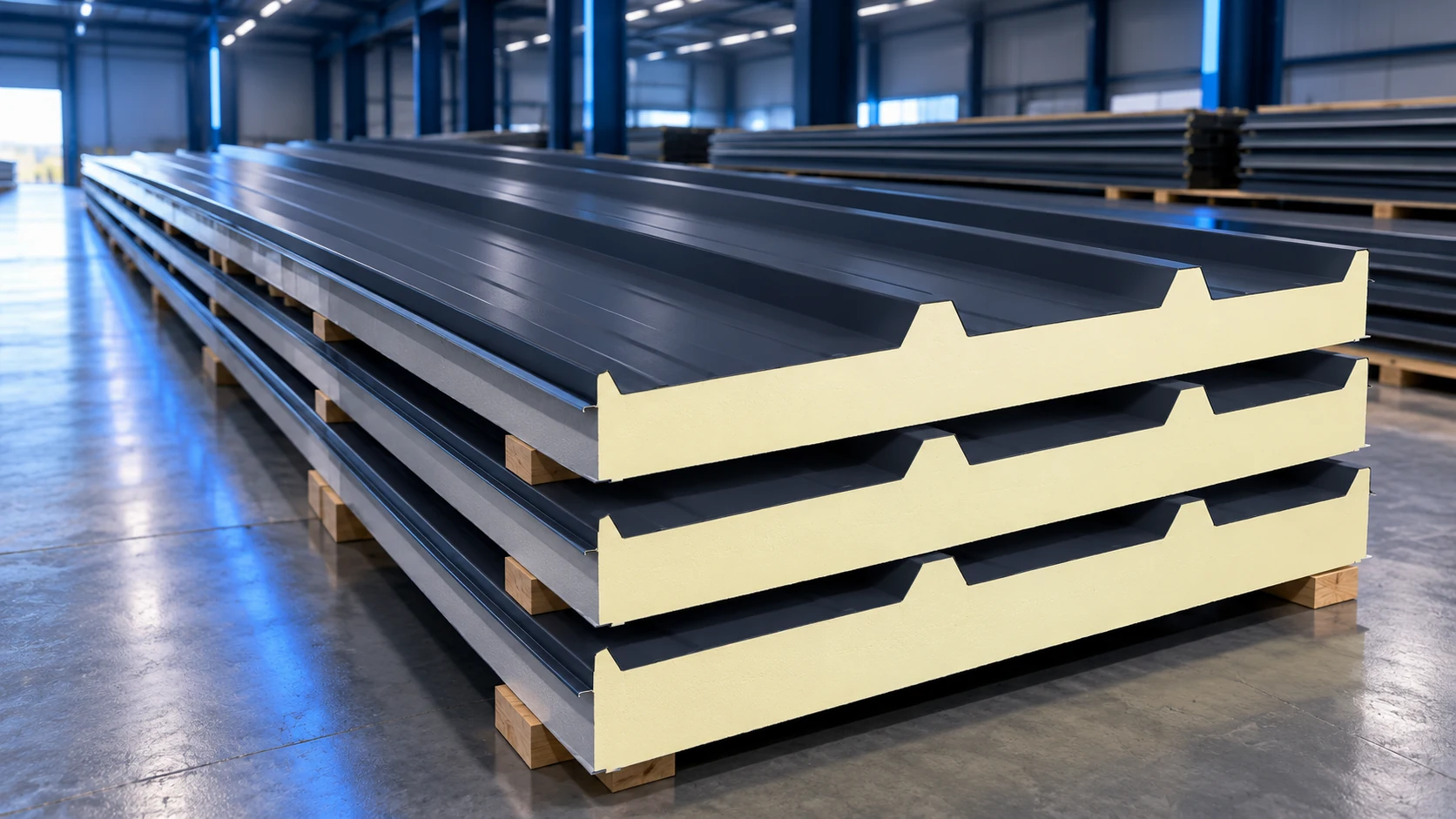
A manufacturer's production length range is not a stock list. A roof panel may be made to order at 18 m yet…
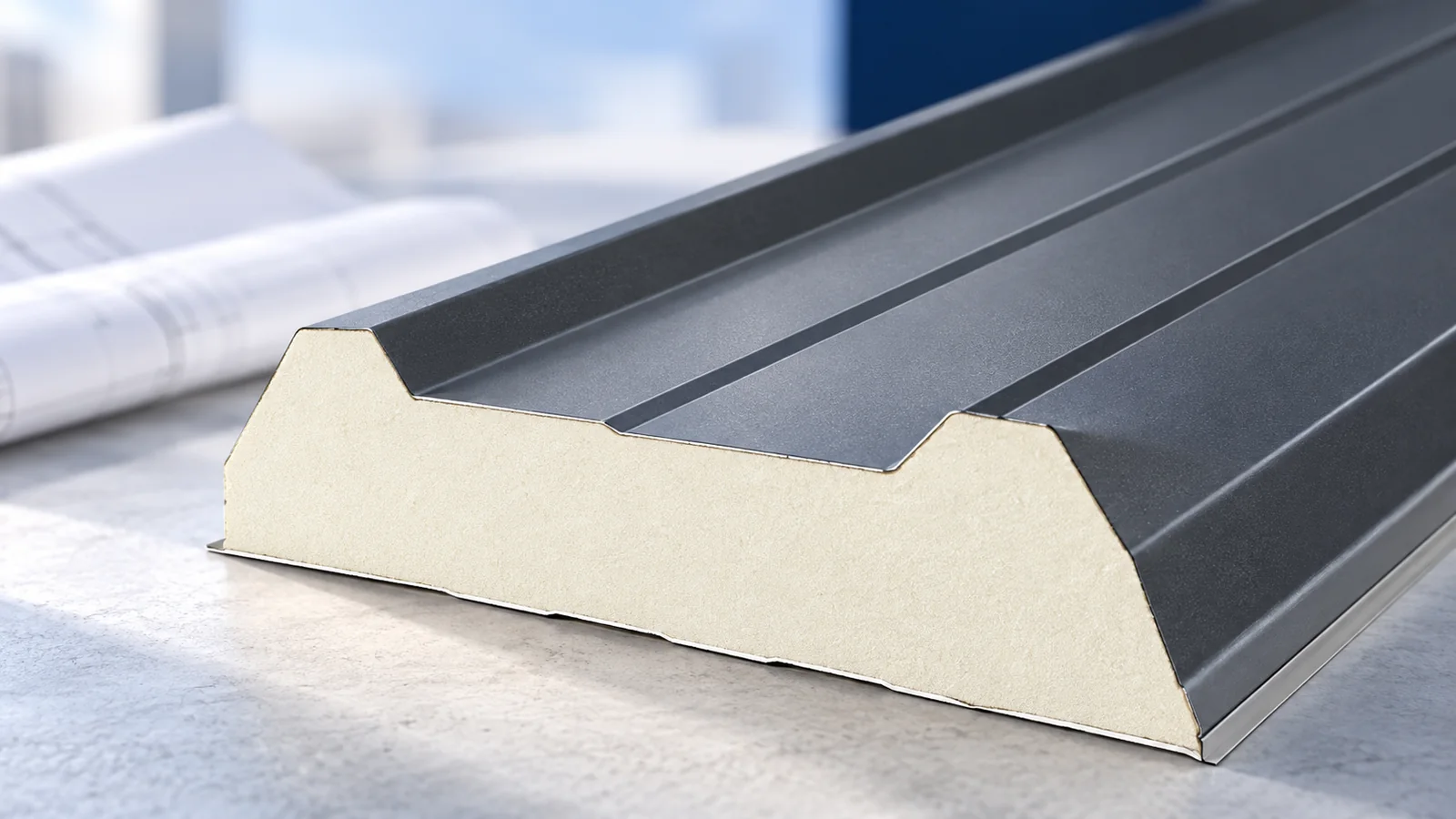
A roof sandwich panel combines an external steel covering, an insulating core and an internal facing. Choosing it requires more than thickness…
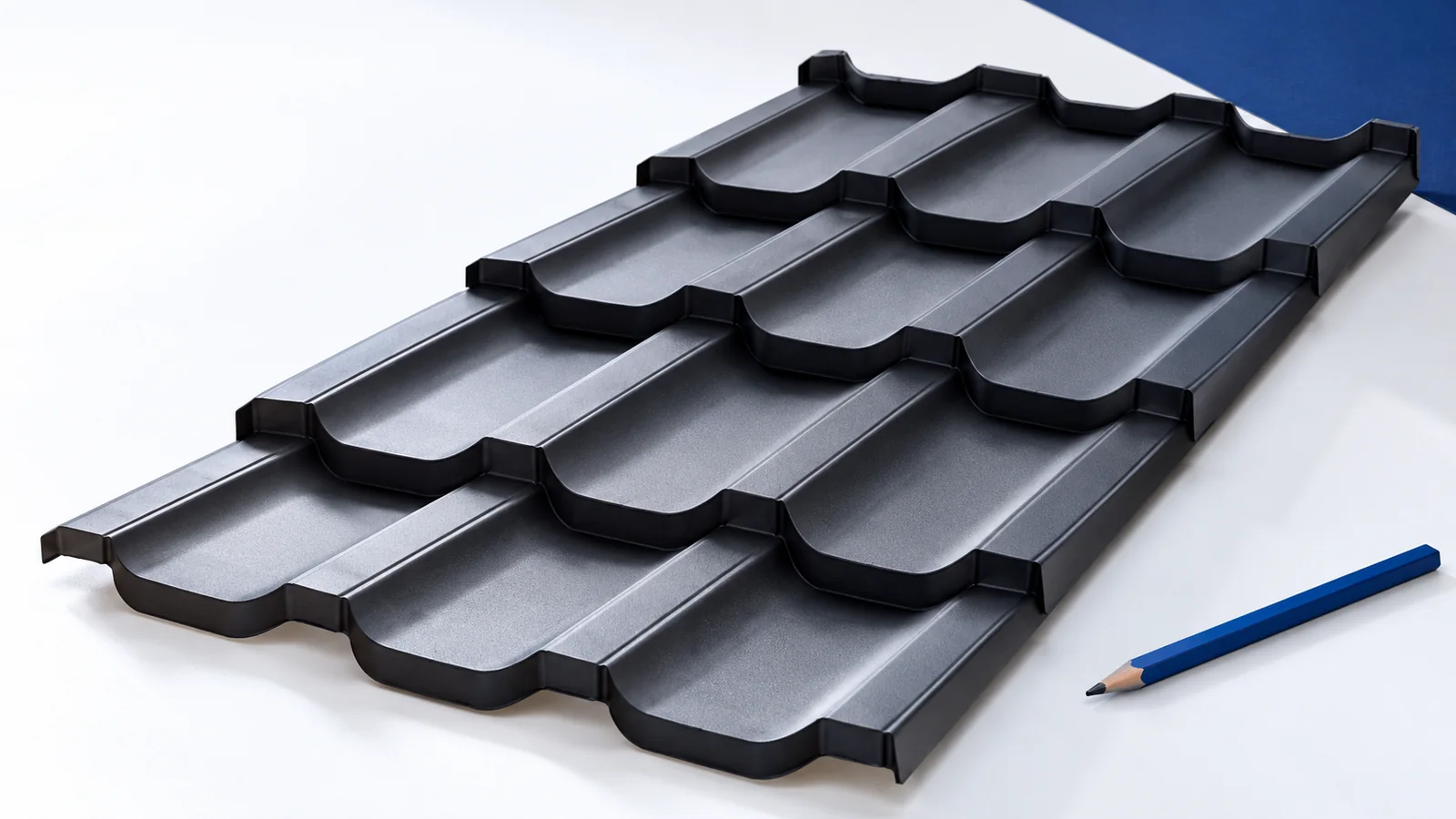
Plan a roof replacement around inspections of the structure, concealed layers, delivery and finished covering. This makes missing details easier to find…
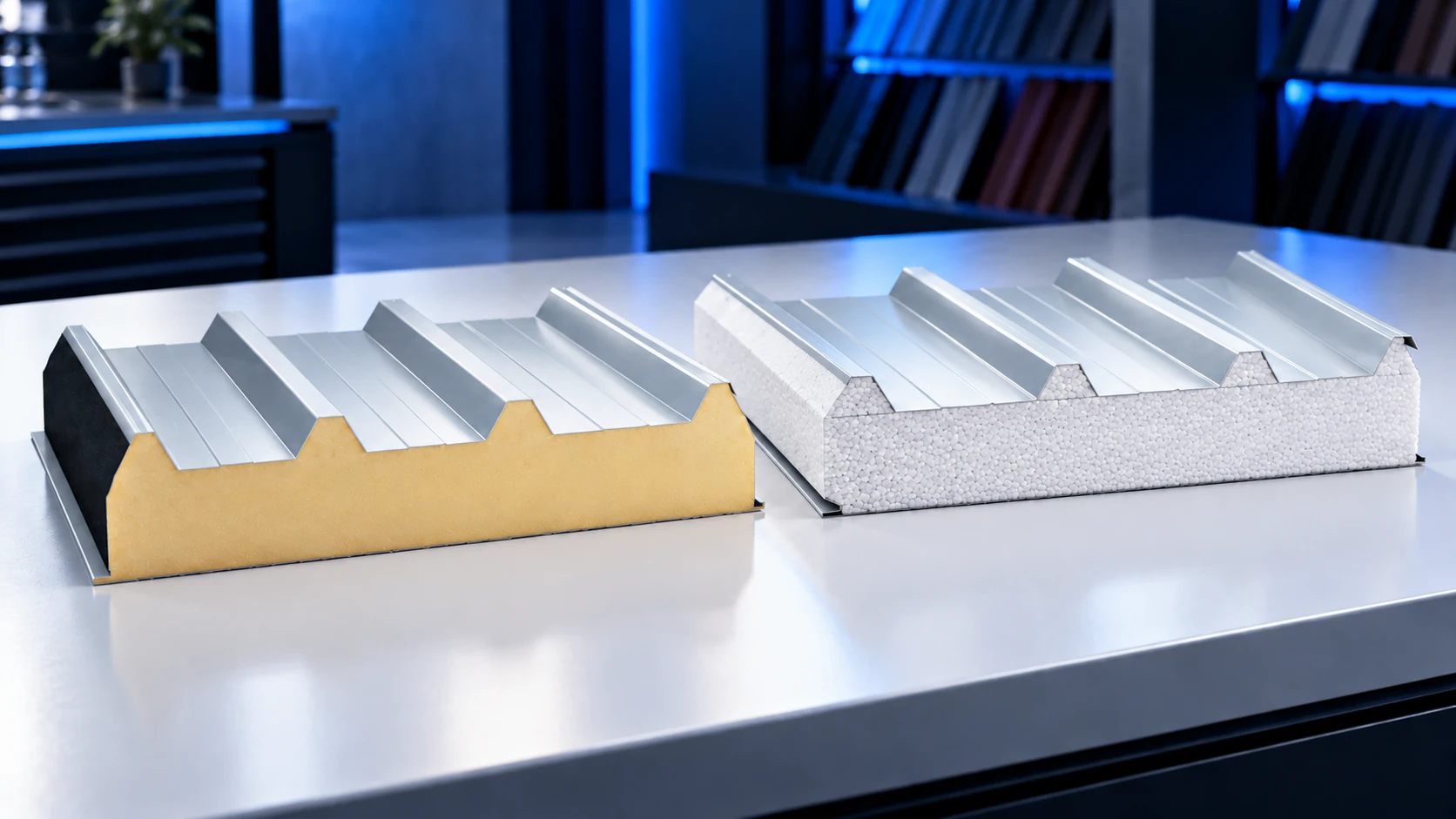
Compare PIR and EPS cores using the declared performance of complete roof sandwich panels, not figures for loose insulation boards. U-values, weight,…
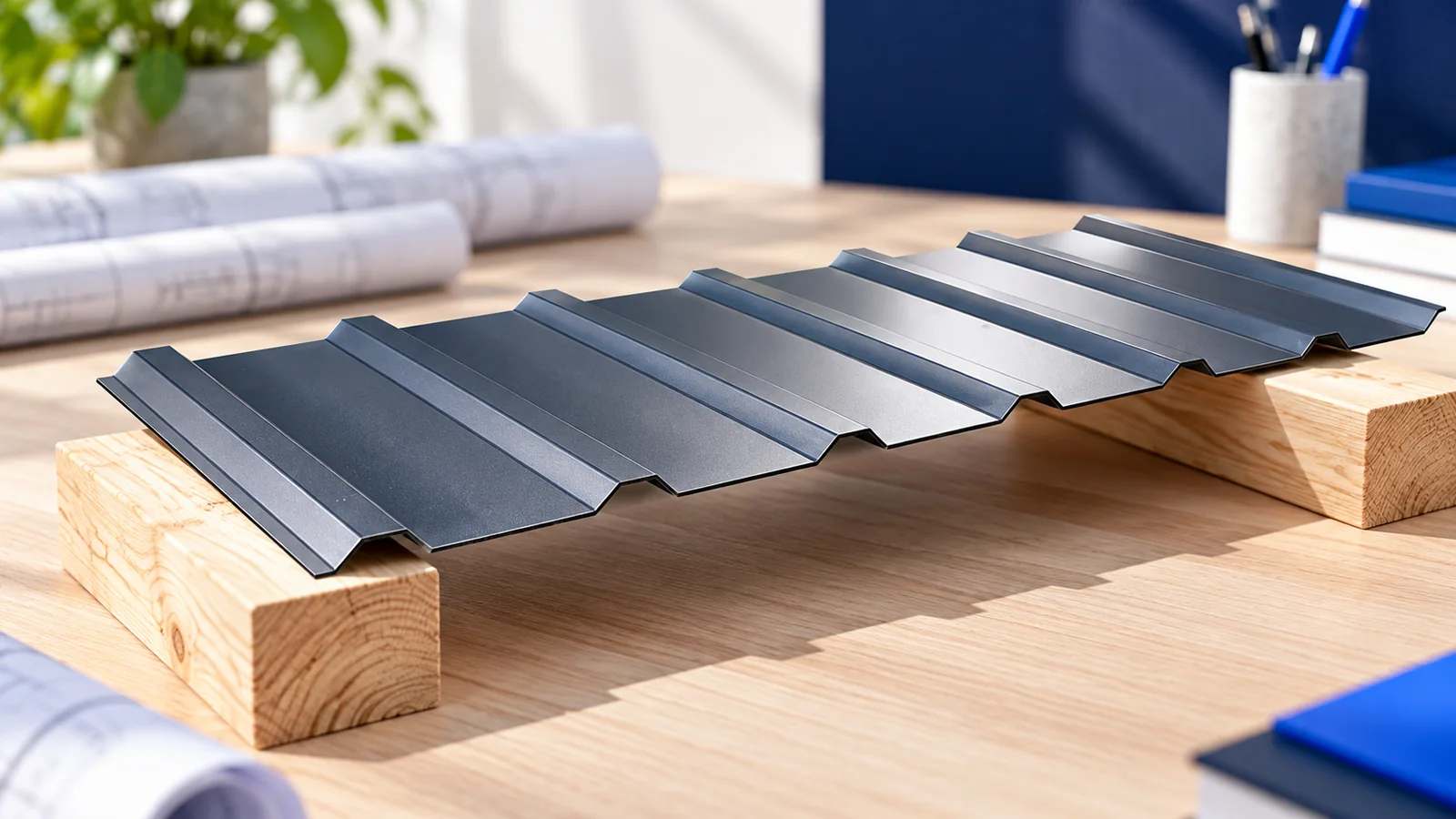
A roof batten must both support the covering and provide a place to fix it. Its section and spacing therefore depend on…
A damp patch beneath a metal roof does not necessarily mean a hole in the sheet. Water can enter through flashings, laps…
Labour costs for metal roofing must be compared together with the scope of work. A price per square metre may cover only…
PIR and XPS can both be used in suitable flat-roof constructions, but they do not necessarily occupy the same position. Establish where…