






Roof purchasing: where savings help and where they undermine the specification
Costs and planning
Check the completeness of a roof quotation before comparing the price of individual sheets. Include effective coverage, material specification, accessories, delivery and installation. Savings may come from reducing offcuts, choosing a standard finish or organising transport more efficiently. Leaving out necessary fixings or flashings simply produces an incomplete budget. This guide separates project requirements from choices that can genuinely be optimised. It explains gross versus effective sheet area, how to assess second-grade stock and why maintenance belongs in the comparison. Use the same schedule for every supplier so that your decision concerns a finished roof rather than the lowest advertised figure.
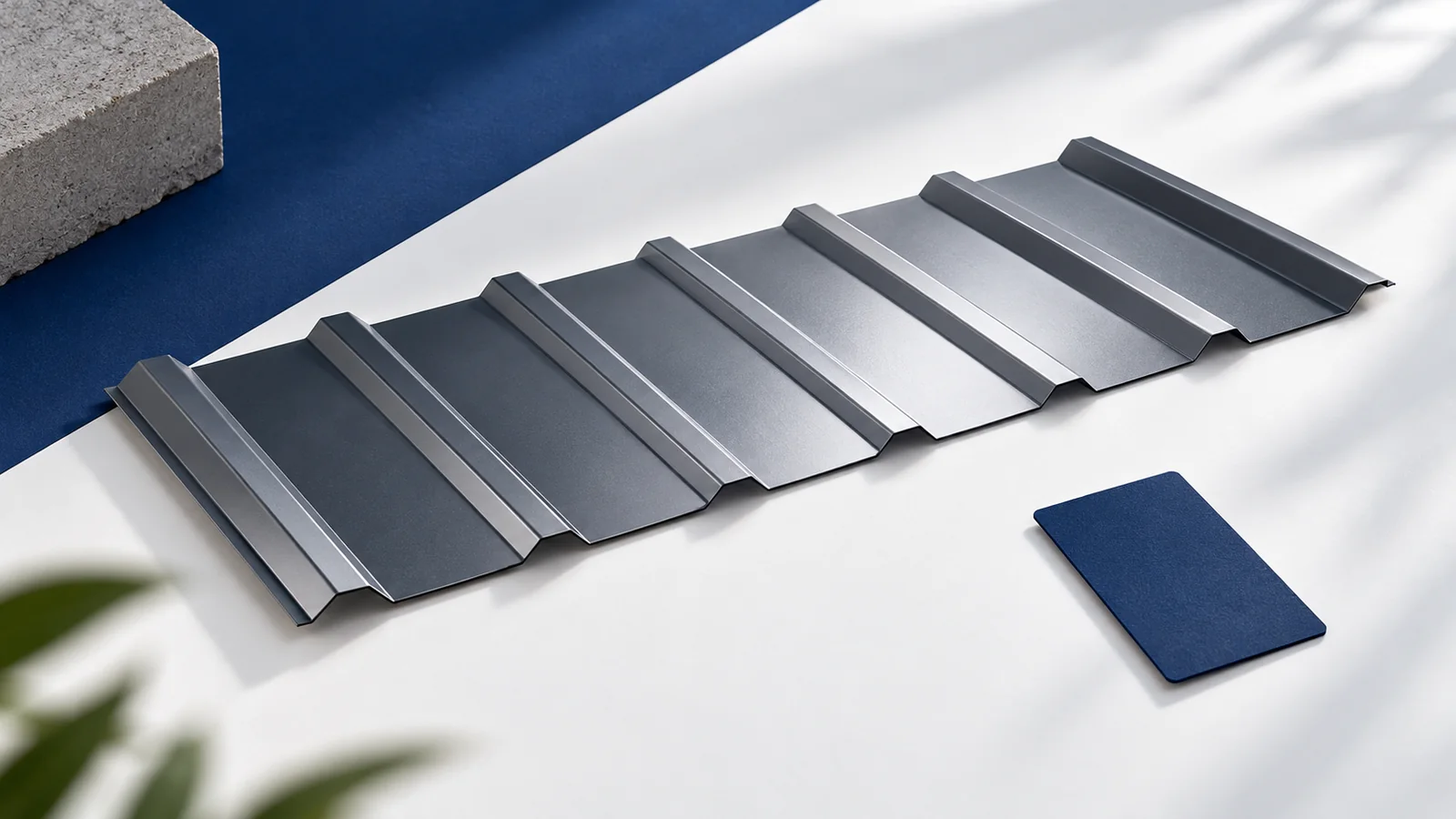
Why can a price per square metre mislead?
Use separate columns for purchased sheet area and coverage after overlaps. Suppliers may price different quantities. Bring every quotation onto the same net or gross tax basis before comparing the totals.
For an arithmetic example only, a 3.6 m² sheet at PLN 40 per gross square metre costs PLN 144. If it covers 3.3 m² of roof, the coverage cost is about PLN 43.64/m². These figures are not a sales offer or current price list.
Which requirements should remain fixed?
Mark the profile, thickness and supports specified for the roof loads before seeking alternatives. A thinner sheet that looks similar is not necessarily interchangeable. For sandwich panels, check both steel facings: the core alone does not establish capacity.
Match the coating to moisture and environmental exposure, particularly in agricultural buildings. A cheaper protection system may require more repairs. Read the warranty together with its use and maintenance conditions; its duration cannot replace a material specification.
Why must accessories be priced from the start?
Price fasteners and seals alongside the covering. Thread, length and drilling capacity must suit the substrate. Washers, tapes and flashings contribute to watertightness and wind resistance; they are not an optional shopping list.
Request quantities for eaves details and ventilation components. Only an equivalent scope shows whether a lower total comes from a discount. Deleting a necessary item from a quotation does not remove the need to build that roof detail.
Where can the budget genuinely be reduced?
Review offcuts and special-order items. Simple roof planes, available colours and manageable lengths can cost less than complicated details. Select a coating adequate for the exposure and intended durability; the most expensive option is not necessary for every building.
Compare made-to-length tile-effect sheets and modules on the same roof plan, and alternative length divisions for trapezoidal sheets. Calculate access and unloading separately. Fewer offcuts and delivery trips can save money without reducing the required material thickness.
When is second-grade material worth considering?
Assess the actual batch rather than an outlet label. Establish why it was downgraded and inspect edges, coatings and joints. Cosmetic scratches differ from damage compromising watertightness; the available dimensions must also fit your cutting plan.
For panels, check the bond between facings and core and whether sections can form suitable sealed joints. Agree documentation and sales conditions. An attractive price does not justify a batch that fails the heated building’s thermal, structural or watertightness requirements.
How can ordering mistakes be prevented?
Approve the cutting schedule against confirmed measurements before production starts. Verify lengths, effective cover width and the coated side. A made-to-size sheet ordered incorrectly may not be usable elsewhere on the existing roof.
Align delivery with the installer’s readiness and available storage. A long gap before installation may expose sheets to moisture or damage. Coordination reduces extra transport and downtime rather than shifting an apparent saving into later remedial work.
What belongs in the lifetime cost comparison?
Add service access, inspections, possible recoating and repairs to the initial purchase. A high or inaccessible roof can cost more to maintain. A warehouse leak may also damage stored goods or interrupt operations, beyond the replacement sheet itself.
Finish with one comparison table: profile, thicknesses, coating, lengths, accessory quantities, delivery and exclusions. Do not rank quality solely by price. An economical choice has a verified scope and specifications appropriate to your roof.

Free quote
What to include in your enquiry
Tell us how you plan to use the material, the dimensions and the quantity you need. Include the thickness, grade or variant name, along with the delivery town or your preferred collection branch. For a specific product, add its name or a link to the product page. We will reply to the email address you provide to discuss availability and the terms of your order.
More from the building guide
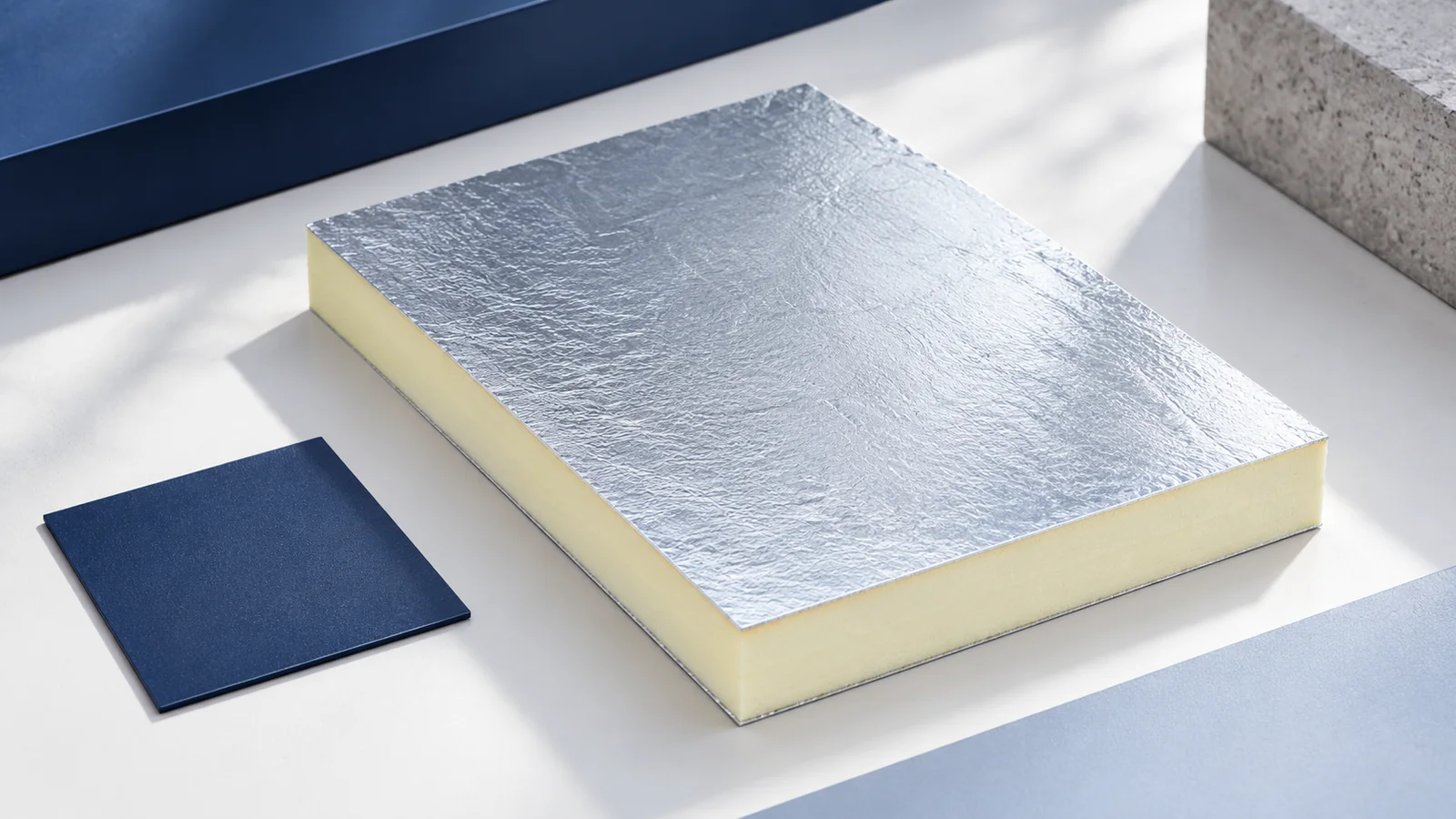
A flat roof covering should be selected around the roof's use, drainage and complete build-up. Structural trapezoidal decking, PIR insulation and waterproofing…
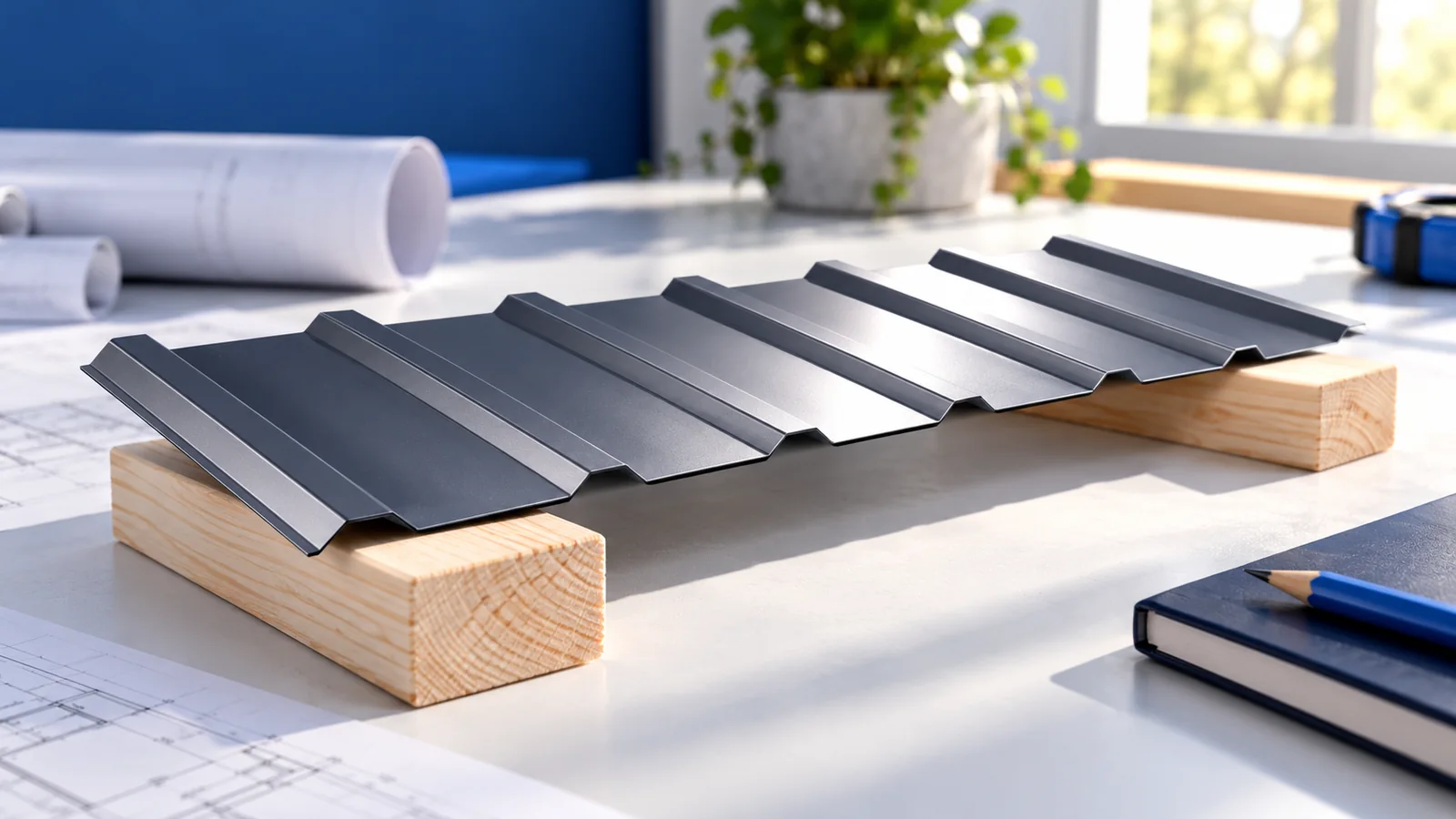
Treat the wall plate as the connection between the roof and building, rather than simply a block beneath the rafters. The timber,…
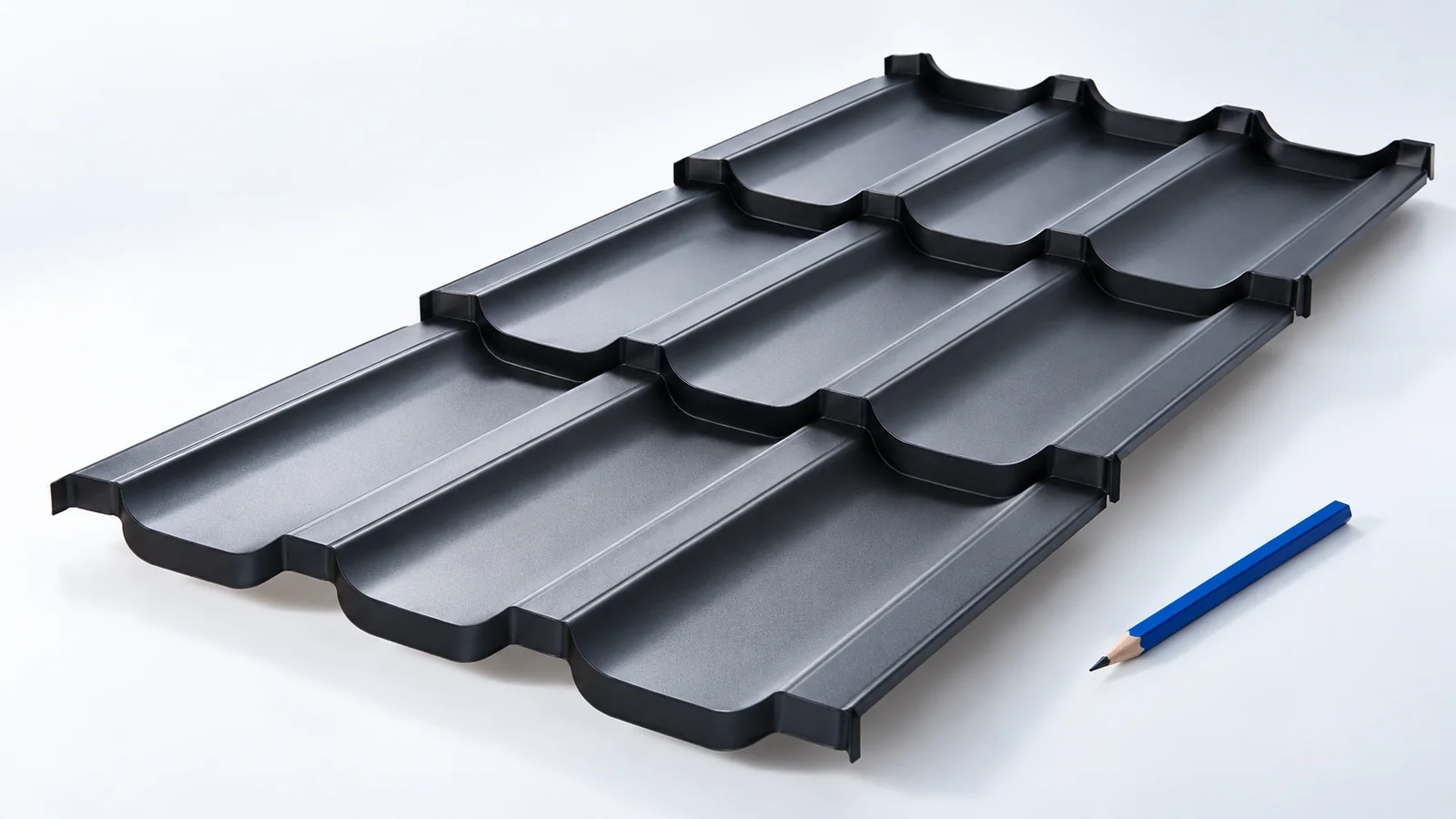
Recyclability alone cannot establish the environmental impact of a metal roof. Production, material quantities, transport, installation waste, service life and treatment of…
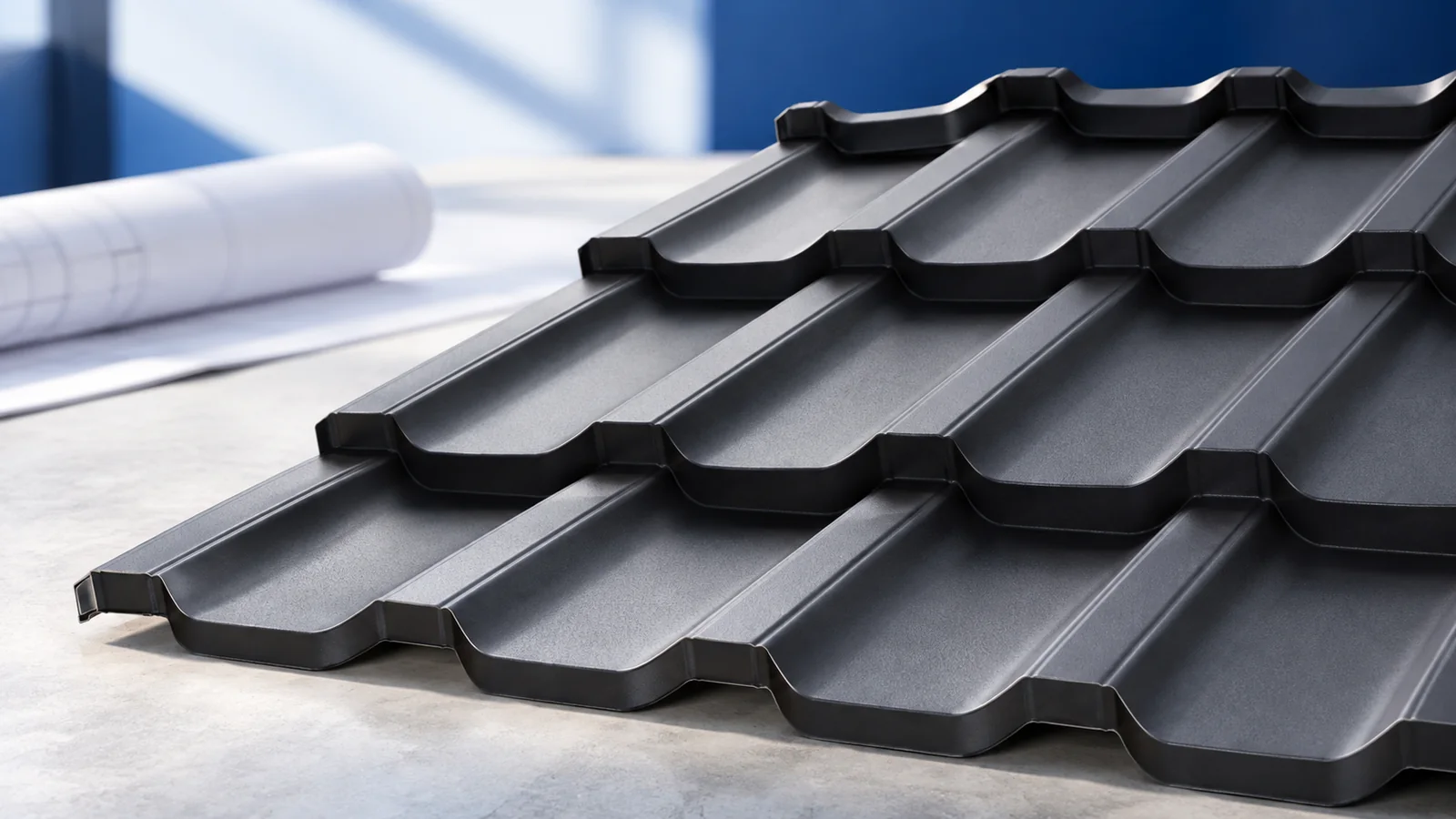
Choose a house roof covering in two stages. First rule out materials incompatible with the structure, pitch and layer arrangement; then compare…
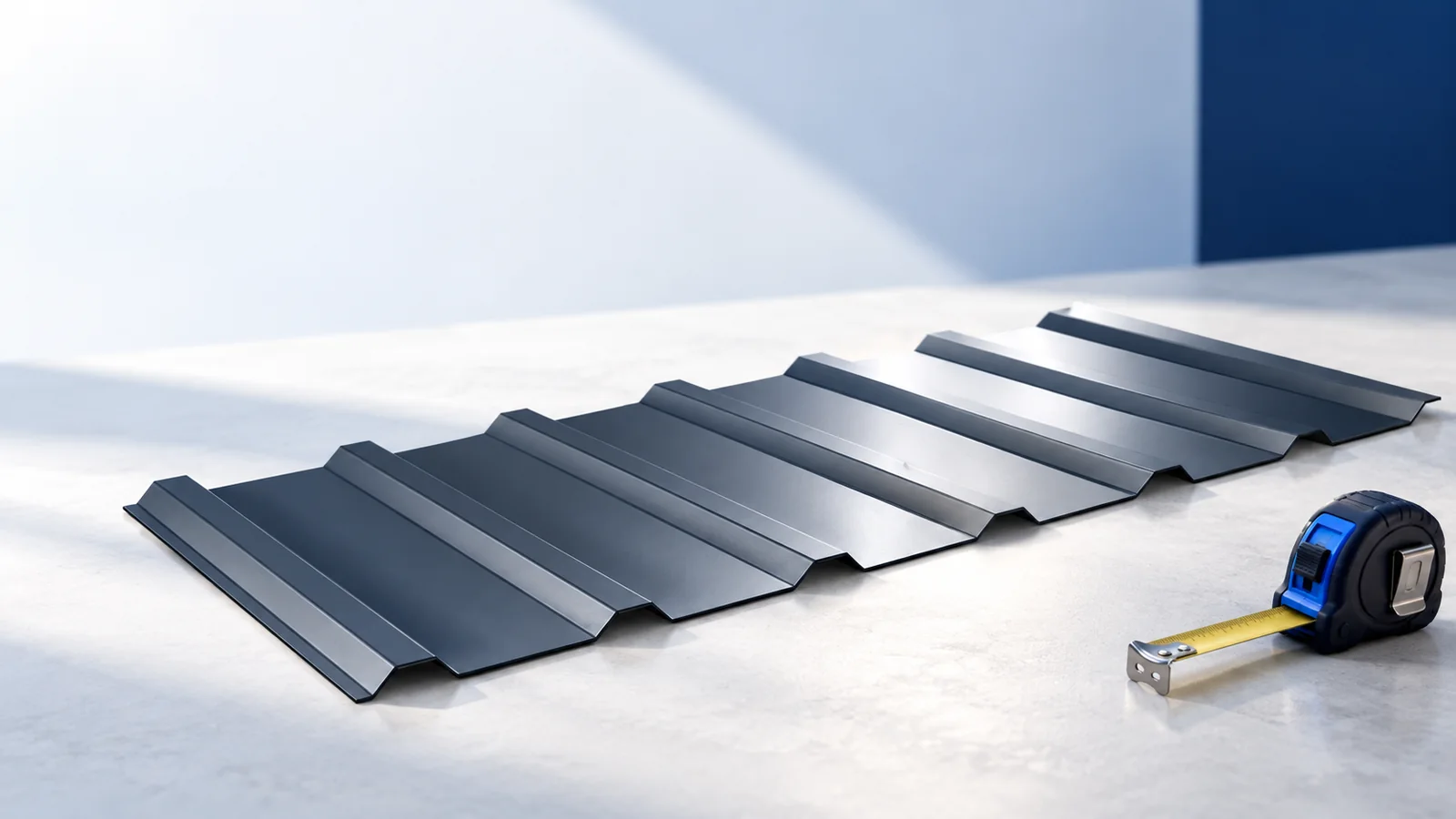
A gable roof makes covering options easier to compare, but its simple shape does not remove the need for measurements and system…
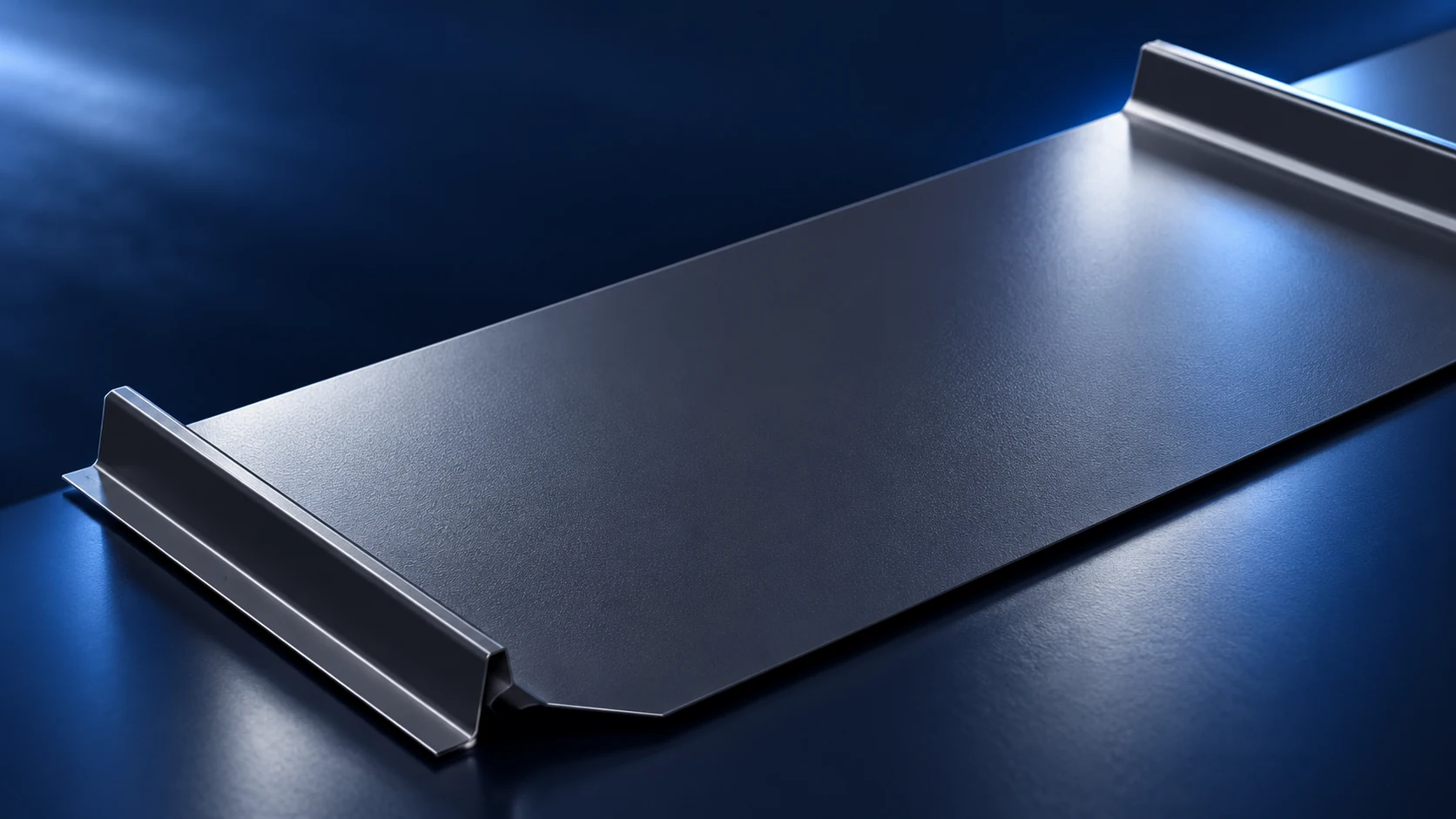
Standing-seam roofing joins neighbouring metal strips along raised longitudinal edges above the flat part of the covering. The seams may be folded…
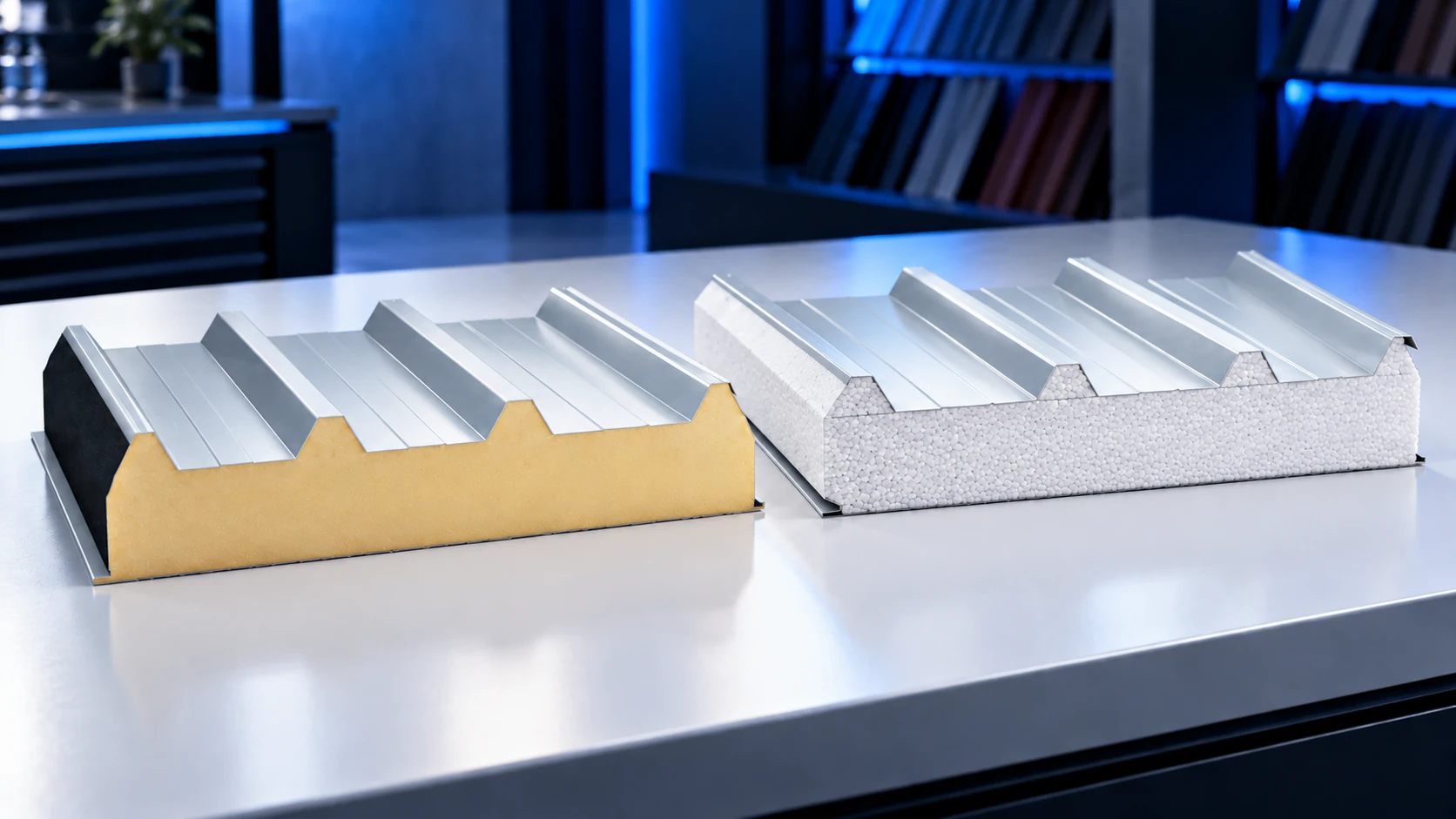
Compare PIR and EPS cores using the declared performance of complete roof sandwich panels, not figures for loose insulation boards. U-values, weight,…
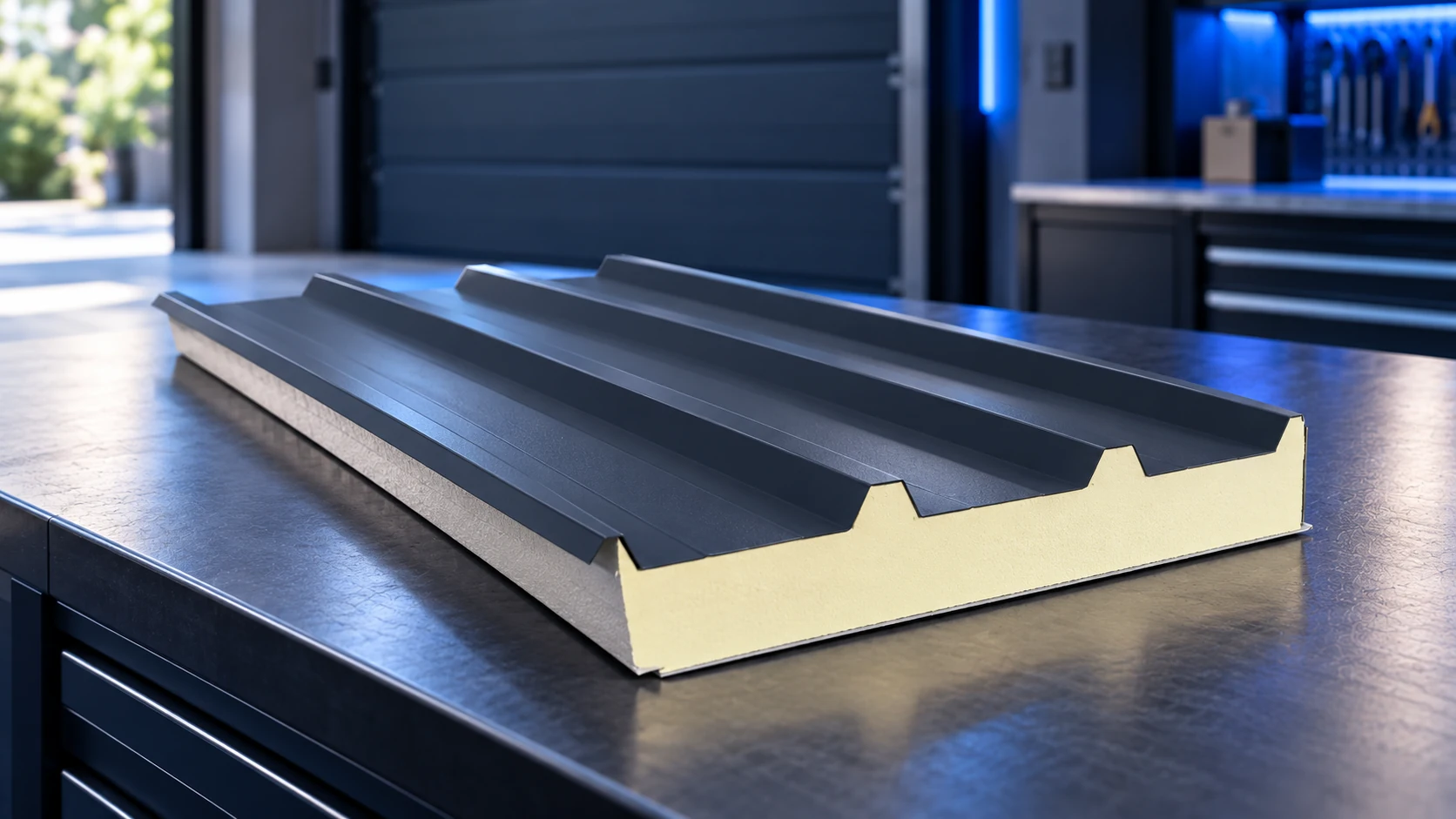
The right PIR sandwich-panel thickness for a garage roof depends first on whether the garage will be heated. Thermal requirements, support spacing…