What distinguishes square gutters on a metal roof?
Gutters and flashings
Square and rectangular gutters give eaves a defined outline, but appearance should not complete the selection process. You need the capacity of the whole assembly, outlet arrangements, fixings and cleaning access. With metal roofing, the sheet edge and drainage from the layer underneath are particularly important. This guide separates cross-section assessment from material choice and distinguishes a fascia cover from a concealed downpipe. It also explains a fair comparison with half-round gutters, including accessories and labour. The result should suit the building’s geometry while retaining drainage’s basic purpose: collecting rainwater reliably throughout successive seasons of use, with practical maintenance access.
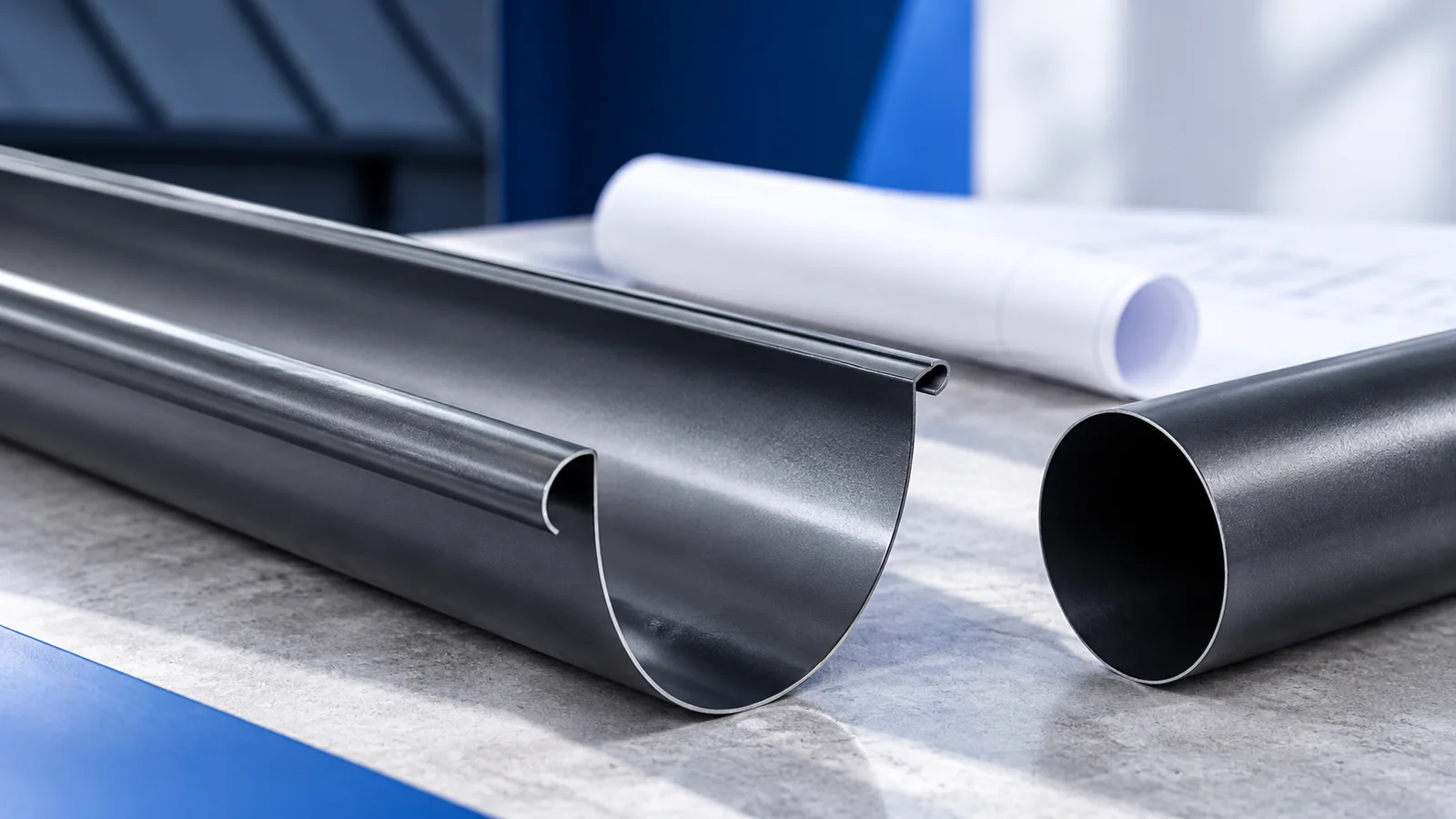
What does the angular cross-section change?
Straight gutter and downpipe faces can complement windows and façade lines. This visual effect does not establish capacity or flow. Similar-looking systems have different dimensions and must be compared through their documentation.
Inspect corners, brackets and connectors with the gutter, not just a profile sample. Visible accessories affect eaves proportions. If the manufacturer offers a fascia cover, assess that configuration rather than assuming any gutter can be concealed identically.
Can it work with any metal covering?
Compatibility with trapezoidal or tile-profile sheets depends on the eaves detail. Sheet and flashing positions must direct runoff into the gutter. Arbitrary edge projection may let heavy rainfall bypass an otherwise correctly sized gutter.
Trace drainage from the underlay too. It must not discharge behind the fascia board or into insulation. Agree drainage geometry before ordering roofing; adding a gutter later cannot correct poorly terminated roof layers.
How are gutter size and downpipe numbers determined?
Establish the area served by each outlet, flow-path length and outlet positions. Select the particular system’s capacity from its technical data. Fascia-board width affects installation but cannot replace those calculations.
A valley can concentrate water at one point despite a modest average area per downpipe. Check those concentrations and downstream drainage at ground level. A restricted or blocked lower section limits the entire installation, even a large gutter.
Which installation details matter?
Set bracket spacing and support, fall and gutter position according to design and instructions. Joints need correct seals and thermal-movement allowance. Do not mix similar components merely because their edges appear to fit together.
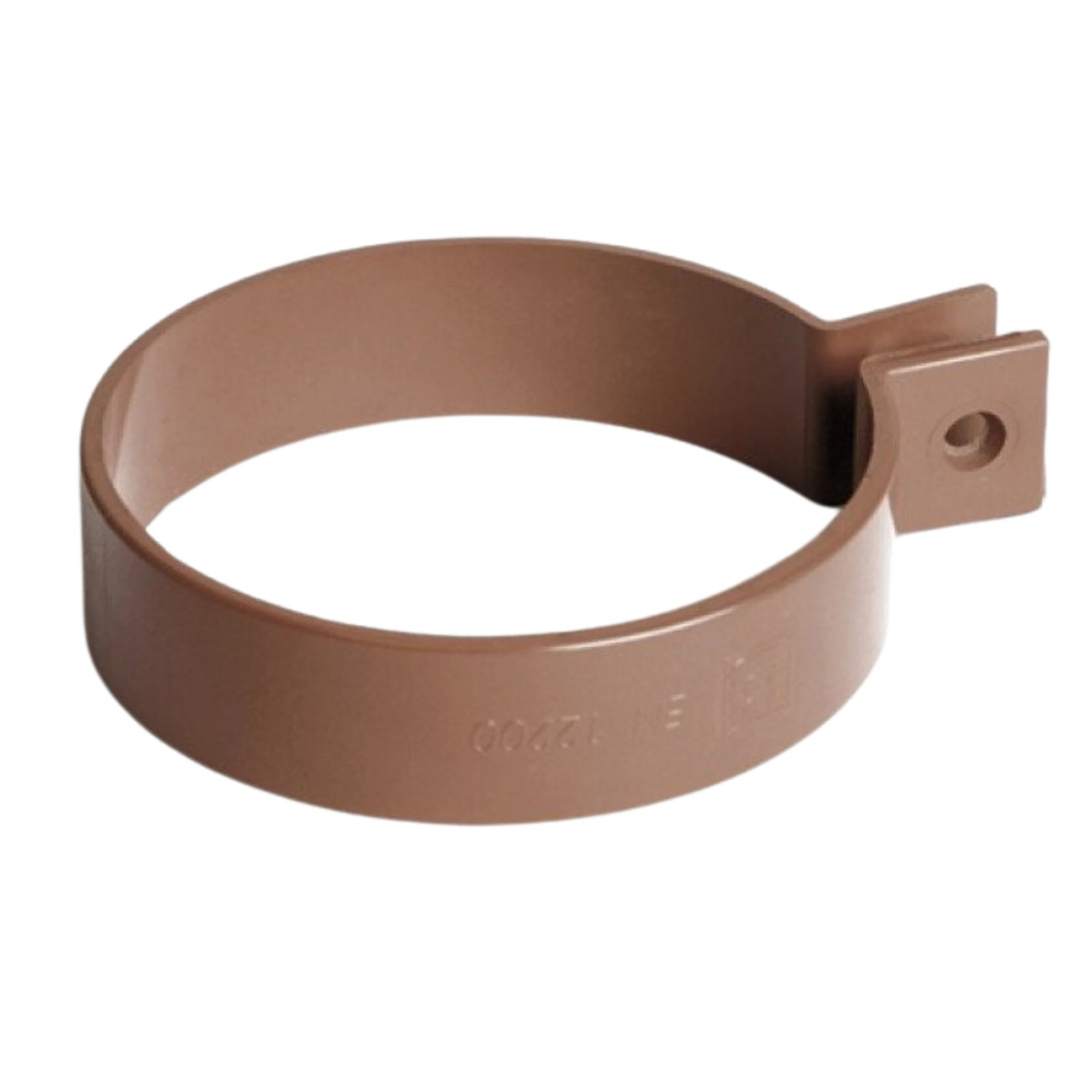
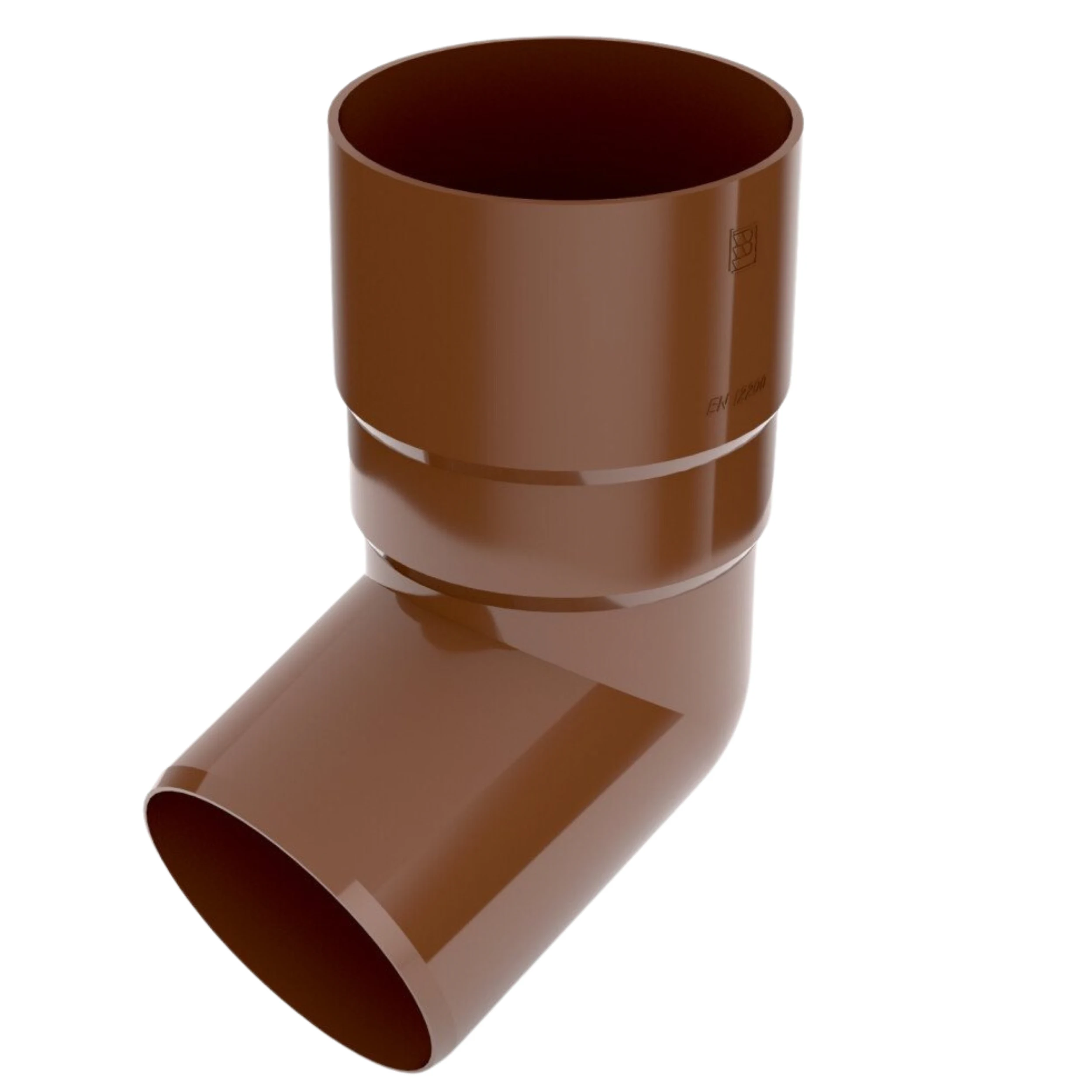
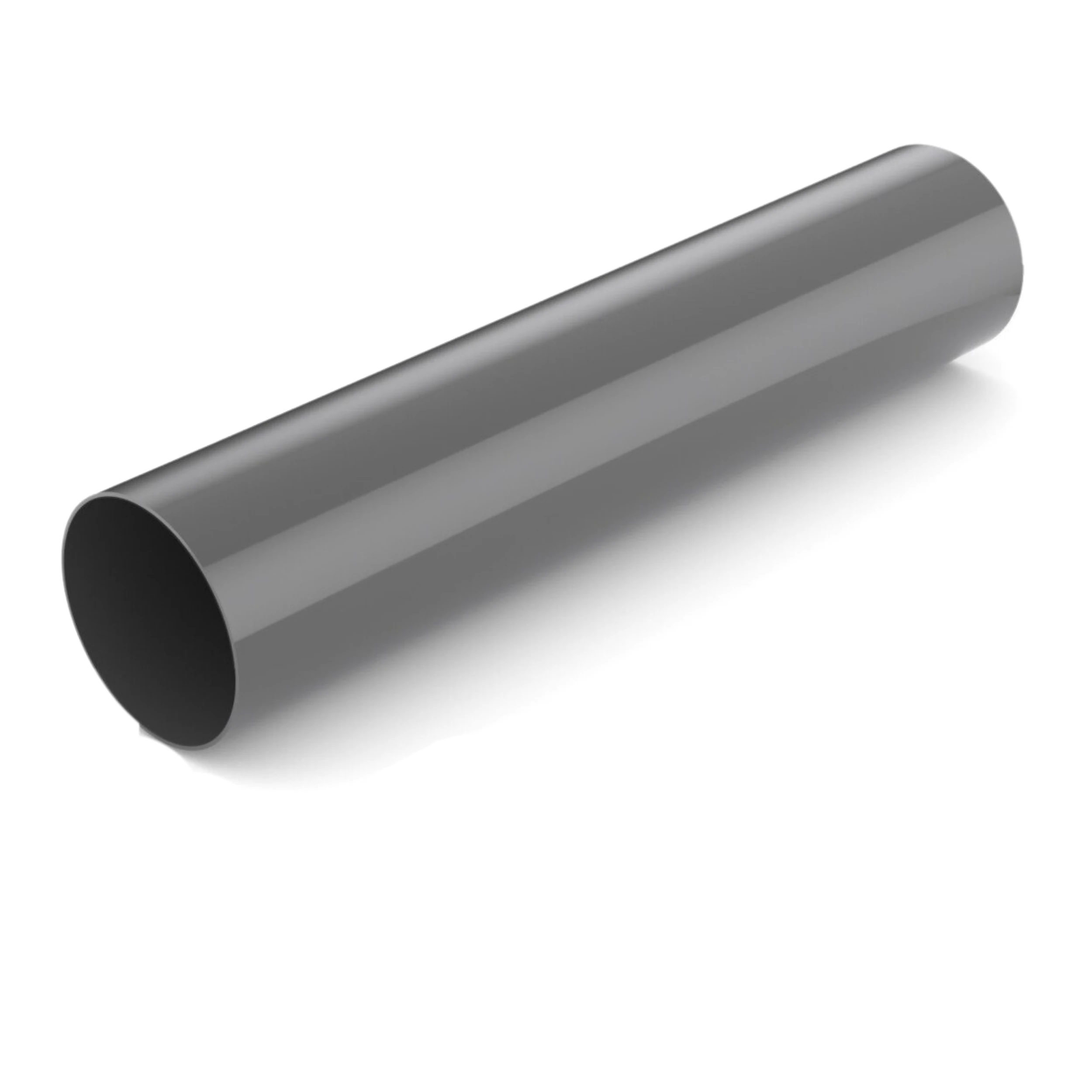
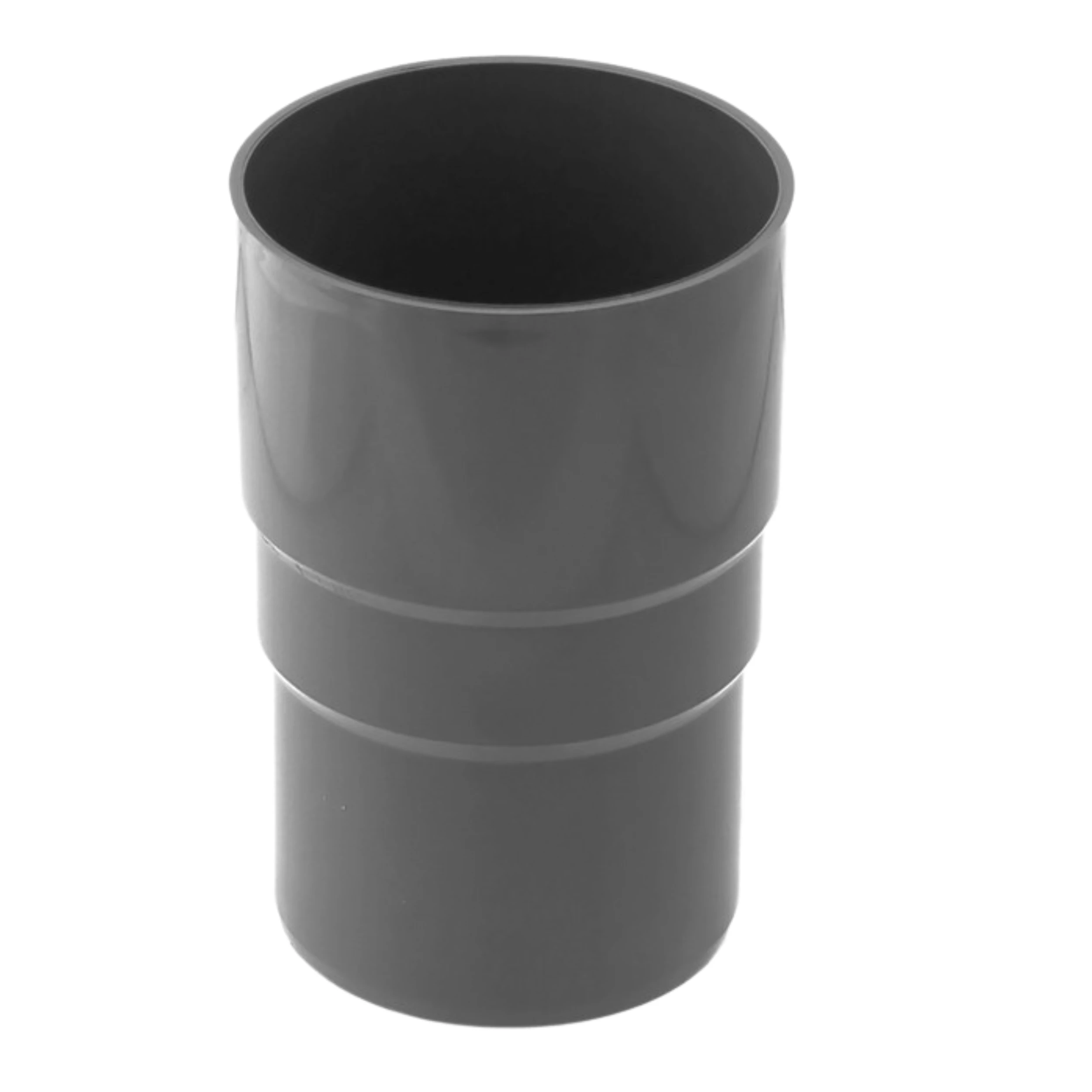
Downpipes need appropriate clamps, joints and inspection access. Protect coatings, use suitable tools and remove swarf during installation. Care with small accessories matters as much as care with long gutter sections.
Does a cover mean the whole system is concealed?
A cover may hide only the gutter front, leaving an external downpipe. Concealing the pipe requires additional space and insulation continuity details. Separate these scopes in the order so the desired appearance matches the work actually priced.
A cover must permit cleaning and access to connectors. Consider water behaviour during partial blockage. Rain, leaves and frost still affect the assembly; a neat enclosure does not remove the need for a safe overflow route.
How can it be compared with a half-round system?
Price two complete systems serving the same roof: gutters, brackets, corners, outlets, clamps and end caps. Include covers and their fitting where specified. The profile’s metre price omits accessories that can form a substantial cost share.
Also compare material, protection, warranty and spare-part availability. Shape does not define the properties of coated steel or other materials. Finding a compatible replacement corner years later may matter more than a small initial saving.
How should the system be maintained?
Match inspections to nearby trees and other debris sources. Check valley discharge points, joints and coatings, removing deposits before they restrict flow. A gutter interior hidden behind a cover is not evidence that it is clean.
A successful square system combines suitable proportions, confirmed capacity and careful installation. Choose a complete assembly with instructions and a maintenance plan. Its geometry can then complement the house while the installation fulfils its essential drainage function.

Free quote
What to include in your enquiry
Tell us how you plan to use the material, the dimensions and the quantity you need. Include the thickness, grade or variant name, along with the delivery town or your preferred collection branch. For a specific product, add its name or a link to the product page. We will reply to the email address you provide to discuss availability and the terms of your order.
More from the building guide
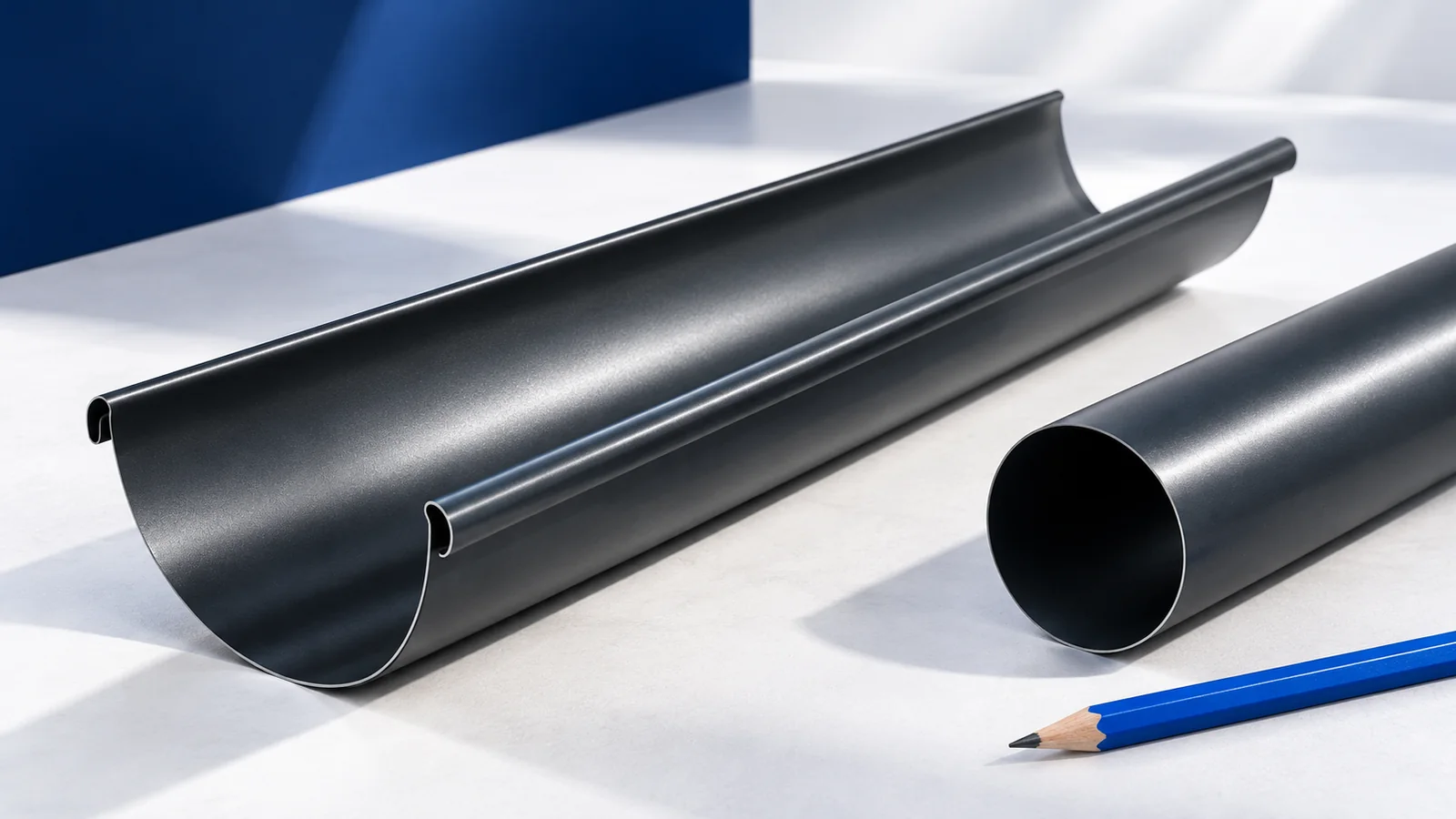
Choose steel or PVC gutters after mapping the route of water from the roof. Material affects stiffness, weight, surface protection and thermal…
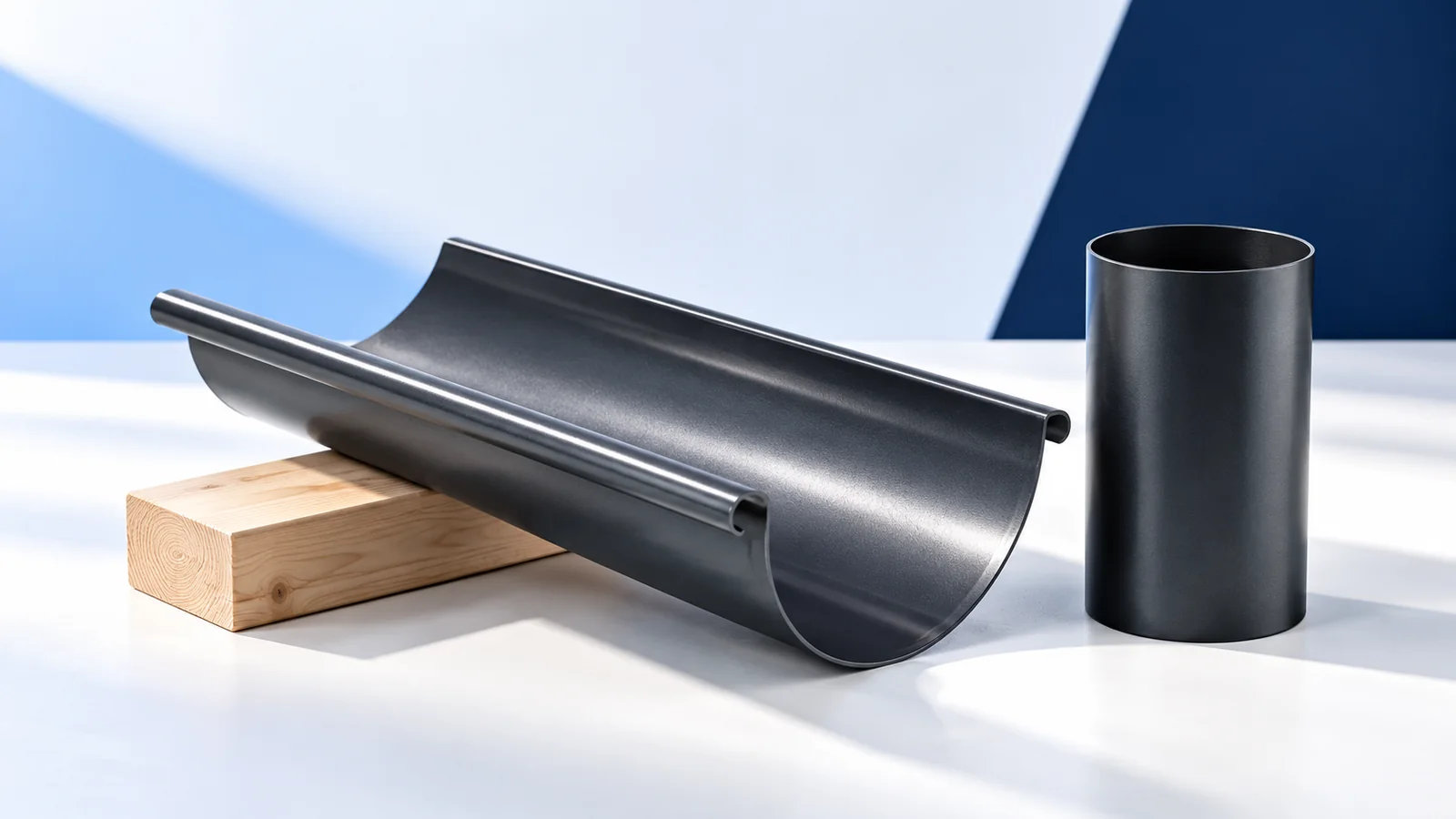
Concealed gutters on a metal roof require drainage to be designed together with the eaves and façade. A fascia cover changes the…
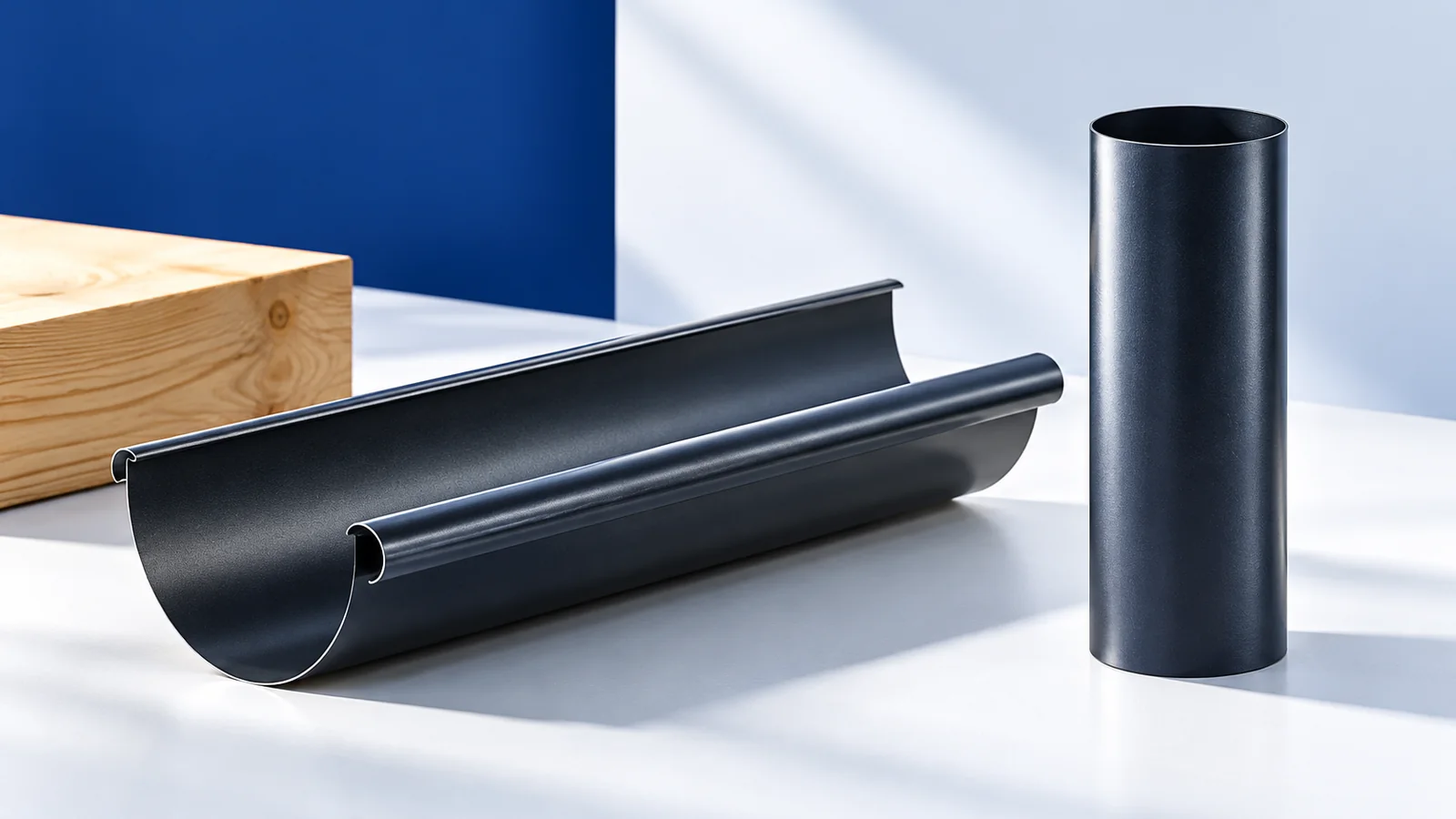
Start gutter selection for a metal roof with the amount and direction of runoff, then consider shape and colour. Relevant details include…
When buying a complete roof, establish where the supplier’s scope ends and the installer’s begins. Structure, substrate, protective layers and covering are…
A concealed gutter changes the eaves appearance but must still collect roof runoff and discharge it safely away from the building. Its…