






Are steel roof tiles a sensible choice for a new roof?
Costs and formalities
Choose steel roof tiles by their fit with the building, rather than searching for the year’s universally best covering. Low weight, different formats and coating options can help when they suit the structure and roof geometry. Cutting, accessories and the complete roof assembly still need costing. This guide compares situations favouring cut-to-length sheets and modules, and explains the limits of prices per square metre. Dated catalogue figures are examples, not a current offer. Coating specifications, delivery documentation and roof-space comfort also feature. This approach identifies practical benefits of a higher-priced option and compares alternatives without overlooking the layers hidden in a finished roof.
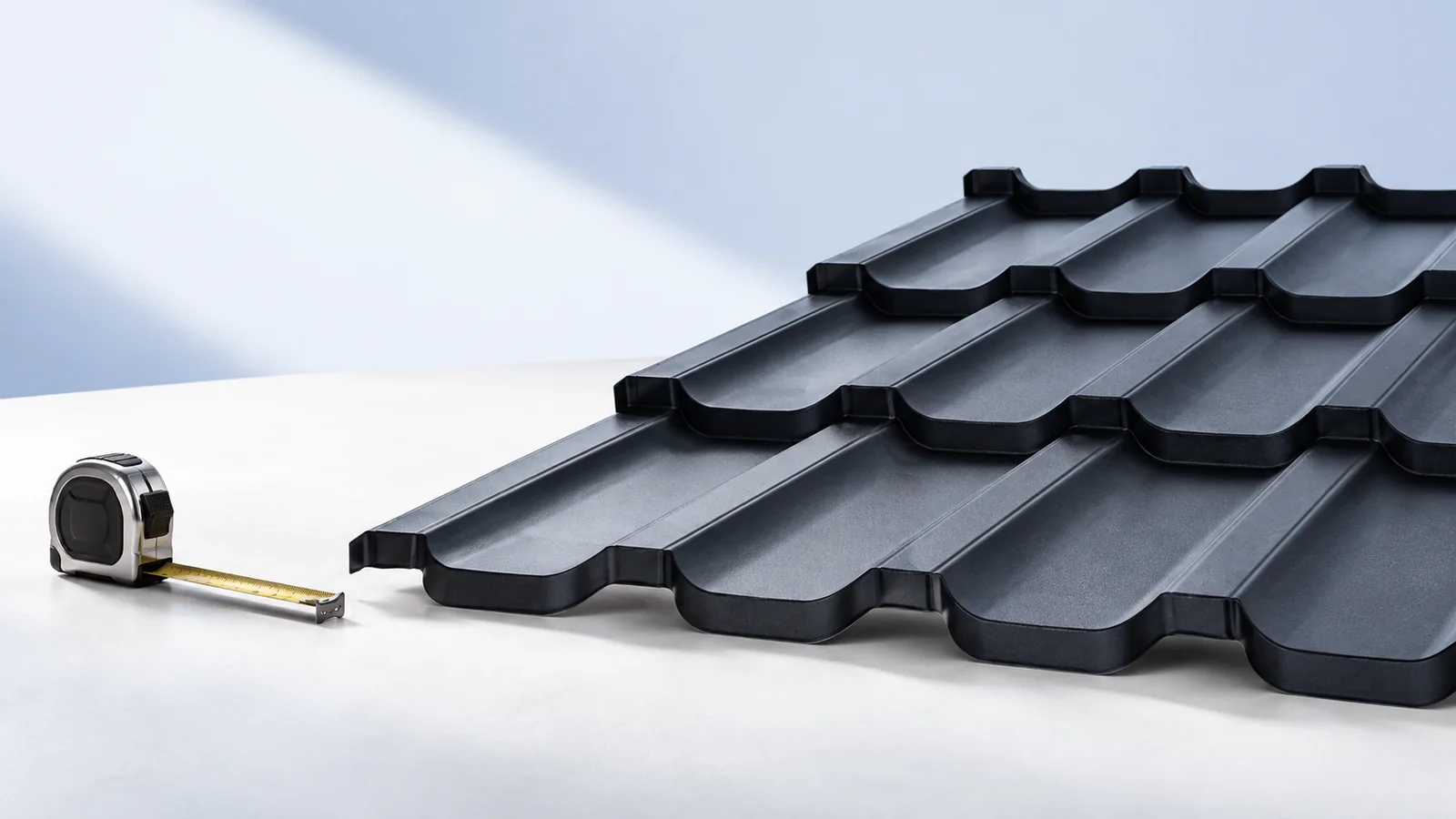
Which needs can steel roof tiles address?
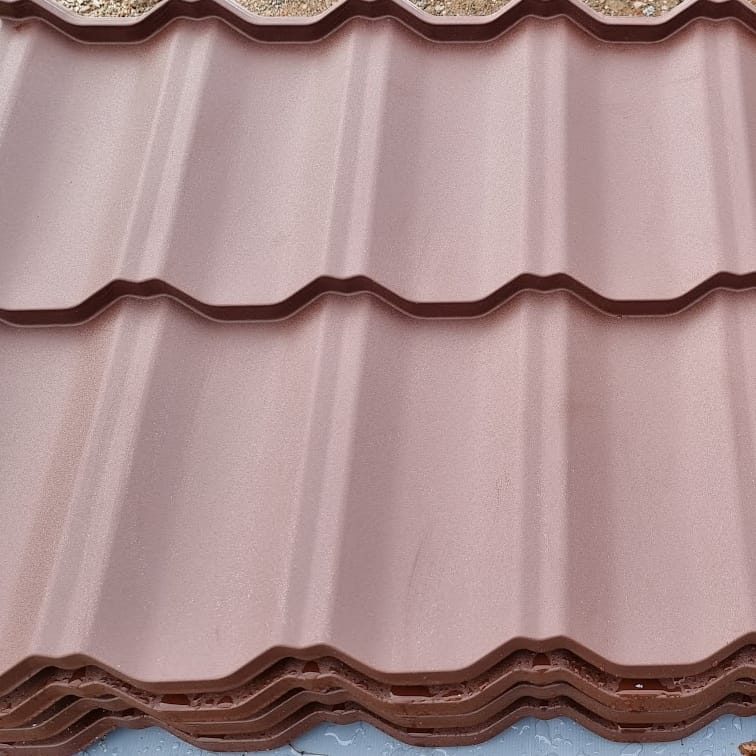
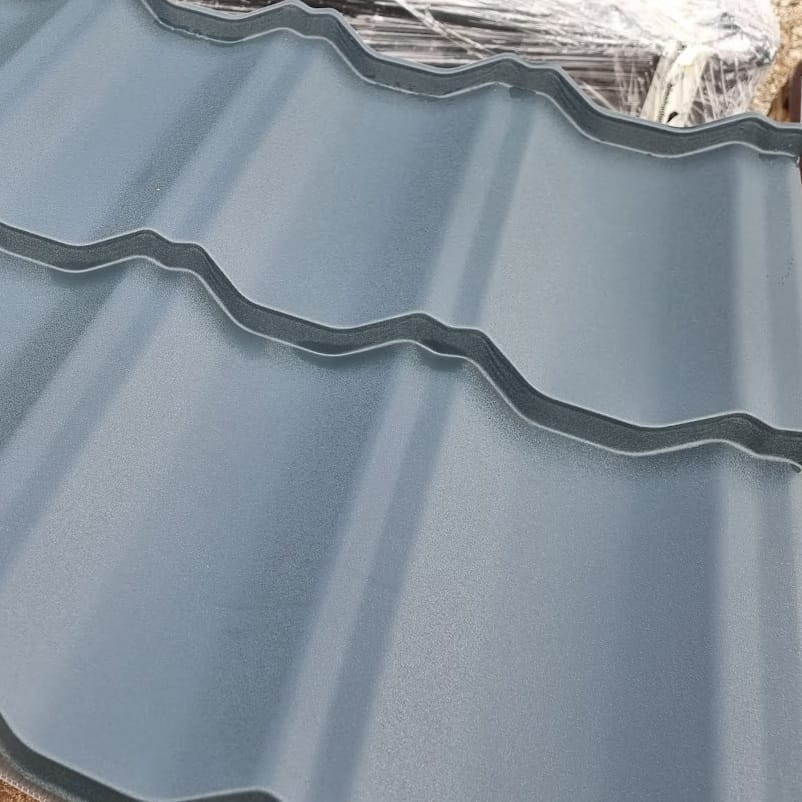
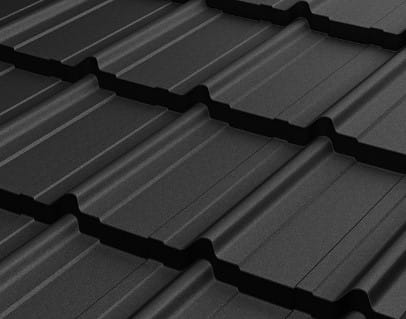
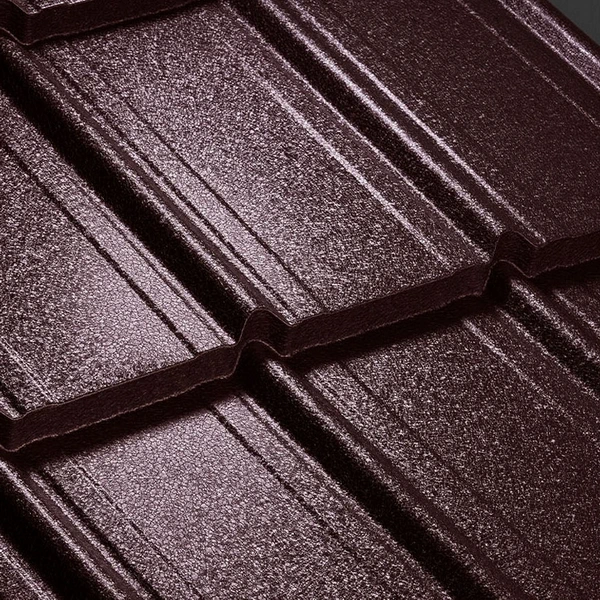
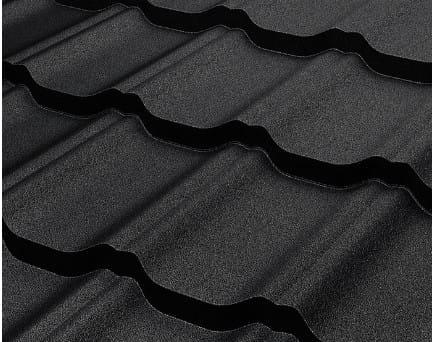
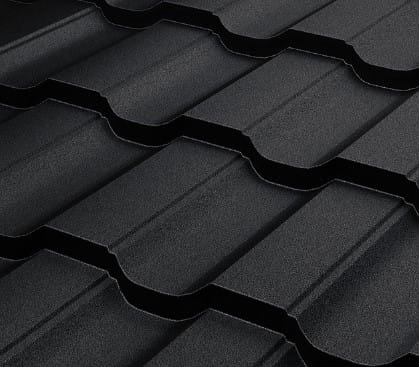
Profiled steel recreates rows of roof tiles with comparatively low covering weight. Different formats, colours and surface protection options allow adaptation to simple roofs and more elaborate buildings, including some refurbishment projects.
Permitted pitch, suitable supports and correct roof layers remain essential. Steel roof tiles alone neither insulate a room nor repair rafters. Evaluate their advantages as part of a complete, compatible roof assembly.
When are cut-to-length sheets useful?
On a regular slope, specified sheet lengths can reduce end joints. Accurate measurements and a transport and unloading plan are needed. Large sheets require adequate support during handling to avoid distorting their pressed profile.
Valleys and dormers can increase cut-off material. Offcuts are not always reusable because lap direction matters. Compare the square-metre price of cut-to-length sheets alongside the actual length schedule and cutting plan.
When can modular sheets justify an extra cost?
Shorter sheets simplify handling where access is restricted and around complex edges. Repeatable formats help quantity planning. Accurate battens and row alignment are still required; small sheets do not correct substrate errors.
Compare reduced waste, installation convenience and later repairs against the extra cost. Check steel and coatings in both proposals. A higher price may reflect different material specifications rather than merely shorter modular sheets.
What do the historical price examples show?
A catalogue effective from 28 October 2026 listed an example cut-to-length roof tile sheet with 25 µm polyester at PLN 39.35 net per effective m² and a modular example at PLN 43.86. The corresponding catalogue totals including 23% VAT were PLN 48.41 and PLN 53.95. Calculating from rounded net figures can differ from the catalogue result by one grosz.
These are historical PLN figures for particular entries, not a current Budowlanka.org offer. They exclude cutting requirements, accessories, transport and labour. Different coatings or order conditions change the result; these are not complete-roof prices.
What should a higher price provide?
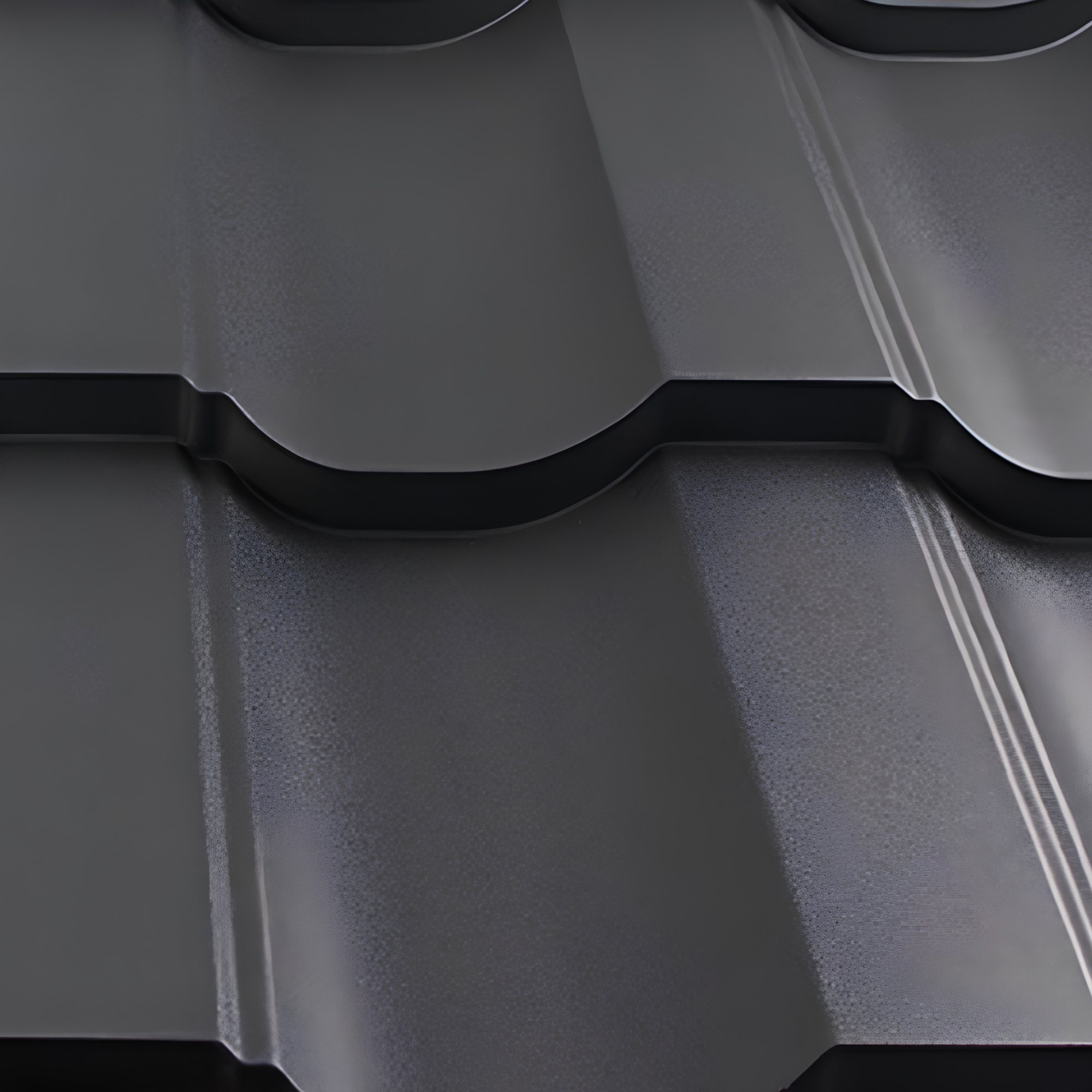
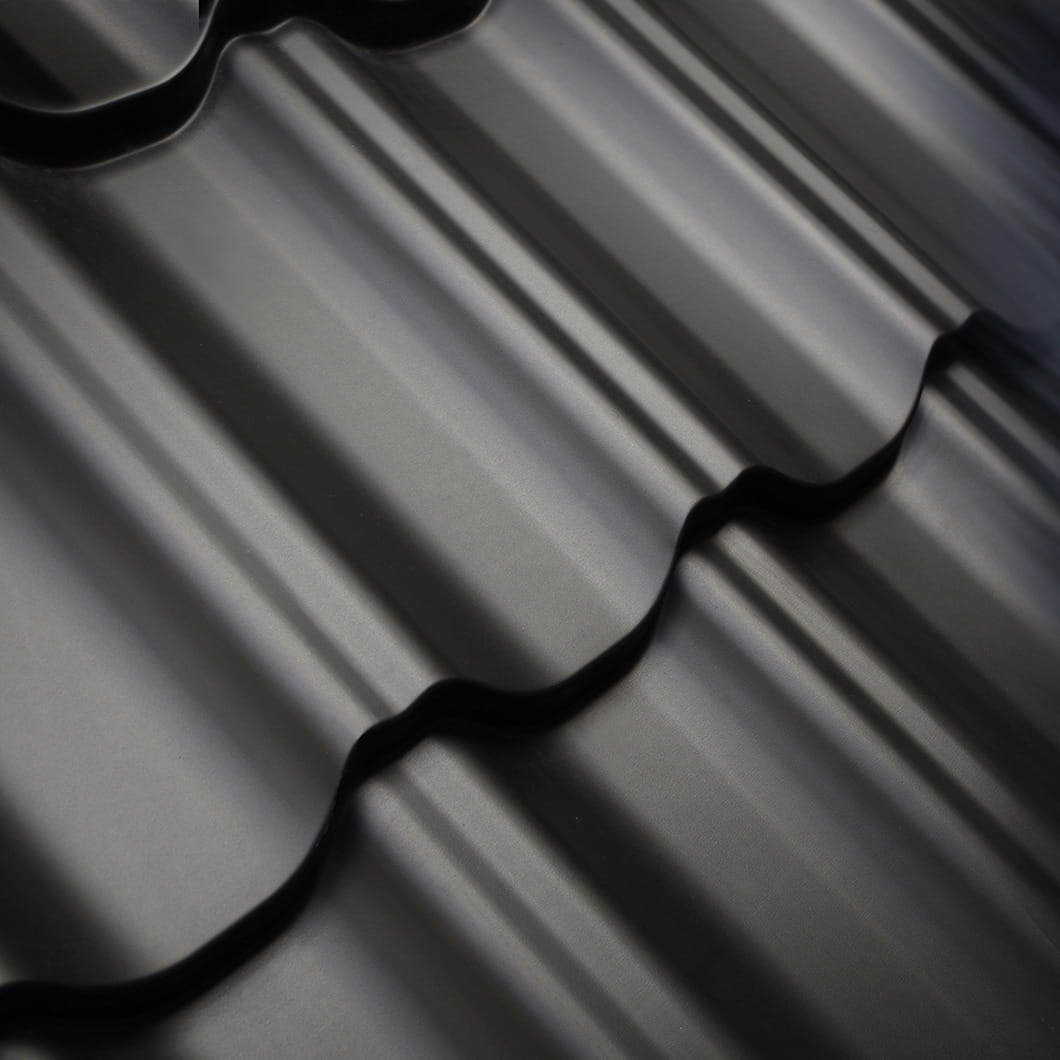
An extra cost should meet a need: protection in the intended environment, better sheet utilisation or compatible accessories. Read warranty and maintenance requirements. A matt appearance alone does not prove quality; documentation must establish performance.
Clear delivery identification also matters: full designation, agreed batch and available accessories. Missing data makes seemingly cheaper material harder to assess. For a roof that will be costly to replace, an unambiguous specification reduces uncertainty.
Which alternatives deserve comparison?
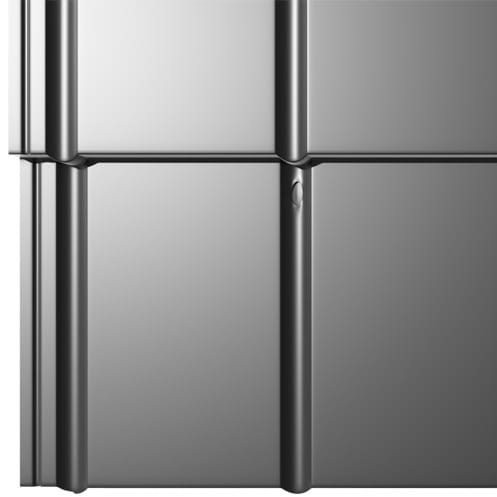
For a simple modern building, consider T18 or T35; for some commercial premises, compare roof sandwich panels. Each may need different supports and layers. Compare roofs delivering the same functions, not just their outer surfaces.
Assess roof-space warmth and acoustics through insulation, airtightness, ventilation and finishes. Tapping a loose sheet does not reproduce a completed roof in rain. The complete design is needed to discuss occupant comfort.
How can value for money be checked?
Compare two suitable proposals including waste, supports, flashings and installation. Ask about maintenance and repairs, and view a similar building with comparable pitch. This gives a stronger basis than a material ranking detached from your project.
A sensible steel roof-tile choice rests on confirmed specifications, calculated sheet layouts and appropriate workmanship. It needs no assumption of superiority over every other covering. The finished result and full cost must match the particular home’s needs.

Free quote
What to include in your enquiry
Tell us how you plan to use the material, the dimensions and the quantity you need. Include the thickness, grade or variant name, along with the delivery town or your preferred collection branch. For a specific product, add its name or a link to the product page. We will reply to the email address you provide to discuss availability and the terms of your order.
More from the building guide
The cost of a sandwich-panel hall depends on the scope of the project. A frame with cladding is a different purchase from…
Clear gutters carry rainwater from the roof to the intended outlet. Leaves, twigs and silt can slow the flow even in a…
Before cleaning a roof, identify the covering, assess its condition and work out how the team can reach it safely. Only then…
In Poland, the procedure for work on a roof depends on what will actually change. Are you restoring the roof, altering its…
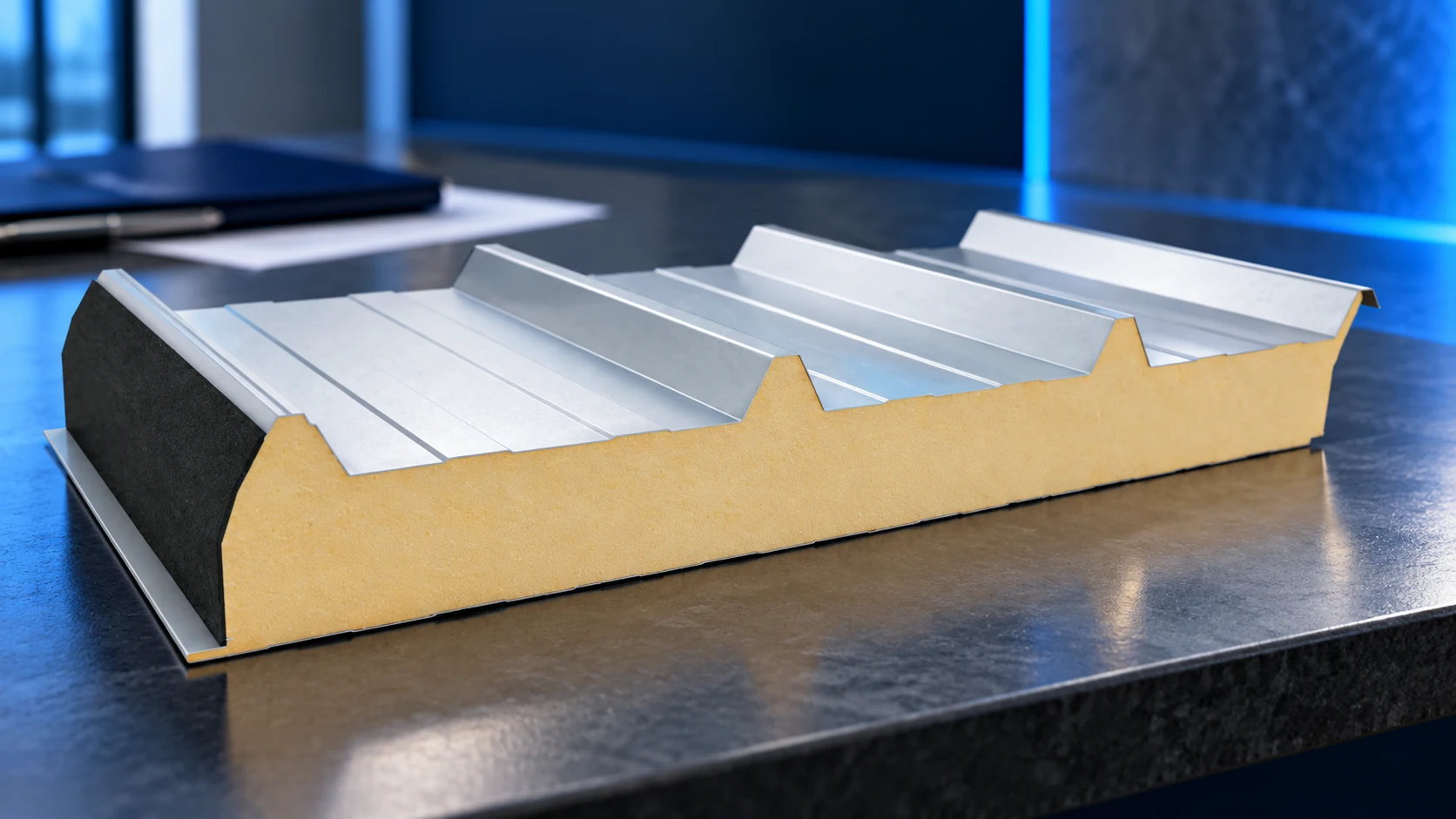
A sandwich-panel price per square metre becomes useful only when the product is specified. Core type, thickness, facings and coating all affect…
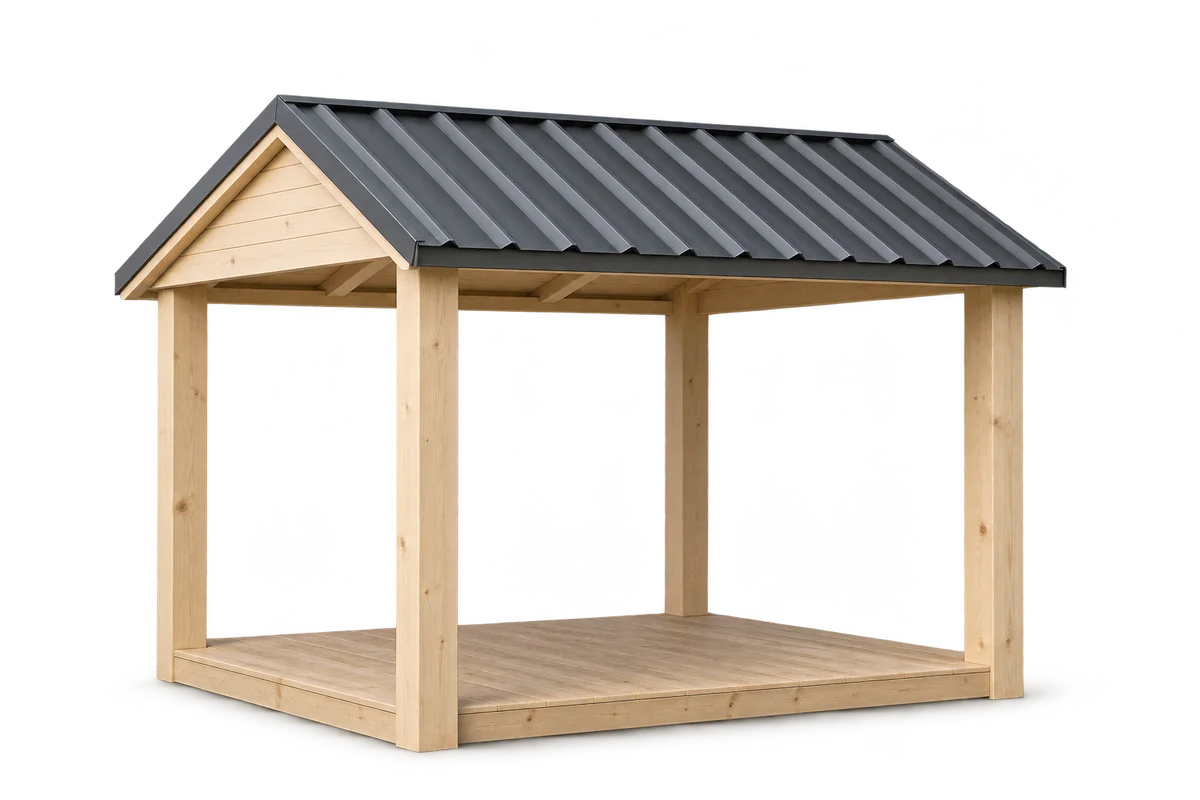
Start by deciding what the gazebo is for, how large it needs to be and where it will stand. Then choose the…
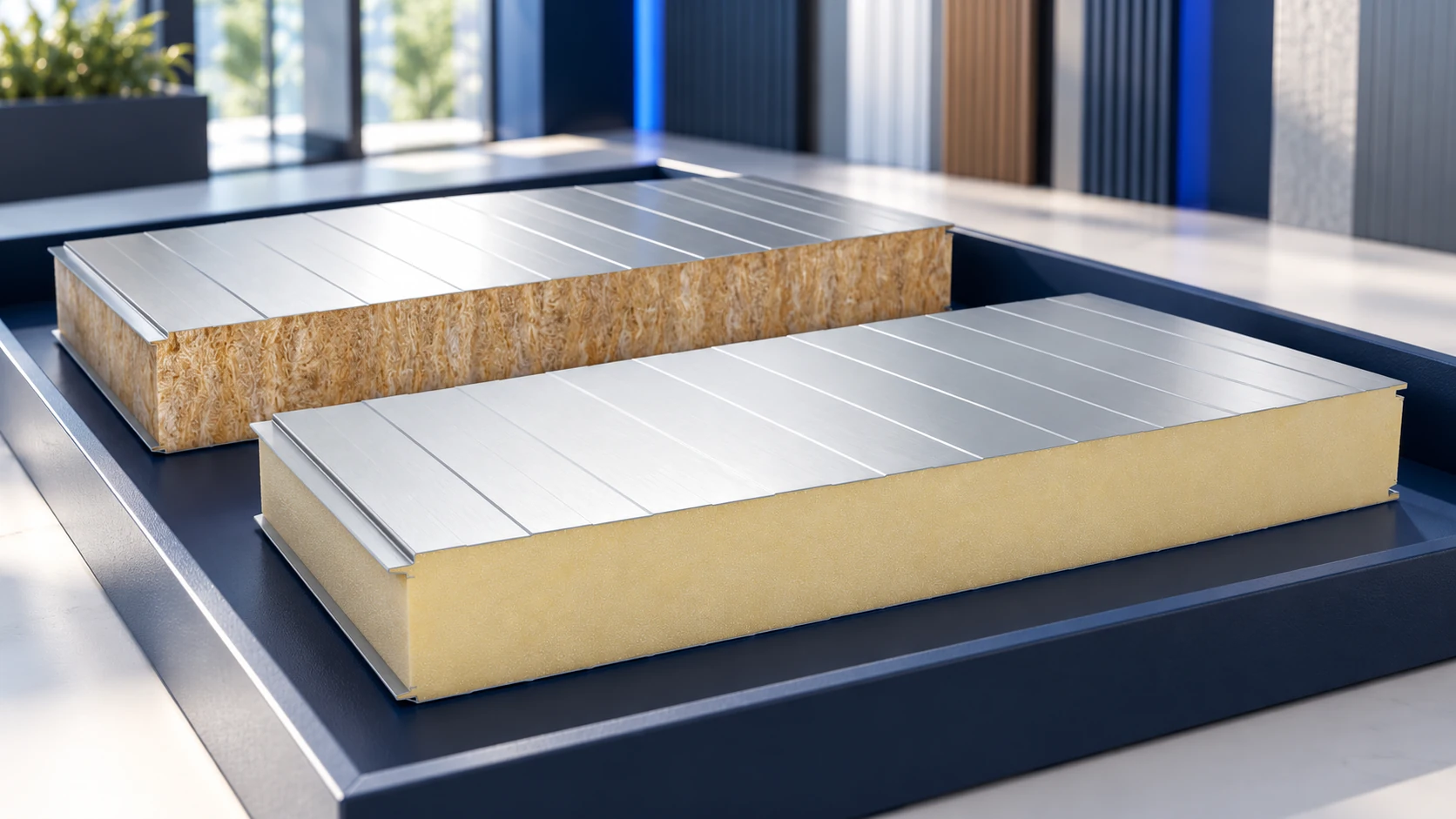
In Polish sales listings, “płyta obornicka” usually means a sandwich panel, but the name does not identify its core, thickness or intended…
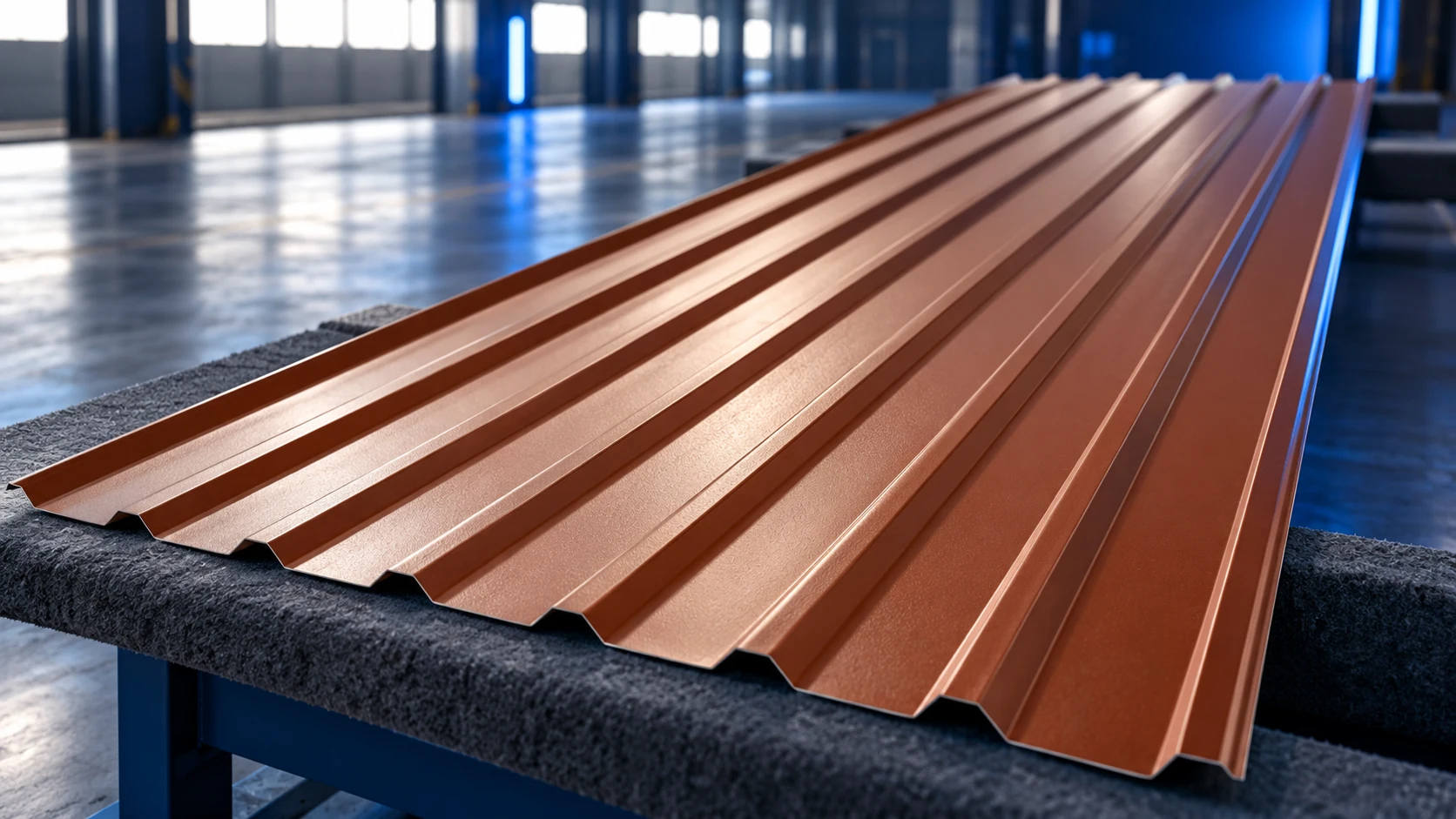
The cost of 100 m² of roofing sheet cannot be compared with a quotation for 100 linear metres until the sheet's cover…