Energy bills after insulating a home: separating lower consumption from price changes
PIR insulation
After insulating a home, check both energy consumption and the cost of purchasing it. A lower bill alone does not prove that the insulation has improved: it may reflect a different price, a shorter billing period or milder weather. A higher bill does not rule out reduced consumption either. A useful comparison needs meter readings, consistent units and information about changes to heating and building use. This guide helps prepare a household record before and after renovation, distinguish measured figures from estimates and recognise the limits of simple conclusions. It concerns assessment of insulation improvements, not tariff selection, and does not replace an energy analysis where savings must be attributed to a particular upgrade.
Start recording before the renovation
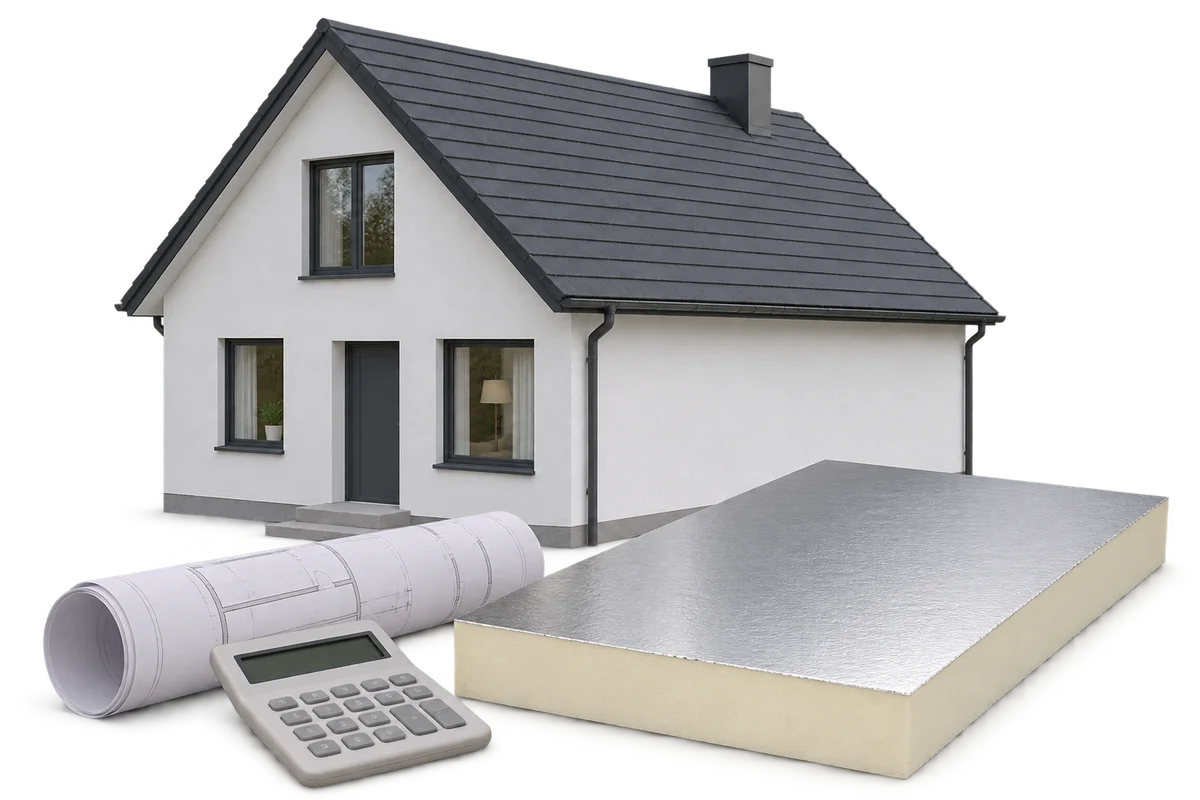
The first entry should identify the meter reading, its date and what the meter measures.
Collect bills from before work began and mark when the insulation was completed. Keep readings taken when a heating appliance or meter was replaced too. Without start and end dates, a document will not establish which part of a season is being compared.
Check readings and billing periods
Use one table for start and end dates, readings, units and data sources. Mark actual, estimated and corrected figures separately. When a settlement replaces an estimate, update the record rather than adding it as a separate quantity of energy consumed.
Check period lengths before calling the figures annual results. A January invoice may cover earlier months. Allocate consumption by the service dates, not the payment date. Unequal intervals need an agreed comparison method; similar amounts of money do not make them comparable.
Record energy separately from expenditure
An arithmetic example only: recorded consumption was 12,000 kWh in one period and 10,000 kWh in the other. The difference is 2,000 kWh, approximately 16.7% of the first figure. This describes a measured difference. Without checking the conditions, it does not show that insulation caused the entire reduction.
Record the tariff and rates applying to each invoice period. Do not replace a historical price with today’s price without explaining the purpose. Comparing actual expenditure and valuing both consumption figures at a common price answer different questions; present them separately.
Account for weather and household use
If a bill includes charges independent of current consumption, separate them. Do not reduce the entire bill by the same percentage as the energy reduction. Where time-based rates apply, retain the consumption split if it is available.
When comparing seasons, note differences in weather, temperature settings and occupancy schedules. Observing that one winter was milder is not enough for a precise adjustment. Where the result is meant to verify retrofit savings, weather correction should follow a suitable analysis of the data.
Distinguish simultaneous improvements
Check whether the meter measures heating alone. Hot water, household appliances or newly introduced vehicle charging can change a shared reading. If there are no separate measurements, state that limitation. Do not automatically attribute the entire difference to wall or roof insulation.
Mark heating-system replacement, control adjustments and other work on the same timeline. When they occur together, two annual bills alone generally cannot isolate their contributions. Describe the combined changes and uncertainty instead of inventing individual percentage shares.
Review a season without overstating the evidence
At season end, summarise the periods, readings, costs, changes in use and unresolved issues. Distinguish the observed result from an estimate for comparable conditions. If missing data prevent a conclusion, identify the measurements or documents needed to check it later.
Keep the record for the next season with consistent column definitions. Log corrections and their reasons rather than silently overwriting assumptions. This documentation supports assessment after renovation and further questions for a specialist; it does not turn one bill into a guaranteed payback period.

Free quote
What to include in your enquiry
Tell us how you plan to use the material, the dimensions and the quantity you need. Include the thickness, grade or variant name, along with the delivery town or your preferred collection branch. For a specific product, add its name or a link to the product page. We will reply to the email address you provide to discuss availability and the terms of your order.

More from the building guide

A green roof can form part of a nursery retrofit. The structure must support the full build-up and the insulation must be…
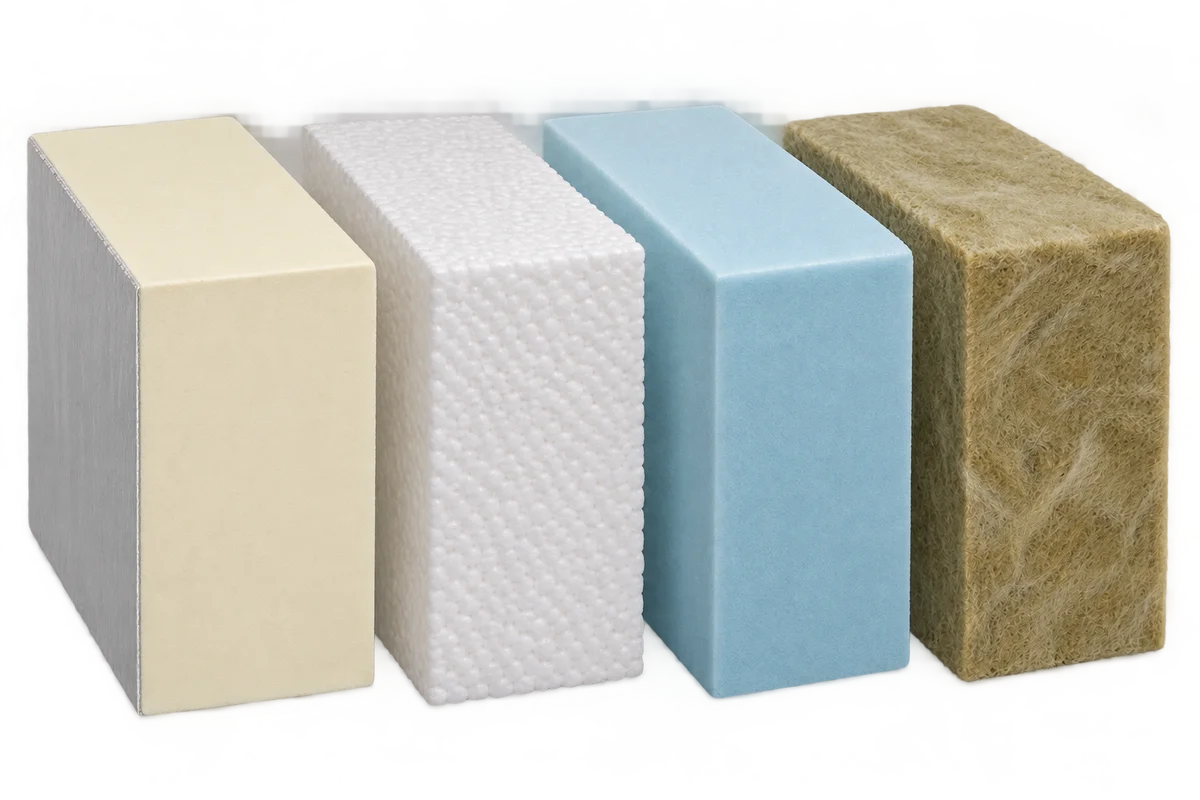
Different insulation materials can work together in one building element when each solves a specific problem. PIR can keep the build-up thin,…
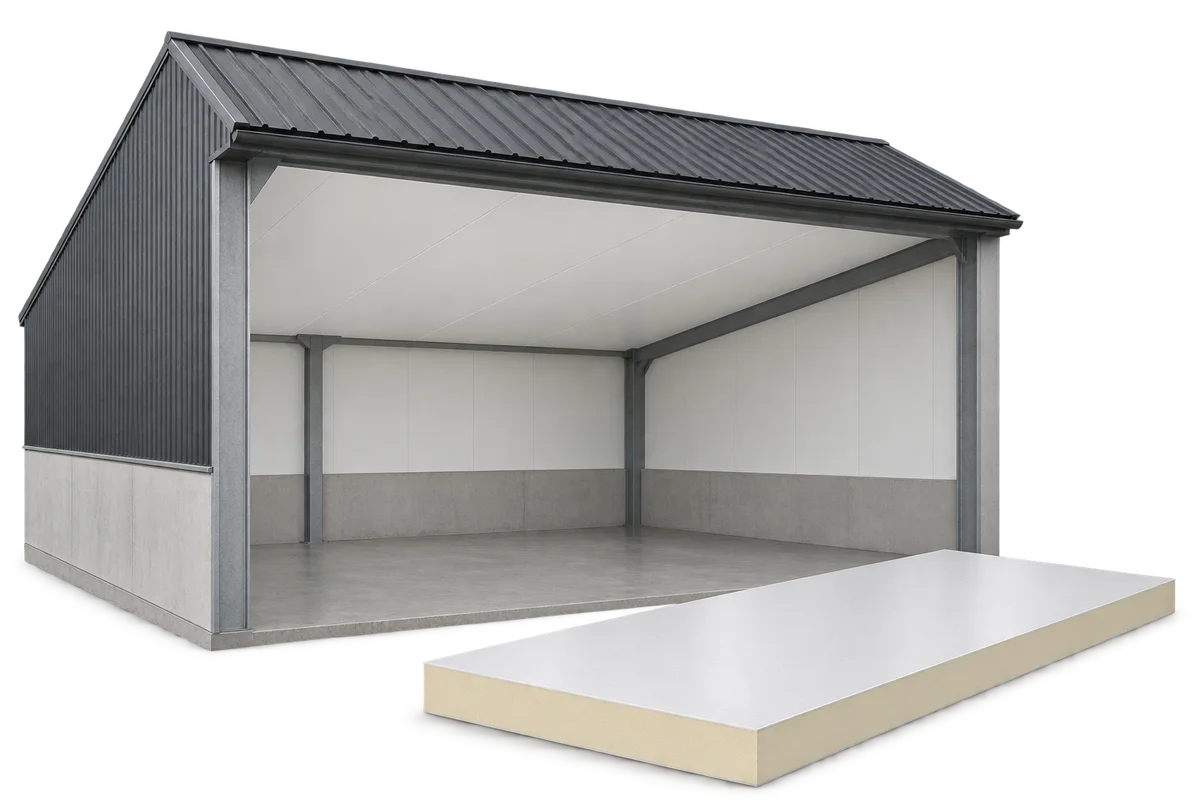
An internal ceiling can separate a heated or climate-controlled room from the roof void. In a cattle shed or warehouse, its appearance…
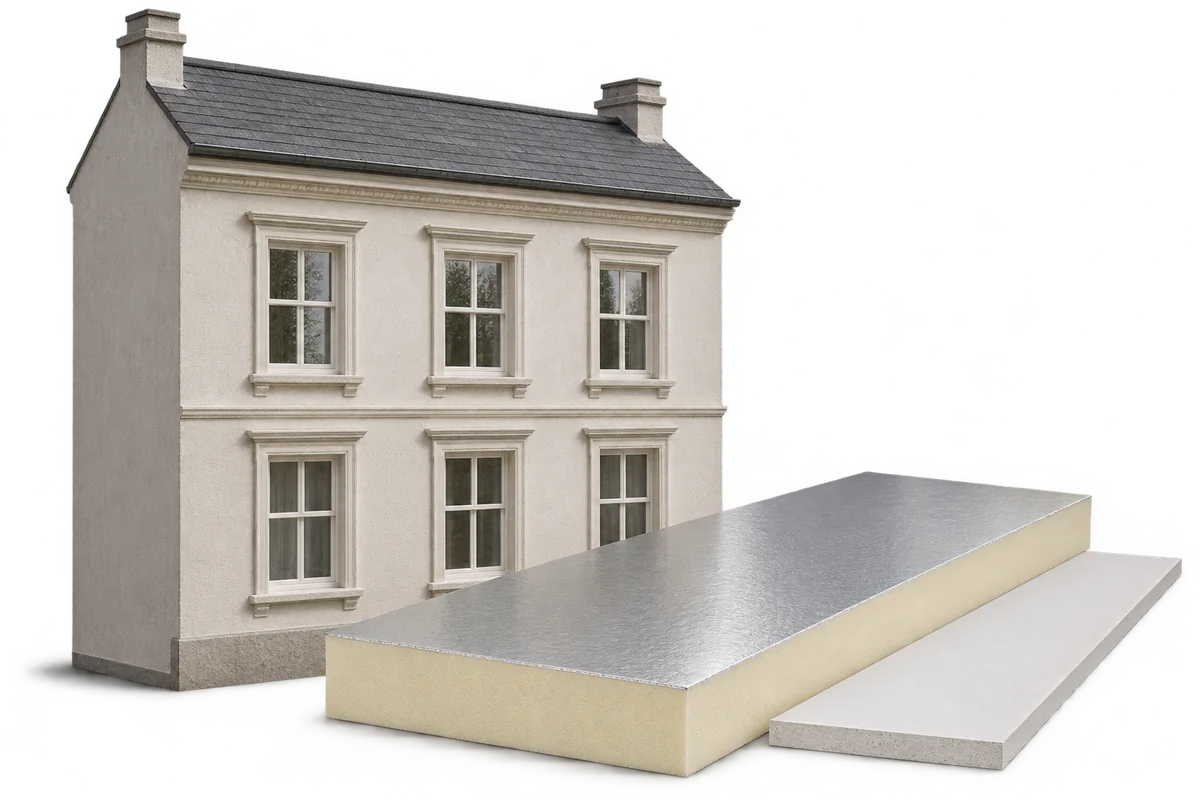
Before choosing insulation or finishes for a historic building, establish which features give it its character, what condition it is in and…
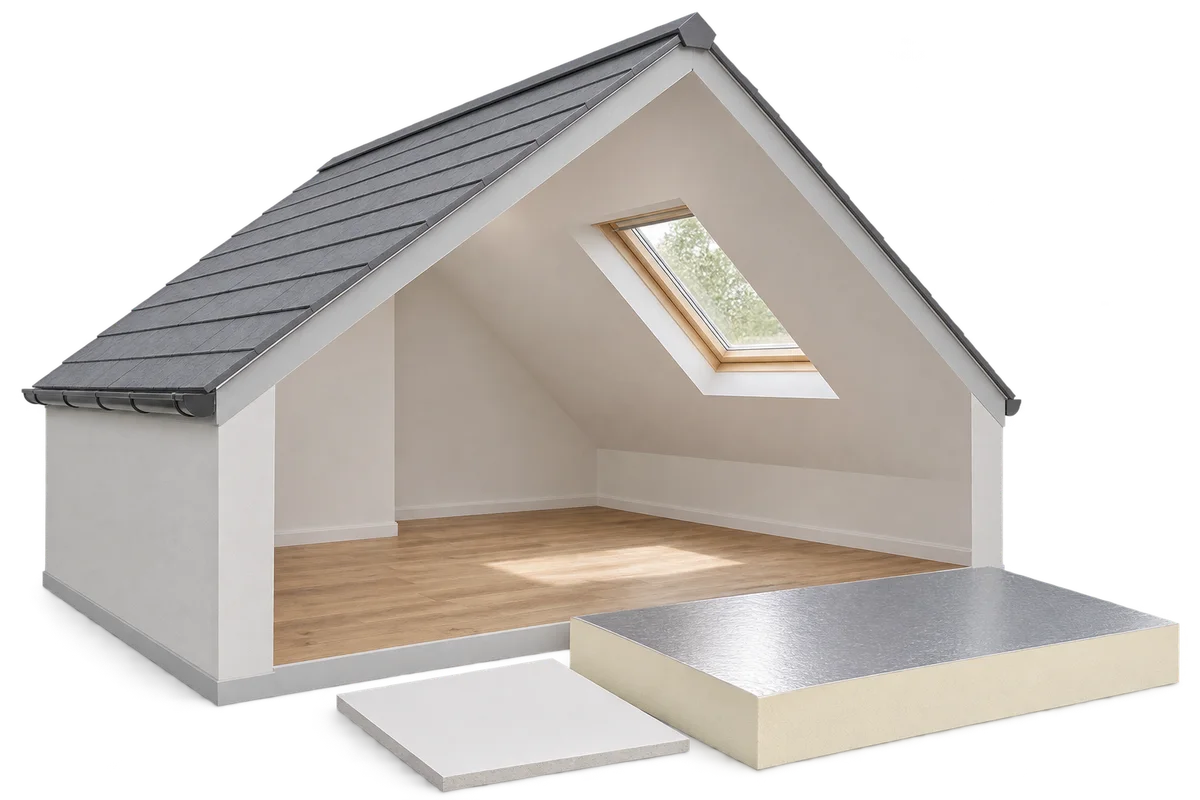
A loft fit-out starts well before the first plasterboard goes up. Inspect the roof, plan the insulation and establish how the layers…
Two contractors can quote for the same barn ceiling yet price different jobs. One may include only the face of the panels;…
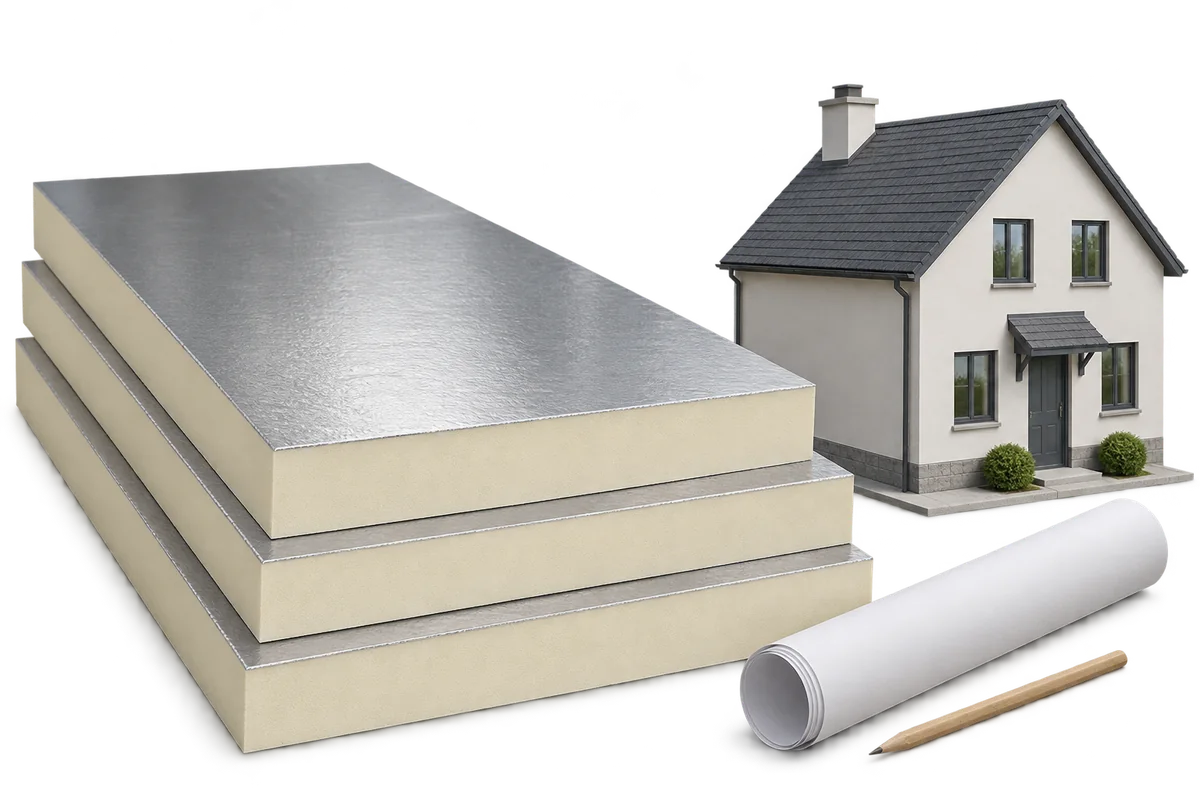
An energy retrofit works best when the roof, wall and floor insulation is planned together with windows, heating and ventilation. PIR can…
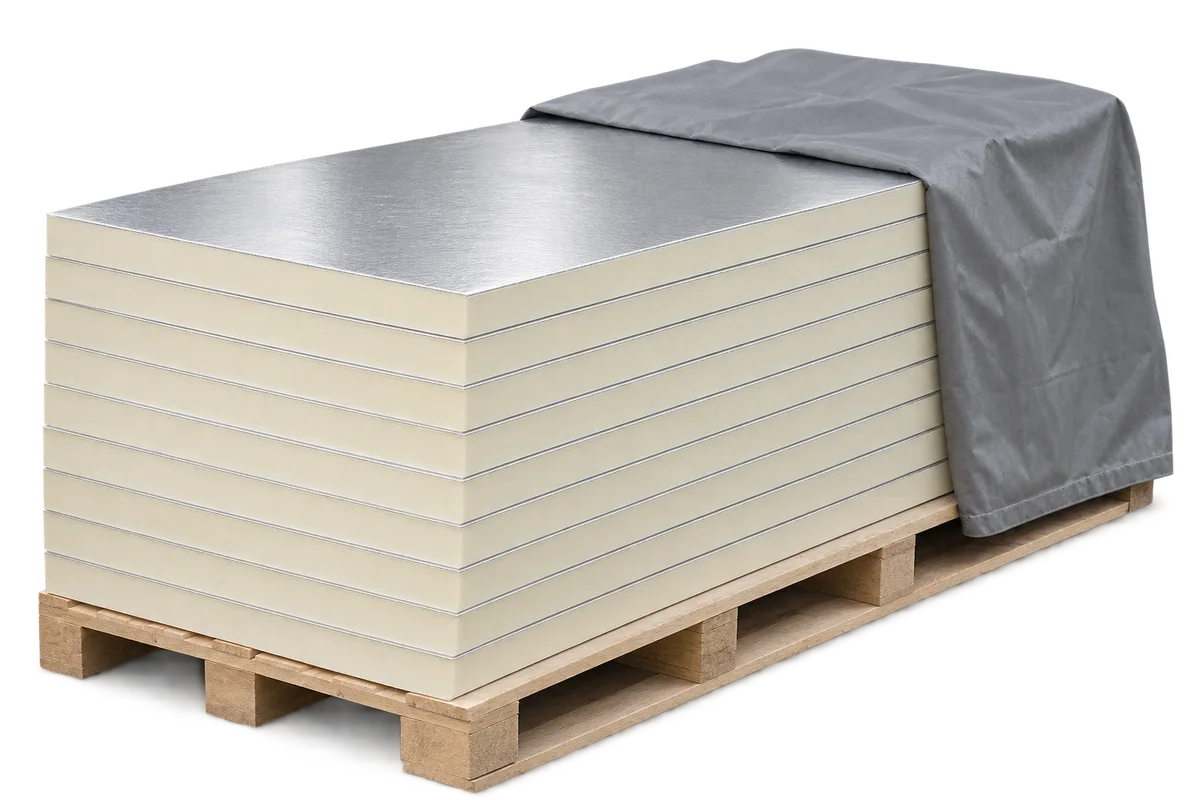
Several packs on the lorry may look alike without containing the same board. When insulation arrives, check the product designation and intended…