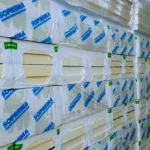
Which membranes belong in an insulated roof?
Insulation and lofts
Choose membranes for an insulated roof by looking at sections through the eaves, slope and roof window. On the room side, vapour control needs to be continuous and the assembly must be airtight. Beneath the covering, water that reaches the underlay needs a route out. For both layers, check intended use, vapour resistance and joint details. Whether the underlay can rest on insulation depends on its documentation and the roof design. For a refurbishment, first identify the existing layers and how they can dry. Include tapes, adhesives and penetration seals in the order.

What does the room-side layer do?
Follow the room-side layer from the slope to the wall, around the window frame and past cables. A gap at any of these points can carry humid indoor air into the assembly. Water vapour may condense when that air reaches a cold surface.
Plan service routes and lining supports before laying the membrane. Choose suitable connections for each substrate to limit later punctures. Before adding a low-permeability layer to an old roof, assess whether the timber and insulation will still be able to dry.
What does the outer roof underlay do?
Wind-driven rain at a lap or droplets of condensation can reach the underlay. Check on the drawing where water drains off its surface. The layer can also limit wind washing through insulation. Where it will touch mineral wool or boarding, check that this installation is permitted.
Identify an existing underlay from its markings or records before adding insulation. Some constructions also need a gap below the underlay. Before filling the space, ask the designer to identify the gap’s function and its air inlets and outlets. Colour alone does not identify the material.
What does the Sd value tell you?
The Sd value in metres is the thickness of still air with the same resistance to vapour diffusion as the material. Under the same conditions, a lower Sd permits easier diffusion. For a variable-resistance membrane, check the declared range and the conditions associated with it.
Vapour diffuses through a material, while a gap can admit humid air in bulk. This is why the data sheet and the quality of joint sealing address different questions. Indoor ventilation should remove moisture generated by bathing or cooking.
How do PIR boards change the assessment?
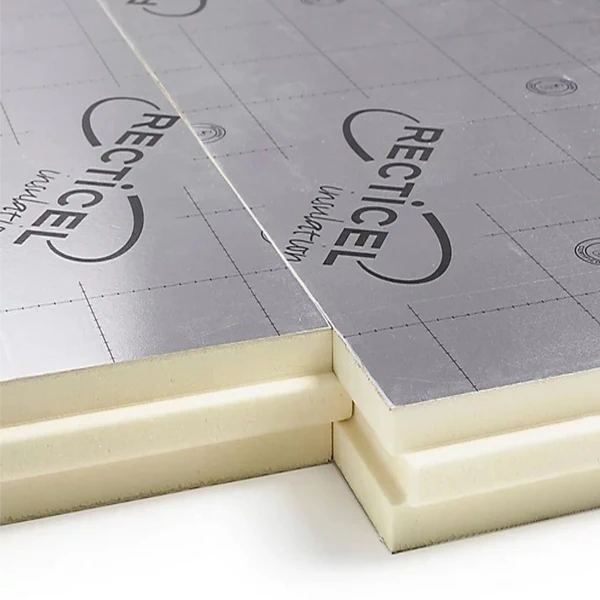
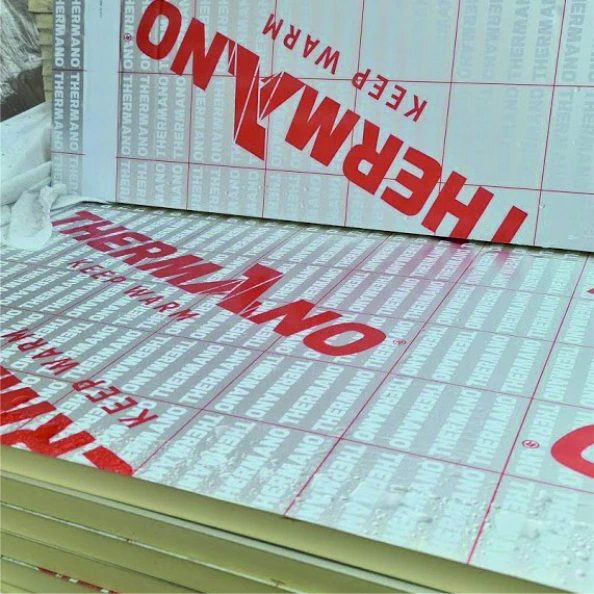
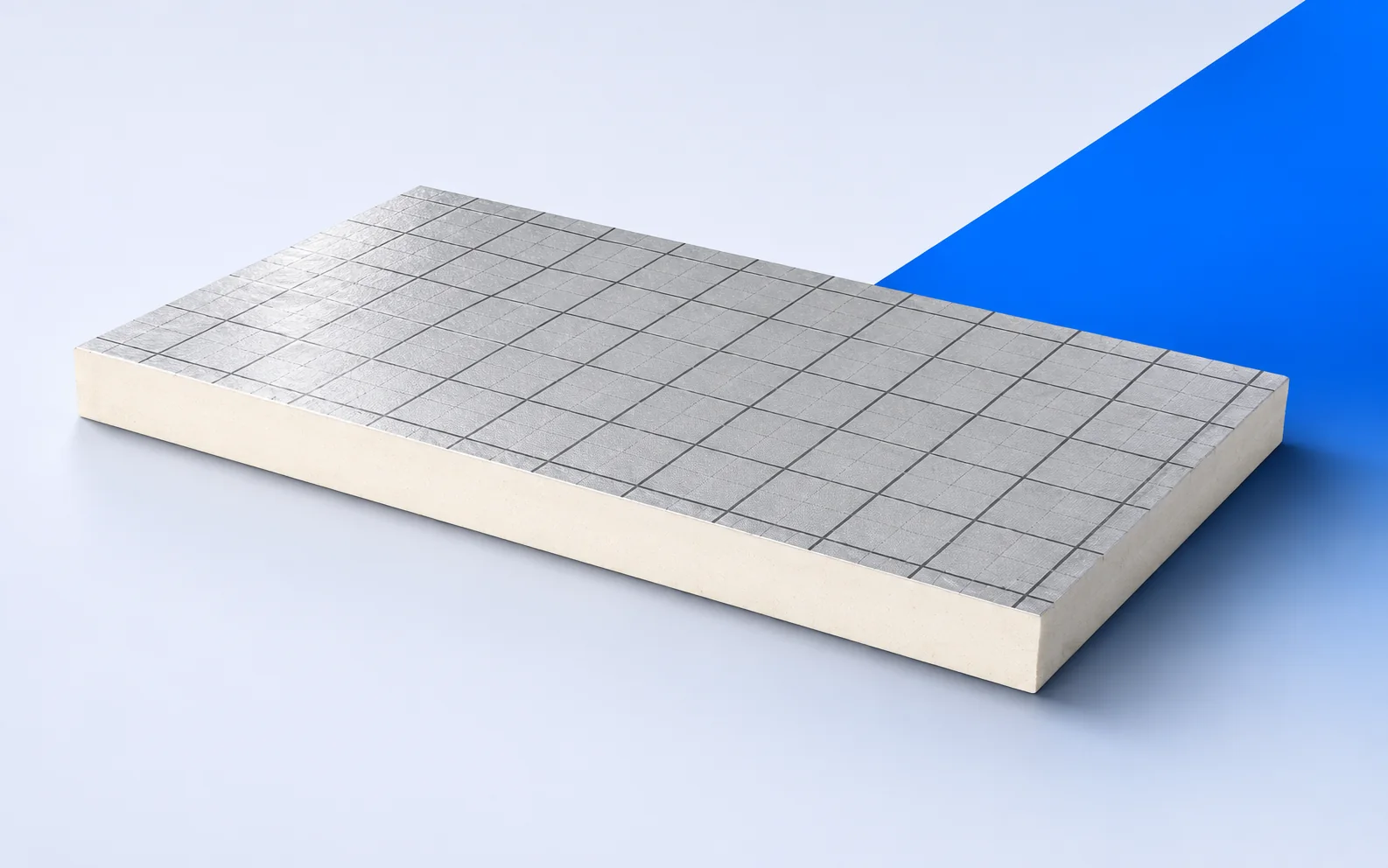
Identify the facings on both sides of PIR boards in the product data. A high-resistance facing affects drying, and joints between boards affect layer continuity. If a substitute is proposed, compare the facings and joint details as well as insulation thickness.
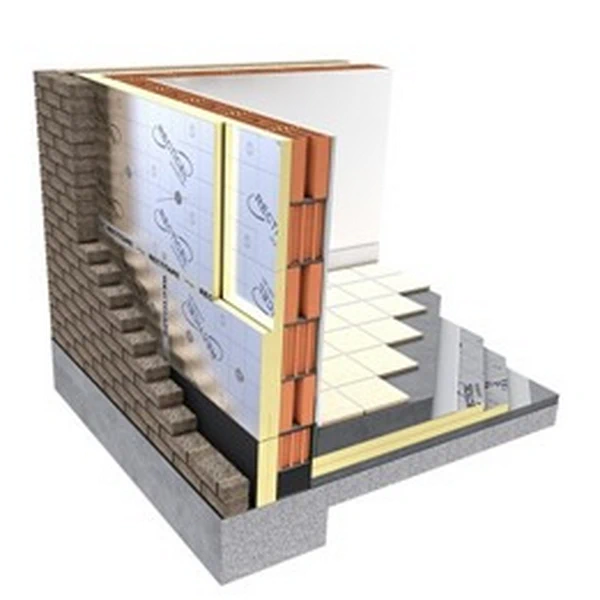
With above-rafter insulation, trace the board connections at eaves, ridge and roof windows. Use system-compatible tapes for aluminium facings. The complete roof specification should state which functions the facing performs and where a separate membrane is required.
How should joints and penetrations be sealed?
Before applying tape, check the permitted application temperature and whether the surface is clean and dry enough. Porous masonry may need different preparation from timber or smooth film. Select the recommended adhesive or primer for the actual substrate and follow its application instructions.
Mark pipes, cable groups and penetrations near structural members on the service plan. Each needs space to seal around its perimeter. At changes in direction, leave the slack specified by the system so that structural movement does not concentrate stress on the tape or membrane.
What belongs in the order and handover record?
List the inner and outer layers separately. For each, calculate the slope area, allowance for laps and upstands, and joint lengths. Use these lengths and the number of penetrations to specify tapes, adhesives, primer and collars. Quotations can then be compared for the same scope of work.
Before closing the lining, inspect each joint and photograph it with the room and location identified. Keep roll labels and tape references with the as-built section. If damp appears later, the record will help locate a possible route for water or humid air.

Free quote
What to include in your enquiry
Tell us how you plan to use the material, the dimensions and the quantity you need. Include the thickness, grade or variant name, along with the delivery town or your preferred collection branch. For a specific product, add its name or a link to the product page. We will reply to the email address you provide to discuss availability and the terms of your order.



More from the building guide
Before comparing PIR, cellulose and wood fibre, decide which space will be heated. Rooms under the roof need a different insulation line…

A house-building schedule should show what must be ready before each trade arrives. Roofing depends on foundations, walls and supports, while closing…
Before winter, trace the water path from the ridge to the downpipe discharge. From a safe position, note any damp marks after…
A roof sandwich panel can suit a low or steeper pitch when the manufacturer's conditions cover the proposed assembly. A “flat roof”…

A roof valley collects runoff from two adjoining slopes and carries it towards the eaves. Its watertightness depends on the flashing section,…
When specifying IDELCO α-therm ROOF, identify what secures the insulation to the deck and what holds the waterproofing in place. These two…

Installing an integrated solar roof brings the roofing and electrical trades together at several stages. First confirm the design and structure. Prepare…
Read the rise and horizontal run on the roof section. If the second support is 5 cm higher over a horizontal metre,…