






EPS, XPS or PIR: matching insulation to its location
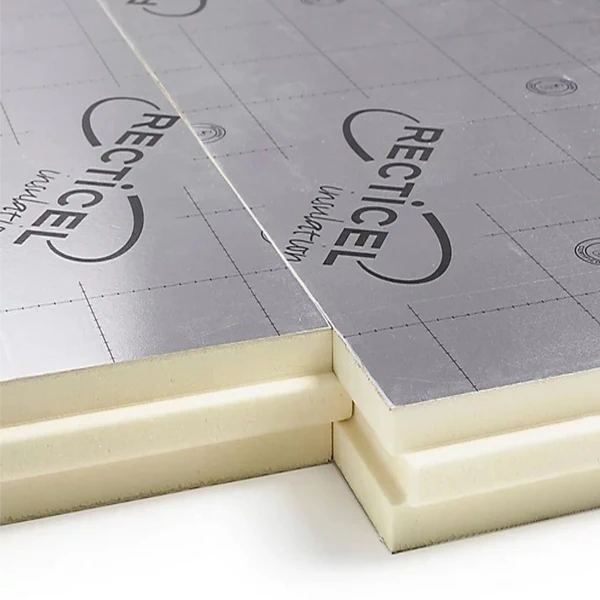
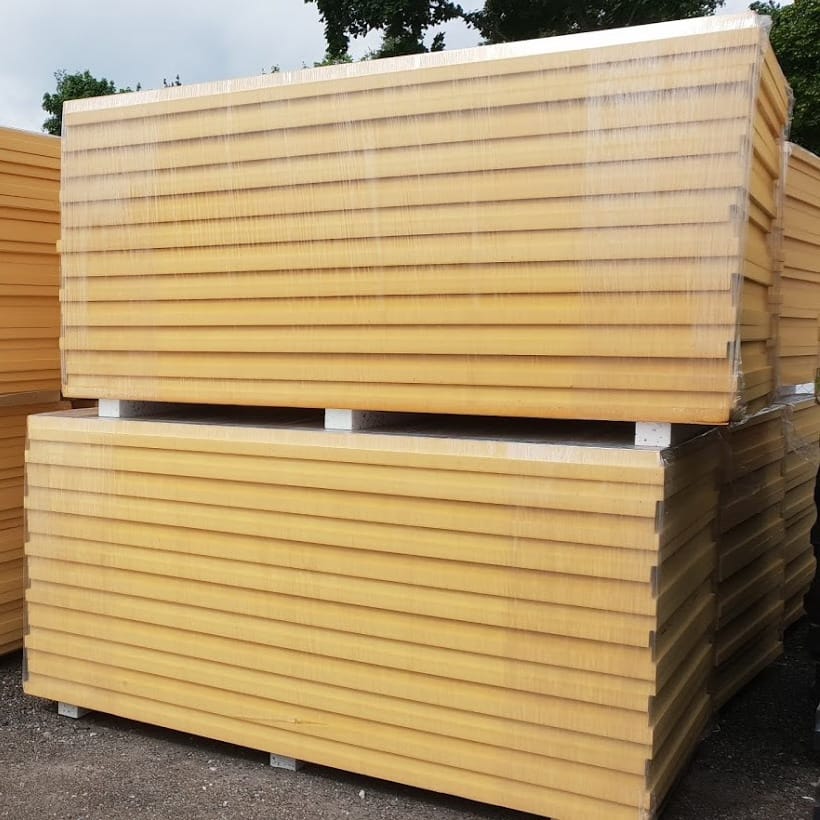
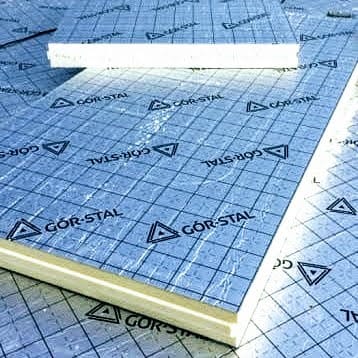
PIR boards and insulation
Insulation selection starts with its position in the building. A rendered wall, a roof and a continuously loaded floor impose different requirements. EPS, XPS and PIR are not interchangeable in every assembly. Compare products intended for the same task and assess thermal conductivity alongside moisture behaviour, mechanical performance, fire properties and installation details. This guide explains when facing type, waterproofing position and long-term loading become decisive. Its numerical examples compare stated properties rather than entire material families. The lowest lambda value can save thickness, but it does not establish that a board belongs in the chosen construction system.
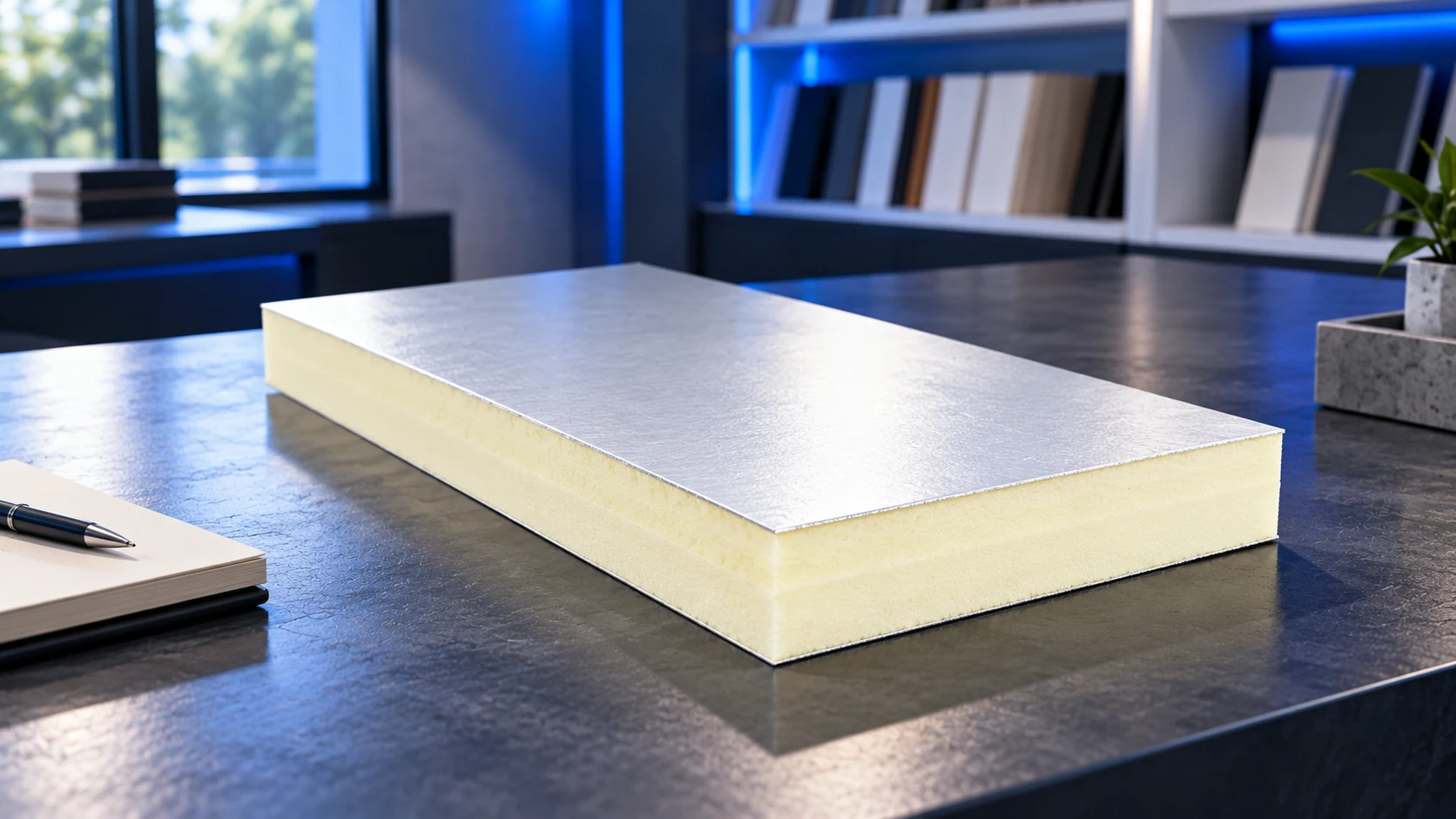
Clarify the material names
EPS is expanded polystyrene, the familiar bead-foam insulation. XPS is extruded polystyrene. PIR is rigid polyisocyanurate foam. These names identify a material type, not the full performance specification of an individual board.
Each family contains grades with different properties. Thermal conductivity, strength, moisture behaviour and intended use matter; PIR facing type also matters. Specify the exact product grade and required properties. XPS 10 cm alone is incomplete design information and omits, among other things, the parameters required under load.
Compare conductivity at the relevant thickness
Lower conductivity allows equal thermal resistance with a thinner layer. For this example, take PIR with lambda 0.022 W/(m·K) and EPS with 0.031. These are example assumptions, not properties of whole material groups. The correct value depends on the board, grade and sometimes thickness. Confirm that exact version when ordering.
In a simplified comparison, 200 mm of insulation with lambda 0.031 provides R of approximately 6.45 m²·K/W. The same resistance requires about 142 mm at lambda 0.022. This does not yet establish interchangeability. Other requirements and available product thicknesses must also be checked.
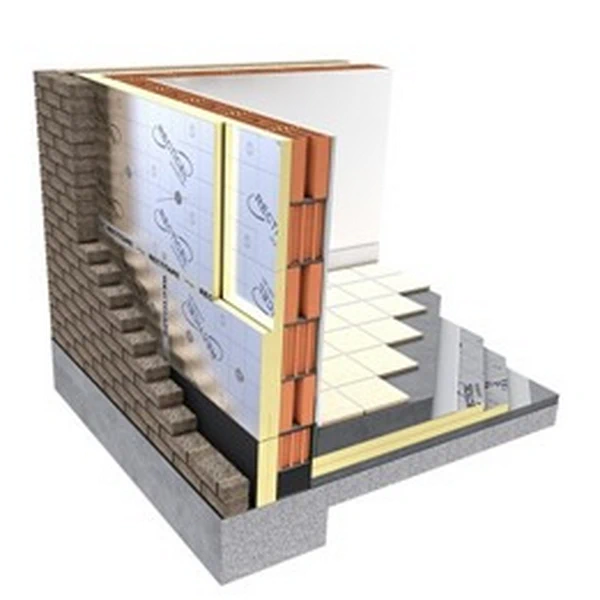
Rendered facades require a compatible system
Facade insulation must work with the adhesive, fixings, reinforced base coat and render. PIR systems may use suitably approved glass-fleece-faced boards. One selected thickness range can have lambda 0.025 W/(m·K). Do not transfer that value to another facing or product without checking its declared performance.
Do not replace a board intended for rendering with arbitrary aluminium-faced PIR simply because its lambda is lower. The surface affects adhesion and system behaviour. With EPS, also select the grade specified for the system. The assembly is assessed as a whole; a general insulation label does not establish compatibility with the selected finish.
On roofs, establish where the waterproofing sits
In a conventional roof, thermal insulation lies beneath the waterproofing. In an inverted roof it lies above, creating different water exposure. Suitable XPS products can be specified for that arrangement together with the required layers and ballast. Not every XPS grade has the same permitted uses.
Low water absorption alone does not make PIR a replacement for such XPS. Select insulation for its position relative to the waterproofing and the expected water exposure. Products intended for dry assemblies need protection against wetting. Before changing materials, check the whole section, adhesive, membrane and fixings. Effective drainage remains essential.
Under load, a kPa figure is not enough
A garage floor, a terrace and a normal residential floor have different demands. Check permanent and concentrated loads. A pedestal, shelving leg or vehicle wheel may need a different solution from uniform pressure. The design also includes the load-spreading layer.
One board might declare 80 kPa compressive stress at 10% deformation and another 120 kPa. These are test results under defined conditions, not allowable pressures throughout the service life. Long-term performance needs additional parameters, both beneath floors and under equipment supports on roofs.
Check fire, moisture and execution
A good lambda value does not determine reaction to fire or the assembly’s fire resistance. Read classifications for the particular product and construction. Added facings or different fixings may affect the document’s scope. Do not infer performance from the polymer name alone.
Internal insulation also requires attention to vapour transfer and airtightness. In basements, ground and water exposure matter. Floors introduce services and movement joints. These are different tasks, and one board is rarely the best answer to all of them. The product’s intended application should be clearly confirmed.
Compare cost only for equivalent scopes
Compare options meeting the same objective. Add material, fixings, protective layers and transport. Consider available space and the difficulty of junction details. A thinner option can simplify thresholds or reveals without necessarily being the cheapest in a simple, unrestricted assembly.
A sound selection can be stated precisely: this product, at this thickness, in this system. Statements such as PIR is better or XPS is stronger still lack information. Return to operating conditions and documentation. Only then does the comparison support a purchasing decision.
Frequently asked questions
Is XPS a distinct material type?
Yes. XPS is extruded polystyrene and EPS expanded polystyrene. The individual board’s properties determine its application, not the abbreviation alone.
Does the lowest lambda value always win?
No. The material must also meet mechanical, moisture, fire and installation requirements.

Free quote
What to include in your enquiry
Tell us how you plan to use the material, the dimensions and the quantity you need. Include the thickness, grade or variant name, along with the delivery town or your preferred collection branch. For a specific product, add its name or a link to the product page. We will reply to the email address you provide to discuss availability and the terms of your order.
More from the building guide
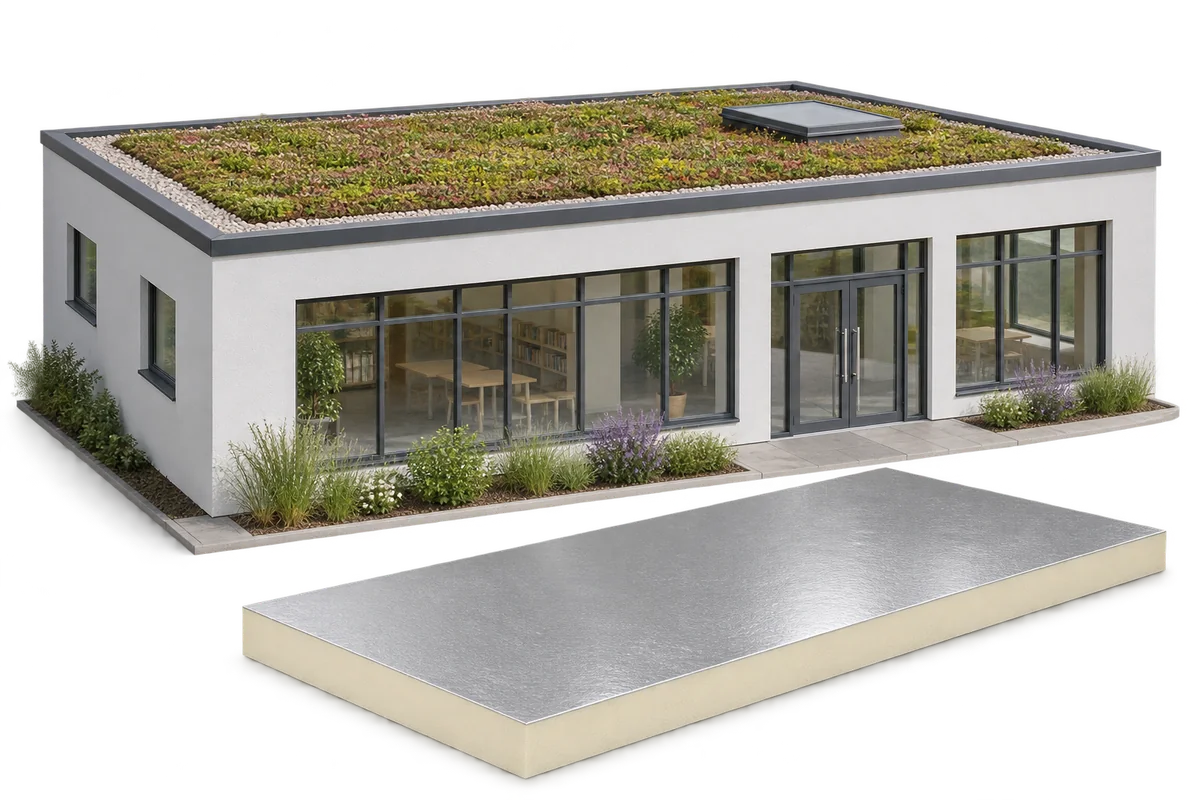
A green roof can form part of a nursery retrofit. The structure must support the full build-up and the insulation must be…
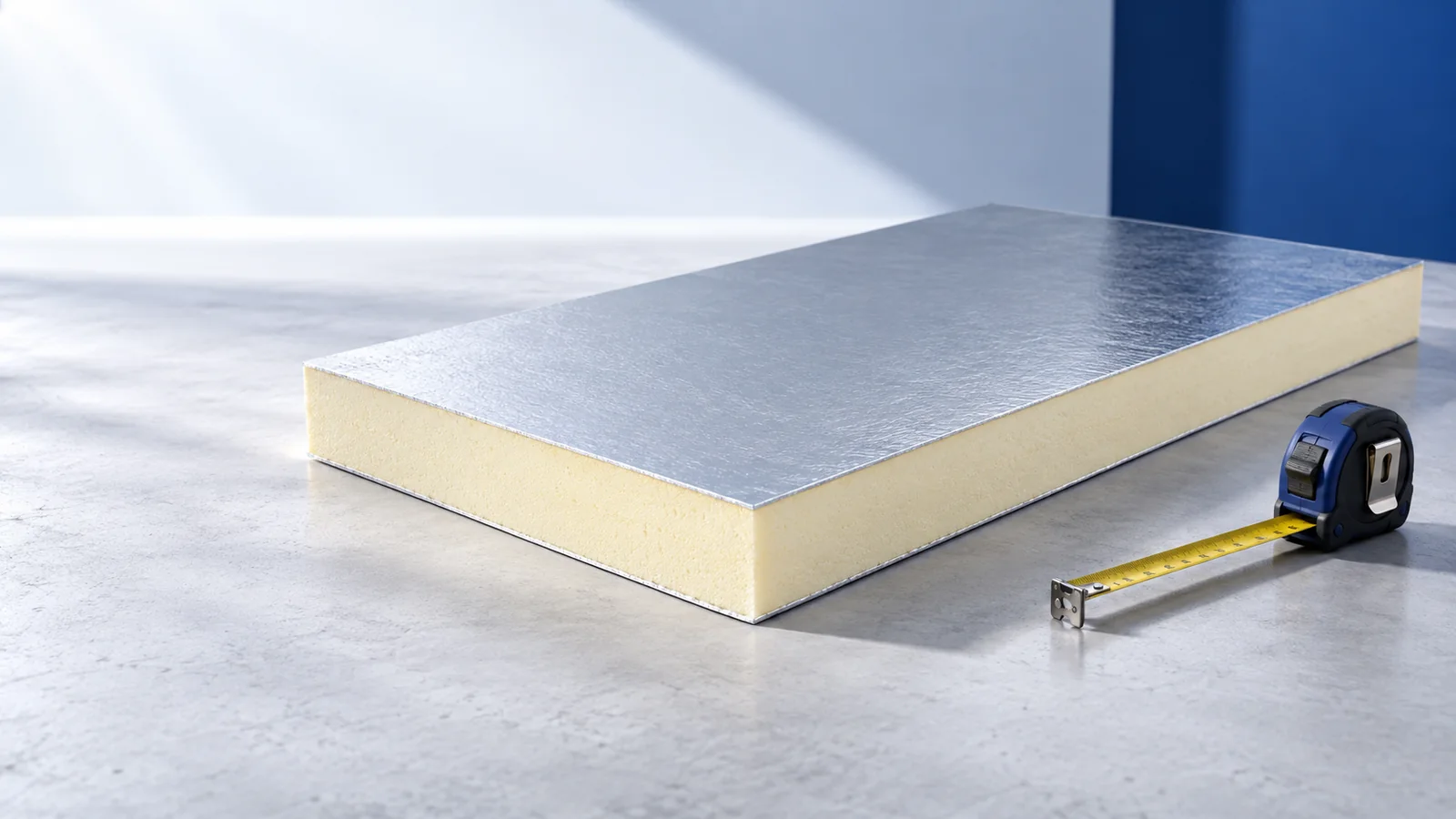
Effective roof insulation forms a continuous boundary around heated rooms, rather than merely a thick layer across the middle of a slope.…
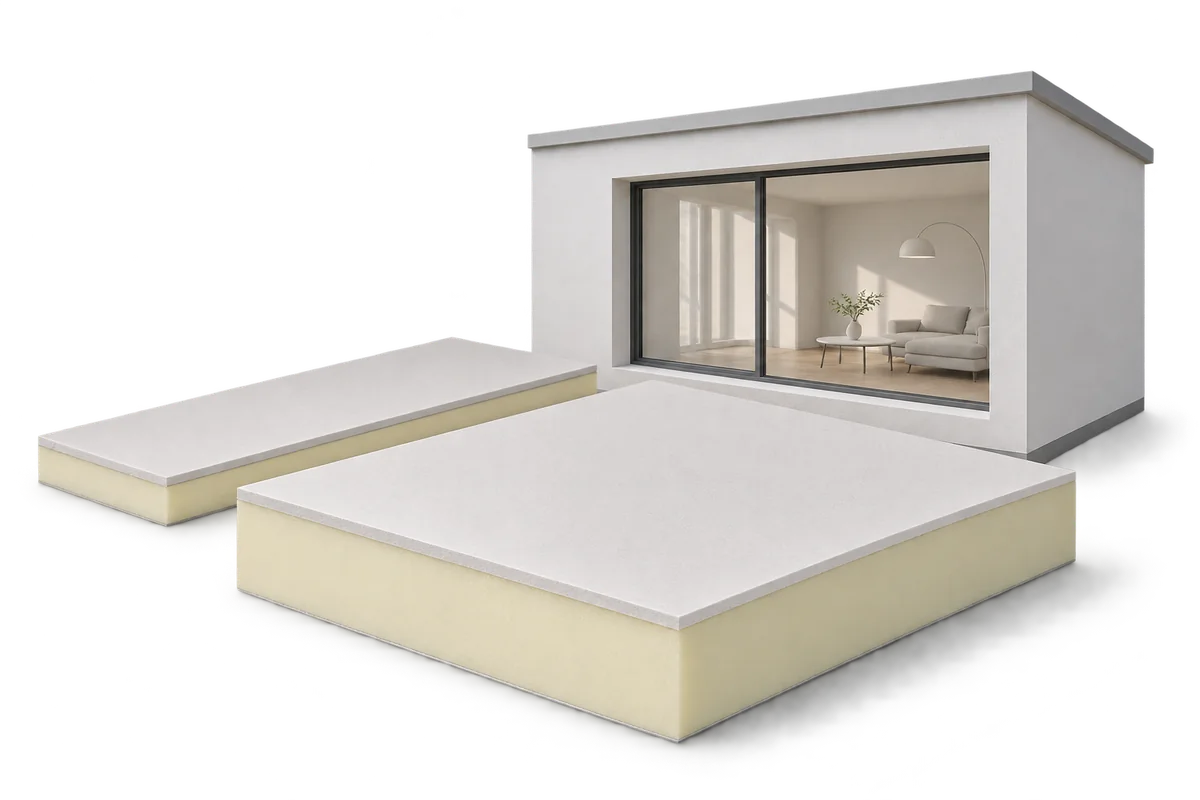
Every centimetre counts when insulating from the inside, particularly in a hallway or under a sloping roof. PIR boards can reduce the…
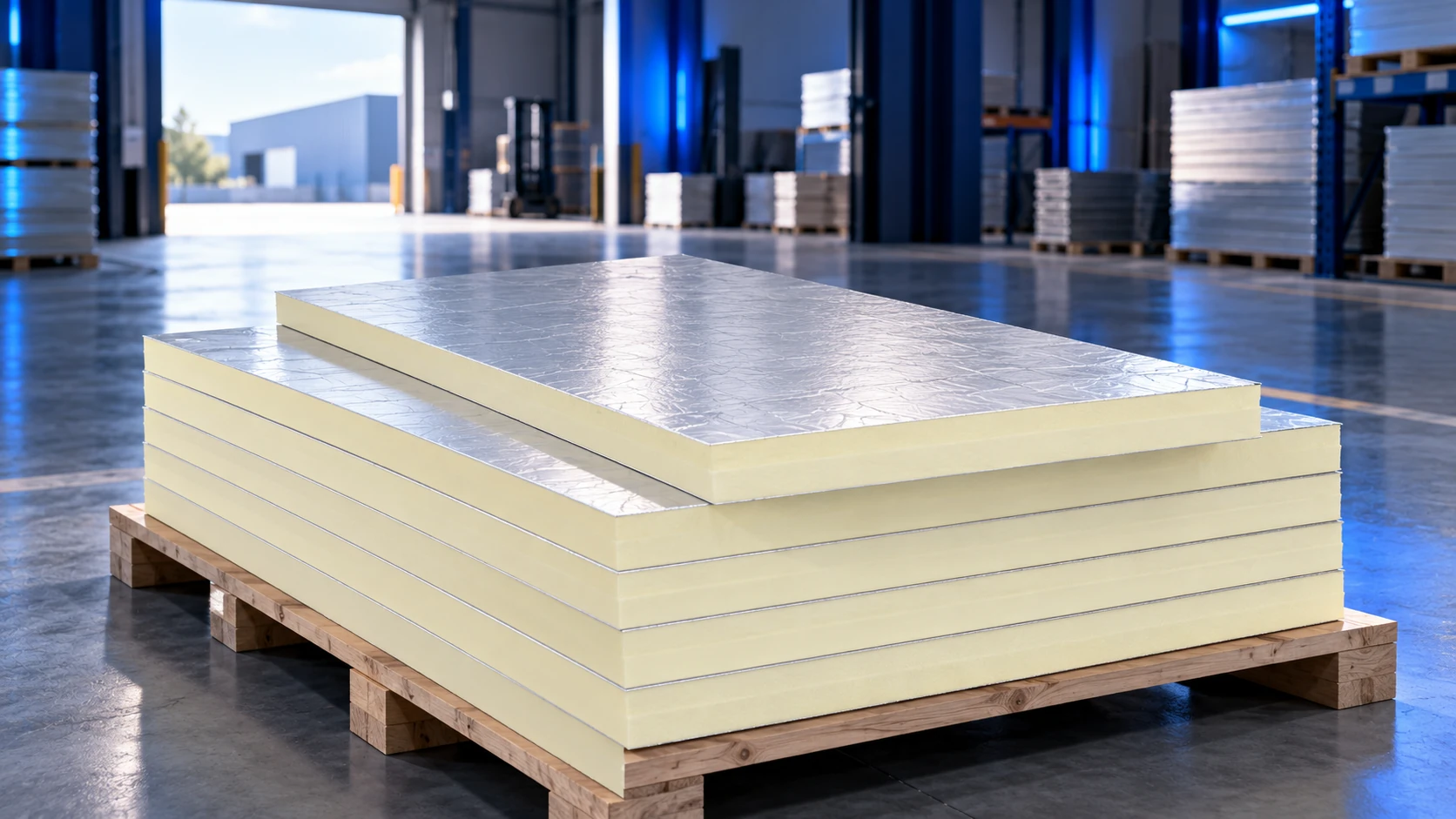
PIR insulation boards are often encountered in 120 × 60 cm and 120 × 240 cm formats, but neither size nor effective…
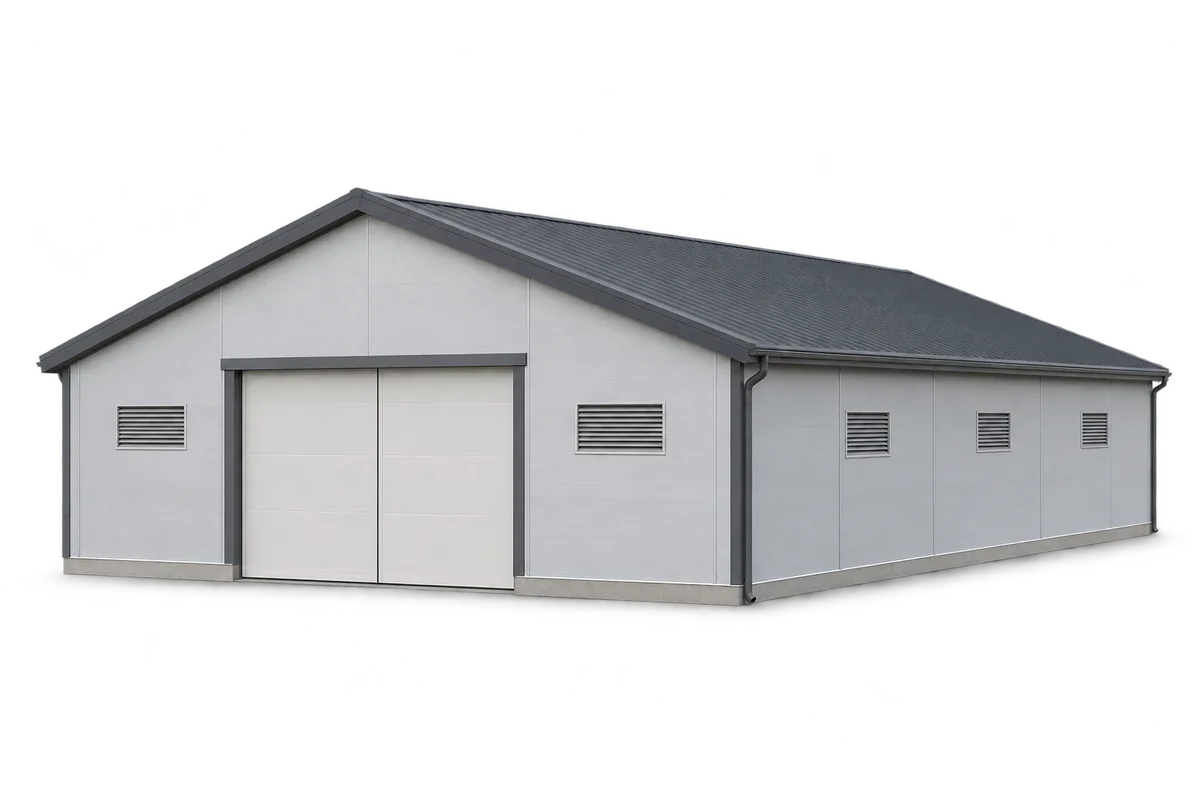
A well-designed pig house keeps conditions suitable for the animals, can be washed efficiently and is straightforward to operate. Insulated walls and…
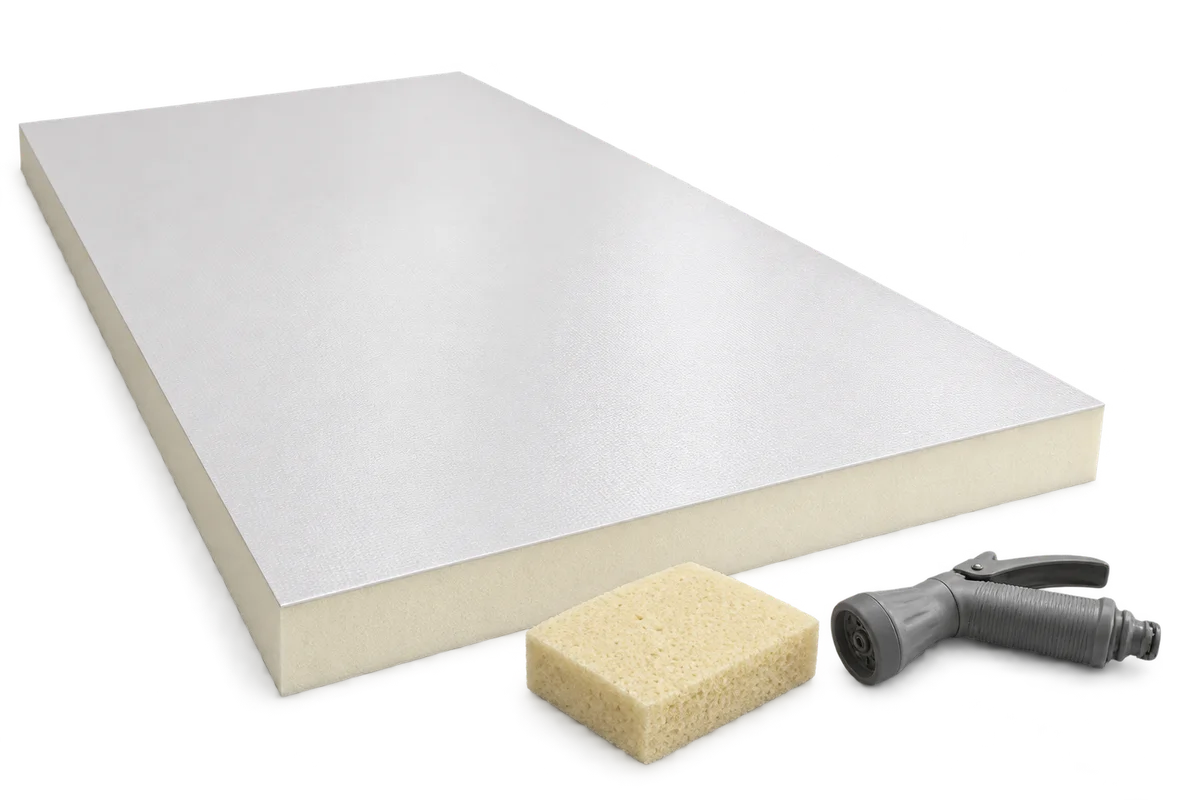
Two contractors can quote for the same barn ceiling yet price different jobs. One may include only the face of the panels;…
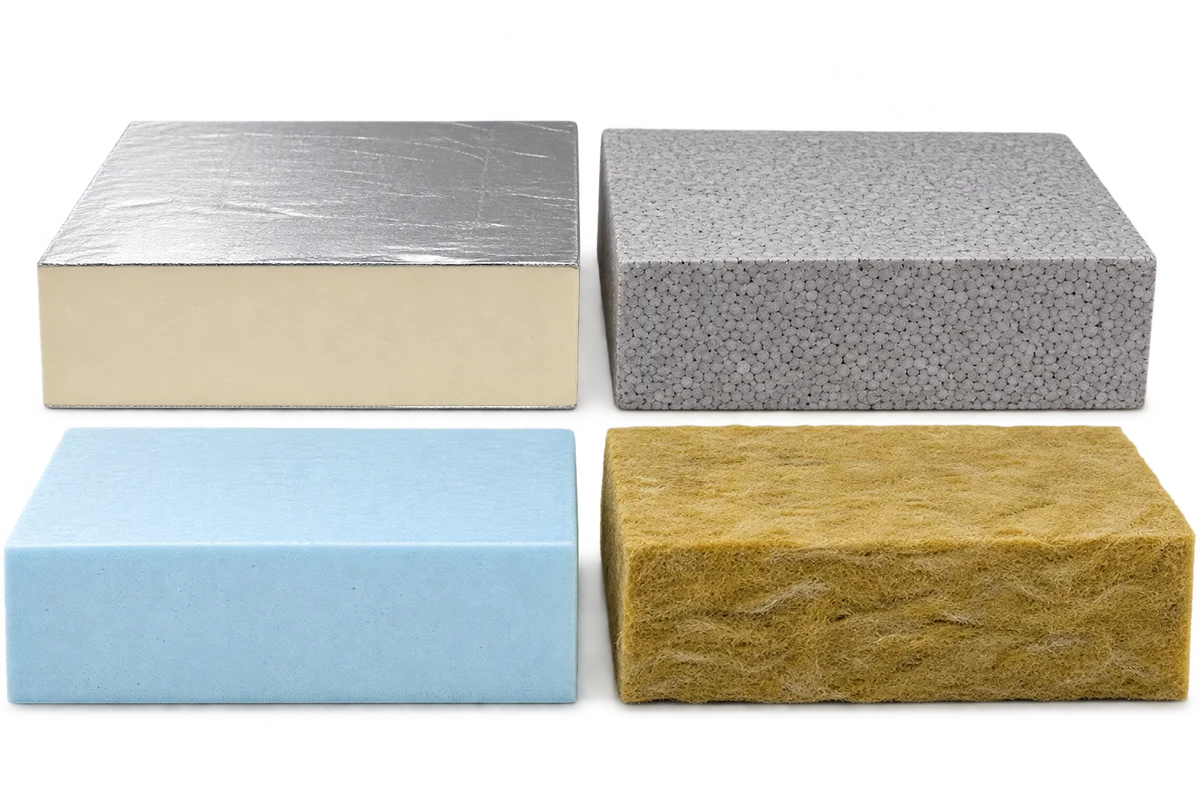
Two insulation quotations may cover the same part of a house while including different quantities and delivery arrangements. When comparing PIR, EPS,…
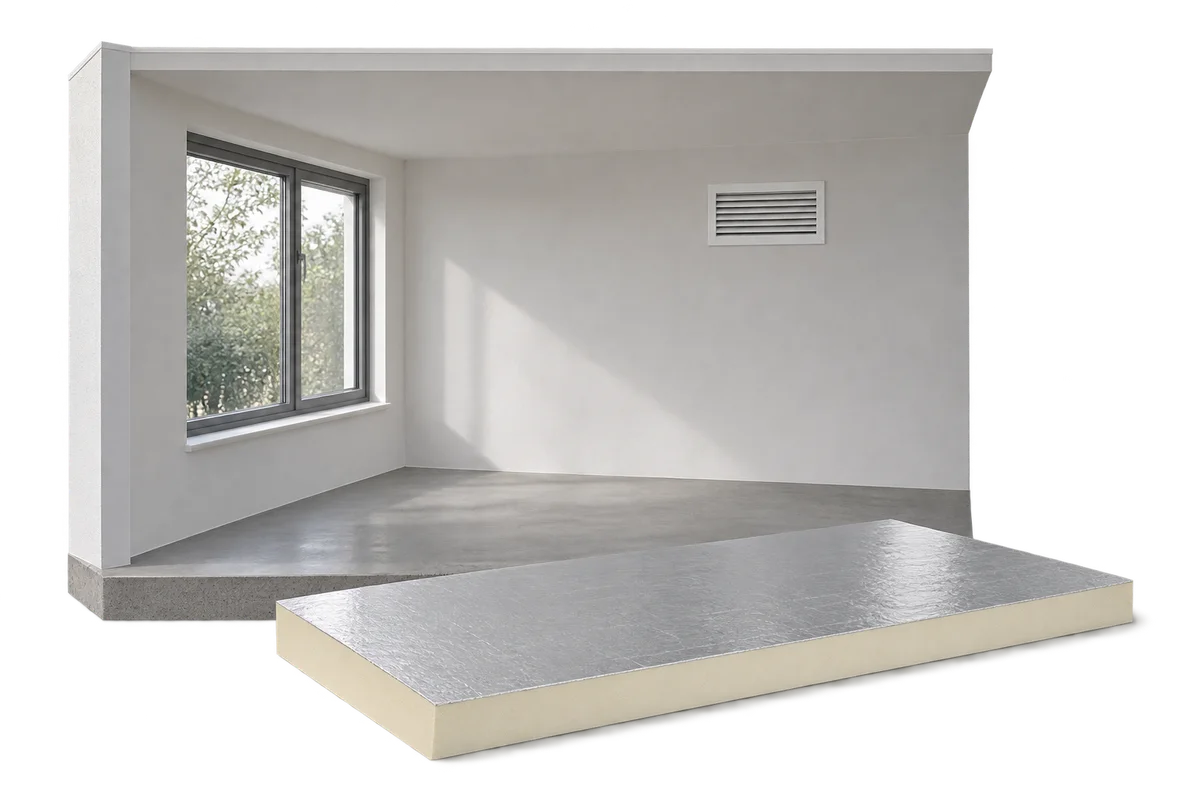
When damp repeatedly appears at home, gather organised observations before choosing a repair. A mark beside a window, a wet corner and…