






First-grade sandwich panels or outlet stock: which suits your project?
Sandwich panels
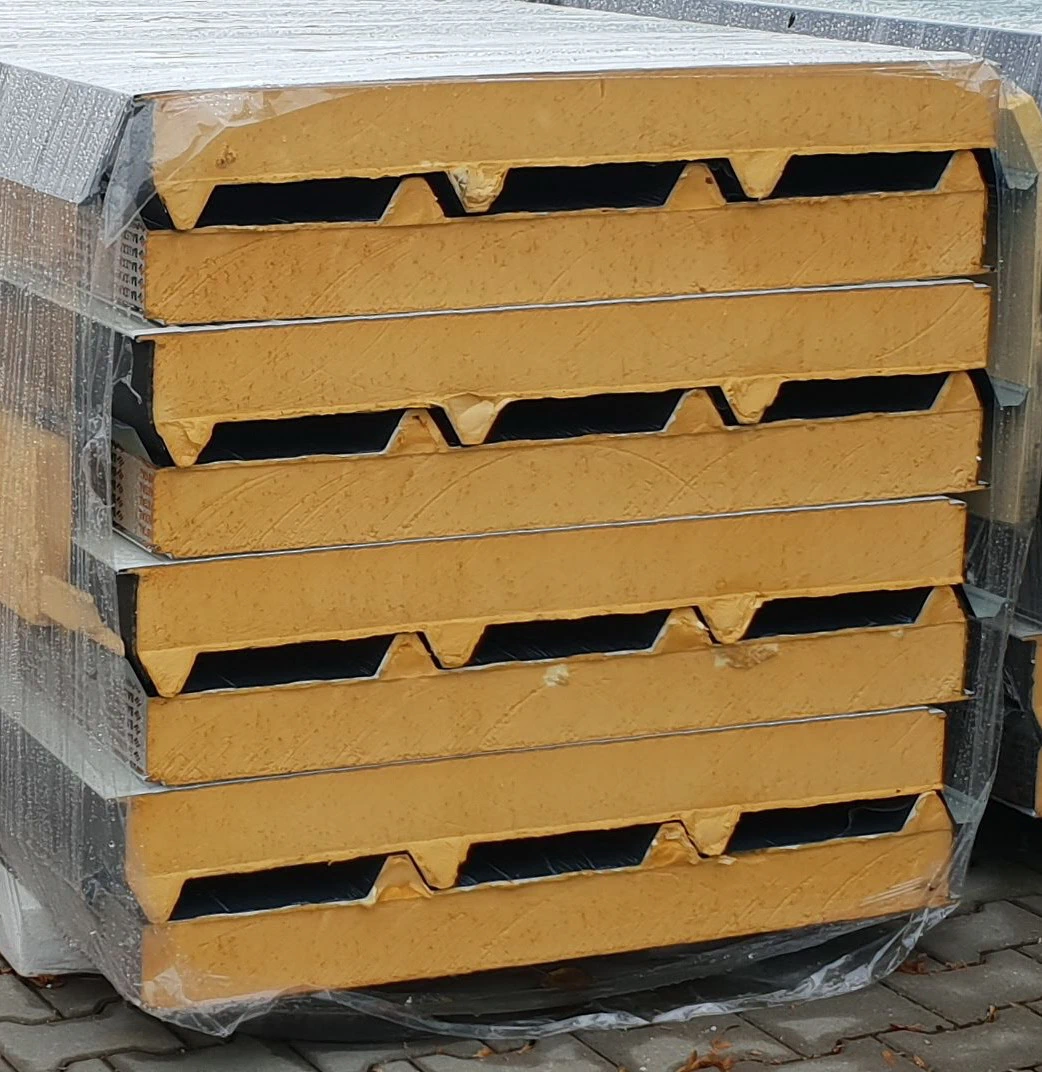
First-grade sandwich panels make it easier to order a defined configuration and appearance. Outlet stock can reduce purchase costs, but its value depends on the reason for the discount, available documents, dimensions and actual condition. Surplus panels without defects are different from panels with damaged joints or a separated facing. This guide compares those situations, explains how waste and additional work affect savings, and identifies the details to record before ordering. Neither a grade label nor a low price confirms suitability for a particular building. Check the batch against the project’s structural, thermal, fire and other applicable requirements before committing to a purchase.
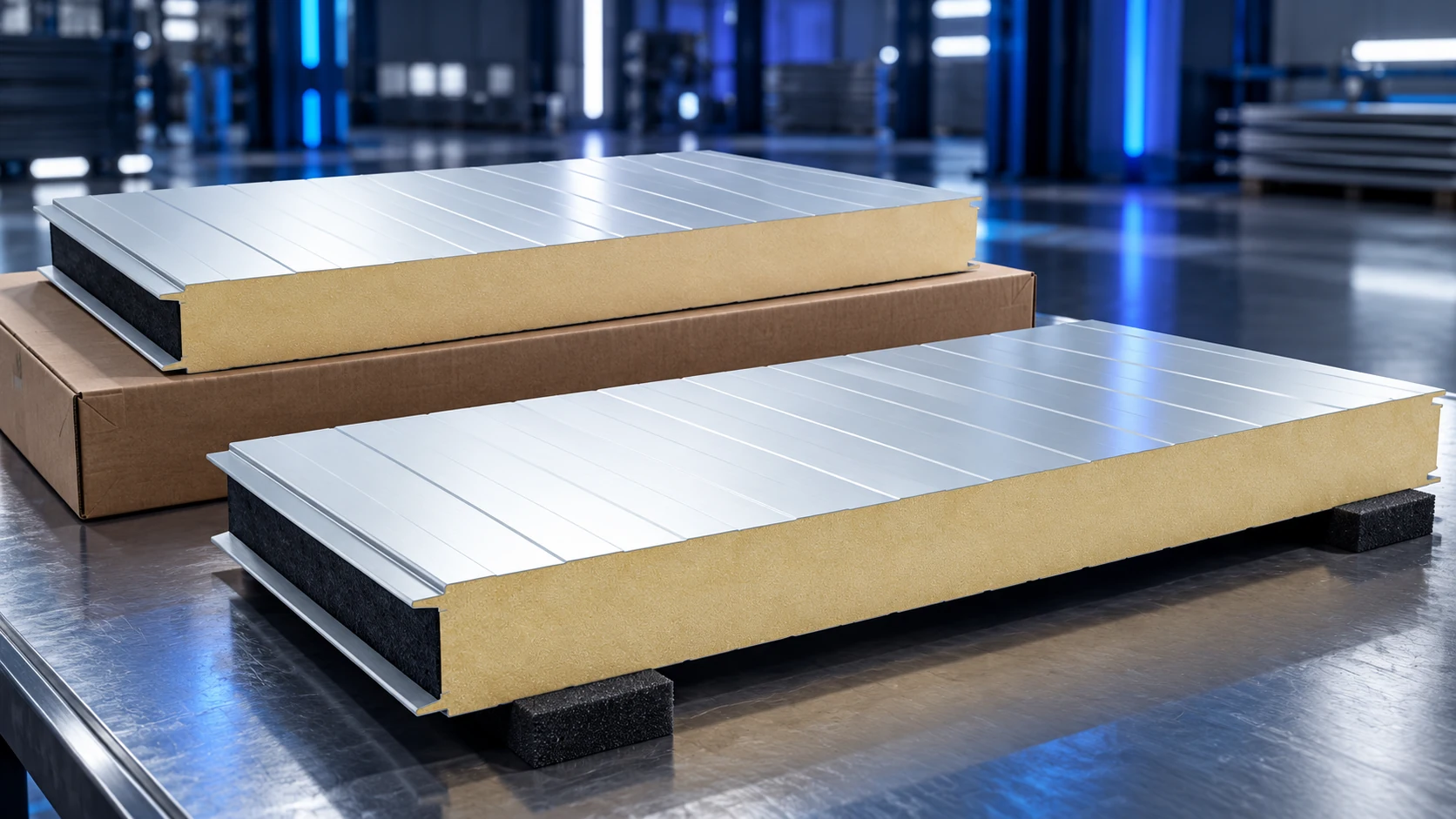
What can “outlet” mean?
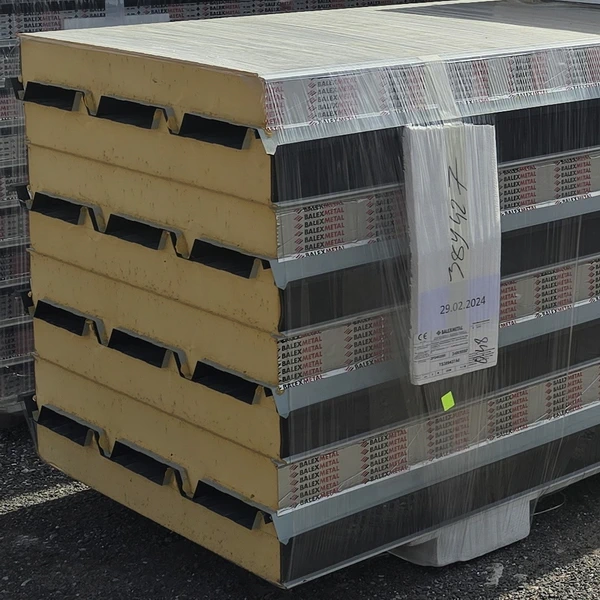
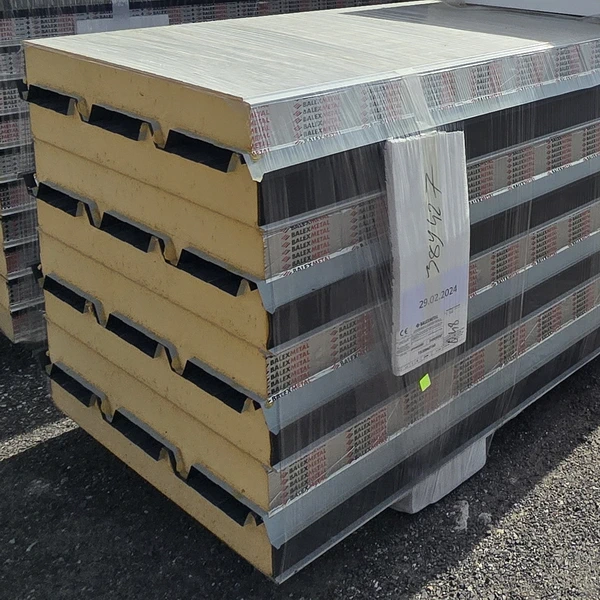
Outlet stock may be surplus, an unusual length, a discontinued colour or defective material. These are not equivalent situations. An undamaged panel left over from an order differs from one with a damaged core. The sales label alone does not provide the full picture.
Obtain a description of the specific batch identifying deviations and the properties that remain confirmed. Resemblance to a photograph of a full-specification panel does not transfer its declared values to discounted stock. Documents and identification matter more than a bargain label. Establish whether downgrading affects every panel or only part of the pack.
What are the advantages of first-grade material?
It is easier to specify the configuration and order repeatable lengths, colours, facings and coatings. Nevertheless, properties and warranty conditions still need checking. First grade does not mean unrestricted use or resistance to every possible load.
A 100 mm PIR panel may have different sheet thicknesses, coatings and fixing arrangements. All these features matter. If the design requires a particular fire classification or concealed fixing, buying any first-grade panel is insufficient. A quality label does not replace checking suitability for the planned wall.
Which defects may affect structural behaviour?
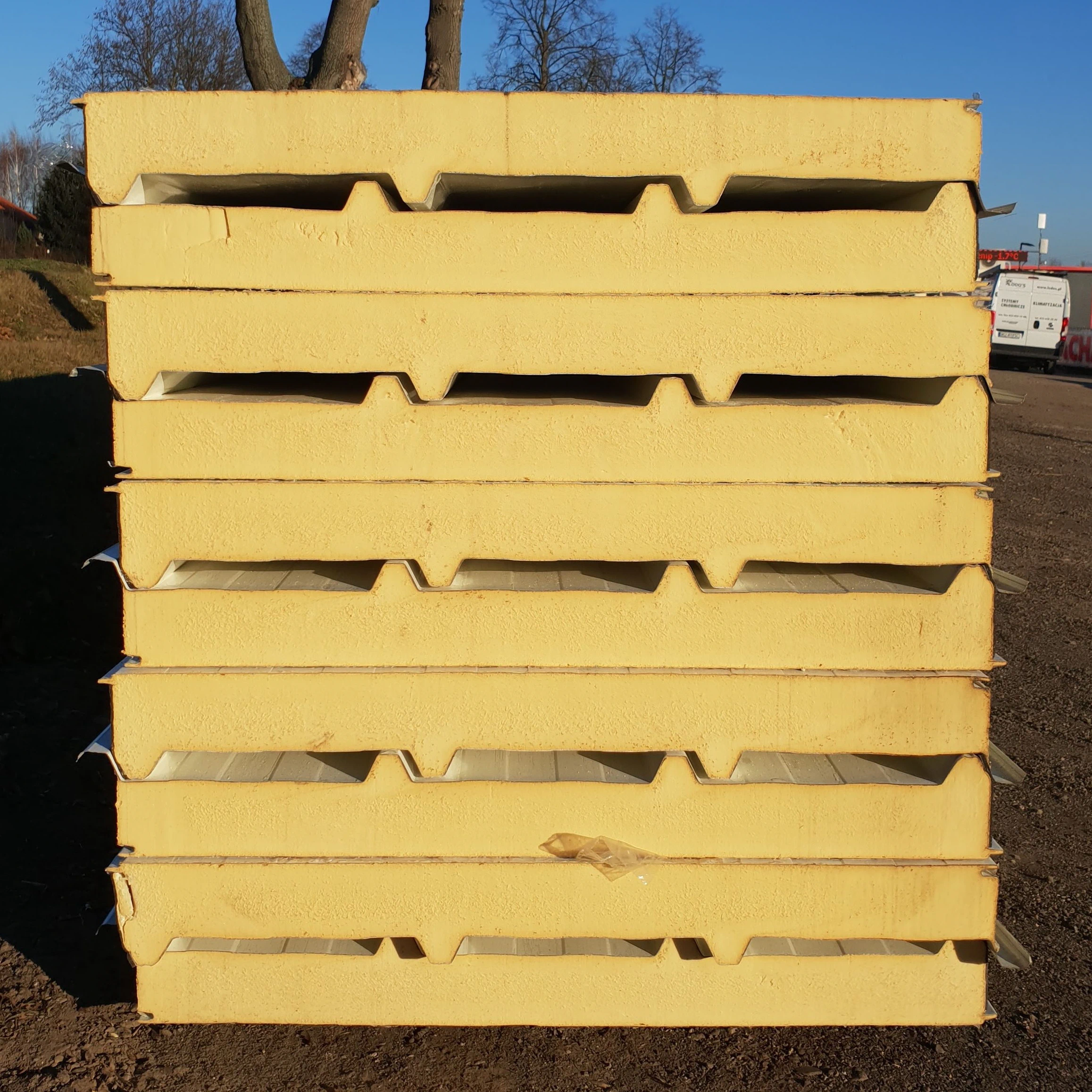
Facing separation, major deformation and damaged joints deserve particular attention. A panel relies on the core and metal facings acting together. Damage to that bond can alter its behaviour and is not equivalent to a slight colour variation.
Coating scratches also require assessment of depth, location and exposure. Do not repair surfaces with arbitrary paint. Manufacturer instructions describe permitted treatment of installation damage, but do not automatically approve every defect in a purchased batch. Agree the repair scope for the actual material.
When does a cheaper batch stop being economical?
Often when lengths do not fit the building. Waste, cutting and extra joints add to the purchase price, along with repairs and possible additional material. Compare the cost of completing the same usable area, not just the price per purchased square metre.
Suppose the project needs 60 m² but stock lengths require buying 80 m². The batch includes 20 m² of excess material, which the discount must first offset. This is our own measurement example. Extra flashings and labour raise the break-even threshold further. Offcuts cannot be joined at arbitrary positions without checking support.
Where do project requirements restrict outlet choices?
Applications with specified fire, structural or hygiene performance require particular care. Cold stores additionally depend on suitable joints and vapour-tightness for their temperature and humidity. A random panel of similar thickness may have a different joint and sealing method. Matching dimensions alone is insufficient.
This does not mean every surplus batch must be rejected. Identifiable, undamaged material may fit the design if compliance is confirmed. Decide from documents and condition. The rule “second grade is only for garages” is also too simplistic: garages can have specific requirements too.
How can the order be made clear and checkable?
Record model, quantities, lengths, cover width and colours on both sides. Include defect descriptions and photographs. Establish which properties the supplier confirms, and check inspection, complaint and transport terms. Keep the labels.
Inspect a sample of joined panels before buying. Check conformity after delivery and store material as instructed. Even first-grade panels can be damaged on site. Outlet stock makes sense when its limitations are known and compatible with the project. A lower price does not remove uncertainty where essential information is missing.
How should future extensions be considered?
If a second phase is planned, check availability of a compatible model. Remaining stock from an old series may fit the current wall but complicate an extension. Keep the product sheet and batch identification. For subsequent deliveries, compare joint geometry, coating and shade. The same colour code does not guarantee identical appearance after several years. Include the likely cost of a future connection in the decision.
Frequently asked questions
Does outlet stock always mean second grade?
No. It can include undamaged surplus material. Establish the status of the specific batch.
Should the supplier state the reason for the discount?
Have it recorded in the order description. Without it, it is difficult to tell whether the saving comes only from fixed lengths or also from product limitations.

Free quote
What to include in your enquiry
Tell us how you plan to use the material, the dimensions and the quantity you need. Include the thickness, grade or variant name, along with the delivery town or your preferred collection branch. For a specific product, add its name or a link to the product page. We will reply to the email address you provide to discuss availability and the terms of your order.
More from the building guide
A good contractor can explain how they will build to your design, define exactly what their quote covers and show how each…
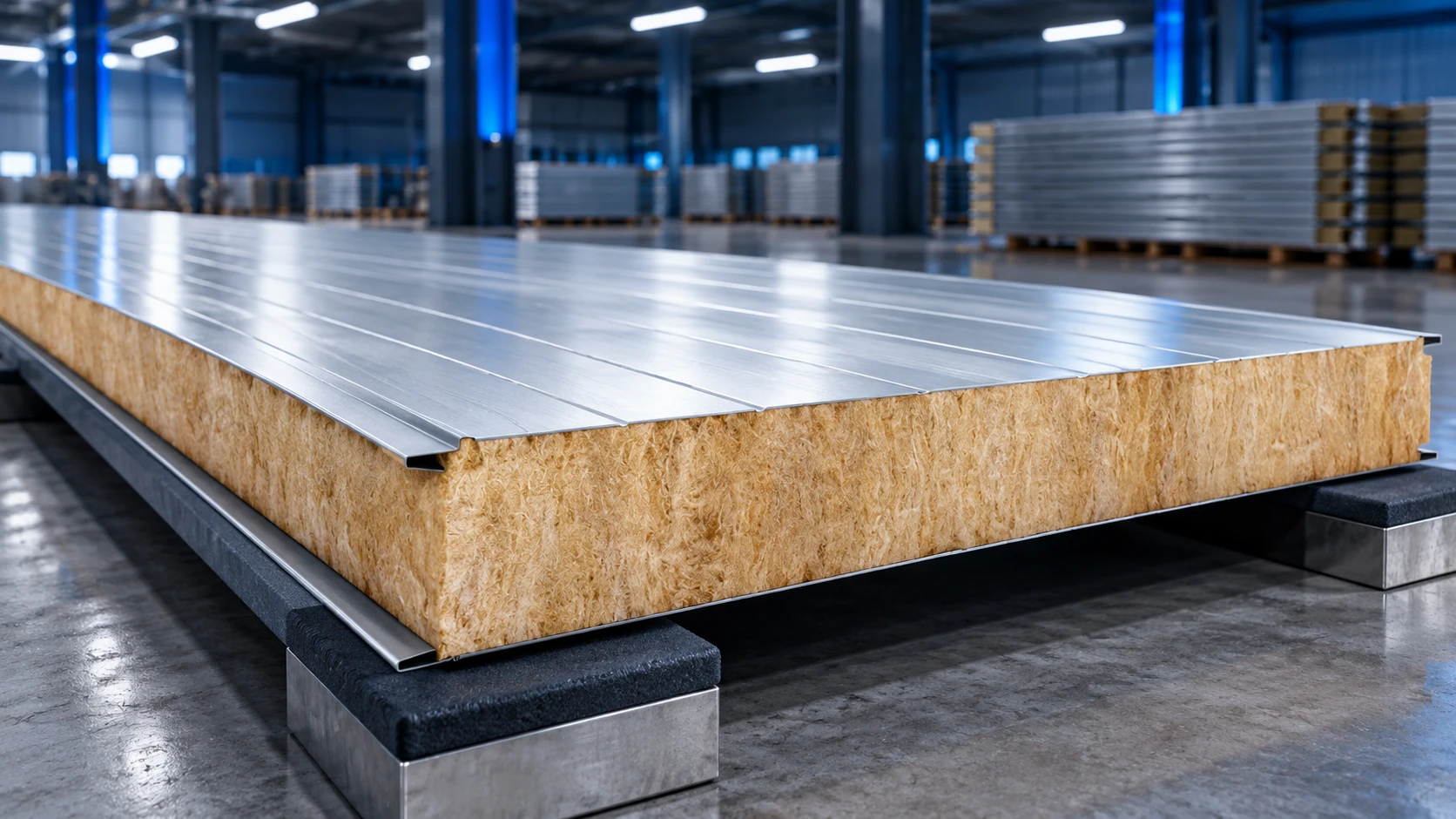
Mineral-wool panel weight depends on the model, thickness and both facings; there is no single figure for the whole product group. Planning…
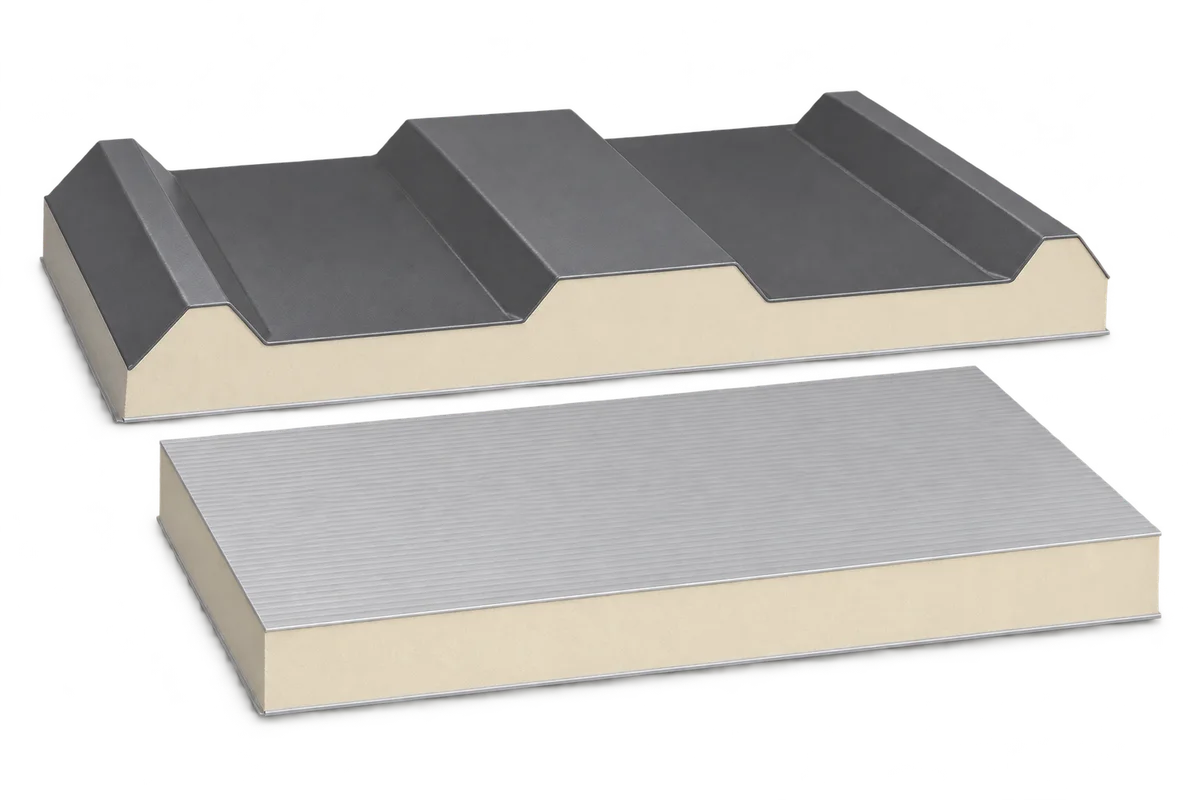
A sandwich panel enquiry should define a particular delivery, rather than just an area and a core thickness. The buyer needs to…

Sandwich panels can form an enclosure over a masonry wall, provided the substrate, connections and complete build-up are assessed for the project.…
A sandwich-panel roof costs more than the panels alone. Flashings, fasteners, seals, transport and installation must be included, while the supporting structure…
A sandwich-panel price per square metre becomes useful only when the product is specified. Core type, thickness, facings and coating all affect…
Sandwich panels can form part of a house's envelope, but their use requires a design for the whole building. Roof and wall…
Compare PIR and EPS cores using the declared performance of complete roof sandwich panels, not figures for loose insulation boards. U-values, weight,…