






Avoid overpaying for sandwich panels: seven checks before accepting a quote
Sandwich panels
Sandwich-panel costs can often be reduced through a precise specification and a cutting plan matched to the building. Savings should come from avoiding unnecessary material and incomplete orders, while retaining the performance required by the design. Before negotiating the final figure, check seven parts of the quotation: the product, dimensions, facings, colour, accessories, delivery and documentation. A cheaper panel may have different steel facings, a different joint or transport conditions that change the overall budget. The checks below help distinguish a useful discount from a change in scope, and show why the lowest price per square metre is only part of the purchasing decision.
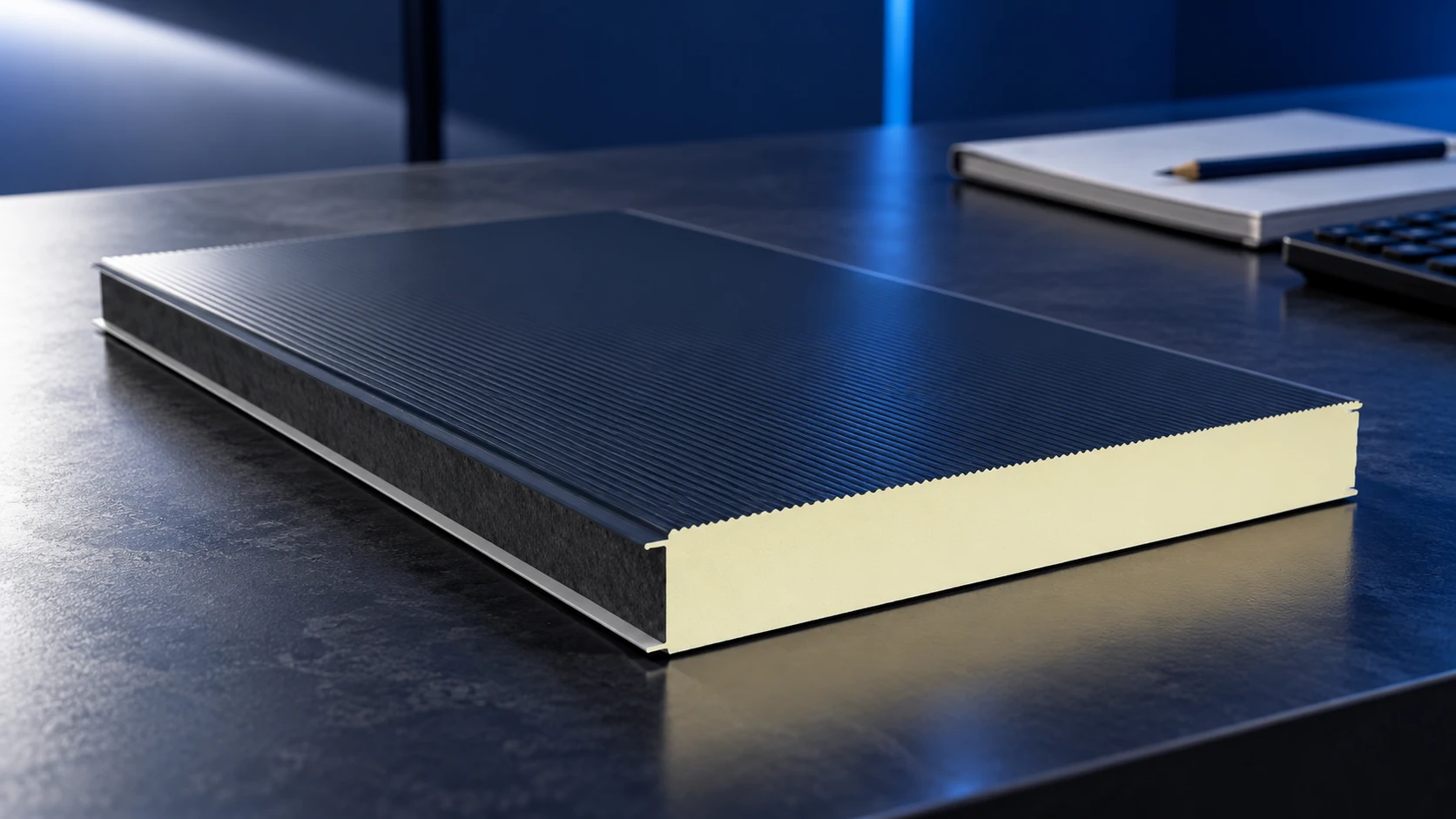
1. Are you comparing the same product?
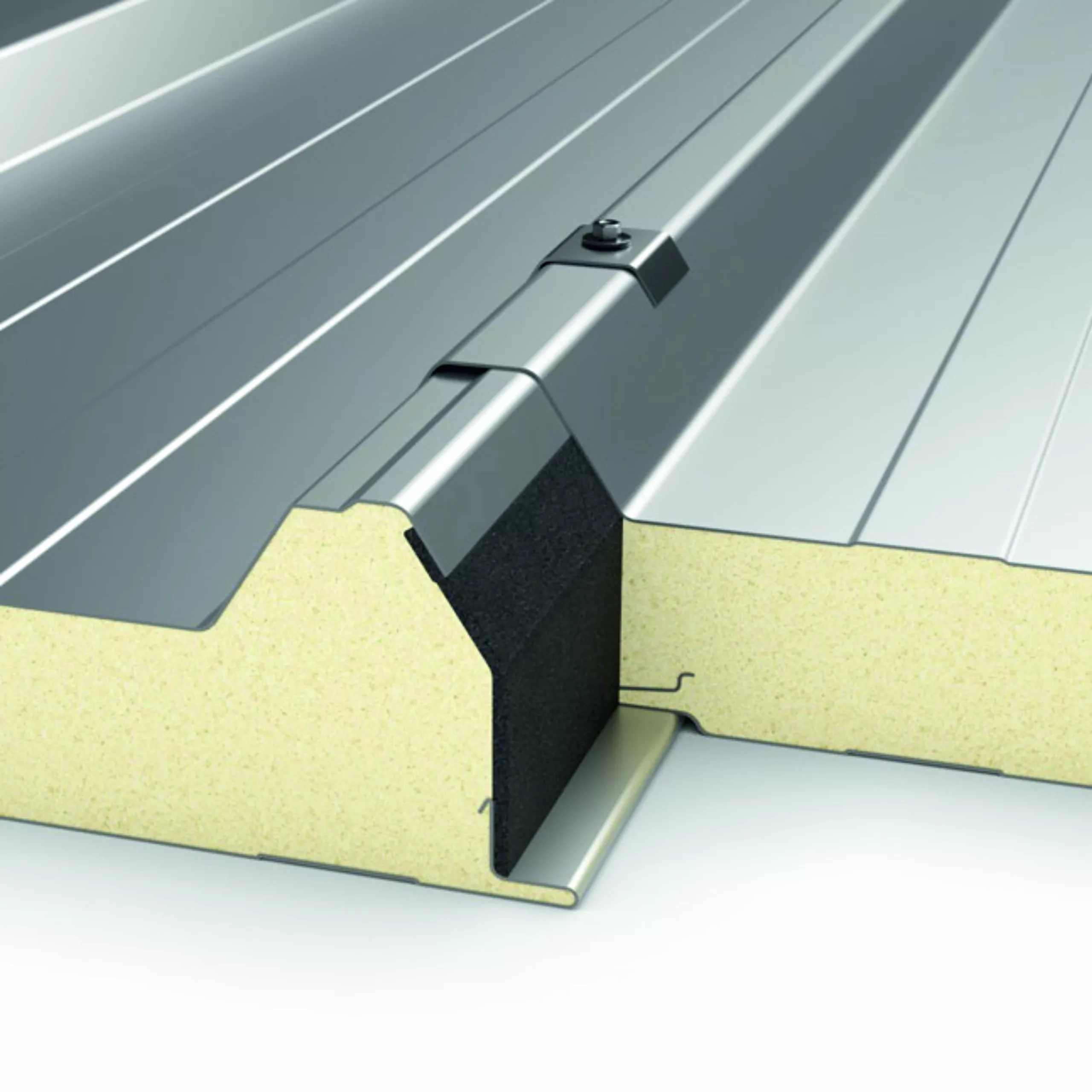
Wall and roof panels have different intended uses. Even two PIR-core versions can differ in geometry or fixings. A façade may use exposed fasteners or a joint in which the next panel edge conceals them. The quotation must identify that difference: it affects more than the appearance of the finished wall.
Record the full product name and required properties. For a proposed substitute, obtain a comparison of the specifications. Thickness alone does not establish equivalence. If a lower price results from changing the product, identify precisely what changes and whether the design still permits that version.
2. Are you paying for lengths you need?
Prepare the cutting plan before purchasing. Mark each wall, opening and panel. Check whether offcuts can be used elsewhere, but do not assume they can: the joint and installation direction may prevent their reuse.
For a panel with 1 m cover width, each extra metre of length means another 1 m² of purchased material. An excess length of 0.5 m on 30 panels adds 15 m². Compare that cost with the discount on an available batch. At 1.1 m cover width, the same length allowance adds 16.5 m². These are worked examples; use the actual cover module of the offered panel.
3. Are facing thicknesses and coatings specified?
The facings affect panel behaviour and durability. A cheaper version may use a different sheet thickness or surface protection. Require details for both sides rather than the general description “coated steel”. The selected coating must suit the service environment.
There is no need to pay for an unnecessary feature, either. Selection should follow the design and service conditions. Comparing two suitable versions is reasonable; arbitrarily reducing facing thickness to save money can change load-bearing capacity. That decision cannot be based on a sample’s appearance.
4. Does the colour or a special batch increase the price?
Ask about versions included in the standard production schedule. A change of colour or delivery date can sometimes simplify supply. There is no universal surcharge across manufacturers: the amount depends on the particular configuration and order size.
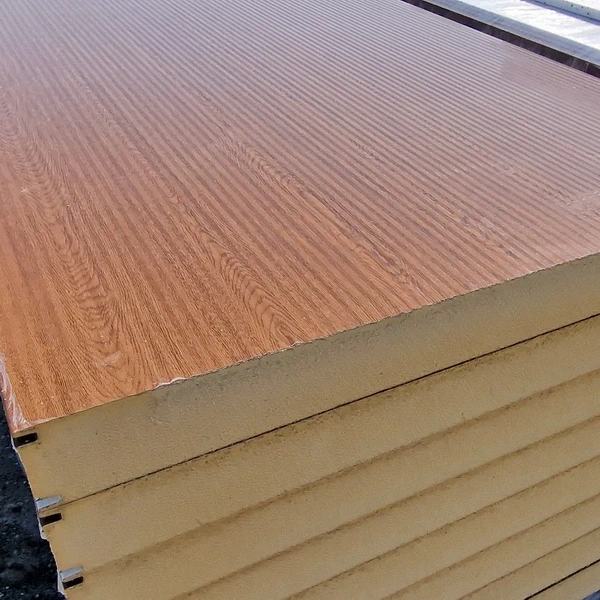
For end-of-batch stock, check shade consistency and whether matching material can be ordered later. A façade assembled from unrelated colours may need repainting or rebuilding. Heating of long panels matters too: dark surfaces experience different thermal conditions from light ones. Include that in the assessment of the selected version. Colour is therefore more than an aesthetic choice.
5. Does the quote include the necessary accessories?
Count the flashings for the base, corners, openings and roof. Add screws, saddle washers, tapes and suitable sealants. List each in the units used for ordering. A price per flashing piece is different from a price per linear metre.
Fasteners for different substrates and the various seals have specific jobs. Random substitutions may appear cheaper but make installation harder. Obtain a schedule for the complete system. Add any omitted components before comparing quotations; otherwise, the cheapest list may simply be incomplete.
6. What do delivery and unloading cost?
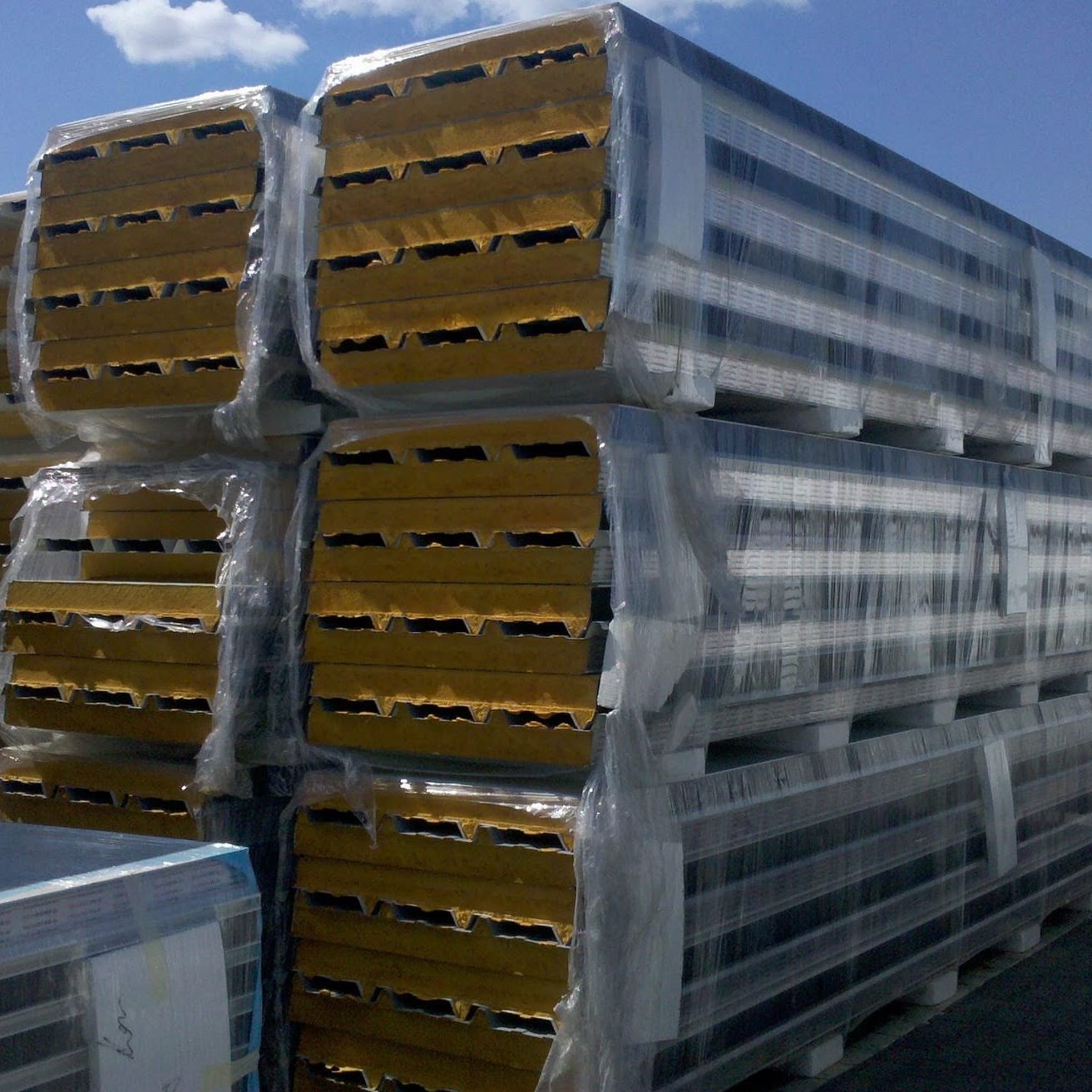
Provide the exact address, longest component and access conditions. Agree the unloading equipment. Check small-batch surcharges and waiting charges. Transport terms for one product family should not be assumed to apply to every material from that manufacturer.
Obtain confirmation of the price and date for the complete order, with an understandable breakdown of the total. When using several suppliers, check whether panel savings cover the additional freight. A combined delivery of compatible components can simplify the job, but its value must be calculated together with the method and cost of unloading.
7. Are the documents and purchasing terms complete?
Check the model, quantities, quotation validity and description of the quality grade. For outlet material, require a list of defects. Establish which documents will accompany the goods. Read warranty and complaint terms before paying, and compare warranty coverage as well as its stated duration.
Keep the written agreement so that it can be compared with labels and material condition on arrival. Avoiding unnecessary purchases and remedial work usually offers the most useful saving. A discount complements a well-prepared order. Without a specification, it is difficult even to decide whether the lower price represents a better offer.
Frequently asked questions
Where should price negotiations start?
With a complete materials list and the same scope in every quote. Then compare available lengths, colours and delivery arrangements.
Does the cheapest panel always produce the cheapest wall?
No. Waste, accessories, labour and transport can reverse the comparison.

Free quote
What to include in your enquiry
Tell us how you plan to use the material, the dimensions and the quantity you need. Include the thickness, grade or variant name, along with the delivery town or your preferred collection branch. For a specific product, add its name or a link to the product page. We will reply to the email address you provide to discuss availability and the terms of your order.
More from the building guide
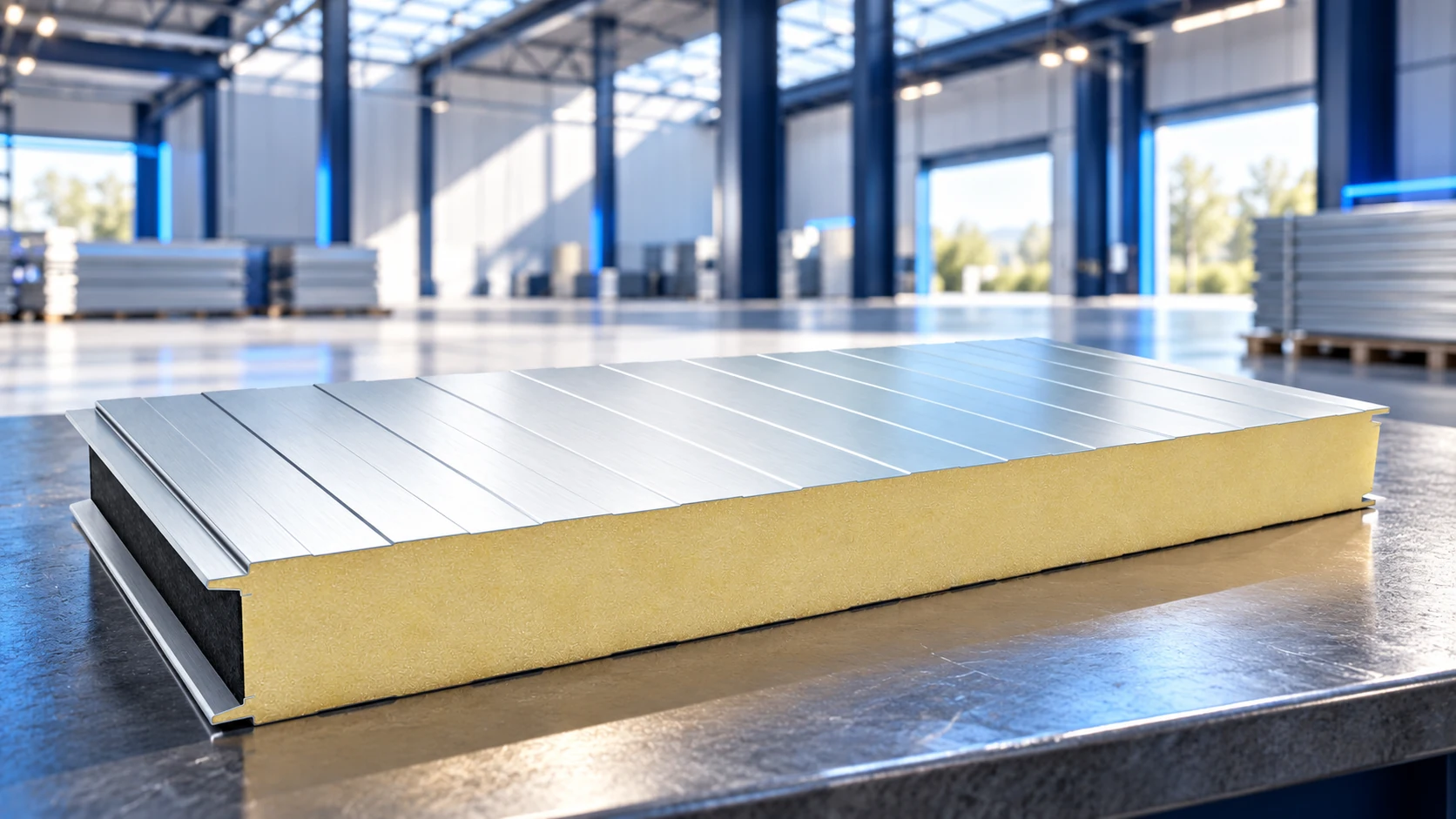
The cost of a sandwich-panel hall depends on the scope of the project. A frame with cladding is a different purchase from…
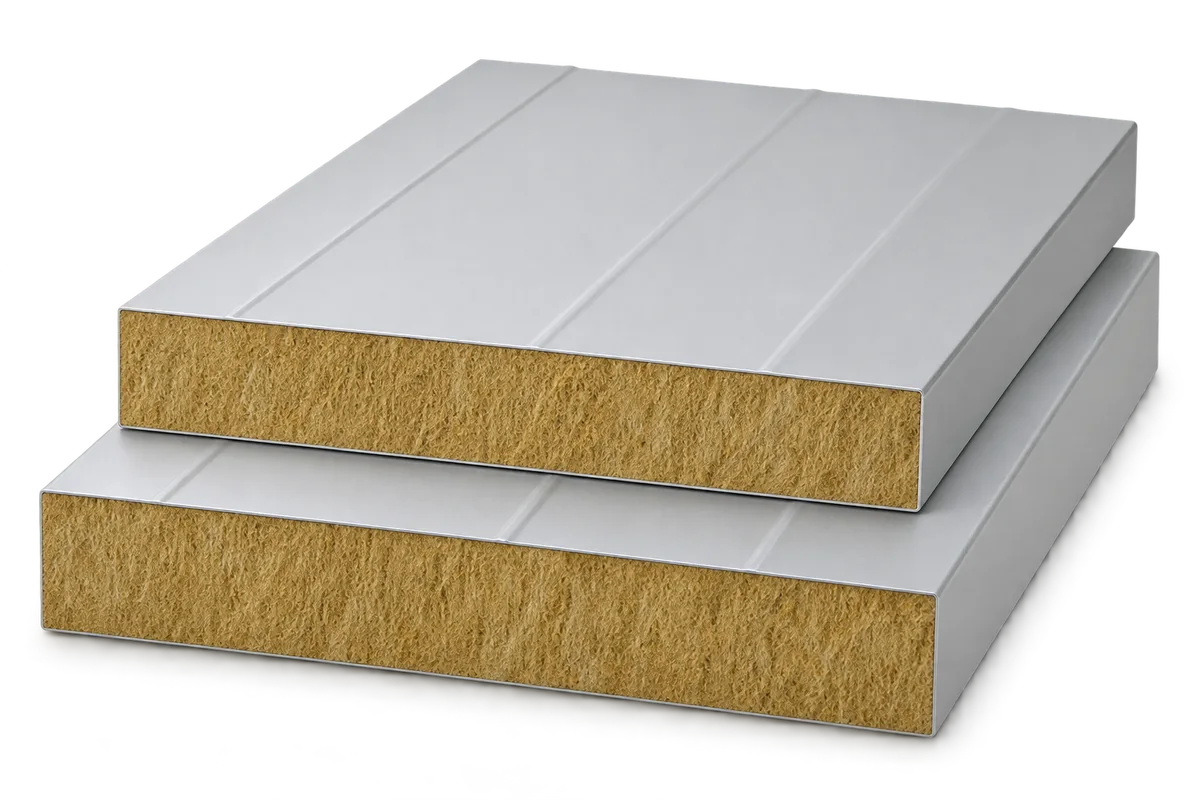
Fire safety depends on choosing a panel with documented performance and installing it in the assembly covered by that documentation. The core…
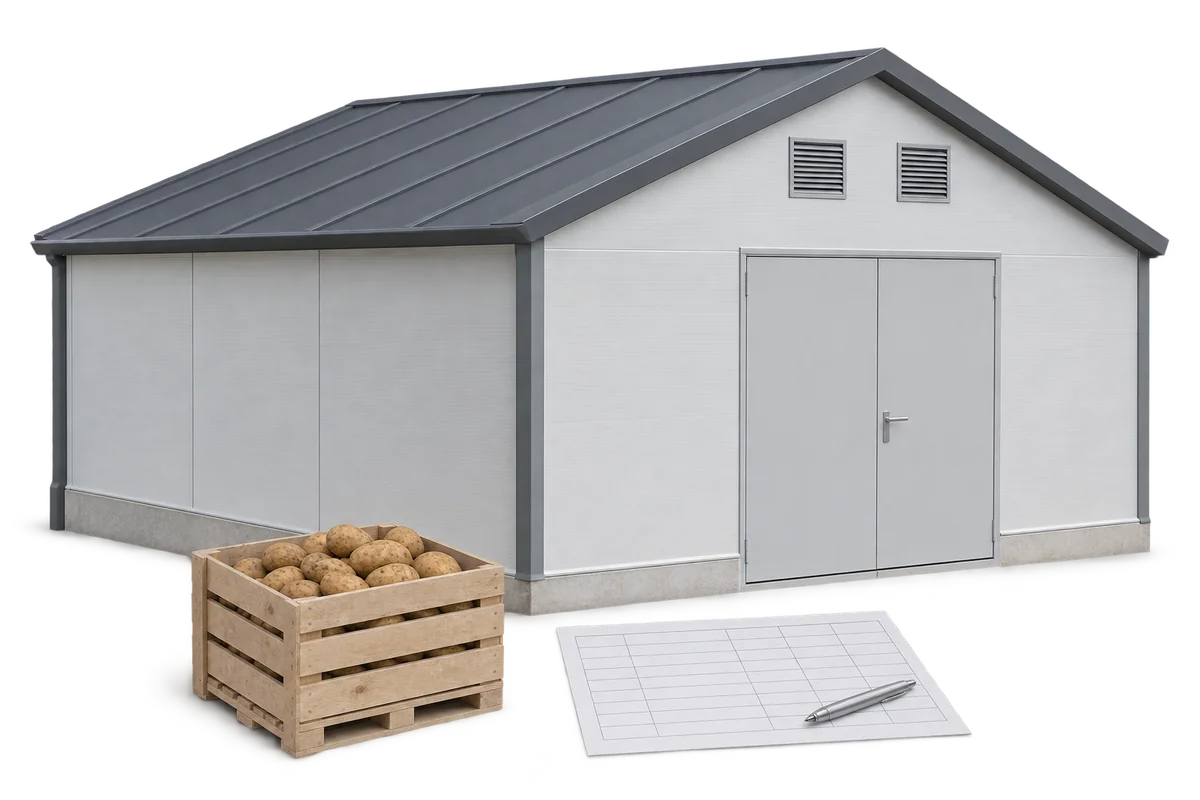
Harvest sets the deadline for work on a potato store. Allow time to assess the building, order materials, install them and test…
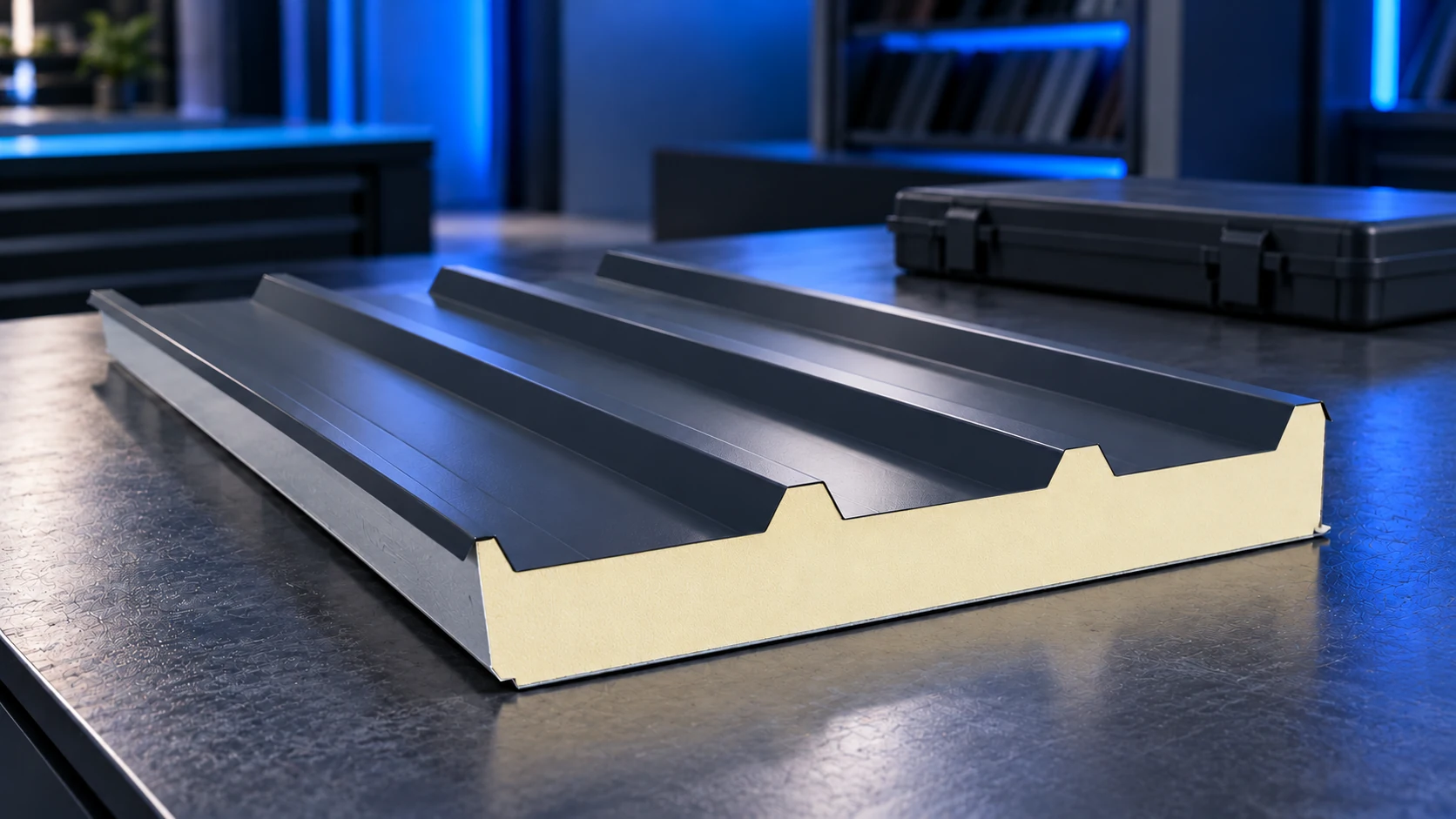
Choose roof sandwich-panel thickness by checking the building's internal conditions and thermal target first, then structural capacity, joints and the scope of…
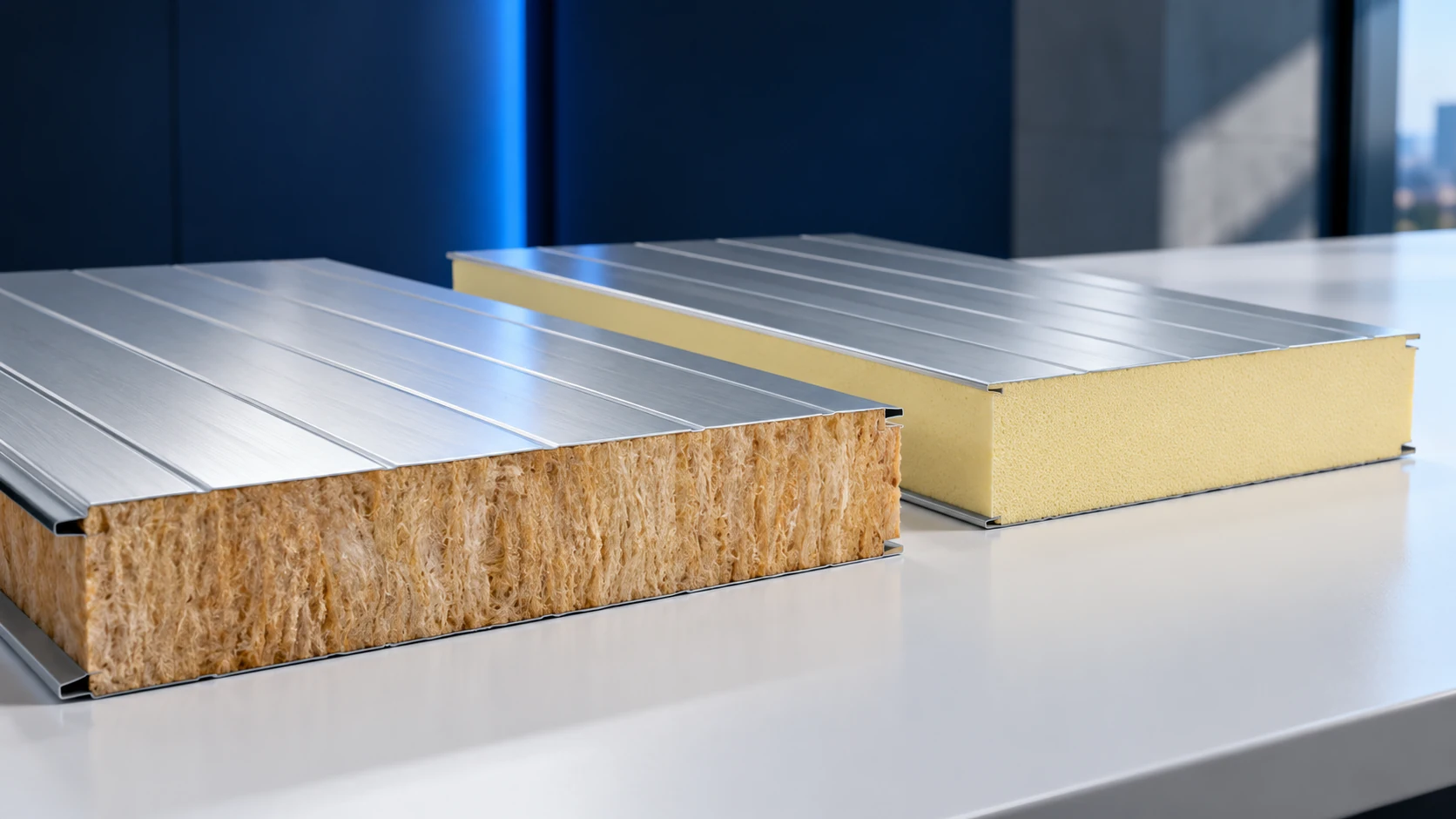
PIR generally achieves a low U-value with less thickness, while mineral-wool sandwich panels may suit particular fire requirements better. Neither is the…
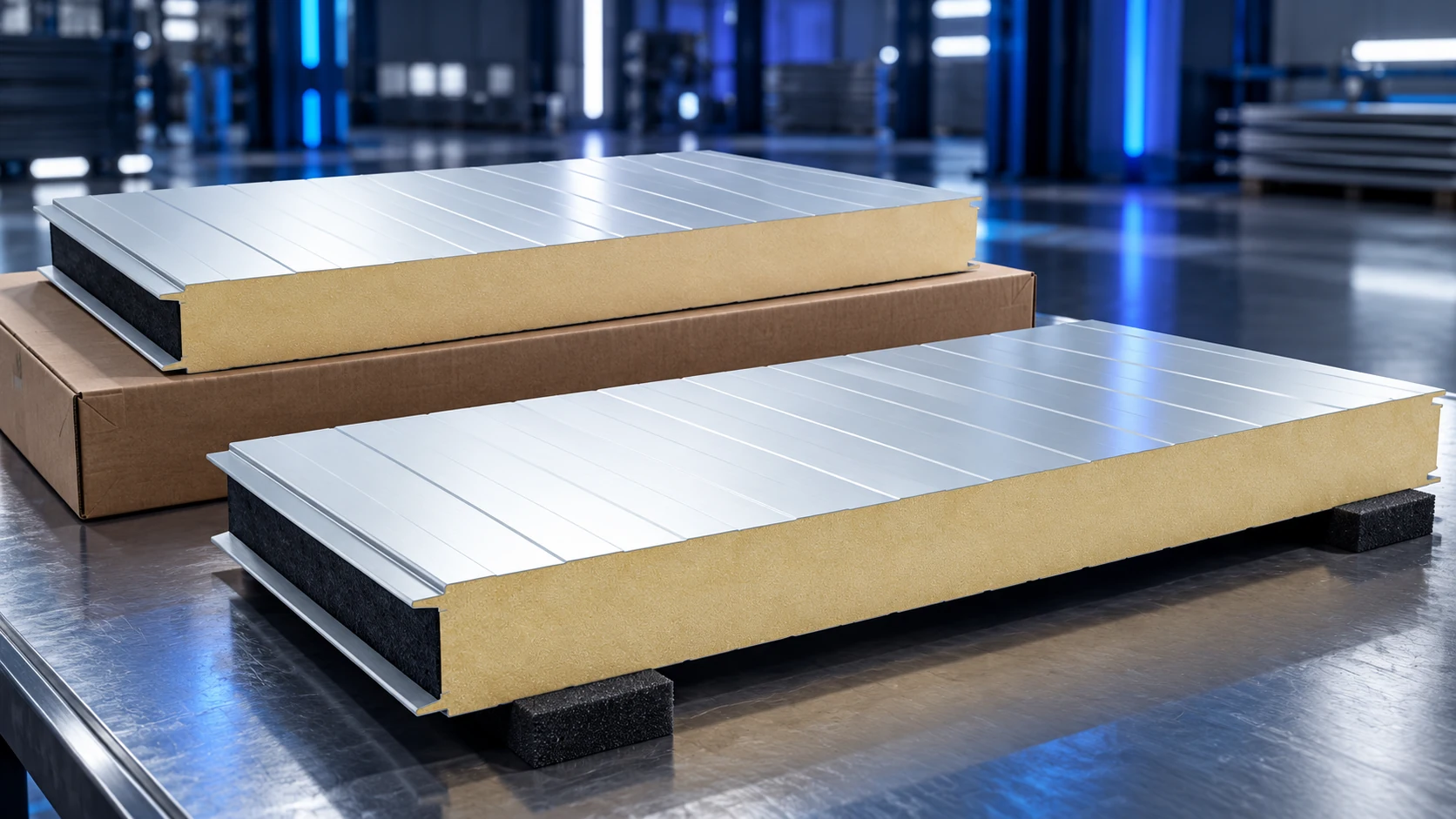
First-grade sandwich panels make it easier to order a defined configuration and appearance. Outlet stock can reduce purchase costs, but its value…
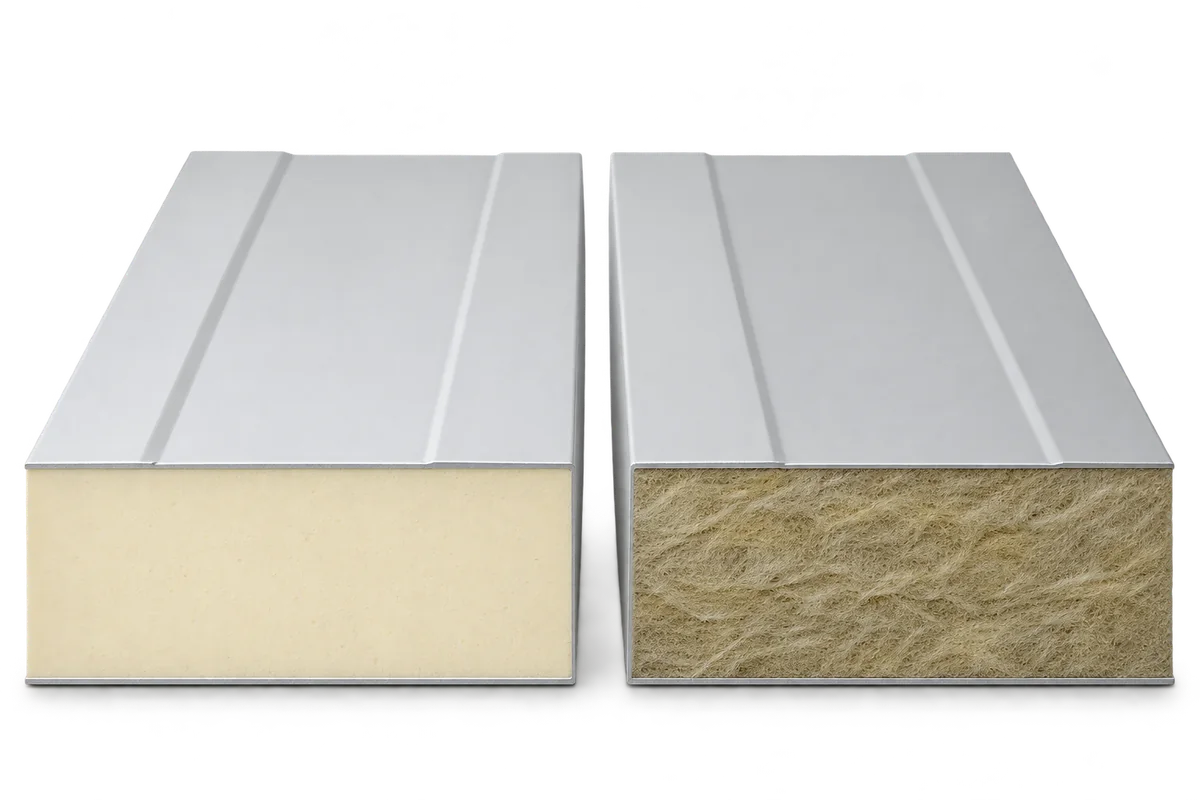
The designations EI and REI describe how a wall or roof performs when exposed to fire. Each letter identifies a function and…
Avoiding sandwich-panel installation defects requires checks from delivery through to handover. Small deviations repeated across a wall or roof can cause serious…