






How sandwich panels work and what to check before installation
Sandwich panels
A sandwich panel combines external facings with a bonded core. Their joint action can form a lightweight building enclosure and limit heat transfer, but performance belongs to the complete product rather than the foam alone. Joints, supports and installation details are equally important to a finished wall or roof. This guide explains the role of each layer, why delamination differs from a surface scratch, and how thickness, interlocking edges and roof geometry affect selection. It also covers handling, cutting and records to retain after construction. Numerical thermal examples refer to selected panel configurations and must be checked against the documentation for the product actually ordered.
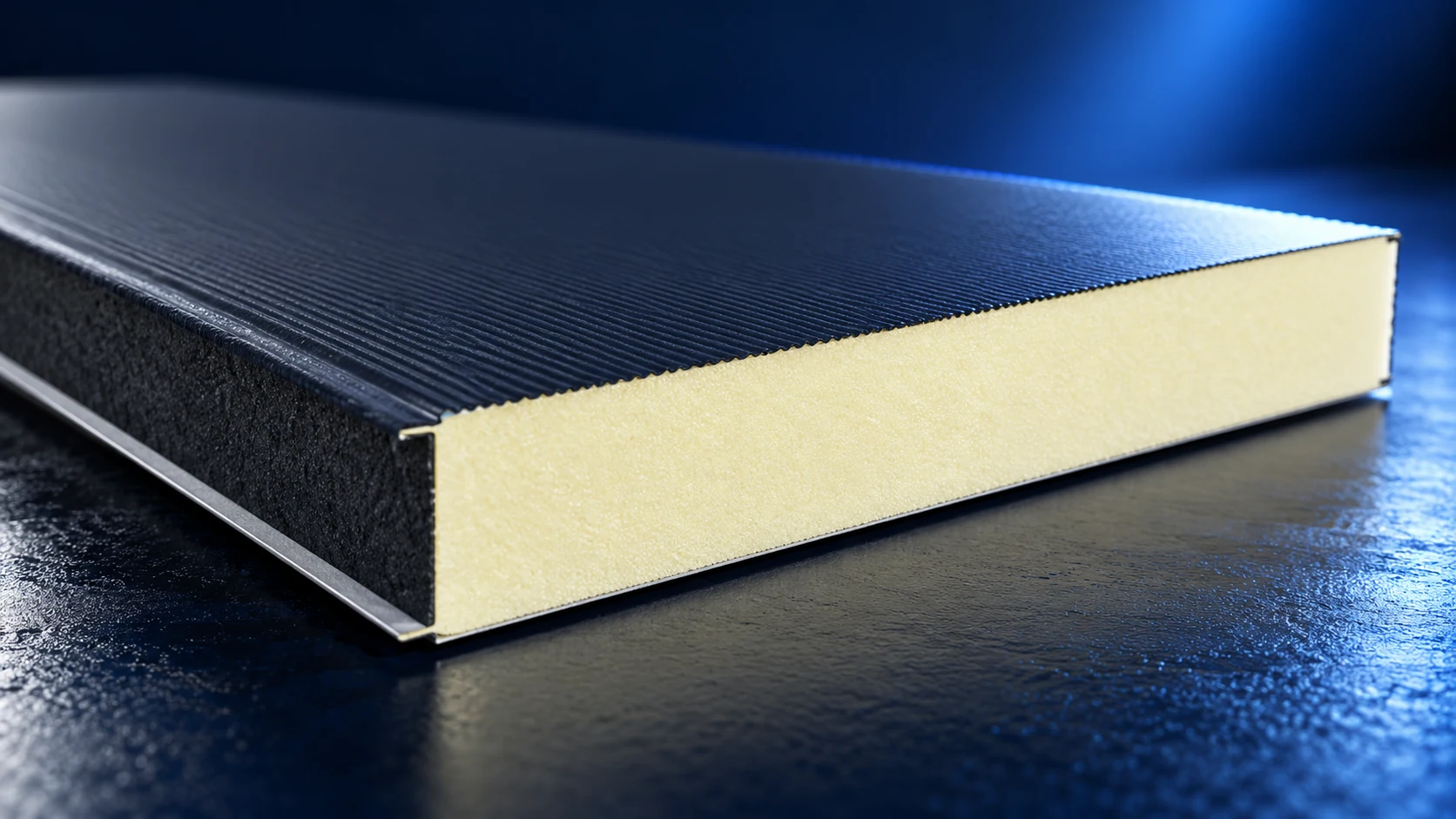
Which parts make up a panel?
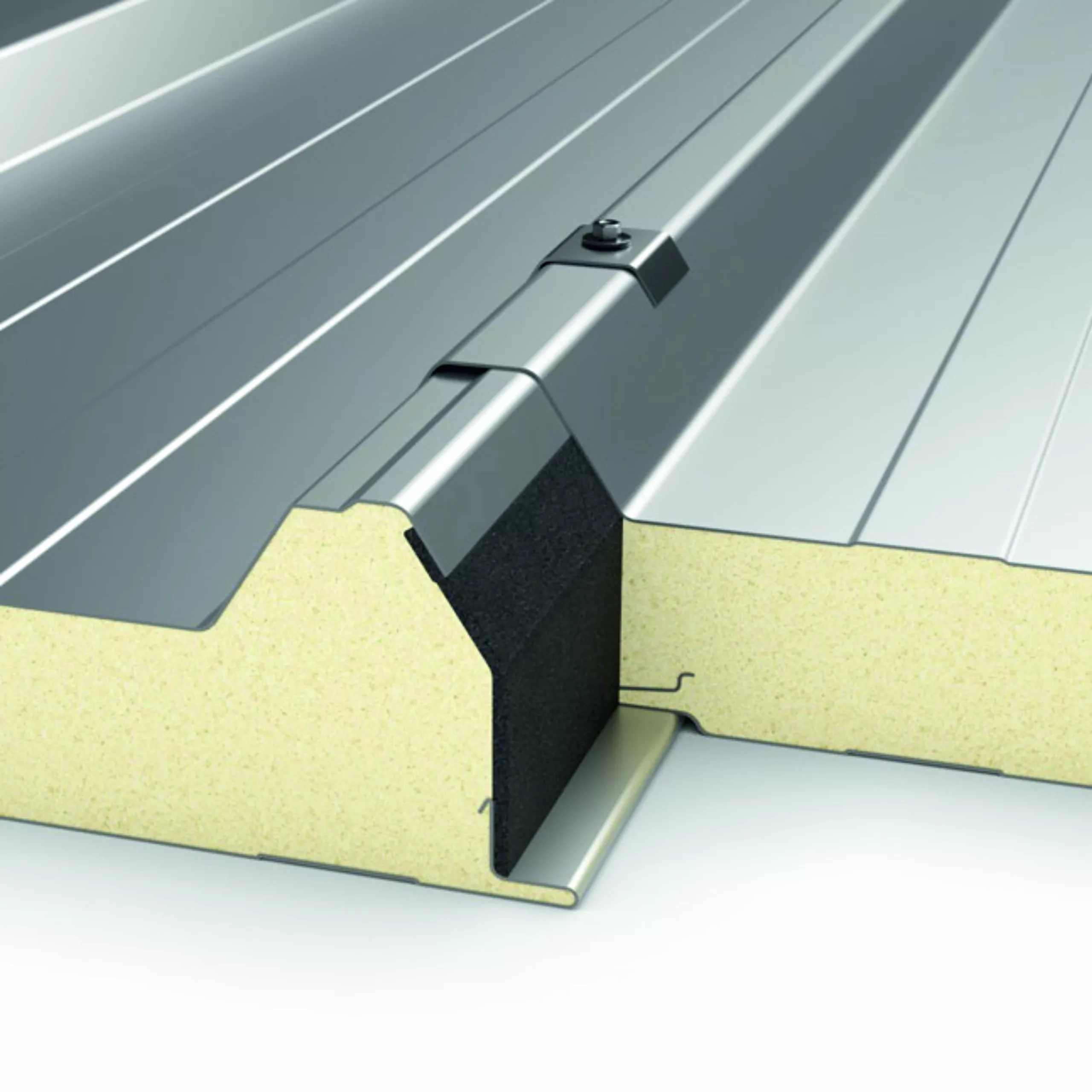
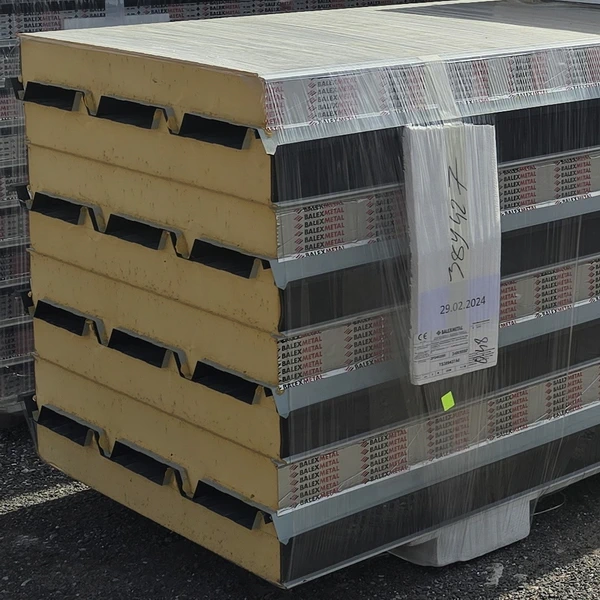
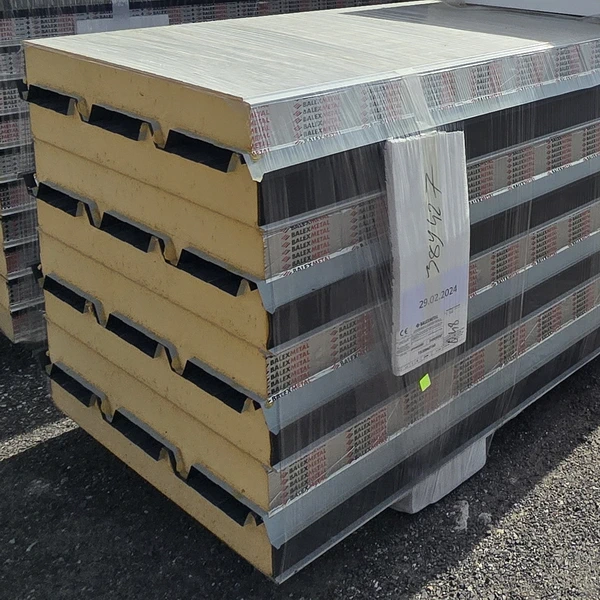
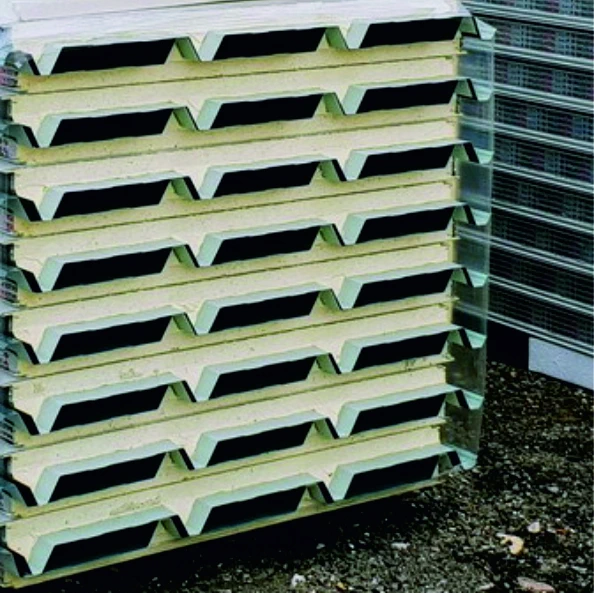
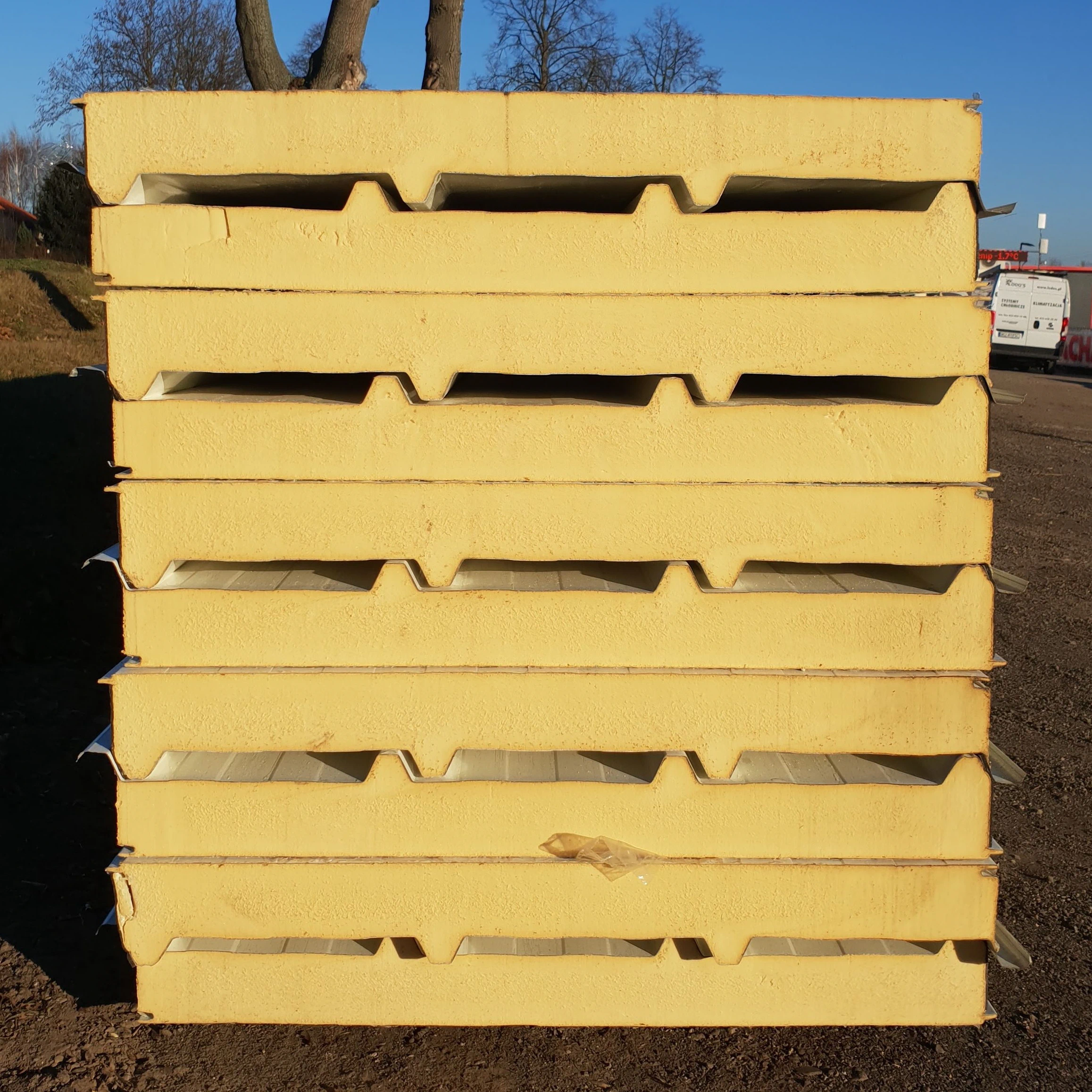
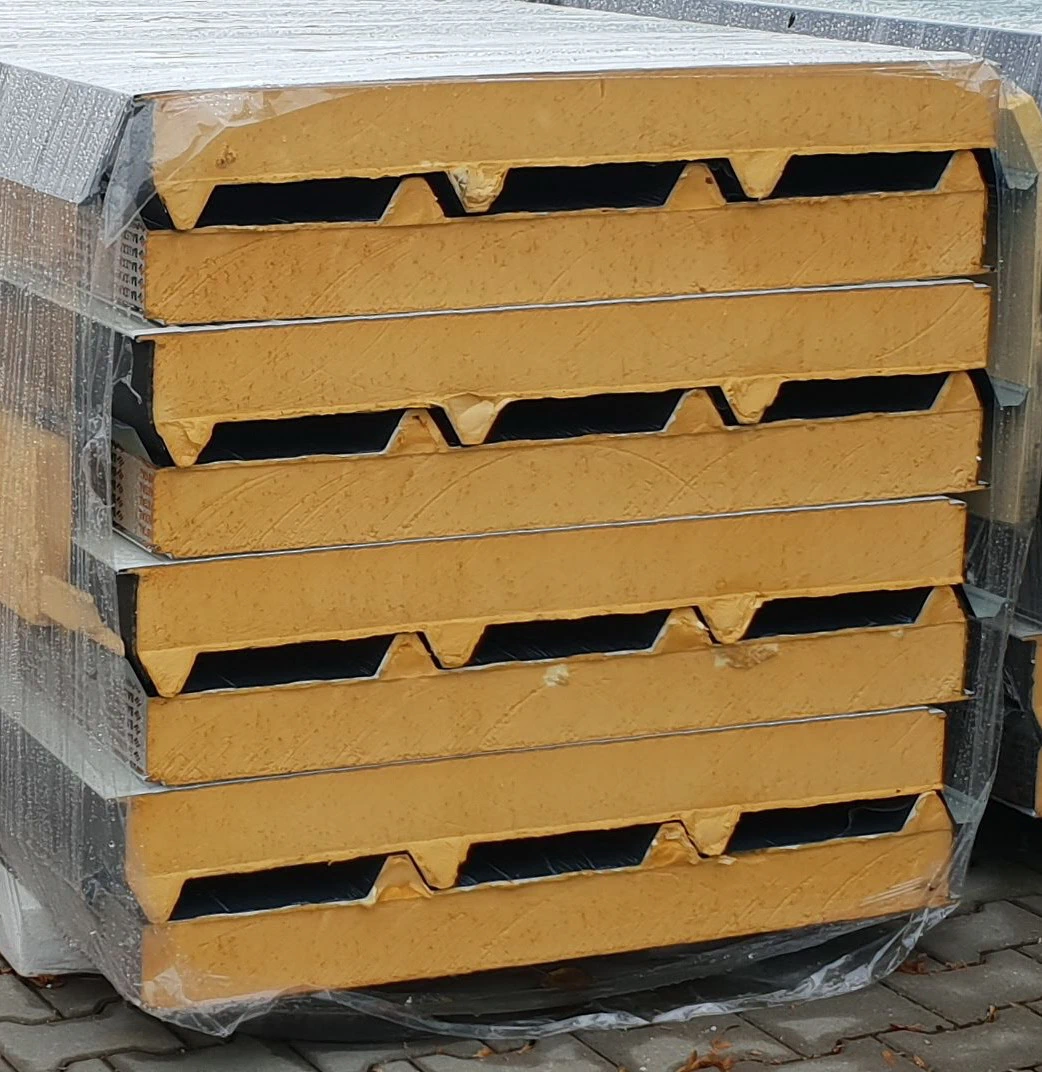
A typical metal-faced sandwich panel contains two sheets bonded to a core. The outer surface protects the enclosure and provides its appearance. The core maintains the spacing between facings, participates in carrying loads and provides insulation. Finished-panel properties depend on these layers working together.
This distinguishes a finished sandwich panel from a PIR insulation board alone. A product designed to insulate an existing structure does not become a separate roof covering merely because it has a rigid core. Always check the specific product’s intended use and documents.
Why is the bond between layers important?
Under load, the facings and core work together. Damage to their bond can alter stiffness and load-bearing capacity. Delamination is therefore different from a surface scratch. Assessment must consider the location, extent and intended use of the panel.
Do not test capacity by walking on a panel placed on improvised supports. Manufacturer tables apply to specified loads and arrangements, including facing thicknesses. Strengthening one component does not permit arbitrary spans. The design checks the enclosure, fixings and supporting structure together.
What does core thickness provide?
Greater thickness usually improves insulation within a given panel family. Selected PIR examples have Uc values of 0.64 W/(m²·K) at 40 mm, 0.22 at 100 mm and 0.19 at 120 mm. These values concern particular configurations, not a universal conversion rule. Check finished-panel performance instead of deriving it from core thickness alone.
Joints, windows, doors and thermal bridges also affect the completed building. An insulating panel cannot repair a leaking base detail. Nor does greater thickness automatically satisfy fire requirements. Each property must be assessed using the appropriate documentation.
How does the joint between panels work?
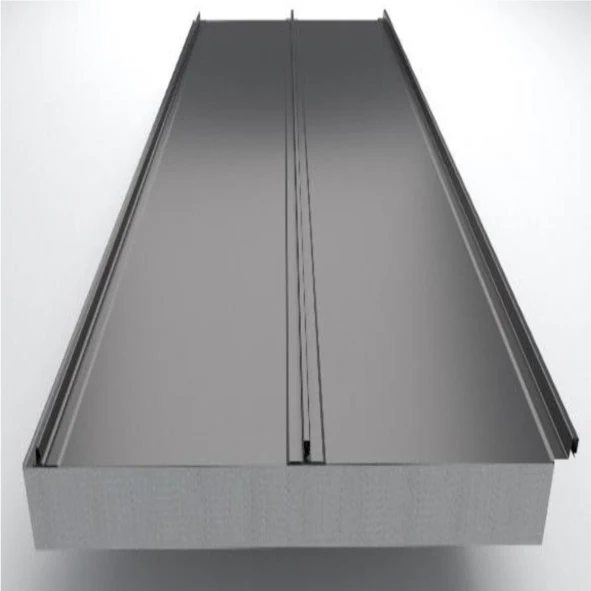
The joint positions adjacent panels and helps seal their connection. Its shape depends on the system and may conceal the fixing. Wall panels are available with exposed or concealed fasteners. Similar width does not guarantee that different joints fit together. Compare the entire edge cross-section before combining deliveries.
Do not alter edges by improvisation to connect unrelated batches. A leaking joint can admit water and air. It must also retain the conditions required for load-bearing capacity and fire resistance. Check fit and compatibility with the layout before installation.
Why does a roof need a different panel from a wall?
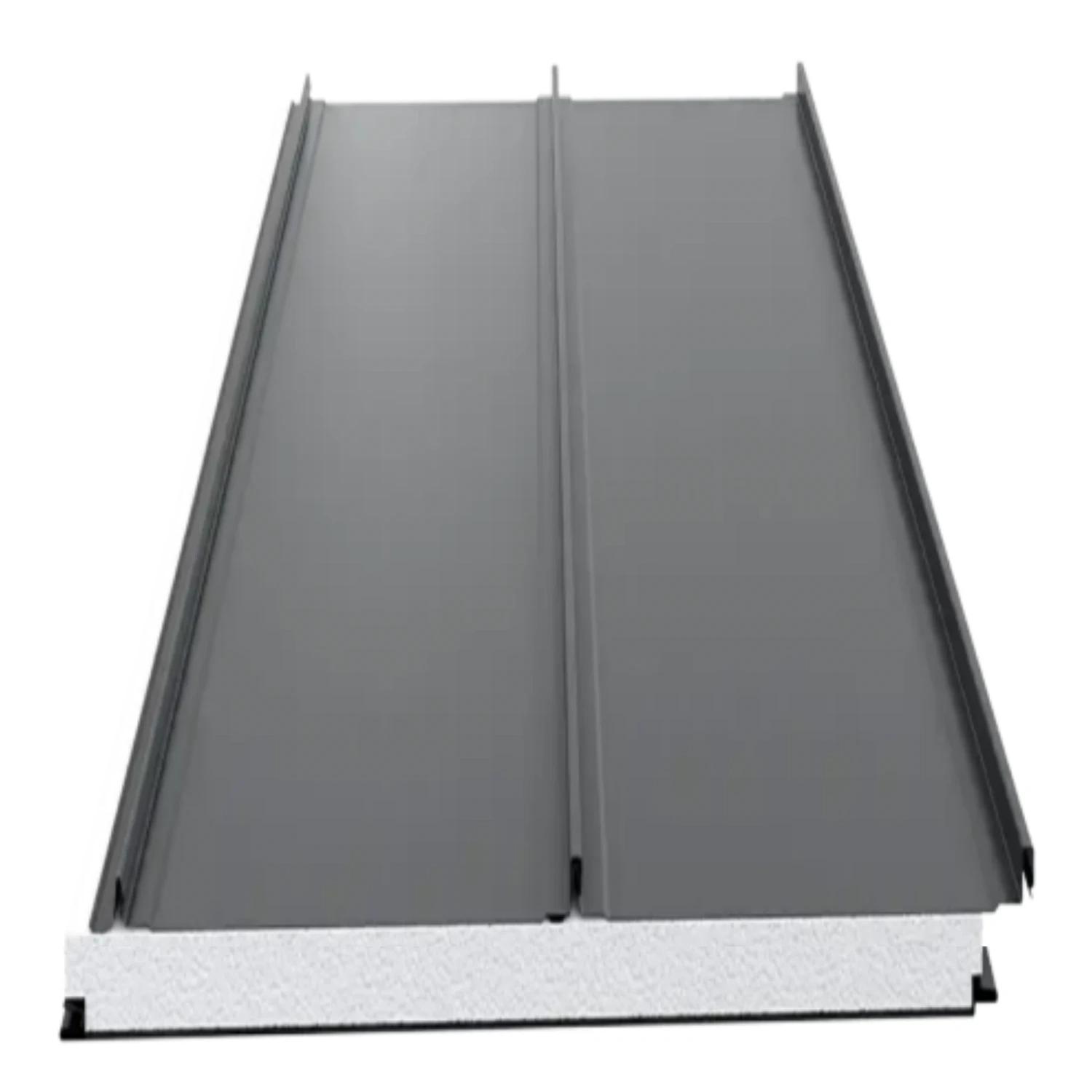
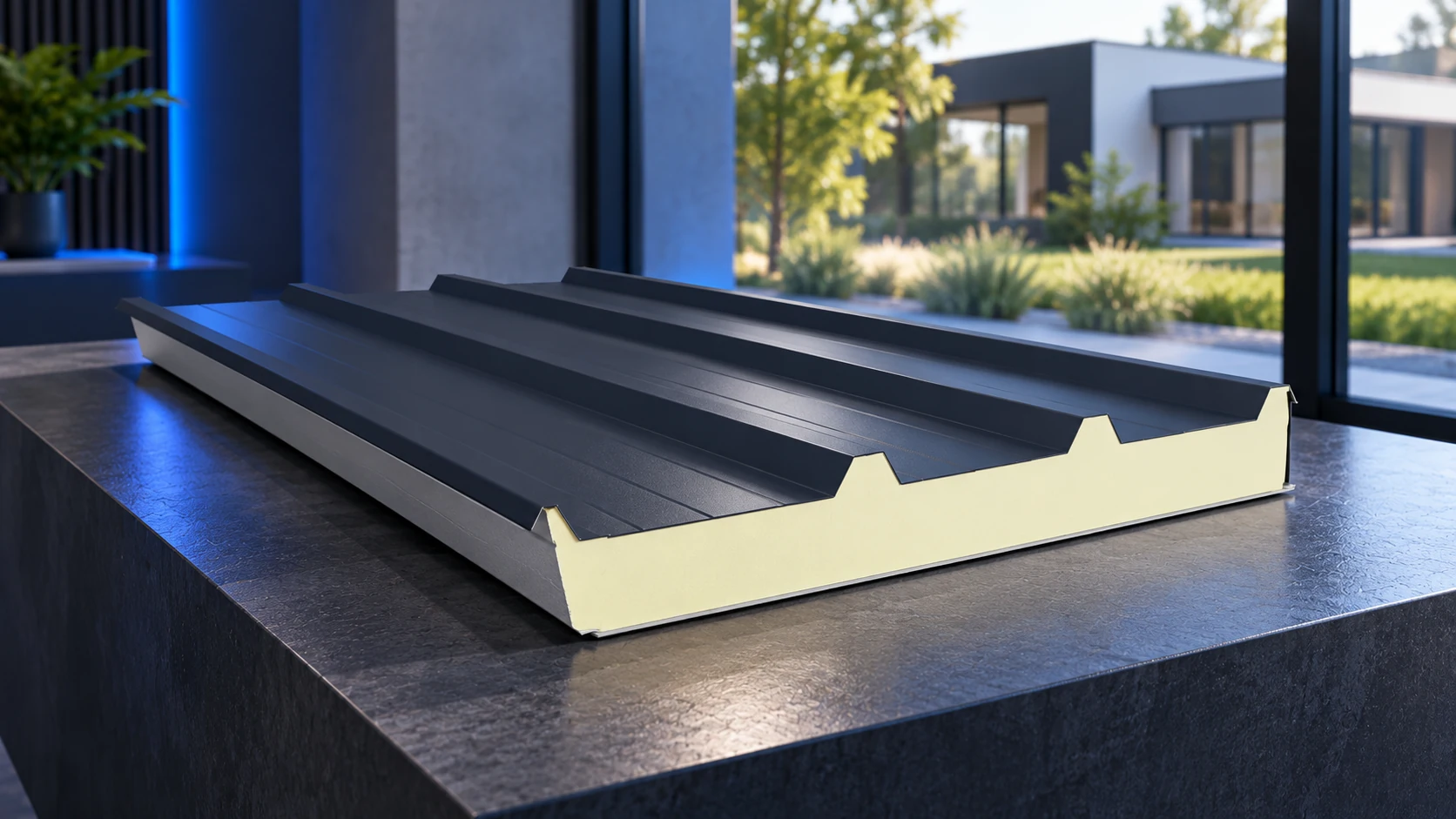
Roof loading and drainage conditions differ. A roof panel has a suitably profiled upper facing and is selected for snow, wind, purlin spacing and end details. Turning a wall panel sideways and screwing it to the frame is not an adequate solution.
One example roof panel has 1000 mm cover width. Required pitch may differ between a continuous panel and an arrangement with an end lap or rooflight. These properties belong to the particular solution. Do not transfer them to another roof merely because the core thickness matches; geometry and service conditions must be compared.
How does installation affect durability?
Incorrect cutting, lifting or fastening can undermine good materials. Metal swarf left on a facing may corrode. An unsuitable screw cannot provide the required fixing, and excessive tightening can deform the sheet and seal.
Use cutting tools approved for the facings. An angle grinder can damage coatings through heat and hot swarf. Remove metal particles afterwards. Fasteners and seals must suit the designed assembly. Inspect areas that will later be hidden by flashings; some defects become difficult to see once the wall is closed.
Which records should be kept after construction?
Keep the model designation, delivery documents, labels and panel-layout drawings, together with photographs of key details. Include seals, coatings and drainage in the maintenance plan. Set cleaning methods and frequency according to manufacturer conditions and the environment.
Before making a later opening or mounting equipment, check the detail with the designer. Services should not simply be hung from thin sheet metal. A new opening can change panel behaviour and require additional support. Correct enclosure conditions remain relevant during alterations, helping preserve panel performance over subsequent years.
Frequently asked questions
Are sandwich panels self-supporting?
They can carry specified loads between supports. This does not mean they replace the entire building structure or allow any support spacing.
Do all PIR panels have identical properties?
No. Facings, joints, thicknesses, declarations and intended uses differ.

Free quote
What to include in your enquiry
Tell us how you plan to use the material, the dimensions and the quantity you need. Include the thickness, grade or variant name, along with the delivery town or your preferred collection branch. For a specific product, add its name or a link to the product page. We will reply to the email address you provide to discuss availability and the terms of your order.
More from the building guide
Sandwich panels can form part of a house's envelope, but their use requires a design for the whole building. Roof and wall…

Supplier reviews can help assess service, but they do not replace checking the material being purchased. Separate product quality from transport, advice…
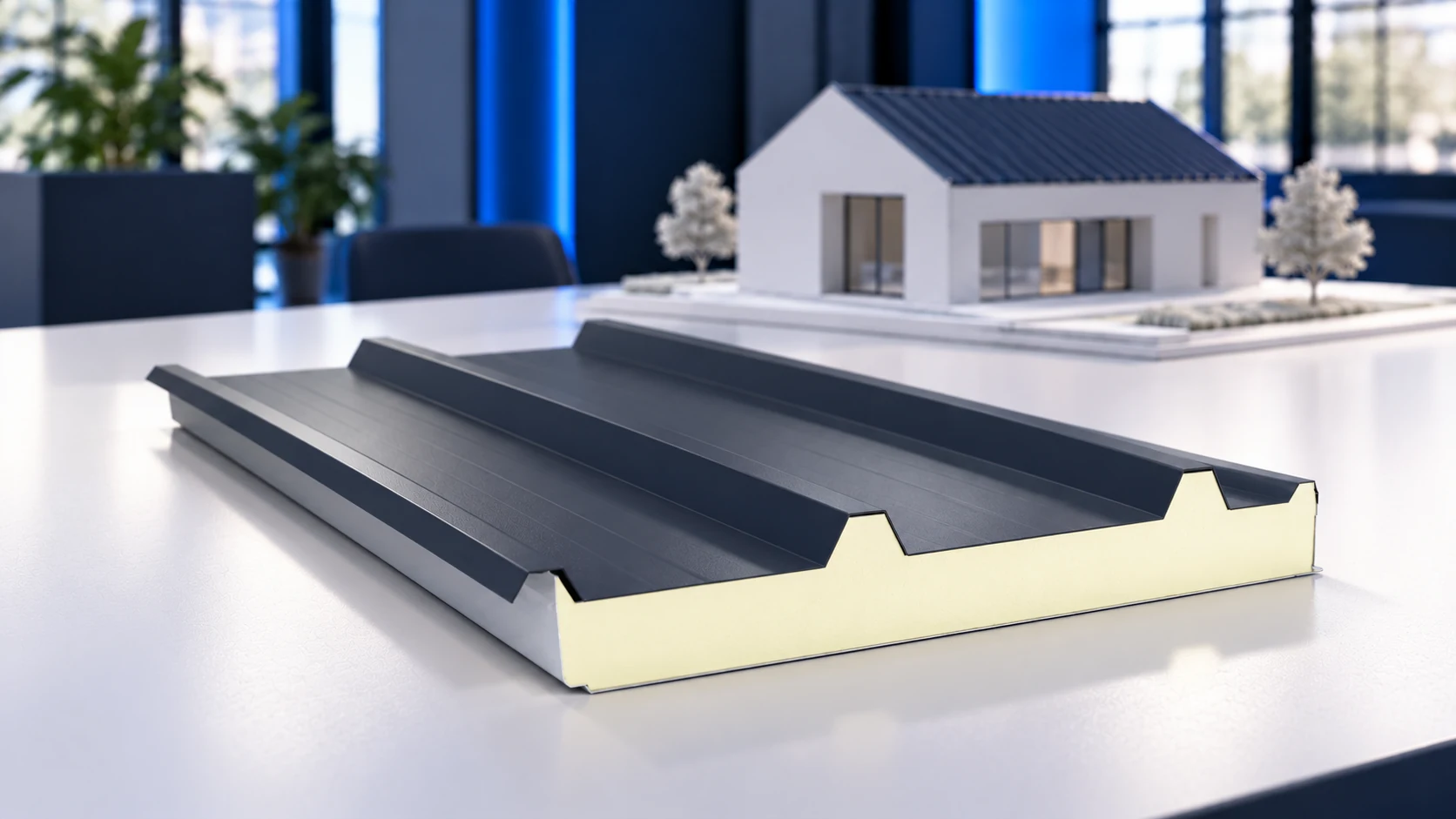
The price of sandwich panels is not the price of a house. A complete budget depends on foundations, supporting structure, building services,…
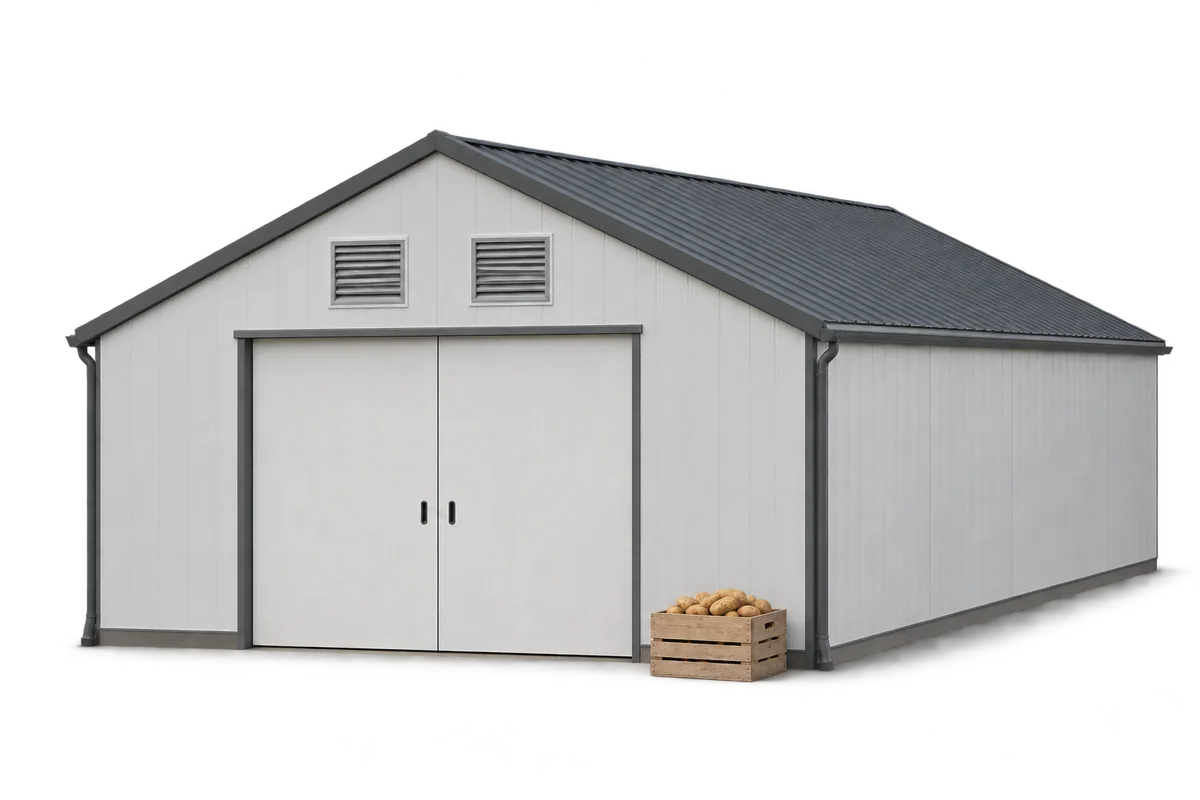
An old warehouse can often be adapted to store potatoes without building a new hall. Three things must work together: an airtight…
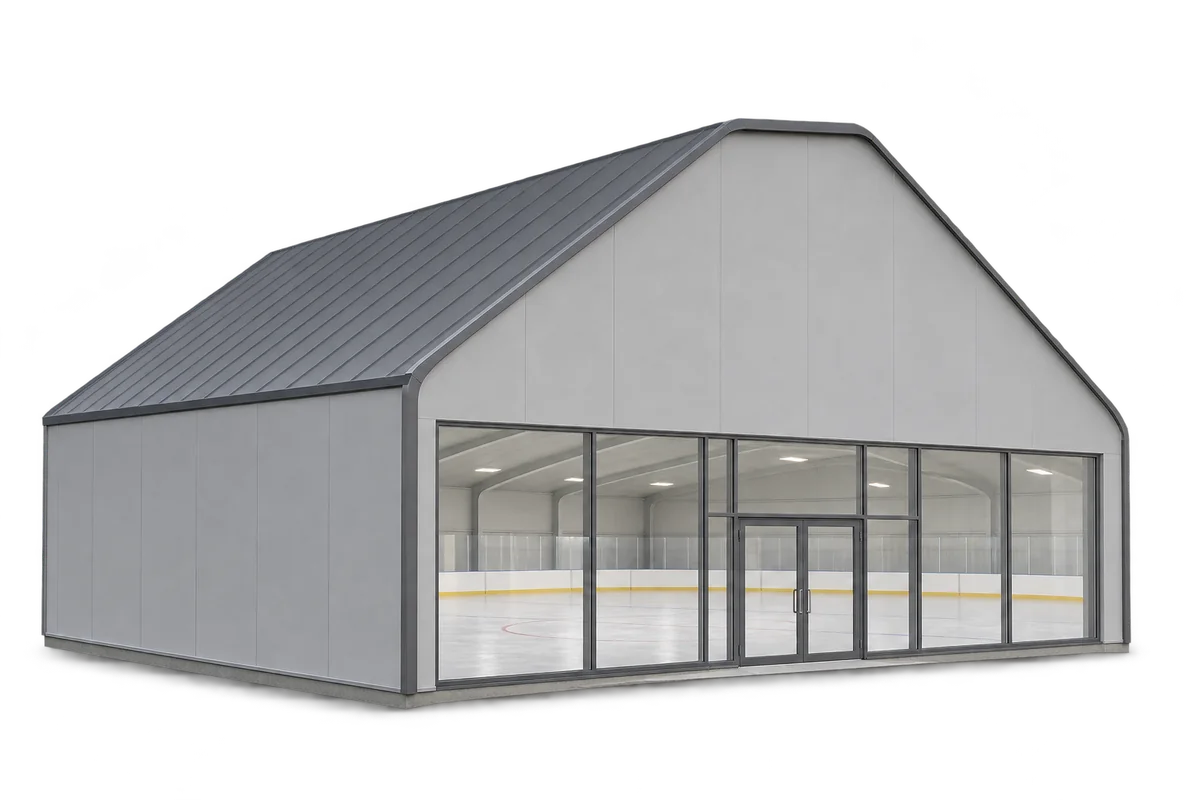
Sandwich panels can form the walls and, in some designs, the roof of an indoor ice rink. They limit heat transfer and…
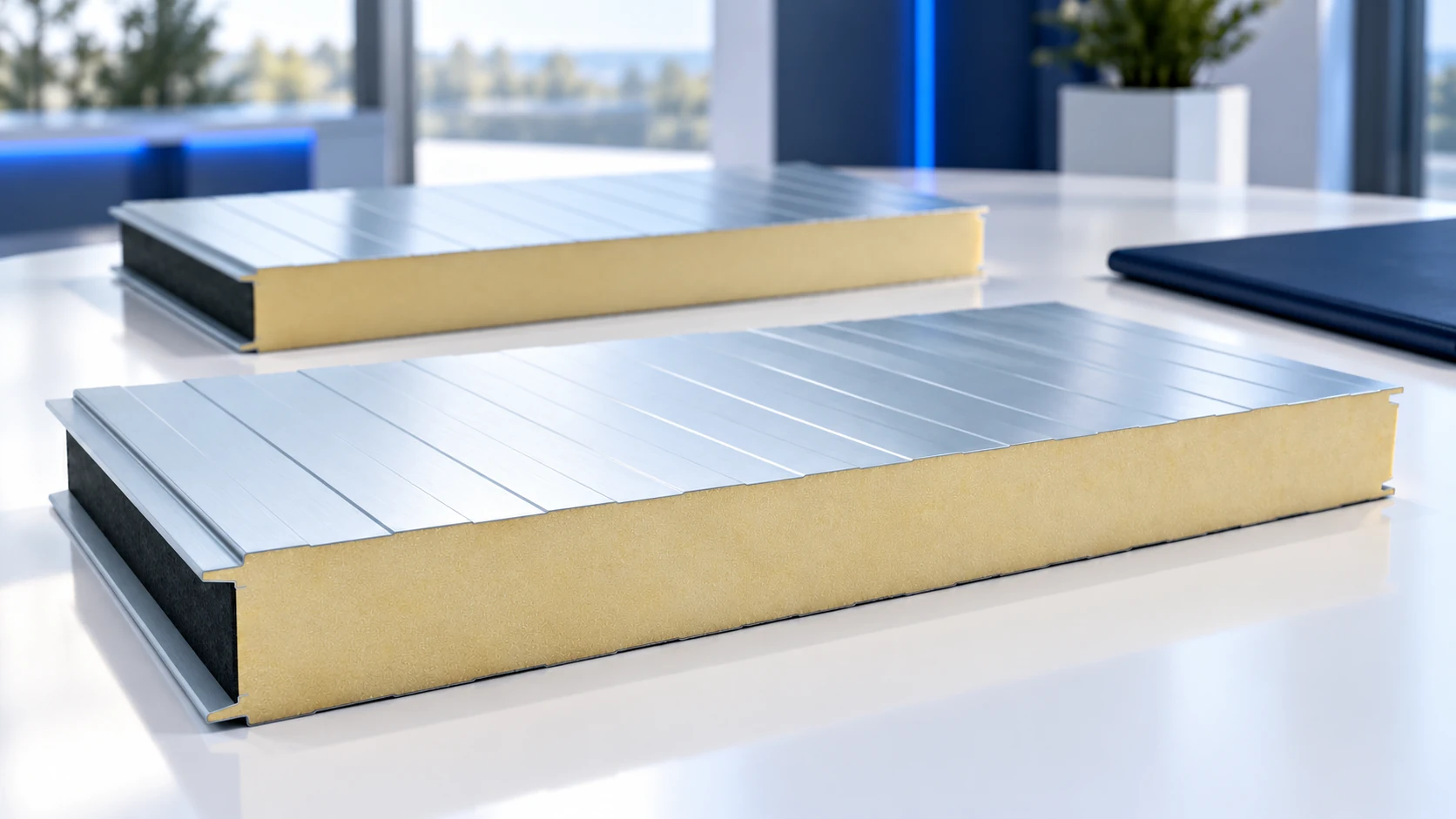
The cheapest advertised sandwich panel does not necessarily produce the cheapest enclosure. Panel lengths, cutting waste, transport and missing accessories can outweigh…
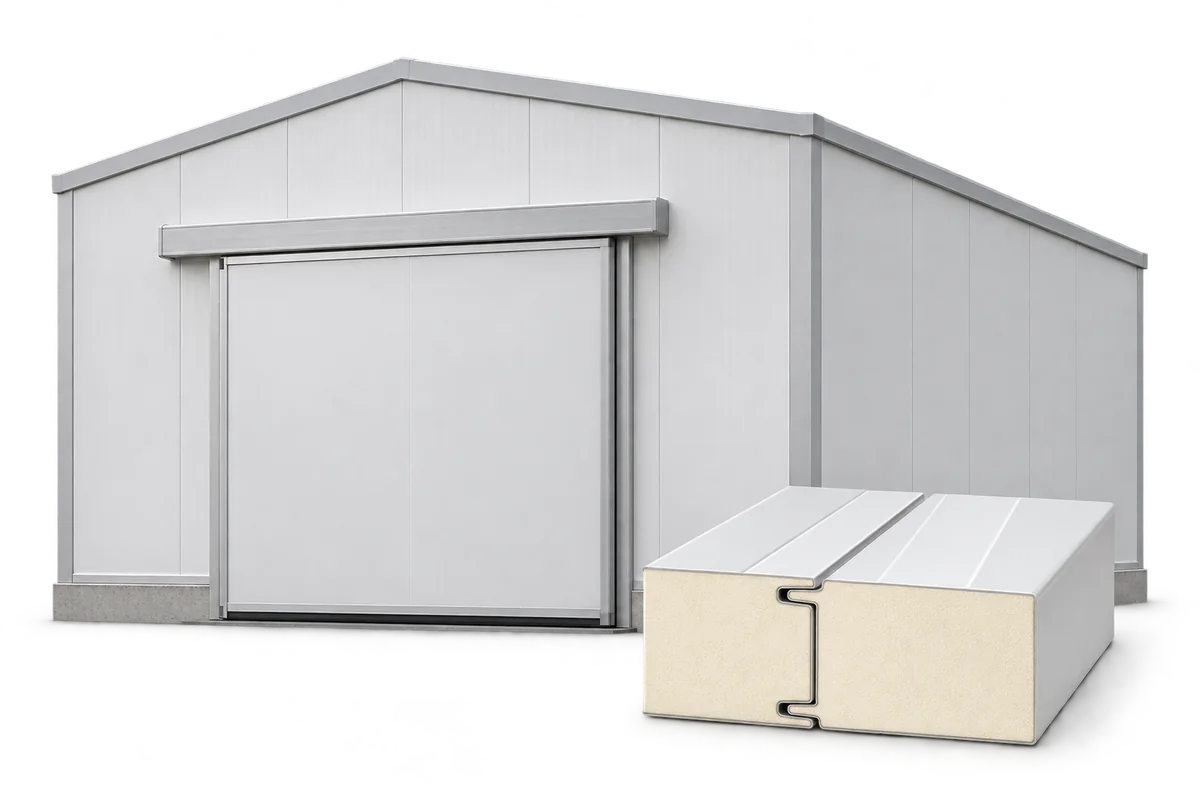
A cold room is a large insulated chamber, but its performance depends on the details. The walls, ceiling, floor and doors must…
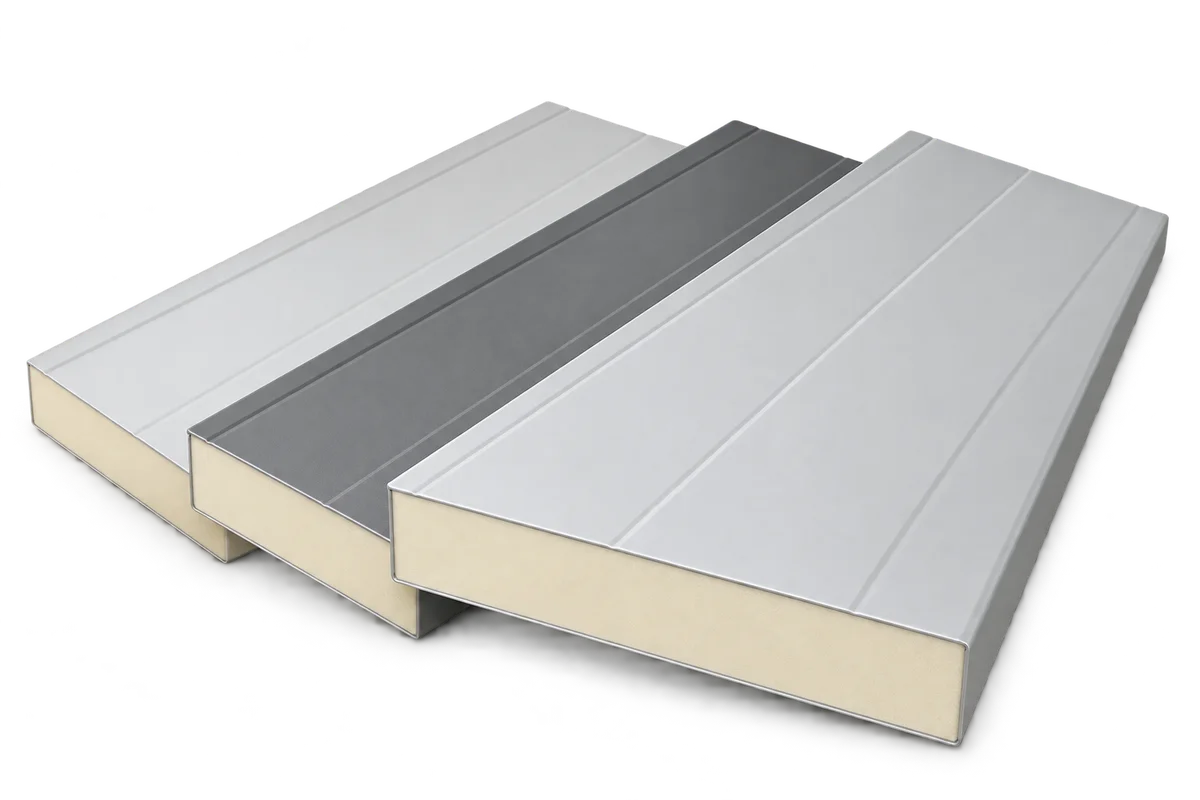
The delivery date for a large machine helps determine the sequence for installing sandwich panels. The machine must get inside, turn and…