






How practical roofing training improves installation quality
Structure and installation
Useful roofing training should leave an installer able to check their own work, not merely holding a certificate. Roofers need to understand drainage paths, fixing functions and how sheets behave during handling. Look for practical detail-making exercises followed by discussion of mistakes. This guide explains what to expect from training on steel roof tiles, trapezoidal sheets and sandwich panels, and how to apply it on site. It also suggests questions clients can ask before appointing a contractor. Training complements experience, instructions and design; its value is best judged by the tasks a participant can perform correctly and explain.
Why combine experience with further training?
Before using a new profile, compare its instructions with those for your previous material. Interlocks, tolerances and fixing positions may differ. Similar appearance does not justify transferring the entire installation method, particularly when the format or accessory range has changed.
Ask why a detail is recommended. Understanding drainage, thermal movement and joint behaviour helps assess unusual site conditions. Memorising a sequence of actions is less useful if the participant cannot recognise when it is no longer appropriate.
What makes a training programme practical?
Look for measurement and substrate preparation followed by exercises at eaves, ridges, valleys and penetrations. Laying a few sheets on a perfectly straight model cannot reveal every difficulty. Check how much time is allocated to participants’ own work and questions.
Exercises should include feedback on the result. Comparing correct washer compression with excessive or insufficient tightening teaches more than a general call for care. Participants should also receive current documents that let them revisit the requirements of the product used.
Which skills matter for steel roof tiles?
Practise setting out the eaves, checking geometry and positioning battens. Modular sheets require monitoring cumulative row drift; long sheets need support while being lifted. Deformation can impair lap alignment even without visible paint damage.
Distinguish fixing to a support from stitching sheets together. Screw type, position and tool setting follow the task and instructions. Include approved cutting and touch-up methods; a habit suitable for one profile is not a universal instruction for others.
What matters for T18, T35 and sandwich panels?
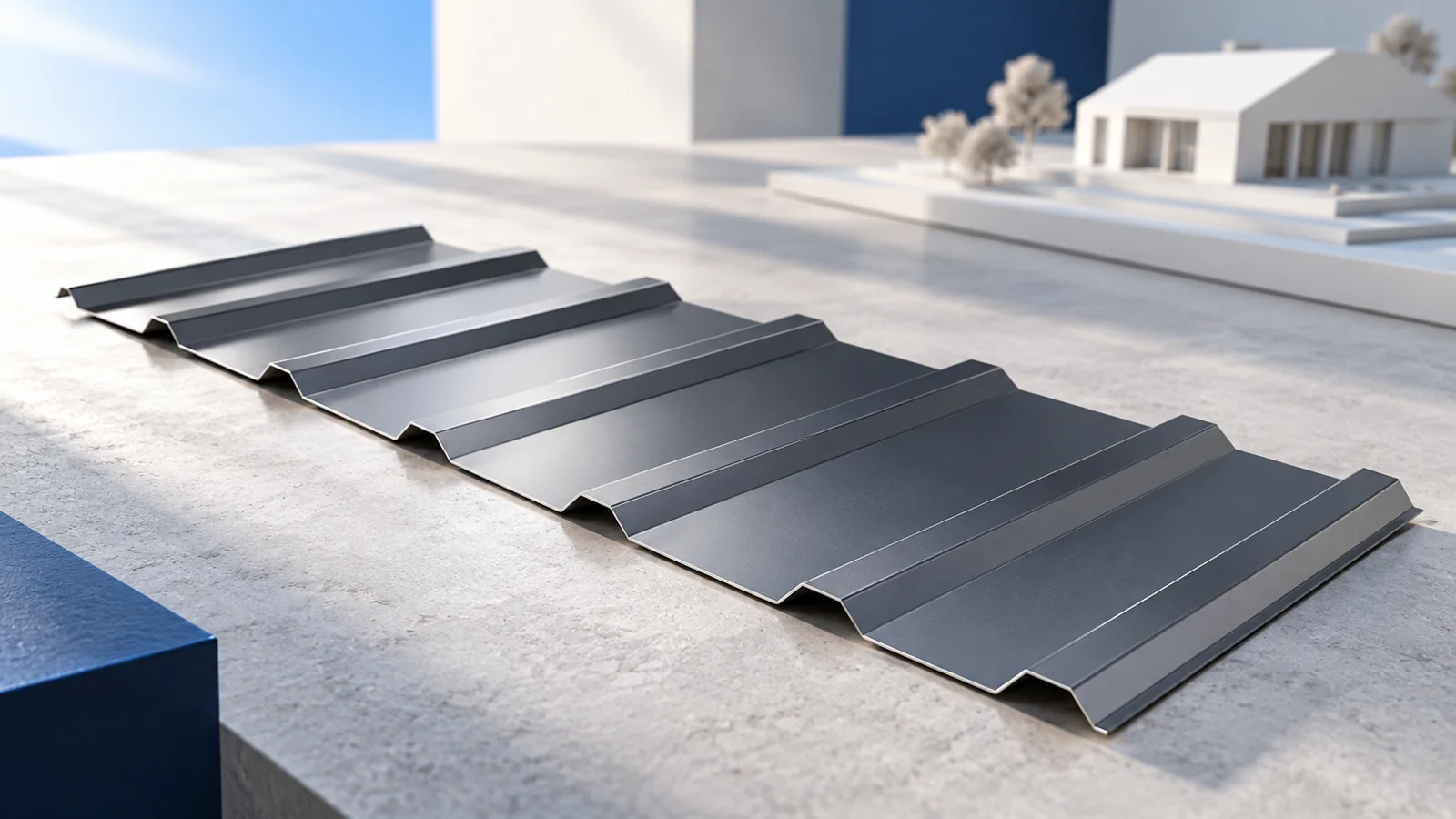
For trapezoidal sheets, participants should identify effective cover, thickness and the specified support arrangement. Load tables apply to defined conditions, including span configuration. Roofers do not replace designers, but should recognise missing information before installation starts.
Sandwich-panel training should cover interlocks, seals and lifting long panels without damaging facings. Discuss the distinction between wall and roof panels too. Training should explain application limits rather than encourage improvised conversion of any panel to any purpose.
How should safety be included?
Site organisation is a roofing skill. Plan material handling, fall protection and work around sharp edges. Large sheets catch wind, so crew size and handling equipment must suit the operation rather than simply the desired production rate.
Discuss when to stop work, including slippery surfaces, ice and dangerous wind. Protective measures depend on the workplace and equipment. A brief demonstration does not replace preparing the crew to use them correctly on a real site.
Should clients ask about completed courses?
Ask about the subject, date and practical content of training. Treat a certificate as one part of assessment alongside completed projects and work organisation. Attendance on a course for one system does not automatically establish experience with every covering the contractor offers.
Discuss an actual roof drawing. Ask the contractor to explain sheet layout, ventilation or a chimney junction and identify unresolved inputs. Recognising the need for another measurement or consultation can be more credible than answering immediately without checking conditions.
How do you apply training on site?
After training, prepare a short stage checklist: delivery, storage, support inspection, fixings and final cleaning. Assign responsibility for checks and photographs before details are concealed. A shared list helps maintain consistent standards across different team members.
For each new order, compare the checklist with the current product instructions and design. Training helps people ask the right questions but does not replace these documents. Its most useful result is recognising a mismatch before repeating it across the whole roof.

Free quote
What to include in your enquiry
Tell us how you plan to use the material, the dimensions and the quantity you need. Include the thickness, grade or variant name, along with the delivery town or your preferred collection branch. For a specific product, add its name or a link to the product page. We will reply to the email address you provide to discuss availability and the terms of your order.
More from the building guide
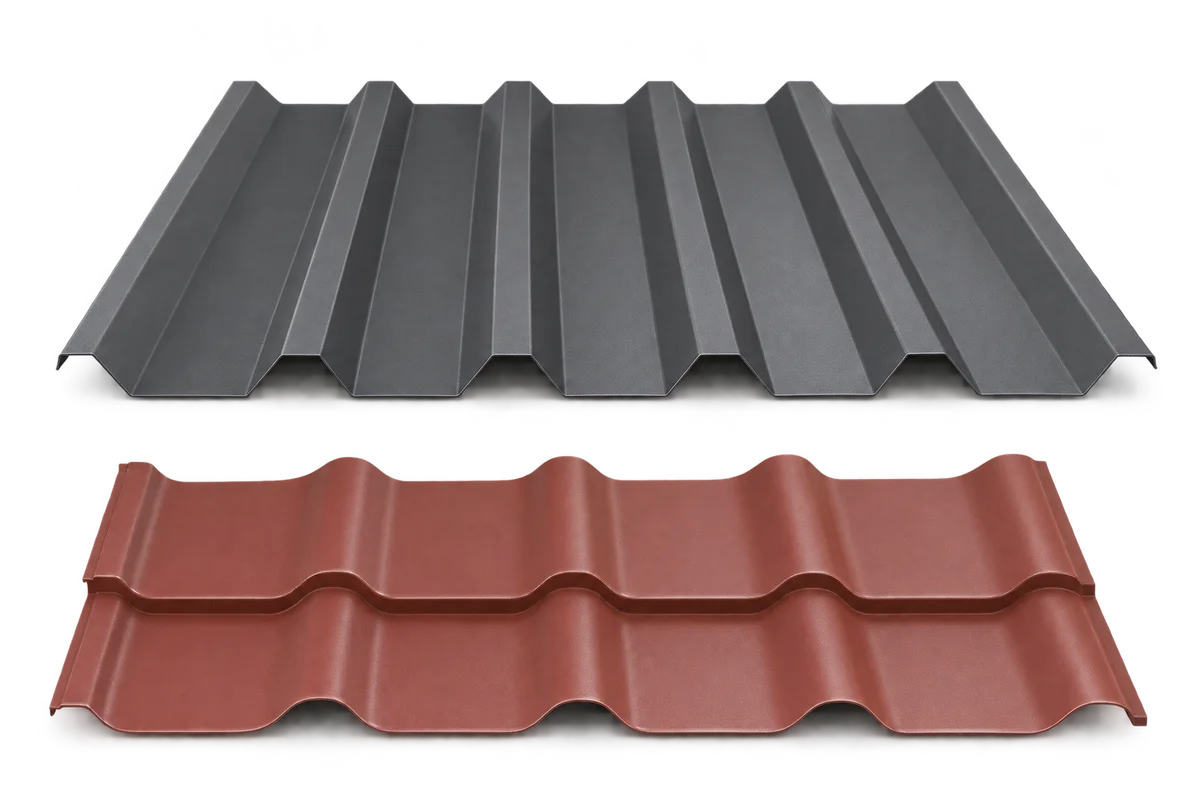
Choosing metal roofing for a house with a narrow access route means checking the delivery journey as well as the roof covering.…

Choosing trapezoidal steel roofing starts with the roof: its pitch, supports, loads and intended use. Those requirements determine a suitable profile and…
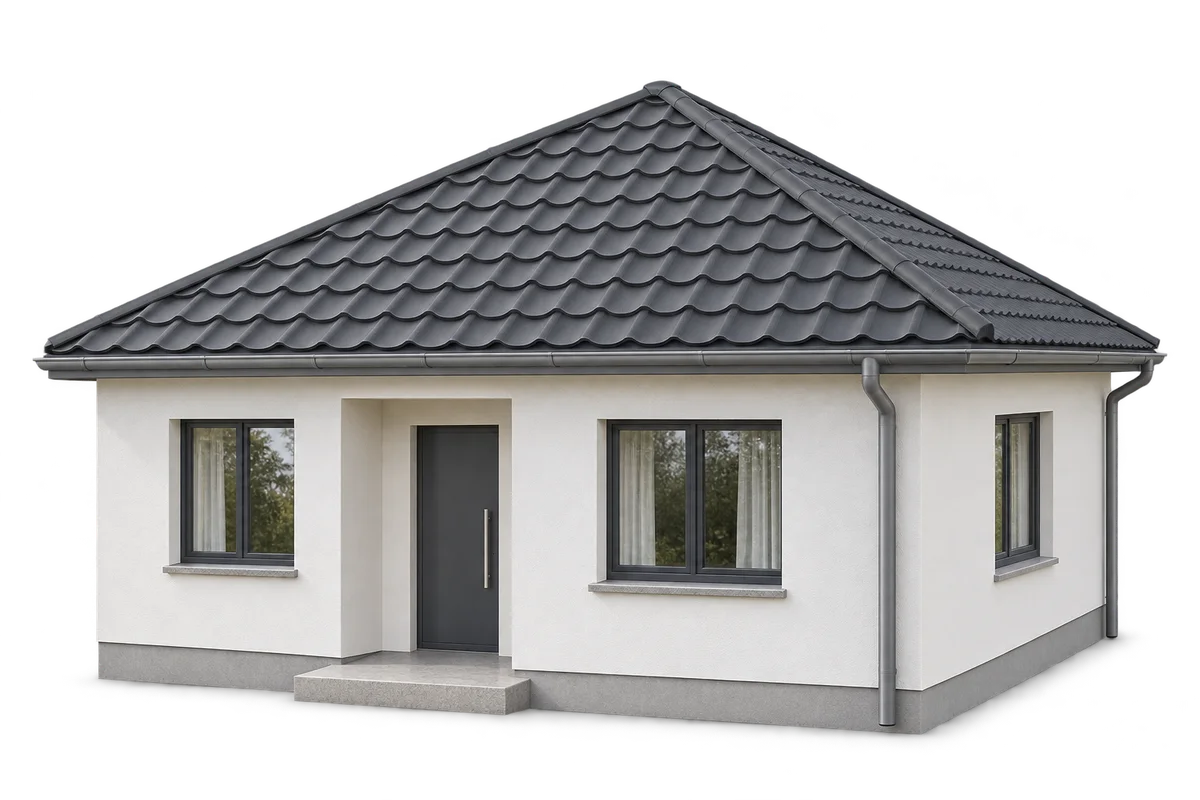
A hipped roof suits a compact house and allows the eaves to run around the building. Compared with a simple gable roof,…
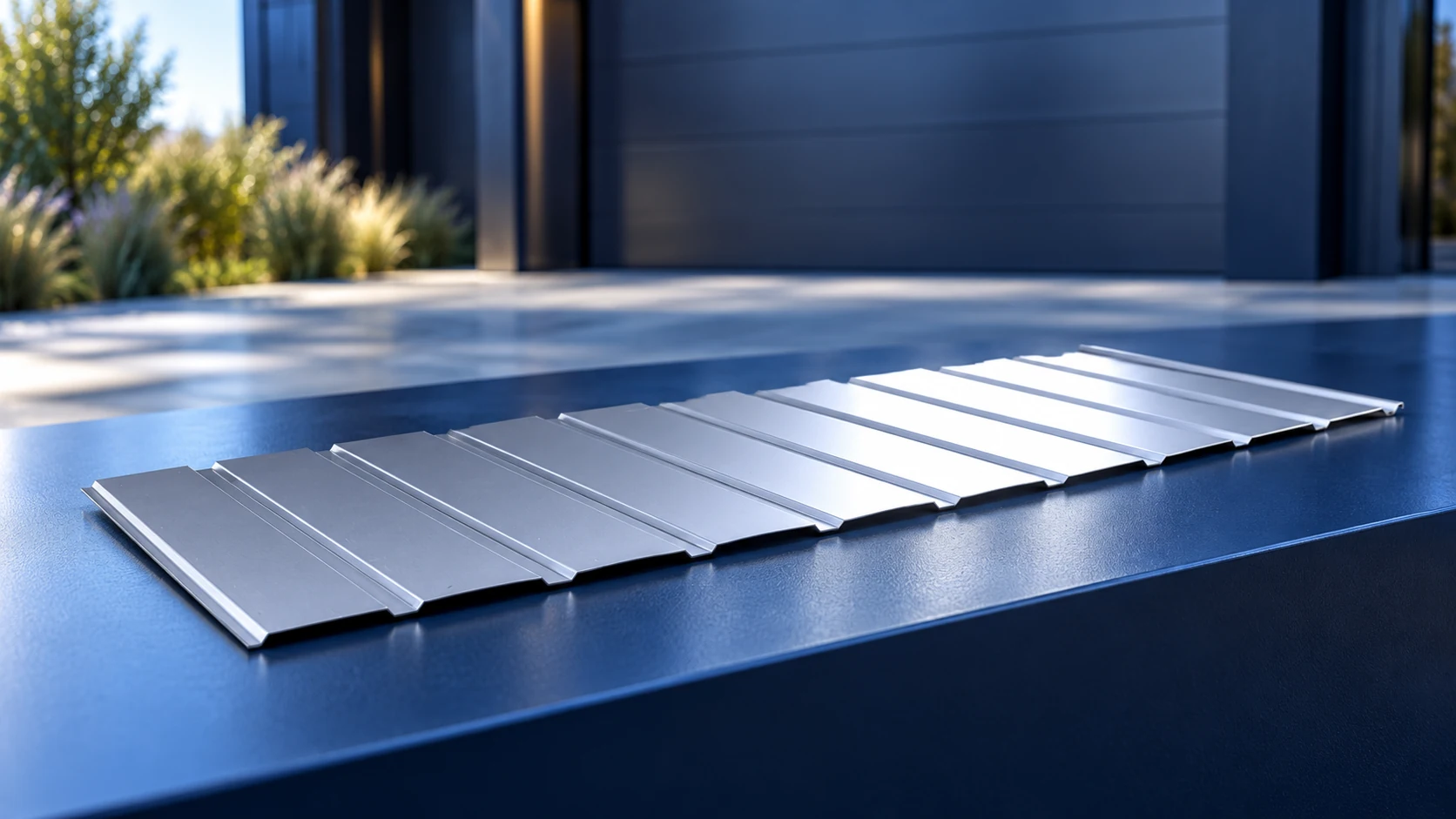
T7 is a very shallow trapezoidal sheet profile. One wall-cladding version is 7 mm high, covers 1175 mm and measures 1197 mm…
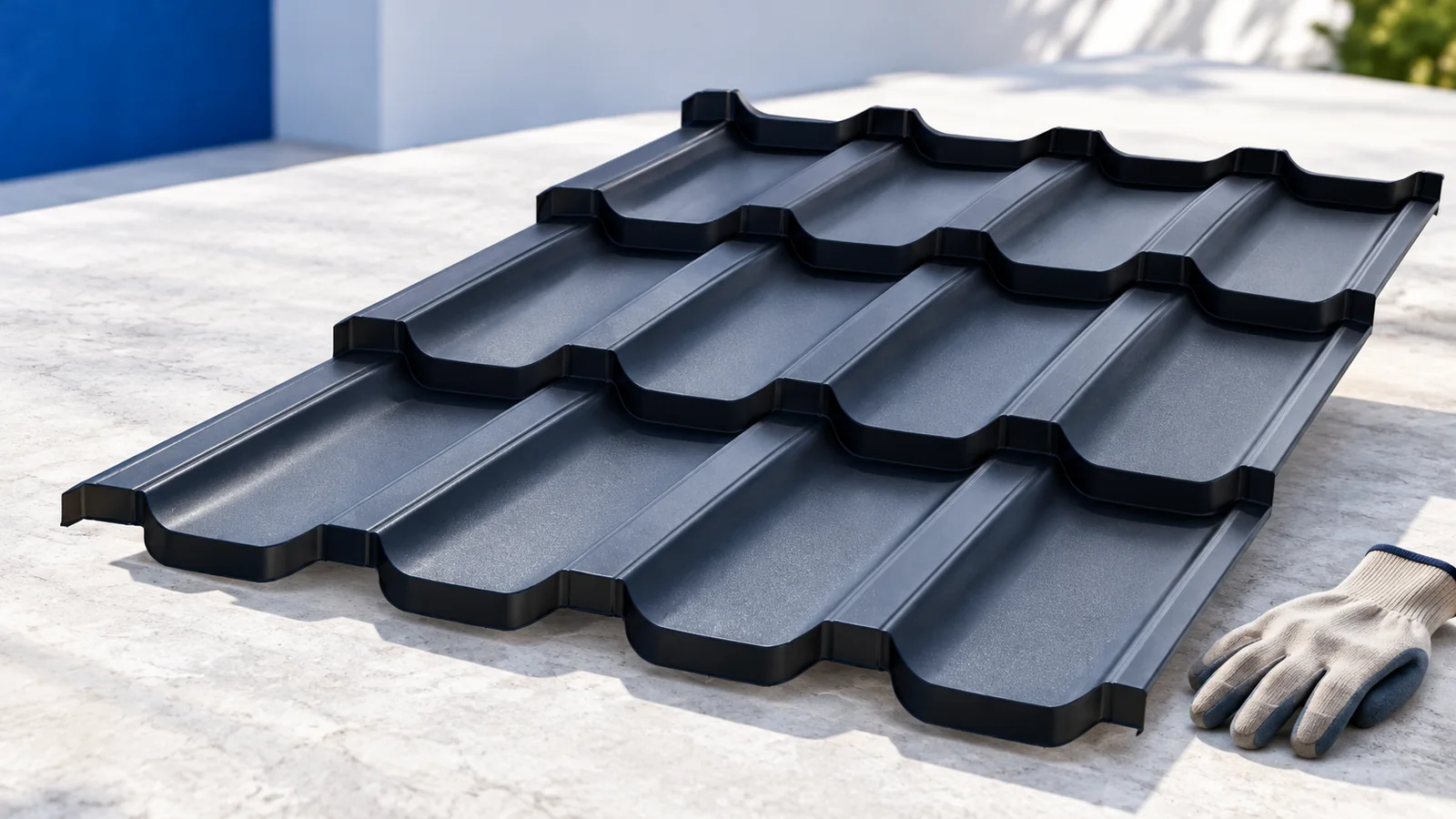
Choose a holiday cabin roof around its structure, pitch and intended use. A building visited in summer needs a different roof build-up…
The proportions of a roof, the rhythm of its joints and the finish at its edges shape its appearance. Modular metal roof…
Choose trapezoidal sheets for a canopy by starting with roof conditions, not sheet colour. Establish pitch, support spacing, how enclosed the sides…

T35 trapezoidal steel sheet has a nominal profile height of about 35 mm, but that designation alone is insufficient for ordering a…