






Steel or PVC gutters: compare capacity, movement and the full system
Gutters and flashings
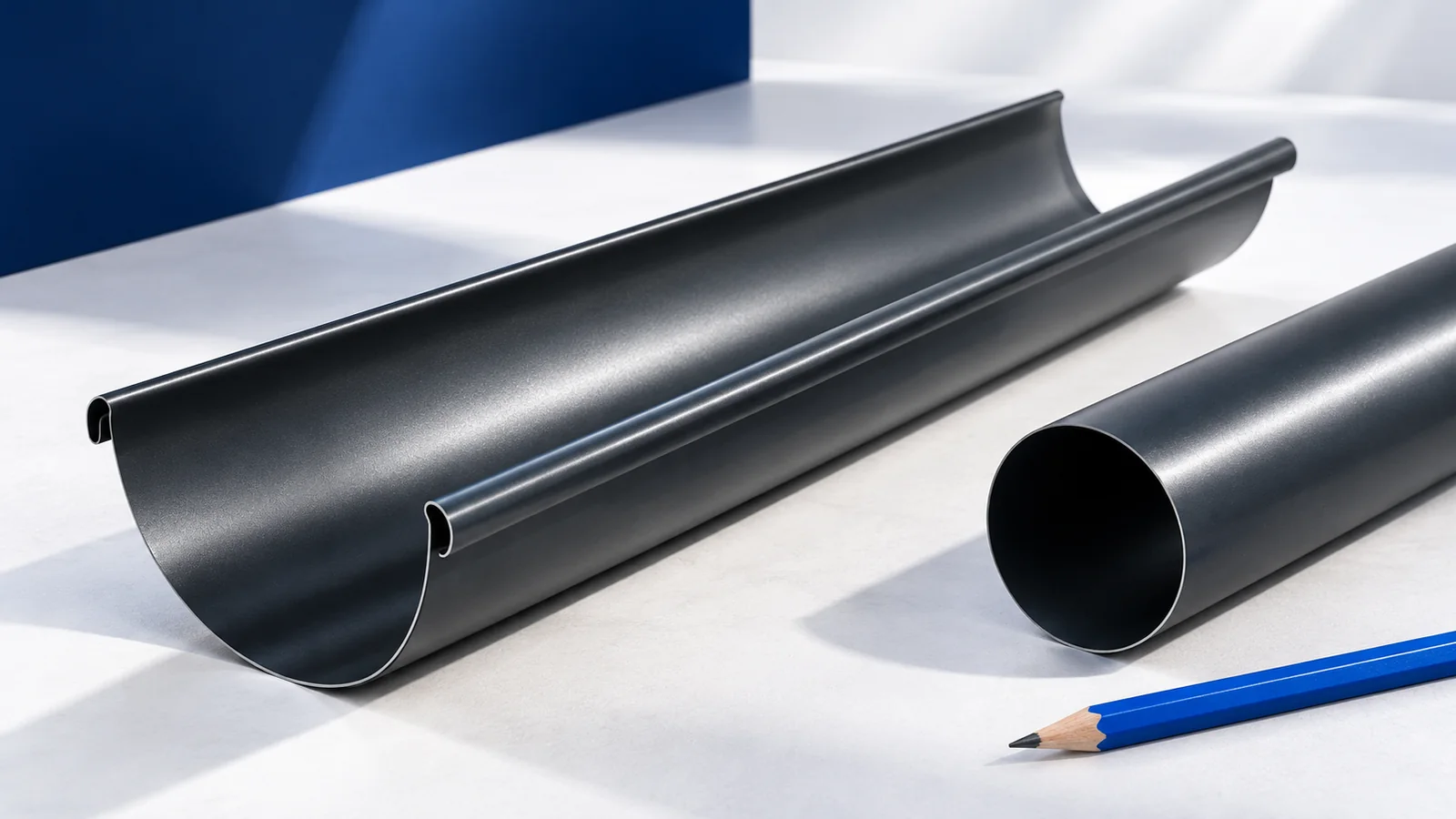
Choose steel or PVC gutters after mapping the route of water from the roof. Material affects stiffness, weight, surface protection and thermal movement, but it cannot replace adequate drainage capacity. An undersized outlet remains a restriction regardless of gutter colour. This guide compares the options through practical purchasing decisions: section size, outlet numbers, fittings, supports and cleaning access. It also explains why similar-looking parts may not be compatible. Compare the cost of the complete installation, including carrying water away from the building. Both systems depend on correct assembly, protection against unintended loading and regular debris removal, rather than on the raw material alone.
What should be established before choosing the material?
Assign roof areas to individual outlets. Valleys can concentrate flow from several surfaces, so eaves length alone does not establish capacity. Size the sections for the building’s geometry and design conditions.
Plan onward drainage from downpipes, away from unprotected foundations. Include access to joints and cleaning points. Only then will a steel-versus-PVC comparison use a genuinely equivalent layout.
What does a steel system offer?
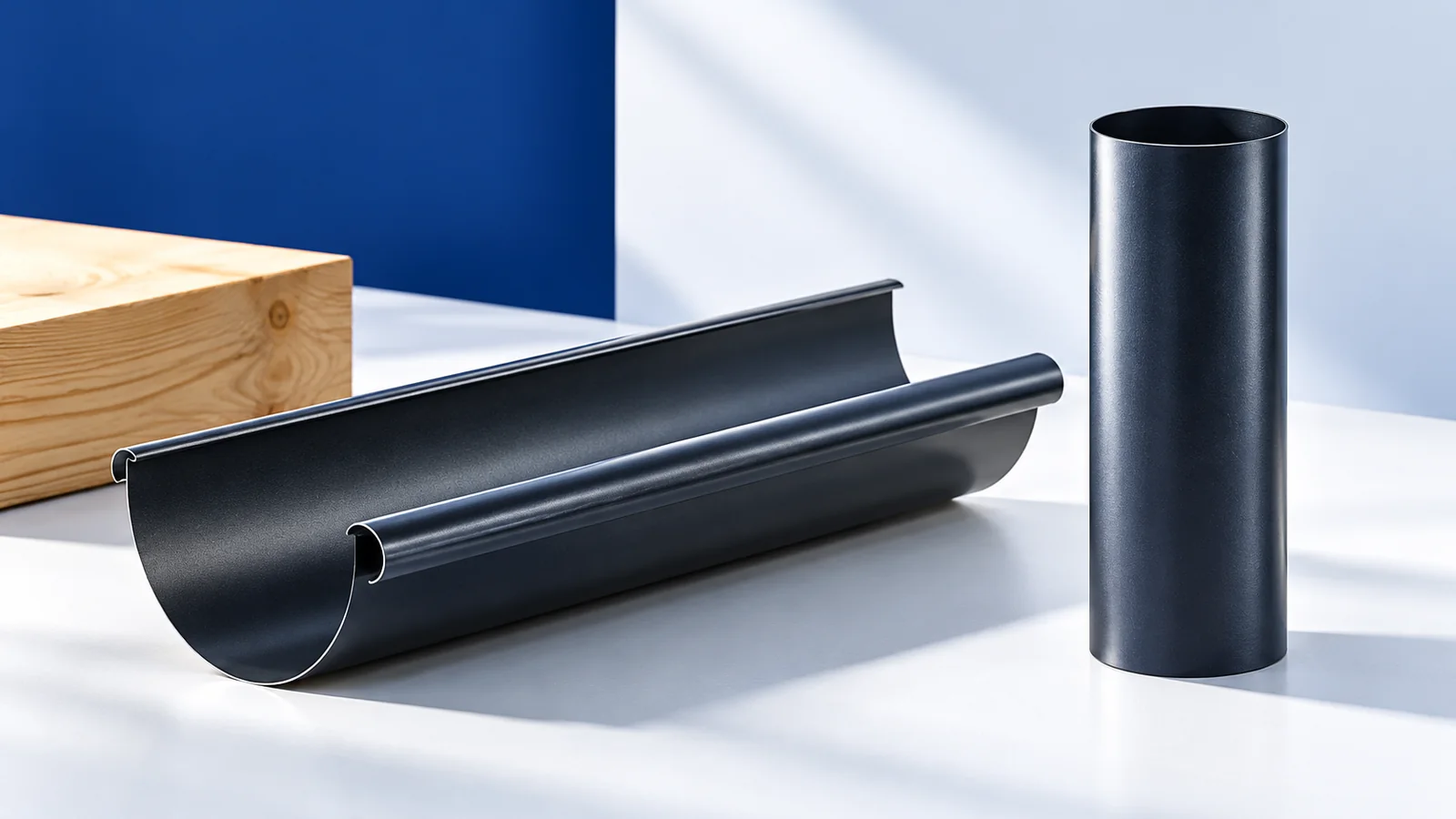
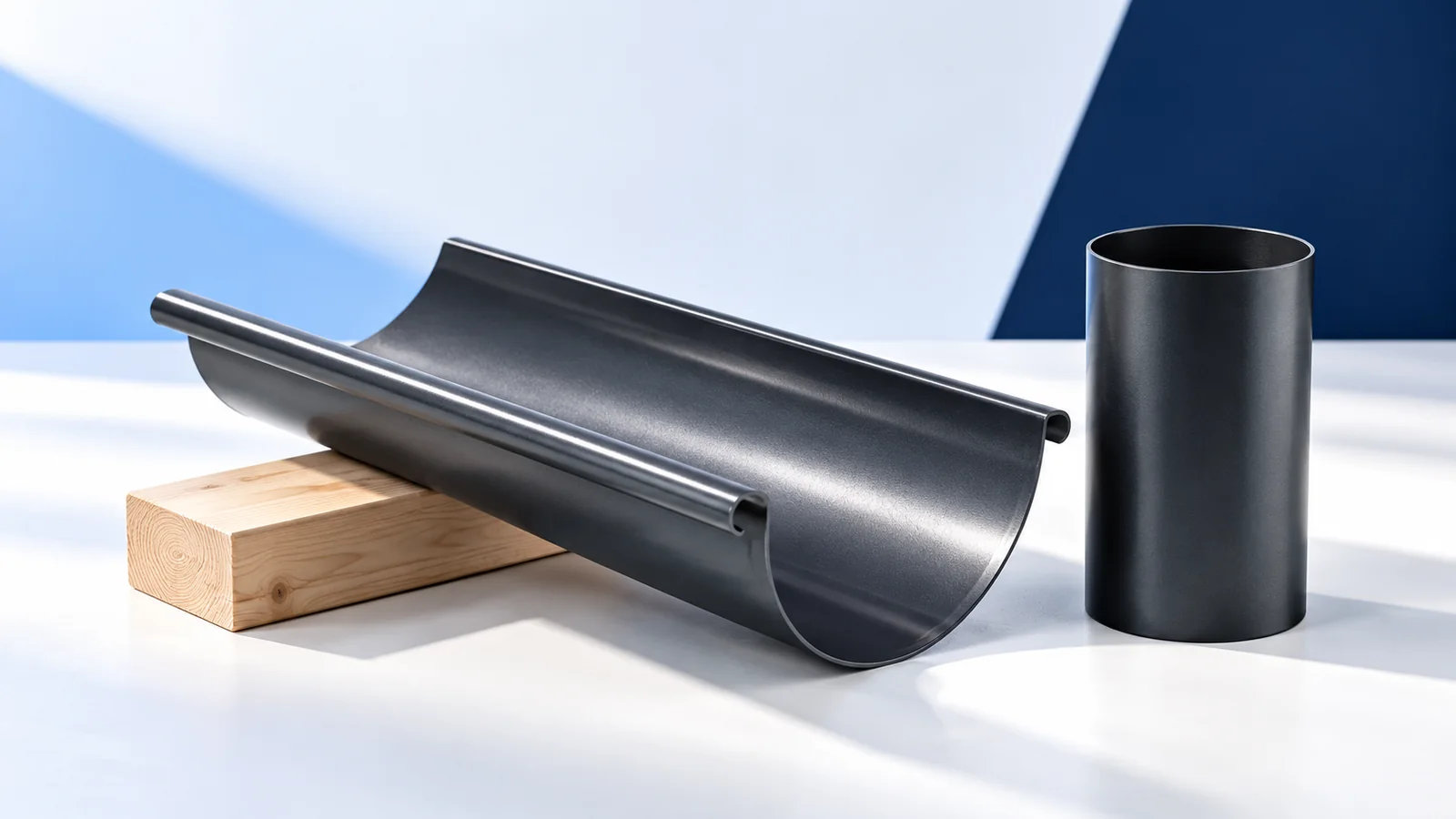
Steel gutters provide a stiff component and can complement metal roofing visually. Coating, section and colours depend on the range. Check exactly what the proposed system and specification include.
Preserve steel protection during transport and cutting. Check swarf and damage. In industrial or coastal surroundings, match the actual coating to exposure rather than assuming every steel gutter has equal resistance.
What should be considered with PVC?
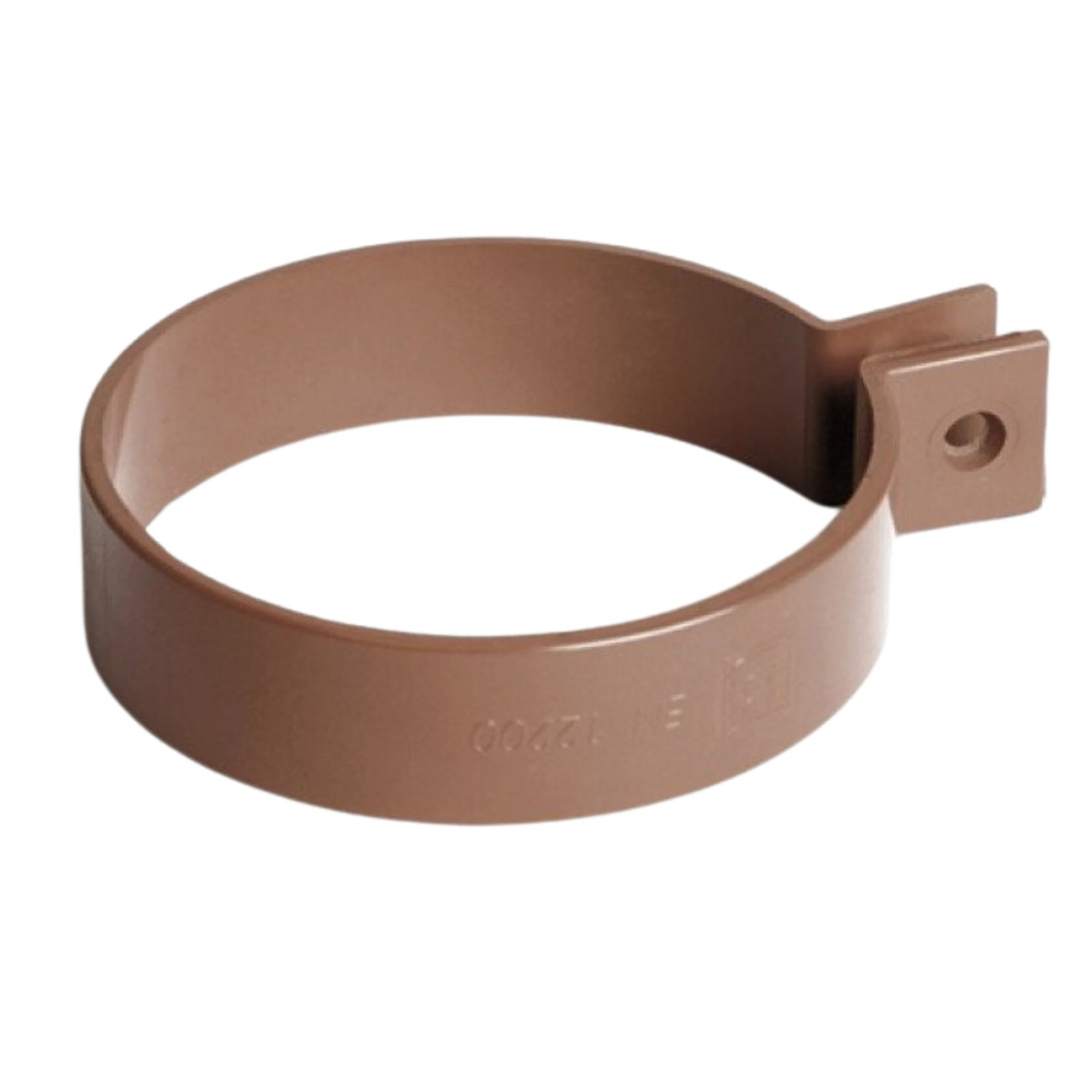
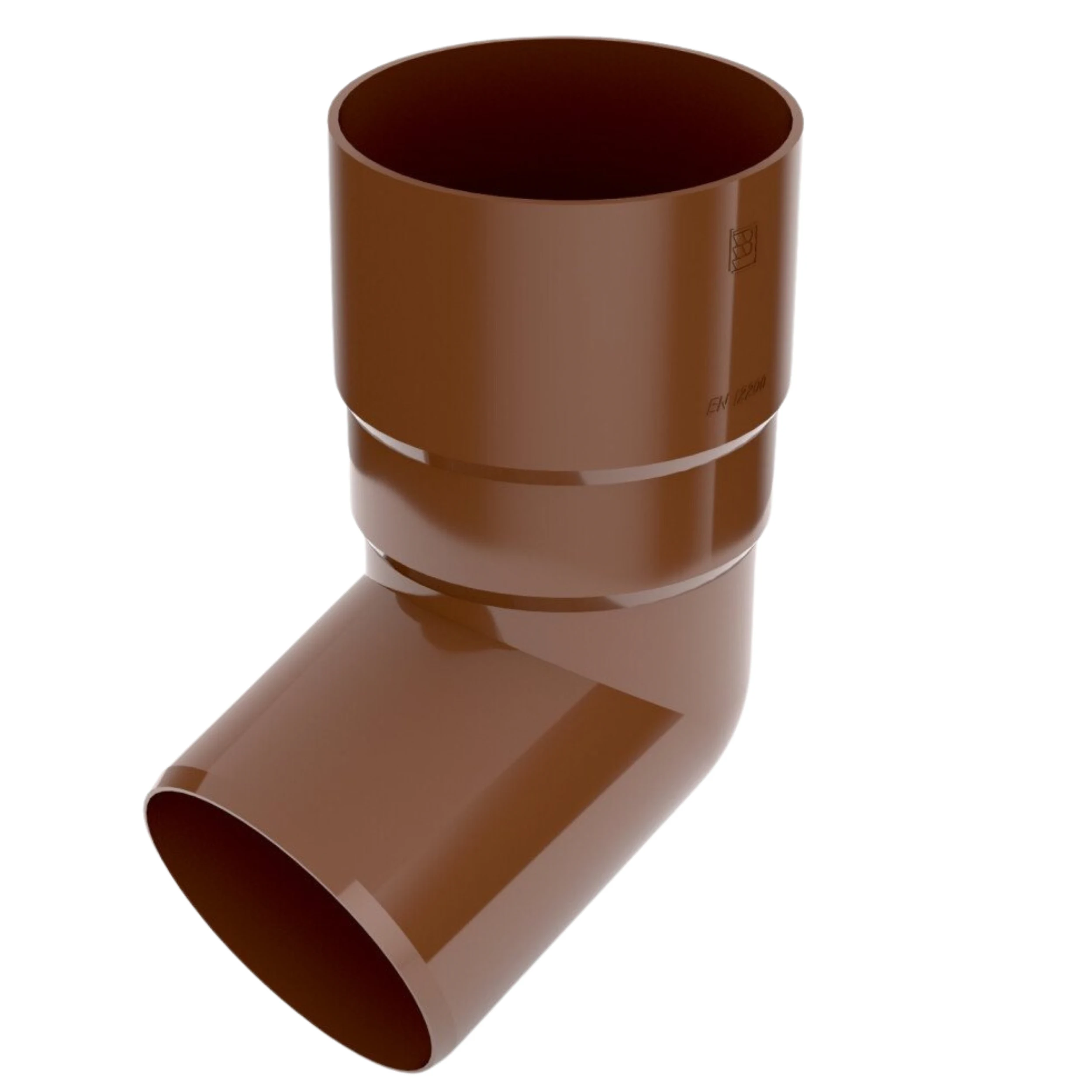
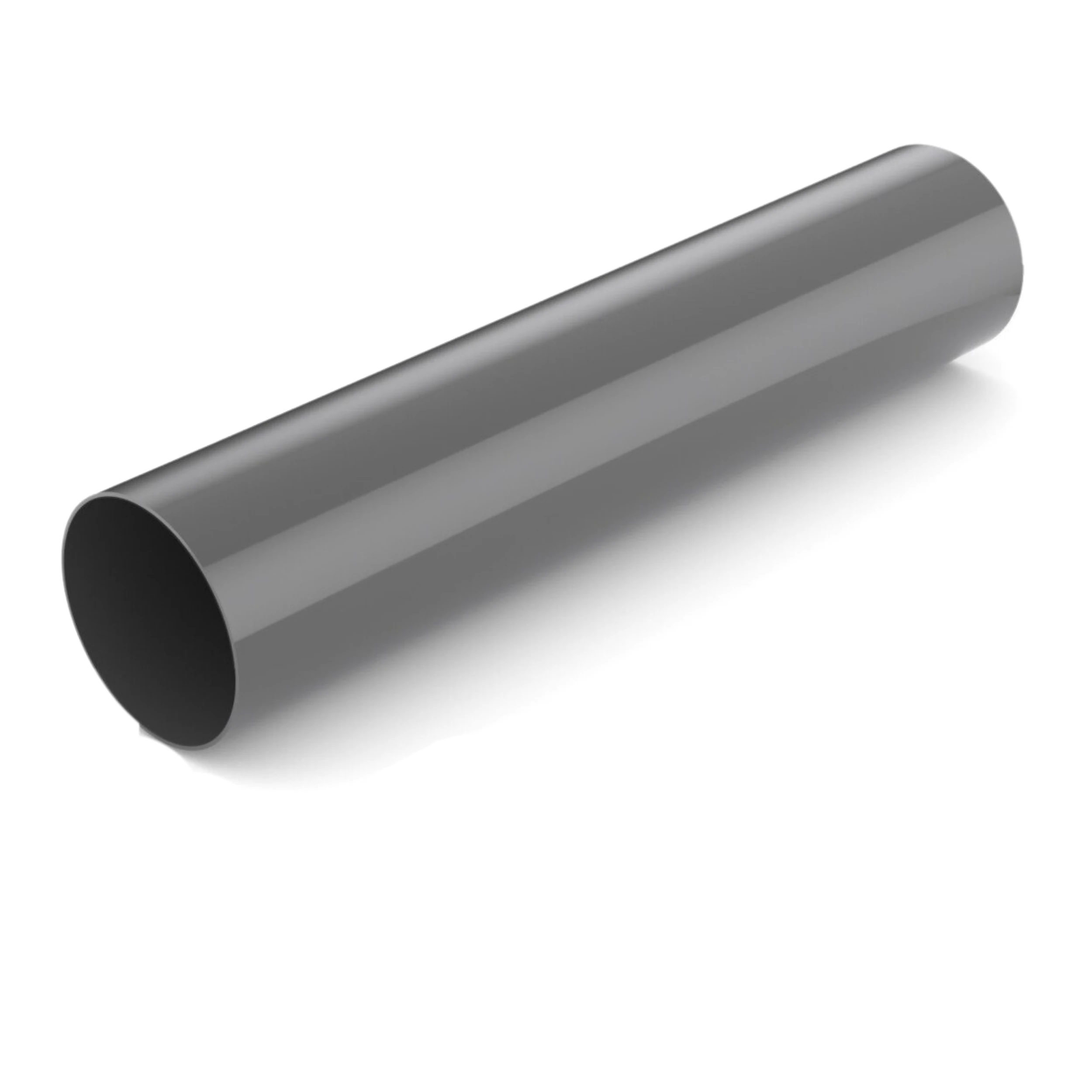
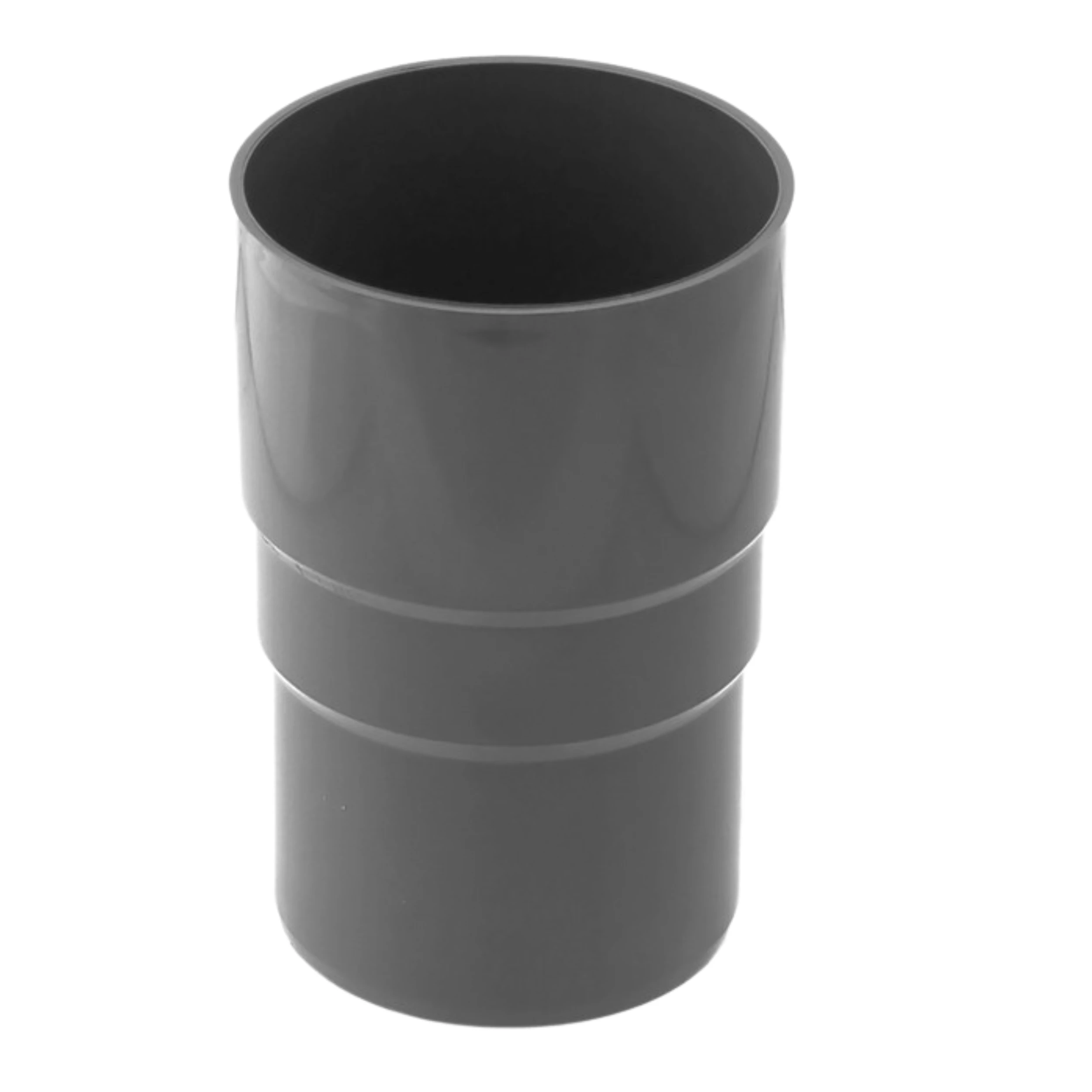
PVC makes lightweight parts easier to handle and does not undergo steel corrosion. The installation still needs matching brackets, corners, seals and pipes. Choosing a connector by appearance alone may not produce a correct joint.
Allow for plastic’s greater thermal movement using the clearances and sliding arrangements specified. Do not lock these locations with extra fixings. Check permitted installation conditions, especially temperatures during cutting and assembly.
Which details govern service life?
Use the chosen system’s bracket spacing and fitting-support requirements. Slopes and long-run stability must comply. Guessing support positions can cause deformation even when the material itself is suitable.
Gutters drain water; they are not snow-retention devices. Design any required roof protection separately. Remove leaves that block outlets, since overflowing or freezing water can stress joints and affect the façade.
How should the complete price be compared?
Price the same layout with brackets, stop ends, outlets, pipe clips and every corner. Include labour and scaffolding. A gutter’s metre price does not capture differences between simple buildings and roofs with many turns.
Check spare-part availability for later extensions or repairs. Appearance, watertightness and material warranties may cover different things. Running costs also depend on replacing a single component without rebuilding a larger section.
Can different brands or ranges be combined?
For repairs, identify the range and measure the actual section. Similar nominal diameters do not confirm compatible joints, seals or brackets. Do not approve a combination simply because it appears to fit.
If original parts are unavailable, compare an approved replacement with renewing a full section. Joining materials requires a suitable detail. A coordinated system gives clearer responsibility than a random mixture of components.
How can the final choice be checked on site?
Base the decision on capacity, exposure, stiffness and movement provision. Either steel or PVC can suit the building when the actual system is appropriate. Material alone cannot guarantee watertight, properly supported joints.
At handover, inspect slopes, brackets, seals and downpipe fixings. Keep the instructions and cleaning plan. After storms or overflowing outlets, inspect safely for displaced parts before the next heavy rainfall.

Free quote
What to include in your enquiry
Tell us how you plan to use the material, the dimensions and the quantity you need. Include the thickness, grade or variant name, along with the delivery town or your preferred collection branch. For a specific product, add its name or a link to the product page. We will reply to the email address you provide to discuss availability and the terms of your order.
More from the building guide
A concealed gutter changes the eaves appearance but must still collect roof runoff and discharge it safely away from the building. Its…
When buying a complete roof, establish where the supplier’s scope ends and the installer’s begins. Structure, substrate, protective layers and covering are…
Square and rectangular gutters give eaves a defined outline, but appearance should not complete the selection process. You need the capacity of…
Start gutter selection for a metal roof with the amount and direction of runoff, then consider shape and colour. Relevant details include…
Concealed gutters on a metal roof require drainage to be designed together with the eaves and façade. A fascia cover changes the…