






Roof defects and complaints: document symptoms before deciding the cause
Renovation and maintenance
When a roof problem appears, record the symptom, location and circumstances first. Surface rust does not always originate in the sheet, and moisture underneath does not always mean rain penetration. Material, storage, installation and later use need to be assessed together. This guide organises common causes and records useful for inspection and reporting. It neither assigns responsibility from a photograph nor promises that a complaint will be accepted. It explains how to limit further damage while preserving evidence of the original condition. Delivery dates, coating designations and photographs of hidden layers can be more useful than general quality assurances. Start that record during construction.
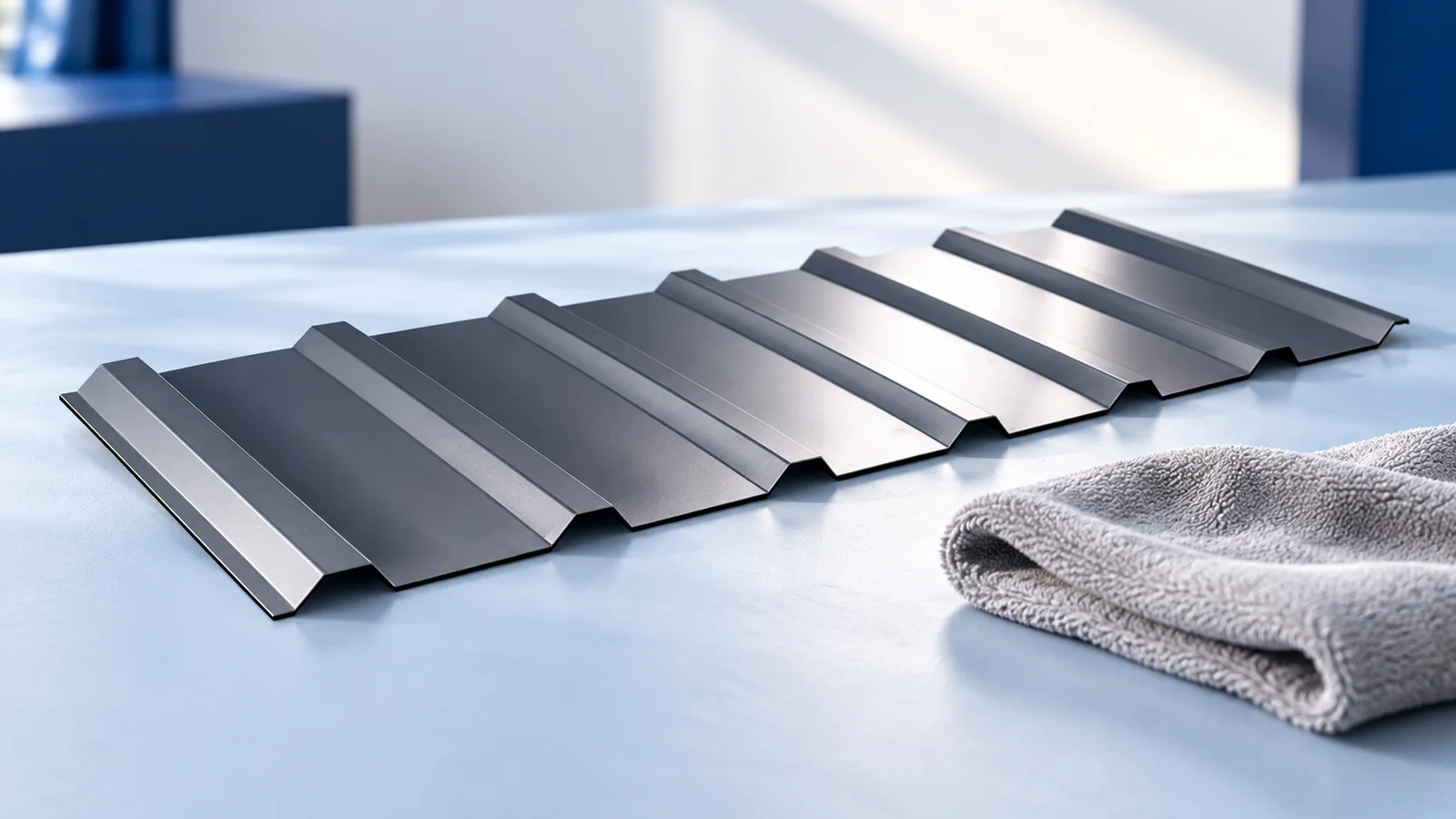
Why does one photograph rarely establish the cause?
A stain photograph shows the visible result, not necessarily where water entered. Colour differences can likewise come from deposits or lighting. Supply delivery, construction and subsequent installation history with the inspection.
Record weather and the date the change was noticed; repeat photographs from the same position. Avoid assigning blame before investigating details. This helps track progression and choose further checks.
What can happen before the sheets reach the roof?
Poor support can deform sheets and sliding them over one another can scratch coatings. Factory packaging does not permit indefinite storage. Assess and handle wet packages according to instructions rather than leave them closed.
Record package and visible-edge condition on arrival without entering unsafe unloading areas. Inspect again after opening and before fitting. Clarify a visible defect before installing the affected piece.
How should coating damage be assessed?
Distinguish rusting swarf on the coating from corrosion of the sheet itself. Unsuitable cutting and hot particles can damage protection. Remove deposits compatibly and inspect the surface underneath.
Assess exposure, cleaning products and contact between dissimilar metals. Colour alone does not establish coating suitability. Photograph the original condition and check the recommended procedure before touching up.
Which installation details can cause leaks?
Check pitch, laps and fastener seating against the specific system. Damaged washers or excessive compression can impair sealing. Automatically tightening every screw is not a diagnosis.
Inspect chimney, valleys, eaves and penetrations. Sealant cannot replace flashing that directs water correctly. Photographs taken before covering help reconstruct details hidden during later inspection.
Can moisture occur without a hole in the covering?
Condensation on cold metal requires checking moisture supply and drying. In heated rooms, inspect airtight layers and penetrations. In unheated buildings, consider use, ventilation and moisture sources.
An anti-condensation layer has limited water storage and must release moisture again. It is neither thermal insulation nor a universal vapour barrier. Persistently wet fleece calls for assessment of the complete assembly.
What belongs in a clear defect report?
Prepare purchase records, material identification, dates and both overview and close-up photographs. Mark the location on a roof sketch. Document urgent protective work while preserving information about the pre-repair condition.
Distinguish material-warranty terms from workmanship and rights under the contract. Assess the particular report against its documents. Warranty duration alone proves neither freedom from maintenance duties nor automatic cover for every defect.
How can risks be reduced before work begins?
Agree the model, specification and instructions with the installer. Include the correct flashings and fixings in the quotation. Plan delivery inspection, storage and checks before later work conceals important junctions.
After handover, record inspections and subsequent roof work. Investigate the cause of recurring symptoms. Good organisation reduces risk but cannot honestly guarantee that defects will never occur.

Free quote
What to include in your enquiry
Tell us how you plan to use the material, the dimensions and the quantity you need. Include the thickness, grade or variant name, along with the delivery town or your preferred collection branch. For a specific product, add its name or a link to the product page. We will reply to the email address you provide to discuss availability and the terms of your order.
More from the building guide
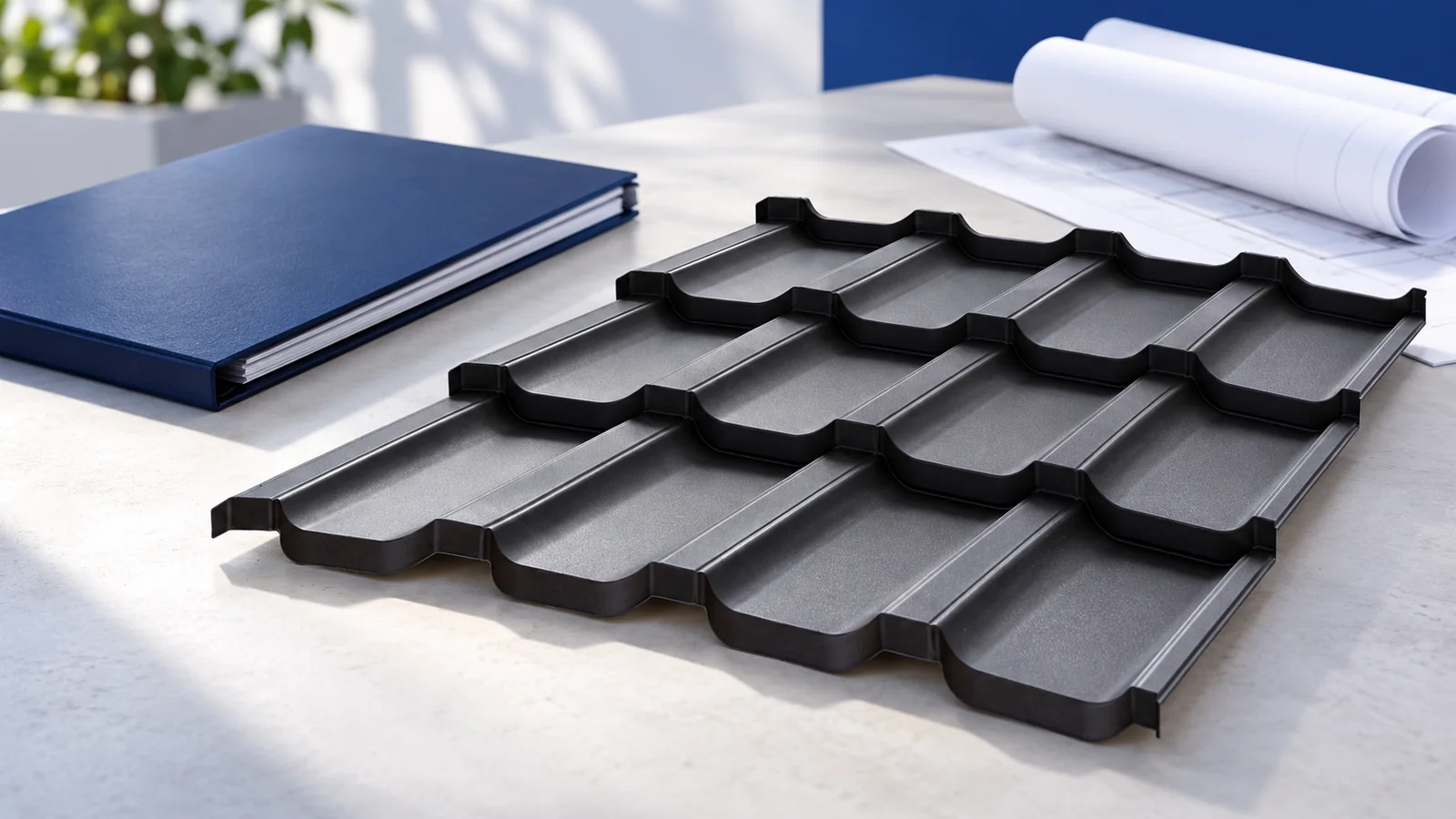
When replacing an asbestos roof in Poland, separate safe waste removal from the cost of the new covering. Funding for one does…
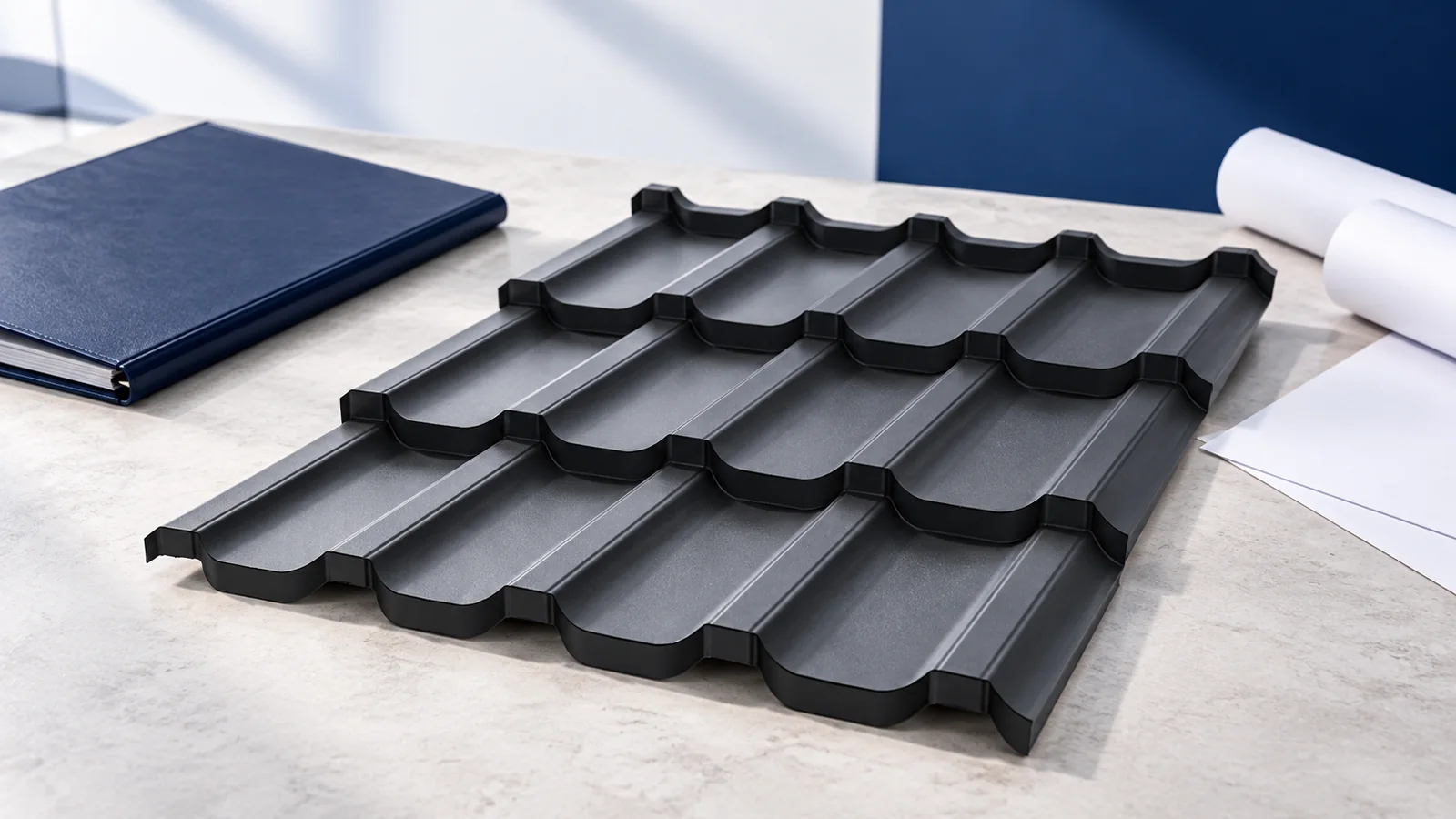
If you suspect unauthorised building work in Poland, compare the existing building with its records before ordering renovation materials. Establish what was…
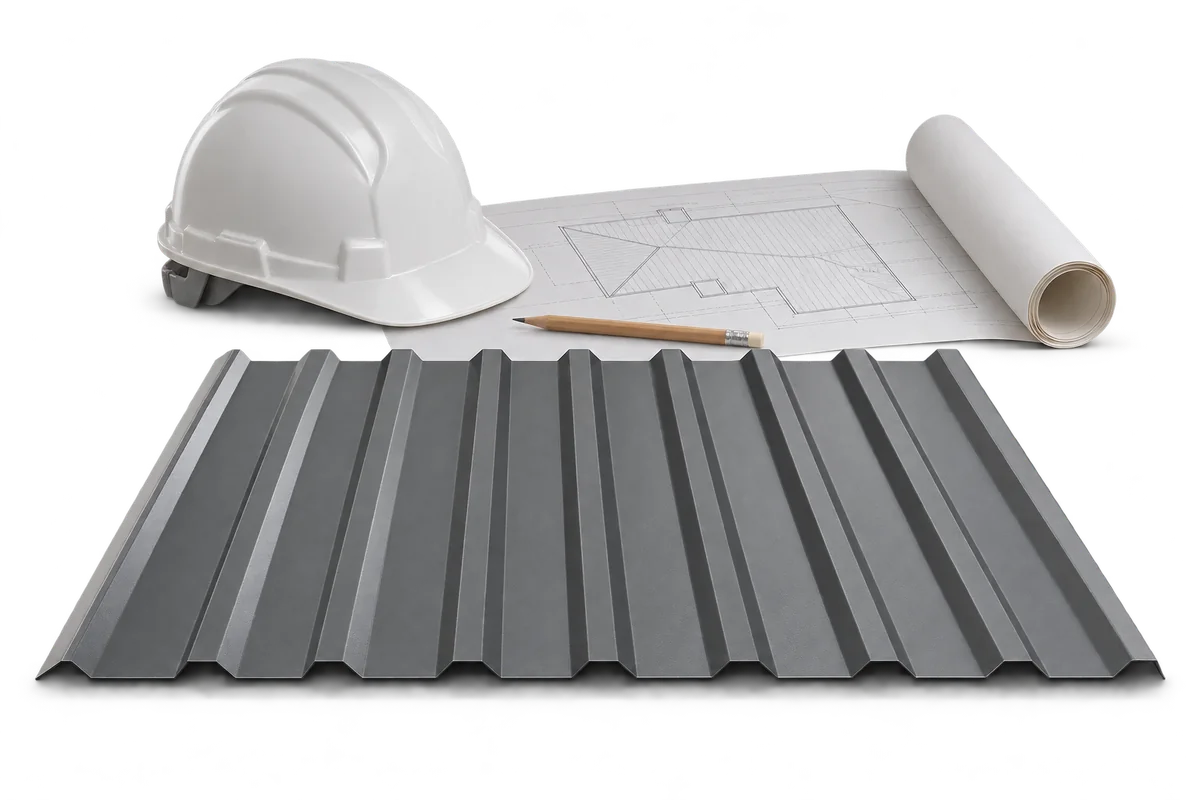
In Poland the construction site manager (kierownik budowy) organises and directs the work in accordance with the design, applicable rules and safety…
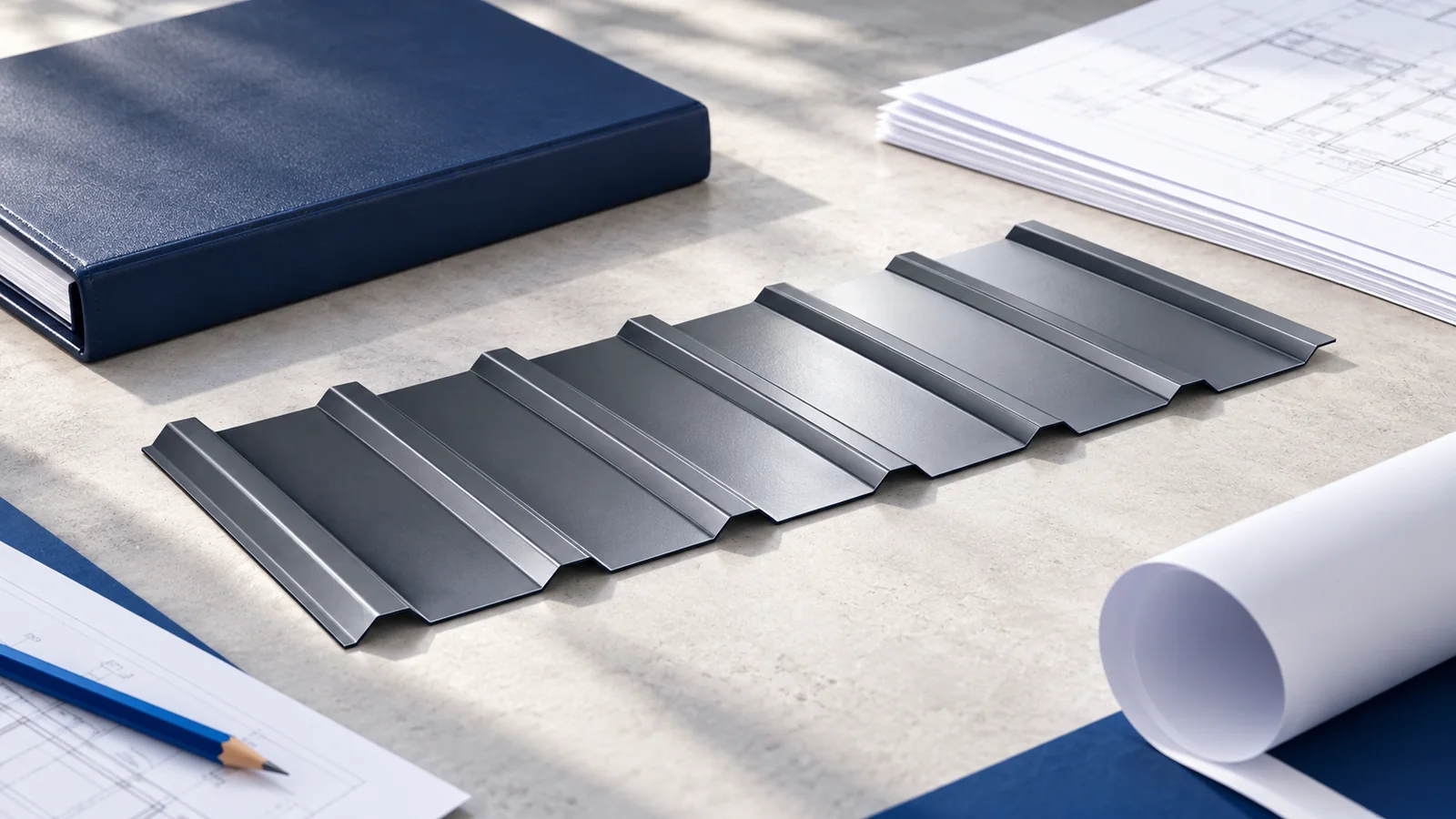
Preparing a construction project in Poland in 2026 means checking the proposed work, the date the procedure began and the transitional provisions.…
Before buying roofing materials in Poland, establish the formal scope of the whole project. Replacing worn sheets, rebuilding the structure and raising…