






Metal roof-tile coatings: compare the specification behind the finish
Roof coverings
Compare metal roof-tile coatings after establishing the profile, steel core thickness and building exposure. A similar colour or matt appearance does not mean identical protection. Separate the roles of the metallic layer, external organic coating and underside finish. This guide explains which product-sheet and warranty details help assess the premium for a particular finish. It also covers storage, cutting and upkeep, because a good specification cannot remove installation risks. Instead of seeking one best coating for every roof, build a comparison for your location. Keep the full product designation: it will help with flashings, repairs and any later deliveries for the same roof.
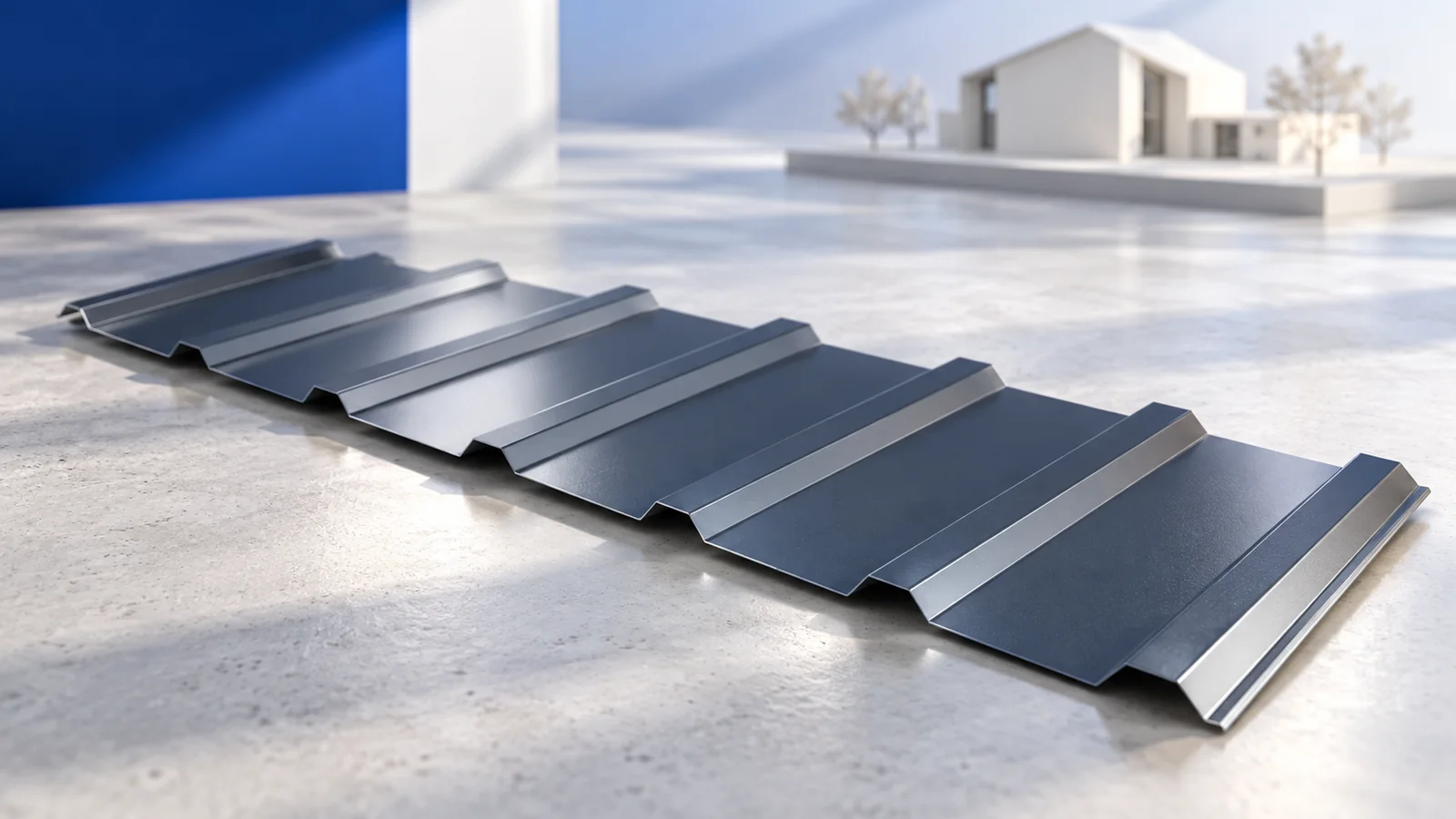
Which layers make up coated sheet metal?
Distinguish the steel, metallic protection, surface preparation and organic finish in the sheet build-up. The underside may differ from the visible face. Obtain documentation for the exact variant; a colour name does not describe these layers.
Steel core thickness and paint thickness describe different properties. Do not combine them when comparing offers or treat thicker paint as a replacement for the specified steel. Give them separate entries in the purchasing comparison.
What does the metallic coating do?
The metallic layer contributes to corrosion protection of the steel. Its composition and coating mass depend on the product. Compare documented designations rather than assuming that sheets with a similar appearance have identical protection.
Exposure, edge condition and contact with other materials also matter. A small exposed edge is not automatically sheet perforation, but should not be ignored. Follow the manufacturer’s instructions for cutting and edge treatment.
What is the role of the organic finish?
The outer coating provides colour and contributes to surface protection. Family names such as polyester or polyurethane do not describe every property of a particular formulation. Check the variant data, thickness and declared application.
UV, corrosion and mechanical resistance are separate issues. Compare results obtained by comparable methods. A high rating in one area does not establish equally high performance in the others.
Is a matt surface always more durable?
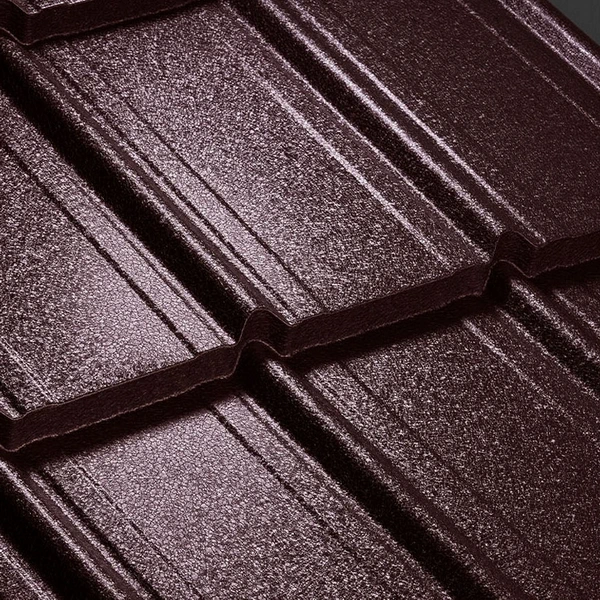
Matt and gloss surfaces primarily reflect light differently. Different coating systems with different properties can have a matt finish. Texture or a subjective impression of thickness is not evidence of corrosion durability.
View samples outdoors beside the facade under different lighting. First exclude finishes unsuitable for the building exposure. Then compare colour and texture among technically appropriate options.
How should the finish match the location?
Record nearby salt exposure, industrial emissions and persistent moisture. Check whether the warranty covers that location and intended application. Being coated does not make every product suitable for every environment.
Conditions can vary across one roof: wet leaves in a valley, deposits near a chimney or shade beneath equipment. Plan cleaning and material compatibility. A more expensive coating does not replace effective drainage.
What installation mistakes can damage a good coating?
Sliding sheets over one another, leaving swarf and storing wet packs can damage the finish before the roof is used. Agree unloading, cutting and cleanup methods with the installer. Keep the specific manufacturer’s instructions on site.
Use the specified touch-up product only within its intended scope. A large paint patch may remain visible. When ordering flashings, check coating, colour and batch compatibility rather than just a colour-chart number.
How should price and warranty be compared?
A price premium is meaningful only with the same profile, steel core and area basis. Separate appearance and perforation warranties and read each set of conditions. A headline duration is not a universal service life for the complete roof.
Keep the model name, full coating designation and purchase record. “Graphite matt” will be too vague for a future repair. A sound choice combines suitability for the location, appearance, budget and a practical maintenance plan.

Free quote
What to include in your enquiry
Tell us how you plan to use the material, the dimensions and the quantity you need. Include the thickness, grade or variant name, along with the delivery town or your preferred collection branch. For a specific product, add its name or a link to the product page. We will reply to the email address you provide to discuss availability and the terms of your order.
More from the building guide
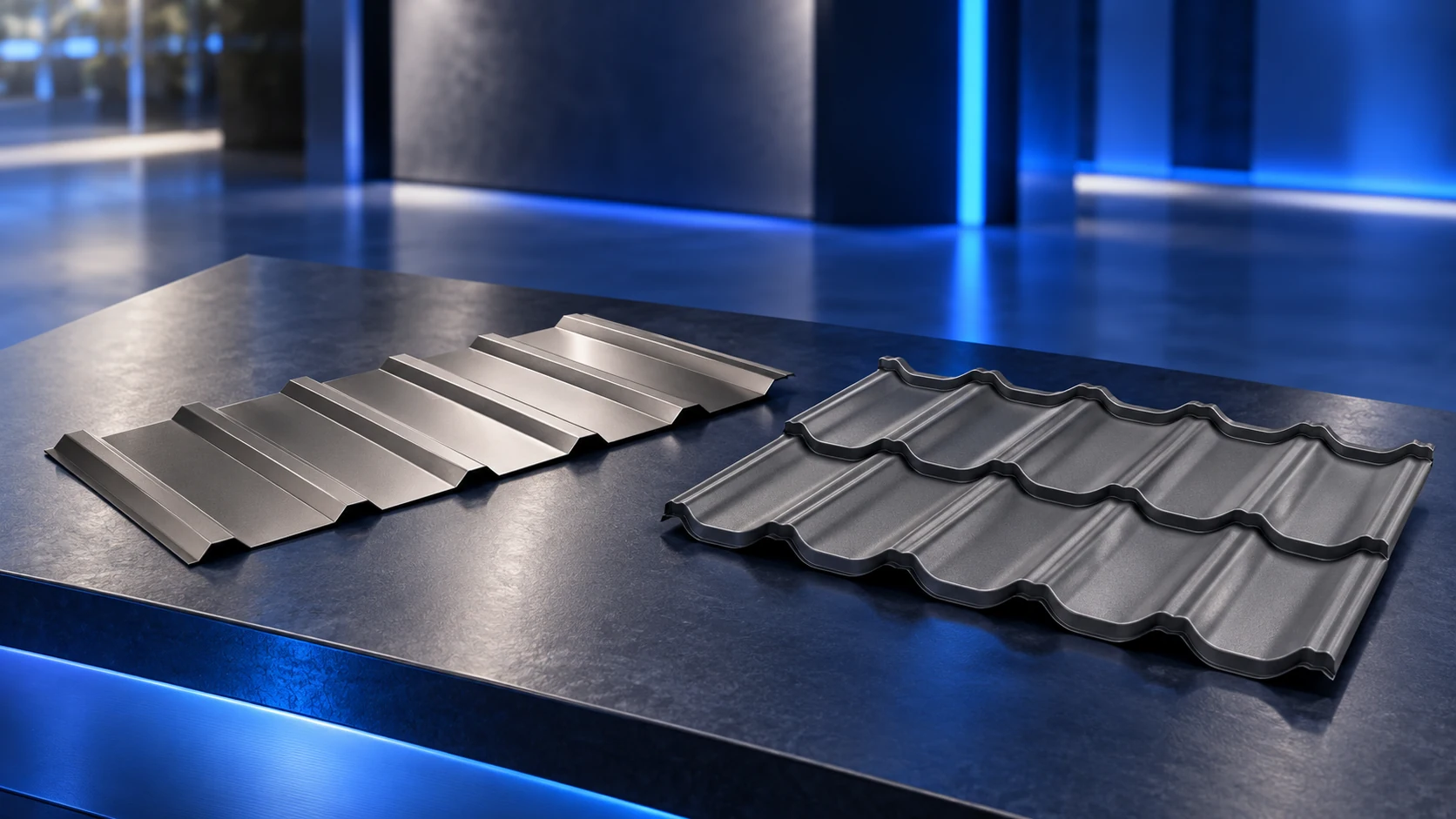
Both steel tile-effect sheets and trapezoidal profiles can form a reliable roof when they suit the design and are installed correctly. Tile-effect…
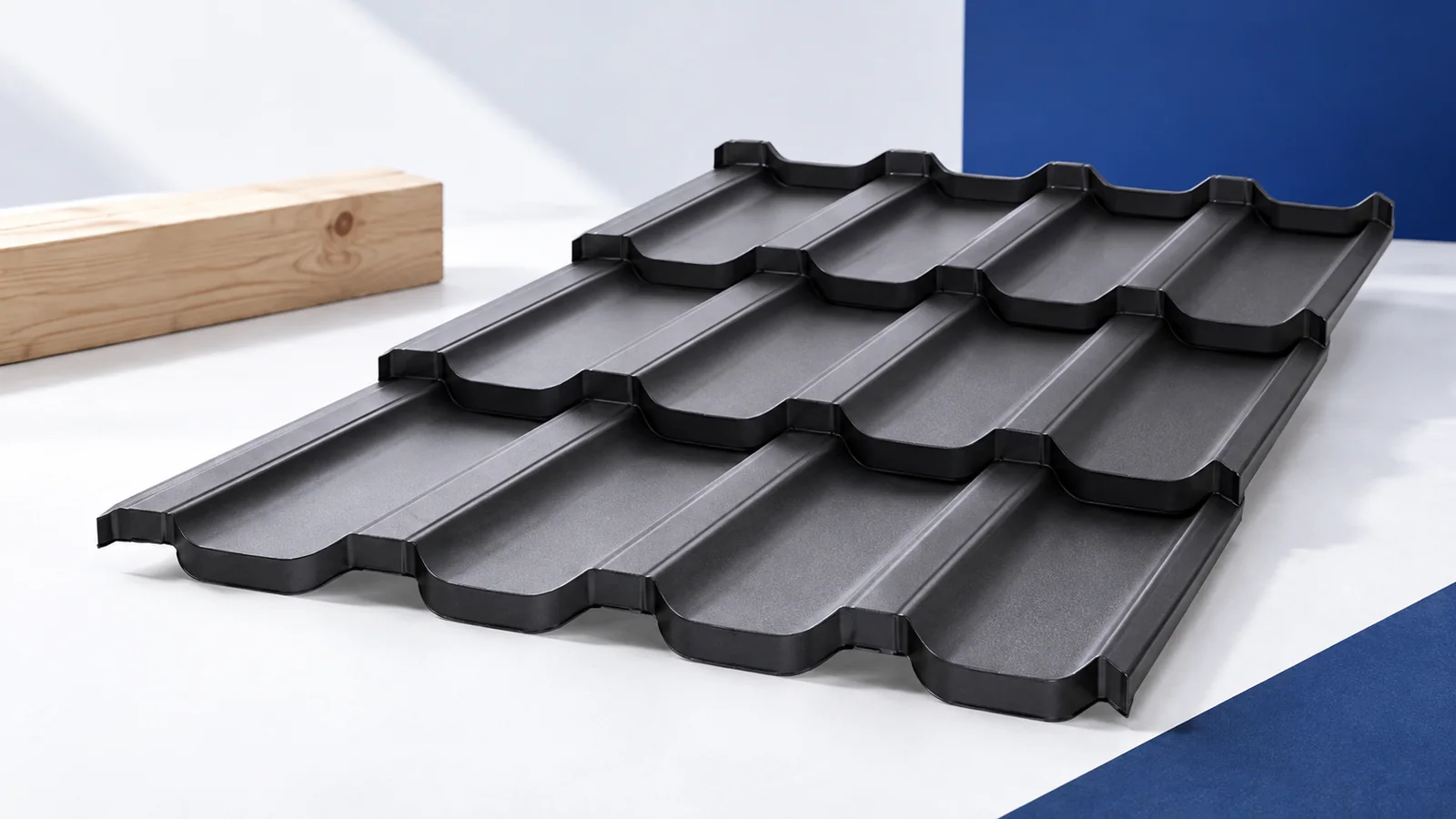
Plan a roof-covering replacement as a sequence: assess the existing structure, define the work, protect the interior, remove old materials and then…
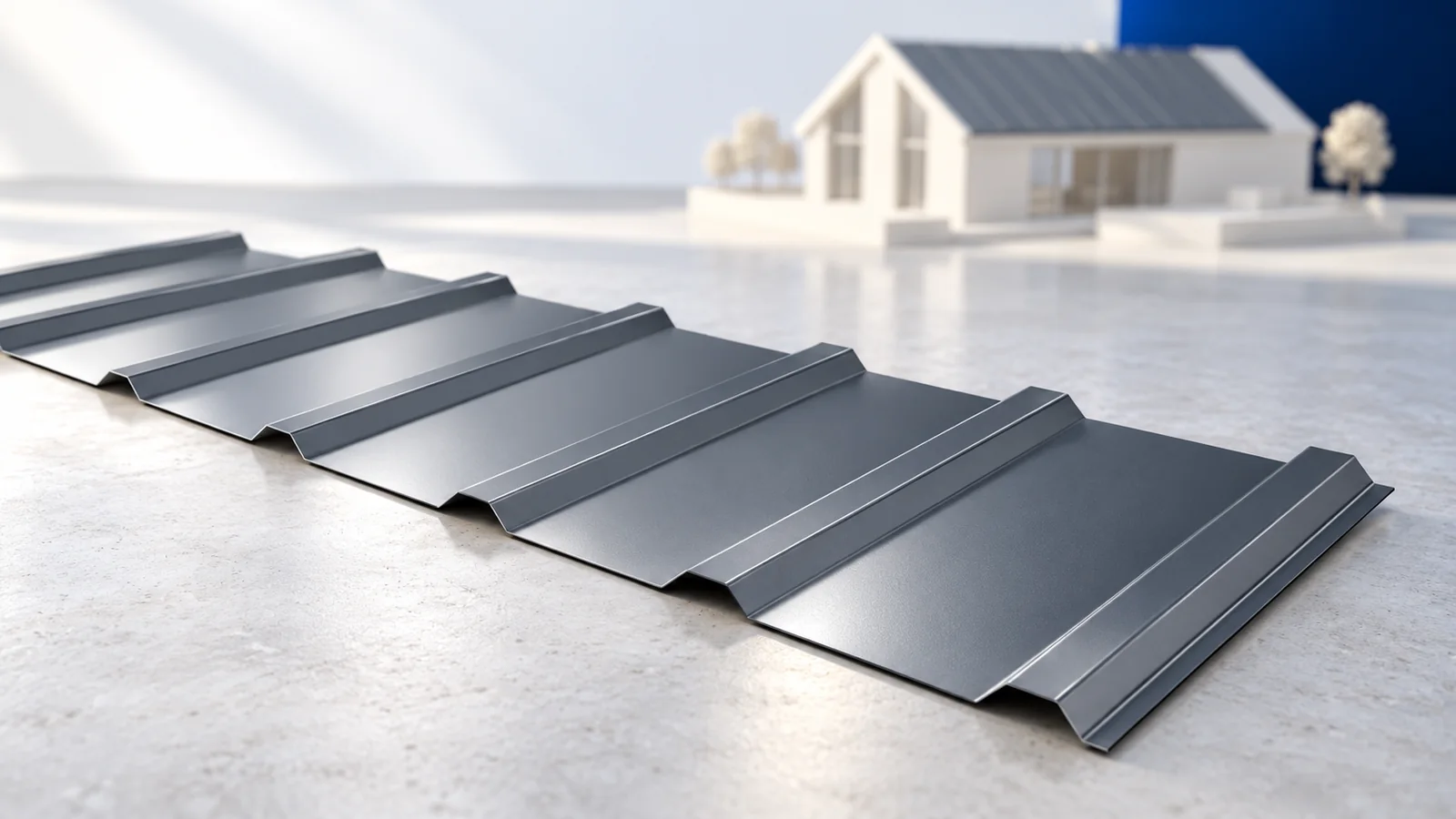
The regular profile helps with T18 and T35 trapezoidal-sheet installation, but efficient work starts before the sheets arrive. Accurate slope dimensions, prepared…
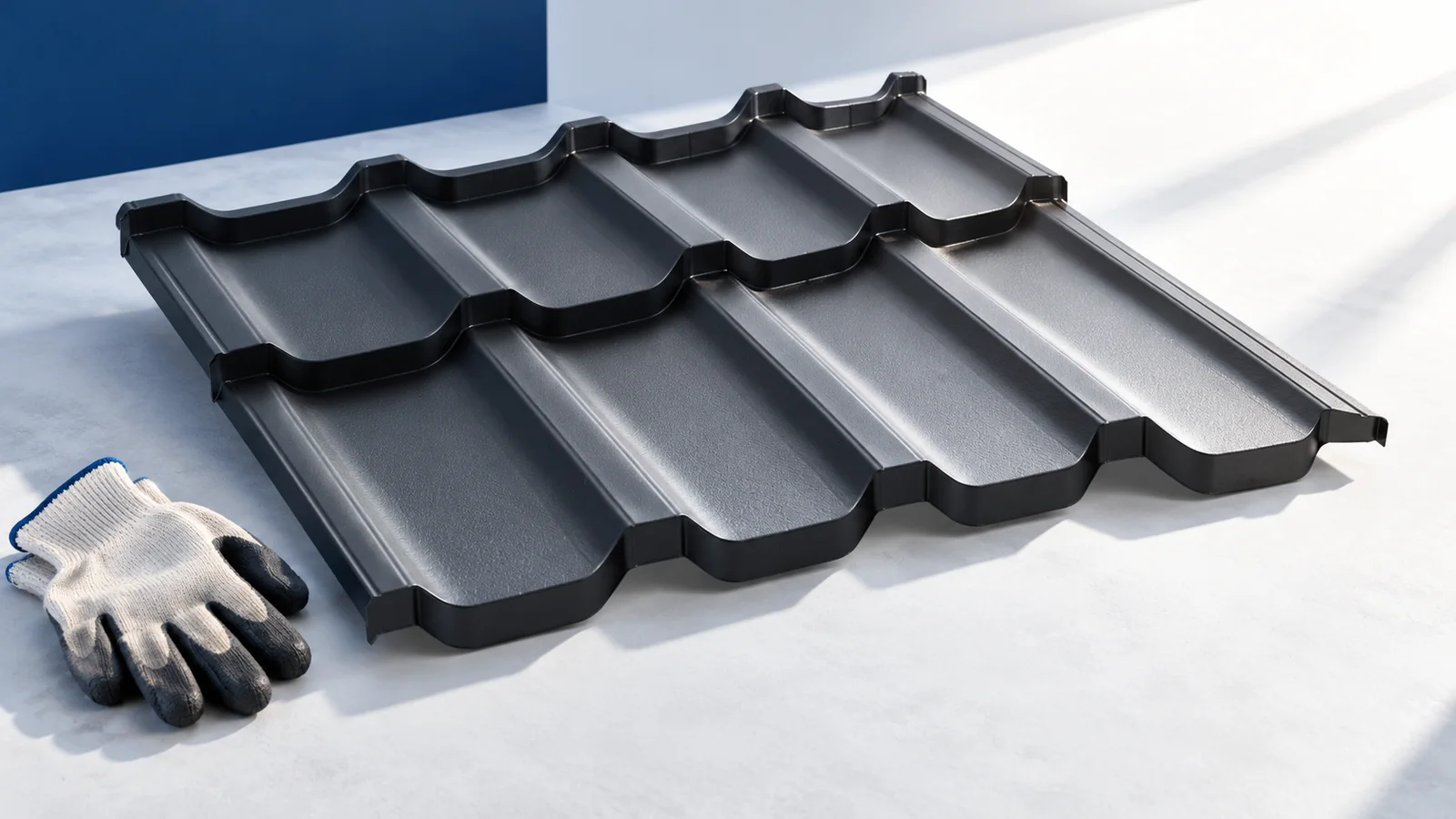
Replacing old fibre-cement roofing involves two separate decisions: how to remove the existing material safely and what roof to install afterwards. Not…
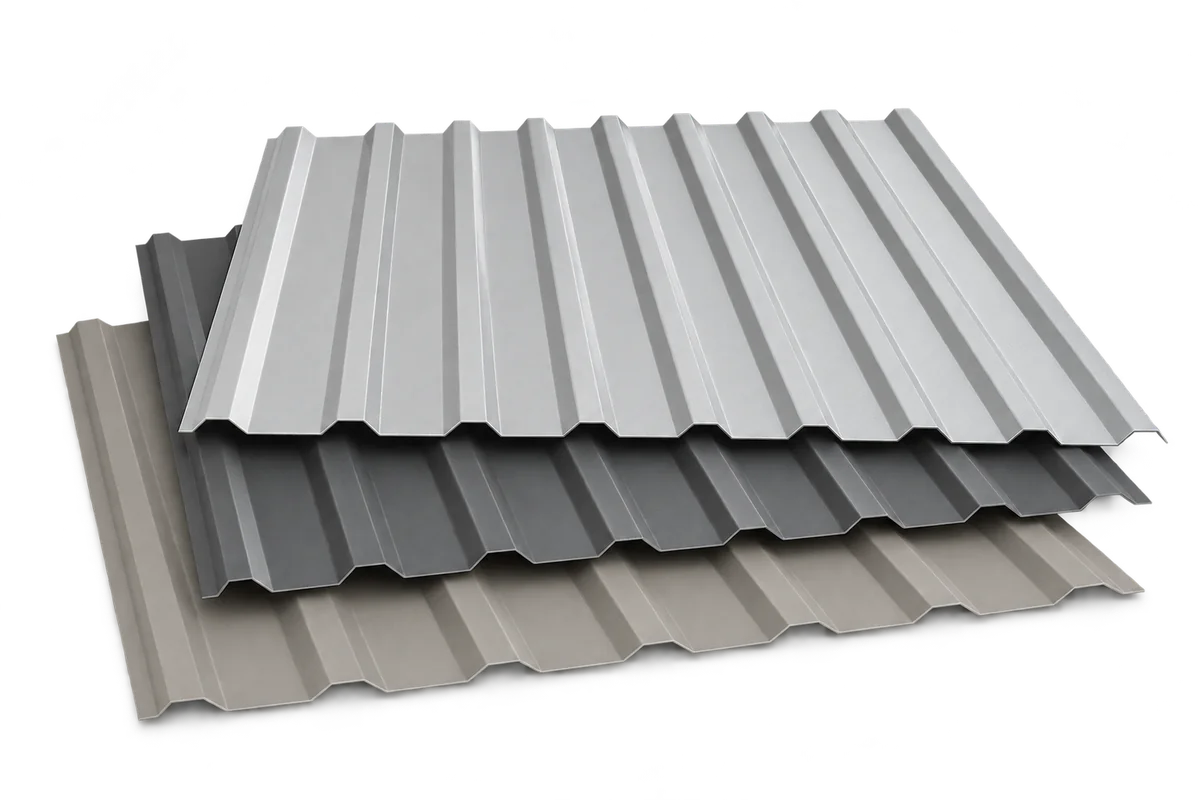
Trapezoidal steel sheets can quickly enclose a roof or facade once the supporting structure is ready. The sheets are lightweight, come in…
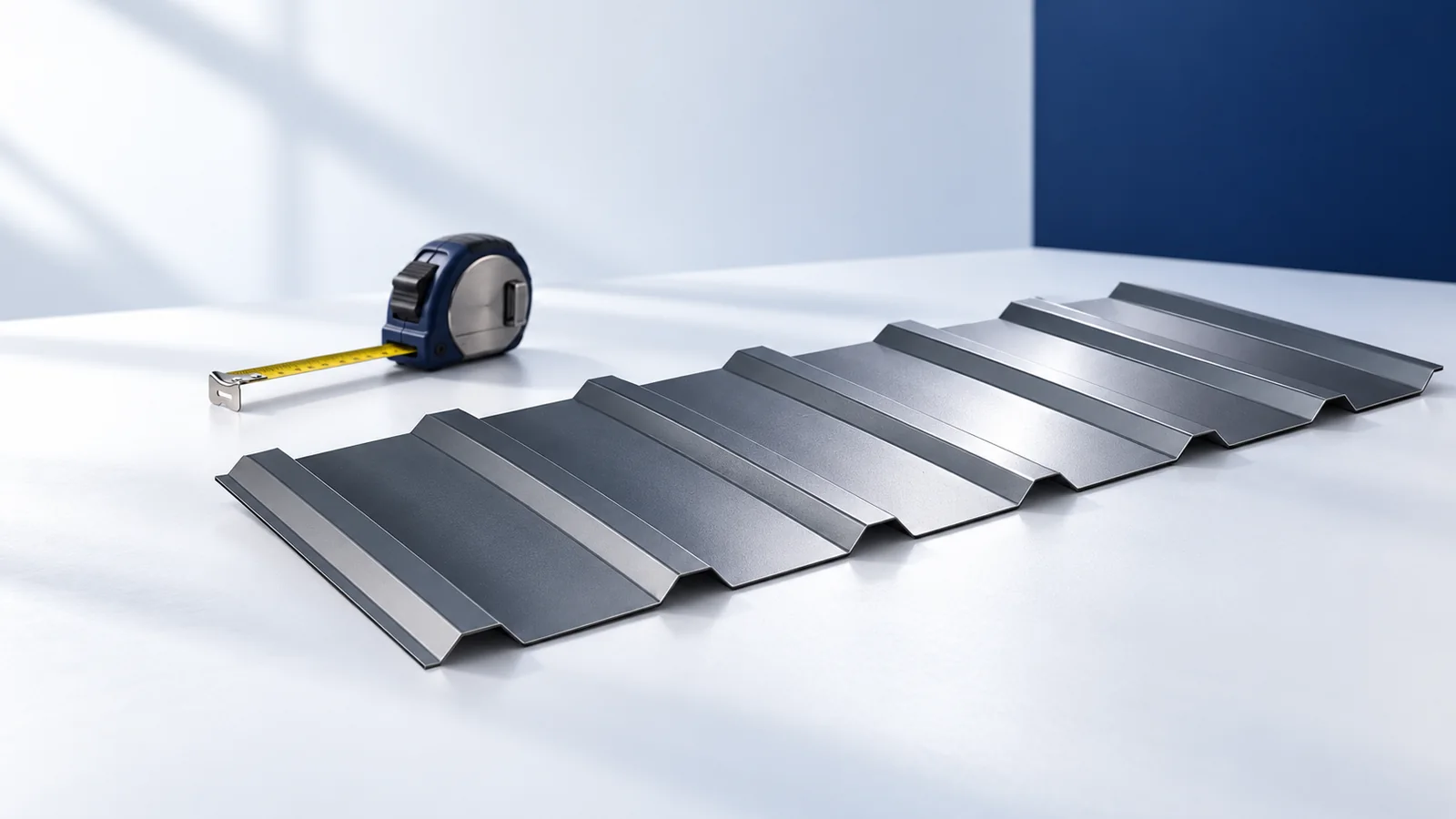
Organise roofing materials by their role in the assembly. Profiled sheets and tiles cover the slope, sandwich panels combine facings with insulation,…
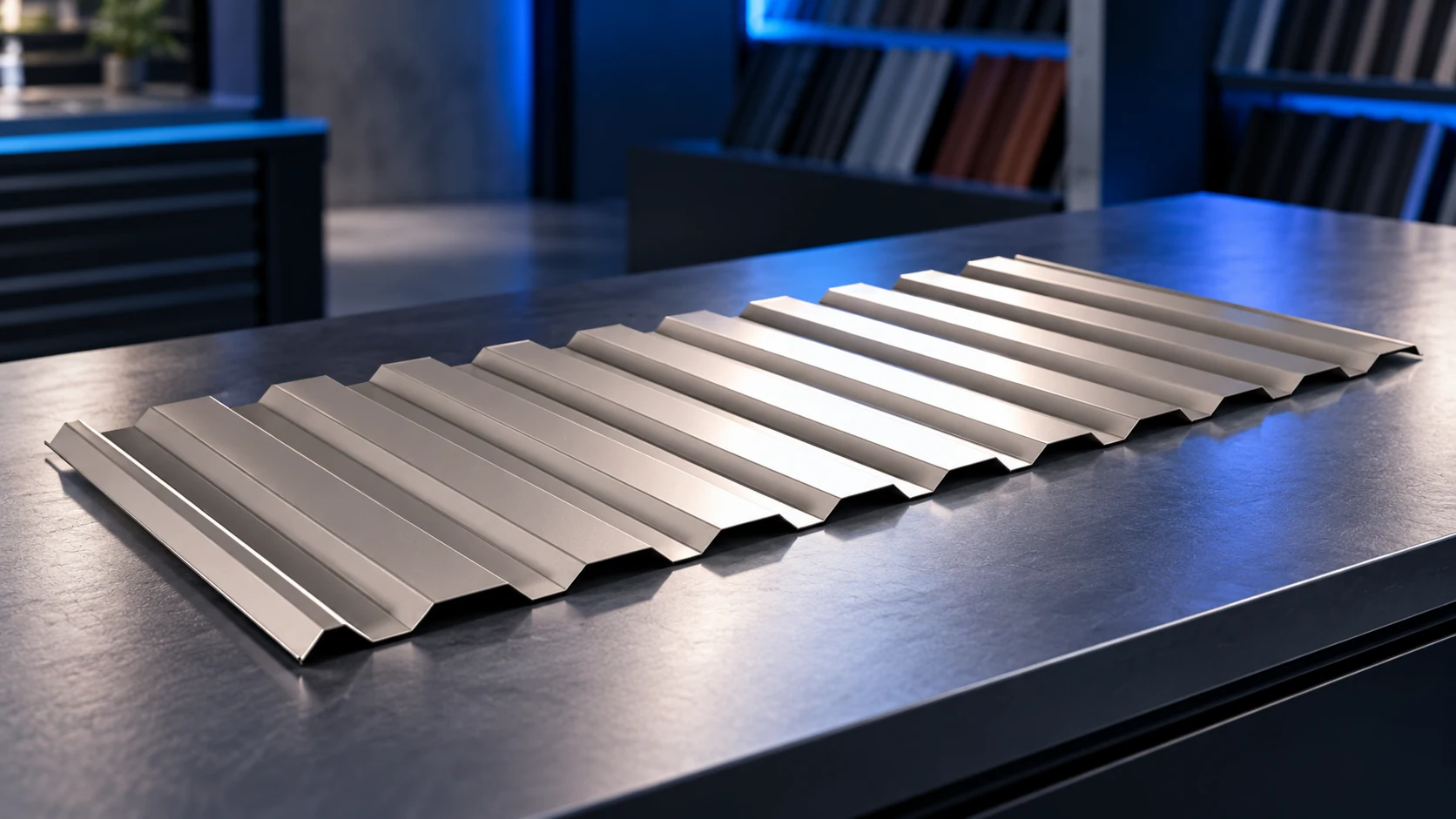
T14 is a low-profile sheet, but its dimensions are not standardised by that name alone. Effective cover widths can be 1120 or…
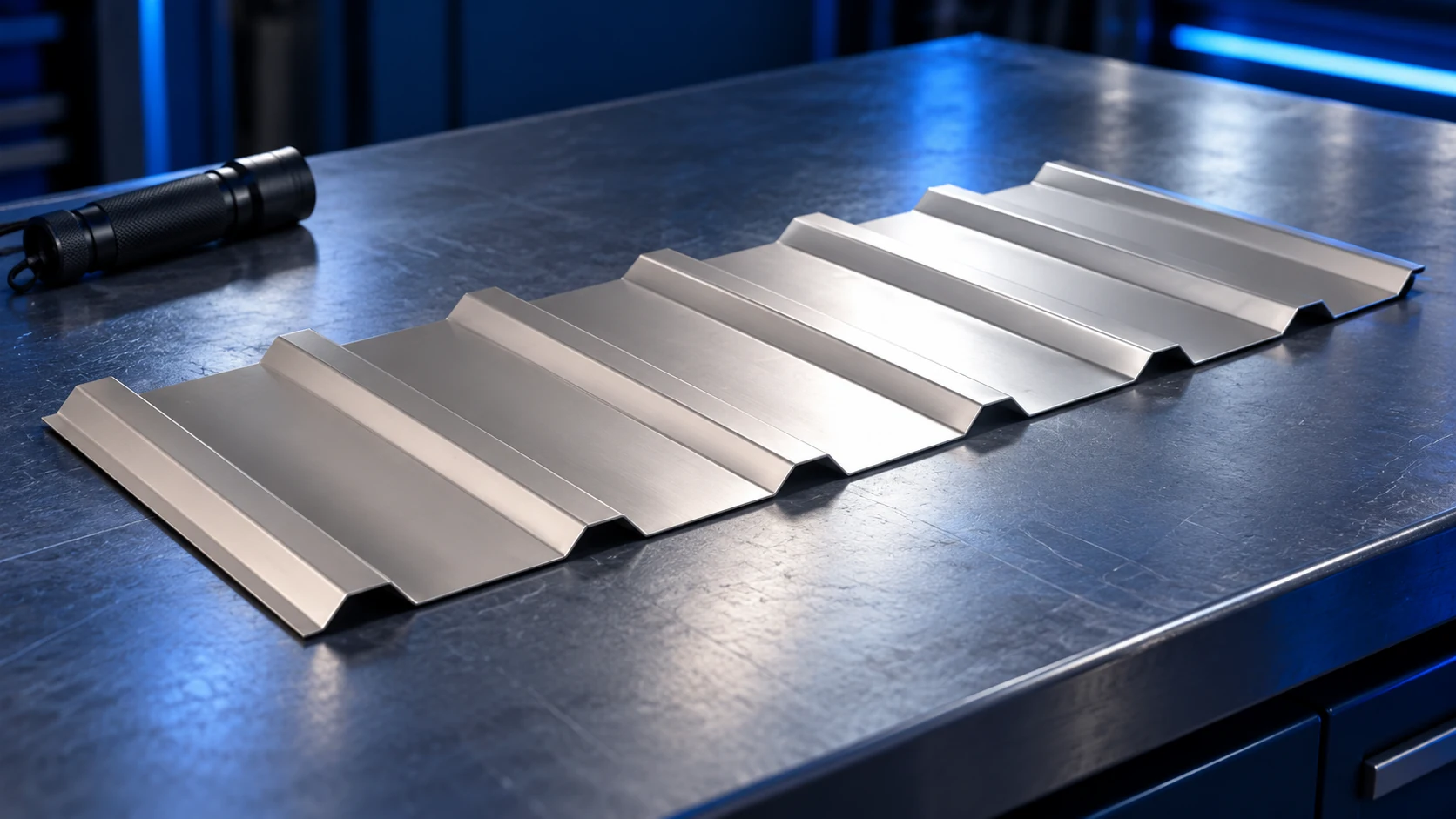
A useful trapezoidal steel sheet quotation lets you verify the product, quantity and complete price. The name T18 and a colour alone…